This California Fruit Nursery Is A Tropical Paradise Filled With Rare Fruits From Around The World
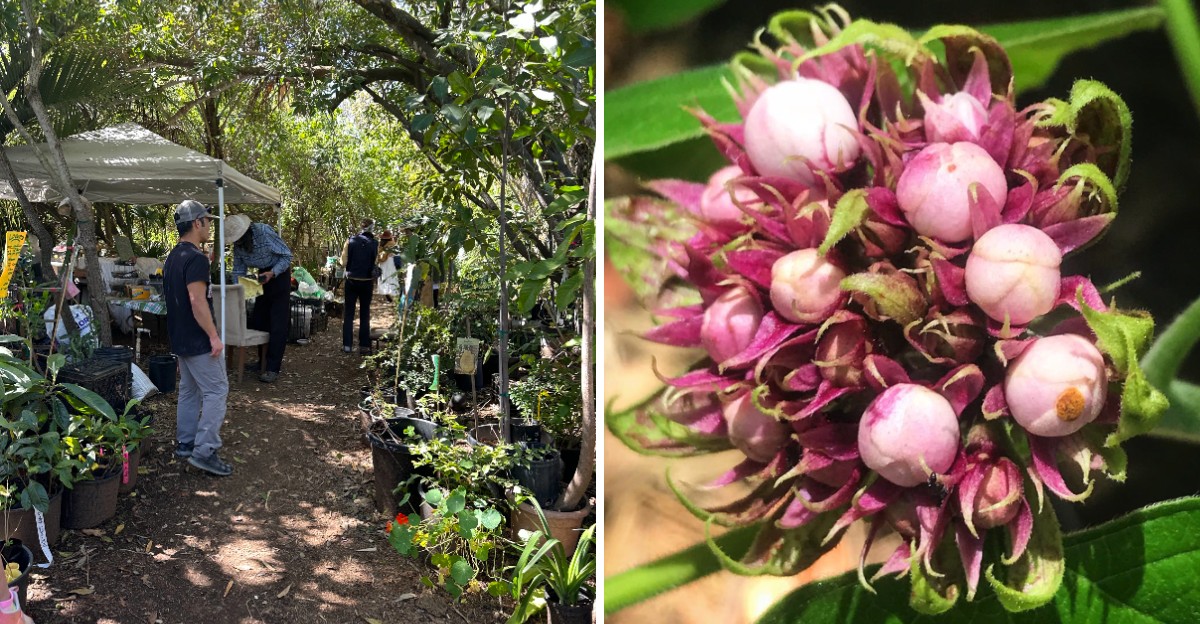
A fruit nicknamed chocolate pudding grows on a tree you can actually take home. The black sapote is just one oddball in a collection of more than a thousand rare fruit varieties.
The man behind it all gathered seeds in places like Ecuador, Fiji, and Burma. Then he brought those treasures back to Southern California.
The result feels less like a garden center and more like a jungle with price tags.
Paths wind through dense greenery, and a tasting table offers bites of whatever happens to be in season. It’s the kind of stop that rewards curious people.
I can’t imagine leaving without at least one strange new tree in the back seat.
A Seed-Collecting Adventurer Planted The Whole Idea
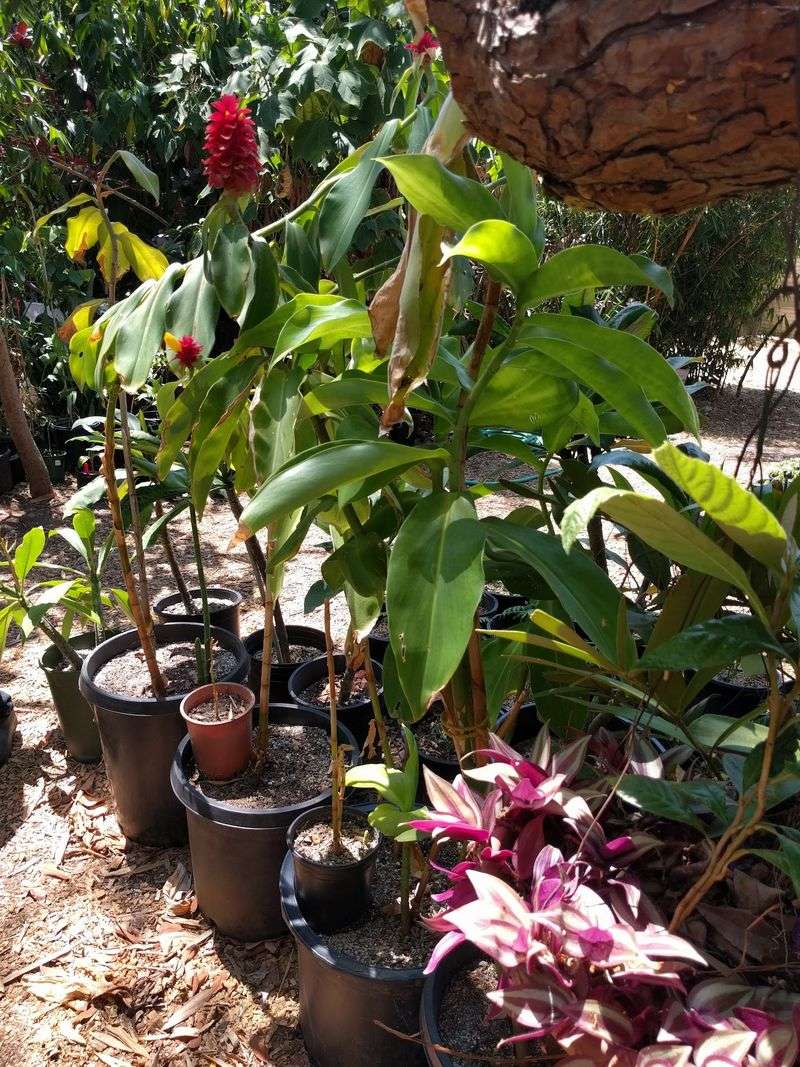
Steve Spangler did not build a nursery by ordering from a catalog. He traveled to places like Ecuador, Fiji, and Burma, collecting unusual fruit seeds along the way.
Those journeys became the backbone of Exotica Rare Fruit Nursery in Vista. The business actually began as a seed operation in Hawaii before taking root here in California.
Steve started the farm more than three decades ago with his mother, Jeanette. That family beginning gives the place a personal feel you rarely find at big garden chains.
Exotica is often called one of the oldest rare fruit nurseries in Southern California. Plenty of nurseries sell lemons and avocados.
Few can trace their plants back to a seed hunter’s backpack.
Steve still runs much of the operation himself today. He’s known for deep knowledge of edible plants and for keeping overlooked varieties available.
Knowing the backstory changes how the visit feels. Each tree carries a little piece of a trip across the globe.
You’re not just shopping for a plant. You’re borrowing a chapter from one man’s lifelong fruit obsession.
More Than A Thousand Varieties Means You Will Need A Plan
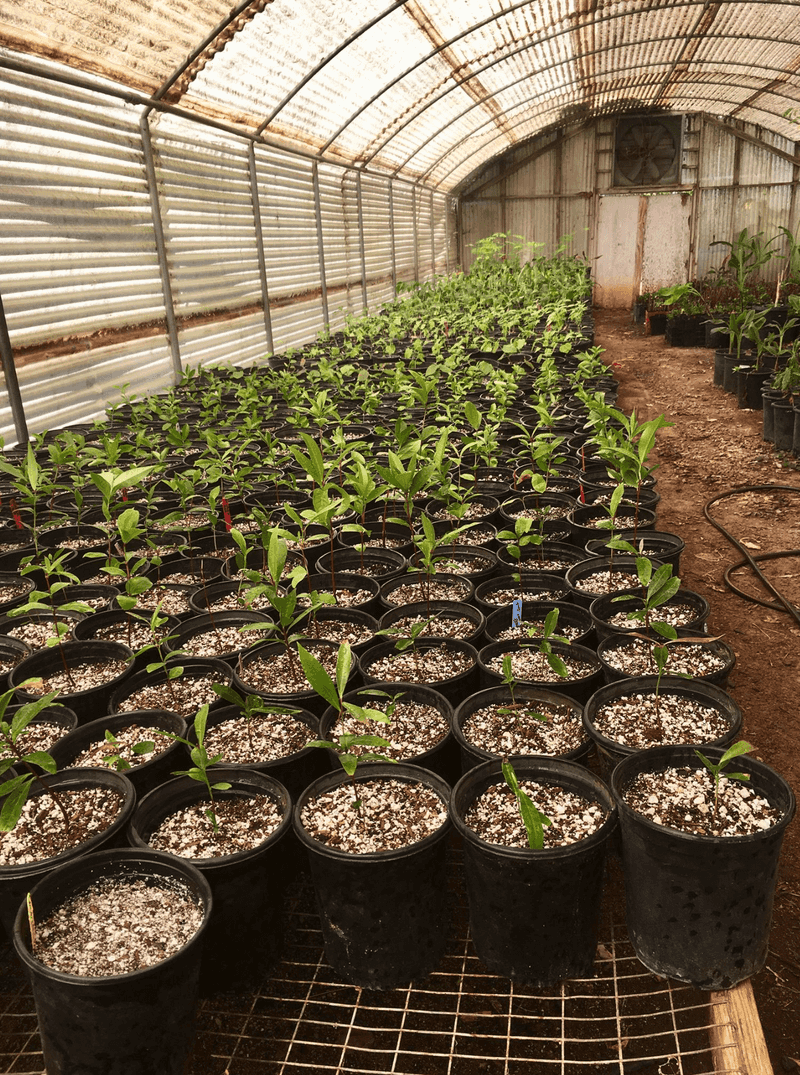
Over 1,200 varieties grow across roughly four to five acres. That number sounds made up until you see the sheer density of green.
Pomegranates alone come in around 200 different varieties. Add about 20 kinds of guava and 10 types of bananas, and the choices pile up fast.
Then come the stranger names. Black sapote, jaboticaba, and jackfruit share space with dragon fruit, cherimoya, lychee, and longan.
There’s even a tree nicknamed the cotton candy tree. Good luck walking past that label without asking a question or two.
Plants arrive from regions such as India, China, Mexico, and Thailand. Southern California’s mild climate lets many of them thrive outdoors, which is a rare treat in the mainland United States.
Here’s a smart tip. Bring a short list of fruits you already love, then leave room for one wild card.
The printed catalog works more like a loose guide than an exact inventory. If a specific tree matters to you, ask directly.
Asking is the fastest way to find out what’s ready to go home today.
Free Samples Turn Curious Shoppers Into Fruit Detectives
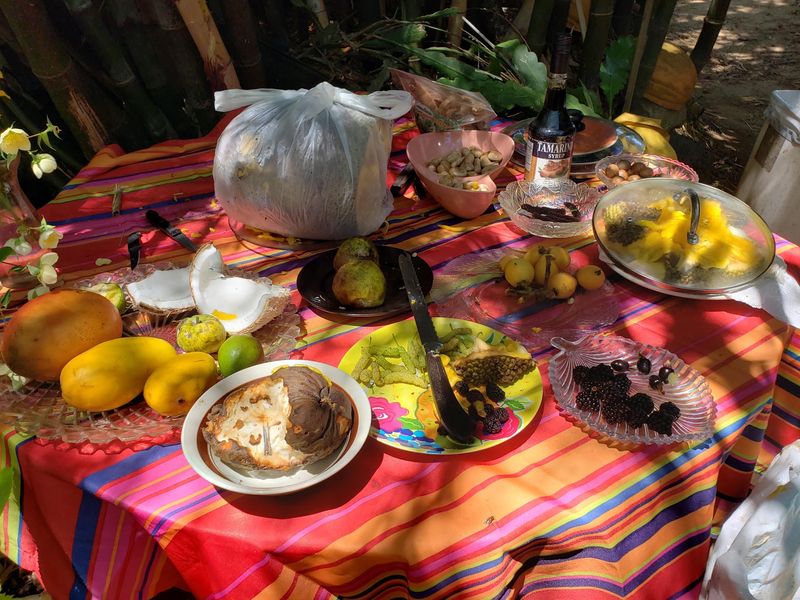
Buying a tree for a fruit you’ve never tasted is a bit like adopting a pet sight unseen. Exotica solves that problem with a fruit-tasting table.
The table features samples of whatever happens to be in season on the property. That might mean a fruit you’ve only read about online.
Since the selection follows the seasons, no two visits promise the same lineup. That makes repeat trips a little more exciting.
Visitors are even welcome to bring their own rare fruits to share. It’s a friendly, community-style touch that fits the nursery’s laid-back spirit.
Use the table as a research station. Taste first, then ask which tree produced that flavor and whether a young one is available.
This approach saves you from guessing. You’ll know whether you love the sweet-tart zing of one fruit or the creamy texture of another before committing yard space.
It also sparks great conversation. Few things start a plant chat faster than a shared bite of something unfamiliar.
Just don’t be surprised if one taste rewrites your entire shopping list.
Winding Jungle Paths Reward Anyone Who Wanders
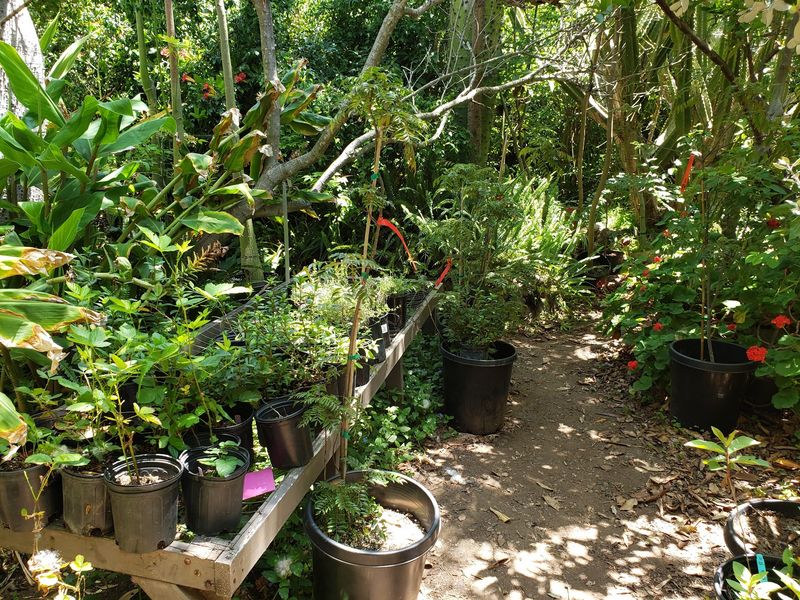
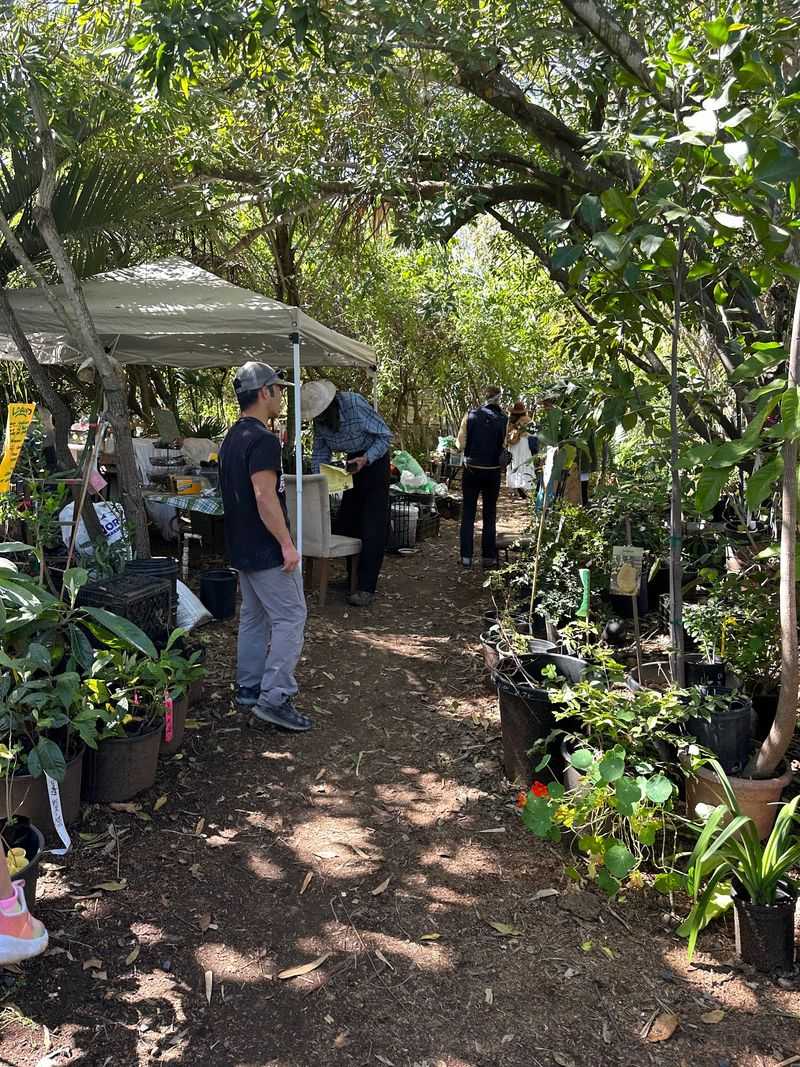
Forget neat rows and tidy end caps. Exotica feels more like a jungle than a typical garden center, and that’s a big part of its charm.
Paths twist through thick foliage, so every turn can reveal something new. One stretch might pass jujube trees, a tough, drought-tolerant choice for dry yards.
Passion flower vines and loquat branches add color along the way. Mulberries and citrus grow here too, reminding you that familiar fruit has a seat at the table.
The grounds are not manicured or showroom perfect. Plants are allowed to look natural, and some corners feel wild.
A shift in mindset helps here. Treat the visit as an exploration rather than a quick errand, and the layout starts to make sense.
Wear comfortable shoes with decent grip. Pack insect repellent too, especially when exploring areas with dense vegetation.
Grafted, Seedling, Or Air-Layered? Pick Your Growing Style
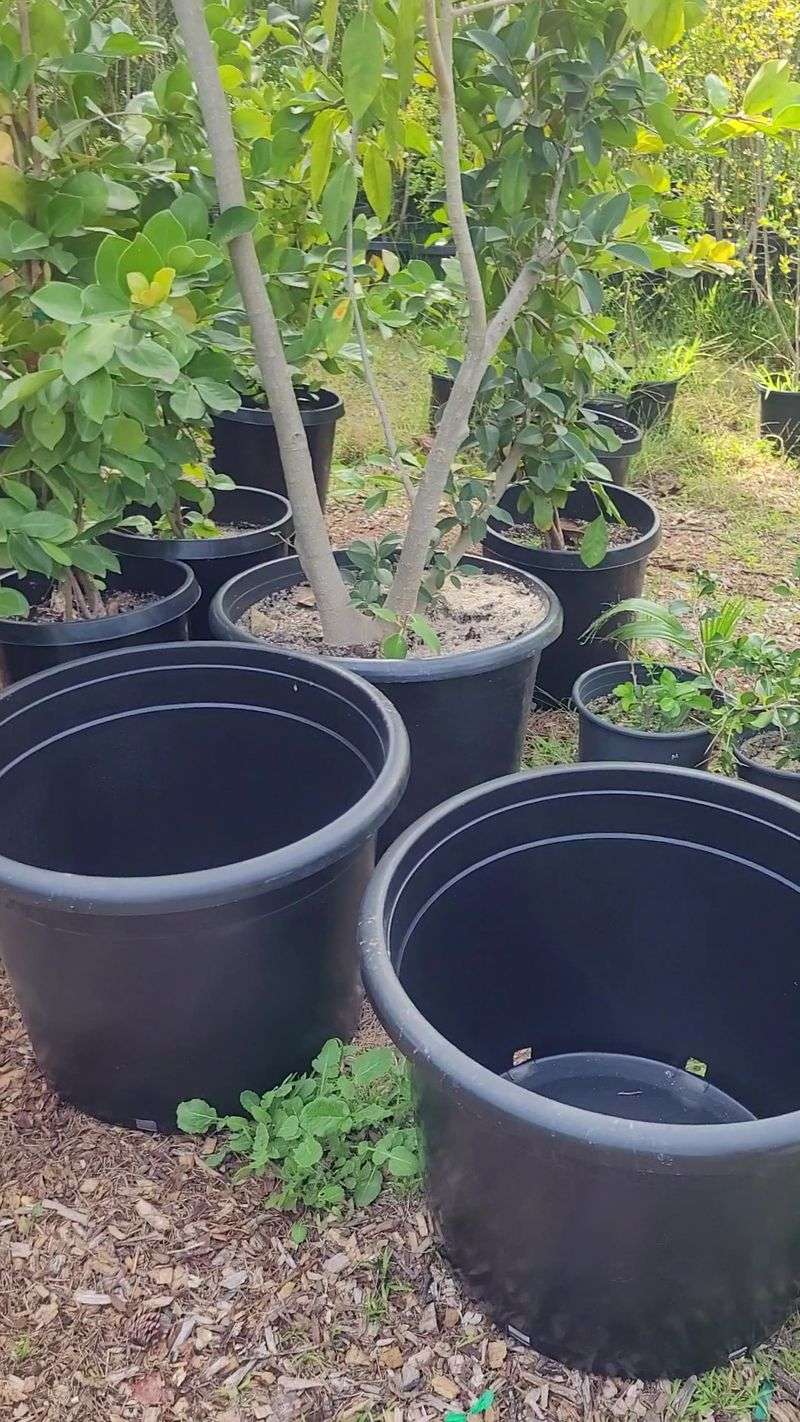
Plant shopping gets a little technical here, in the best way. Exotica offers grafted, seed-grown, and air-layered trees.
Each method has its perks. Grafted trees often fruit sooner and stay true to a known variety.
Seedlings can be fun for patient gardeners who enjoy a bit of mystery. Air-layered plants grow roots while still attached to a parent tree, giving them a head start.
Not sure which suits you? That’s where the advice comes in handy.
The team shares planting and care guidance for beginners and seasoned collectors alike. Questions about soil, sun, and spacing are fair game.
You can also ask about protecting tender trees during occasional cold snaps or gusty Santa Ana winds. Those details matter more than many first-time growers realize.
Because plants grow with as few chemicals as possible, some may need extra attention once home. Think of it as a partnership with your new tree.
Size options vary too, so ask to see a few. A larger plant might fruit sooner, while a smaller one could fit a tighter budget or a cozy patio pot.
Your Dog And Your Kids Can Tag Along
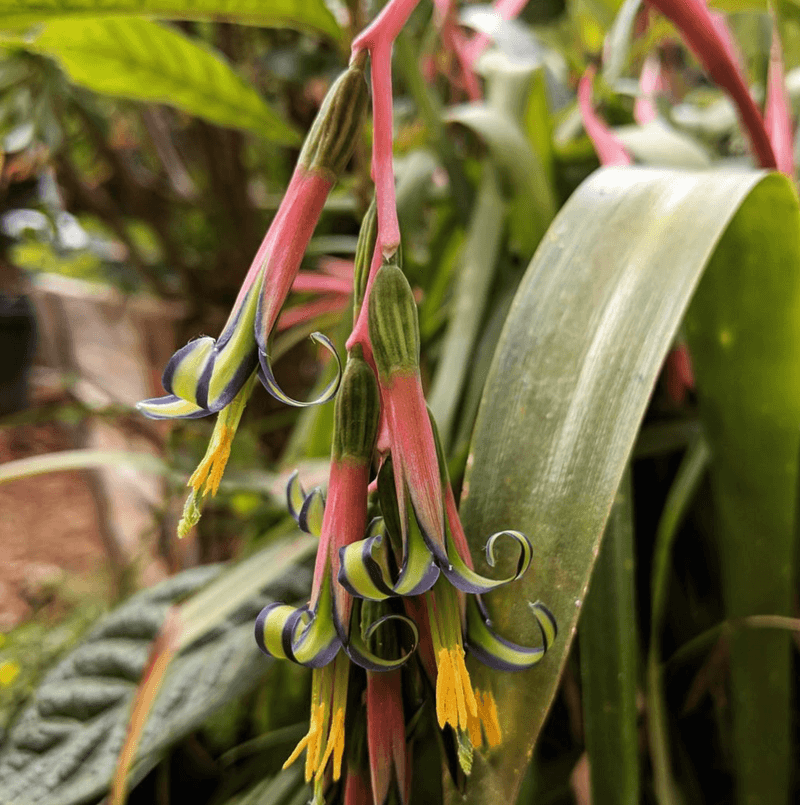
Few plant shopping trips win over an entire household. Exotica manages it by welcoming both kids and dogs.
Children tend to love a place where fruit has names like chocolate pudding and cotton candy. It turns a nursery stop into a scavenger hunt.
Make a game of it. Challenge the kids to find the biggest leaf, the strangest flower, or a fruit they’ve never seen in a grocery store.
Leashed pups get a fresh world of smells to explore. Just keep them close on narrow paths and away from delicate potted plants.
Pack water for everyone, including the four-legged crew. Sunny California afternoons can warm up quickly among the trees.
Closed-toe shoes are smart for little feet too. The ground can be uneven in spots.
An outing like this teaches a quiet lesson about where food really comes from. Seeing a banana bunch or guava on a living tree sticks with kids far longer than a picture book.
Who knows? Your youngest might pick the family’s next backyard tree.
A Documentary Brought This Fruit Nursery To The Screen
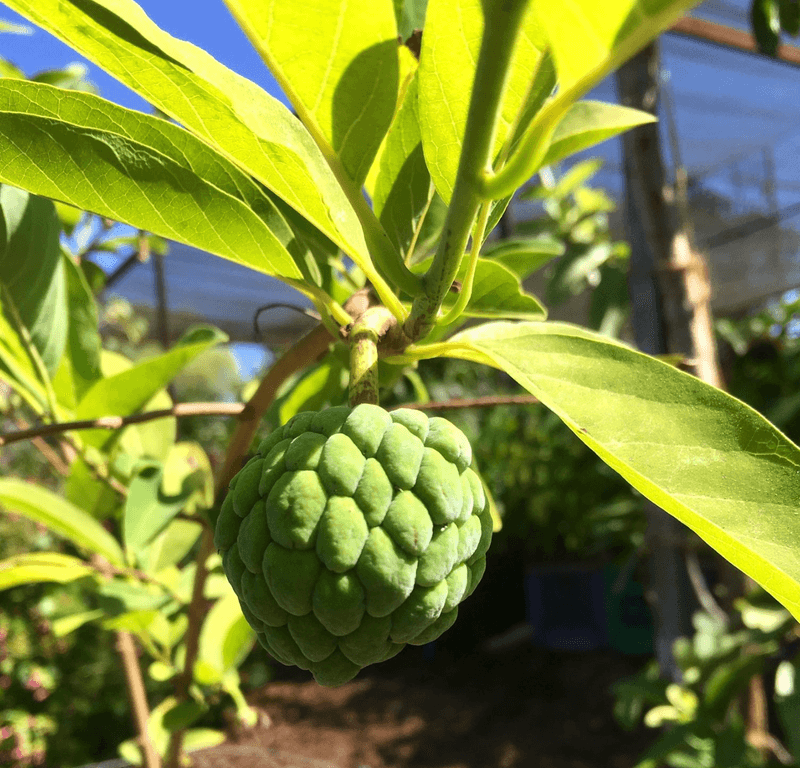
Most nurseries never get their close-up. Exotica earned a spot in the documentary The Fruit Hunters.
The film explores people who chase rare and unusual fruits around the world. A nursery founded by an actual seed collector fits that story perfectly.
That screen time says a lot about the collection’s importance. Exotica serves as a resource for fruit fans who want varieties they can’t find anywhere else.
Watching the documentary before a visit adds fun context. You’ll recognize the passion that drives this kind of collecting.
It also helps explain why the nursery looks the way it does. The focus has always been the plants themselves, not shiny displays or fancy signs.
Fame did not turn Exotica into a glossy attraction. It still feels like a working nursery run by people who care about edible plants.
That authenticity is part of the appeal. You get the real deal, a place built on decades of collecting rather than marketing.
So yes, you can browse trees with a little movie history behind them. Popcorn not included, though jackfruit might be close by.
Southern California Sunshine Does The Heavy Lifting
Mangoes in the mainland U.S. usually sound like a long shot. Vista’s warm weather and generous sunshine change the odds.
This corner of North County San Diego suits many tropical and subtropical fruits. That’s why Exotica can grow such a wide range outdoors.
Dwarf mangoes, guavas, and passion fruit are popular picks here. Cherimoya and dragon fruit also do well in the right backyard spot.
Still, the climate is not foolproof. Occasional cold nights and dry Santa Ana winds can stress tender trees.
Ask which varieties handle your specific conditions. A tree that thrives near the coast might struggle farther inland, and vice versa.
Some shoppers drive in from other states and carry trees home. If you live somewhere colder, ask about container growing or plants that tolerate cooler temperatures.
Placement makes a big difference. A south-facing wall or sheltered patio can create a cozy pocket for heat-loving plants.
California gives you a head start, but smart choices finish the job. Pick wisely, and your yard could start tasting a lot more like the tropics.
Plan Ahead So You Never Miss The Gate
Finding Exotica is easy once you know where to point the car. The nursery sits at 2530 E Vista Way, Vista, CA 92084.
Look for the simple hand-painted sign near the entrance. It’s not flashy, so keep your eyes open on approach.
Hours run daily, but this is a small operation with limited staff. Steve handles much of the work, so occasional closures can happen.
A backup plan keeps the day fun either way. Vista and the surrounding North County area offer plenty of other stops nearby.
The nursery sits in a ravine, and cell signal can be spotty. Sort out directions before you lose service.
Morning visits can be a pleasant choice before the afternoon warms up. Cooler temperatures make wandering the paths more comfortable.
Bring a vehicle with room for tall plants. A blanket or tarp protects your seats from soil.
Patience helps too, especially when staff are busy with many tasks. Catch Steve during a quiet moment, and you might walk away with both a tree and a mini lesson in rare fruit.
Leaving Empty-Handed Is Basically Impossible
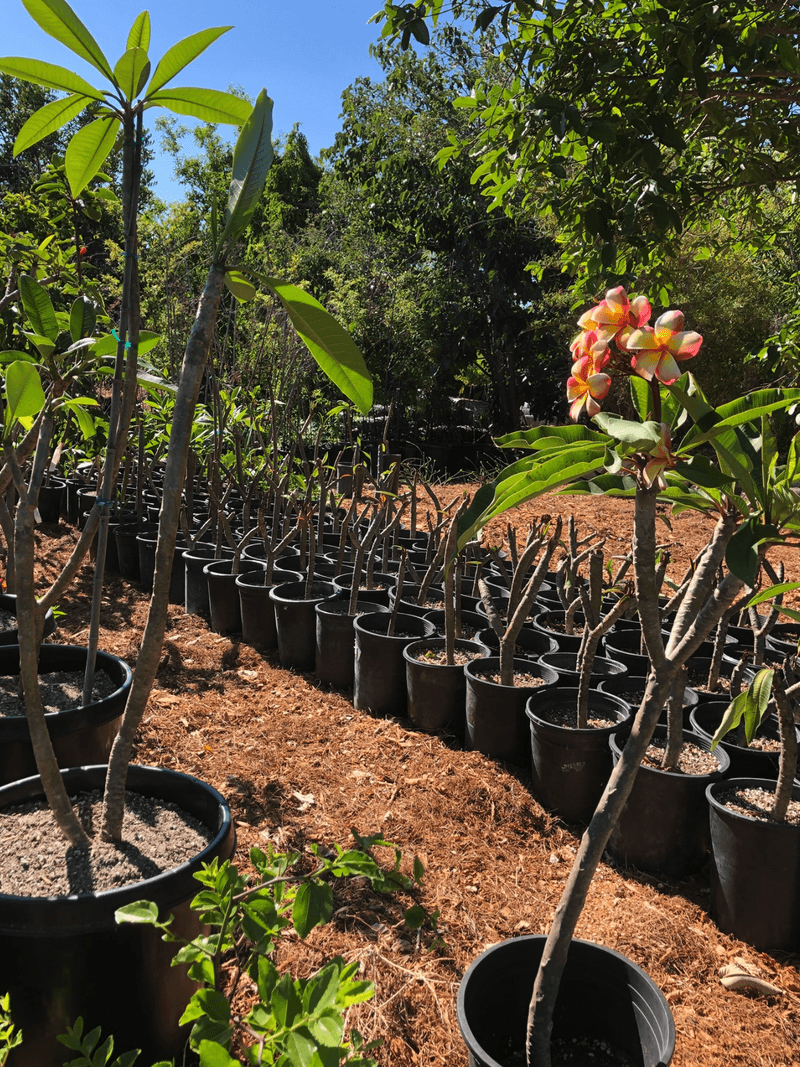
Some shoppers arrive for one mango tree and leave with four plants. Exotica Rare Fruit Nursery tends to have that effect.
Maybe it’s the tasting table. Maybe it’s the thrill of spotting an ice cream bean or lemon guava you never knew existed.
Either way, set a loose budget before you go. Then give yourself permission to break it just a little.
Think about where each tree will live before buying. Mature size, sun needs, and spacing should guide your choices more than impulse alone.
Starter seedlings make great add-ons for beginners. They’re a low-stress way to test your green thumb with something unusual.
Gift ideas are hiding here too. A rare fruit tree makes a memorable present for any gardener who seems to have everything.
Exotica offers a chance to grow flavors from across the globe right in a California backyard. That’s a pretty sweet souvenir.
Years from now, you might pick a strange fruit from your own branch. And you’ll remember the winding jungle in Vista where it all began.