This California High School Was Ranked No. 1 In The State And No. 10 Nationwide By U.S. News For 2026–2027
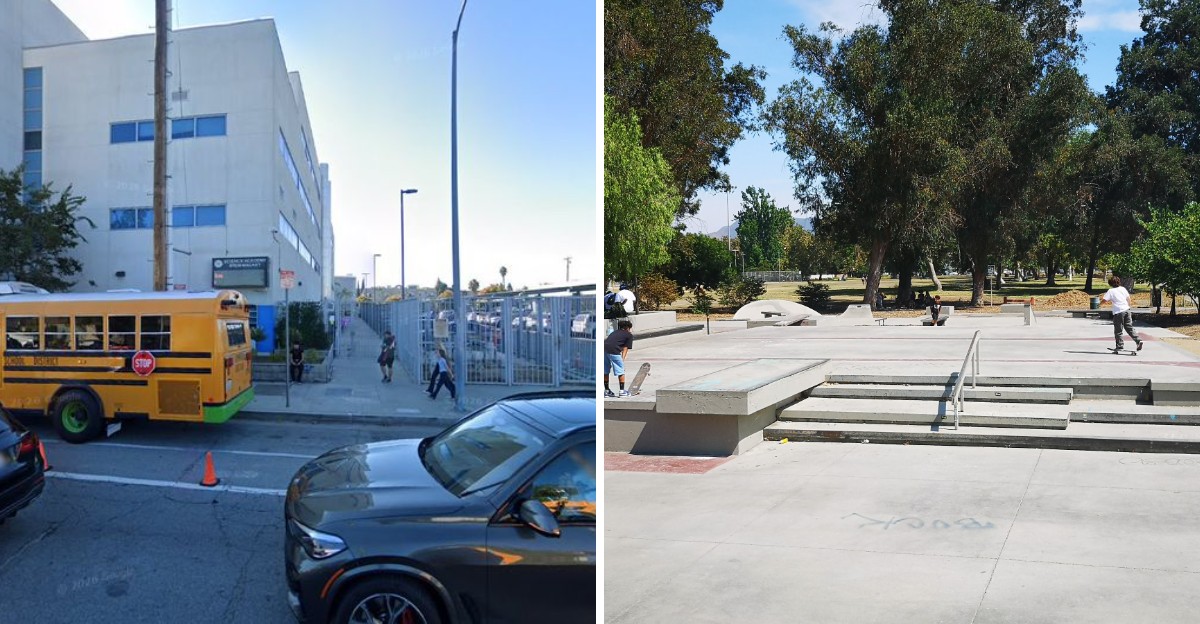
A public school that only graduated its first class in 2022 just landed at No. 1 in the state. It also grabbed No. 10 in the entire country. That is a wild climb for a school this young.
I love that this is not a famous old private academy with a giant endowment. It’s a public magnet program with a small student body.
Students even pass a science-specific assessment before they can enroll.
California has thousands of high schools, so topping the list is no small feat. I believe the story behind it says a lot about focus, size, and hard work.
It also says something about kids who genuinely like science.
How does a school founded in 2016 beat out nearly everyone? The answer is more interesting than a simple test score.
A Rookie School Just Beat Nearly Every High School In The Country
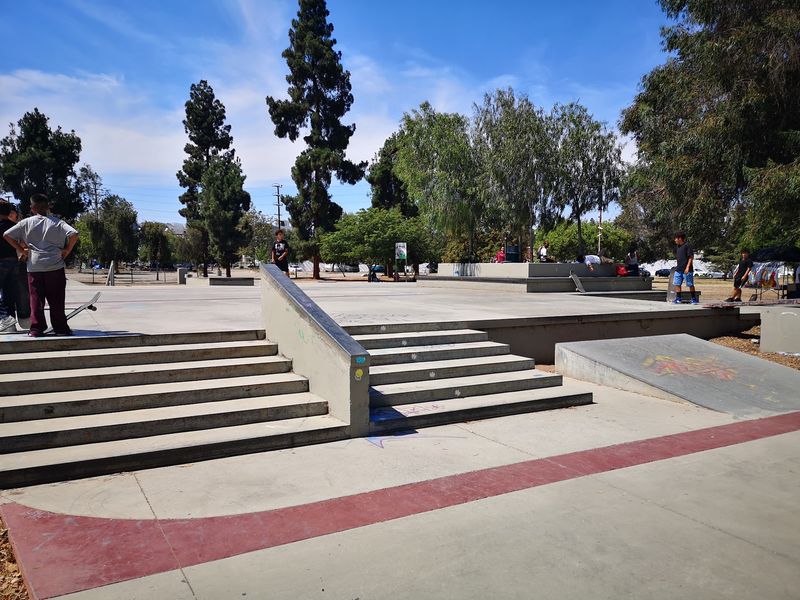
The Science Academy STEM Magnet earned the No. 1 spot in California in the 2026–2027 U.S. News & World Report Best High Schools rankings.
It also placed No. 10 nationwide, which is a huge deal for any public school.
The rankings look at real data from the 2023–2024 school year. U.S. News weighs things like state test performance, graduation rates, and college readiness.
So this isn’t a popularity contest or a vibe check. It’s a numbers game, and the numbers clearly worked out in this school’s favor.
Here’s what makes it even more impressive. The high school program only started in 2018, and its first seniors graduated in 2022.
Most top-ranked schools have had decades to build their reputations.
This one did it in just a few short years. That’s like a brand-new team winning the championship in its first full season.
For families in Los Angeles, the ranking puts a spotlight on what public education can do. It shows that a focused, well-run program can compete with anyone.
Honestly, that’s a pretty encouraging message for students everywhere.
Getting In Starts With A Science Test, Not Just A Lottery
Admission here comes with a twist.
Prospective students must pass the school’s mandatory Science-Specific Verification Eligibility assessment, known as the SSVE, before entering the magnet admissions lottery.
That step makes sure incoming kids are ready for a fast-moving STEM program. It’s less about memorizing facts and more about showing real science readiness.
Passing the test is only part of the journey, though. Families also need to work through the Los Angeles Unified School District Magnet Priority Point system.
Priority points can affect a student’s chances of getting a spot in a magnet program. Planning ahead really helps, since the process has a few moving parts.
My practical advice? Start learning about the magnet application early, ideally a full school year before you hope to enroll.
Read the district’s magnet guidelines carefully and keep track of every deadline.
Encourage your student to explore science for fun, too. Kitchen experiments, library books, and nature walks build curiosity in a low-pressure way.
A student who already loves asking questions will feel right at home here.
Because admission is highly selective, it’s smart to have backup choices as well. Plenty of great options exist in LAUSD, and keeping an open mind lowers the stress.
Sixth Graders And Seniors Share The Same Science-Loving Home
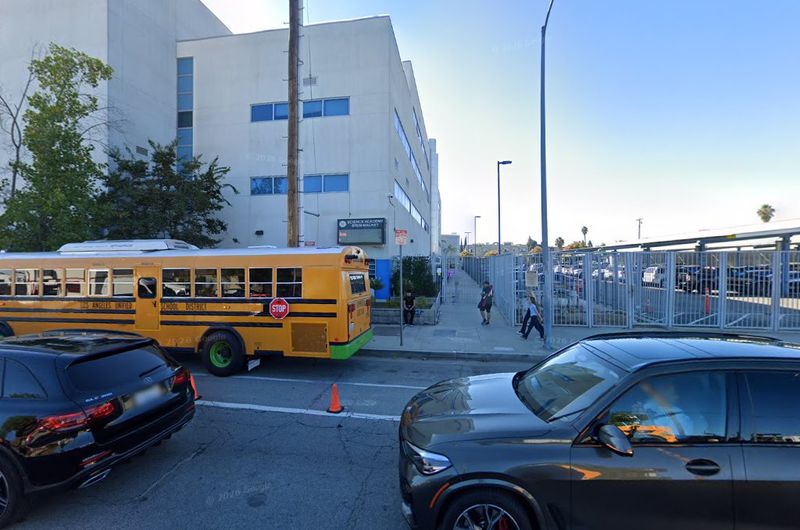
Here’s a setup you don’t see every day. The school serves students in grades 6 through 12, so kids can stay for seven straight years.
That means an eager sixth grader might pass a college-bound senior in the hall. Talk about having role models close by.
The middle school opened first, back in 2016. Two years later, in 2018, the high school program launched to keep those students moving forward.
This structure has some real perks. Students don’t have to adjust to a brand-new school right before ninth grade.
They already know the expectations, the routines, and many of the teachers.
Continuity like that can make learning smoother. Instead of spending a semester just settling down, students can keep building skills year after year.
Think of it like climbing one long staircase instead of switching buildings halfway up. Each grade connects to the next.
For parents, a 6–12 school can also simplify life. One campus, one community, and one set of school traditions to learn.
That’s a lot fewer orientation nights to squeeze onto the family calendar. Younger siblings can even look forward to joining a place they already know.
Small Classes, Big Attention, And Teachers Who Know Your Name
Size matters, at least when it comes to school communities. The Science Academy STEM Magnet keeps a small student body, and that shapes the whole experience.
With fewer students, staff can offer more individualized attention. A teacher can notice when someone is struggling, or when someone is ready for an extra challenge.
That close-knit feeling is a big part of the school’s identity. Students aren’t just ID numbers in a giant system. They’re known as people with their own strengths and quirks.
Why does this matter so much? Kids often take more risks in learning when they feel seen. Asking a question in front of a small group feels a lot less scary.
Here’s a helpful tip for any student, at any school. Get to know your teachers early in the year, and visit them when you’re confused. Small schools make this easy, but it works everywhere.
Relationships with teachers can lead to better grades and stronger recommendation letters later. They also make school feel more like a team effort.
And when the work gets hard, it helps to know someone in the building is cheering for you.
Robots Get Serious Love On This Campus
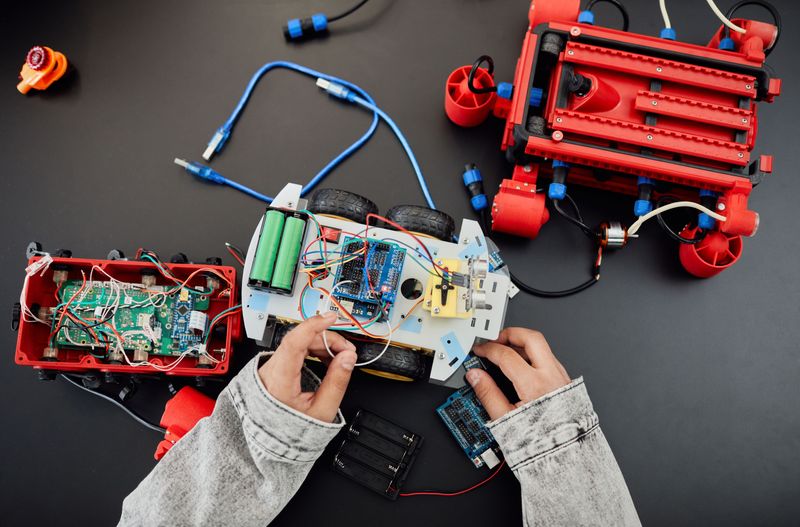
Gears, wires, code, and a lot of problem-solving. The robotics program is one of the standout features at this North Hollywood school.
It’s known for being particularly strong and for receiving substantial funding. That support helps students tackle hands-on projects instead of only reading about engineering in a textbook.
Robotics is a sneaky-good teacher. Students practice math, physics, and programming without it feeling like a worksheet.
They also learn teamwork, because no robot gets built by one person alone.
There’s a business side, too. The program offers students chances for business networking, which connects classroom skills to real careers.
That kind of exposure is valuable for teenagers. Meeting people in technical fields helps students picture where their interests could lead someday.
Want to try robotics at home first? Beginner kits, free coding websites, and local library programs are great starting points.
Even building a simple moving machine teaches patience. Things will break. Code will refuse to cooperate.
That’s normal, and honestly, it’s half the fun. Every robotics fan learns quickly that mistakes are just clues pointing toward the next fix.
The Numbers Behind The Trophy Are Seriously Impressive

The school’s graduation rate is approximately 91 percent, according to the graduation data accompanying the 2026–2027 U.S. News rankings.
Nearly every student who starts high school here walks across the stage at the end. That’s a strong sign of steady support and clear expectations.
The school is also known for high proficiency levels in math and reading. Those skills show up on state assessments, which play a big role in the U.S. News rankings.
College readiness counts, too. The rankings consider how well students are prepared for college-level work, and this school clearly shines there.
Of course, numbers only tell part of the story. Behind each percentage are students doing homework late, studying for tests, and pushing through tough units.
It’s a reminder that great results usually come from daily habits. Reading a little every day and practicing math regularly add up over time.
Families can borrow that mindset at home. Set a regular study time, keep phones out of reach, and celebrate small wins.
No school can do all the work alone, and strong routines help any student grow. Consistency beats cramming almost every single time.
You’ll Find It In The Heart Of The San Fernando Valley
Hollywood gets the movie stars, but North Hollywood has some academic stars of its own. The school sits at 5525 Vineland Avenue, North Hollywood, CA 91601.
It’s part of the Los Angeles Unified School District, one of the largest districts in California. That makes standing out at No. 1 even more remarkable.
As a public magnet school, it’s open to eligible students across the district through the magnet application process. That gives families from different neighborhoods a chance to apply.
Planning the commute is worth some thought. Los Angeles traffic has a reputation, and a long ride can eat into homework and sleep time.
Families might map out routes, check carpool options, or look into district transportation information before applying. A little planning now saves a lot of morning chaos later.
The school follows a seven-period schedule, with dismissal times that can vary on regular and minimum days, so families should consult the current bell schedule.
Knowing that schedule helps families plan after-school pickups and activities. It’s one small detail that makes everyday life run smoother. Bonus tip: leave early on test days, just in case.
What Every Family Can Learn From The State’s Top School
Not everyone will attend a top-ranked school, and that’s completely okay. The good news is that many of its winning ideas work at home.
First, curiosity is powerful. The Science Academy STEM Magnet aims to spark a love for learning, and families can do that too.
Ask your kids what they wonder about. Watch a science video together, build something silly, or plant seeds and track how they grow.
Second, small communities matter. Find clubs, teams, or library programs where your student feels known and supported.
Third, challenge is healthy. Students grow when they try things that feel a bit too hard, as long as someone has their back.
Finally, remember that rankings change from year to year. What lasts are habits like reading, asking questions, and never giving up on tricky problems.
This California school’s success is exciting to celebrate. It proves that a young public program can reach the very top with focus and heart.
Maybe it’ll inspire the next generation of scientists, engineers, and inventors. Who knows? One of them might be sitting at your kitchen table right now.