This California Italian Restaurant Brings Roman Pasta Energy Straight To Los Angeles
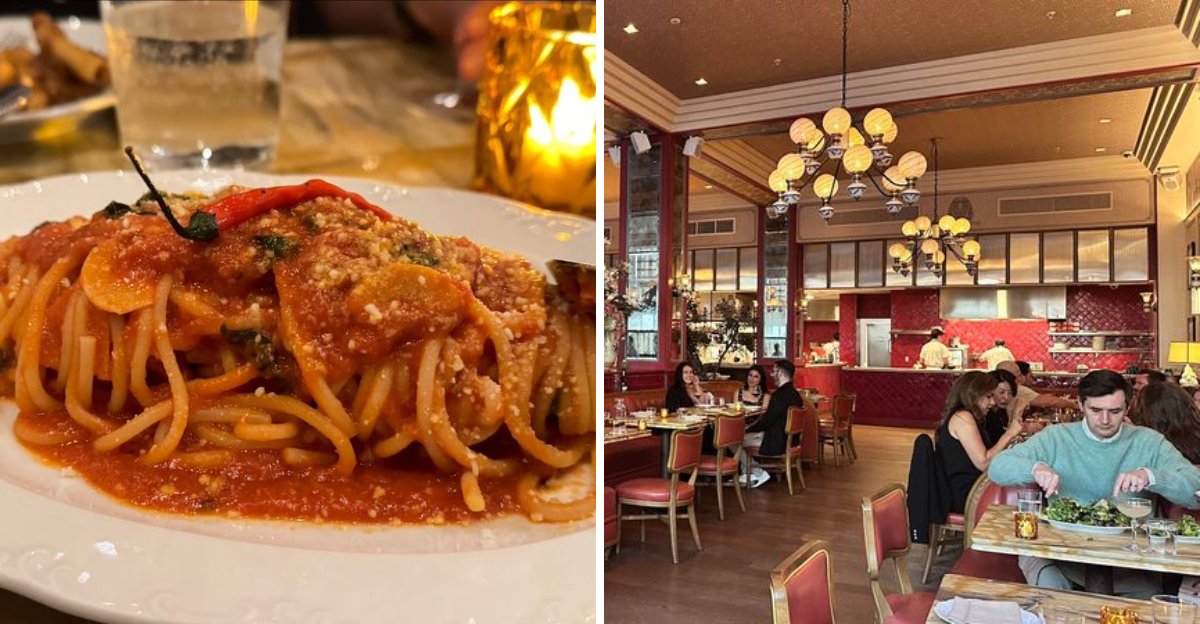
Roman pasta has a very specific kind of confidence.
It does not need a tower of garnish or a long speech from the menu.
The right noodles, sauce, and one properly stubborn forkful can do the work. Los Angeles knows plenty about big dining moments.
Still, a plate with real Roman energy can cut through the noise fast.
Carbonara, amatriciana, and gricia are not dishes that forgive laziness. They need balance. They need texture.
They need that glossy, salty magic that makes people stop pretending they were only “kind of hungry.”
Roman pasta lands hard in California when the noodles have this much attitude.
No passport. No overdone fantasy.
Just pasta with attitude and the kind of meal that makes a regular night feel sharper.
One bowl can change the whole table. A second order starts to sound very reasonable.
Roman Cooking Sets The Tone
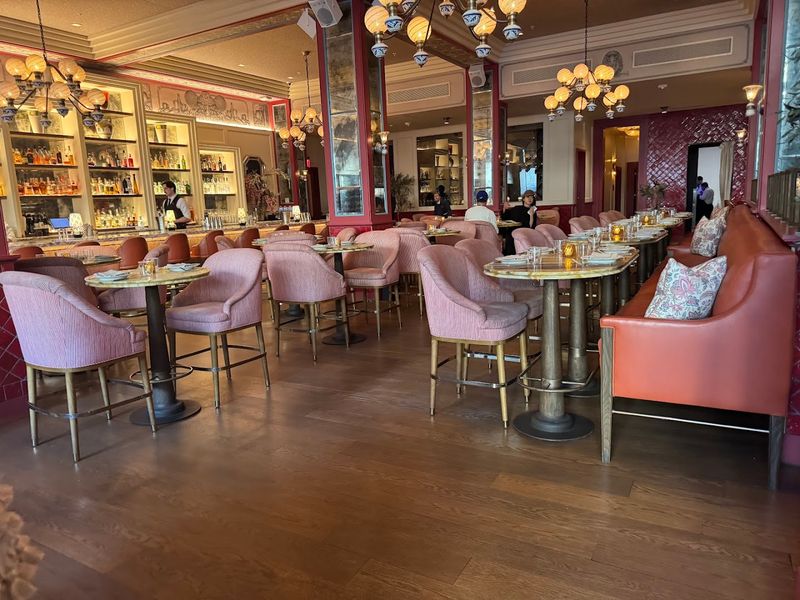
A restaurant that has fully committed to a culinary identity is a rare and grounding experience.
Mother Wolf does not try to be everything at once. The entire concept is rooted in La Cucina Romana, the traditional cooking culture of Rome, and that singular focus shapes every decision on the menu.
Finding its spot at 1545 Wilcox Ave, Los Angeles, CA 90028, the restaurant occupies a meticulously restored 1930s art deco building that once served as the Citizen News headquarters.
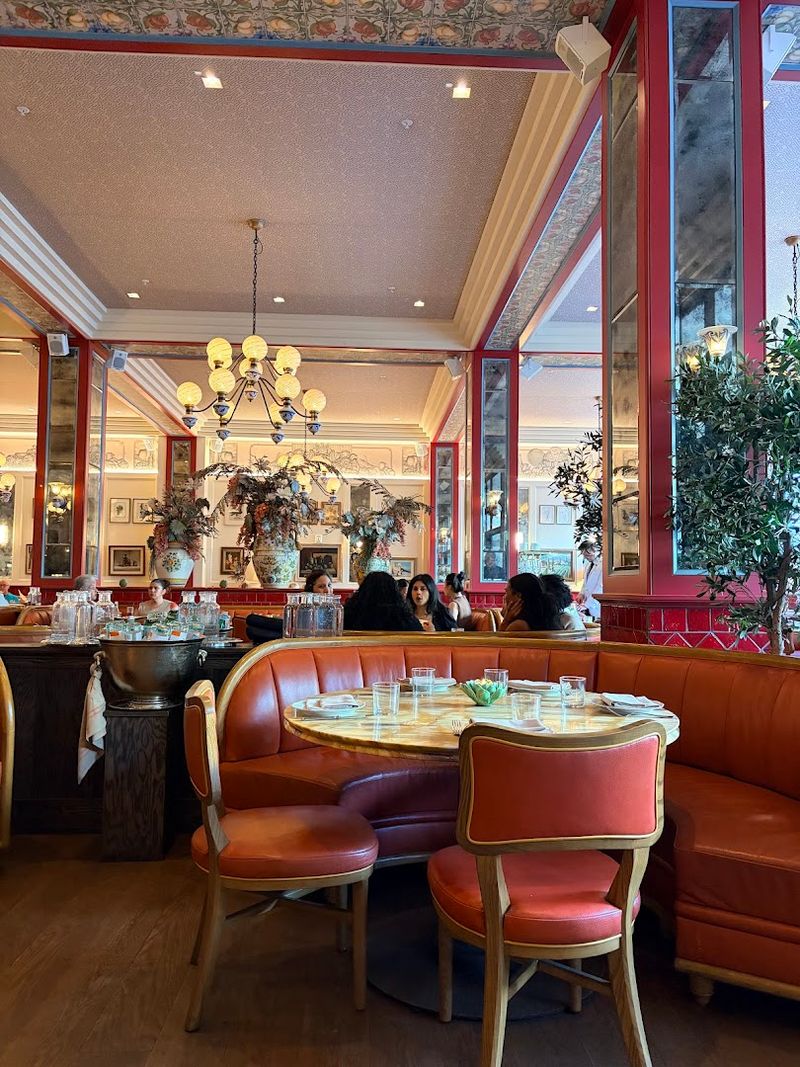
The interior, designed by Martin Brudnizki Design Studio, features red banquette seats, mirrored columns, Murano lighting fixtures, Venetian-inspired terrazzo floors, and a Milanese color palette that feels both theatrical and warm.
The dining room seats 150 guests, with an additional 42 seats in the bar area and 12 at the bar itself. That scale allows the space to feel lively without becoming overwhelming.
The noise level tends to be energetic on busy nights, so arriving earlier in the evening may offer a slightly calmer pace for those who prefer conversation-friendly seating.
Handmade Pasta Gets The Spotlight
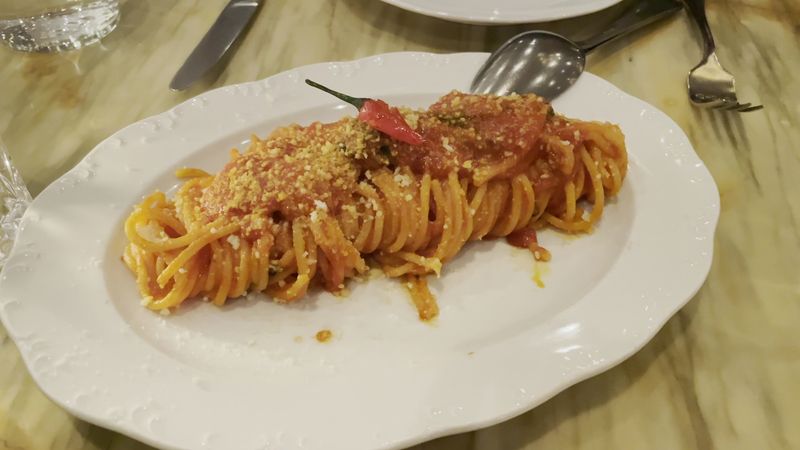
Few things signal a kitchen’s commitment more clearly than pasta made entirely by hand without machines. At Mother Wolf, that commitment is the foundation of the entire menu.
The approach comes directly from the culinary philosophy of the chef behind the concept, who has built a career around mastering traditional Italian pasta techniques through years of study and practice.
Every pasta shape on the menu is made fresh daily, and guests who arrive early enough may be able to see the kitchen in action from the dining room.
That transparency adds something genuine to the experience, turning a meal into something closer to a demonstration of craft.
The pasta textures tend to reflect that care, with each shape holding sauce differently depending on the preparation.
Roman pasta relies on a short list of high-quality ingredients rather than complexity, which means the technique has nowhere to hide.
Getting cacio e pepe right requires precision with heat and timing. Getting carbonara right means understanding emulsification without using cream.
Mother Wolf’s pasta-forward menu reflects a kitchen that takes those standards seriously, and the daily freshness of each preparation keeps the menu feeling alive rather than static.
Cacio E Pepe Keeps Things Simple
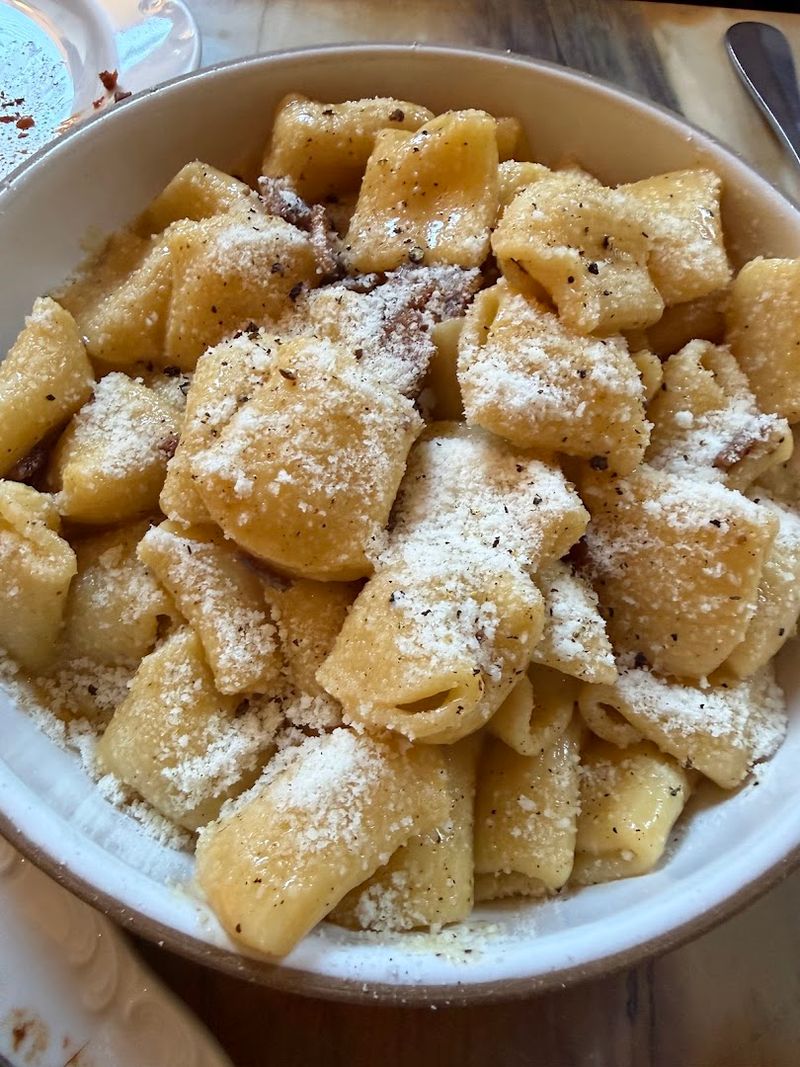
There is something almost stubborn about cacio e pepe. Just pasta, pecorino romano, and black pepper, and yet most versions fall flat.
The sauce breaks, the cheese clumps, or the pepper overwhelms rather than blooms. Getting it right requires patience and a real understanding of how starchy pasta water binds fat and cheese into something silky.
Mother Wolf serves tonnarelli cacio e pepe, using a thick, square-cut pasta that holds the sauce with more grip than a thinner noodle would.
The texture of tonnarelli makes each bite feel substantial, and the sauce clings to the ridges in a way that thinner pasta cannot replicate.
Black pepper here is not just seasoning but a structural flavor that gives the dish its backbone.
For anyone ordering this dish for the first time, it helps to know that the simplicity is the point. Cacio e pepe is not meant to be rich or layered in the way that carbonara is.
The pleasure comes from how clean and direct it tastes, and how satisfying two ingredients can be when the technique behind them is handled with genuine care. It is a good first pasta to order at Mother Wolf.
Amatriciana Brings The Big Flavor
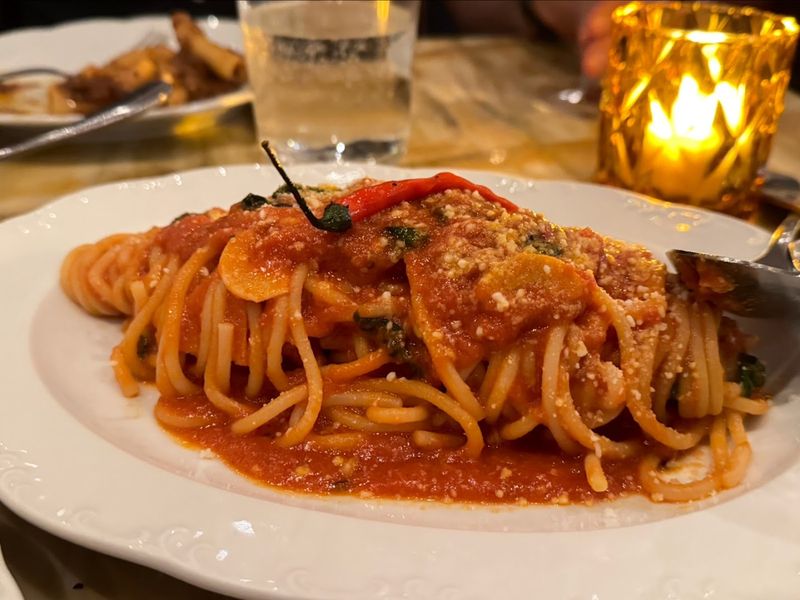
Amatriciana has a longer story than most pasta sauces. It originates from the town of Amatrice in the Lazio region and eventually became one of Rome’s most beloved classics.
The combination of guanciale, tomato, and pecorino romano creates a sauce that is savory, slightly tangy, and deeply satisfying in a way that feels complete without needing anything extra.
At Mother Wolf, the amatriciana is served with rigatoni, which is a smart pairing. The ridges and hollow center of rigatoni trap the sauce inside each piece, so the flavor carries through every bite rather than pooling at the bottom of the bowl.
Guanciale, which is cured pork cheek, renders differently than pancetta or bacon, releasing a softer fat that coats the sauce with a distinct richness.
Ordering this dish alongside the cacio e pepe gives the table a useful contrast. The amatriciana is louder and more assertive, while the cacio e pepe is quiet and precise.
Together they show the range of what Roman pasta can do with a small number of ingredients. For groups sharing dishes, these two together tend to cover a lot of ground without overlapping in flavor.
Pizza Romana Gives The Table Options
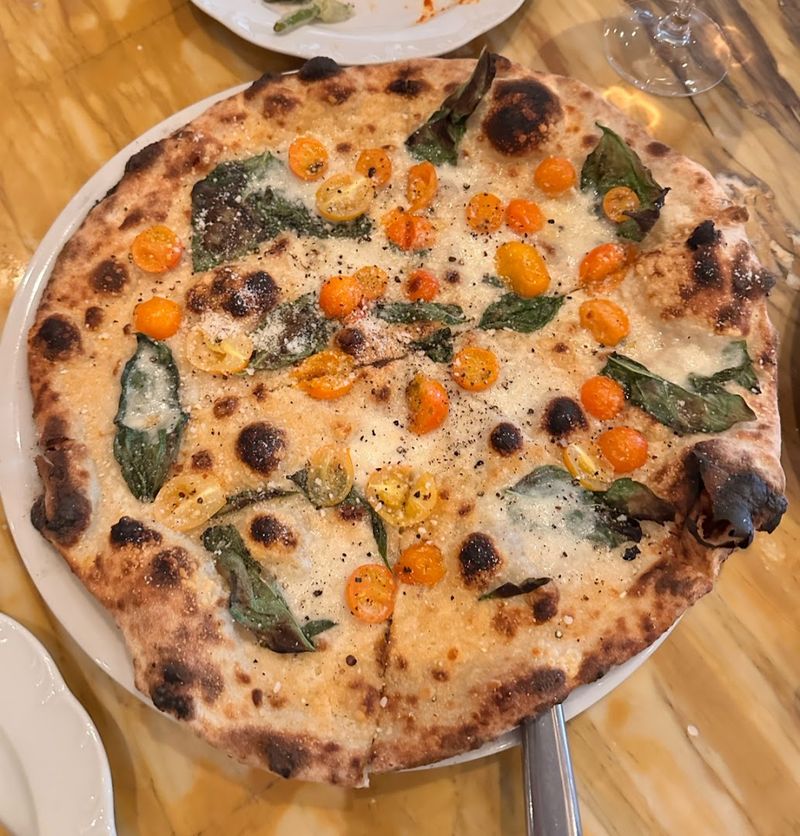
Roman-style pizza is a different experience from the thick, doughy versions that most people grow up eating.
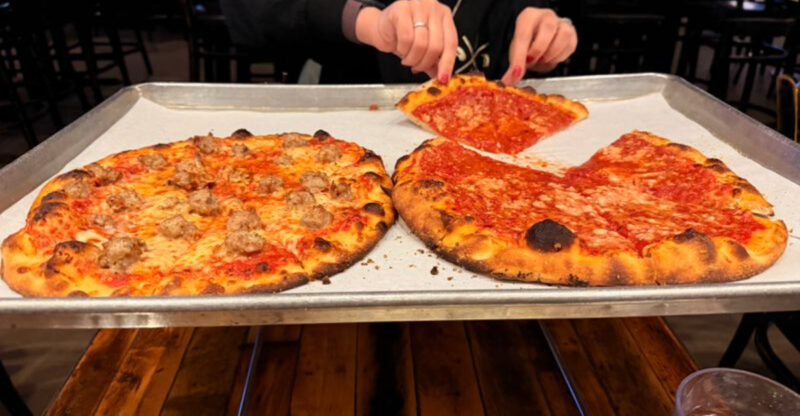
The crust is wafer-thin, fired at high heat until the edges blister and char slightly, and the toppings are applied with restraint so that the dough itself remains the focus.
The result is a pizza that feels lighter than expected, easy to share, and satisfying without being heavy.
At Mother Wolf, the wood-fired pizzas are designed to complement the pasta menu rather than compete with it.
Ordering one pizza alongside two or three pasta dishes tends to work well for groups, giving the table something crisp and shareable between bites of richer preparations.
The Diavola, with its spicy notes and charred edges, and the Margherita, with fresh tomato and clean dairy flavors, are both frequently mentioned as highlights.
The Quattro Formaggi option offers a richer, cheese-forward experience for those who prefer something more indulgent.
For guests who want to explore the menu broadly, splitting a pizza as a transitional course between starters and pasta can help pace the meal without rushing.
The thin crust also means that a full pizza does not take up as much appetite as a thicker style would.
Starters Make The First Round Count
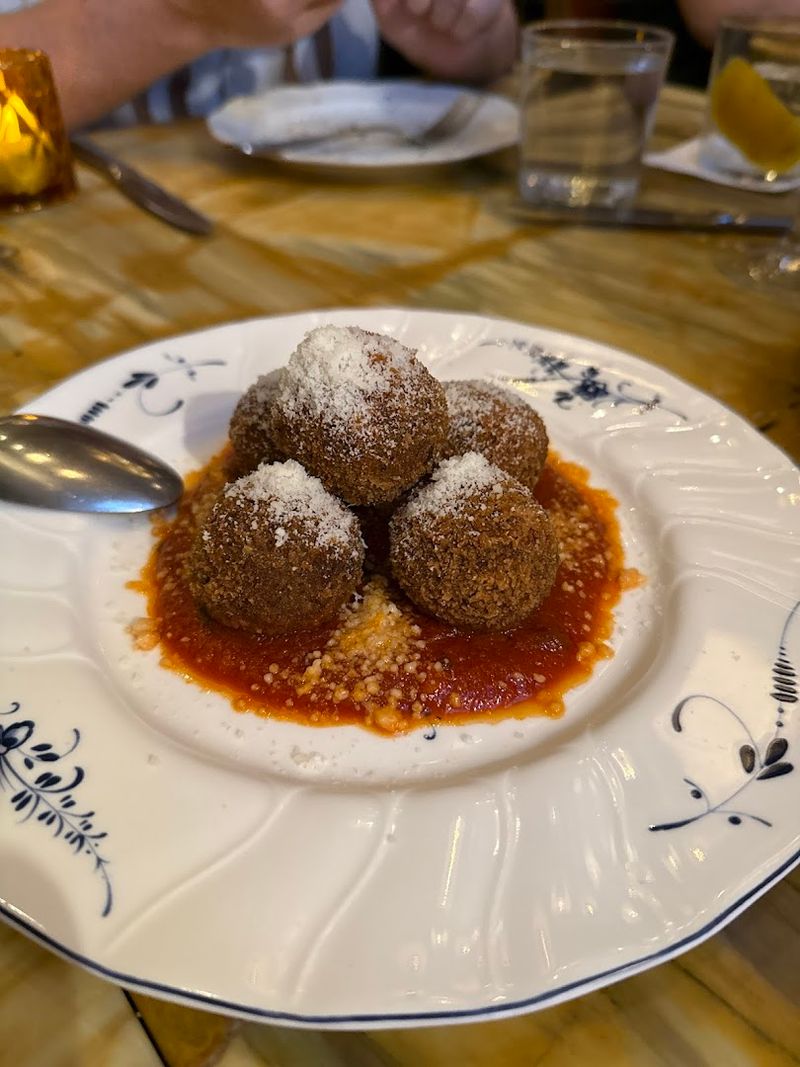
Starting a meal well sets the tone for everything that follows, and the antipasti at Mother Wolf reflect the same Roman discipline found in the pasta menu.
The starters are not filler. They are small, precise preparations that draw from traditional Roman street food and seasonal produce without trying to be more than they need to be.
Supplì al telefono are fried rice balls filled with mozzarella, and the name comes from the stretch of melted cheese that pulls apart like a telephone cord when the ball is broken open.
They are crispy on the outside, warm and yielding inside, and salty enough to wake up the palate before heavier courses arrive.
Squash blossoms are another frequently praised starter, lightly fried and delicate in a way that highlights the quality of the ingredient itself.
Ordering two or three starters to share before moving into pasta and pizza tends to be a satisfying approach at Mother Wolf.
The portions are sized for sharing rather than individual consumption, so the table can try a range without becoming full before the main event.
Arriving hungry and taking time with the first course makes the overall pacing of the meal feel more intentional.
California Ingredients Still Show Up
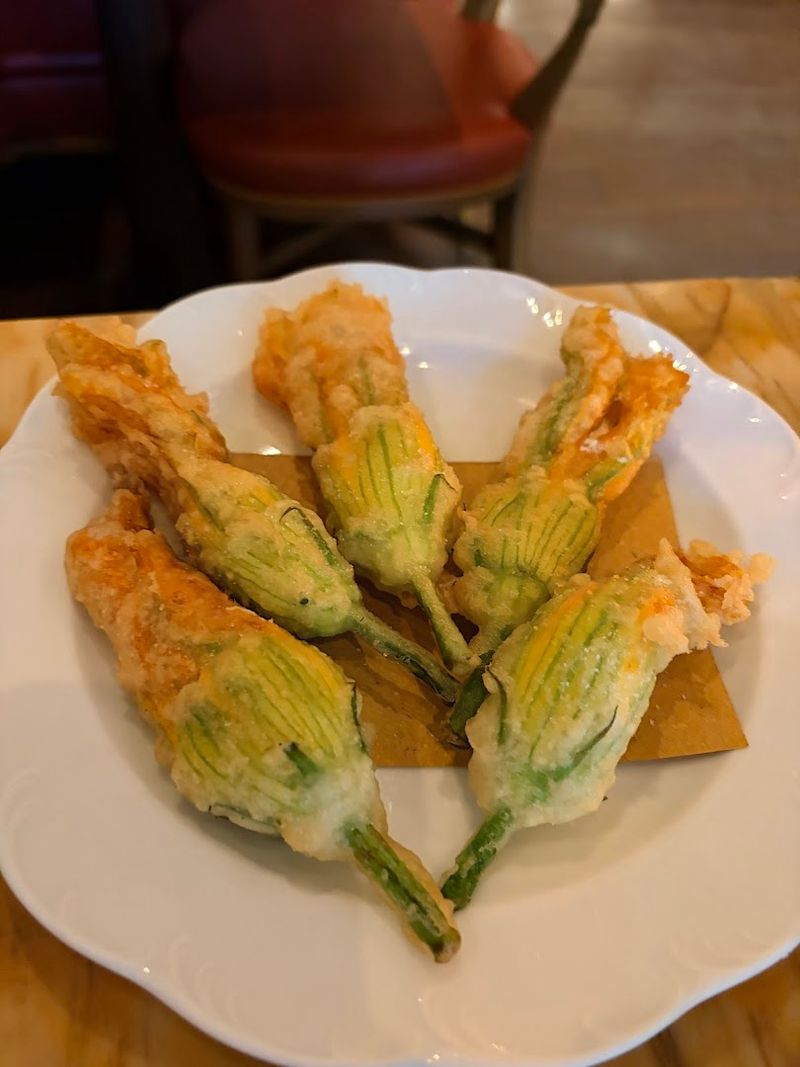
Staying true to Roman tradition does not mean ignoring the ingredients available just outside the restaurant door.
Mother Wolf sources hyper-seasonal produce from local California family farms, and that relationship with regional growers shows up in the antipasti section of the menu more than anywhere else.
The dishes shift with what is available, which means the menu in summer may look noticeably different from the menu in winter.
California’s growing seasons are long and diverse, which gives the kitchen access to ingredients that Roman restaurants in Italy might not encounter.
Stone fruits, heirloom tomatoes, fresh herbs, and seasonal vegetables appear in preparations that stay Roman in technique but feel distinctly Californian in freshness.
That layering of influences is subtle but real, and it keeps the menu from feeling like a museum piece.
For guests visiting multiple times throughout the year, this seasonal rotation gives the menu genuine variety without requiring the kitchen to abandon its identity.
Asking the server what is currently fresh or what the kitchen has been working with recently can lead to useful recommendations.
The commitment to local sourcing also aligns with a broader California dining culture that values knowing where ingredients come from and treating them with care.
The Hollywood Setting Adds Drama
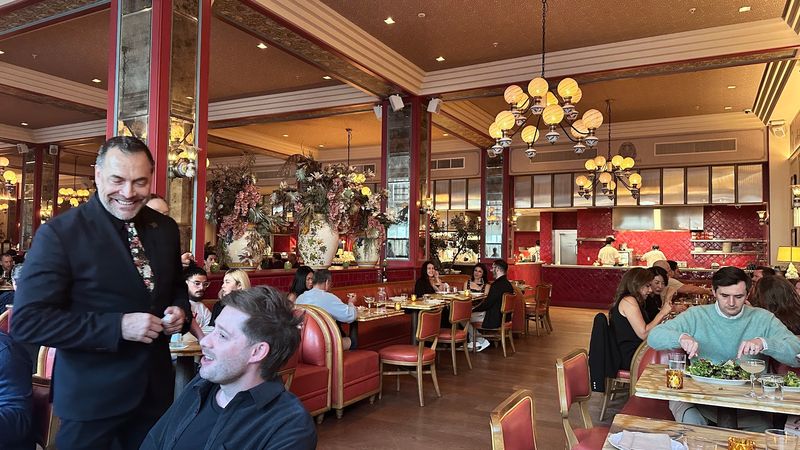
The address alone carries a certain weight.
Wilcox Avenue in Hollywood places Mother Wolf in a neighborhood that has been central to Los Angeles culture for nearly a century, and the building that houses the restaurant amplifies that history.
The 1930s art deco Citizen News building was meticulously restored before the restaurant opened, preserving the architectural bones of the original structure while filling the interior with a design that feels both glamorous and grounded.
Inside, the scale of the dining room tends to surprise first-time visitors.
The space seats over 150 guests in the main area, with additional seating at the bar and in Bar Avoja, an intimate aperitivo bar that operates within the same footprint.
The combination of chandeliers, terrazzo floors, and mirrored columns creates a visual environment that has been compared to old Hollywood charm, though the atmosphere reads as lively and social rather than stiff or formal.
The lighting is warm but intentionally dim in some sections, which contributes to the evening mood while occasionally making the menu harder to read.
Coming prepared with a general sense of what to order, or asking the server for guidance, tends to make the experience smoother.
The overall setting rewards guests who arrive with time to settle in rather than rushing through the meal.
Reservations Make Sense Here
Getting a table at Mother Wolf without planning ahead is genuinely difficult.
The restaurant has built a strong following since opening, and reservations tend to fill up quickly, particularly on weekends and for prime dinner hours.
Booking in advance is the most reliable way to secure a specific time and avoid a long wait or a turned-away evening.
The restaurant opens at 5:30 PM on most weeknights and at 5:00 PM on Saturdays and Sundays, with service running until 9:30 or 10:00 PM depending on the night, and until 11:00 PM on Fridays and Saturdays.
Arriving closer to opening time tends to offer a slightly quieter start before the room fills up, which can make the first course feel more relaxed.
Later reservations on weekend nights may come with a more energetic and louder dining room.
For groups of four or more, booking well in advance is especially important since larger tables are limited.
Family-style dining works particularly well at Mother Wolf given the menu structure, so groups that plan to share dishes across multiple courses tend to get the most out of the experience.
Checking the restaurant’s website at motherwolfla.com or calling ahead at 323-515-1077 are both reliable ways to confirm availability.