This California Landmark Preserves A Crumbling Gold Rush Town With Brick Ruins Still Standing
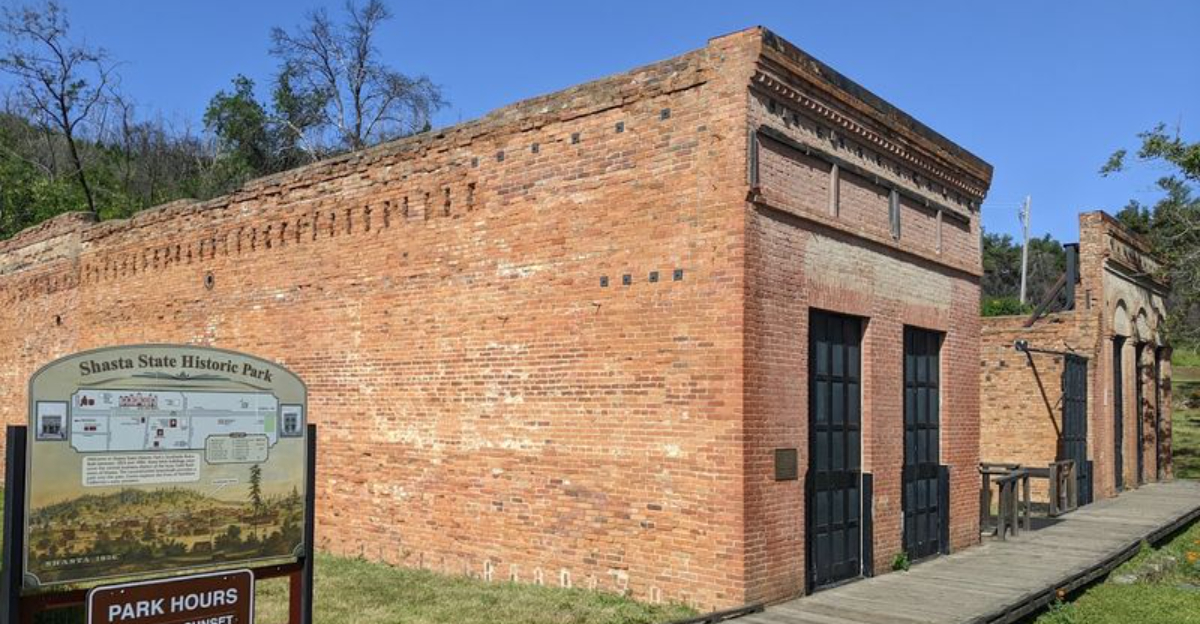
Brick ruins make a ghost town feel a little harder to dismiss.
Wood can vanish. Paint can peel away. Old signs can fade until they look more like rumors than history.
But brick stays stubborn. It leaves walls, outlines, and broken storefronts that make the past feel close enough to stand beside.
Up in California’s old mining country, the Gold Rush did not disappear cleanly.
This historic park keeps that rough-edged feeling intact.
Visitors can walk past crumbling remains, preserved buildings, old roads, and museum spaces that help explain how quickly fortune and disappointment reshaped the region.
A stop like this is not about pretending the town is still alive.
It is about seeing what survived after the noise faded. The brick walls, empty openings, and weathered structures say more than a perfect reconstruction ever could.
By the end, the Gold Rush feels like something still standing in pieces.
Walk Through The Brick Ruins Of Old Shasta
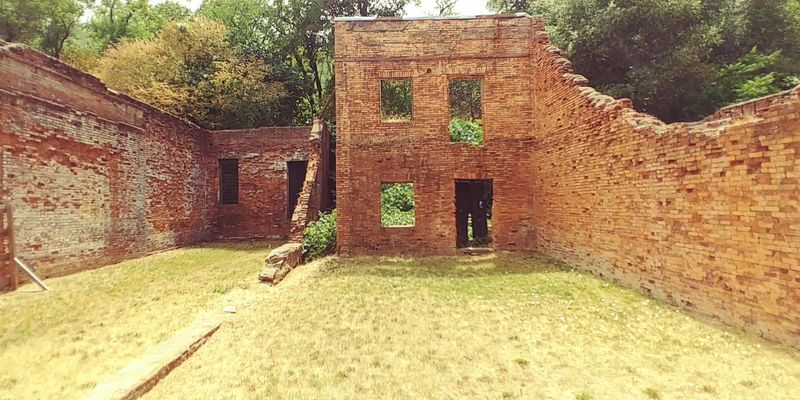
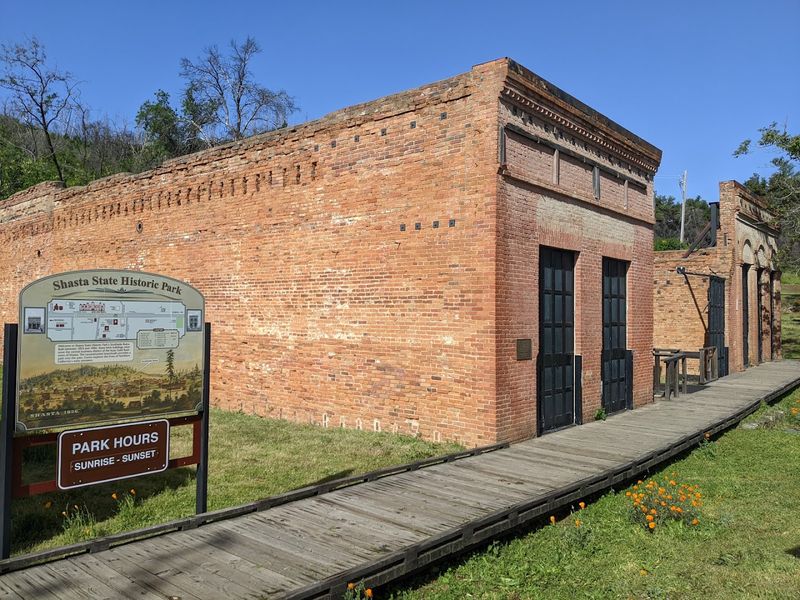
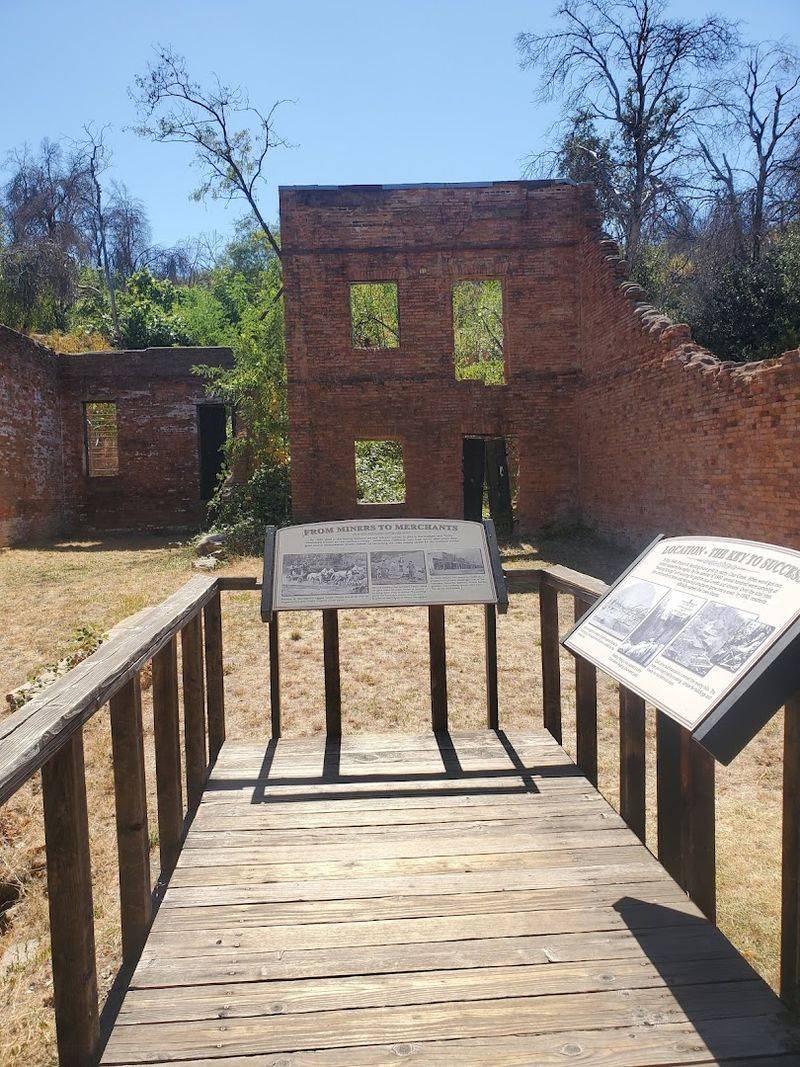
Few sights in California stop visitors in their tracks quite like the long row of roofless brick buildings lining the road through old Shasta.
The walls still stand, iron shutters hang on original hinges, and grass has quietly claimed the interiors where shopkeepers once worked and customers once browsed.
Walking past these hollow structures gives a sense of scale that photographs rarely capture.
Each building shell hints at a specific purpose, whether a hotel, a saloon, or a supply shop, and interpretive signs along the route help fill in the gaps.
The brick itself has a warm, reddish tone that catches the afternoon light beautifully, making this stretch especially atmospheric in the hours before sunset.
The structures are accessible from the sidewalk along the main road, so no special equipment or footwear is needed.
Visiting on a weekday tends to offer a quieter experience, with fewer crowds and more space to pause and absorb the details.
The iron shutters, in particular, are a striking detail because they were originally installed as fire protection, a practical necessity in a town where wooden structures burned frequently.
Spending time here requires no museum ticket, as the ruins themselves are free to observe from the road.
See The Remains Of A Gold Rush Shopping District
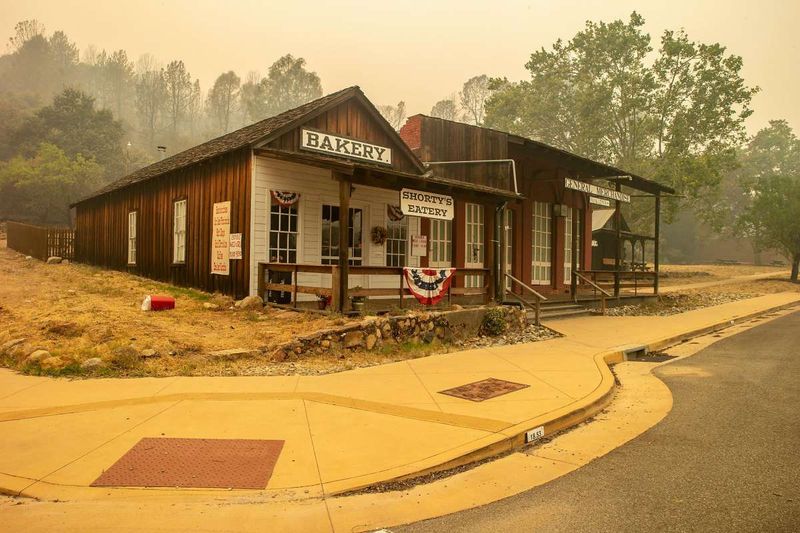
By 1852, more than two and a half million dollars in gold had passed through the town of Shasta, earning it the nickname the Queen City of the Northern Mines.
Hotels, barbershops, bookstores, meat markets, and stables once filled a mile-long stretch of what is now a quiet park road, and the boomtown prospered from roughly 1850 to 1890.
That prosperity left behind a remarkably dense row of commercial buildings that still outline the original shopping district in striking detail.
The town’s decline came when the Central Pacific Railroad chose to route its line through Redding rather than Shasta, pulling businesses and residents toward the new rail hub.
Within a few years, the commercial energy that had defined the Queen City began to drain away, leaving behind the brick shells that visitors walk past today.
Understanding that context makes the ruins feel less like a curiosity and more like a genuine historical consequence.
Informational plaques placed throughout the district explain what each building once housed, helping visitors mentally reconstruct the activity that filled these spaces.
The sheer length of the former commercial strip is one of the most surprising details, because it becomes clear just how large and organized this mountain town once was during its peak years.
Visit The Restored Courthouse Museum
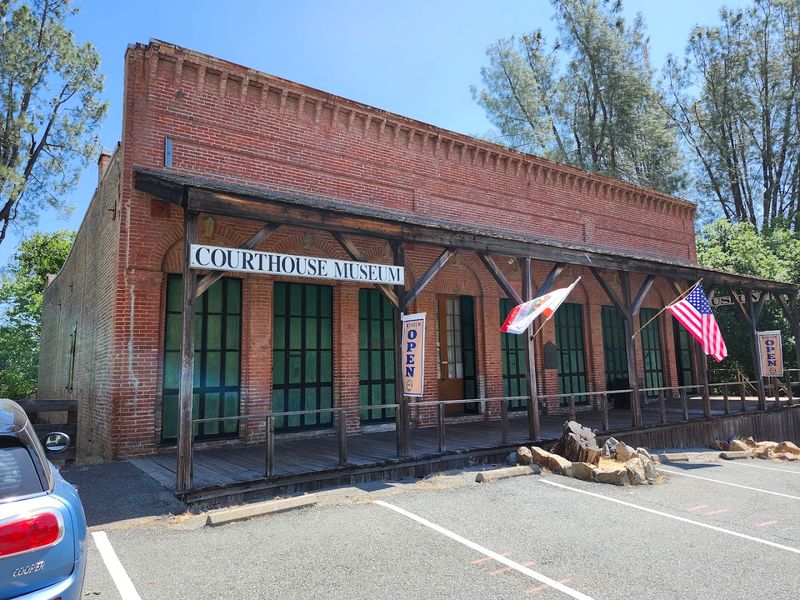
Built originally for commercial use and later converted to serve as the Shasta County Courthouse in 1861, this brick building is one of the most carefully restored structures in the entire park.
The Courthouse Museum is open Thursday through Sunday from 10 AM to 4 PM and serves as the park’s main visitor center, with staff available to answer questions and provide context for the exhibits.
A small admission fee applies for entry into the museum, while the park grounds remain free to visit daily from sunrise to sunset.
Inside, the exhibits trace the full arc of Shasta’s history, from its explosive growth during the Gold Rush to its gradual fade after the railroad bypassed the town.
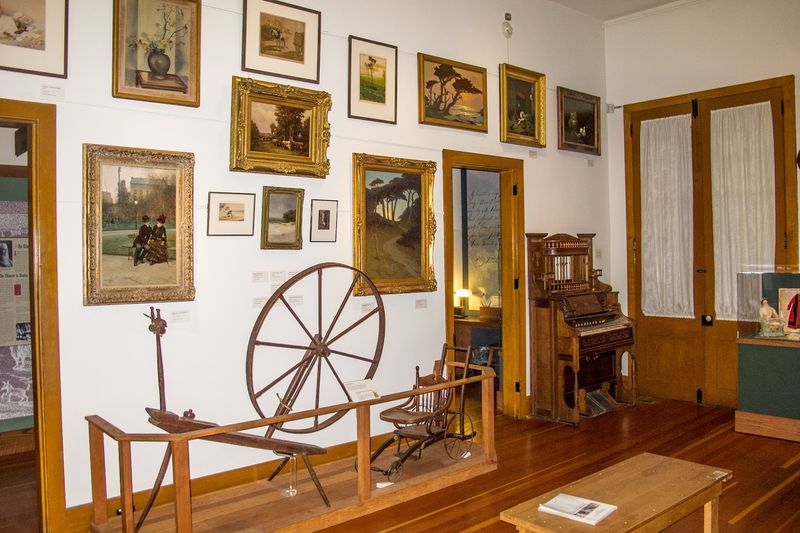
One of the most remarkable features of the museum is its collection of historic California artwork, which spans roughly a century and represents one of the more significant art holdings managed by California State Parks.
The paintings and pieces give the museum a cultural depth that goes well beyond what most visitors expect from a small-town historic site.
Picking up a Junior Ranger packet at the front desk is a popular option for families with younger children, turning the museum visit into an interactive learning experience.
Step Into The Old Courtroom And Jail Area
Downstairs in the Courthouse Museum, the mood shifts noticeably.
The jail area has a genuinely spooky atmosphere, with period leg irons, handcuffs, nooses, and truncheons displayed in a space that still feels heavy with history.
The gallows just outside the courthouse are a faithful reproduction, and the historical record attached to them is specific enough to feel sobering rather than theatrical.
The courtroom itself has been furnished with many original items tied to Shasta County justice during the Gold Rush era, and the combination of original furniture and careful restoration makes the space feel unusually authentic.
Visitors can stand in the same room where real legal decisions shaped lives during one of California’s most turbulent periods.
The contrast between the formal courtroom upstairs and the raw, confined jail below captures something true about frontier justice that no textbook quite manages to convey.
Spending extra time reading the individual case descriptions posted throughout the jail area is worthwhile, because the personal details transform what could feel like a generic exhibit into something genuinely human.
Browse The Litsch General Store Museum
A century of continuous operation is not something many businesses can claim, but the Litsch General Store ran from 1850 to 1950, outlasting the Gold Rush, the town’s commercial decline, and multiple generations of ownership.
California State Parks restored the store to its 1880s appearance, filling it with many original items that were once available for purchase, and the result is one of the most tactile and specific exhibits in the entire park.
Standing inside feels less like looking at a display and more like stepping into a preserved moment.
The variety of goods on the shelves reflects how essential a general store was to daily life in a remote mountain town.
Hardware, dry goods, tools, and household items crowd the space in a way that communicates abundance and practicality simultaneously.
Visitors who take time to look closely at individual items often find themselves surprised by how familiar some of the products feel despite being well over a hundred years old.
Current hours for the Litsch Store Museum may vary independently from the main Courthouse Museum, so calling ahead to 530-243-8194 is a practical step before planning a visit specifically around this exhibit.
The store is located within the park along the main historic street, making it easy to combine with a walk through the surrounding ruins.
Follow The Trails Past Cottage Ruins And Old Gardens
Beyond the main commercial strip, the park opens into something quieter and more contemplative.
Covering 19 acres of the original town site, the park includes trails and historic roads that wind past cottage ruins, remnant gardens, and old orchards that hint at the residential life that existed alongside the booming storefronts.
The pace slows noticeably once visitors move away from the main road and into these less-trafficked areas.
The terrain is generally gentle and manageable for most visitors, making the trails accessible for a relaxed afternoon walk without needing specialized gear.
Interpretive signs appear at key points along the routes, offering context for the overgrown foundations and plant clusters that might otherwise seem like ordinary landscape features.
Knowing that a family once maintained a garden in a particular spot changes how that patch of ground feels underfoot.
Spring visits tend to reward walkers with wildflowers, and mid-spring in particular has been known to bring poppies blooming among the ruins, creating a striking visual contrast between the old brick and the fresh orange blossoms.
The combination of natural beauty and historical remnants gives these trails a layered quality that makes a second or third visit feel just as rewarding as the first.
Visit The Pioneer Barn Area
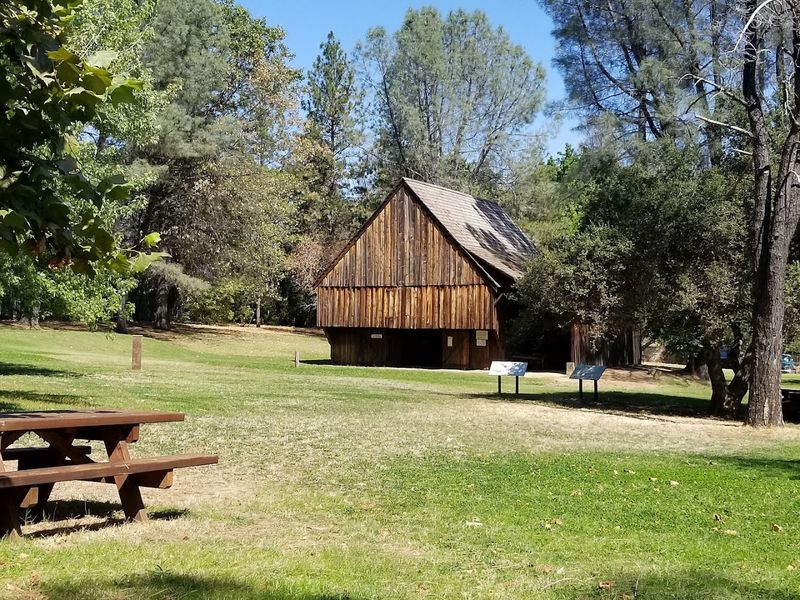
Parked inside the hay barn at Shasta State Historic Park is something that earns a second look from almost every visitor who finds it.
The North Trinity Stage Mud Wagon is an original stagecoach on exhibit in the Pioneer Barn area, and its presence gives this section of the park a grounded history feel that contrasts nicely with the more formal museum exhibits.
Stagecoaches of this type were the freight and passenger lifelines of remote Gold Rush communities.
Surrounding the stagecoach are farming and mining implements from the 1800s, displayed in a way that emphasizes how interconnected agriculture and mining were in sustaining a town like Shasta.
Tools for breaking ground, harvesting crops, and processing ore sit alongside one another, reflecting the practical reality that miners needed to eat and that farmers needed markets.
The barn itself, shaded by large old oak trees, offers a comfortable and naturally cool space to pause during a warm afternoon visit.
Families with younger children often find this section particularly engaging because the scale of the equipment is impressive and the stagecoach invites imagination in a straightforward way.
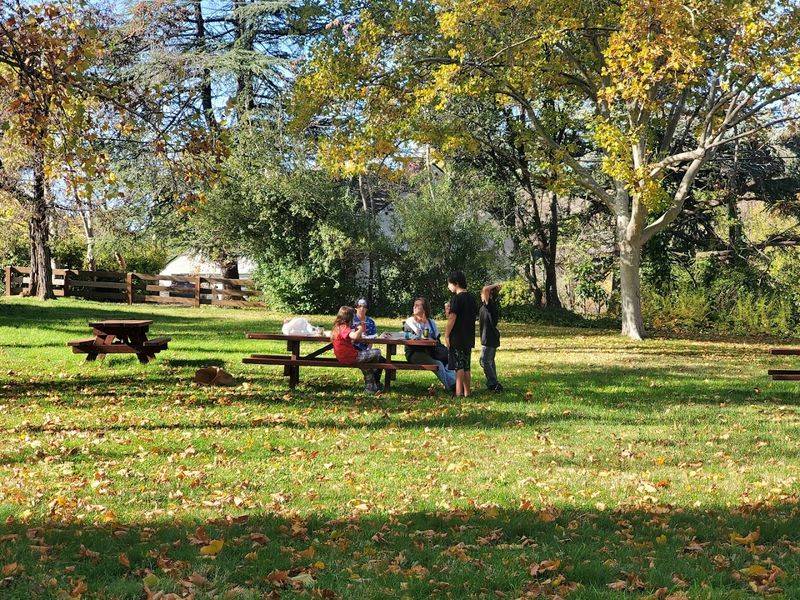
The picnic area nearby, shaded by the same mature oaks, makes this corner of the park a natural stopping point for a midday break before continuing through the rest of the site.
Use The Audio Files For A Deeper Ruins Walk
California State Parks offers a set of Shasta Ruins audio files designed specifically to accompany a self-guided walk through the park, and they add a layer of depth that reading plaques alone cannot quite provide.
Available for download in both MP3 and WMA formats, the recordings can be loaded onto a phone before arriving, making them easy to play while moving through the site at a comfortable pace.
The files can also be listened to from home for anyone who wants to prepare before visiting or revisit the experience afterward.
The audio content covers the Southside Ruins, the town’s early years, its golden years of prosperity, its gradual decline after the railroad bypassed it, and the eventual process of creating the state park.
Each segment is tied to a specific location along the walking route, so the information arrives at the moment it is most relevant, right when a particular ruin or intersection comes into view.
That timing makes the history feel immediate rather than abstract.
Visitors who have already walked the ruins once often find that a second pass with the audio files reveals details they missed entirely on the first visit.
The combination of the physical space and the spoken narrative creates a richer picture of what daily life actually looked like in old Shasta, filling the silence of the empty buildings with something close to a real voice.