This California McDonald’s Created The Egg McMuffin And Changed Breakfast Forever
Most fast-food breakthroughs do not begin with a boardroom or a perfectly polished plan.
Sometimes they start with one operator staring at breakfast and deciding it could be easier to carry.
What followed from this California restaurant changed the morning commute in a way few customers probably consider while unwrapping their order in the parking lot.
A simple idea became a menu staple, then a nationwide habit, and eventually one of the most recognizable breakfasts in the country.
The clever part was not just the ingredients. It was making a familiar morning meal fit neatly into one hand without turning it into a mess.
That sounds obvious now. It was not then.
The story behind the sandwich involves experimentation and one small piece of kitchen equipment that helped everything come together. The result was bigger than anyone expected.
Today, millions know the finished product. Far fewer know why this particular McDonald’s deserves an important place in breakfast history.
The Egg McMuffin Was Created At This Goleta Restaurant
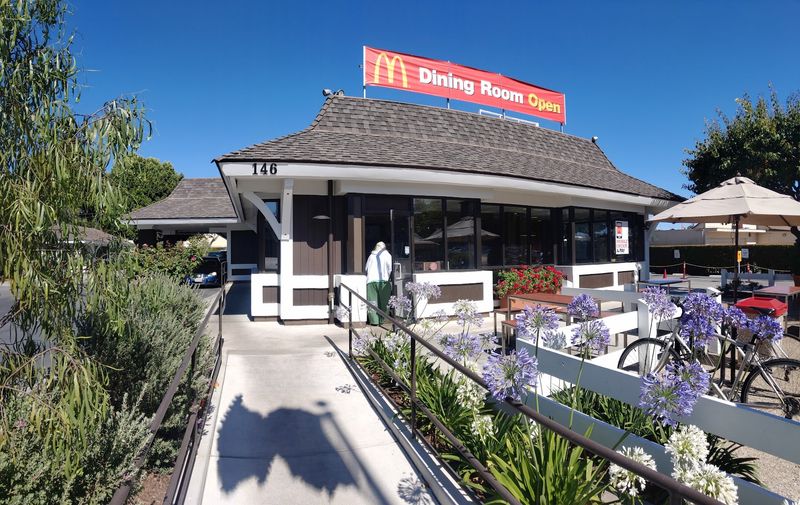
Along a busy stretch of road in Goleta, California, a McDonald’s restaurant holds a distinction that no other location in the world can claim.
The restaurant at 146 S Fairview Ave, Goleta, CA 93117, is the birthplace of the Egg McMuffin, a breakfast sandwich that went on to transform the fast-food industry in ways that are still felt today.
Stepping into this location feels like walking into a piece of culinary history, even though the menu boards and counter setup look much like any other McDonald’s you might visit.
The restaurant remains open and operational, welcoming both regulars and curious visitors who make the trip specifically to see where the famous sandwich originated.
Morning hours tend to draw a steady crowd, which feels fitting given that breakfast is the very meal this location helped pioneer.
The drive-thru lane stays active from early morning onward, reflecting the lasting appeal of the breakfast items first imagined here.
Knowing that a single franchise location sparked a nationwide shift in fast-food breakfast culture adds a quiet sense of significance to every visit.
The building itself may look familiar, but the story behind it is genuinely one of a kind.
Franchise Owner Herb Peterson Developed The Original Sandwich In 1971
Back in 1971, a determined franchise owner working out of his Goleta restaurant began tinkering with an idea that most people in the fast-food world had not yet considered.
At a time when McDonald’s was firmly focused on burgers, fries, and afternoon customers, one creative mind in a small California kitchen started asking a different question entirely: what if breakfast could be fast, portable, and satisfying?
The franchise owner had a genuine passion for food innovation and spent time experimenting with ingredients and cooking techniques inside his own restaurant.
His work was hands-on and driven by a clear vision rather than any corporate directive.
The development process took patience, trial, and a willingness to rethink how classic flavors could be reimagined for a quick-service setting.
The year 1971 now holds a permanent place in fast-food history because of what came out of that kitchen. No corporate committee dreamed up the Egg McMuffin in a meeting room.
It was born from the curiosity and initiative of one franchise owner who believed that the morning meal deserved the same attention as the lunch rush.
That belief turned out to be one of the most profitable instincts in fast-food history.
Herb Peterson Wanted McDonald’s To Serve Breakfast
During the early 1970s, most McDonald’s locations did not open until around 10:30 in the morning, which meant the entire breakfast window was left untouched.
The franchise owner in Goleta saw that gap not as a limitation but as an opportunity waiting to be filled.
Commuters, early workers, and morning risers had nowhere to turn for a quick and familiar meal during those hours, and that felt like a problem worth solving.
The idea of a portable morning item was not just about food. It was about completely rethinking when and how a fast-food restaurant could serve its community.
A breakfast offering that customers could grab on their way to work had the potential to bring in an entirely new wave of business before the traditional lunch crowd ever arrived.
That kind of forward thinking was not common in the fast-food industry at the time. Most chains were content to serve their established menus during established hours.
The Goleta franchise owner challenged that mindset by believing that the morning meal was just as valuable as any other part of the day.
That belief, simple as it sounds, ended up reshaping the entire industry’s relationship with breakfast and the customers who wanted it.
Eggs Benedict Inspired The Original Idea
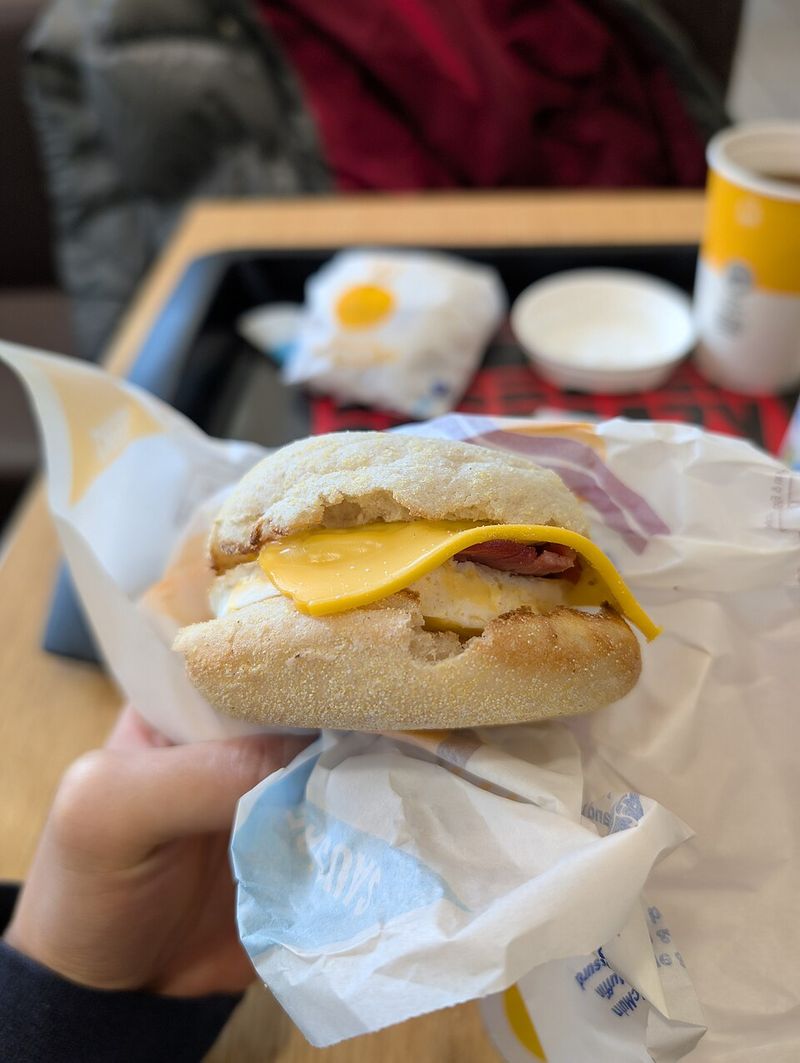
The spark behind the Egg McMuffin came from a dish that has long been a staple of leisurely weekend brunches.
Eggs Benedict, with its combination of a poached egg, Canadian bacon, English muffin, and silky hollandaise sauce, struck the Goleta franchise owner as something worth reimagining.
The challenge was figuring out how to preserve the spirit of the dish while making it practical for a fast-food environment.
The core ingredients translated surprisingly well. An egg, a toasted English muffin, and Canadian bacon were all manageable in a quick-service kitchen.
The hollandaise sauce, however, was a different story entirely. Its delicate preparation and tendency to separate made it completely impractical for the speed and consistency that fast food demands.
Rather than abandoning the concept, the franchise owner focused on finding the right substitute that would keep the sandwich approachable and delicious.
The decision to adapt rather than replicate showed real culinary creativity.
Eggs Benedict had always been a sit-down, special-occasion kind of meal, and the idea of turning it into something a commuter could hold in one hand while driving was genuinely inventive.
A Special Ring Gave The Egg Its Famous Shape
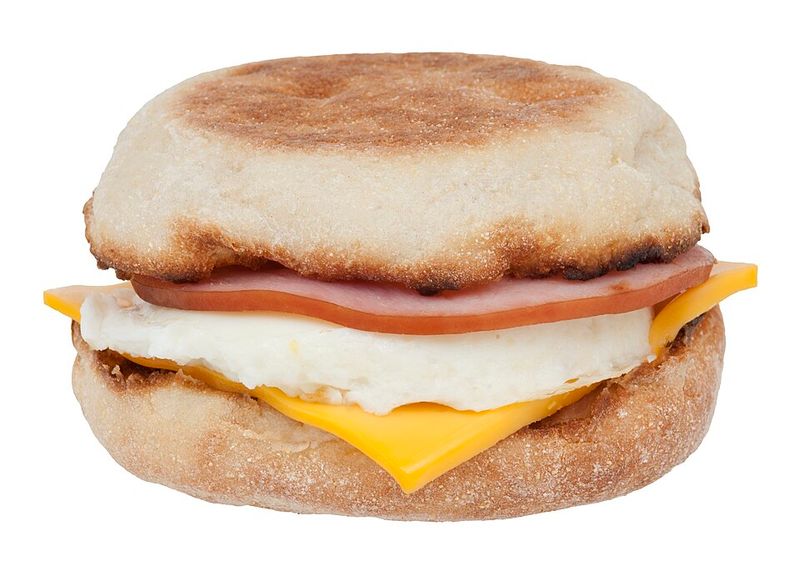
One of the most clever details behind the Egg McMuffin’s creation is also one of the least talked about: the cooking ring.
When a raw egg is cracked onto a flat grill, it spreads unevenly in every direction, making it nearly impossible to fit neatly inside a round English muffin.
The Goleta franchise owner solved this problem with a circular Teflon-coated metal ring that contained the egg as it cooked, giving it a perfectly uniform shape every single time.
The original ring was reportedly crafted by a local blacksmith, which adds a wonderfully handcrafted quality to the origin story of a mass-produced sandwich.
That custom tool made it possible for the egg to sit flush against the Canadian bacon and cheese, allowing all three ingredients to stack together cleanly inside the muffin without anything sliding out.
That small piece of equipment had an enormous impact on the sandwich’s success.
Consistency is essential in fast food, and the ring ensured that every Egg McMuffin looked and felt the same regardless of who was making it.
Today, a version of that same concept is used in McDonald’s kitchens around the world, meaning the legacy of that original blacksmith-made ring lives on in every breakfast sandwich the chain serves.
Its First Name Was The Fast Break Breakfast
Before the world knew it as the Egg McMuffin, the sandwich had a different name entirely.
The Goleta franchise owner called his creation the Fast Break Breakfast, a name that captured the spirit of the item perfectly.
It was meant to be quick, energizing, and easy to consume before the day really got started, much like the fast break in a basketball game that catches everyone off guard with its speed.
The early version of the offering reportedly came as a complete morning package, pairing the sandwich with either coffee or orange juice.
That combination gave customers a full breakfast experience in a format that had never been available at a fast-food restaurant before.
The idea of a bundled morning meal was ahead of its time and reflected the franchise owner’s instinct for what customers actually needed.
The name Fast Break Breakfast did not survive the journey to the national menu, but the spirit behind it absolutely did.
Renaming it the Egg McMuffin gave it a catchier and more brand-consistent identity that fit naturally within the McDonald’s naming style.
Still, knowing the original name adds a layer of personality to the story and a reminder that even iconic things start out with working titles before they find their permanent place in the world.
The Egg McMuffin Reached Test Markets In 1972
After the enthusiastic reception from corporate leadership, McDonald’s moved quickly to test the breakfast sandwich in selected markets during 1972.
Rolling out a new item to test markets is a standard step in the fast-food industry, but the Egg McMuffin carried an unusual amount of momentum into that process.
The positive local response in Goleta had already demonstrated that the concept worked, and the test markets were an opportunity to see whether that enthusiasm would translate to a broader audience.
The trials confirmed what the Goleta franchise owner had believed all along.
Customers were not just willing to visit McDonald’s for breakfast. They were actively seeking it out.
The test market results showed that the sandwich could draw people to the restaurant during hours that had previously been quiet and unproductive for the chain.
That data was exactly what corporate leadership needed to move forward with confidence.
The 1972 test period also helped McDonald’s work out the operational details of serving breakfast at scale. Training staff, adjusting kitchen workflows, and sourcing ingredients consistently across many locations all required careful planning.
The test markets gave the company a chance to identify and solve those challenges before committing to a full national rollout.
By the time the broader launch came, the groundwork had been carefully and thoroughly laid.
The Dining Room Honors Its Inventor
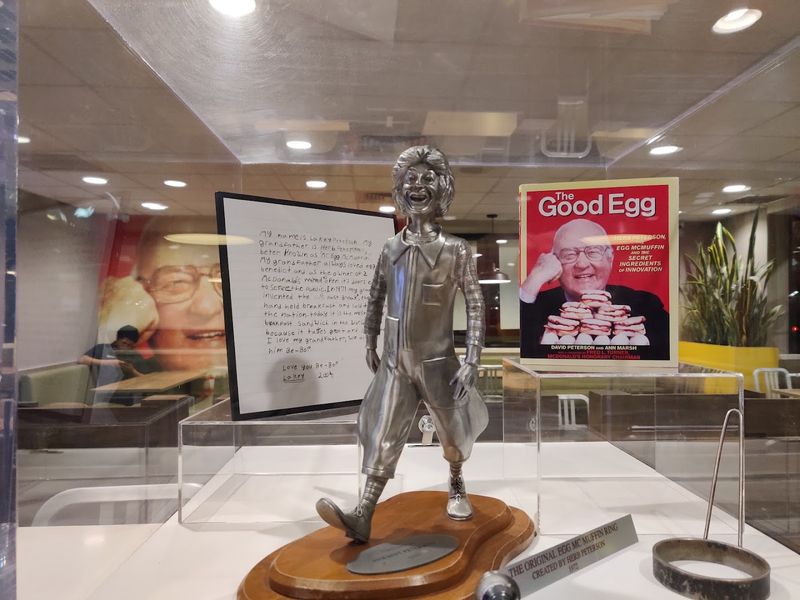
Walking into the Fairview Avenue McDonald’s in Goleta feels a little different from walking into most other locations in the chain.
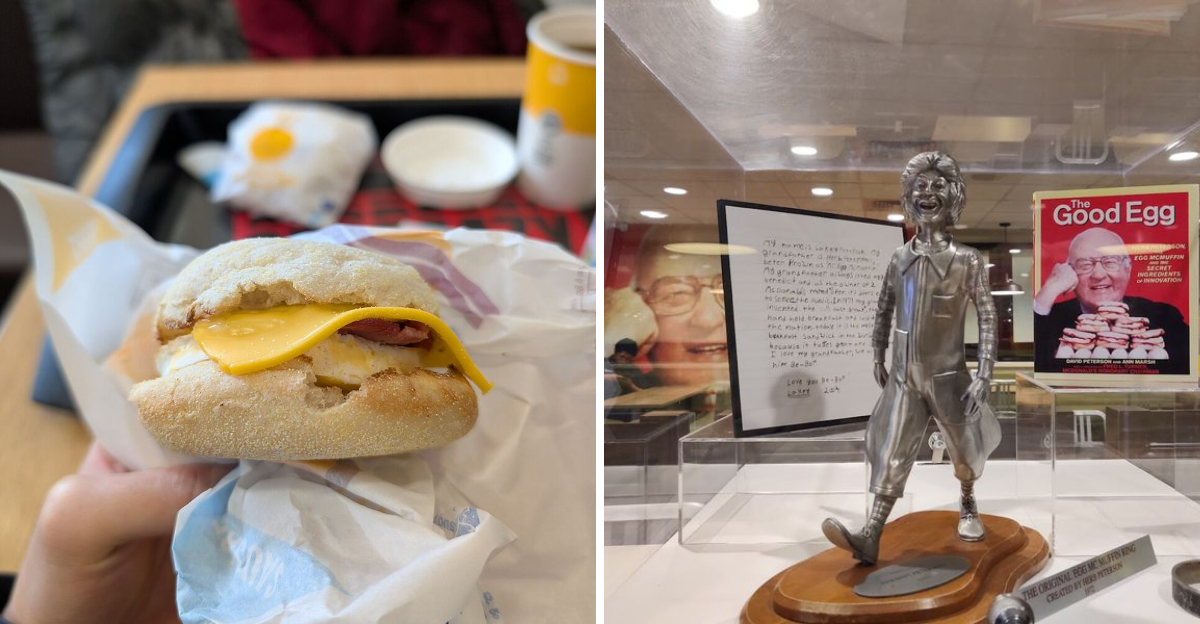
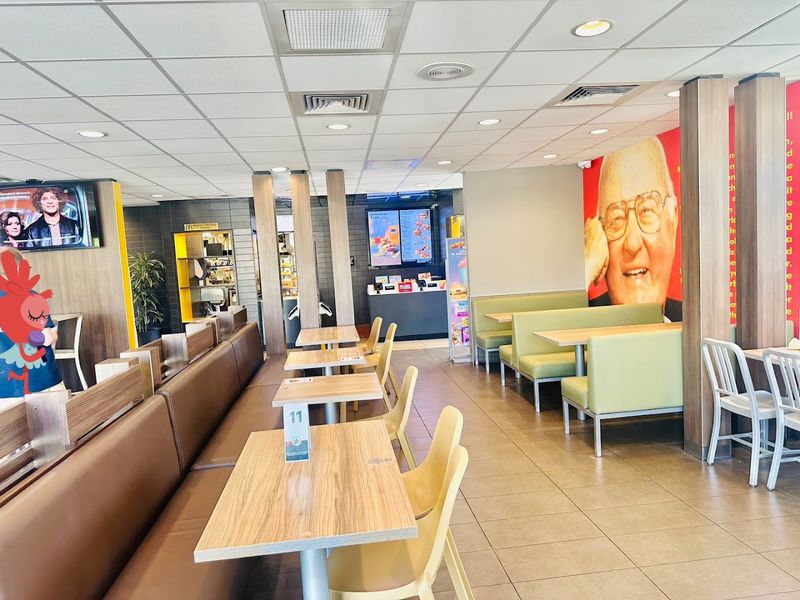
The dining room features a large portrait and a collection of memorabilia that pays tribute to the franchise owner who invented the Egg McMuffin.
Rather than the standard corporate decor found in most locations, this space has a personal and historical quality that sets it apart from every other McDonald’s in the country.
The display transforms what could be an ordinary fast-food dining room into something closer to a small exhibit.
Guests who take a moment to look around will find themselves surrounded by reminders of how a single creative idea in this very building changed the way millions of people start their mornings.
The items on display connect the present-day restaurant to its remarkable past in a way that feels genuine rather than staged.
For anyone who appreciates food history or simply enjoys knowing the backstory behind everyday things, the dining room at this Goleta location offers a surprisingly rewarding experience.
Seeing the face of the person responsible for one of the most consumed breakfast items in human history, displayed inside the restaurant where it all began, carries a quiet but unmistakable weight.