This 25-Mile California Rail Trail Near Susanville, California Feels Made For A Spring Ride
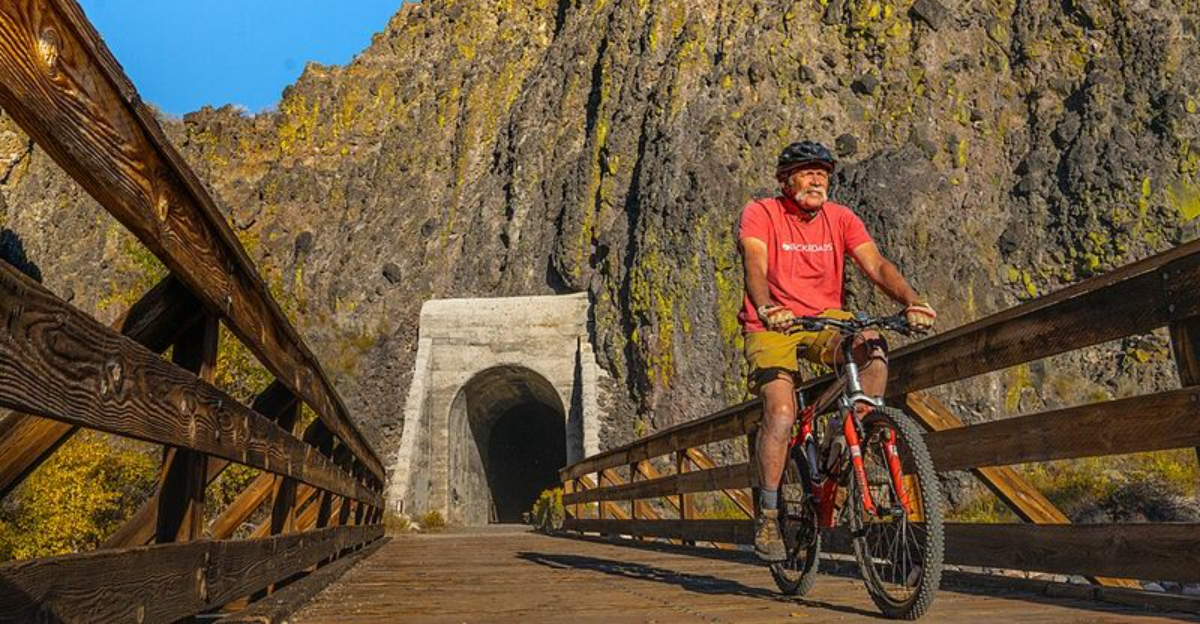
Adventure seekers are sleeping on one of California’s most cinematic spring trails, and it feels like discovering a secret the moment you set foot on it.
This abandoned railroad route has been reborn as a jaw dropping canyon pathway where every turn looks straight out of a travel film.
The trail stretches for more than 25 miles, yet the gentle railroad grade makes it feel far easier than the mileage suggests.
Instead of grueling climbs, you get smooth stretches that let you focus on the scenery unfolding around you. Spring is when it hits another level.
Wildflowers begin to bloom along the canyon floor, the river runs stronger from seasonal melt, and fresh greenery softens the rugged landscape while temperatures stay cool and comfortable.
You will pass through echoing tunnels, cross historic bridges high above the water, and follow winding canyon walls lit up by bright spring sunshine. Birds return, wildlife becomes more active, and the entire route feels alive with movement and color.
It is the kind of place that feels too spectacular to be this overlooked, and once you see it in spring, you will wonder how it stayed a hidden gem for so long.
1. Historic Railroad Heritage Creates Unique Trail Character
Converting an old railroad line into a recreation trail preserves more than just the pathway itself.
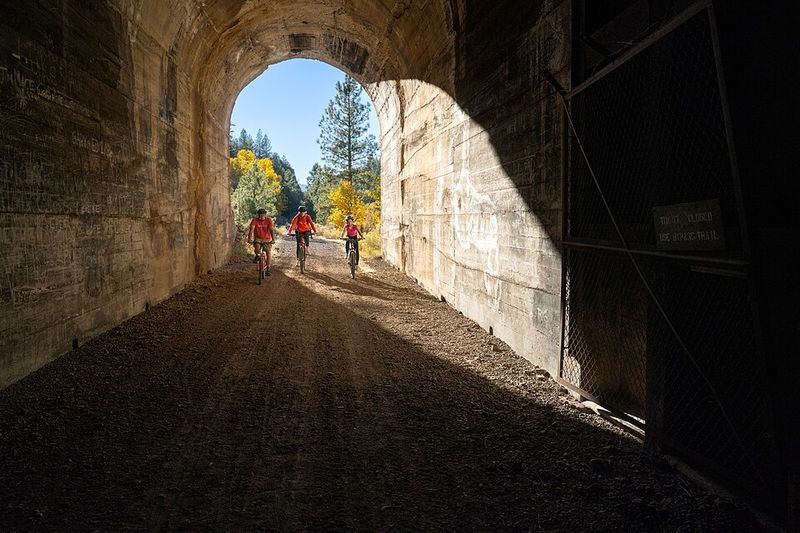
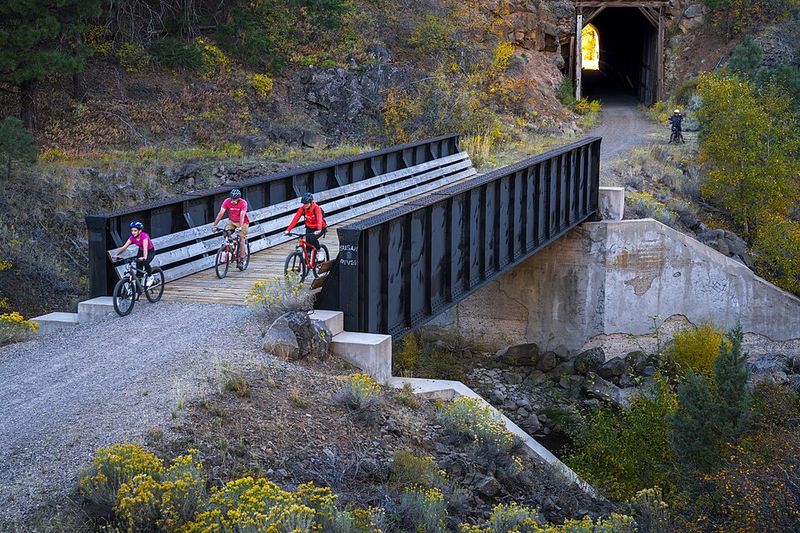
The Bizz Johnson Trail retains the original Fernley and Lassen Branch Line infrastructure, including twelve bridges and trestles that carry users over the Susan River and two tunnels carved through solid rock during the railroad era.
Walking or riding through these tunnels offers a tangible connection to the past, with cool air and darkness creating a brief sensory shift before emerging back into daylight.
The bridges provide elevated viewpoints over the water below, and their sturdy construction has held up remarkably well despite decades of disuse before the trail conversion.
Early spring visitors may notice ice formations along the tunnel walls and frost patterns on the bridge railings, adding seasonal details to the historic structures.
The 3% grade that made the railroad functional for freight trains now serves trail users by eliminating steep climbs, allowing focus on surroundings rather than cardiovascular effort.
Interpretive signs along the route explain the railroad’s role in the region’s lumber industry and how crews built these structures in remote canyon locations.
The trail demonstrates how infrastructure can find new purpose long after its original function ends, creating public access to landscapes that might otherwise remain difficult to reach.
2. Spring Weather Hits The Sweet Spot For Comfortable Riding
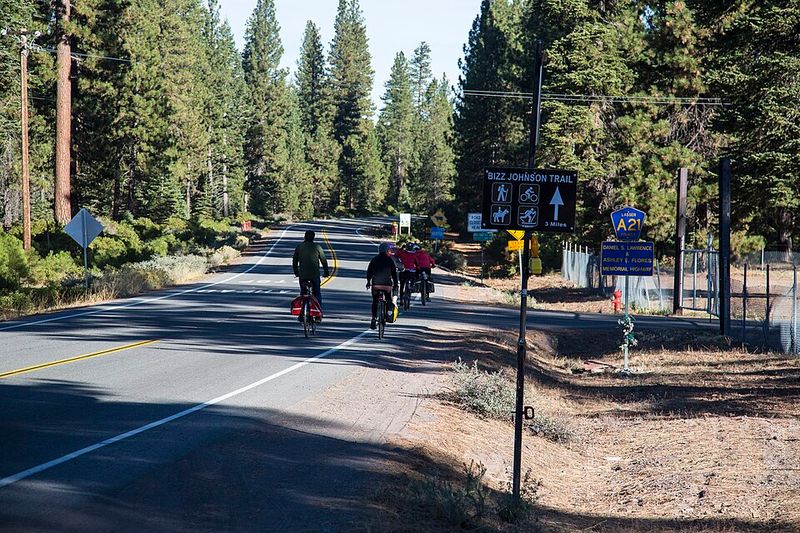
Spring trail conditions bring a completely different energy to northeastern California, and the change is instantly noticeable the moment you arrive.
Around Susanville, daytime temperatures typically land in that sweet spot between cool and comfortable, creating ideal conditions for long miles without the bite of winter cold.
The trail surface stays reliably firm, with the packed gravel base draining well after seasonal moisture.
Even when snowmelt feeds the river and surrounding hillsides turn lush, the pathway itself remains smooth and accessible for hikers and cyclists alike. Layering becomes simpler in spring.
A light jacket or long sleeve is usually enough in the morning, and as the day warms, many visitors shed layers and ride or hike comfortably without heavy gear.
Early hours can still feel crisp, especially in shaded canyon stretches, but sunshine gradually fills the corridor by late morning.
By midday, the landscape feels vibrant and alive, with blooming wildflowers, rushing water, and fresh greenery replacing winter’s muted tones.
Longer daylight hours also expand your adventure window. You can start earlier, stay out later, and take your time enjoying the full 25 mile stretch without racing sunset shadows.
As always, checking current conditions before heading out is smart, especially during peak snowmelt periods or after spring storms that may briefly impact access.
3. Susan River Canyon Scenery Shifts With Every Mile
Riding or walking 25 miles through repetitive scenery can feel monotonous regardless of fitness level.
The Bizz Johnson Trail avoids this pitfall by following the Susan River through terrain that transitions from open semi-arid canyon to dense coniferous forest, with the river itself serving as a constant companion that changes character along the route.
Starting from the Susanville end, the landscape feels more open, with scattered juniper and sagebrush on the canyon walls and wider views of surrounding peaks.
As the trail progresses westward toward Mason Station, pine and fir forests close in, creating a different visual experience with dappled shade and the scent of evergreen needles.
The twelve river crossings mean the trail switches from one bank to the other, offering new perspectives on the same waterway.
The river runs clear and cold, sometimes with ice along the edges where current slows, and the sound of moving water provides a natural soundtrack.
Canyon walls rise higher in some sections, creating dramatic vertical relief, while other stretches open into broader valleys with distant mountain views.
The variety prevents the long distance from feeling tedious, and the constantly changing backdrop gives the eyes new details to notice throughout the journey.
4. Multiple Trailheads Allow Customized Distance Options
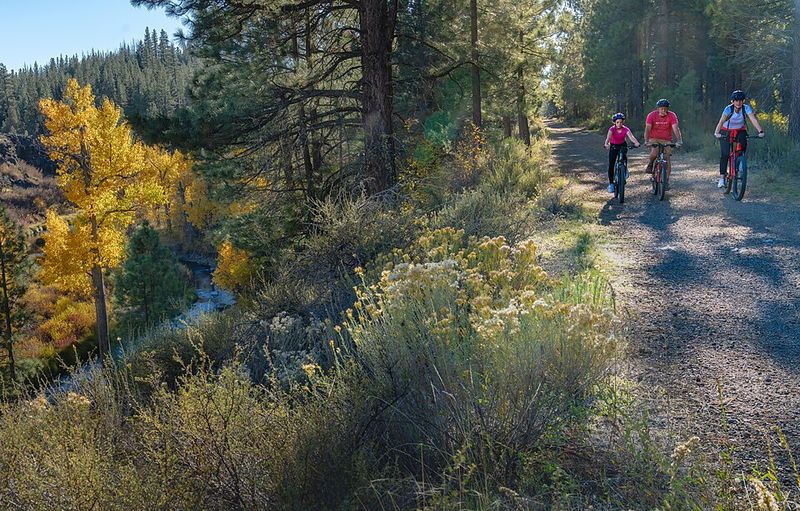
Not everyone wants to tackle 25 miles in a single outing, and the Bizz Johnson Trail accommodates shorter adventures through several established access points.
The Susanville Trailhead at the eastern end provides the most developed starting point, with parking and facilities that make it easy to begin a journey of any length.
Hobo Camp Trailhead offers a middle access point, allowing for out-and-back trips from either direction or enabling one-way journeys with a shuttle arrangement.
Devils Corral Trailhead provides another option, particularly useful for winter visitors since the area west of this point allows snowmobiling when conditions permit.
Choosing a trailhead based on desired distance and scenery preferences makes the trail accessible to families with young children, casual riders looking for a few hours outdoors, or serious athletes training for longer efforts.
A shuttle bus equipped with bike racks operates between Susanville and Westwood, solving the logistical challenge of one-way trips without requiring two vehicles.
The flexibility to choose distance transforms a potentially intimidating 25-mile trail into a resource for varied experiences based on available time and energy.
5. Wildlife Viewing Improves During Quieter Winter Months
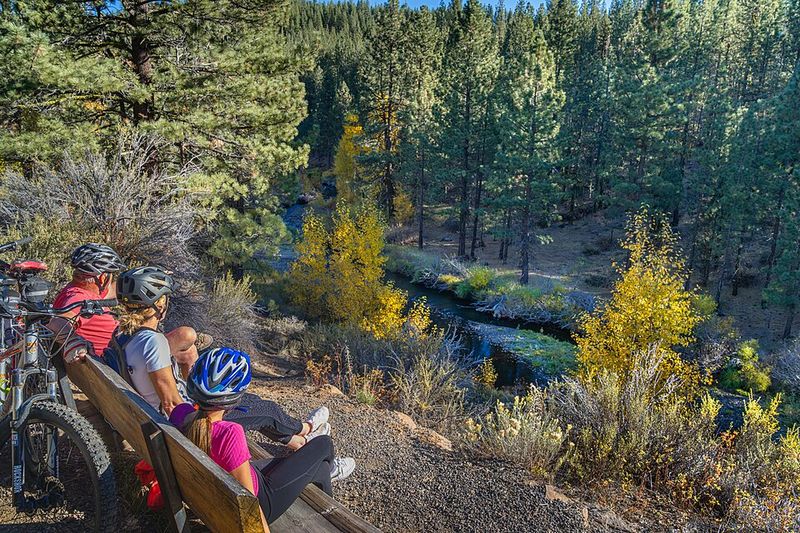
Summer trails often mean crowds that push wildlife away from frequently traveled routes, but spring on the Bizz Johnson Trail offers something different.
With visitor numbers down compared to peak season, animals feel less pressure to avoid the corridor, leading to increased sighting opportunities for patient observers.
Mule deer browse near the trail in early morning and late afternoon, their winter coats thick against the cold and their movements deliberate as they conserve energy.
Raccoons leave distinctive tracks in mud or snow near the river crossings, and porcupines occasionally appear in trees, their quills visible against bare branches.
Coyotes inhabit the area year-round, and their tracks often parallel the trail for stretches before veering off into the surrounding terrain.
Over 100 bird species have been documented along the route, with winter bringing different species than summer months, including various raptors that hunt the canyon.
The key to wildlife viewing involves moving quietly and stopping periodically to scan surroundings rather than maintaining constant forward motion. Binoculars add value for identifying birds and observing distant animals without disturbing them.
The reduced foliage also improves sightlines into the forest compared to the dense growth of warmer months, making animals easier to spot against the simpler backdrop.
6. Primitive Camping Extends The Trail Experience Overnight
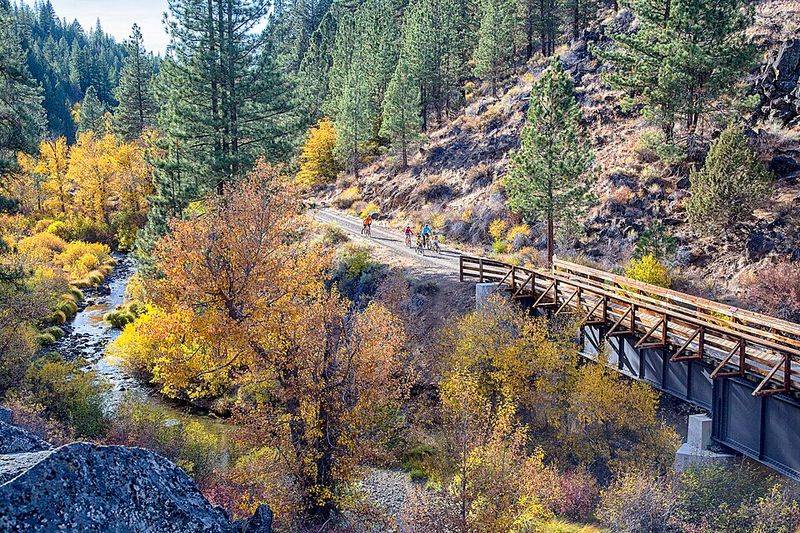
Day trips cover significant distance on the Bizz Johnson Trail, but camping along the route opens possibilities for multi-day adventures and deeper immersion in the canyon environment.
Bureau of Land Management and U.S. Forest Service lands along the trail permit primitive camping, meaning no developed facilities but the freedom to set up in suitable locations.
Camping requires appropriate gear for nighttime temperatures that can drop well below freezing, including insulated sleeping bags and pads rated for winter conditions.
The reward comes in the form of solitude, with the likelihood of encountering other campers minimal compared to summer months.
Campsites near the river provide water access, though filtration or purification remains necessary before drinking.
The sound of flowing water creates a peaceful nighttime atmosphere, and the canyon walls block wind that might otherwise make winter camping uncomfortable.
Leave-no-trace principles apply especially in primitive camping situations, with all waste packed out and fire restrictions observed based on current regulations.
The ability to spread a 25-mile journey over two days reduces daily mileage requirements and allows for a more relaxed pace with time to explore side areas or simply enjoy the surroundings.
Checking current camping regulations before the trip ensures compliance with any seasonal restrictions or area-specific rules.
7. Cross-Country Skiing And Snowshoeing Add Winter Activity Options
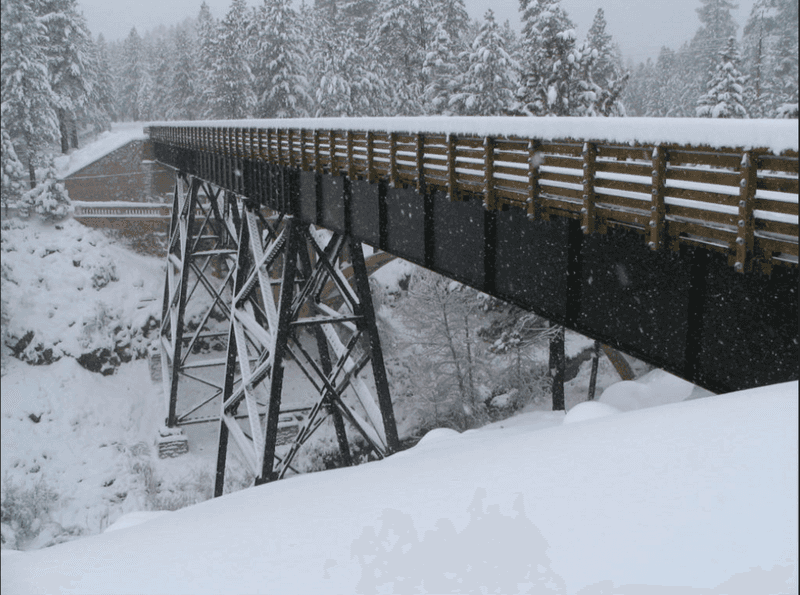
When snow accumulates beyond what bike tires or hiking boots can handle comfortably, the Bizz Johnson Trail transforms into a winter sports route.
The same gentle grade that makes cycling easy creates ideal terrain for cross-country skiing, with no steep descents requiring advanced downhill technique.
Snowshoeing works well on the trail when conditions pack down enough to support weight without excessive post-holing.
The wide corridor means room for multiple users without conflict, and the historic tunnels take on a different character when approached on skis or snowshoes rather than wheels or feet.
West of Devils Corral, snowmobiling receives permission during winter months, creating a mixed-use situation where different winter activities share space.
This section sees the heaviest snow accumulation, making it less suitable for hiking or biking but perfect for motorized winter recreation.
Snow depths vary by elevation and recent weather patterns, with some years bringing heavy accumulation and others leaving the trail mostly clear.
The flexibility to choose activity based on current conditions means the trail remains accessible regardless of what winter delivers.
Equipment rentals may be available in Susanville for visitors without their own cross-country skis or snowshoes, though calling ahead confirms current availability and shop hours during the quieter winter season.
8. Fishing And Swimming Spots Dot The River Crossings
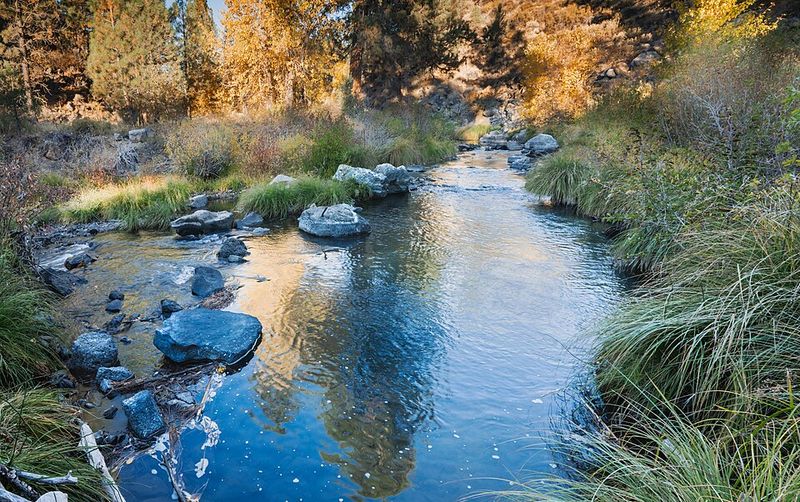
The twelve river crossings along the Bizz Johnson Trail create natural stopping points where the water becomes accessible for more than just scenery, and spring makes these riverside moments especially inviting.
Snowmelt feeds the Susan River this time of year, swelling the flow and bringing a fresh, lively energy to the canyon.
Fishing opportunities stretch along the entire route, with trout becoming more active as water temperatures gradually rise. Spring hatches increase feeding activity, giving anglers better chances than the slower winter months when fish tend to conserve energy.
Warmer air also makes spending time near the water far more comfortable. While the river still runs cold from seasonal melt, the sunny banks and calmer pools create perfect places to pause, cast a line, or simply enjoy the sound of rushing water.
The clear spring flow improves visibility in many stretches, making sight fishing possible where deeper pools form near crossings and bends. These less pressured access points often feel more secluded than roadside fishing spots, rewarding those willing to hike or ride a little farther.
As always, California fishing licenses and current regulations apply, with seasonal rules guiding catch limits and permitted methods. Lightweight gear remains the smartest approach, especially when fishing is just one part of a longer spring trail adventure.
9. Fall Colors Earned National Recognition For The Trail
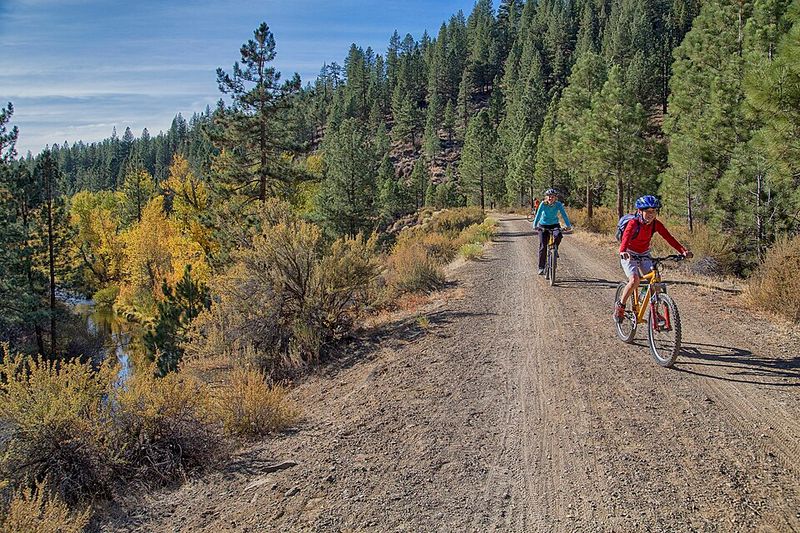
Understanding the trail’s reputation for fall colors adds context to the landscape.
The Rails-To-Trails Conservancy included the Bizz Johnson Trail in their 1997 “Fall Foliage on the Web” rail-trails guide, recognizing the spectacular autumn display that draws visitors from across the region.
Aspens and other deciduous trees along the river turn brilliant gold and orange in October, contrasting with the evergreen conifers on the canyon walls.
Visitors see the bare branches of these same trees, creating a different but equally interesting visual texture against the winter landscape.
The recognition speaks to the trail’s scenic quality across seasons, not just during the most colorful months.
Understanding what the landscape looks like during different times of year helps appreciate the winter version, where subtle colors and stark contrasts replace the vibrant palette of autumn.
Muted tones allow focus on other details that bright fall colors might overshadow, including rock formations, water patterns, and the architectural elements of the historic railroad structures.
Some visitors prefer the quiet beauty of winter to the more dramatic but crowded fall season.
The trail’s year-round accessibility means experiencing it during multiple seasons becomes possible for those who live nearby or return for repeat visits.
10. Gentle Grade Makes 25 Miles Achievable For Average Fitness Levels
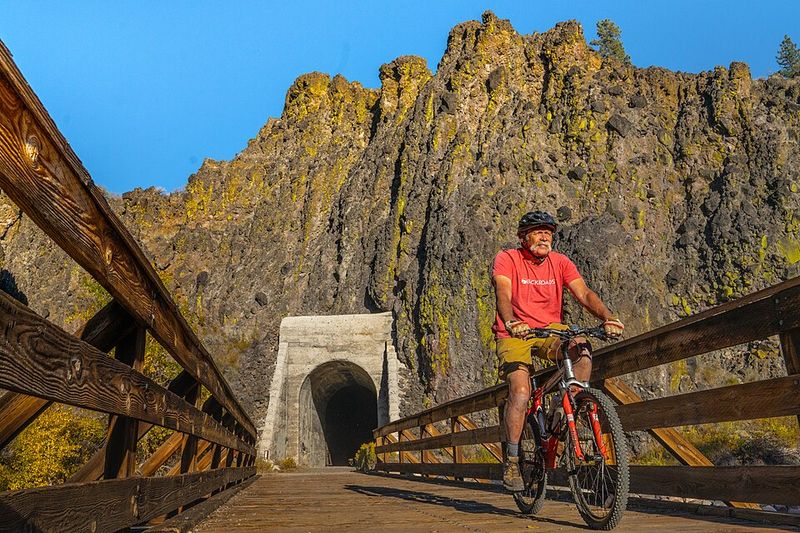
Distance can intimidate when considering a 25-mile trail, but the Bizz Johnson’s railroad heritage provides a crucial advantage.
Trains require gentle grades to function efficiently, and the maximum 3% slope along the entire route means the elevation gain spreads out over many miles rather than concentrating in steep climbs.
For perspective, a 3% grade rises just three feet for every 100 feet of horizontal distance, barely noticeable during walking and only mildly felt during cycling.
The cumulative elevation change from Susanville to Mason Station remains modest compared to mountain trails of similar length, making the distance achievable rather than extreme.
Average cyclists can maintain comfortable speeds without grinding up steep pitches, and hikers avoid the quad-burning descents that make long trails punishing on the knees.
The gentle grade also means beginners attempting their longest ride or hike yet can succeed without technical skills or exceptional fitness.
Cooler temperatures further reduce the difficulty by preventing overheating and excessive dehydration that plague summer efforts.
The combination of gentle grade, moderate temperatures, and well-maintained surface creates conditions where distance becomes a function of time rather than difficulty.
Breaking the 25 miles into manageable segments with rest stops at river crossings or scenic viewpoints makes the journey feel like a series of shorter efforts rather than one overwhelming push.