This California Restaurant Became The World’s First Three Michelin Star Mexican Restaurant
Three Michelin stars are rare enough. Earning them while changing what is possible for an entire cuisine makes the achievement considerably more interesting.
This restaurant built its reputation around an ambitious tasting-menu approach to Mexican cooking, treating familiar ingredients with the precision expected at the highest levels of fine dining.
Then came a milestone no Mexican restaurant anywhere had reached before.
California fine dining made history when Mexican cuisine finally entered Michelin’s exclusive three-star club.
The recognition matters beyond another plaque on the wall.
Mexican food has enormous regional depth, centuries of tradition, and ingredients capable of remarkable complexity, yet it has not always received equal attention in the world of luxury dining.
One restaurant helped push that conversation forward.
The Historic Third Michelin Star
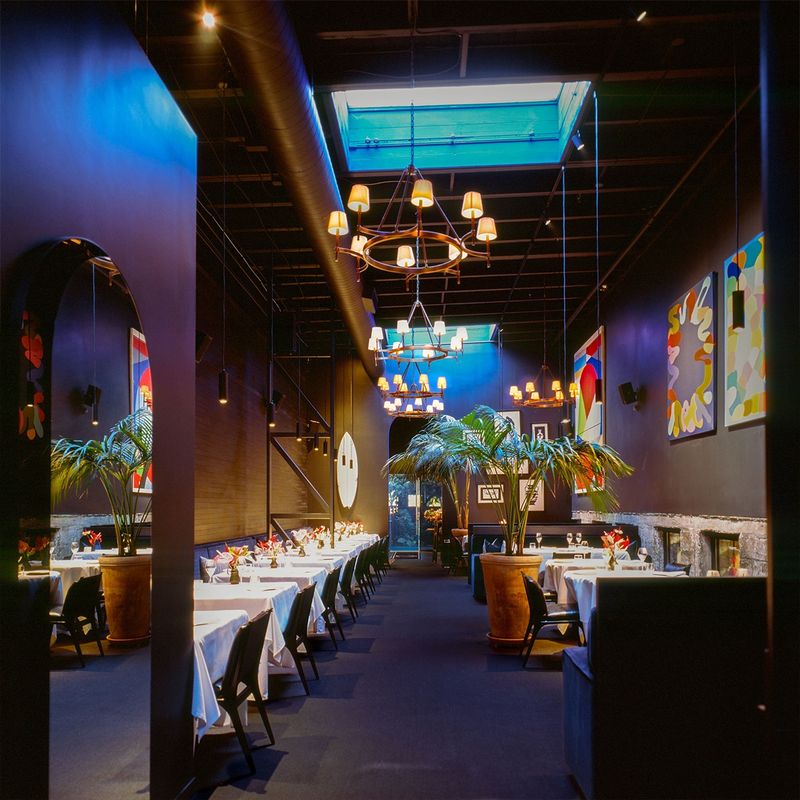
June 24, 2026, turned into a date that food lovers across the country will likely remember for years. That was the day the MICHELIN Guide California ceremony took place in San Diego.
During the event, Californios was promoted from two stars to three, the highest honor the guide gives.
Stars from Michelin work a bit like a ladder. One star points to high quality cooking, and two stars signal excellent cooking that is worth a detour.
Three stars mean exceptional cuisine that is worth a special journey, so the jump to the top step is a very rare event. Many great restaurants hold two stars for a long time and never move higher.
Inspectors visit without telling anyone, and they look for steady quality over many meals rather than one lucky night.
Earning that final star usually takes years of careful work, small improvements, and a clear point of view.
For the team at Californios, the promotion came after more than a decade of cooking.
The honor also matters beyond one dining room in San Francisco. It sends a message that fine dining does not belong to only a few styles of food.
Young cooks who grew up eating their family recipes might now see a new path for their own heritage. You can find it at 355 11th St, San Francisco, California 94103.
The First Mexican Restaurant In The World To Do It
History books for food do exist, and a new chapter was written in 2026.
The MICHELIN Guide clearly identifies Californios as the first Mexican restaurant anywhere in the world to receive three stars. Not in Mexico City, not in Oaxaca, but in a dining room in San Francisco.
Fans of Mexican cooking have long argued that it deserves the same respect as Italian or Japanese cuisine.
Moles can take days to build, and corn masa requires skill that many cooks spend a lifetime learning. Still, the very top of the Michelin system had never included a Mexican restaurant until this moment.
The award shows that familiar dishes can be transformed into something truly unique without losing their soul.
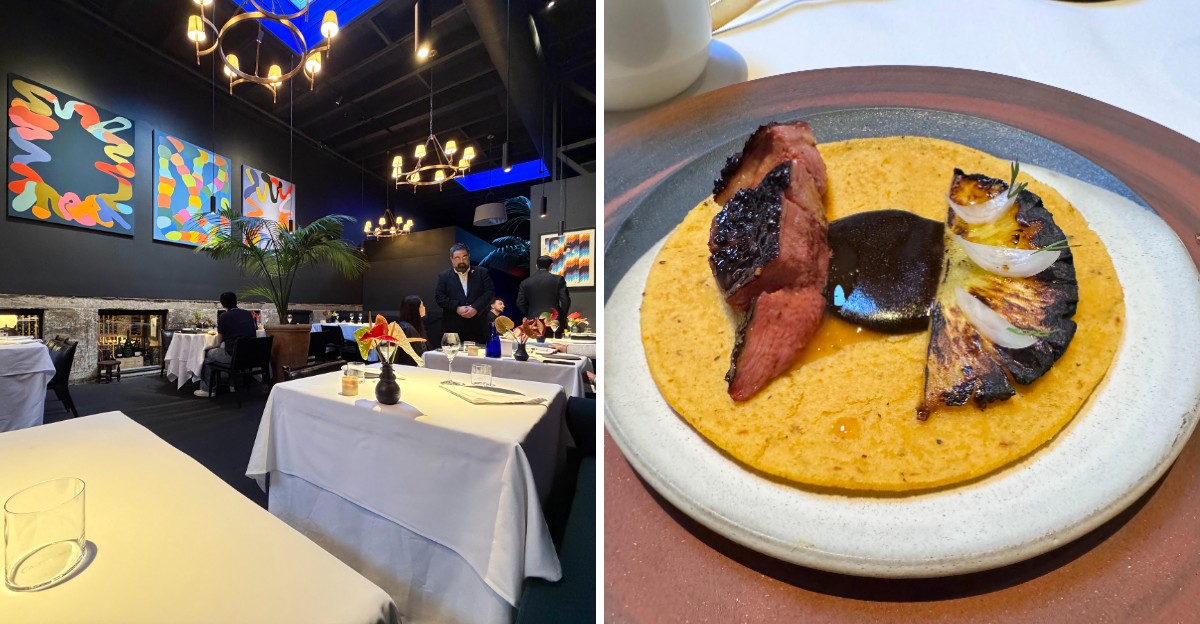
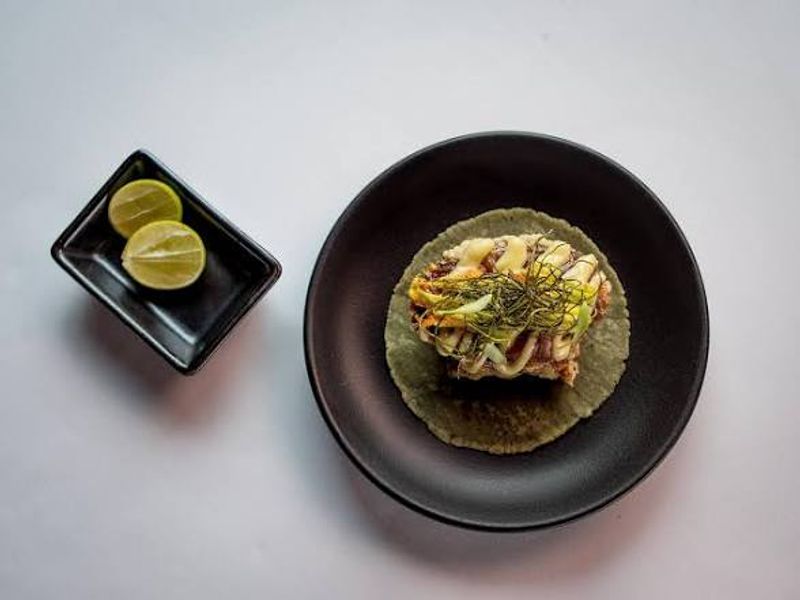
Tacos, tostadas, and moles all appear on the menu, yet they arrive with the polish of a world-class kitchen.
Diners can still recognize the flavors, which helps the meal feel personal and grounded. The milestone may also inspire other chefs to look closely at their own traditions.
Mexican food covers many regions, and each one has its own ingredients and methods. Restaurants exploring that variety with care might find new respect from critics in the future.
Anyone interested in food history could treat a meal here as a chance to taste a real turning point. It is a small, delicious piece of a much bigger story.
Chef Val Cantú
Long before fine dining entered the picture, a family tortilleria in Brownwood, Texas, shaped a young cook.
Chef-owner Val M. Cantú grew up around his father’s Mexican restaurant and tortilla shop. Those early years gave him a strong sense of pride in Mexican culture and food.
That pride shows up in nearly every plate at Californios today. His style blends classic Mexican techniques with a market-focused, seasonal approach.
Ingredients often come from farms and waters across California, so the menu can shift as the seasons change.
The result tends to feel both familiar and surprising at the same moment. A taco still tastes like a taco, but the details are worked out with great precision.
Sauces are balanced carefully, textures are planned, and portions stay small so each bite has a clear purpose.
The MICHELIN Guide describes his cooking as highly refined and contemporary.
Inspectors noted how he weaves in subtle international ideas while keeping a clear Mexican identity. That balance is hard to pull off, since adding too much can blur the main story of a dish.
Home cooks can borrow a simple lesson from his approach. Starting with family recipes and then improving one small detail at a time can lead to big changes.
It Started In The Mission District
Big stories often begin in small rooms, and this one is no different.
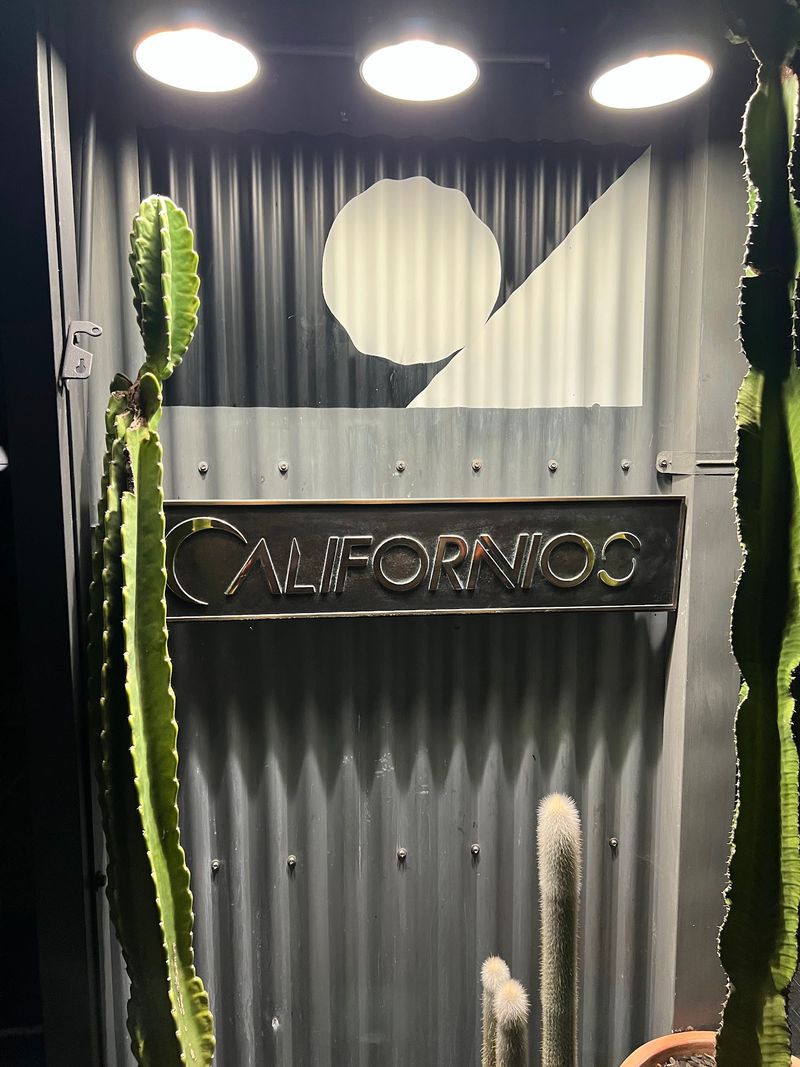
Californios first opened in January 2015 in the Mission District of San Francisco. The neighborhood is well known for its Latino heritage, colorful murals, and many beloved taquerias.
The original dining room was quite small, with seating for roughly 24 guests. That intimate size made each evening feel personal, almost like a private dinner party.
Dark interiors and tinted windows gave the space a moody, cozy feel that set it apart from the busy street outside.
Even in those early years, the restaurant served ambitious tasting menus. Food fans began talking about its fresh take on Mexican cooking, and attention grew steadily.
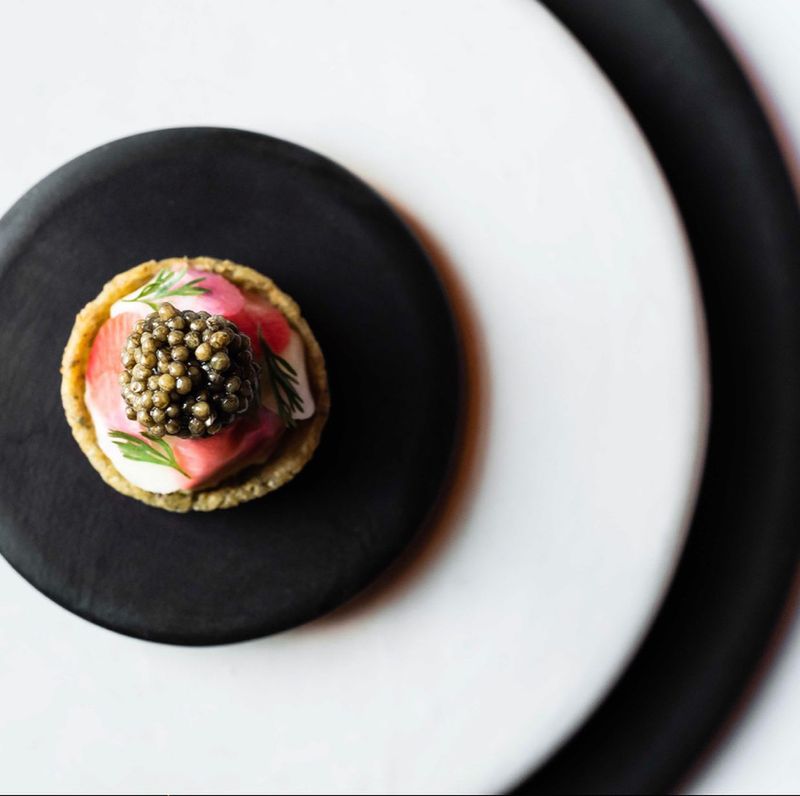
It was in this first home that the restaurant’s identity was shaped, from its careful tortillas to its playful use of luxury ingredients. A small kitchen can push a team to stay focused.
With limited space, every tool and every step must count, which may help build strong habits. Those habits likely carried forward as the restaurant grew.
Visitors exploring the Mission today can still enjoy its lively streets and casual Mexican spots. Walking through the area offers a helpful sense of the cultural roots that surround this story.
The Tasting Menu Experience
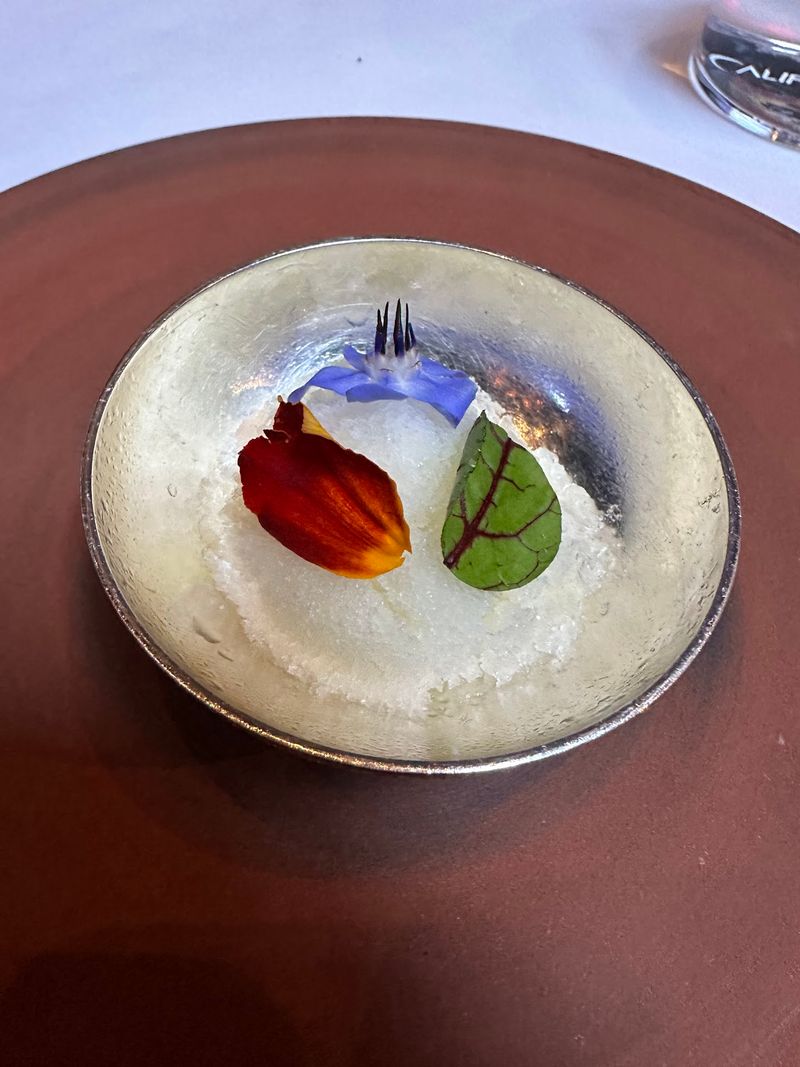
Forget flipping through a long menu and picking one main dish. Dinner here follows a tasting menu, where the kitchen chooses a series of small courses for the whole table.
The meal often includes around 13 to 16 courses, depending on the season.
Each plate is usually just a few bites. That small size lets diners try many flavors in one night without a single huge serving.
Still, many guests report feeling very full by the end, so arriving hungry is a good plan.
Expect the full evening to last close to three hours. Courses come one after another, and the pacing may feel quick at times or slower near the end.
Guests who want more time between plates can politely ask the staff, who are often described as warm and attentive.
Desserts can arrive as several small sweet courses rather than one.
Dietary needs can often be accommodated with advance notice when booking.
Since pricing is high and can change, checking current costs on the official website makes sense. Treating the night as a special occasion tends to make the experience even more enjoyable.
Mexican Flavors Through A California Lens
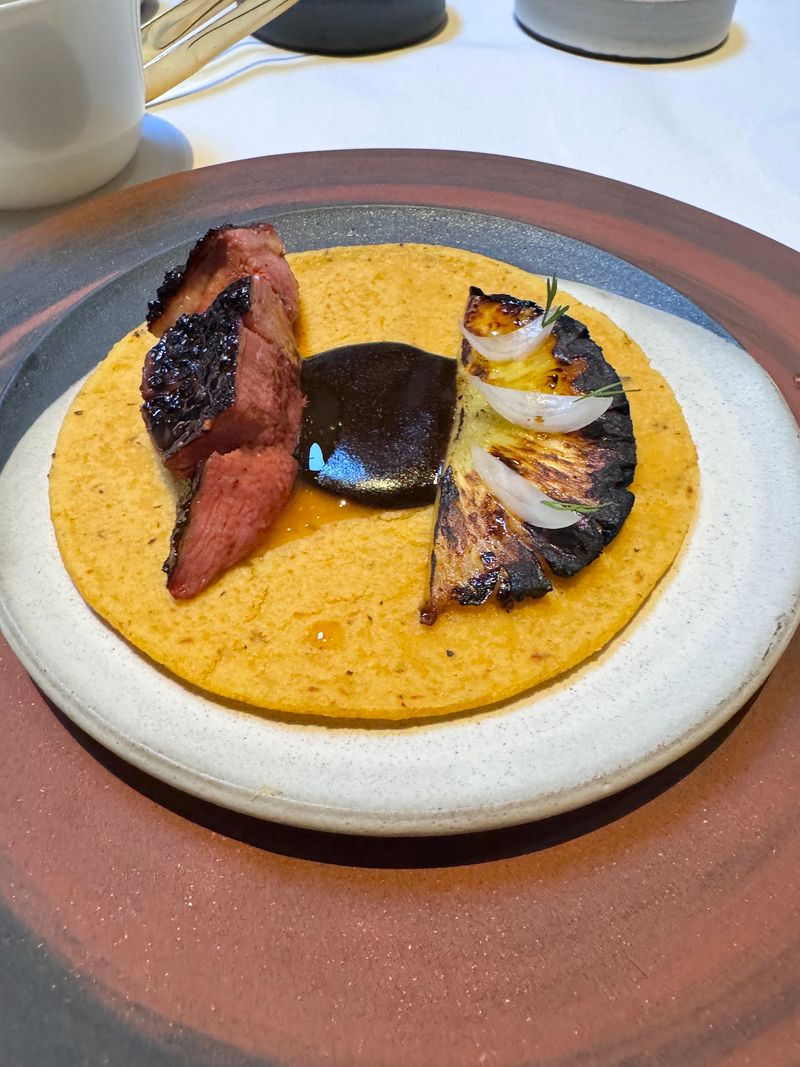
Two food cultures meet on every plate, and the blend feels natural. The MICHELIN Guide describes the cooking at Californios as Mexican flavors expressed with Californian flair.
That simple phrase explains much of what makes the restaurant special.
California has a long, shared history with Mexico. The very name of the restaurant refers to the early Spanish-speaking settlers of the region.
That connection makes the pairing of the two styles feel meaningful rather than forced.
Local produce and seafood play a big role. Guests have mentioned dishes with spiny lobster, crab, kampachi, and rockfish, often brightened with citrus and chile.
Menus change with the seasons, so ingredients on any given night may differ from earlier visits.
Classic Mexican building blocks hold everything together. Mole, masa, chiles, and corn show up again and again in thoughtful new forms.
Diners have noted that spice levels can be bold, so mentioning heat preferences early can help.
Home cooks might enjoy trying a simple version of this idea. A basic salsa made with local farmers market tomatoes and fresh herbs can taste brighter than a store-bought jar.
The Tortillas Are Taken Very Seriously
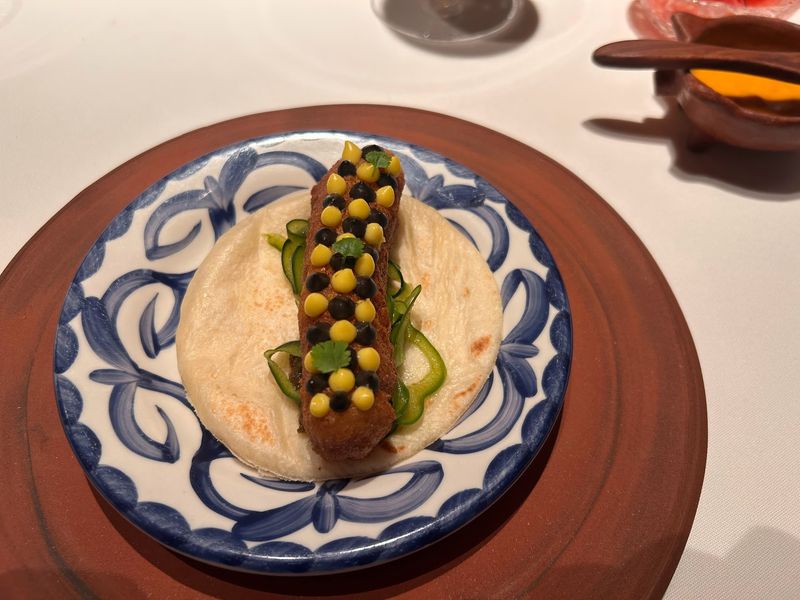
Soft, warm, and pressed by hand, a tortilla might seem too simple for fine dining. At Californios, though, it is treated like a centerpiece.
The MICHELIN Guide specifically mentioned the tortilla work when explaining the third star.
For the chef, tortillas carry personal history. Growing up near his father’s tortilleria taught him how much care goes into getting texture and flavor just right.
That early lesson still shapes how they are made in the kitchen today.
Sourdough tortillas have appeared on the menu, offering a light tang and a pleasant chew. Some have been described as pillowy inside with a delicate crispness on the edges.
They are not side items but key parts of the taco courses. Many diners leave talking about the tortillas as much as anything else.
Fun fact: masa is made by soaking corn in an alkaline solution, an ancient process called nixtamalization. That step makes corn easier to grind and adds both nutrition and flavor.
Anyone curious to try at home can start with good masa harina and a simple press.
Californios Now Sits Among California’s Most Elite Restaurants
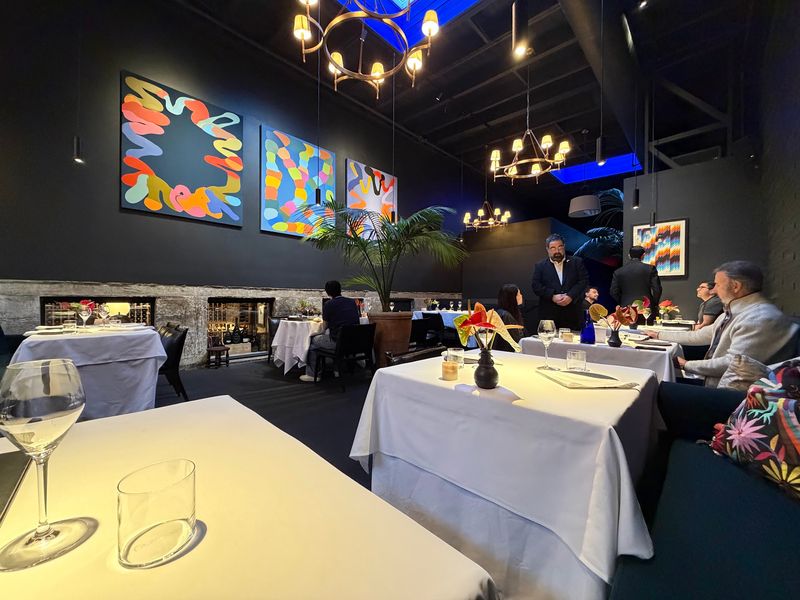
Ten restaurants in one huge state make up a very small club. As of 2026, California has only 10 restaurants holding three Michelin stars.
Californios is now one of them, which places it among the most respected dining rooms in the country.
The list includes famous names known to food lovers everywhere. The French Laundry, SingleThread, Addison, and Providence are part of that group.
Within California’s San Francisco, the restaurant joins Atelier Crenn, Benu, and Quince.
Most of these places focus on French, Japanese, or modern American styles. Having a Mexican restaurant on the list adds welcome variety.
It also reflects the real mix of cultures that shape California food every day. Travelers planning a food-focused trip to San Francisco might want to book far in advance.
Signing up for notices on the official reservation platform may help when new dates open.
Dress tends to be smart but comfortable, matching the relaxed yet polished feel of the room.
Leaving extra time to explore the nearby SoMa and Mission neighborhoods can round out the day.