This California River Adventure Cruises Past Concrete Banks, Hidden Wildlife, And Urban History
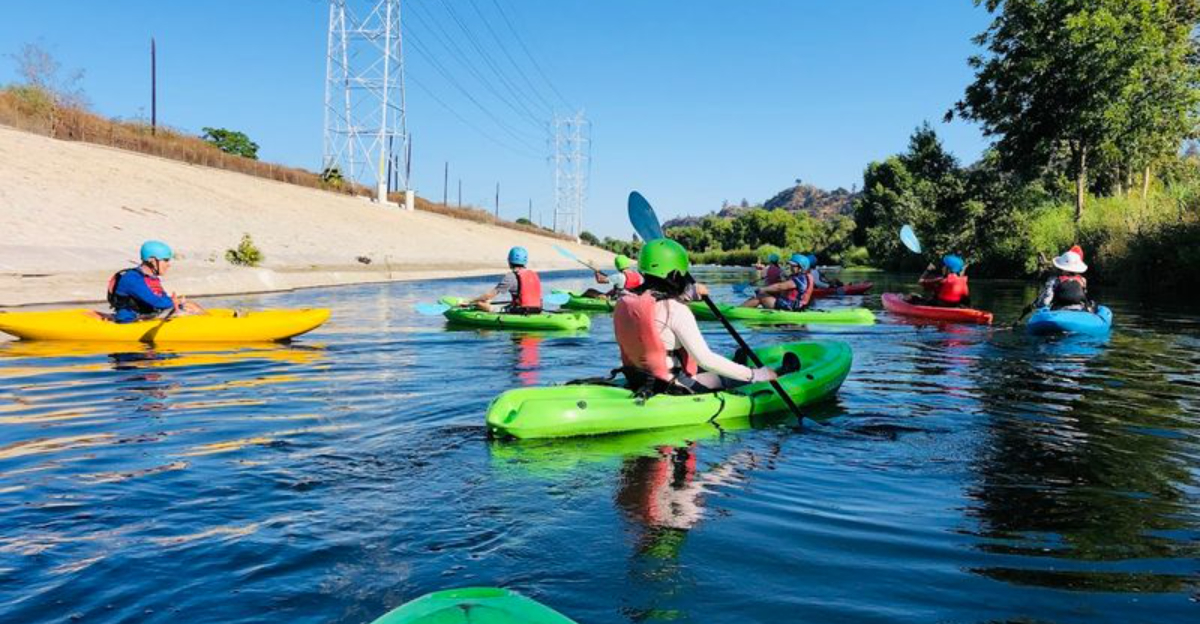
Few people expect to find herons lifting off the water in the middle of one of the busiest cities in California. Most picture traffic, overpasses, and endless lanes of concrete. What they don’t imagine is a steady current moving quietly through it all.
The LA River Kayak Safari changes that perspective fast.
Paddlers slip into the Los Angeles River and drift past willow trees, nesting birds, and historic bridges that frame the skyline from water level. Yes, the channel walls are concrete. But between them, something living persists.
Egrets stalk the shallows. Ducks skim the surface. Patches of native greenery push up along the banks where restoration has slowly taken hold. The city hum softens just enough to hear the rhythm of the paddle.
It feels unexpected because it is. This is a side of California most people never see.
The river carries a complicated history of flood control and urban expansion, but it also reflects a growing effort to reconnect the city with its natural core.
Getting on the water offers one of the clearest ways to understand both.
1. Historical Transformation
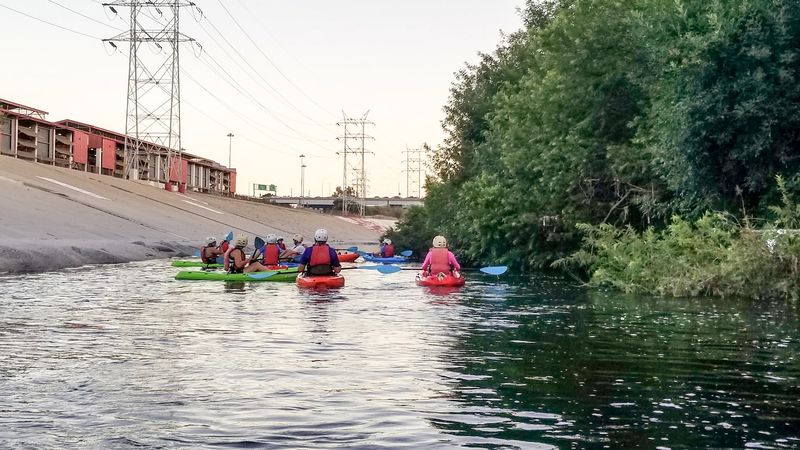
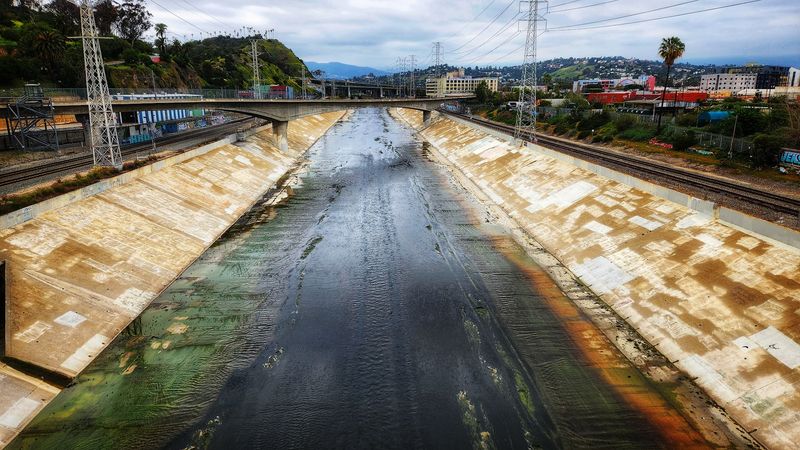
Long before the concrete arrived, the Los Angeles River was a wandering, seasonal waterway that flooded unpredictably across the flat basin of Southern California.
After devastating floods in the 1930s caused serious damage to homes and infrastructure, the U.S. Army Corps of Engineers made a dramatic decision: encase most of the river in concrete to control its flow.
The project reshaped roughly 51 miles of the river, transforming a natural channel into what many described as a massive storm drain.
The work was completed by 1960, and the river lost most of its natural banks, native plants, and wildlife habitat in the process.
Today, that concrete shell is one of the most recognizable features of the LA River, appearing in countless films and music videos.
For kayakers, paddling through those straight concrete walls offers a strange and striking contrast to the open sky above.
Understanding this history adds real weight to the experience of being on the water, because every stroke forward is a reminder of how drastically a city can reshape its own natural landscape.
2. Restoration Efforts
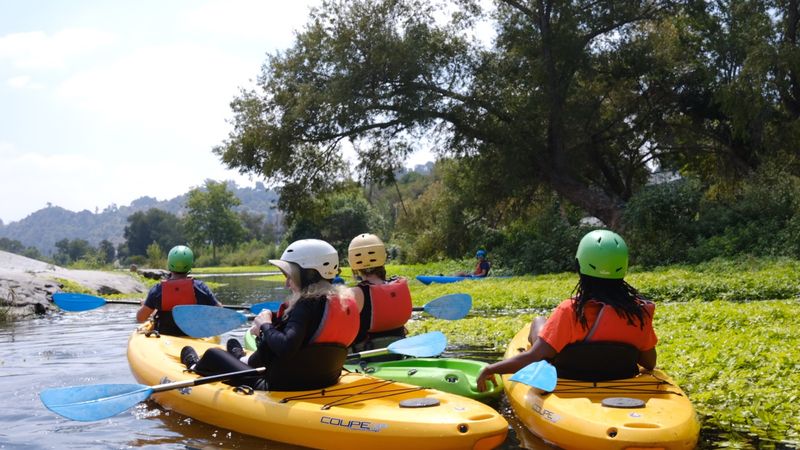
Concrete does not have to mean permanent. Over the past few decades, community groups, scientists, and city planners have worked steadily to restore sections of the Los Angeles River to something closer to its original character.
The Glendale Narrows, a stretch running through the Elysian Valley neighborhood, became the centerpiece of these efforts.
Unlike most of the river, the Glendale Narrows has a soft, natural bottom because the water table sits too high for concrete to hold.
That geological quirk allowed native plants to take root, and the area gradually became a refuge for birds and other wildlife even while surrounded by dense urban development.
Restoration advocates pushed for formal protections and funding, and over time the city committed to a broader revitalization plan.
The Los Angeles River Revitalization Master Plan, adopted in 2007, outlined a vision for turning the river corridor into a connected greenway with parks, trails, and restored habitat.
Progress has been gradual but real, and kayaking through the Glendale Narrows today offers a glimpse of what restoration can look like when a community decides that a river is worth saving.
3. Urban Oasis
Tucked between Griffith Park and the Elysian Valley, the Glendale Narrows feels genuinely different from the rest of the Los Angeles River.
The soft riverbed supports a thick corridor of native trees including willows, sycamores, and cottonwoods that lean over the water and create patches of real shade on warm days.
Paddling through this stretch, the sound of the city softens noticeably. The canopy filters the sunlight into moving patterns on the water, and the air carries the faint smell of damp earth and leaves rather than pavement.
For visitors who grew up near natural rivers, the Glendale Narrows can feel almost nostalgic.
The trees also serve a practical ecological purpose, stabilizing the riverbank, filtering runoff, and providing nesting sites for birds that would otherwise have nowhere to go in this part of the city.
Native plant restoration projects have added even more species along the banks in recent years.
For anyone paddling the LA River for the first time, the Glendale Narrows is often the section that surprises them most, because it genuinely looks and feels like a natural waterway rather than an urban drainage channel.
4. Diverse Wildlife
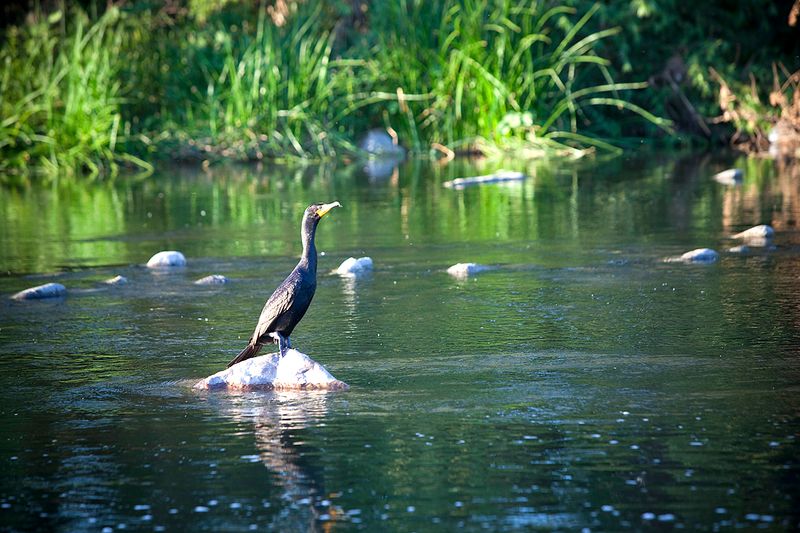
A river running through millions of people does not seem like prime bird habitat, but the LA River has quietly become one of the more reliable urban birding spots in Southern California.
Kayakers regularly spot great blue herons standing motionless in the shallows, their patience almost theatrical as they wait for fish to pass below.
Snowy egrets move quickly along the water’s edge, their bright white feathers catching the light.
Black-necked stilts wade through the shallower sections on their long pink legs, and red-tailed hawks circle overhead, scanning the banks for movement.
During migration season, the river corridor can attract even more species passing through on their way north or south.
The presence of so much birdlife surprises most first-time paddlers, who expect the concrete channel to feel empty and industrial.
The wildlife reflects years of gradual habitat recovery and the river’s role as one of the few continuous green corridors connecting different parts of the city.
Bringing a pair of lightweight binoculars on a kayak tour can turn a paddling trip into a genuine birdwatching experience without adding much weight to the boat.
5. Kayaking Season
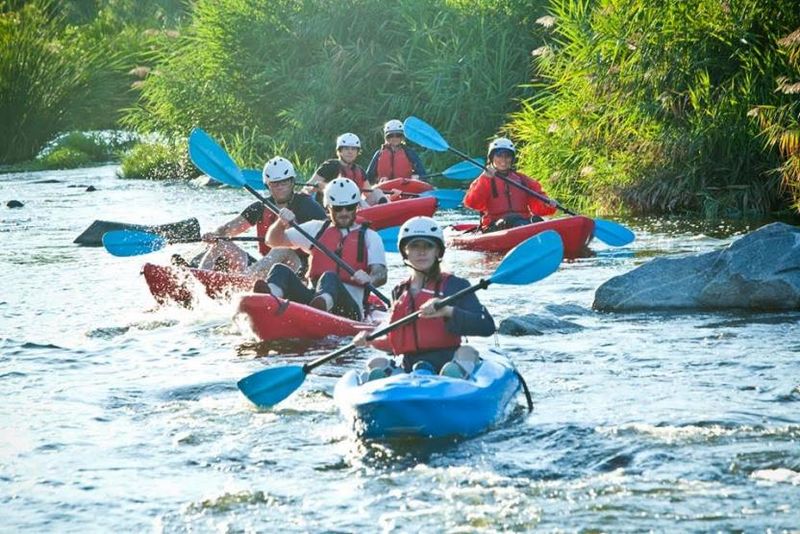
The Los Angeles River does not stay open for kayaking year-round.
The official Recreation Zones, which include the Glendale Narrows and other designated stretches, open each year on Memorial Day weekend and remain accessible through September 30.
That window aligns with the drier months when water levels are lower and more predictable, making conditions safer for paddlers of all skill levels.
Late spring and early summer tend to offer some of the most comfortable paddling temperatures, with mornings that are cool and afternoons that warm gradually under the California sun.
By midsummer, the heat can build significantly, so starting a trip early in the day is a practical choice for staying comfortable on the water.
Water levels and flow rates can vary depending on rainfall earlier in the year, so checking current conditions before heading out is always a smart step.
The official kayaking season schedule is managed through the Los Angeles Bureau of Sanitation, which also monitors water quality throughout the recreation period.
Planning around the official season ensures paddlers are on the water legally and with the best available information about safety and access.
6. Guided Tours
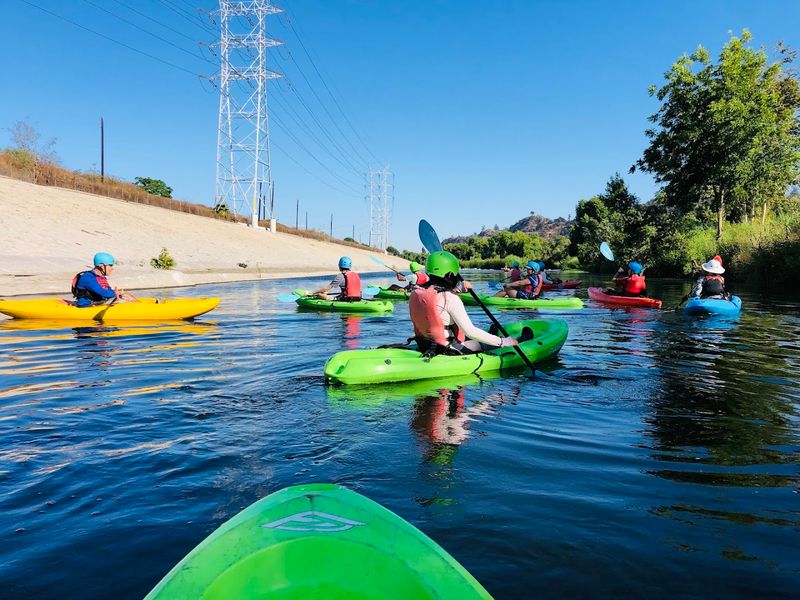
Paddling an urban river for the first time is a lot less intimidating when someone knowledgeable is leading the way.
LA River Kayak Safari is one of the most well-known guided tour operators on the river, offering structured experiences that combine paddling instruction, ecological information, and historical storytelling into a single outing.
Tours typically launch from access points near the Glendale Narrows and cover a few miles of the river at a relaxed pace that allows participants to observe wildlife, ask questions, and take in the surroundings without feeling rushed.
Guides point out bird species, explain the concrete channel’s history, and share details about the ongoing restoration work happening along the banks.
Equipment including kayaks, paddles, and life vests is provided as part of the tour, so participants do not need to arrive with any gear.
LA River Expeditions is another operator offering similar guided experiences with a focus on education and conservation awareness.
Both organizations help make the river accessible to people who might not have the experience or confidence to paddle it independently, and the guided format tends to produce a richer and more informed experience for everyone on the water.
7. Safety Measures
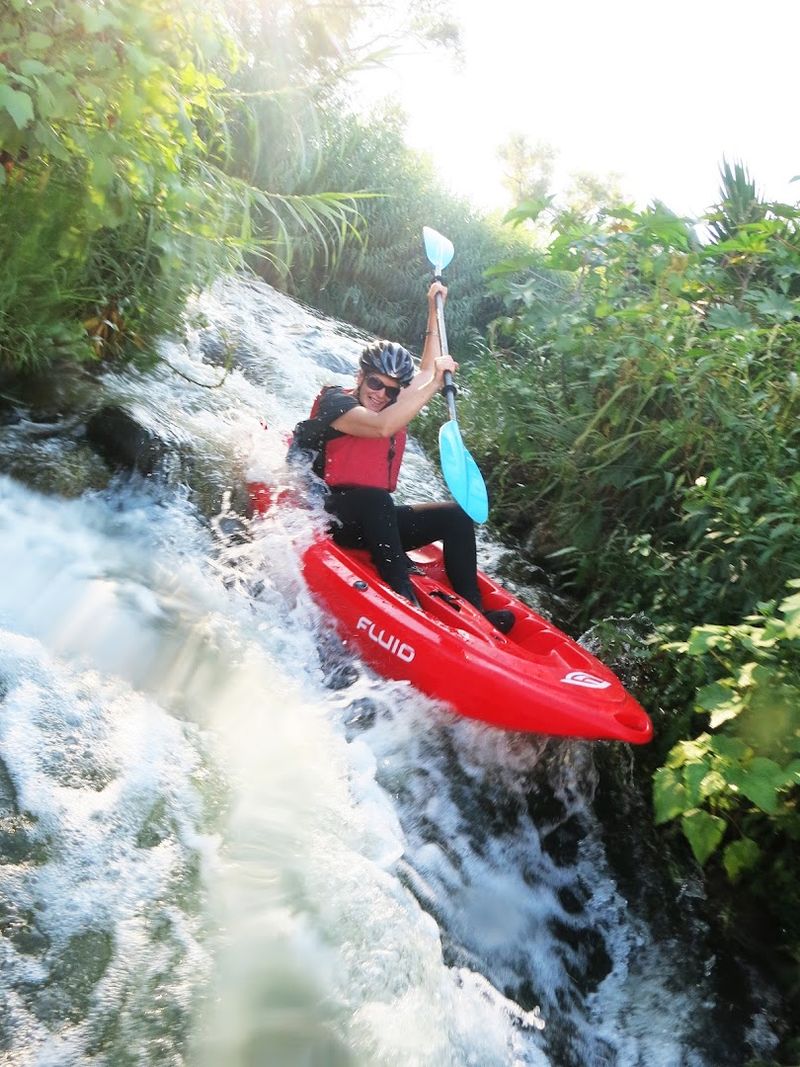
Water quality on an urban river is not something to guess about.
The Los Angeles River flows through a heavily developed watershed, collecting runoff from streets, parking lots, and storm drains across a wide area of Southern California.
After rain events in particular, contaminant levels in the water can rise significantly and quickly.
The city monitors water quality throughout the kayaking season using a color-coded system that gives paddlers a clear and simple way to understand current conditions.
Green typically signals that conditions are acceptable for paddling, while yellow and red indicate elevated contamination levels that may warrant postponing a trip.
Checking these indicators before heading to the river is one of the most straightforward safety steps a paddler can take.
Updates are generally posted through the Los Angeles Bureau of Sanitation and through the websites of tour operators who work on the river regularly.
Avoiding contact with the water as much as possible during a paddle is also a standard recommendation, even on days when the quality indicator shows favorable conditions.
Rinsing off after a trip and washing any gear that contacted the water are simple habits that help reduce any potential exposure.
8. Urban Exploration
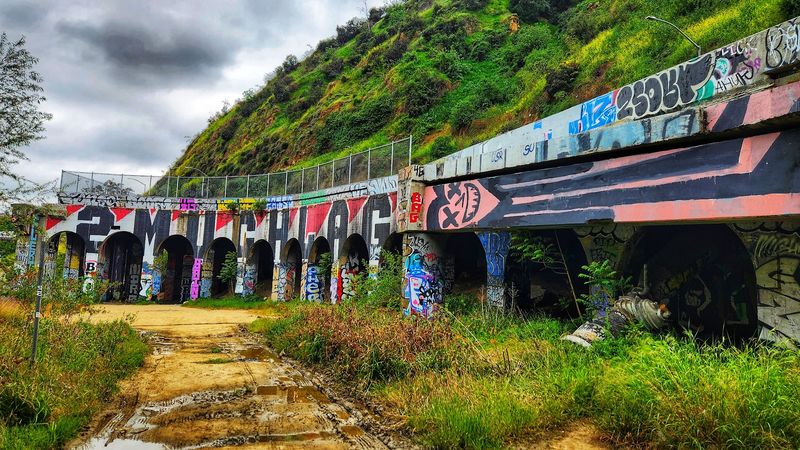
One of the most distinctive parts of kayaking the LA River is the way it puts paddlers directly underneath the infrastructure that most people only ever drive across.
The river passes beneath dozens of bridges, some of which date back to the early twentieth century and carry real architectural character in their arched concrete spans and decorative railings.
From water level, the bridges look completely different than they do from above.
The scale becomes more apparent, the textures of aged concrete become visible up close, and the sound of traffic overhead creates an odd contrast with the relative quiet of the water below.
Some bridge pillars carry layers of spray-painted murals that have accumulated over decades, turning the underside of the city into an accidental gallery.
The perspective from a kayak also reveals parts of the riverbank that are invisible from streets and sidewalks.
Industrial buildings, old retaining walls, and patches of vegetation tucked against the concrete channel all become visible from the water in ways they never would be from a car or a pedestrian path.
For anyone interested in urban history or architecture, a paddle down the LA River offers a genuinely unusual vantage point that few visitors ever experience.
9. Environmental Advocacy
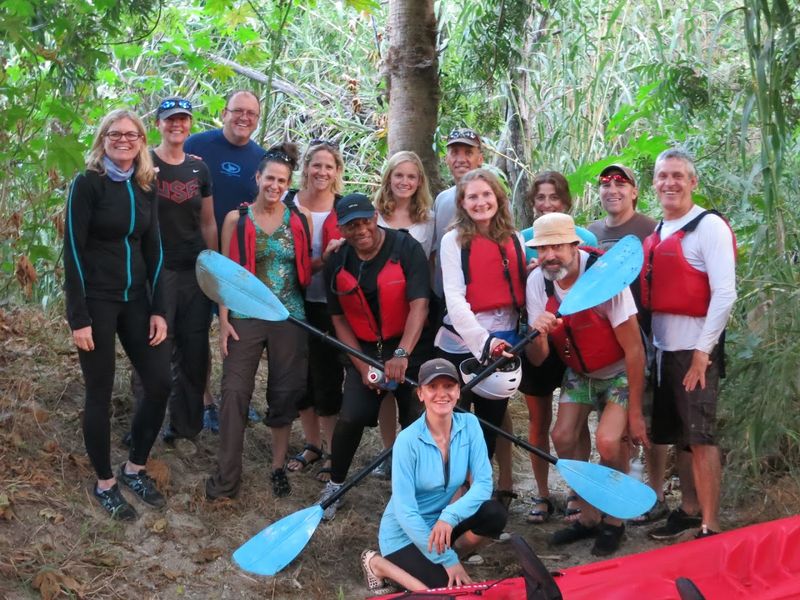
Getting on the water is not just recreation on the LA River.
Every guided tour booked through an operator like LA River Kayak Safari or LA River Expeditions contributes directly to the organizations and advocacy efforts working to protect and restore the river corridor.
Tour revenue helps fund educational programming, outreach events, and conservation campaigns that push for better policy and more resources for the river.
The act of kayaking itself also builds public awareness in a way that maps and reports cannot.
When people paddle through the Glendale Narrows and see herons fishing in the shallows and cottonwood trees swaying over the water, the abstract idea of river restoration becomes something concrete and personal.
That shift in perspective tends to produce more engaged and vocal supporters of the restoration effort.
Several organizations along the river also host volunteer days for bank cleanups, native plant installations, and habitat monitoring, giving paddlers a way to stay involved beyond the kayak tour itself.
Supporting these groups through participation or donation extends the impact of a single afternoon on the water into something longer-lasting.
The river’s recovery depends on sustained community investment, and kayaking is one entry point into that broader commitment.
10. Physical Requirements
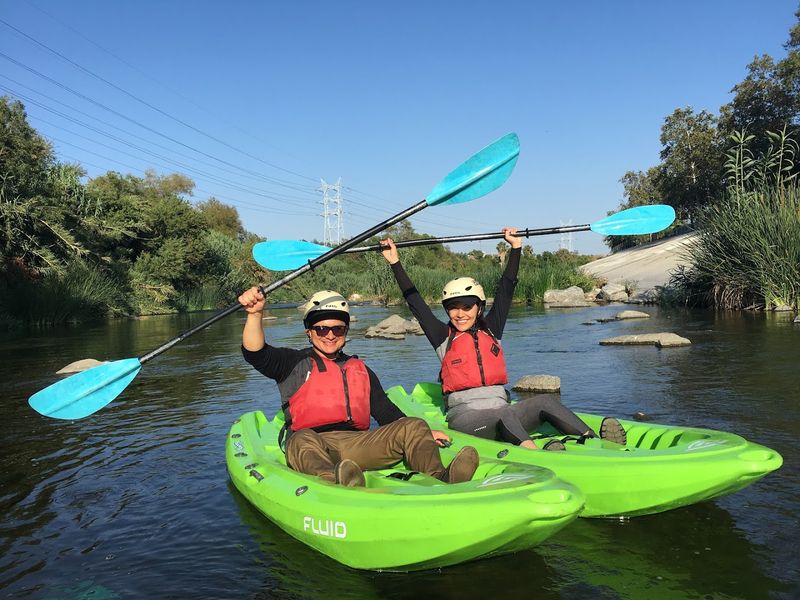
Kayaking the LA River does not require elite athletic ability, but arriving with some baseline fitness makes the experience more comfortable and enjoyable.
Paddling uses the shoulders, arms, and core in a sustained way that can feel unfamiliar to people who do not regularly engage those muscle groups.
A few miles on the water can leave beginners more tired than expected.
Tour operators typically describe the LA River experience as beginner-friendly, and the calm, slow-moving water in the Glendale Narrows supports that description.
Still, participants should be comfortable sitting in a small boat, managing a paddle with both hands, and following basic safety instructions from a guide.
People with significant upper body limitations may want to discuss their situation with the tour operator before booking.
Wearing sun protection is particularly important, since the river offers limited shade outside the tree canopy sections and the California sun can be intense even on mild days.
Closed-toe shoes that can get wet, lightweight clothing, and a water bottle are standard recommendations for any paddling trip.
Most guided tours run between two and three hours, so planning for that duration in terms of energy and hydration is a practical starting point for first-time participants.
11. Equipment Rentals
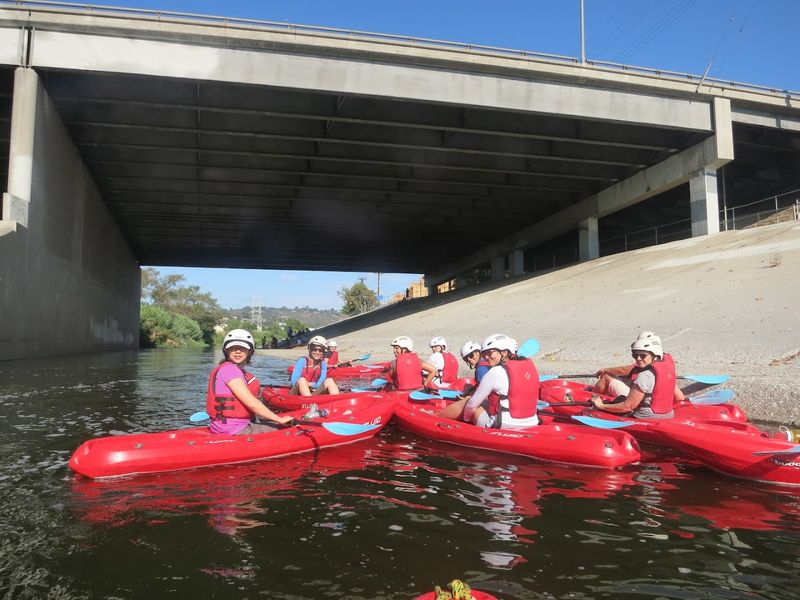
Experienced paddlers who prefer to set their own pace have options on the LA River beyond guided tours.
Equipment rentals are available through select operators during the official recreation season, allowing kayakers with prior experience to launch independently and explore the designated recreation zones without a guide leading the way.
Self-guided paddling on the river requires a reasonable comfort level with reading water, managing a kayak in varying current conditions, and navigating access points that may not be immediately obvious from street level.
Knowing where to put in and take out is an important part of planning, and reviewing the official recreation zone maps before heading out helps avoid confusion on the water.
Rental equipment typically includes a kayak, paddle, and personal flotation device, which is required to be worn at all times on the river.
Some operators may also provide a dry bag or basic orientation for renters who are new to the specific stretch of river they plan to paddle.
Checking the water quality indicator and weather forecast on the morning of a planned rental trip is a reliable habit for staying safe and making the most of the time on the water.
12. Community Engagement
The LA River is not just a waterway.
It is a gathering point for a wide range of communities across Los Angeles, from longtime neighborhood residents to environmental advocates to artists and urban planners who see the river as a canvas for reimagining city life.
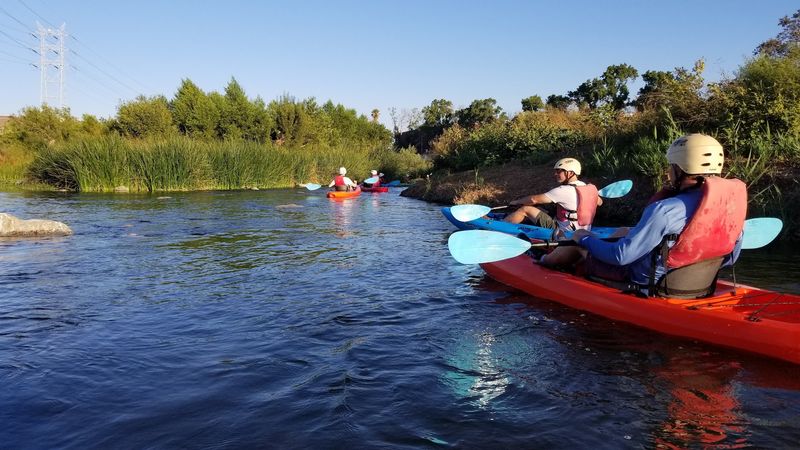
Kayaking tours often attract a genuinely mixed group of participants, and the shared experience of paddling together through an unusual landscape tends to generate real conversation.
Tour guides frequently share stories about the neighborhoods along the river, the people who have lived and worked near its banks for generations, and the cultural significance the waterway holds for different communities in the city.
That storytelling layer adds depth to the physical experience of paddling and connects visitors to the river in a way that goes beyond sightseeing.
Staying connected after a tour is straightforward through the social media channels and email lists maintained by groups like LA River Kayak Safari and the Friends of the Los Angeles River, a nonprofit that has advocated for the river since 1986.
Events, cleanups, and public meetings related to the river’s future happen regularly throughout the year, offering ongoing ways to stay involved with one of Southern California’s most quietly remarkable urban spaces.