This California Safari Park Delivers A Wild Spring Adventure In The Desert
Spring wakes the desert in the most unexpected ways.
Wildflowers push through sandy soil. Animals move with new energy in the mild morning light. The air feels warm but not overwhelming, turning every trail into an easy adventure.
In Palm Desert, a sprawling safari-style park transforms the season into something immersive.
Visitors wander through recreated desert habitats from around the world, spotting cheetahs stretched in the sun, wallabies bounding through shaded enclosures, and tortoises slowly navigating rocky terrain.
This California safari park proves the desert is anything but empty.
Protected wilderness surrounds carefully designed habitats, blending hiking trails, botanical gardens, and hands-on animal encounters into one seamless experience. Learning feels natural here. Exploration feels unhurried.
Spring makes it even better. Blooming desert plants add color to the landscape, wildlife stays active throughout the day, and comfortable temperatures invite longer visits.
Guests arrive curious. They leave with a new respect for desert ecosystems and the life that thrives within them.
1. Over 500 Animals From Desert Ecosystems Worldwide
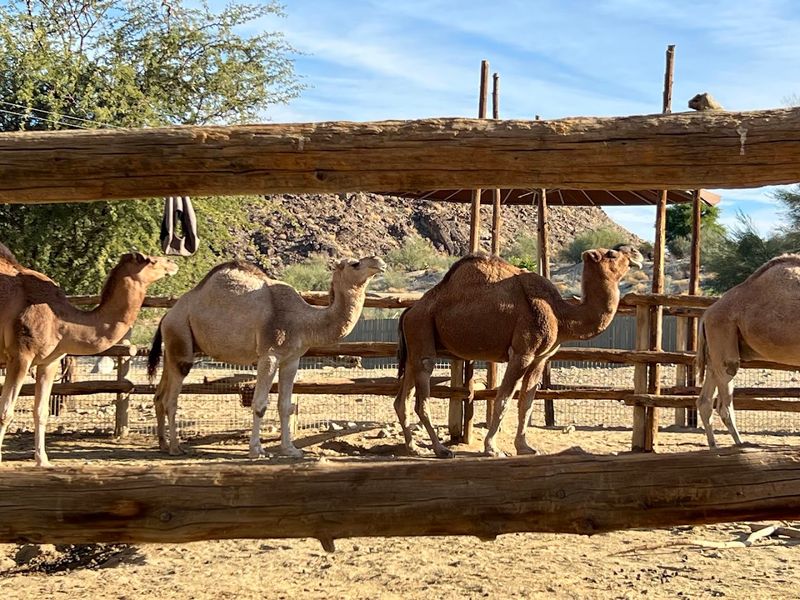
The Living Desert Zoo at 47900 Portola Ave, Palm Desert, CA 92260 houses more than 500 individual animals representing over 150 species from arid regions across the globe.
This impressive collection includes endangered species such as Grevy’s zebra, Arabian oryx, and peninsular bighorn sheep.
Each animal serves as an ambassador for its species, helping visitors understand the challenges these creatures face in the wild.
The zoo’s approach focuses on recreating natural habitats rather than traditional cage-style exhibits.
Animals roam in spaces designed to mimic their native environments, complete with appropriate vegetation, terrain, and shelter.
This design philosophy benefits both the animals and the guests who observe them behaving more naturally. Conservation lies at the heart of the zoo’s mission.
Breeding programs help maintain genetic diversity for endangered species while educating the public about threats these animals face.
Staff members conduct regular educational talks throughout the day, sharing fascinating details about animal behavior, diet, and survival adaptations.
The diversity of species means every visit offers something different to discover.
From tiny desert insects to massive rhinos, the range of life forms demonstrates how evolution has equipped different creatures to thrive in harsh, dry climates with extreme temperatures and limited water sources.
2. African Safari Experience With Black Rhinos And Giraffes
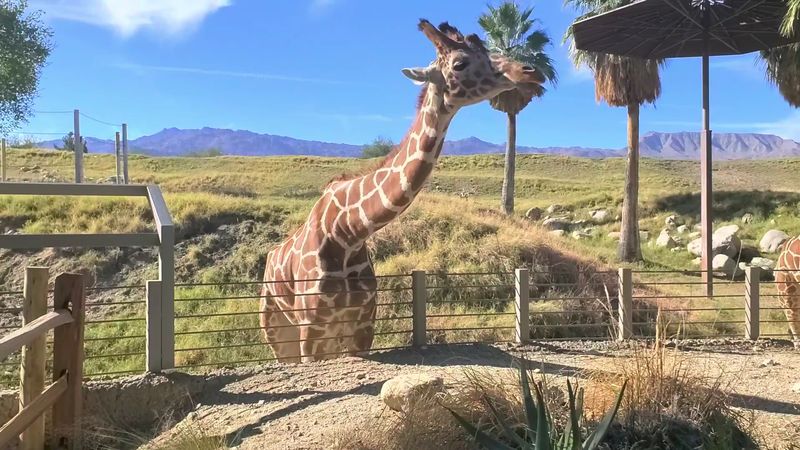
Walking through the African Safari section feels like stepping onto another continent. This expansive exhibit recreates the African savanna ecosystem with remarkable attention to detail.
Black rhinos, giraffes, cheetahs, and other iconic African species live in adjacent habitats that allow them to see and sometimes interact with each other, just as they would in the wild.
The giraffe habitat stands out as one of the most popular attractions.
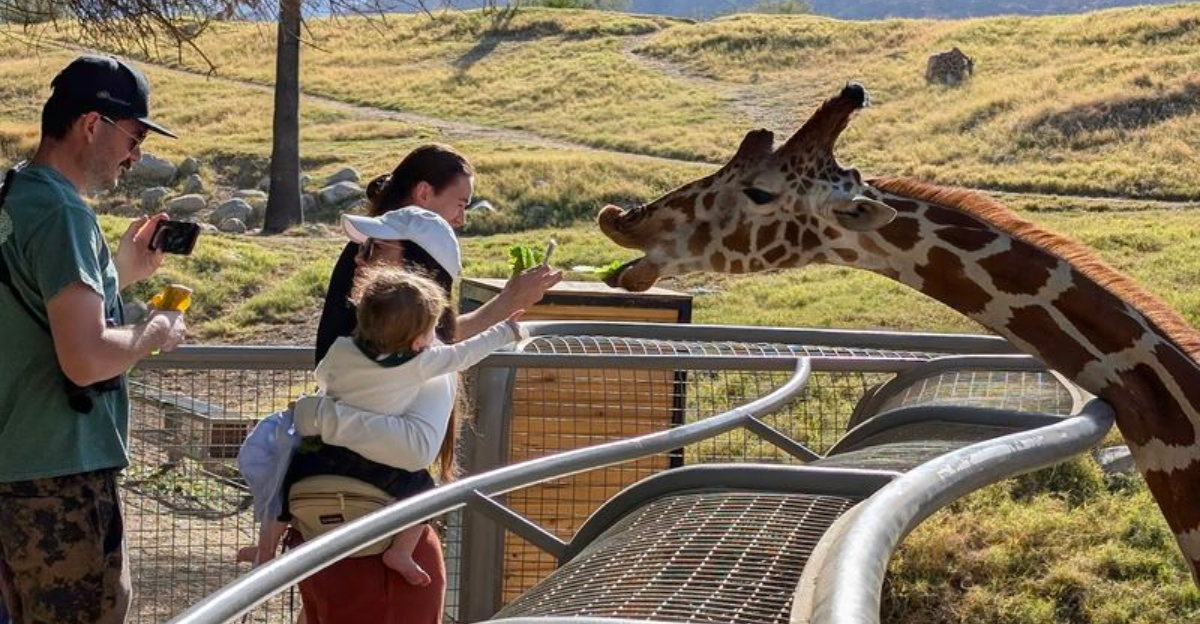
These gentle giants tower above visitors, their long necks stretching toward the feeding platform where guests can offer them specially prepared food.
Watching a giraffe’s long purple tongue carefully pluck leaves from your hand creates a connection that photos cannot capture.
Black rhinos represent one of the zoo’s most important conservation success stories. These critically endangered animals receive expert care while the zoo participates in international breeding programs.
Their massive presence and prehistoric appearance captivate visitors of all ages, sparking conversations about poaching and habitat loss.
Cheetahs demonstrate their sleek build and graceful movement in a spacious habitat designed for running.
Educational presentations often highlight their status as the world’s fastest land animal and the threats they face from declining prey populations and human conflict in Africa.
3. Australian Adventures With Wallabies And Kookaburras
The Australian Adventures section transports visitors to the land down under without requiring a passport.
This immersive exhibit showcases wildlife unique to Australia, including wallabies, emus, and kookaburras.
The environment mimics Australian bushland with appropriate plants, rocks, and shelter structures that help animals feel at home.
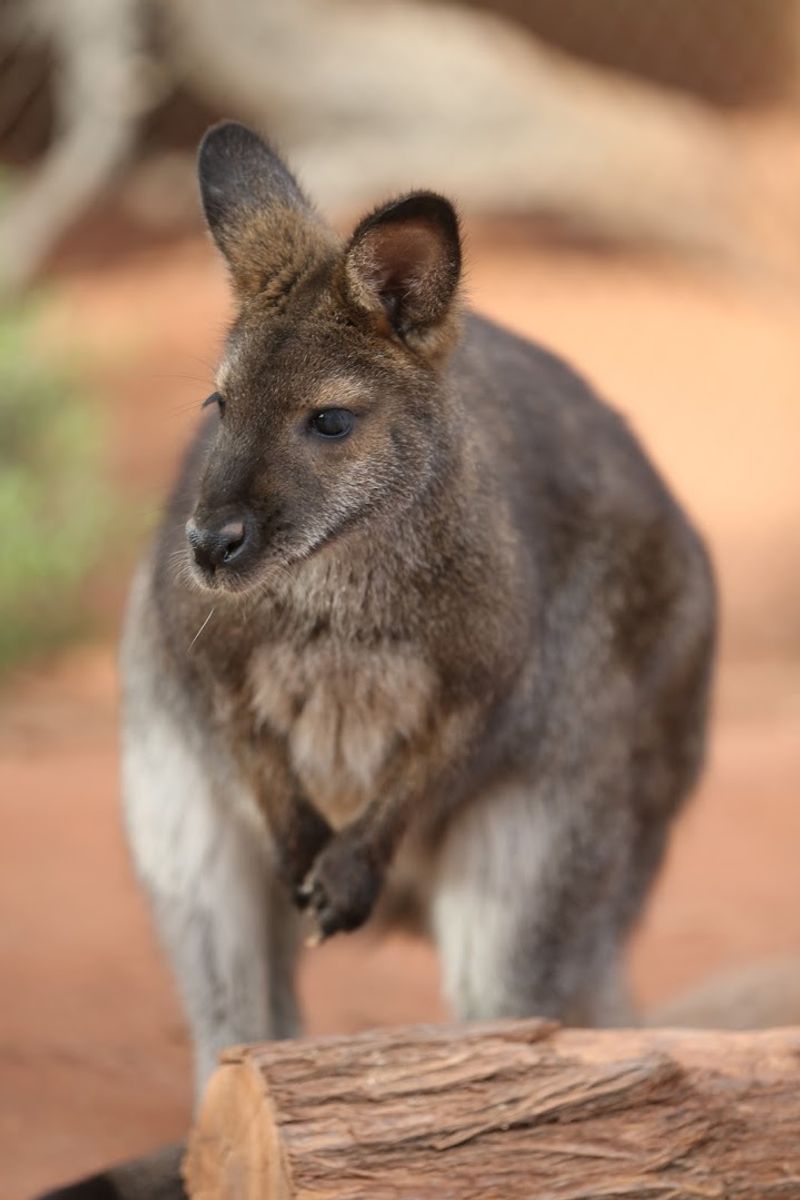
Wallabies hop freely through their habitat, often coming surprisingly close to the viewing areas. These smaller relatives of kangaroos display curious and social behavior, especially during feeding times.
Their powerful hind legs and balanced tail allow them to bound across the terrain with impressive speed and agility.
Emus wander their space with an almost comical gait, their fluffy feathers and long legs making them appear both awkward and endearing.
As the second-largest living bird by height, they command attention while demonstrating behaviors that have helped them survive in harsh Australian outback conditions for millions of years.
Kookaburras provide the soundtrack with their distinctive laughing call that sounds remarkably like human laughter. These kingfisher relatives perch throughout the exhibit, their calls echoing across the zoo.
Educational signage explains their role in Aboriginal culture and their importance in controlling snake and lizard populations in their native habitat.
4. Wild Americas Showcasing North American Desert Species
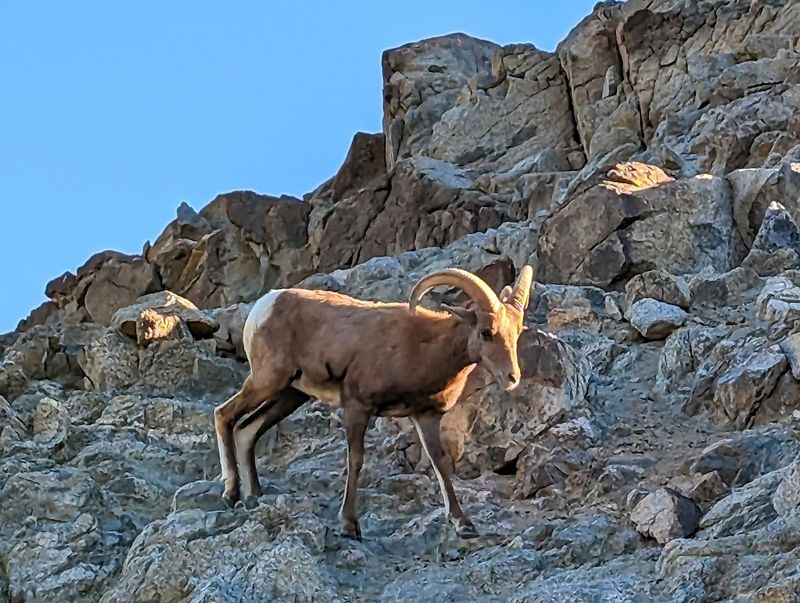
Wild Americas celebrates the incredible biodiversity found right in North America’s desert regions. This section features coyotes, desert bighorn sheep, mountain lions, and other species native to the American Southwest.
The exhibit design emphasizes the beauty and complexity of ecosystems that many people mistakenly view as barren wastelands.
Desert bighorn sheep navigate rocky terrain with astonishing skill, their specialized hooves gripping surfaces that would challenge most animals. Males sport impressive curved horns that can weigh up to 30 pounds.
Watching these sure-footed climbers scale steep slopes demonstrates the remarkable adaptations that allow them to survive in rugged mountain desert environments. Mountain lions represent the apex predator of North American deserts.
These powerful cats patrol their habitat with muscular grace, their tawny coats blending perfectly with desert rocks and sand.
Despite their solitary and elusive nature in the wild, zoo visitors can observe these magnificent hunters up close and learn about their crucial role in maintaining ecosystem balance.
Coyotes display the intelligence and adaptability that have made them one of North America’s most successful predators.
Their ability to thrive in environments ranging from pure wilderness to suburban neighborhoods makes them a perfect example of wildlife resilience in the face of human expansion and habitat change.
5. 52 Botanical Gardens With 1,000+ Desert Plant Species
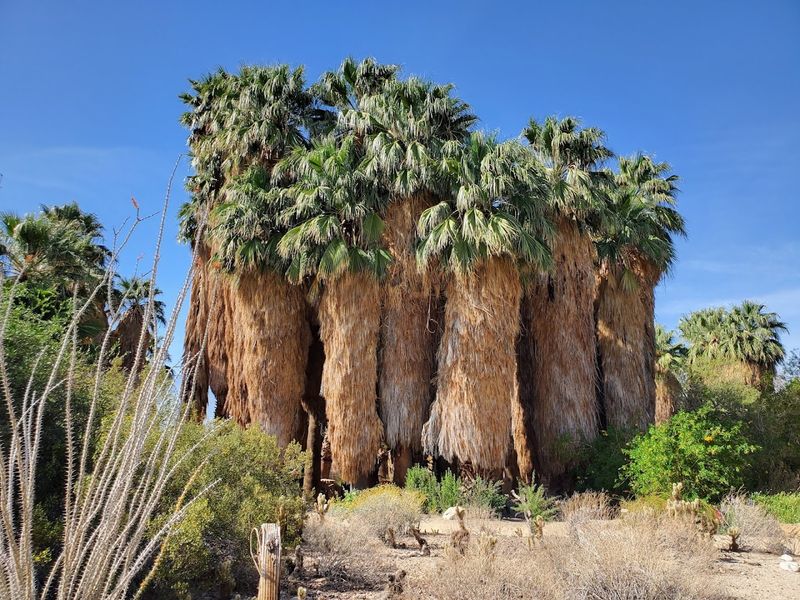
Beyond the animal exhibits, The Living Desert maintains 52 distinct botanical gardens showcasing over 1,000 plant species from deserts worldwide.
These gardens demonstrate that deserts support remarkably diverse plant life adapted to extreme conditions.
Visitors walk through collections representing the Mojave, Chihuahuan, Sonoran, and other desert regions, each with distinctive flora.
Cacti dominate many gardens, their varied shapes and sizes revealing countless evolutionary solutions to water storage and sun protection. From towering saguaros to tiny pincushions, each species displays unique survival strategies.
Spring brings spectacular blooms, with brilliant flowers emerging from seemingly lifeless stems, attracting pollinators and delighting visitors.
Succulents beyond cacti fill the gardens with sculptural forms and surprising colors. Agaves, aloes, and euphorbias create living art installations that change with seasons and light conditions.
Educational labels explain how each plant conserves water, protects itself from herbivores, and reproduces in challenging environments.
The gardens serve educational and conservation purposes simultaneously. Many featured plants face threats from climate change, habitat destruction, and illegal collection.
By displaying these species and explaining their ecological importance, the zoo helps visitors understand why desert plant conservation matters and what they can do to help protect these remarkable organisms.
6. Three Hiking Trails Through Colorado Desert Landscape
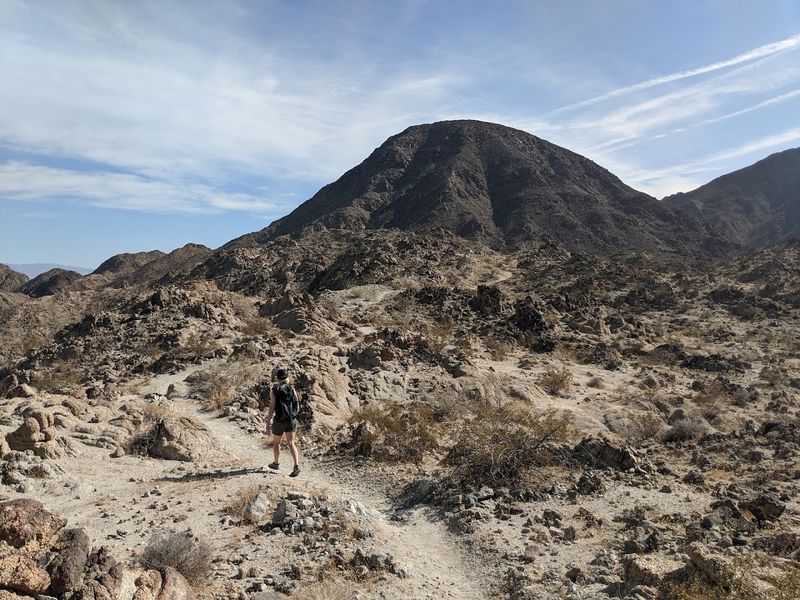
Three hiking trails wind through the zoo’s protected wilderness, offering different difficulty levels and unique perspectives on the Colorado Desert ecosystem.
These trails range from easy walks suitable for young children to more challenging routes that reward hikers with panoramic views.
Each path provides opportunities to spot wildlife and observe desert plants in their natural setting. The trails showcase the raw beauty of desert landscapes that many visitors never experience.
Rocky outcrops, sandy washes, and desert vegetation create ever-changing scenery along each route.
Spring brings the best conditions, with moderate temperatures and blooming wildflowers adding splashes of color to the typically muted desert palette.
Interpretive signs along the trails explain geological features, plant adaptations, and animal signs that hikers might otherwise overlook.
Learning to read the desert – spotting animal tracks, identifying plants, understanding how erosion shapes the land – transforms a simple walk into an educational adventure that deepens appreciation for these ecosystems.
Early morning or late afternoon offers the most comfortable hiking conditions and the best chance to spot wildlife.
Birds become particularly active during these cooler hours, and the angle of sunlight creates dramatic shadows that highlight the desert’s sculptural terrain. Comfortable walking shoes and water bottles are essential for any trail exploration.
7. Daily Giraffe Feeding Experience
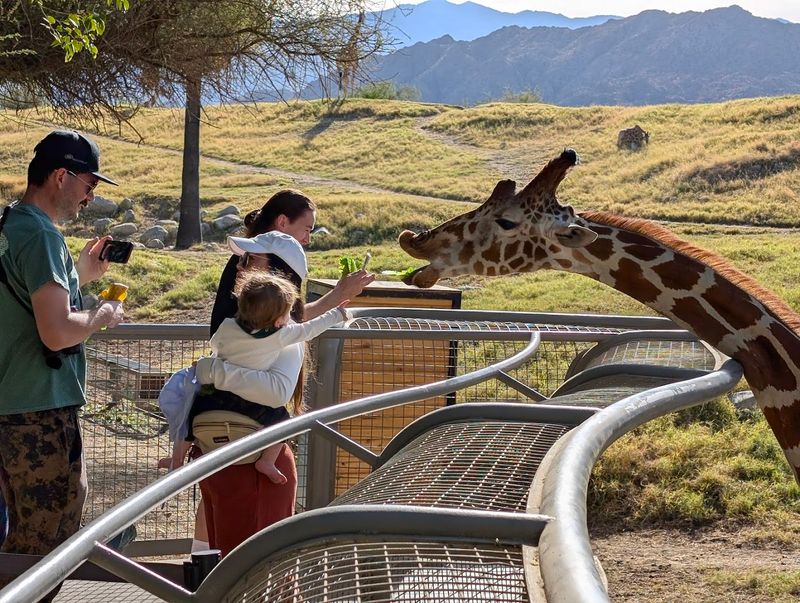
Few zoo experiences create memories quite like hand-feeding a giraffe. The Living Desert offers this interactive encounter daily, weather permitting and the exact hours varying seasonally.
Visitors climb to an elevated platform that brings them eye-to-eye with these towering animals, whose heads can reach 18 feet above the ground.
Giraffes approach the feeding station with surprising grace despite their size.
Their long necks extend toward offered food, and their prehensile tongues – which can measure 18 inches long and appear dark purple – carefully wrap around leaves.
The texture of their tongue and the gentle way they take food from human hands creates a tactile connection that photographs cannot fully capture. Staff members supervise the feeding area, ensuring both visitor safety and animal welfare.
They share fascinating facts about giraffe biology, behavior, and conservation status while guests wait their turn.
Learning that giraffes sleep only about 30 minutes per day or that their hearts weigh 25 pounds makes the encounter even more meaningful.
The experience appeals to all ages but particularly enchants young children, who often remember their giraffe encounter long after other zoo memories fade.
The combination of the animal’s gentle nature, impressive size, and willingness to interact creates a perfect introduction to wildlife conservation and the importance of protecting endangered species.
8. Rhino Encounter With Black Rhino Feeding And Education
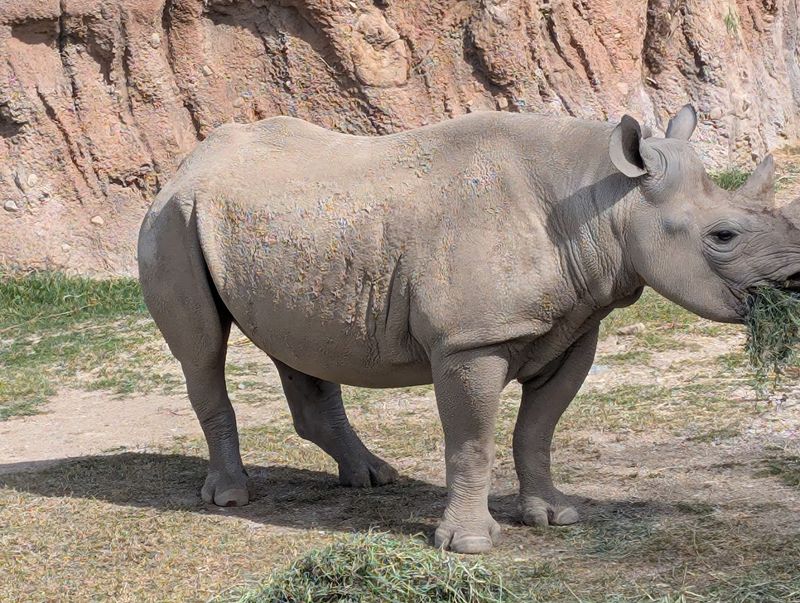
Black rhinos rank among the most critically endangered large mammals on Earth, making the rhino encounter at The Living Desert both thrilling and educational.
This up-close experience allows visitors to observe these massive animals during feeding routines while learning about conservation efforts to save them from extinction.
Their prehistoric appearance and impressive horns command respect and wonder.
Participants watch as trained keepers interact with the rhinos, demonstrating the trust built through consistent care and positive reinforcement training.
The rhinos respond to verbal cues, allowing keepers to perform health checks and feeding in ways that keep both humans and animals safe.
This training also reduces stress during veterinary procedures, improving overall animal welfare. Educational talks accompanying the encounter explain the poaching crisis that has devastated rhino populations.
Black rhino numbers dropped by 96 percent during the 20th century, primarily due to demand for their horns in traditional medicine markets.
Understanding these threats helps visitors appreciate the importance of zoos in maintaining genetic diversity and potentially providing animals for reintroduction programs.
The sheer size of black rhinos – adults can weigh up to 3,000 pounds – becomes apparent during close encounters.
Their thick, armor-like skin and powerful build evolved to protect them from predators and harsh environments, yet these natural defenses prove useless against human poachers, making conservation education crucial.
9. Endangered Species Carousel Open Daily
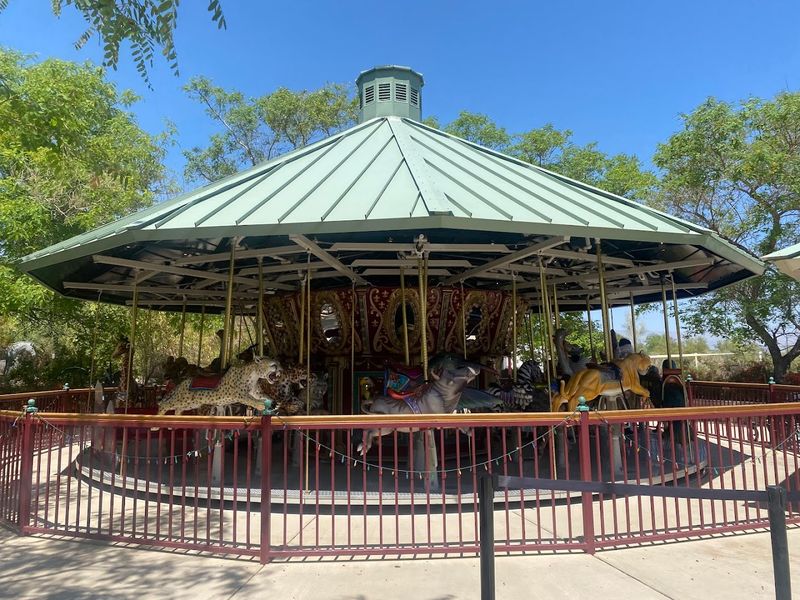
The Endangered Species Carousel offers more than just entertainment – it serves as a rotating education tool featuring beautifully hand-painted figures of threatened animals.
Open daily, with hours varying seasonally, this attraction delights young visitors while introducing them to conservation concepts through art and play.
Each carousel animal represents a real species facing survival challenges. Unlike typical carousel horses, this ride features diverse creatures from around the world.
Children can choose to ride a giant panda, African elephant, snow leopard, or other endangered species.
The detailed artwork on each figure captures the beauty and uniqueness of these animals, sparking curiosity and questions from young riders.
Parents appreciate that the carousel serves a dual purpose – keeping children entertained while reinforcing the conservation messages encountered throughout the zoo.
The ride provides a welcome break during long walking tours, giving little legs a rest while maintaining engagement with the zoo’s educational mission. The carousel’s central location makes it easy to find and access.
Its cheerful music and colorful movement create a festive atmosphere that contrasts with the serious conservation work happening throughout the facility.
This balance between fun and education exemplifies the zoo’s approach to making learning enjoyable for visitors of all ages.
10. Oasis Splash Pad For Cooling Off During Desert Heat

Desert temperatures can climb quickly, even in spring, making the Oasis Splash Pad a welcome refuge for families with young children.
This water play area features interactive fountains, spray features, and a miniature water slide designed for safe play.
Children cool off while parents rest on nearby benches, watching their kids burn energy in a controlled environment.
The splash pad’s desert oasis theme fits perfectly with the zoo’s overall mission and aesthetic. Water features mimic natural springs and streams that provide life in arid environments.
This design choice subtly reinforces educational messages about water’s importance in desert ecosystems while providing pure fun for children.
Strategic placement of the splash pad near the middle of the zoo grounds makes it an ideal stopping point during long visits.
Families can plan their day around a splash pad break, allowing everyone to cool down and recharge before continuing to explore animal exhibits. The area includes changing facilities and nearby restrooms for convenience.
Spring visitors find the splash pad especially appealing during midday hours when temperatures peak. The combination of desert sun and cool water creates perfect conditions for outdoor play.
Parents should bring towels and a change of clothes for children, as the temptation to get thoroughly soaked proves irresistible for most young visitors.
11. Different Dining Experiences Offer Different Views

Dining options throughout the park offer welcome breaks between walking trails and wildlife exhibits, with several spots designed to keep visitors comfortable without pulling them too far from the action.
Bighorn Cafe provides a convenient stop with views overlooking the bighorn sheep habitat, allowing guests to continue animal watching while enjoying salads, bowls, pizza, sundaes, and other casual fare.
The setting turns a simple meal into part of the overall experience.
Crash Cafe delivers quick bites and family-friendly favorites for those looking to refuel without slowing down the day’s momentum.
The menu leans approachable and crowd-pleasing, making it easy for groups to order without lengthy decisions.
Thorn Tree Grill offers heartier selections in a shaded setting that feels relaxed yet connected to the surrounding landscape.
Visitors can grab grilled items and refreshing drinks before heading back out to explore more exhibits.
Kookaburra Cafe provides another casual option with indoor and outdoor seating, giving guests flexibility depending on weather and crowd levels.
Covered tables help maintain a connection to the environment, while air-conditioned spaces offer relief on warmer afternoons.
For those seeking souvenirs rather than a full meal, try visiting Appel Gift Shop. It serves as a convenient stop for picking up keepsakes before continuing the visit.
Peak crowds typically gather around midday when families pause for lunch. Arriving slightly before or after noon often means shorter lines and easier access to seating across all locations.
Together, these dining and retail spots add comfort and convenience without distracting from the wildlife-centered experience.
12. Mission Pollination Interactive Experience Through April 30
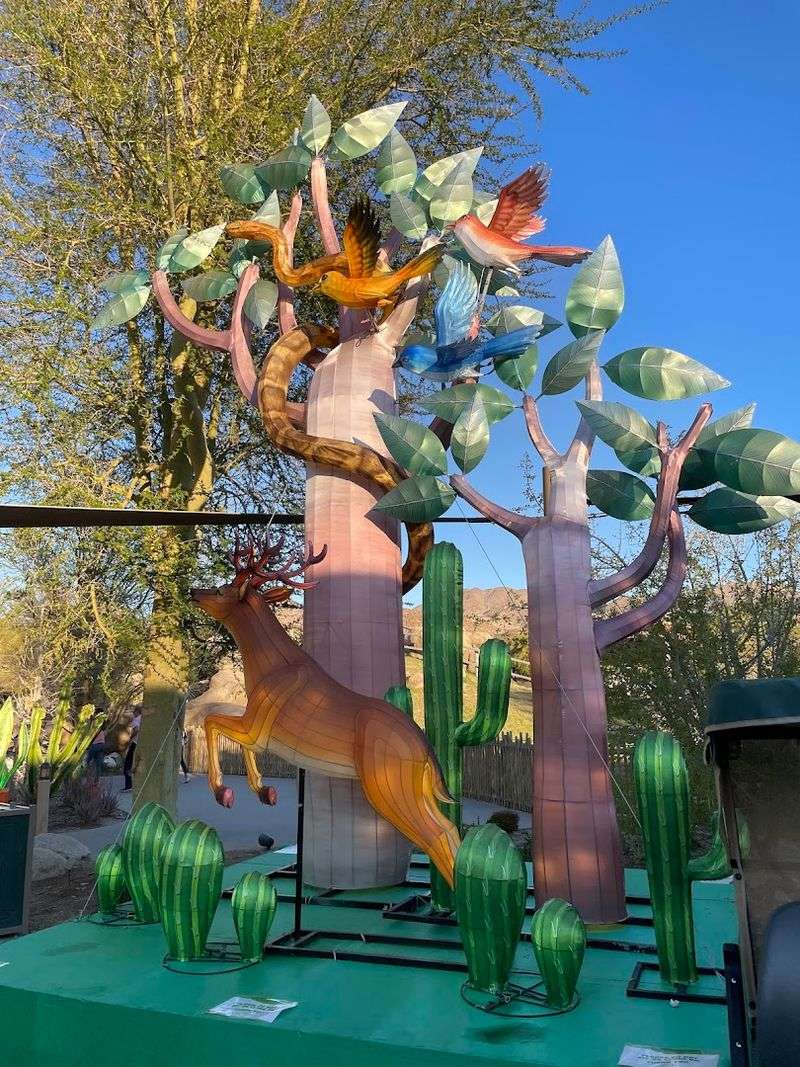
Running through April 30, the Mission Pollination experience highlights the crucial role pollinators play in desert ecosystems and global food production.
This interactive exhibit features supersized pollinator sculptures, hands-on activities, and educational displays that make learning about bees, butterflies, hummingbirds, and other pollinators engaging for all ages.
The timing aligns perfectly with spring blooming seasons when pollinators become most active and visible.
Oversized sculptures of bees, beetles, and other pollinators create photo opportunities while demonstrating anatomical features usually too small to observe.
Children walk beneath enormous bee sculptures, gaining perspective on how these tiny creatures see flowers and navigate their environment. These artistic installations transform scientific concepts into accessible, memorable experiences.
Interactive stations throughout the exhibit teach visitors about pollination mechanics, the diversity of pollinating species, and threats these crucial animals face.
Activities might include matching flowers to their pollinators, learning about bee communication through dance, or discovering which foods depend on animal pollination.
These hands-on elements ensure that information sticks with visitors long after they leave.
The exhibit’s spring timing capitalizes on peak desert blooming periods when visitors can observe real pollinators working among the zoo’s botanical gardens.
This connection between the exhibit and living ecosystems reinforces lessons and demonstrates why pollinator conservation matters for desert plant survival and human agriculture alike.
13. Conservation Programs Supporting Endangered Species Worldwide
The Living Desert extends its impact far beyond entertainment and education, actively participating in conservation programs that protect endangered species worldwide.
These initiatives include breeding programs for African painted dogs, research support for vaquita porpoises, and habitat restoration projects in desert regions across multiple continents.
The zoo’s commitment to conservation gives every admission ticket purpose beyond a day of family fun.
African painted dogs represent one of the zoo’s conservation success stories. These highly social predators face extinction due to habitat loss, disease, and conflict with humans.
The zoo participates in breeding programs that maintain genetic diversity while educating visitors about these misunderstood animals and their ecological importance as apex predators in African ecosystems.
Vaquita conservation efforts address the plight of the world’s most endangered marine mammal, with fewer about 10 individuals remaining in the wild.
Though vaquitas live in marine environments rather than deserts, the zoo’s support demonstrates its broader commitment to species preservation.
Educational displays explain how fishing practices threaten vaquitas and what changes could save them from extinction. Visitors learn that their admission fees and donations directly support these conservation efforts.
This connection between a fun day at the zoo and meaningful conservation work helps people understand how individual choices and support can contribute to protecting endangered species and preserving biodiversity for future generations worldwide.