This California Space Force Base Launches Rockets Right Along The Pacific Coast
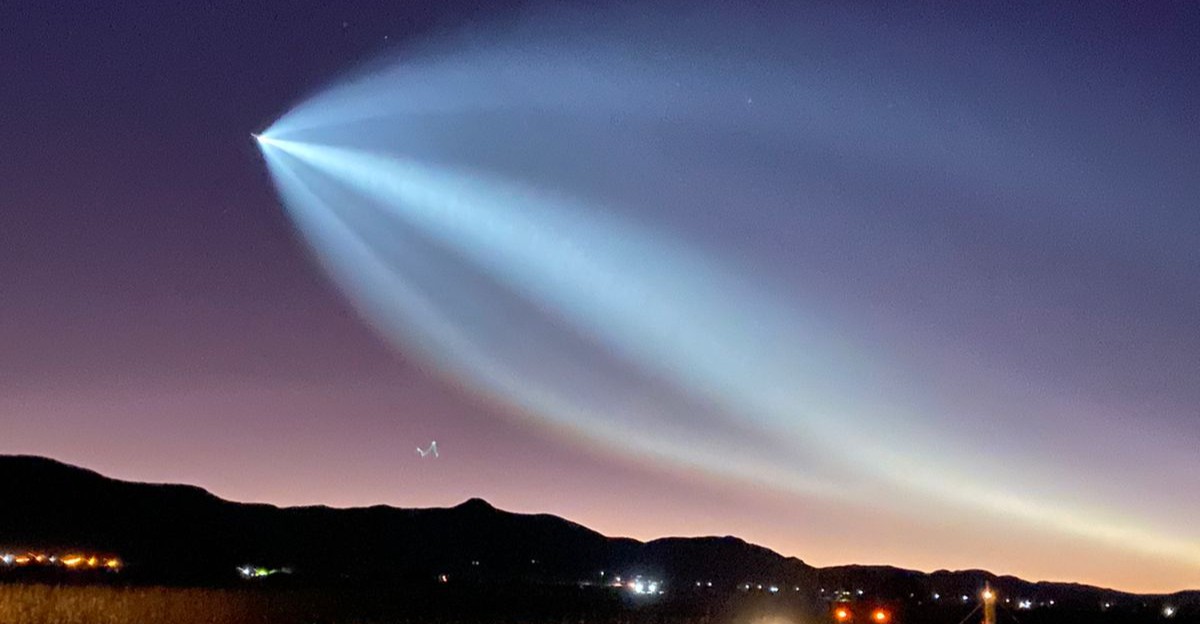
Rockets here don’t head east like most people expect. They roar south over open ocean, chasing orbits that pass over the North and South Poles.
Its coastal location makes Vandenberg one of the United States’ primary launch sites for polar and sun-synchronous orbits.
Weather satellites, Earth-watching satellites, and plenty of Starlink batches start their trips right here.
I love that the launch pads share space with sand dunes, wetlands, and miles of wild coastline.
Snowy plovers nest on beaches while SpaceX boosters stand ready nearby. I can’t imagine a stranger set of neighbors.
You can’t buy a ticket inside, and that’s part of the charm. Free roadside spots and quiet beach towns handle the viewing.
Rockets Fly South Here, And That Makes All The Difference
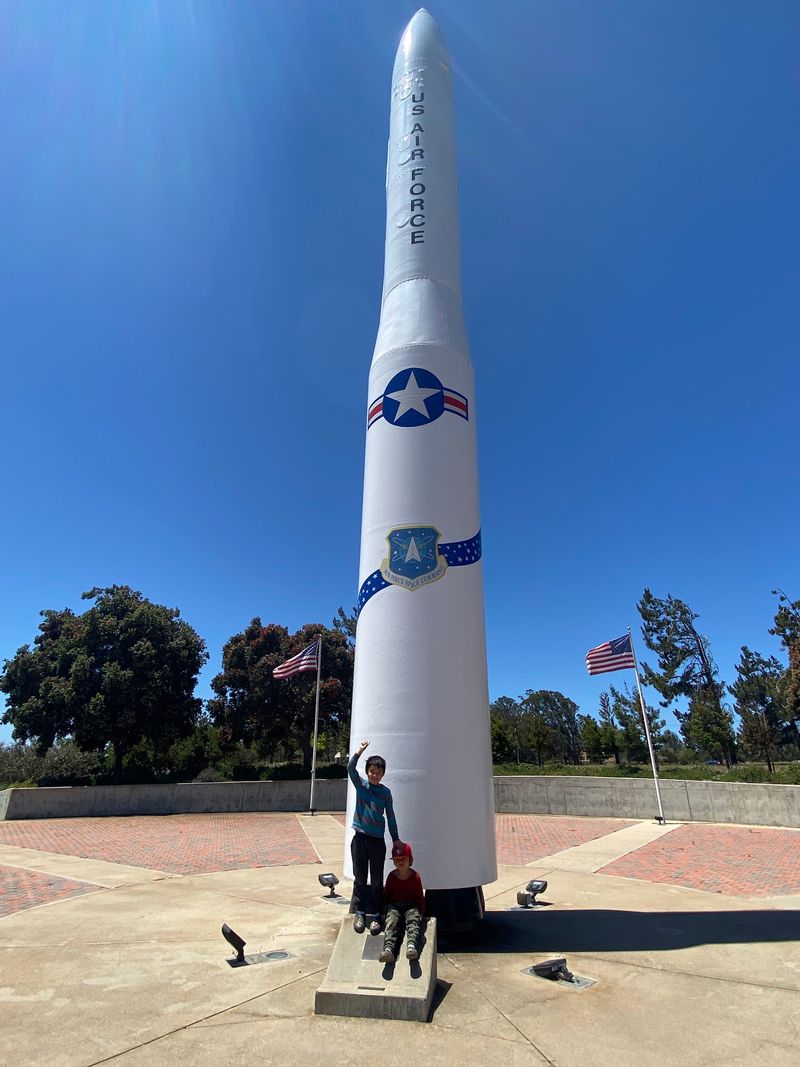
Most American rockets head east from Florida. Vandenberg Space Force Base sends them south instead, straight over the open Pacific Ocean.
That direction matters more than it sounds. Flying south lets rockets avoid crowded cities while lining up for polar and sun-synchronous orbits.
Those orbits circle Earth from pole to pole. Satellites up there can scan nearly the whole planet as it spins underneath them.
Weather forecasters rely on that kind of view. So do scientists tracking forests, farms, ice, and coastlines over many years.
Vandenberg’s location makes it especially well suited to launches into polar and sun-synchronous orbits.
It’s also why the base ranks as the West Coast’s primary launch site. Some sources even call it the world’s second-busiest spaceport.
So the next time your phone shows tomorrow’s forecast, give a little credit to California. A satellite launched from this coastline may have helped make it.
Not bad for a stretch of shoreline better known for fog. The ocean here isn’t just pretty scenery, it’s a safety zone for rockets.
Starlink, NASA, And The Space Force All Share The Launch Schedule
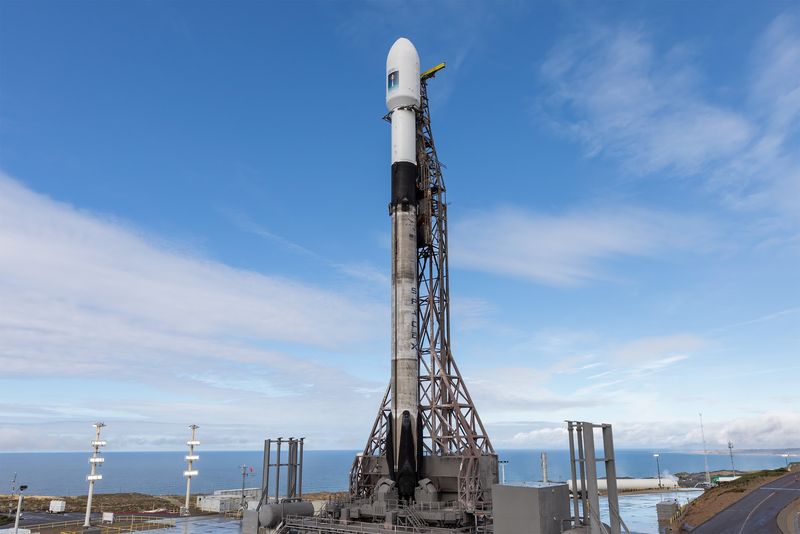
Busy barely covers it. Military, civil, and commercial missions all lift off from the same coastal base.
SpaceX keeps Falcon 9 rockets flying often from Space Launch Complex 4. Many of those flights carry Starlink internet satellites, which need polar coverage to reach far-flung places.
Other Falcon 9 missions haul Earth observation satellites. Some carry national security payloads that stay pretty quiet about their exact jobs.
NASA uses the base too. United Launch Alliance has pads for its Atlas V and the newer Vulcan Centaur rocket.
Over the decades, the lineup has included Delta II, Delta IV, Minotaur, Taurus, and Pegasus vehicles. That’s a long roster of rocket families for one stretch of beach.
For space fans, this variety keeps things interesting. You never know whether the next launch is a giant satellite batch or a science mission.
My advice is simple. Follow a reliable launch schedule and check it often, since dates can slide with weather or technical issues.
Patience pays off here. A delayed launch still beats watching rockets on a tiny screen at home.
An Army Camp Grew Up To Become A Spaceport
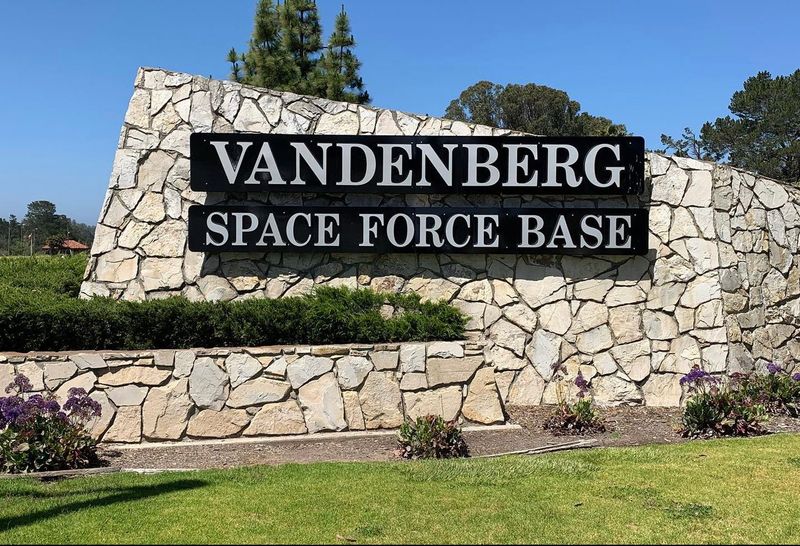
Long before rockets, soldiers trained here. The land opened as Camp Cooke, a U.S. Army garrison, in August 1941.
Armored and infantry troops prepared on these coastal hills during the 1940s and early 1950s. Then the story took a sharp turn skyward.
In 1957, the property moved to the U.S. Air Force. Crews began turning it into a space and missile test center.
On October 4, 1958, it became Vandenberg Air Force Base. The name honors General Hoyt S. Vandenberg.
Things moved fast after that. A Thor missile made the first launch from the base on December 16, 1958.
Just a few months later came a world first. Discoverer 1, the first polar-orbiting satellite, launched from here on February 28, 1959.
The most recent name change arrived on May 14, 2021. That’s when it officially became Vandenberg Space Force Base.
I like how each era stacked on the last. Tanks became missiles, missiles became satellites, and the coastline kept its role through every chapter.
Your GPS Has Roots On This Stretch Of Coast
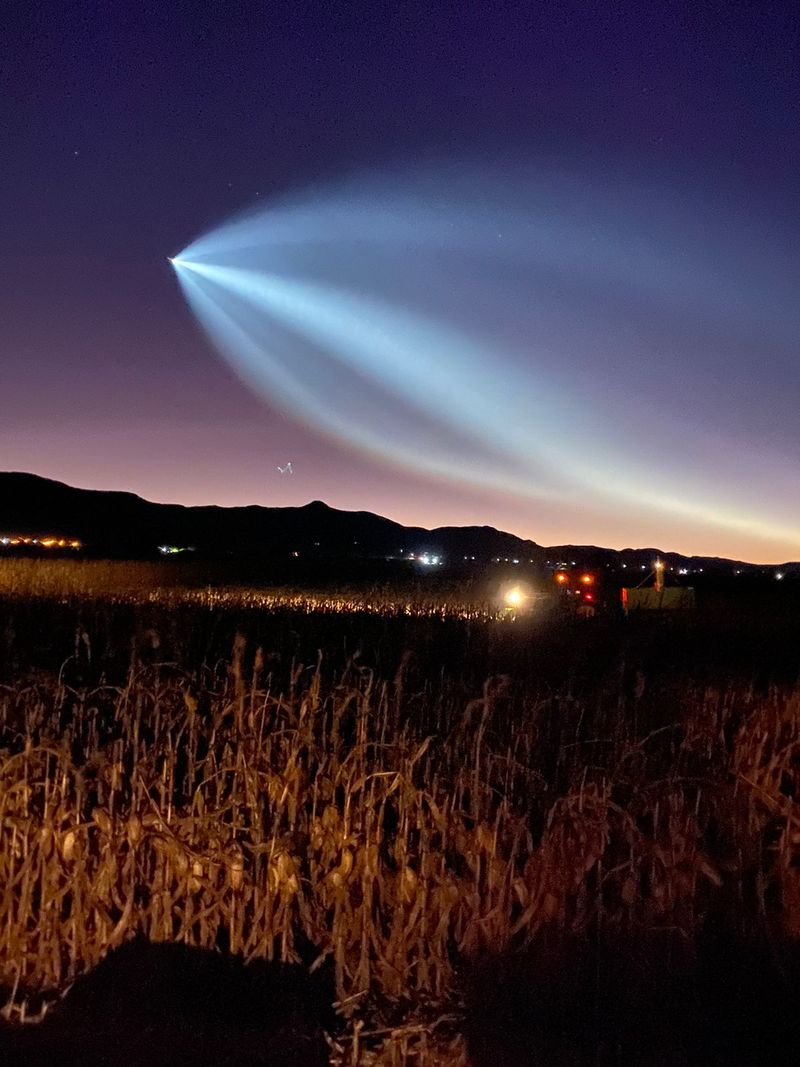
Every time a map app reroutes you around traffic, thank 1978. That year, the world’s first Global Positioning Satellite launched from Vandenberg.
It’s a fun fact to drop on a road trip. Your car’s navigation system has a family tree that starts on the California coast.
The firsts didn’t stop there. In 1996, the base became the world’s first commercial spaceport.
That move opened the door for private companies. Today’s steady stream of commercial launches traces back to that decision.
Then came a big milestone in 2021. The Landsat 9 launch marked the 2,000th launch from Vandenberg.
Landsat satellites photograph Earth’s surface over long stretches of time. Scientists use those images to study changes in land, water, and plant life.
Two thousand launches is a staggering number for one place. Each one represents months or years of planning, building, and testing.
So this base isn’t only about flashy liftoffs. It quietly shaped tools people use every single day, often without a second thought about where they came from.
Free Front-Row Seats Wait Just Outside The Gates
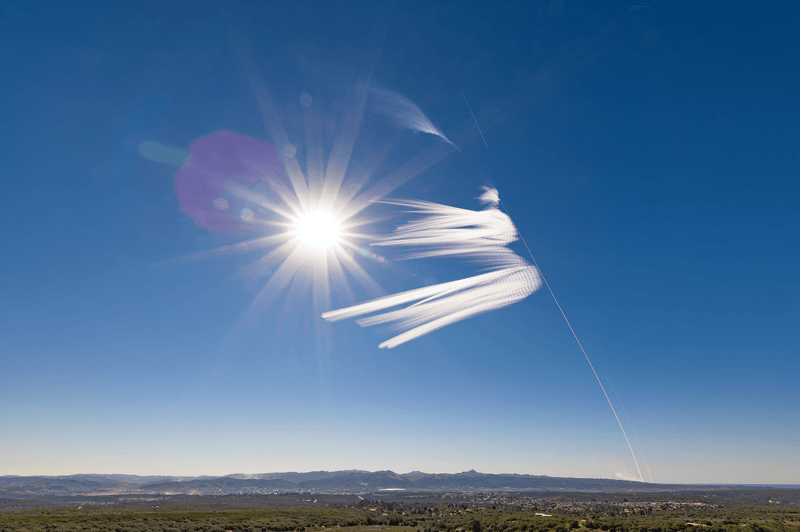
No ticket booth exists here. As an active military installation, the base doesn’t run a public visitor center or sell viewing packages.
Good news, though. Plenty of free public spots outside the perimeter offer solid views.
Ocean Avenue in Lompoc is a popular choice. Surf Beach and Ocean Park sit right along the coast for a seaside angle.
Riverbend Park in Lompoc works well too. The Harris Grade Road and Highway 246 corridor offers higher ground farther inland.
For SpaceX launches from Space Launch Complex 4, the intersection of 13th Street and Arguello Boulevard near Lompoc is one of the closest public options.
Fog loves this coast, unfortunately. Inland spots like Harris Grade Road can save the day when the beaches turn gray.
Bring a jacket, since Central Coast evenings stay cool. A folding chair and binoculars make the waiting much more pleasant.
Night and twilight launches can be especially dramatic. Sunlight sometimes catches the exhaust high above, painting glowing trails across a darkening sky. That’s a show worth the drive.
Cold War Rockets Get Their Own Museum On Base
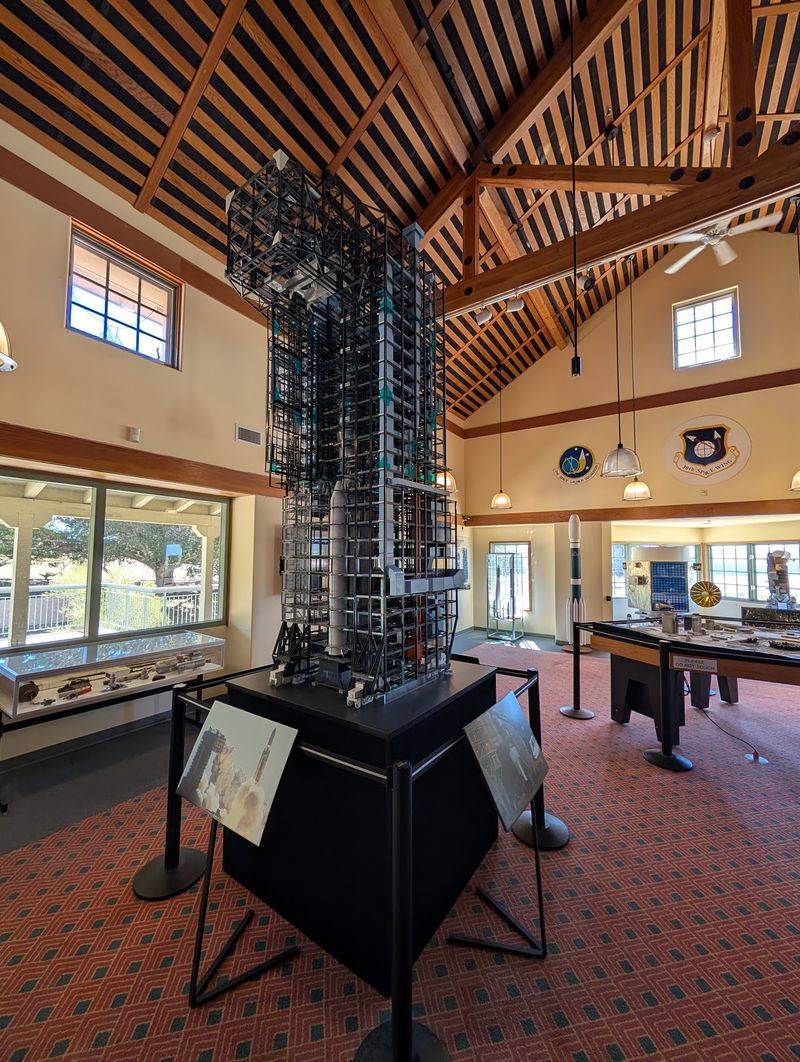
History buffs, this one’s for you. The Vandenberg Space and Missile Technology Center, often called SAMTEC, is a museum located on the base.
Civilians can visit, which surprises a lot of people. Scheduled tours and appointments are available year-round.
Regular walk-in hours happen on Thursdays and Fridays. Seasonal Saturdays get added at certain times of year.
The museum sits at the Marshallia Ranch location west of Lompoc. Exhibits focus on space and missile operations from the 1950s and 1960s.
You’ll find displays tied to Thor, Atlas, and Titan rockets. These were the heavy hitters of early American rocketry.
The CORONA satellite program gets attention too. It was an early spy satellite effort that took photos from orbit and sent film back to Earth.
Think of it as the backstory behind today’s launches. Seeing old hardware makes modern rockets feel even more impressive.
Plan ahead before you go. Military base access has rules, so confirming current hours and entry requirements first will keep your visit smooth and stress-free.
A Launch Pad Earned National Historic Landmark Status
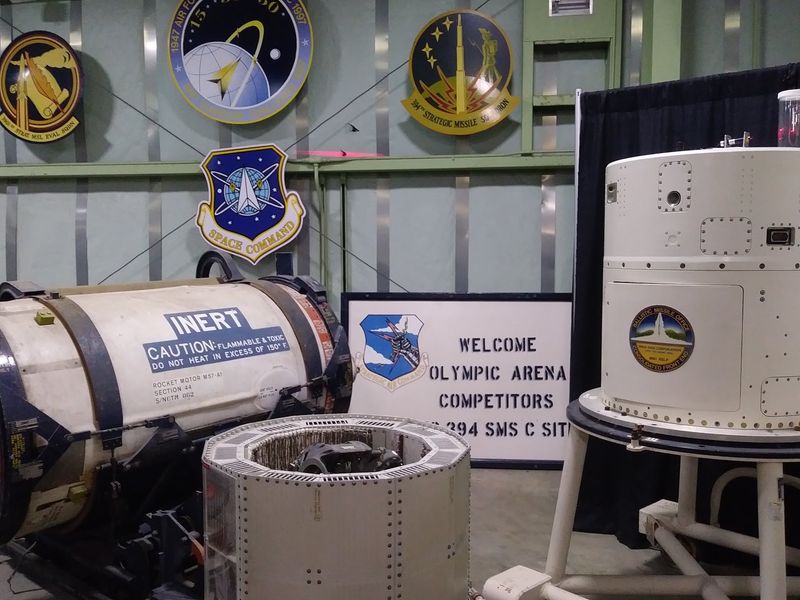
Launch pads usually get rebuilt or replaced. Space Launch Complex 10 took a different path and became a National Historic Landmark.
That honor puts it in rare company. Few rocket sites anywhere have been preserved this way.
Space Launch Complex 10 is open for scheduled visits, including Monday visits and appointments, subject to availability and base access requirements.
Why does preservation matter here? Most early pads changed constantly as rockets grew bigger and more powerful.
Keeping one intact lets people see how launches worked in the early days. The scale, layout, and equipment tell stories that photos can’t fully capture.
Pairing a SLC-10 tour with the SAMTEC museum makes a strong day for space fans. One shows the hardware, the other shows the place where it flew.
Kids who love rockets may find it unforgettable. Adults who grew up during the space race might feel a wave of nostalgia.
Tours follow a schedule, not walk-up visits. Reach out to Public Affairs early, since spots and dates can be limited.
Sand Dunes, Wetlands, And Plovers Share The Neighborhood
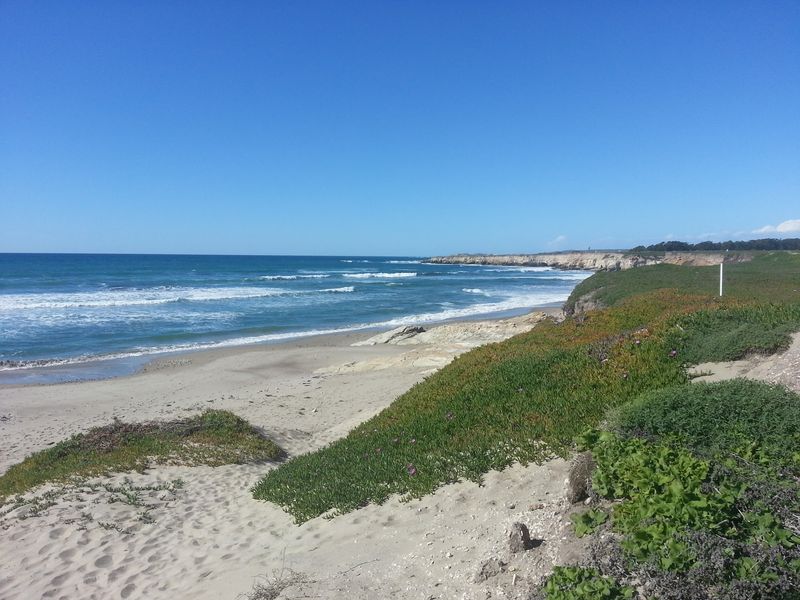
Rockets get the headlines, but wildlife owns most of the land. The base is often called a military installation in a national park setting.
That nickname fits. It holds about 42 miles of coastline, 9,000 acres of sand dunes, and 5,000 acres of wetlands.
More than 850 plant species grow here. Animal counts include 53 mammals, 315 birds, 17 reptiles, and 10 amphibians. Bird watchers, take note of that 315 figure. It’s a huge variety for one property.
The Western Snowy Plover gets special protection. Parts of Surf, Wall, and Minuteman Beaches have restricted access during breeding season, from March 1 into September.
So check beach rules before heading to Surf Beach to watch a launch. Respecting closed areas helps these tiny shorebirds raise their chicks.
I love the contrast here. A machine that can push satellites into orbit sits near birds no bigger than your hand.
The whole base covers over 98,000 acres in Santa Barbara County. Much of that space stays wild, rugged, and beautifully undeveloped along the Pacific.
Plan Your Trip Around Lompoc And The Central Coast
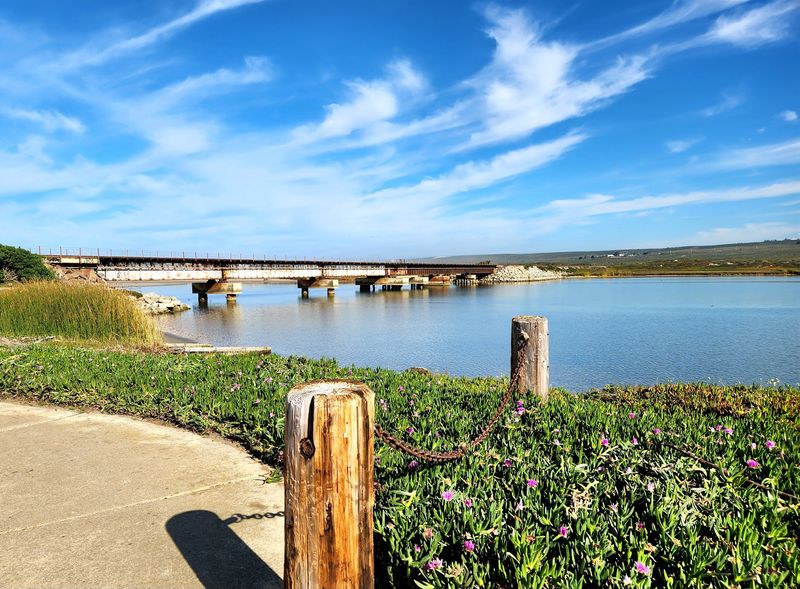
Location is half the fun. Vandenberg Space Force Base sits on California’s Central Coast, roughly midway between San Francisco and Los Angeles.
That makes it an easy add-on to a coastal road trip. The base lands in Santa Barbara County, near Lompoc and Santa Maria.
Vandenberg Village is another nearby community. Together these towns make handy bases for launch watchers.
Official base business has its own addresses. Military Personnel Flight Customer Support is at 747 Nebraska Avenue, Vandenberg SFB, CA 93437.
That building serves base personnel, not tourists. Visitors with official business usually start at the Visitor Control Center on California Boulevard.
The scenery around the base is lovely on its own. Santa Ynez Mountains, ranch lands, and Pacific shoreline frame the whole area.
Weather stays mild most of the year, with moderate rain and no snow. Daily fog is common, so pack layers and a backup viewing plan.
Honestly, a launch here feels like a bonus prize. Even on a scrubbed day, you still get a gorgeous stretch of coast to explore.