This California State Park Looks So Perfect It Feels Like A Bob Ross Painting
The road runs flat for miles. Trees blur together. Nothing really stands out, until something suddenly does.
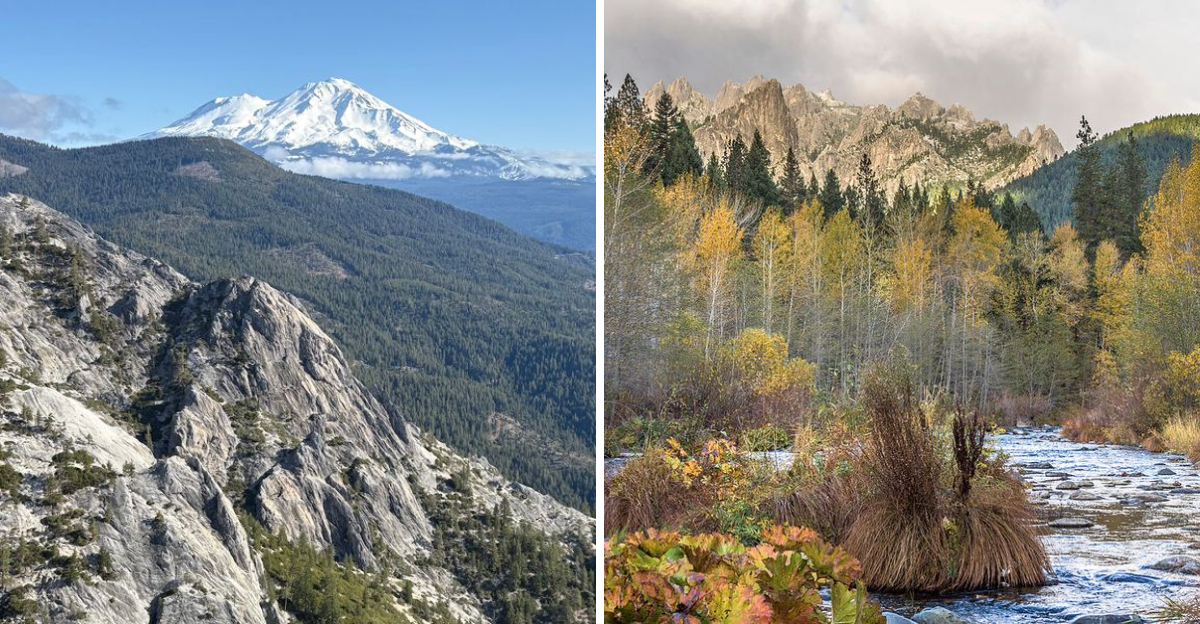
Sharp peaks break through the skyline without warning. Not rounded hills, not distant mountains, but jagged stone rising straight up like it doesn’t belong to the landscape around it.
Cars slow down. Heads turn. The drive stops being routine in a matter of seconds.
Pulling off the road changes the perspective again. Trails lead closer, revealing angles that don’t show from a distance.
Light hits the granite in a way that shifts throughout the day, turning the same view into something slightly different each time. The river moves quietly below, almost secondary to what towers above it.
Moments like this catch people off guard across California, where something unexpected can rise out of an otherwise ordinary stretch of road.
A quick stop turns into staying longer than planned. One viewpoint leads to another. What starts as curiosity turns into trying to understand how something this dramatic stayed so easy to miss for so long.
The Granite Spires Are Over 160 Million Years Old
Few rock formations in California carry the kind of geological drama that the Castle Crags do.
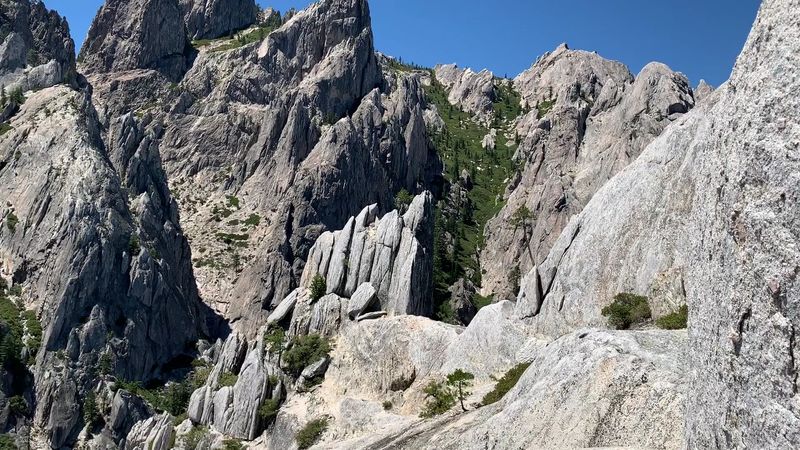
These massive granite spires were formed approximately 160 million years ago during the Jurassic period, shaped by volcanic activity and millions of years of erosion that slowly stripped away the surrounding softer rock.
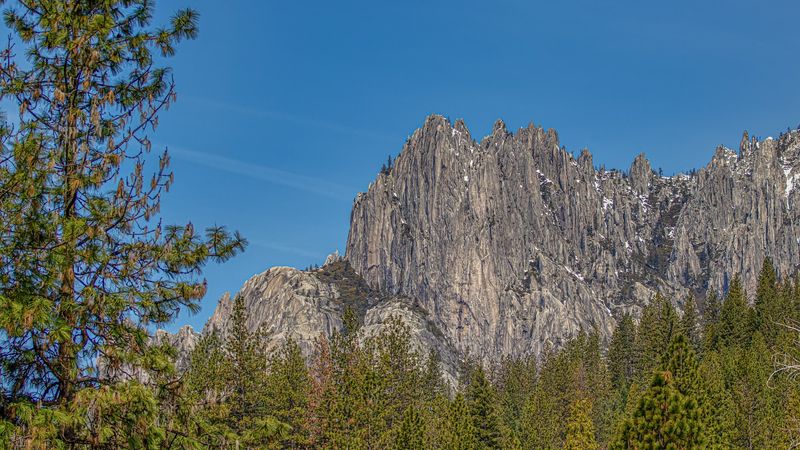
What remains today are sharp, silver-toned peaks that jut dramatically above the surrounding pine forest, reaching elevations of up to 6,000 feet.
The texture of the rock is rough and layered, catching light differently depending on the time of day, which gives the crags an almost living quality as shadows shift across the stone.
Geologically, the Castle Crags are part of the Klamath Mountains Geomorphic Province, a region known for its granitic plutons and deeply carved canyons.
Standing at the base and looking up, the scale is genuinely humbling.
The formations are so striking that even a quick roadside glance from Interstate 5 tends to make drivers slow down without fully understanding why.
The Park Sits Inside The Klamath Mountains Geomorphic Province
Not every state park can claim a geological address as distinctive as the Klamath Mountains Geomorphic Province.
Castle Crags State Park sits squarely within this ancient and complex mountain region, which is characterized by steep-sided canyons, exposed granitic rock, and a geological history that reads like a textbook on tectonic collisions.
The Klamath Mountains are actually older than the Sierra Nevada range and were formed through a series of oceanic plate collisions that pushed different rock types together over hundreds of millions of years.
That geological complexity is part of what makes the landscape at Castle Crags feel so layered and visually dense, with different rock colors and textures visible throughout the park.
Visiting hikers often notice how the terrain shifts as trails climb higher, moving from soft forest floor to exposed granite slabs that feel almost lunar in their starkness.
The contrast between the lush green canopy below and the bare silver rock above creates a visual tension that makes the park feel much larger than its boundaries suggest.
It is the kind of place where the ground itself tells a story.
28 Miles Of Hiking Trails Wind Through The Park
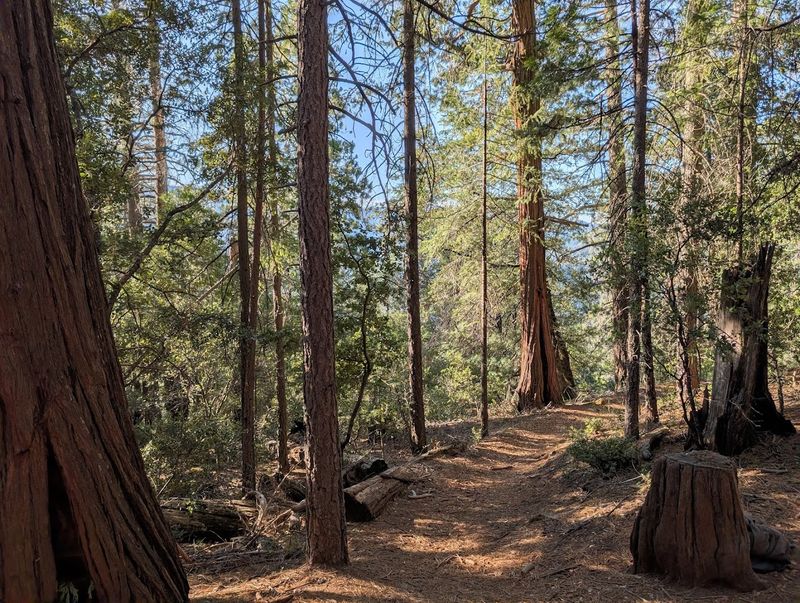
With 28 miles of trails spread across varied terrain, Castle Crags State Park offers options for hikers at almost every experience level.
Short nature loops wind through shaded forest near the river, while longer and more demanding routes climb steadily toward the granite formations towering above.
The Castle Dome Trail is the most well-known route in the park, covering 5.5 miles with an elevation gain of approximately 2,200 feet.
It is a genuinely challenging climb that rewards persistence with sweeping views of the crags and Mount Shasta visible from exposed ridgelines near the top.
Closer to the summit, the trail transitions from packed dirt to open rock scrambling, adding a physical dimension that flat-trail hikers may not expect.
For those preferring a gentler pace, the Indian Creek Nature Loop offers a quieter walk through dense forest with creek crossings and wooden bridges along the way.
Trail conditions can vary by season, and some routes may have downed trees or uneven surfaces depending on recent weather.
Checking current conditions with park staff before heading out tends to make for a smoother experience overall.
The Castle Dome Trail Climbs 2,200 Feet In 5.5 Miles
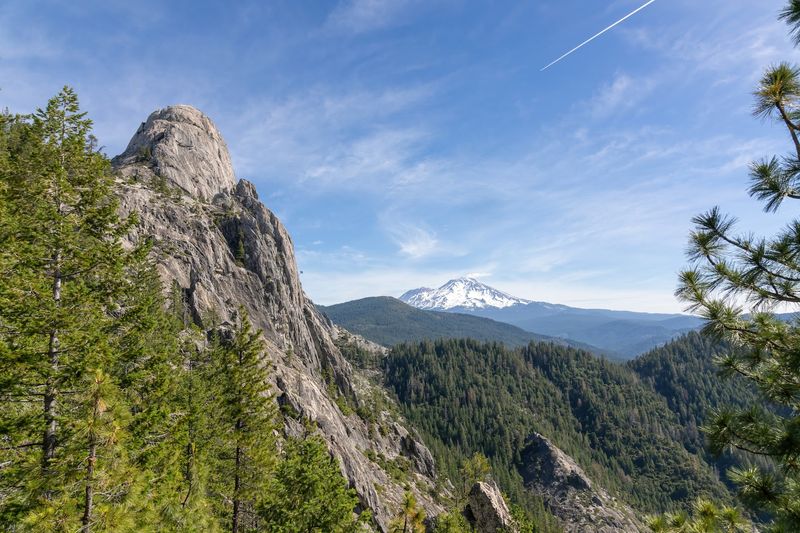
Among all the trails in the park, the Castle Dome Trail stands out as the one that earns its reputation through pure vertical effort.
Starting near the campground, the path climbs steadily through mixed conifer forest before breaking out onto exposed granite where the air gets noticeably cooler and the views open up dramatically.
The final stretch of the trail involves genuine rock scrambling over large granite surfaces, and the path narrows considerably as it approaches the upper crags.
Hikers with a solid base of fitness and sturdy footwear tend to find the experience manageable, though the sustained uphill grade can feel relentless on warm afternoons.
Trekking poles are a practical addition for the descent, which puts significant pressure on the knees over several miles of downhill terrain.
Reaching the upper viewpoints reveals simultaneous sightlines to both the Castle Crags formations and the snow-capped cone of Mount Shasta to the north, a combination that is genuinely rare to find from a single vantage point.
The trail is well-marked throughout, and most hikers report that the physical effort fades quickly once those views come into focus at the top.
The Vista Point Trail Is Accessible And Only 0.25 Miles Long
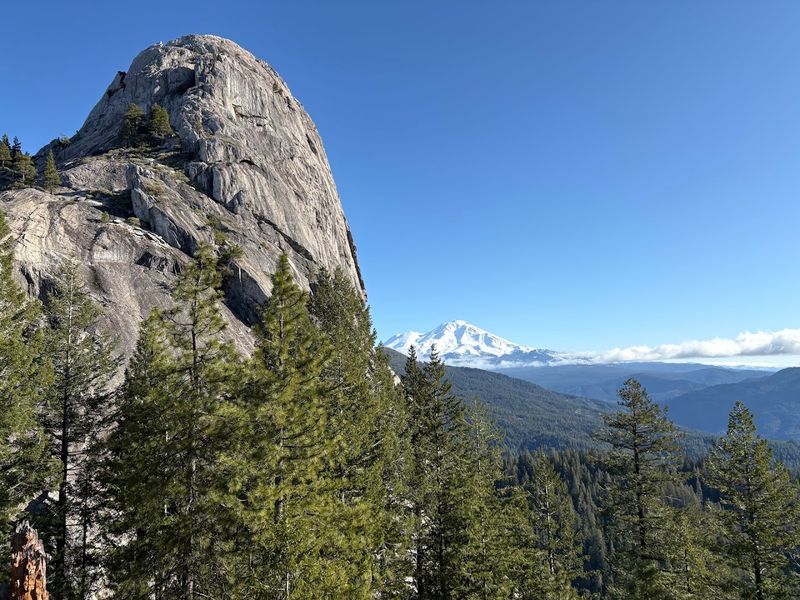
Not every great view requires a strenuous climb, and the Vista Point Trail at Castle Crags proves that point effectively.
At just 0.25 miles in length, the trail is designed to be accessible for visitors with mobility considerations, offering a short and relatively level walk to a scenic overlook that delivers views of the Castle Crags, Mount Shasta, and the Gray Rocks formation.
At the overlook, two free-to-use telescopes are mounted at the viewing area, allowing visitors to get a closer look at the granite peaks and the distant summit of Mount Shasta without needing binoculars.
The setup makes the viewpoint genuinely enjoyable for families with young children, older visitors, or anyone who simply wants a rewarding outdoor moment without committing to a long hike.
The road leading up to the Vista Point trailhead is narrow and only about one mile long, with limited passing room in certain sections.
Roughly 20 parking spaces are available at the trailhead, and the lot can fill up on busy weekend mornings.
Arriving earlier in the day tends to make finding a spot more straightforward, and the light on the crags is often at its best during morning hours anyway.
13 Species Of Wild Orchids Grow Inside The Park
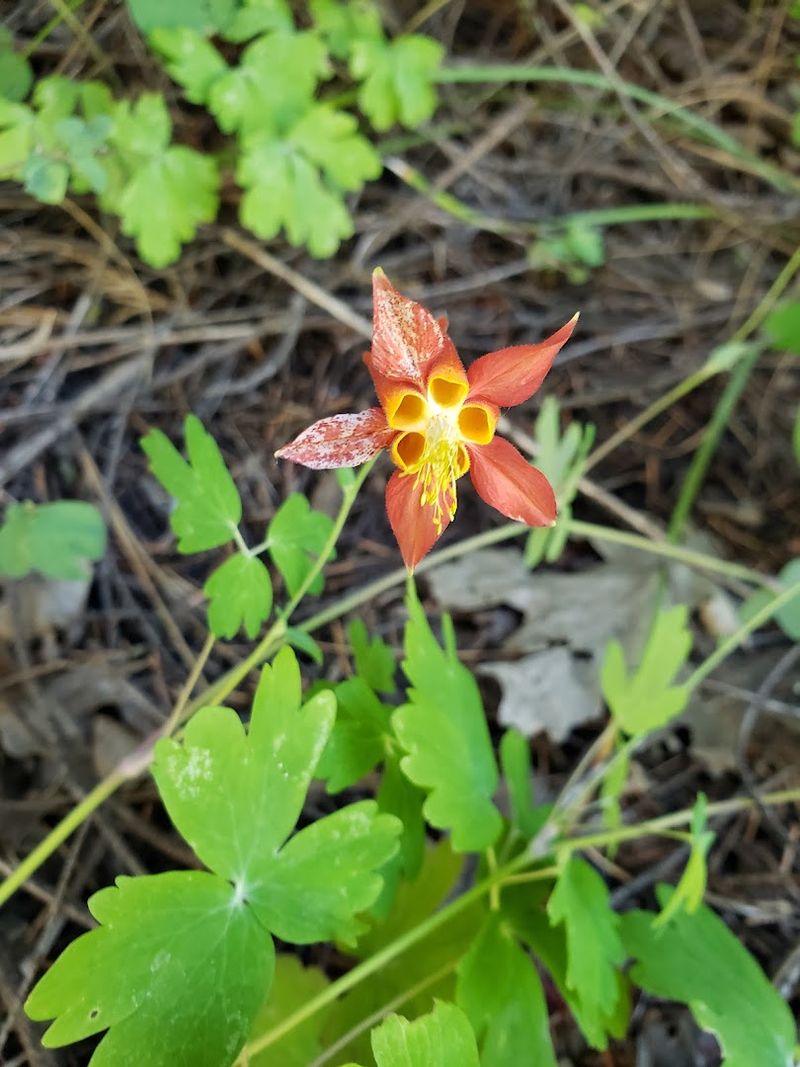
One of the quieter surprises tucked inside Castle Crags State Park is its remarkable collection of wild orchids.
Thirteen species grow within the park boundaries, including the delicate Calypso orchid, the spotted coral root, and the rare phantom orchid, which is one of the few fully non-photosynthetic plants found in California.
The phantom orchid is particularly striking because it lacks chlorophyll entirely, giving it a ghostly white appearance that stands out against the dark forest floor.
It survives by drawing nutrients from fungi in the soil rather than sunlight, making it a genuinely unusual botanical find for anyone paying close attention on a forest trail.
Spring and early summer tend to be the best windows for spotting orchids in bloom, though exact timing can shift depending on the year’s rainfall and temperature patterns.
The orchids are protected within the park, so they should only be observed and never disturbed or picked.
For visitors with an interest in native plants, carrying a small wildflower identification guide can add a rewarding layer of discovery to any trail walk through the park’s shadier, more humid sections.
Two Endemic Plant Species Are Found Nowhere Else On Earth
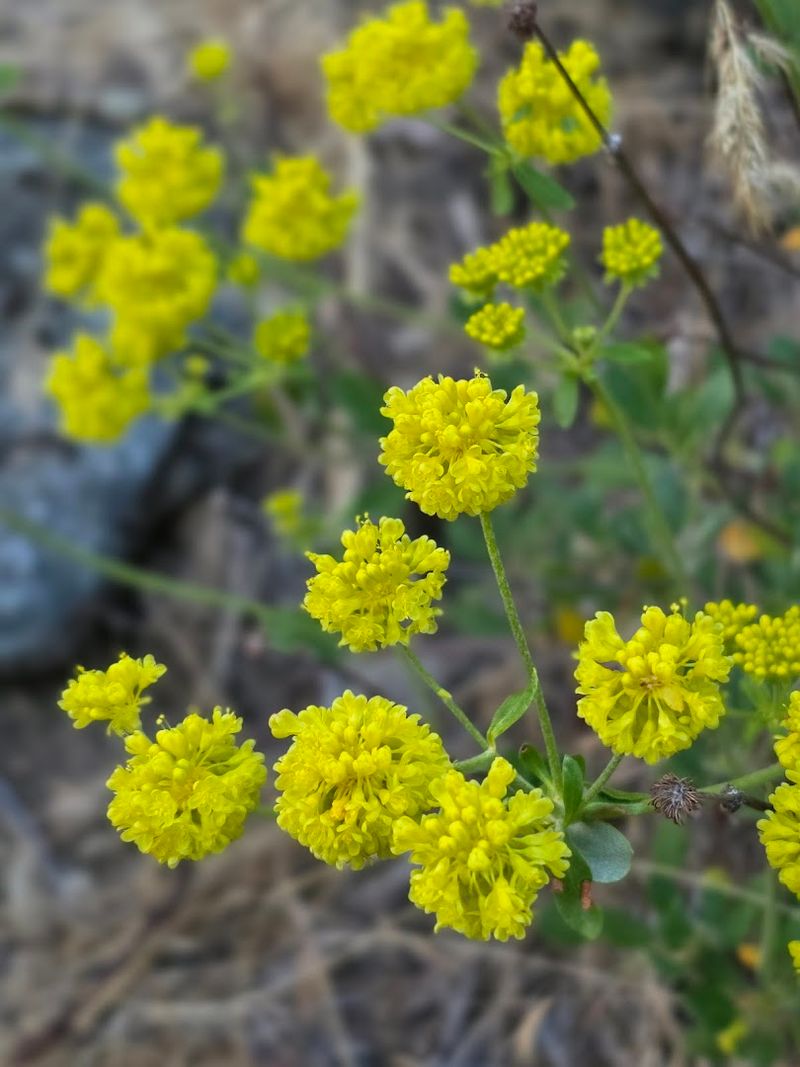
Among the botanical treasures growing at Castle Crags State Park are two plant species found nowhere else on the planet.
The Castle Crags harebell and Castle Crags ivesia are both endemic to this specific park, meaning they evolved in isolation on these particular granite slopes and do not naturally occur anywhere else in the world.
The harebell produces small bell-shaped flowers that cling to rocky crevices at higher elevations, where thin soil and intense sun create a challenging but specialized growing environment.
The ivesia, a low-growing member of the rose family, similarly favors exposed granite outcroppings and is adapted to survive the dramatic temperature swings that the upper crags experience between seasons.
Endemic species like these are considered ecologically significant because their entire global population exists within a confined area, making habitat preservation critically important.
Visitors walking the upper trail sections during late spring and summer may encounter both species near the rocky stretches where the forest gives way to open granite.
Staying on marked trails is especially important in these areas, as even minor foot traffic on fragile granite plant communities can cause lasting damage to populations that have no backup range elsewhere.
The Sacramento River Flows Through The Park For Fishing And Swimming
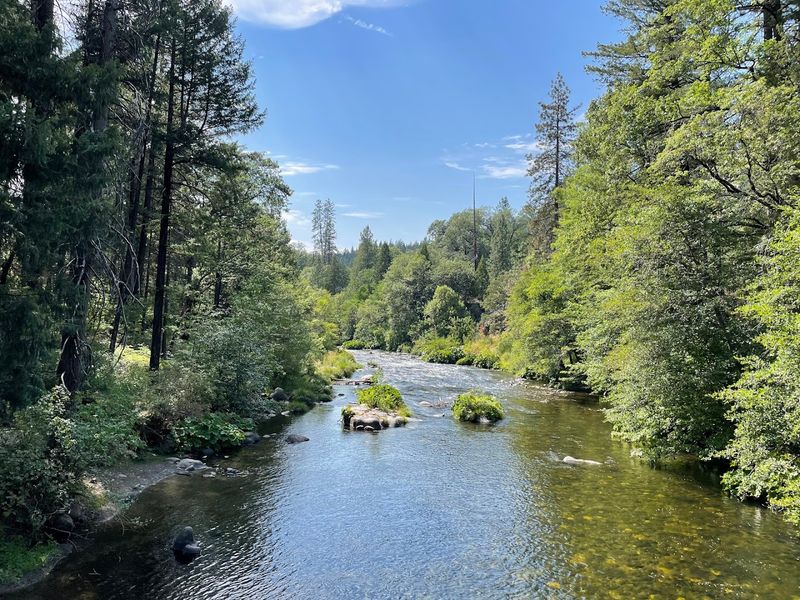
Running along the lower edge of Castle Crags State Park, the Sacramento River adds a completely different dimension to the visit.
The river here is cold, clear, and fast-moving, fed by snowmelt from the surrounding mountains, which keeps water temperatures refreshingly low even during summer months.
Fishing is a genuine draw along this stretch of river, where wild trout are known to inhabit the deeper pools and eddies.
A valid California fishing license is required, and anglers should check current regulations before heading out since specific rules around catch limits and methods can apply to wild trout fisheries.
The river section within the park tends to attract serious anglers who value the natural setting as much as the fishing itself.
Swimming is also possible at certain calm sections of the river, though the current can be deceptively strong in places, particularly earlier in the season when snowmelt is at its peak.
Families with children should exercise caution and stick to visibly calm and shallow areas.
The sound of the river running over rocks is a constant presence throughout the lower campground, creating a natural ambient backdrop that many visitors find genuinely relaxing during evenings around the campfire.
Rock Climbing Opportunities Range From Beginner To Expert
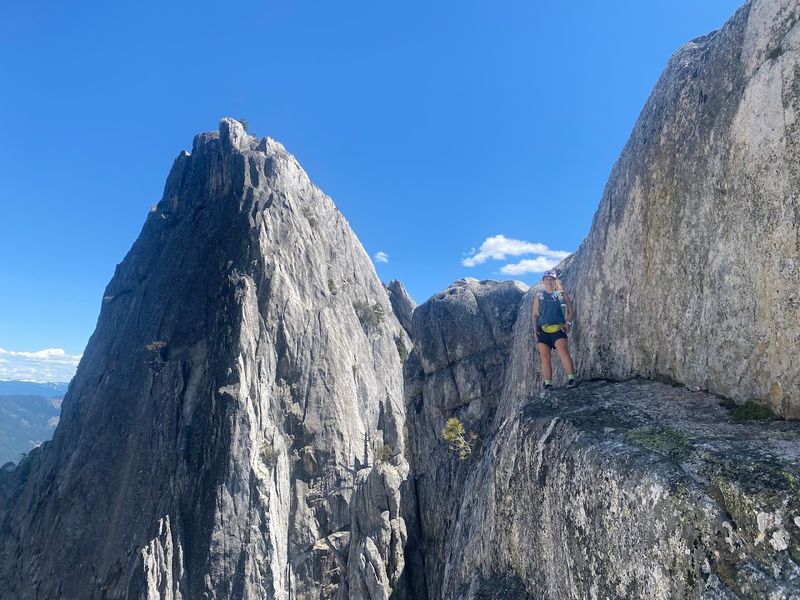
The sheer granite walls of Castle Crags have long attracted climbers looking for routes that feel both dramatic and technically rewarding.
The rock quality in the park is generally solid, with the coarse texture of ancient granite providing reliable friction for hands and feet across a wide range of climbing styles.
Beginner-friendly routes exist on lower-angle slabs near the base of the formations, while more advanced climbers can find steep crack systems and exposed face climbing higher on the crags.
The variety of terrain means that groups with mixed experience levels can often find something appropriate without everyone needing to be at the same skill level.
Climbing gear should always be checked and current conditions confirmed before attempting any technical routes, as rockfall and seasonal weathering can change the character of specific lines over time.
Because the park sits adjacent to the Castle Crags Wilderness area managed by the U.S.
Forest Service, some climbing areas may fall under different access rules depending on exact location.
Checking with park staff at the entrance station is a practical first step for anyone planning a climbing-specific visit.
The views from mid-wall positions on the crags are, by most accounts, completely worth the effort of getting there.
Wildlife Includes Black Bears, Mountain Lions, And Rare Birds
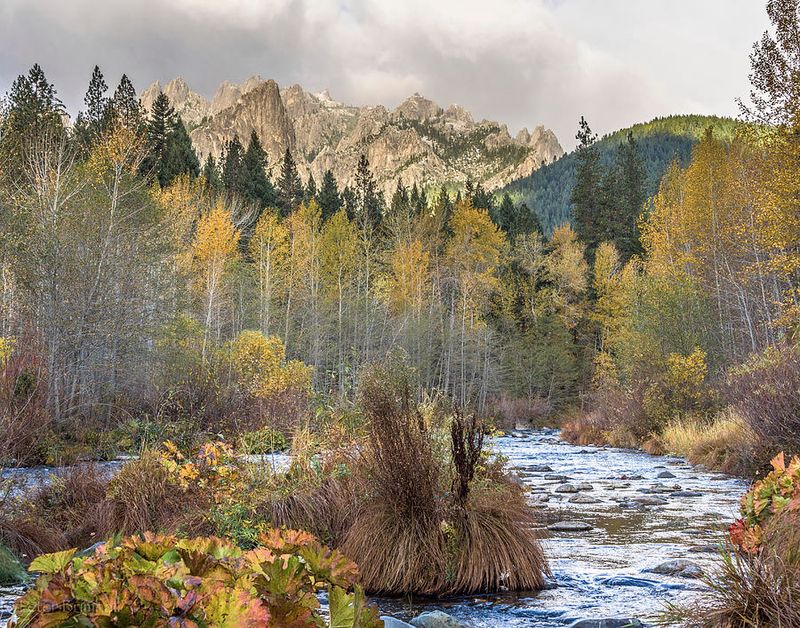
The biodiversity at Castle Crags State Park extends well beyond its plant life.
Black bears, mountain lions, bobcats, and coyotes all inhabit the park’s varied terrain, moving through forest corridors and along the river as part of functioning wild ecosystems that have remained relatively intact despite the park’s accessibility from the interstate.
Bird watchers have reason to pay close attention along the river and in the denser forest sections.
The American dipper, a small gray songbird that walks underwater to feed, can sometimes be spotted along the Sacramento River.
The pileated woodpecker, one of North America’s largest woodpeckers with its distinctive red crest, is also a documented resident of the park’s older forest stands.
Wildlife sightings are never guaranteed, but the early morning hours before the trails get busy tend to offer the best chances of encountering animals in more natural behavior.
Food storage is taken seriously at the campground, with food lockers provided at each site to reduce bear activity near camping areas.
Visitors should always maintain a safe distance from any wildlife encountered and avoid feeding animals, which is both illegal in state parks and genuinely harmful to animal behavior over time.
76 Developed Campsites Sit Along The River With Full Amenities
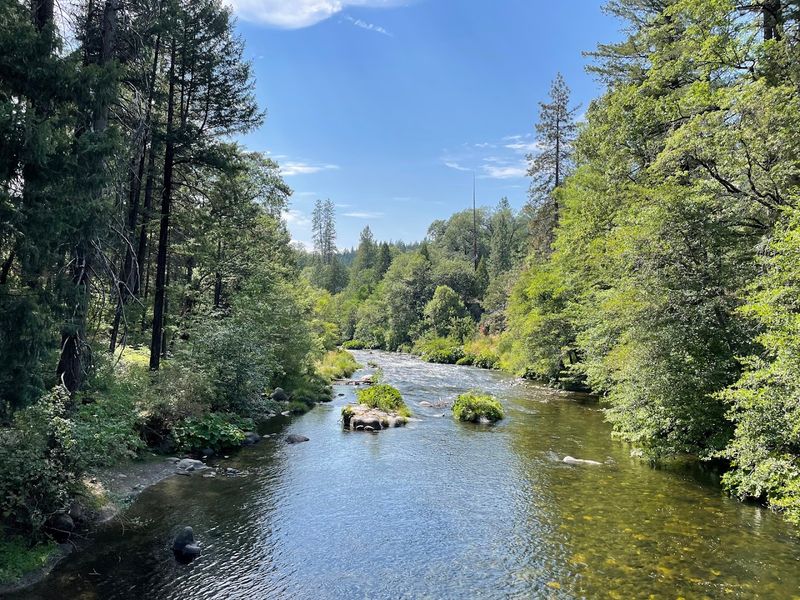
Spending a night at Castle Crags State Park changes the experience entirely.
The campground offers 76 developed sites, each equipped with a picnic table, a fire ring, and a food locker for securing provisions against wildlife.
The sites are spread through a forested area near the Sacramento River, and the sound of moving water carries through the trees on quiet evenings.
Flush toilets, showers, and drinking water are available near the campsites, which puts the facilities above what many comparable state parks in Northern California offer.
The combination of accessible amenities and a genuinely natural setting makes the campground a practical choice for families or first-time campers who want comfort without sacrificing the outdoor atmosphere.
Reservations are strongly recommended during summer weekends and holiday periods, as the campground fills quickly once warmer weather arrives.
Some sites sit closer to the river than others, and site selection during the reservation process can make a noticeable difference in the overall experience.
Poison oak grows in various parts of the park including near some campsite edges, so wearing long pants and staying on cleared paths is a smart habit throughout the visit, especially when moving through brushy areas between the sites and river access points.
Mount Shasta Is Visible From Multiple Points Inside The Park
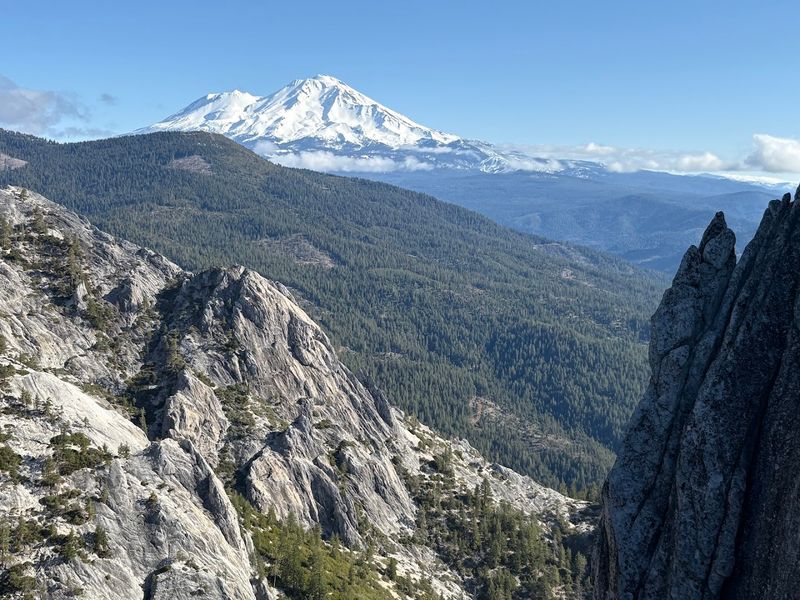
One of the most visually arresting aspects of a visit to Castle Crags State Park is the repeated appearance of Mount Shasta on the northern horizon.
At over 14,000 feet, Shasta is one of the tallest peaks in California, and its snow-covered volcanic cone is visible from multiple locations within the park on clear days, creating a layered backdrop that makes the already dramatic landscape feel even more expansive.
From the Vista Point overlook, both the Castle Crags formations and Mount Shasta appear simultaneously within the same field of view, a combination that tends to stop first-time visitors mid-sentence.
The telescopes installed at the overlook allow for a closer look at Shasta’s summit without any additional equipment, which is a genuinely useful amenity for visitors who did not bring binoculars.
Higher on the Castle Dome Trail, the view of Shasta becomes even more unobstructed as the treeline drops away and the full scale of the volcano becomes visible.
Clear days in fall tend to offer the sharpest visibility, when wildfire smoke from summer has cleared and the air has a crisp transparency that makes distant peaks appear almost close enough to touch.
Spring visits also offer strong views, with Shasta typically carrying its full snowpack through April and into May.