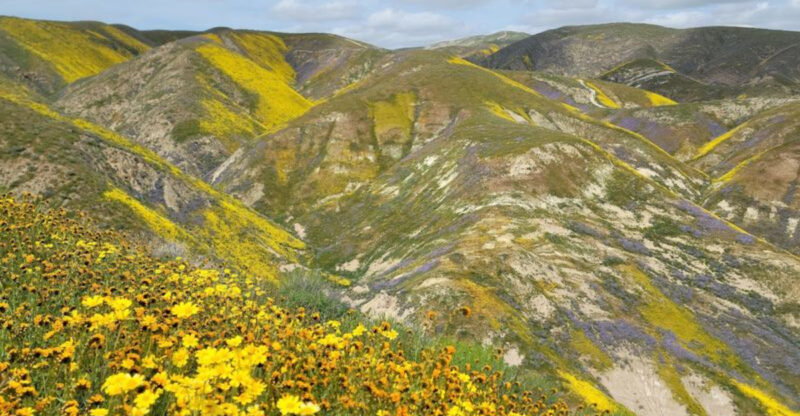
This 6,000-Acre California State Park Still Flies Under The Radar
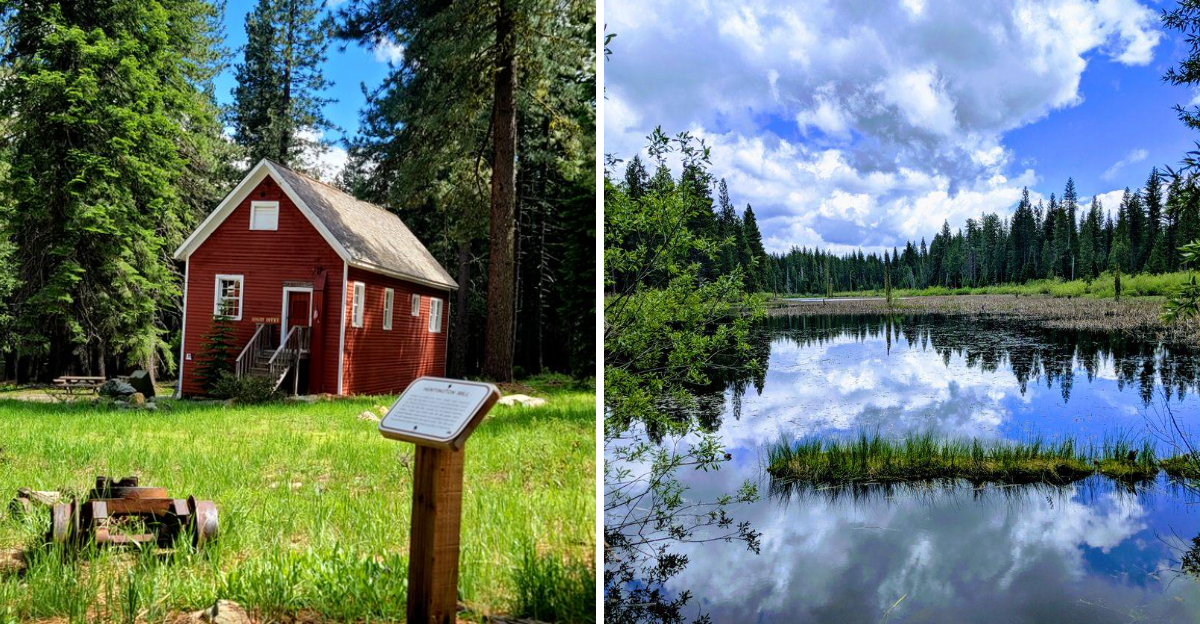
The Sierra Nevada mountains hold a secret most visitors never discover. Amidst the towering trees and rugged terrain, Plumas-Eureka State Park offers a rare glimpse into the wild heart of California.
Here, the rush of modern life fades, replaced by the sounds of chirping birds and the rustle of wind through the pines.
Gold miners once roamed these slopes, leaving behind remnants of their past, but today, the park is a haven for those seeking a quieter, more authentic outdoor experience.
Hiking trails wind through wildflower-filled meadows in summer, while winter transforms the area into a cross-country skiing paradise.
At 6,000 acres, the park feels like a world unto itself, far removed from the crowded tourist spots that dominate California’s landscape.
Whether you’re exploring the historic structures or simply enjoying the serene beauty of alpine lakes, Plumas-Eureka provides an unforgettable escape into nature’s embrace.
This hidden gem offers an authentic mountain experience that will leave you feeling rejuvenated and connected to the wild.
1. Gold Rush History Lives On Through Preserved Structures
Established in 1959, Plumas-Eureka State Park at 310 Graeagle Johnsville Rd, Blairsden, CA 96103 protects the remnants of California’s Gold Rush era with carefully preserved buildings and mining equipment.
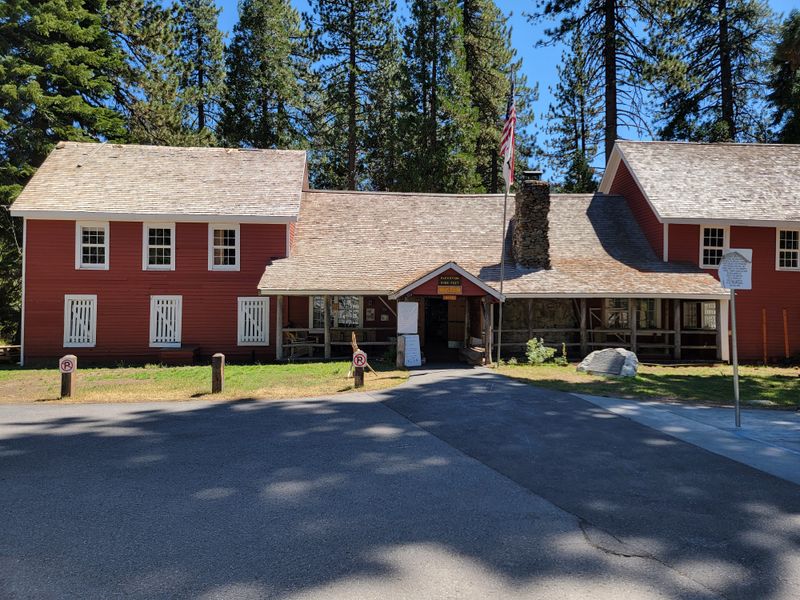
The park features a museum housed in a restored miner’s bunkhouse, where visitors can examine tools, photographs, and personal items from the 1800s.
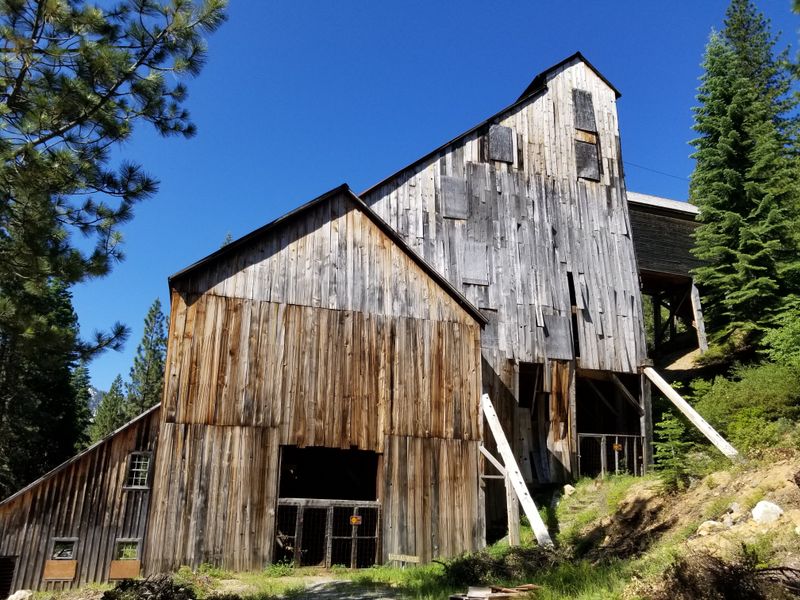
Walking through the historic mining area feels like stepping back in time, with structures like the Mohawk Stamp Mill and blacksmith shop still standing after more than a century.
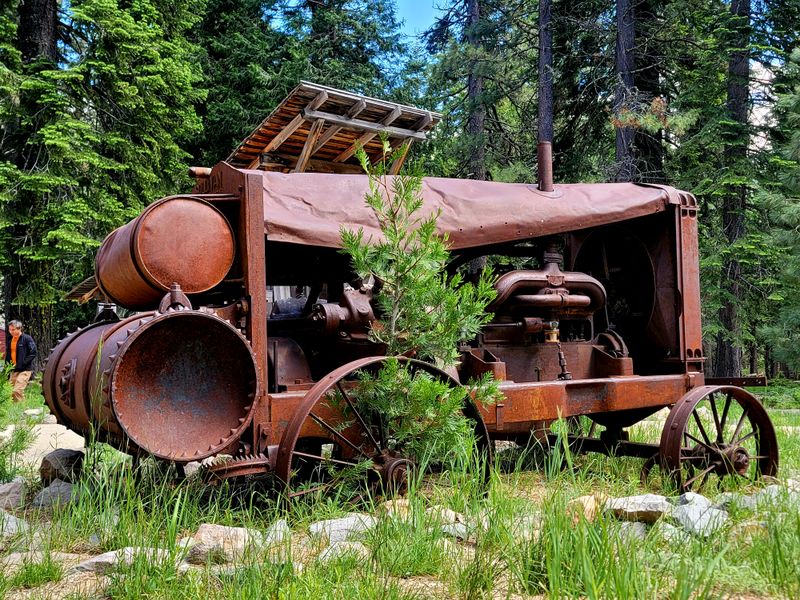
Rangers lead interpretive programs during peak season, explaining how miners extracted gold from hard rock using water-powered machinery.
The stamp mill’s massive iron components remain in place, showing the engineering ingenuity required to process ore at high elevation.
Families often spend an hour or more exploring the museum and grounds, reading informational plaques that describe daily life in a mountain mining camp.
The preservation effort here stands out because buildings remain in their original locations rather than being moved to a central display area.
This arrangement helps visitors understand the spatial relationship between living quarters, work areas, and natural resources.
Photography enthusiasts appreciate the weathered wood textures and mountain backdrop that frame these historic structures beautifully.
2. The 1851 Gold Discovery That Started It All
Nine miners struck gold on May 23, 1851, on the eastern slopes of what was then called Gold Mountain, triggering a rush that would transform the remote Sierra wilderness.
The discovery came during California’s fevered gold-seeking period, when prospectors fanned out across the state searching for untapped deposits.
Unlike many strikes that quickly played out, the Eureka Peak area yielded enough gold to support decades of mining operations.
The original discovery site sits within current park boundaries, though the exact spot requires a moderate hike to reach.
Interpretive signs along the trail explain how miners recognized promising geology and tested stream sediments for gold traces.
Understanding this history adds depth to any visit, connecting the peaceful forest landscape with the frantic energy that once filled these canyons.
Mining companies eventually consolidated individual claims into larger operations, bringing in stamp mills and other heavy equipment.
The transition from placer mining to hard rock extraction required significant capital investment and engineering expertise.
By the 1880s, the Eureka Peak area had become one of the more productive mining districts in Plumas County, supporting a small community of workers and their families throughout the year.
3. Eureka Peak Offers Panoramic Sierra Views At 7,447 Feet
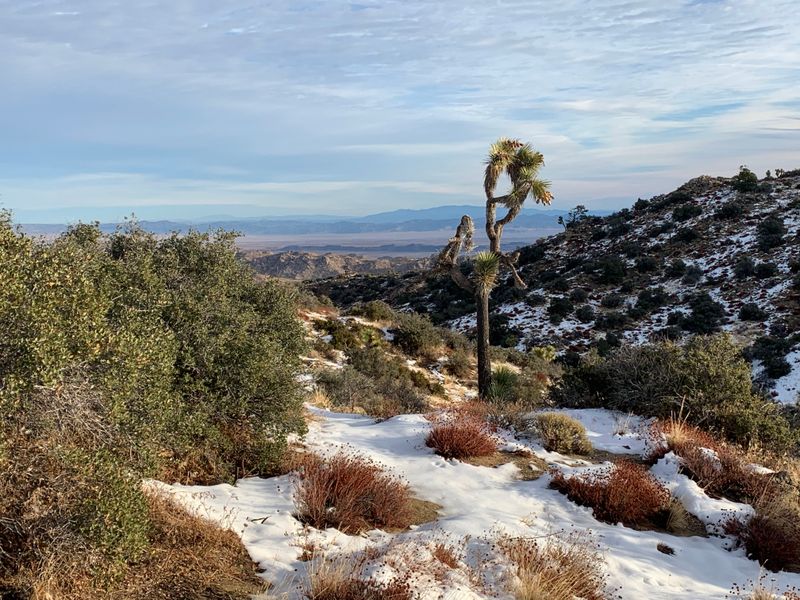
Towering at 7,447 feet, Eureka Peak provides sweeping views across the northern Sierra Nevada that reward hikers willing to tackle the challenging ascent.
The trail climbs through mixed conifer forest before breaking into alpine terrain where granite outcrops and scattered pines dominate the landscape.
Clear days reveal distant peaks stretching toward Lake Tahoe, while closer ridgelines show the folded geology that attracted gold miners generations ago.
Reaching the summit typically takes two to three hours from the trailhead, depending on fitness level and how often hikers stop to catch their breath or take photographs.
The path gains elevation steadily rather than steeply in most sections, making it accessible to reasonably fit visitors without technical climbing skills.
Snow lingers on north-facing slopes well into June some years, so checking current conditions before attempting the hike makes sense.
Beyond scenic rewards, Eureka Peak holds historical significance as the site of some of North America’s earliest organized ski races.
Miners fashioned long wooden skis for winter transportation, eventually turning practical travel into competitive sport.
Standing at the summit where these early races began adds a layer of connection to the mountain’s dual identity as both mining hub and recreational pioneer.
4. Longboard Skiing Tradition Dating To 1861
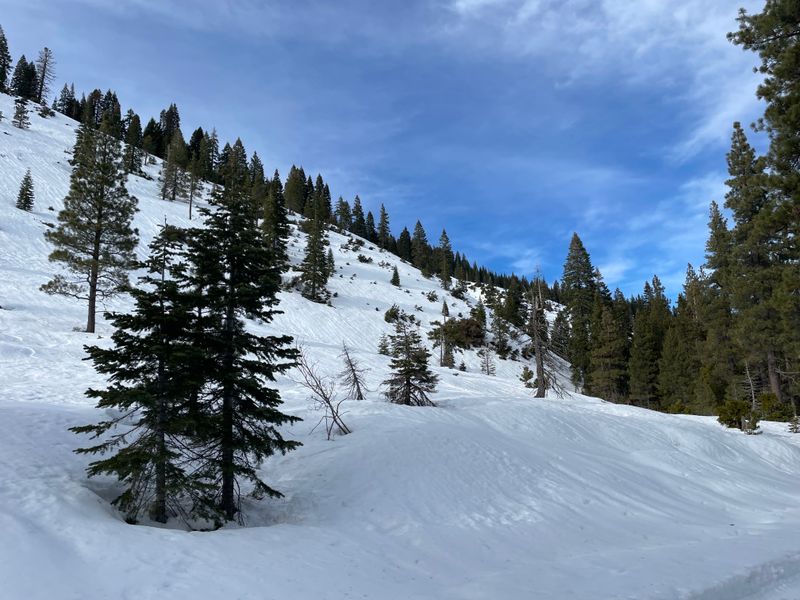
The Western Hemisphere’s first recorded downhill ski race took place here in 1861, when miners strapped on twelve-foot wooden boards and raced down snowy slopes for sport and bragging rights.
These early skis, called longboards, lacked metal edges or bindings, requiring considerable balance and courage to control at speed.
What began as practical winter transportation evolved into organized competition, with miners betting on races and refining their equipment over successive winters.
The park celebrates this unique heritage with annual longboard races that recreate the original spirit using period-appropriate equipment.
Participants dress in vintage clothing and compete on reproduction skis, navigating courses that follow historic race routes.
Watching these events provides entertaining insight into how challenging mountain winters shaped local culture and recreation.
Modern visitors can examine antique longboards in the park museum, noting the simple construction and minimal control features.
The skis measured up to fourteen feet long and weighed considerably more than contemporary equipment, making turns difficult and falls potentially dangerous.
Reading accounts of early races reveals the competitive intensity and risk-taking that characterized mining camp culture throughout the Sierra Nevada during the late 1800s.
5. Diverse Ecosystems Support Varied Wildlife
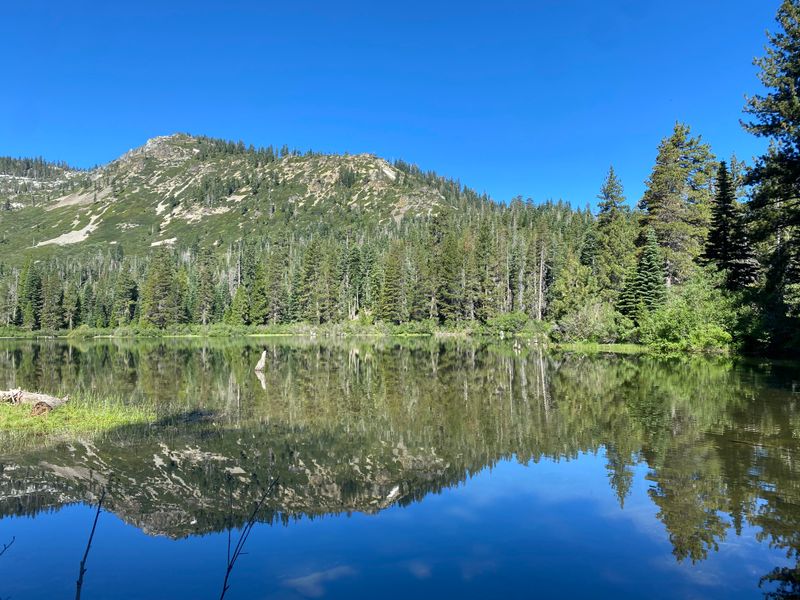
The park’s 6,000 acres encompass multiple elevation zones, creating habitat diversity that supports an impressive range of plant and animal species.
Mixed-conifer forests of ponderosa pine, white fir, and incense cedar blanket lower slopes, while higher elevations transition to red fir and eventually sparse alpine vegetation.
This vertical zonation means a single day’s hike can pass through several distinct ecosystems, each with characteristic species.
Alpine meadows burst with wildflowers from late June through August, depending on snowmelt timing and elevation.
Lupine, paintbrush, and mule ears create colorful displays that attract butterflies and hummingbirds.
Granite ridges above treeline host specialized plants adapted to harsh winds, intense sun, and thin soils, including cushion plants and stunted conifers shaped by winter storms.
Black bears roam throughout the park, particularly during berry season when they feed heavily before winter dormancy.
Mule deer browse meadow edges at dawn and dusk, while smaller mammals like golden-mantled ground squirrels and pikas inhabit rocky areas.
Birdwatchers spot species ranging from chickadees and nuthatches in forest zones to golden eagles soaring above ridgelines, making the park rewarding for wildlife observation across all seasons.
6. Year-Round Recreation From Hiking To Cross-Country Skiing
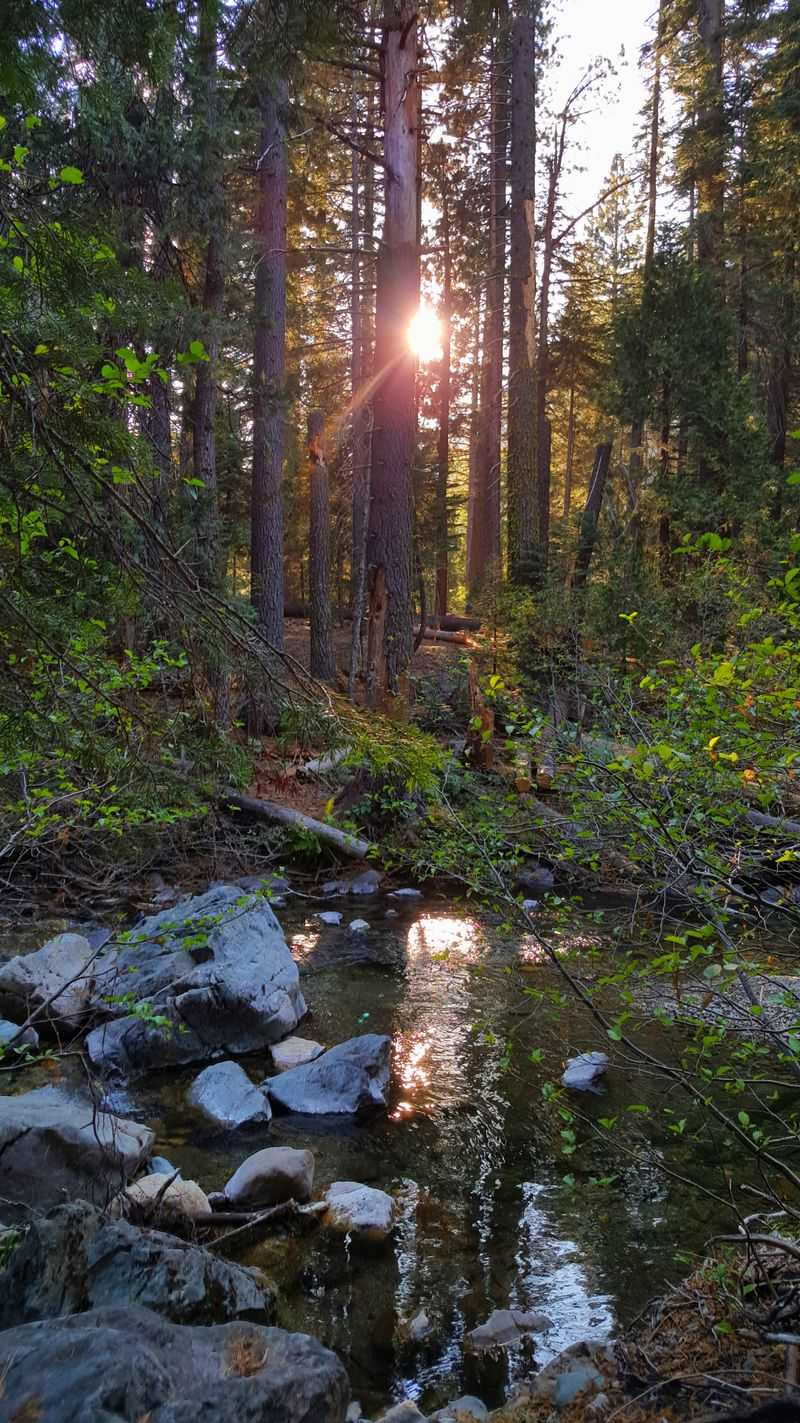
Plumas-Eureka adapts to seasonal changes by offering different activities throughout the year, making it a destination that rewards repeat visits.
Summer brings hikers to trails leading to alpine lakes and mountain summits, with routes ranging from easy nature walks to challenging all-day treks.
Fishing enthusiasts cast for trout in streams and lakes, while families enjoy picnicking in shaded groves near the campground.
Winter transforms the park into a cross-country skiing destination, with groomed track-set loops suitable for classic and skate skiing techniques.
The snow season typically runs from December through March, though timing varies with each year’s precipitation patterns.
The relatively flat terrain near the museum and campground makes this an accessible introduction to Nordic skiing for beginners, while more experienced skiers can venture onto ungroomed backcountry routes.
Spring and fall receive fewer visitors but offer their own rewards, including solitude on trails and dramatic weather that creates memorable lighting conditions.
Autumn brings golden aspen groves and cooler temperatures ideal for hiking without summer heat.
Spring snowmelt swells creeks into rushing torrents and triggers wildflower blooms at progressively higher elevations, creating a moving target for photographers and botanists tracking seasonal changes.
7. Madora Lake Loop Provides Family-Friendly Trail Access
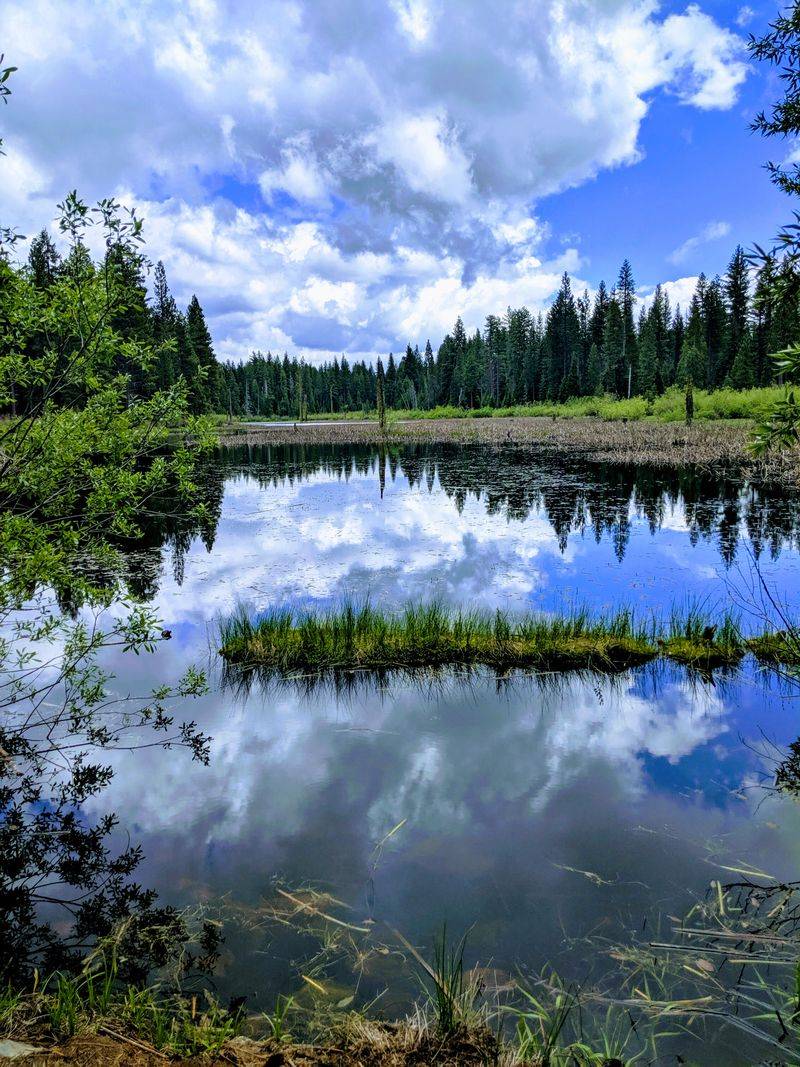
The 1.7-mile Madora Lake Loop ranks among the park’s most popular trails, offering scenic rewards without the steep grades that challenge young children or less experienced hikers.
The relatively flat path circles Madora Lake through meadows and forest, providing opportunities to spot waterfowl, dragonflies, and wildflowers depending on season.
Most families complete the loop in about an hour, though the easy terrain invites a slower pace with frequent stops for exploration.
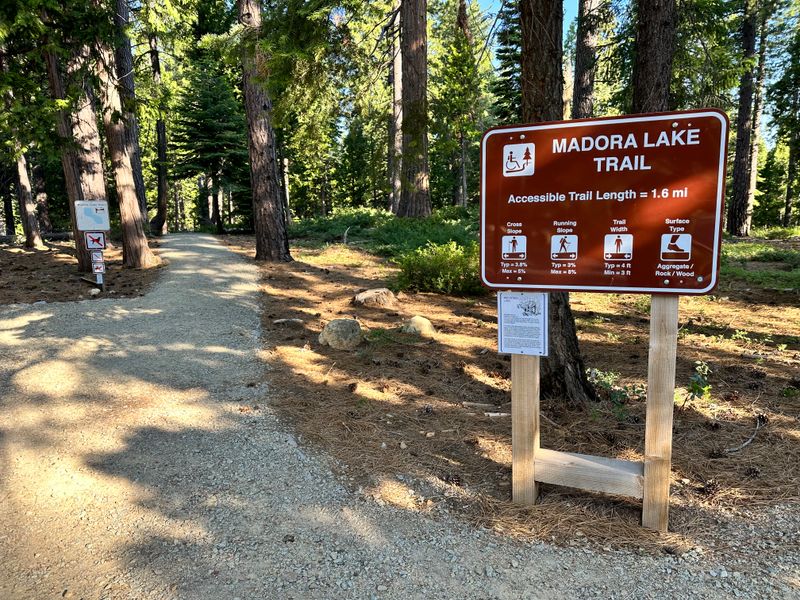
Accessibility features make this trail welcoming to visitors using wheelchairs or pushing strollers, with a firm surface and gentle grades throughout most sections.
Benches placed at scenic viewpoints allow rest breaks while enjoying lake reflections and mountain views.
The trail’s design demonstrates how thoughtful planning can provide outdoor experiences to people with varying mobility levels without sacrificing natural character.
Early morning walks often reveal mist rising from the lake’s surface, creating atmospheric conditions that photographers appreciate.
Ducks and geese frequent the shoreline, sometimes approaching visitors in hopes of a handout, though feeding wildlife is discouraged.
The loop connects to longer trails for hikers wanting to extend their outing, making it a useful starting point for exploring the broader trail network within the park’s boundaries.
8. Jamison Creek Offers Quality Trout Fishing
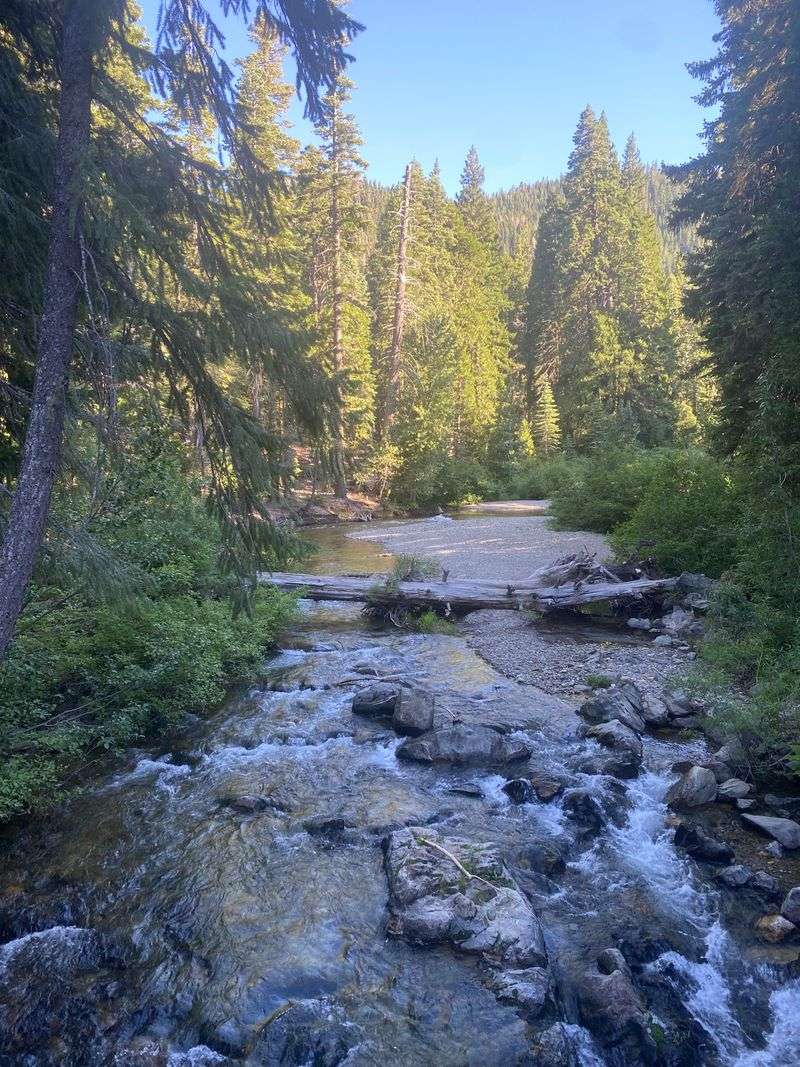
Flowing through the heart of the park, Jamison Creek provides excellent fishing opportunities for wild rainbow trout in a scenic mountain setting.
The creek’s cold, clear water supports healthy fish populations that attract anglers from across northern California.
Fishing success depends partly on timing, with spring runoff making the creek challenging to fish until flows moderate in early summer.
Fly fishing works well in the slower pools and runs between cascades, while spin fishers find success with small spinners and spoons.
The creek’s moderate size allows anglers to cover water efficiently, though streamside vegetation requires careful casting in some sections.
Regulations typically restrict anglers to artificial lures with barbless hooks, and size or bag limits may apply, so checking current rules before fishing makes sense.
The setting adds as much to the experience as the fishing itself, with forested banks and mountain backdrops creating a peaceful atmosphere.
Even anglers who catch nothing often enjoy simply being streamside, watching water insects hatch and listening to the creek’s constant music.
The stretch near the campground receives the most fishing pressure, while hikers willing to walk upstream find less-disturbed water and sometimes more cooperative fish in remote pools.
9. Gold Discovery Days Celebrates Mining Heritage Each July
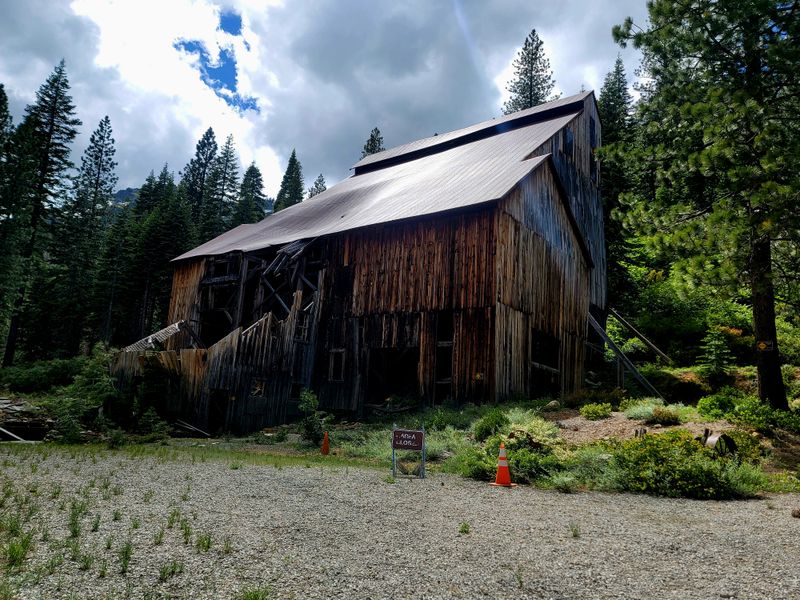
Held annually in July, Gold Discovery Days brings the park’s mining history to life through demonstrations, tours, and hands-on activities that engage visitors of all ages.
Blacksmiths work at authentic forges, shaping hot iron into tools while explaining techniques used in 19th-century mining camps.
The rhythmic hammer blows and glowing metal create a sensory connection to the past that photographs and displays cannot fully capture.
Authentic hay wagon rides transport visitors between activity stations, recreating a common form of transportation from the 1890s.
The wagon’s wooden wheels and horse team provide a slow-paced perspective on how miners moved supplies and equipment before motorized vehicles.
Guides share stories and point out landscape features that remain unchanged since the mining era, helping visitors recognize continuity beneath obvious changes.
Home tours allow access to restored buildings not always open to the public, including workers’ cabins and administrative structures.
Interpreters dressed in period clothing discuss daily routines, food preservation, and social life in an isolated mountain community.
The event typically draws several hundred visitors, creating a festive atmosphere while raising funds for ongoing preservation work.
Planning a July visit around Gold Discovery Days adds significant value for history enthusiasts and families seeking educational entertainment.
10. Accessible Features Welcome All Visitors
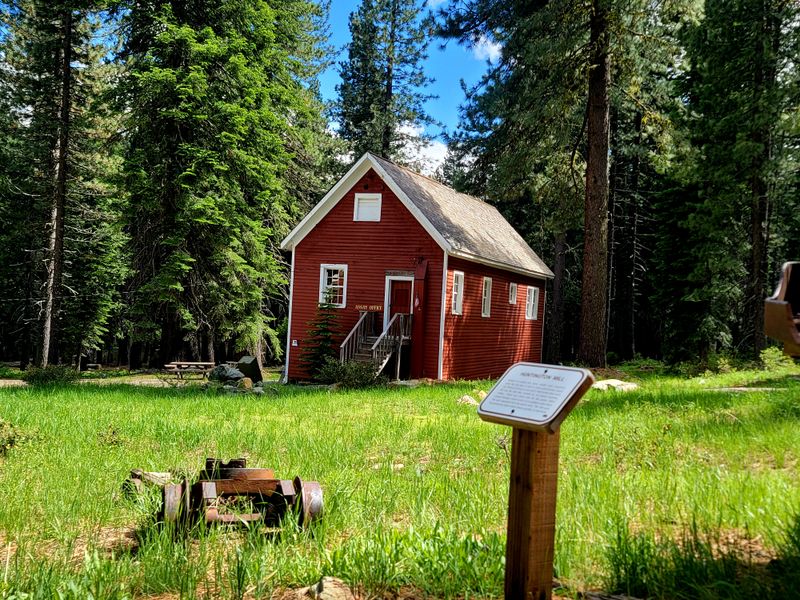
Thoughtful design throughout Plumas-Eureka ensures that visitors with mobility limitations can enjoy many park features without encountering insurmountable barriers.
The 1.6-mile Madora Lake Trail meets accessibility standards with firm surfaces and manageable grades, allowing wheelchair users to experience alpine scenery firsthand.
Accessible picnic tables feature extended tops and clearance underneath, accommodating visitors who remain seated while eating.
Several campsites meet ADA specifications, with level tent pads, accessible fire rings, and nearby restroom facilities designed for wheelchair access.
The pathways connecting these sites to central amenities feature hard surfaces rather than loose gravel or dirt.
Accessible parking spaces near the museum and visitor center provide convenient access to interpretive exhibits and ranger programs.
These accommodations reflect evolving park management philosophy that views accessibility as essential rather than optional.
Families with members using mobility devices can plan visits confident that key experiences remain available rather than off-limits.
The park’s accessibility features don’t feel segregated or obviously different from standard facilities, integrating universal design principles that benefit many visitors beyond those with documented disabilities.
Checking the park website or calling ahead helps visitors with specific access needs confirm that planned activities will work for their situation.
11. Wildlife Viewing From Bears To Golden Eagles
Black bears inhabit the park year-round, though sightings remain relatively uncommon given their preference for avoiding humans and the vast territory available to them.
Bears become more visible during late summer when they feed heavily on berries and acorns, building fat reserves for winter.
Visitors should store food properly in provided metal lockers and avoid leaving scented items in tents, reducing attractants that draw bears into camping areas.
Mule deer appear more frequently, often browsing meadow edges during early morning and evening hours. Their large ears swivel constantly, monitoring for predators even while feeding.
Does with spotted fawns appear in summer, the young animals staying close to their mothers while learning which plants provide the best nutrition.
Patient observers can watch deer for extended periods if they remain quiet and avoid sudden movements.
Golden eagles soar above ridgelines, riding thermal currents while scanning for ground squirrels and other prey.
Their massive wingspan and distinctive flight silhouette make them recognizable even at considerable distance.
Smaller birds including chickadees, nuthatches, and various warbler species frequent forested areas, their calls providing a constant soundtrack during spring and summer.
Bringing binoculars significantly enhances wildlife viewing opportunities, allowing detailed observation while maintaining respectful distance from animals.
12. Upper Jamison Creek Campground Offers 67 Sites
The park’s main campground provides 67 sites suitable for both tent camping and RVs, with amenities that balance comfort and outdoor experience.
Each site includes a picnic table, fire ring, and metal food locker for securing items from bears and other wildlife.
The campground layout spaces sites adequately for privacy, with vegetation screening most neighbors from direct view.
Modern restroom facilities feature hot showers, a luxury appreciated after dusty hikes or days exploring the park.
Piped drinking water eliminates the need to carry or filter water for camp use, simplifying meal preparation and cleanup.
An RV dump station serves campers with waste holding tanks, though full hookups are not available at individual sites.
The campground operates seasonally from Memorial Day weekend through Labor Day, closing during winter when snow makes access difficult.
Sites fill quickly on summer weekends, making reservations advisable for anyone with fixed travel dates.
Midweek visits often find availability even during peak season, with a more relaxed atmosphere and quieter evenings.
The campground’s location near trailheads and historic structures makes it an ideal base for multiday park exploration.
Evening temperatures drop significantly even in summer due to the 5,200-foot elevation, so bringing warm sleeping bags and layers ensures comfortable nights under star-filled skies.
13. Year-Round Day Use With Seasonal Museum Access
Plumas-Eureka welcomes day visitors throughout the year, though services and facility access vary with seasons.
The park gates remain open daily for hiking, picnicking, and general exploration regardless of weather or time of year.
Winter visitors should expect snow-covered roads and limited parking, with chains or four-wheel drive sometimes necessary for safe access during storms.
The museum and visitor center operate seasonally from Memorial Day weekend through Labor Day, providing interpretive exhibits and ranger programs during the park’s busiest months.
Staff answer questions about trail conditions, wildlife sightings, and local history, enhancing visits through personal interaction and expertise.
Outside this period, the museum remains closed, though the historic mining structures remain visible from exterior pathways.
Day-use fees apply year-round, collected at entrance stations when staffed or through self-service envelopes during unstaffed periods.
The revenue supports maintenance, interpretation, and preservation work that keeps the park accessible and well-managed.
Arriving early in the day during summer secures parking near popular trailheads and provides cooler hiking conditions.
Winter day visitors often have the park largely to themselves, experiencing solitude and snow-covered landscapes that create a completely different atmosphere than summer’s busy season.
Checking the park website or calling ahead clarifies current conditions and service availability before making the drive.