This California University Ranked No. 9 In America And Its Graduates Leave With Surprisingly Little Debt
A top-ranked university sounds impressive on its own. Add the possibility of graduating with less student debt than you might expect, and the decision becomes even more interesting.
College costs can make choosing a school feel like a balancing act between academic reputation and financial reality.
That is why rankings that consider both educational quality and affordability deserve a closer look, especially when a public university manages to stand out nationally.
One California university has a particularly compelling combination of academic prestige and the potential for a more manageable financial future.
Of course, the amount students borrow depends on their family finances, financial aid, residency, and personal circumstances.
But a strong public university can offer pathways to an excellent education without requiring every student to take on enormous loans. That combination is worth paying attention to.
Forbes Ranked UC Berkeley No. 9 In America
Out of hundreds of colleges across the country, only nine made it into the top ten spots before one public school appeared on the list.
Forbes placed UC Berkeley at No. 9 in its 2027 ranking of America’s Top Colleges.
That spot put the school among a small group of elite campuses that most families know by name.
Forbes builds its list around what happens to students after they enroll. The ranking looks at things like graduation rates, how much graduates earn, and how much debt they carry.
In other words, a fancy reputation alone is not enough to climb this list. Most of the schools near the very top are private universities with large budgets and long histories.
Seeing a public school break into that group is not something that happens every year.
It suggests that strong results for students can come from many kinds of colleges. For families comparing schools, a ranking like this can serve as a helpful starting point.
It may point toward campuses that tend to help students finish their degrees and build careers.
Still, no single list can tell a student whether a school is the right personal fit. Things like class size, campus feel, available majors, and total cost matter just as much.
It Was Named America’s No. 1 Public University
Being ninth overall is impressive, yet the title of best public university may say even more.
Forbes ranked UC Berkeley as the No. 1 public university in America on its 2027 list. Every other public school in the nation landed somewhere behind it.
Public universities receive support from their state governments. Their mission usually includes serving a large number of students from many backgrounds.
Private schools often have smaller student bodies and huge endowments, which can make competing with them a real challenge.
So how does a public campus hold the top spot? Strong graduation numbers, solid alumni earnings, and low average debt all helped.
Those are the kinds of results Forbes pays close attention to when building its list.
For students in California, this title carries extra meaning. State residents usually pay lower tuition than out-of-state students at public schools.
That means a top-ranked education may come at a lower price for many local families.
The ranking also sends a clear message to the wider country. Quality education is not only found behind the gates of private colleges.
Public universities can match famous private names when it comes to outcomes for students.
Anyone exploring college options may want to look closely at strong public schools in their own state.
Graduates Leave With Surprisingly Little Debt
Here is the number that grabs the most attention: $5,924.
Forbes reported that figure as the average student debt burden for UC Berkeley graduates. Compared with the large loan totals many college students carry, it stands out right away.
Understanding what this number means is important. It is an average, so some graduates owe more, some owe less, and some owe nothing at all.
It does not mean every student finishes with exactly that amount, and it does not mean everyone graduates debt-free.
Averages can be pulled down when many students receive grants and scholarships.
Generous financial aid for eligible California residents likely plays a big part here. When grant money covers tuition, students simply need to borrow less.
Lower debt can shape life after graduation in real ways. Smaller monthly loan payments may leave more room for rent, savings, or further schooling.
It can also give new graduates more freedom when choosing their first job.
Families should still look at their own numbers carefully. A student’s actual cost depends on residency, household income, housing choices, and aid offers.
Using the school’s net price calculator is a practical first step. That tool can give a more personal estimate than any national average.
Comparing financial aid letters side by side from different schools can also help reveal which option truly costs less over four years.
Alumni Earnings Add Another Impressive Number
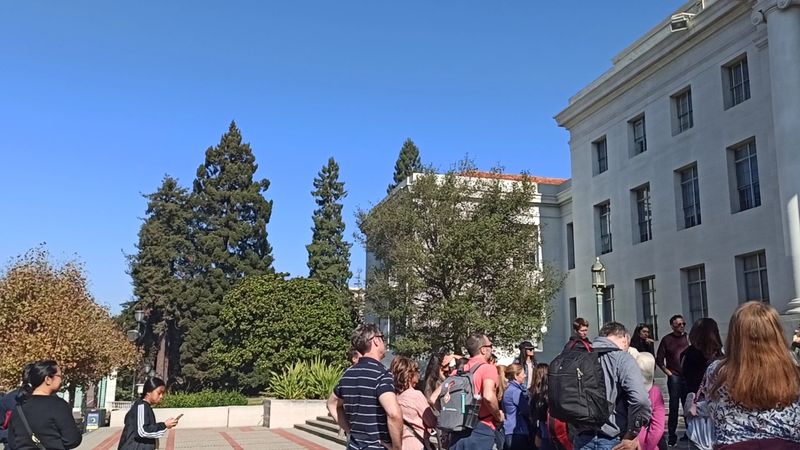
Low debt is only half of the money story.
Forbes reported median annual alumni earnings of about $111,530 for UC Berkeley graduates. That figure is measured across the first 20 years after graduation, not just the first job.
Using the median helps keep a few extremely high salaries from skewing the picture.
Now put the two numbers together. Graduates tend to leave with relatively small loans and then go on to strong long-term earnings.
That combination is not common, which is why it draws so much interest.
Some colleges produce high earners but leave them with heavy debt. Others keep debt low but show more modest earnings later on. Having both sides line up makes the overall value easier to see.
Earnings can still vary widely by major and career path.
Engineering and computer science graduates may earn very differently than graduates in teaching or the arts. Every path has its own value, and money is only one way to measure success.
Students may find it helpful to research typical salaries in fields that interest them.
Its Graduation Rate Shows Strong Student Outcomes
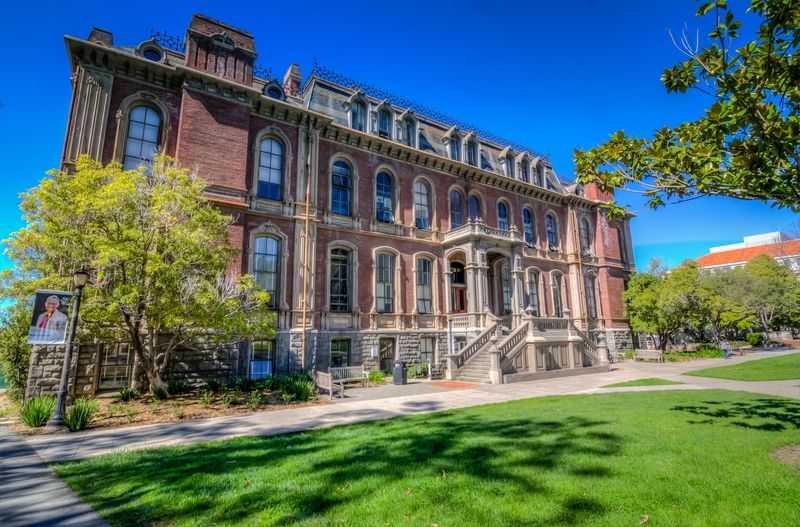
Getting into college is exciting, but finishing is what really counts.
Forbes lists UC Berkeley’s six-year graduation rate at 93%. Its four-year graduation rate stands at 80%.
Those numbers mean most students who start at the school end up earning a degree. Nationally, many colleges have far lower completion rates.
Finishing on time can also save money, since each extra semester adds more tuition and living costs.
The retention rate is just as telling. Forbes reports that 97% of first-year students return for their second year.
That suggests most students find a way to settle in, even when classes feel tough. And the classes can be tough.
Courses at a top research school often move quickly and expect a lot of independent work. Tutoring centers, advising offices, and study groups can help students keep pace.
Strong rates like these do not happen by accident. They usually reflect motivated students, solid support systems, and clear paths to a degree.
For future students, there is a practical lesson here. Asking about a school’s graduation and retention rates may be just as useful as asking about its ranking.
Research Opportunities Begin During Undergraduate Studies
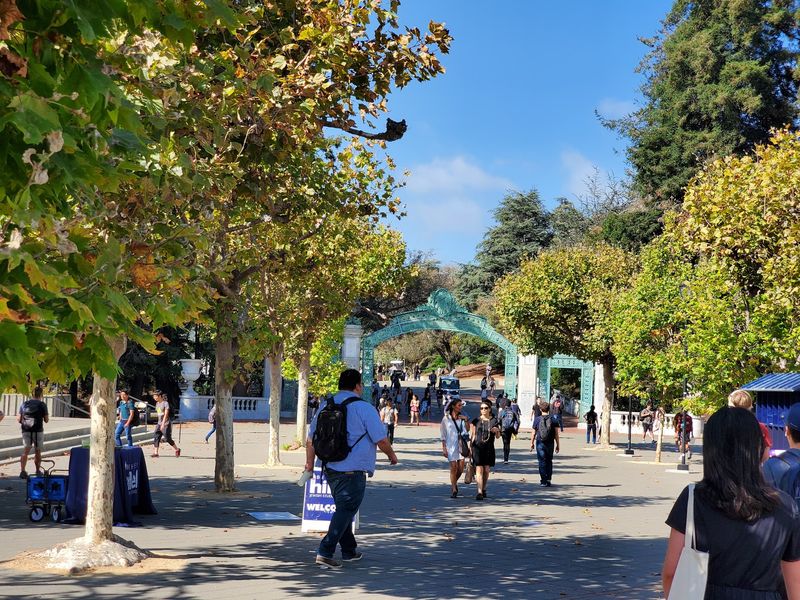
Real discoveries do not only happen in graduate school.
At UC Berkeley, undergraduates can join faculty research through the Undergraduate Research Apprentice Program, often called URAP.
The program connects students with professors who need help on real projects.
The range of topics is wide. Projects stretch across engineering, the sciences, the humanities, and the social sciences.
A student might help study data, review historical records, run lab tests, or assist with surveys.
Students in URAP usually earn academic credit for their work. Each semester, they apply to projects that match their interests and skills.
Spots can be competitive, so reading project details carefully and applying on time helps.
Why does this matter so much? Research experience teaches problem solving, teamwork, and patience in ways classes alone may not.
It can also lead to strong recommendation letters for jobs or graduate programs. Working closely with a professor can make a big campus feel smaller.
Students get to see how experts think, ask questions, and handle setbacks. Those connections may shape a whole career path.
Not every student will love research, and that is fine. Trying it early is a low-risk way to learn whether a field truly fits.
Several Academic Programs Rank Among America’s Best
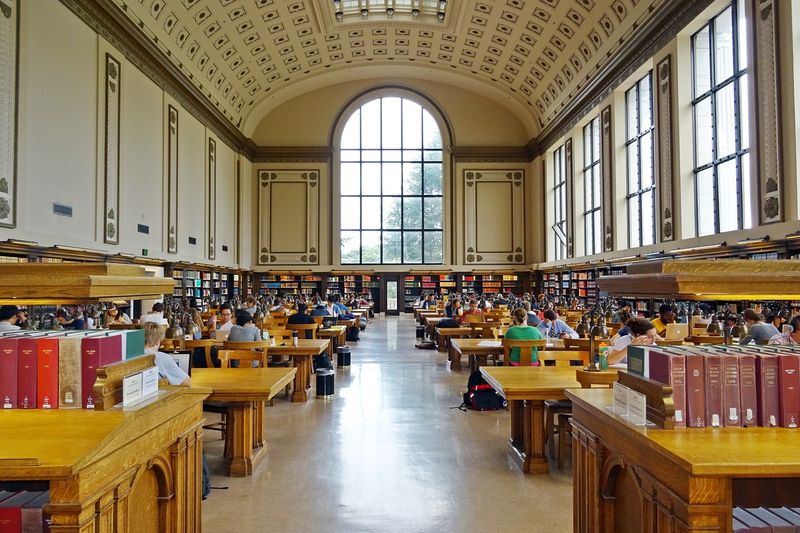
Overall rankings tell one story, while program rankings dig into the details.
The 2027 U.S. News rankings placed 29 UC Berkeley programs among the top five in the nation. That is a lot of strength spread across one campus.
Some programs reached the very top spot. Several economics specialties earned No. 1 placements. Data analytics and science also ranked first in the country.
Why should a high school student care? A strong overall ranking does not always mean every department is equally strong.
Program rankings help show where a school truly shines. Economics and data science are fields that touch many careers today.
Skills in these areas can be useful in business, tech, government, health, and research. Learning them at a highly ranked program may open many doors.
Of course, a top-ranked program is not the only sign of a good fit. Class sizes, teaching style, and the chance to switch majors also matter.
Students who are still deciding on a major may want a school with many strong options. A practical tip is to browse department websites before applying.
Looking at sample courses, faculty interests, and student clubs can show what daily life in a major might feel like.
Berkeley Graduates Have Founded Thousands Of Startups

Some graduates find jobs, and others create them.
UC Berkeley ranked No. 1 worldwide in PitchBook’s 2026 university rankings for venture-backed companies founded by undergraduate alumni. Those alumni founded 2,155 such companies.
Venture-backed means investors put money into a young company because they believe it can grow.
Getting that kind of funding is hard. So thousands of these companies coming from one school’s graduates is a striking number.
The campus offers plenty of ways to explore business ideas. Students can find entrepreneurship classes, startup clubs, pitch events, and support programs.
Being close to Silicon Valley investors and tech companies adds even more momentum.
There is a realistic side to this, too. Many startups do not survive, and starting a company carries risk. Founders often learn as much from mistakes as from wins.
Not every student wants to launch a business, and that is perfectly fine. Still, the startup spirit can teach useful skills for any career.
Creativity, teamwork, and solving real problems help in almost every job. For curious students, joining a club or entering a small pitch contest can be an easy first step.
The Bay Area Location Adds Another Dimension
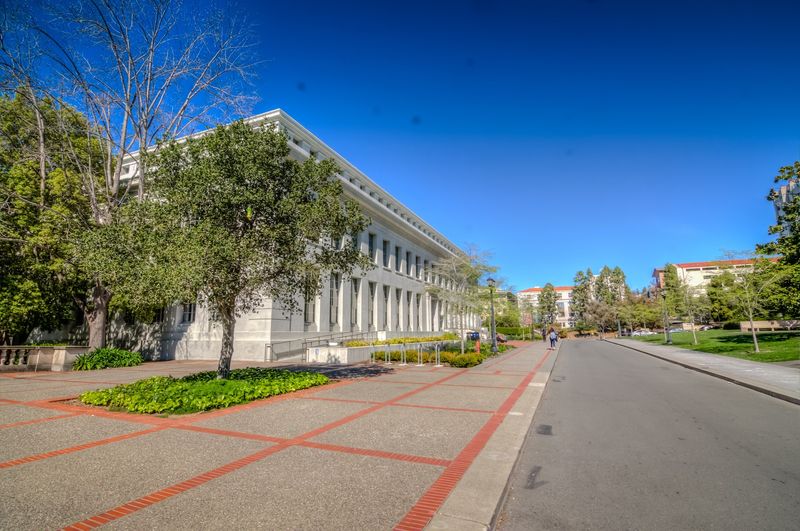
Step off campus, and a whole region full of opportunity is waiting.
UC Berkeley sits in California’s San Francisco Bay Area, one of the biggest technology and research hubs in the world. That location can shape a student’s college years in many ways.
Internships are a major plus. Tech companies, startups, hospitals, labs, and nonprofits are spread across the region.
Students may find chances to gain work experience during the school year or over the summer.
Networking can feel more natural here, too. Industry events, guest speakers, and alumni connections are often close by.
Culture adds another layer. Museums, music venues, parks, and food from many cultures are part of everyday life in the area.
There is an honest downside to consider. Living costs in the Bay Area can be high, especially for housing.
Rent, food, and transportation should be part of any college budget.
Planning early, comparing housing options, and asking about aid for living costs can help.
With careful budgeting, the region’s opportunities may become one of the most valuable parts of the whole experience.