This Charming California Mountain Town Has A Surprisingly Low Median Household Income
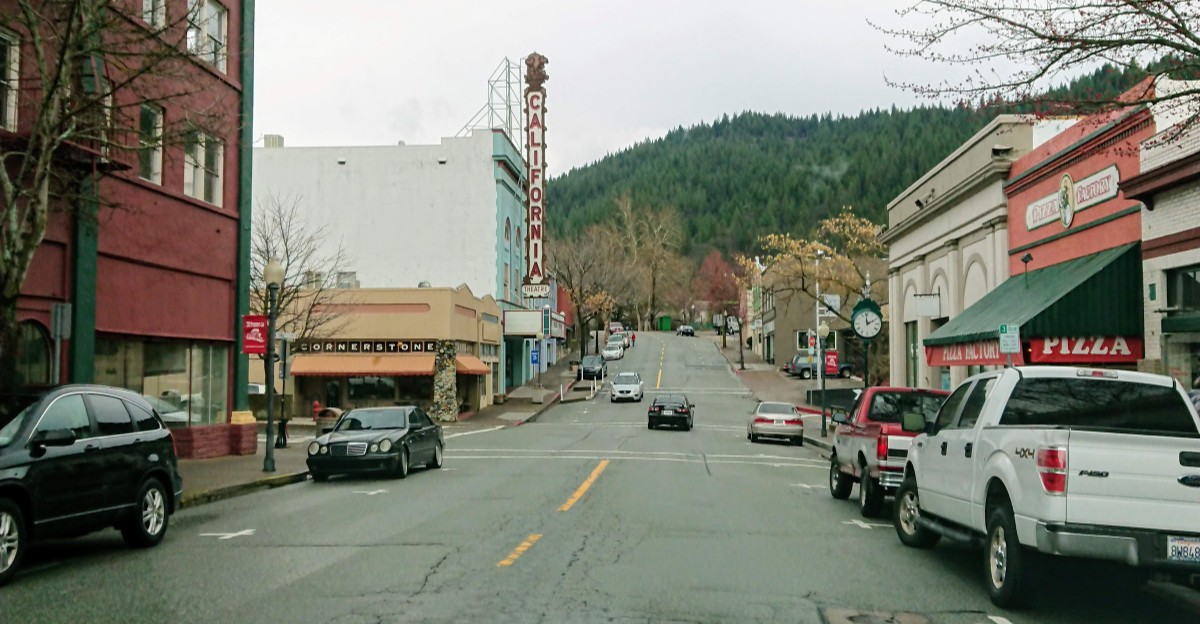
Mountain scenery can make a place look far more expensive than the numbers suggest.
Forested surroundings, dramatic views, and a small-town setting often bring to mind vacation homes and hefty price tags, but appearances do not always tell the economic story.
One mountain community offers an interesting contrast.
Its surroundings could easily belong on a postcard, while local household income figures paint a much more modest picture of everyday life.
Behind one of California’s beautiful mountain backdrops is a community living on considerably leaner household incomes than many might expect.
That gap between scenery and economics makes the town worth a closer look.
Income alone cannot explain what life is like there, especially without considering housing costs, employment, household size, and other local factors.
Still, the statistic challenges an easy assumption.
An Income Figure Well Under The State Average
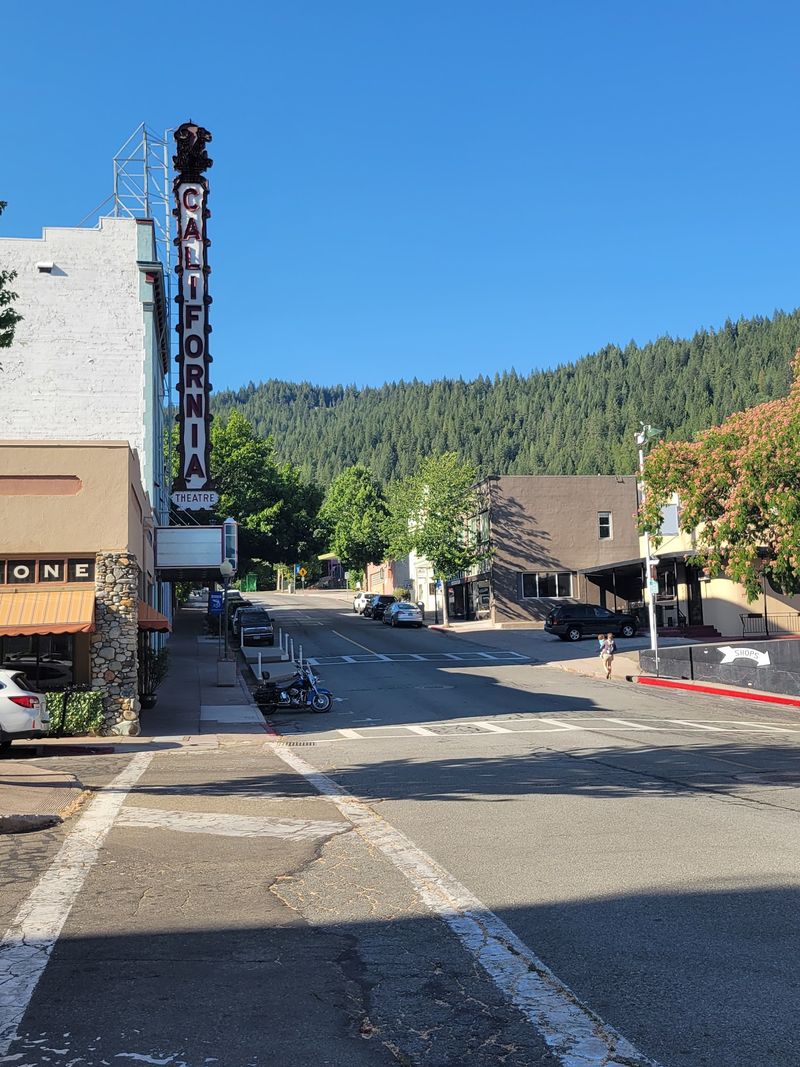
Numbers from the Census Bureau paint a striking picture right away.
The 2024 American Community Survey 5-year estimate puts the median household income in Dunsmuir at about $58,281.
The comparable figure for California as a whole sits near $99,122, which means the typical local household earns roughly 40 percent less than the statewide middle point.
A gap that wide usually catches people off guard. Most folks connect California with high salaries, tech jobs, and expensive coastal cities.
Small mountain towns in the far north often run on a very different kind of economy, built around tourism, local services, retirement income, and seasonal work.
Median income simply marks the middle point, so half of households earn more and half earn less.
It does not measure happiness, quality of life, or how far a paycheck stretches in a specific place.
A dollar in a canyon town near Mount Shasta might cover rent or a mortgage that would feel impossible in a big metro area.
Survey estimates also come with a margin of error, especially in very small communities.
Fewer households means each response carries more weight, so the exact number could shift a bit from year to year.
A Population Smaller Than Many High Schools
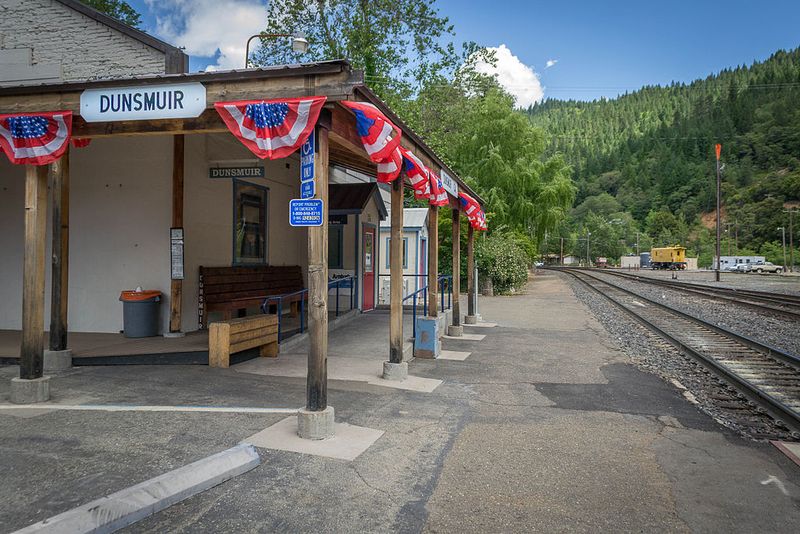
Plenty of suburban high schools have more students than this whole town has residents. The latest ACS 5-year estimate counts about 1,407 people living in Dunsmuir.
The 2020 Census recorded a somewhat higher total of 1,701.
Either way, the community is genuinely tiny. A short walk can cover much of the historic downtown, and familiar faces show up at the post office, the café counter, and the grocery store.
Small size also shapes the local economy. There are fewer large employers, fewer chain stores, and a heavier reliance on small businesses and travelers passing through on Interstate 5.
Some shops and eateries keep limited hours, especially outside the busy summer months.
Travelers can plan around that with a little care. Checking business hours ahead of time helps avoid arriving to a closed door, and carrying snacks or water on a weekday drive is a smart habit.
Gas and supplies are available, though choices are narrower than in a large town.
The upside is a slower pace and a quieter soundscape. River noise, train horns, and wind in the pines tend to replace traffic hum.
For many visitors, that calm is a big part of the appeal.
Home Prices That Look Like Another Era
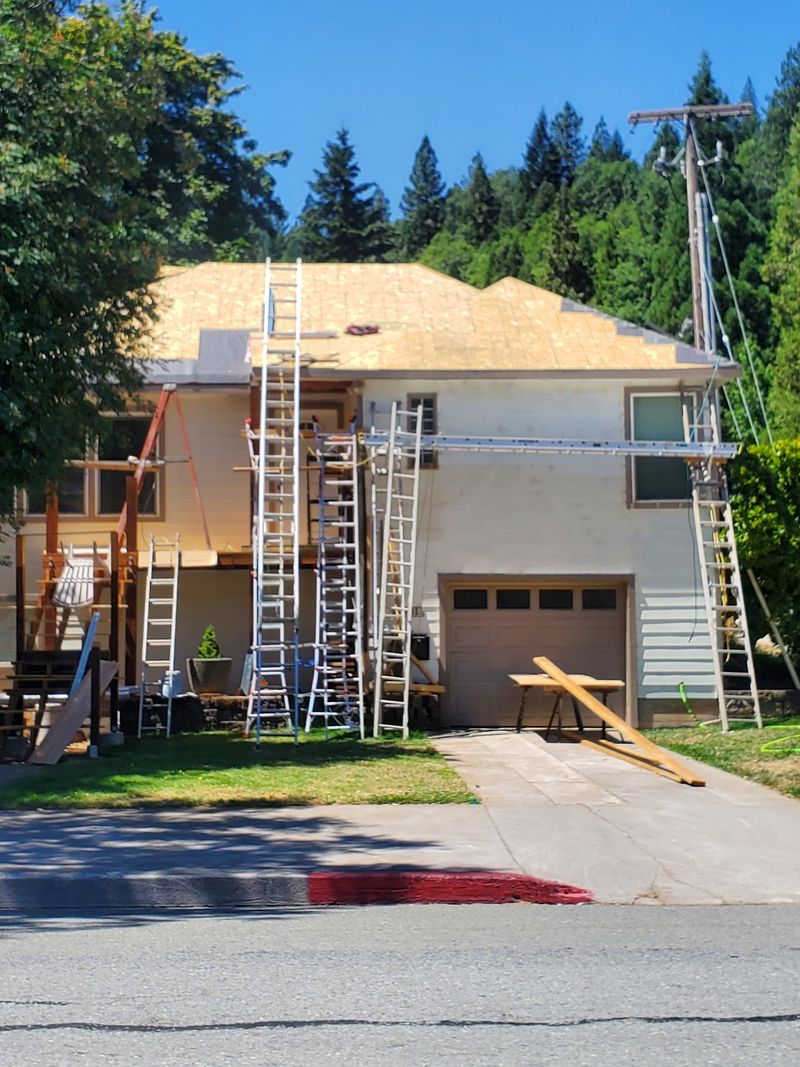
Sticker shock works in reverse when looking at local home values. The 2024 ACS 5-year estimate puts the median value of owner-occupied homes in Dunsmuir at about $279,000.
The comparable California figure sits around $734,700, more than two and a half times higher. Lower values connect directly to the income story.
When households earn less, local housing costs usually settle at a level that fits the area. Older homes, a remote location, and limited job options also shape prices.
Many houses in town are modest and older, often built during the railroad years. Some sit on hillsides with steep driveways or stairs, which is common in a canyon setting.
Snow, wildfire risk, and maintenance needs are real factors for anyone thinking about life here.
Insurance and repair costs can add up in mountain communities. Wildfire concerns have made coverage harder to find in parts of Northern California.
Anyone curious about moving should research those details carefully rather than focusing only on the purchase price.
Census figures are estimates based on survey responses, not sale listings. Actual prices can change quickly with market conditions.
Still, the comparison shows how different daily costs may be in a small northern town compared with the big cities most people picture when they think of the state.
Context That Changes The Income Story
Low income and widespread hardship are not automatically the same thing.
Census data estimates the poverty rate in Dunsmuir at about 11.4 percent. The comparable California rate sits near 12 percent, which places the town slightly below the state.
A median income far under the state average might suggest deep struggle, yet the poverty numbers tell a more balanced tale. Lower housing costs and a different mix of households help explain the gap.
Many residents are retirees who may live on savings, pensions, or Social Security. Those sources can show up as lower yearly income even when someone owns a paid-off home.
Smaller households also tend to report smaller totals than families with two working adults.
Poverty thresholds are set nationally, not adjusted for local prices in the official measure. That means a household in an expensive city and one in a cheaper mountain town face the same cutoff.
Small samples also bring wider margins of error. The poverty estimate for a town this size could shift noticeably with updated surveys.
Treating the numbers as helpful clues rather than final verdicts gives a fairer understanding of a community that seems to get by in its own steady way.
An Older Crowd Than The Rest Of The State
Gray hair and relaxed schedules are a familiar sight around town.
Census estimates put the median age in Dunsmuir at about 49.1 years. Statewide, the comparable median age is around 37.9, a gap of more than a decade.
An older population shapes daily life in many small ways. Retirees often choose mountain towns for clean air, lower costs, quiet streets, and outdoor scenery.
Age also links back to the income numbers. People who have stopped working full-time often report lower yearly income, even if they have savings or own their homes outright.
That pattern helps explain why the median income looks low without signaling major hardship.
Visitors may notice the effects too. Businesses might keep shorter or seasonal hours, and the overall pace can feel slower than in a busy city.
Patience and friendly conversation tend to go a long way at local shops and cafés.
Community events, volunteer groups, and gardens often rely on longtime residents who give their time. The botanical gardens are one good example of that spirit.
A town with deep roots can feel welcoming to travelers who slow down, say hello, and respect the quiet rhythm of places where many neighbors have known each other for years.
A Worthy Break From The I-5 Grind
Long stretches of Interstate 5 can blur together after a few hours behind the wheel. Dunsmuir offers a refreshing reason to exit and stretch for a while.
The freeway passes right through the canyon, so reaching town takes only minutes from several exits.
A quick plan might start at Hedge Creek Falls for a short walk and a peek behind the water.
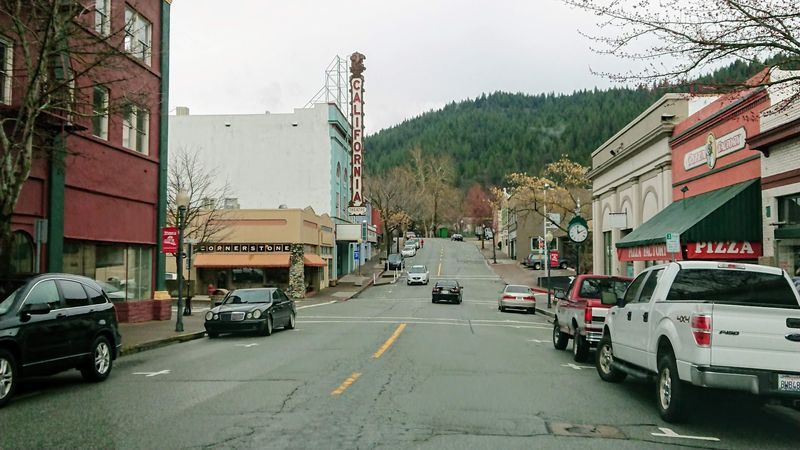
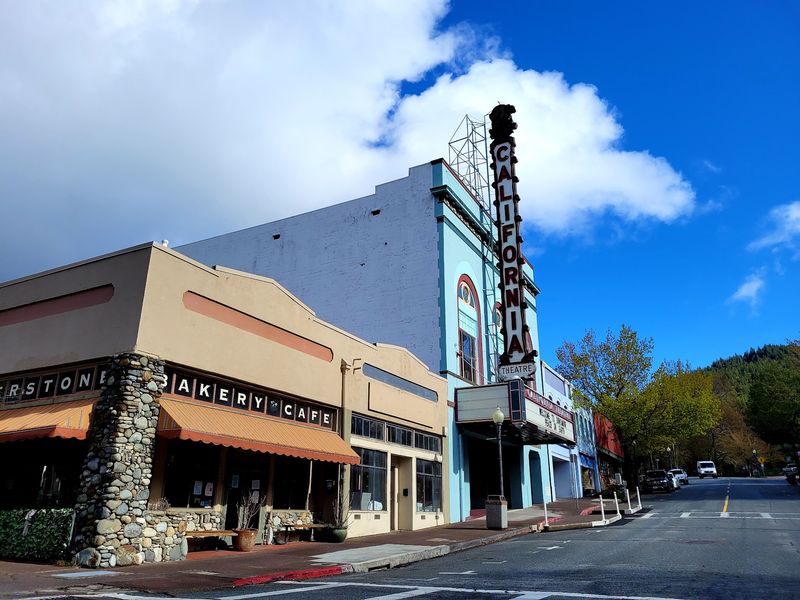
Next, a stroll through the historic downtown shows off early 1900s buildings and plenty of railroad character. A stop by the river or the botanical gardens can round out the visit.
Travelers with more time have extra choices. Castle Crags State Park sits just south for a longer hike, and Railroad Park Resort offers a fun overnight option in a caboose.
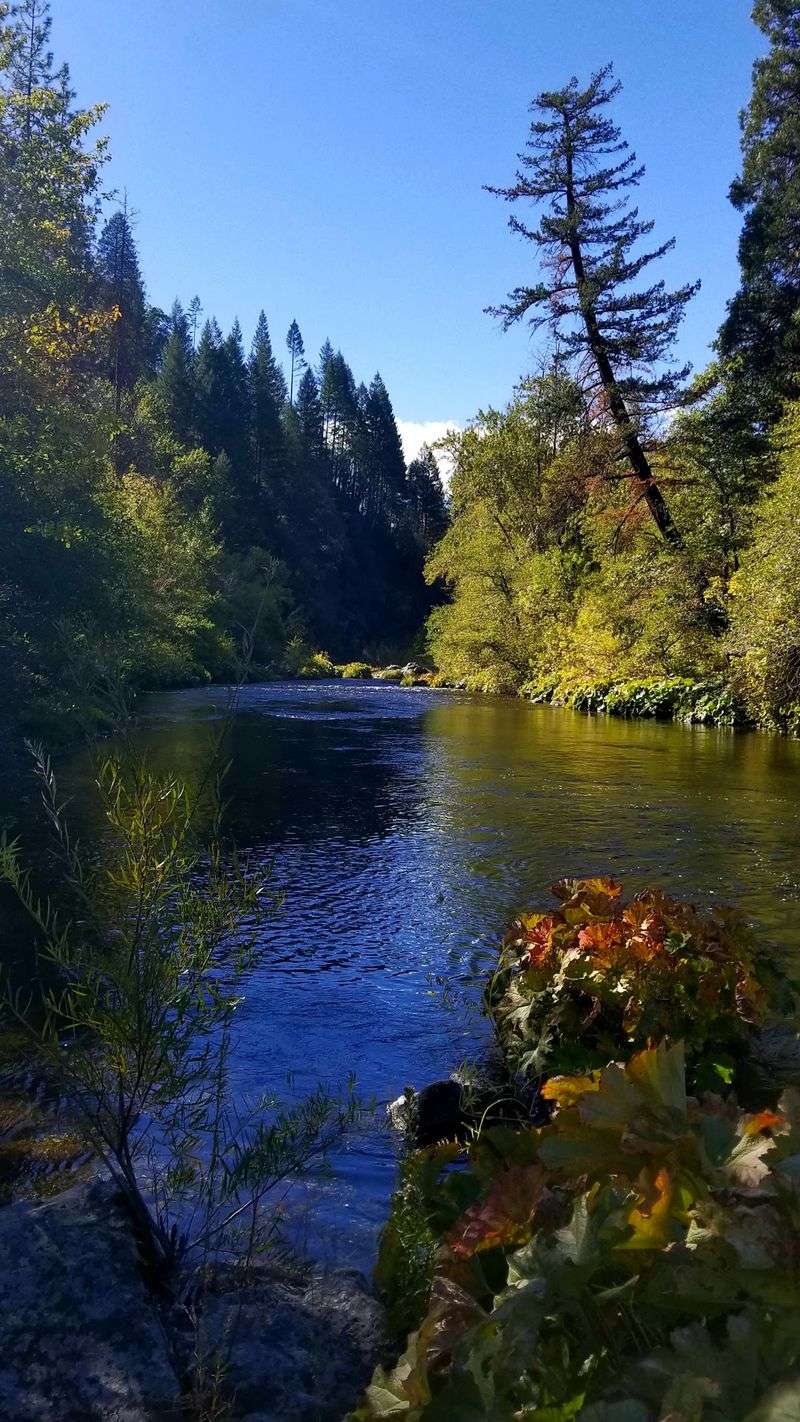
Anglers may want to pack gear for the Upper Sacramento River.
Practical details make the stop smoother. Gas, food, and restrooms are available, though selection is smaller than in a big city.
Winter travelers should check road conditions, since snow can affect the mountain sections of the interstate.
Refilling water bottles with the famous local tap water makes a simple, free souvenir. Even a one-hour break can turn a tiring drive into a memorable day.
Small towns like this one are easy to miss and genuinely rewarding to find.
A River Canyon Setting Beneath Mount Shasta
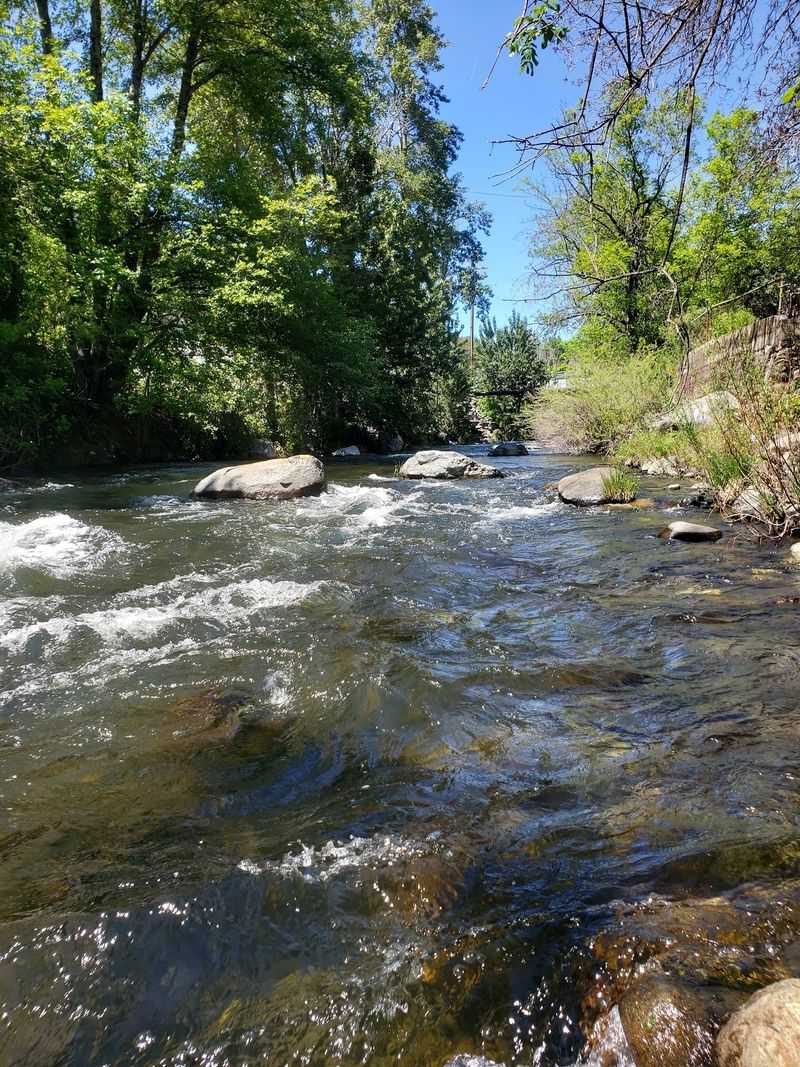
Cold, clear water rushes right through the middle of town. Dunsmuir sits along the Upper Sacramento River in a steep, forested canyon in the Trinity Mountains, with Mount Shasta rising to the north.
The setting feels dramatic without being hard to reach, since the freeway runs along the canyon too.
Tall conifers crowd the slopes, and the river splashes over boulders in many stretches.
On warm days the air near the water often feels noticeably cooler than the pavement a few blocks away.
Views of Mount Shasta pop up from certain overlooks and roads around the area. Weather plays a big role in visibility, so clouds or wildfire smoke can hide the peak on some days.
Patience and flexible plans tend to pay off for anyone hoping for a clear photo.
Elevation here sits around 2,300 feet, which means real seasons. Winters may bring snow and icy roads, and summers can turn hot in the afternoon.
River safety matters too. Currents can be strong and rocks slippery, especially during snowmelt.
Enjoying the water from the bank or a stable spot is often the wisest choice for families with young kids.
Rails That Built A Canyon Town
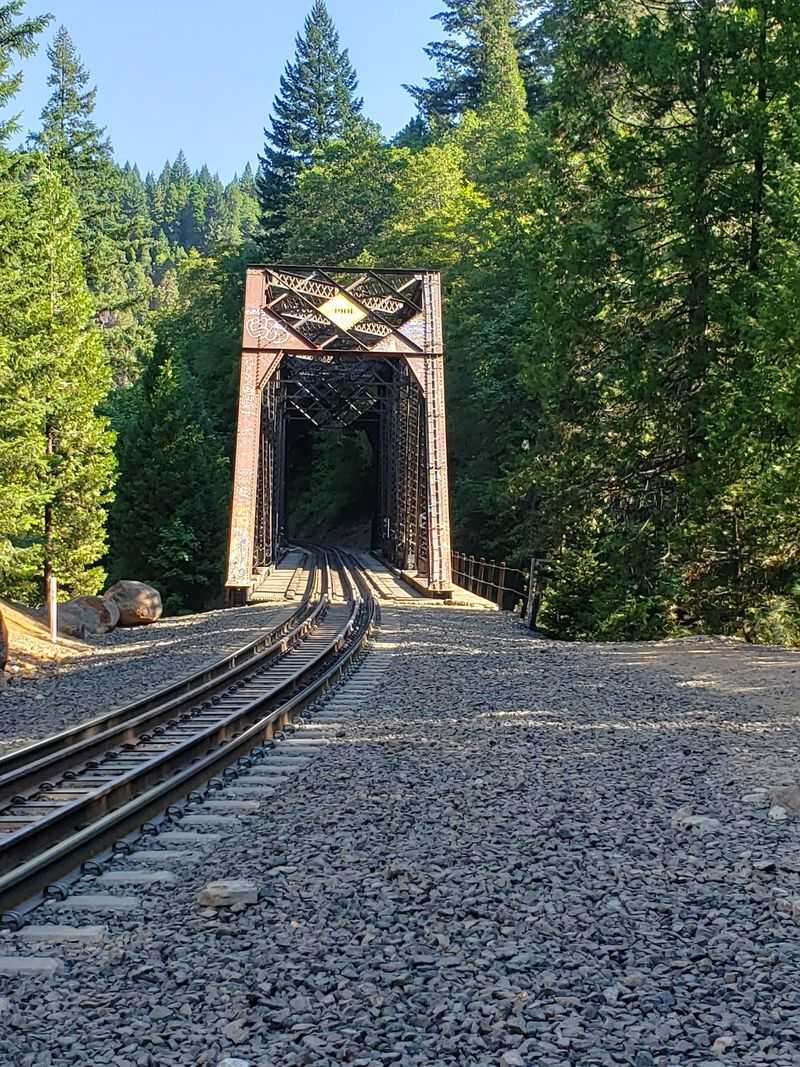
Long before road trippers arrived, steam locomotives set the rhythm of daily life here. Dunsmuir grew up in the 1880s as a division point for the Southern Pacific Railroad.
Steep grades heading north meant extra engines were needed to push trains uphill, and the town became a busy railroad hub.
For decades the railroad was a major employer. Workers repaired engines, managed freight, and kept trains moving through the rugged canyon.
Their paychecks helped build homes, shops, and hotels along the main streets.
The historic downtown still reflects that era. According to the City of Dunsmuir, many commercial buildings date largely from the early to mid-1900s.
Brick fronts, older signs, and tall windows give a strolling visitor plenty to look at.
Trains still pass through today, and Amtrak’s Coast Starlight stops at the town’s station. Hearing a horn echo off the canyon walls adds real character to an afternoon walk.
Changes in railroad technology later reduced the number of local jobs. That shift helps explain part of the town’s lower income levels today.
The past remains visible in the architecture and in the quiet pride locals tend to show for their rail heritage.