This Charming Georgia Mountain Town Has Residents Saying Tourism Changed Everything
I once asked a local shop owner what her town was like before the tourists came. She laughed and said it barely existed at all.
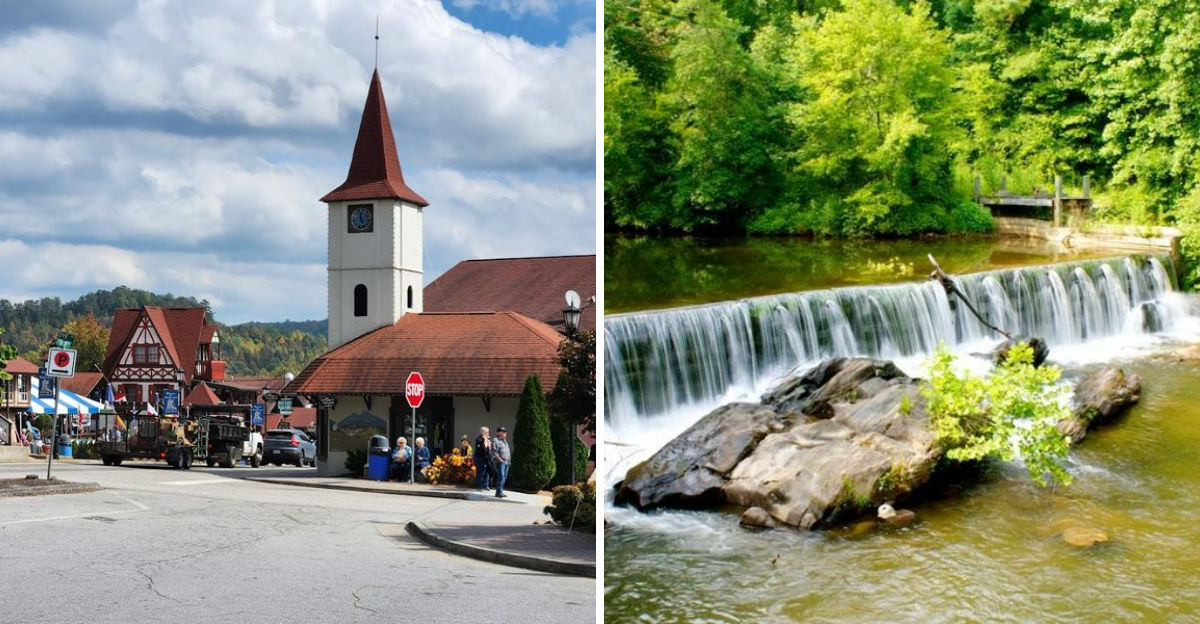
That answer stopped me cold. I was standing on a street that looked like it belonged in the Alps, not in the Georgia mountains.
Painted storefronts. Steep rooftops.
Flower boxes on every window. Fifty years ago, none of it was here.
The town was fading fast, and the people who lived there knew it. So they made a decision that sounded crazy at the time.
They reinvented the entire place. Today, millions of visitors show up every year, and residents will tell you tourism saved their home.
Few towns in Georgia have a comeback story this dramatic. I heard it firsthand, and I still think about it.
From Logging Town To Bavarian Dream
Nobody reinvents themselves quite like a struggling mountain town with nothing left to lose. Back in 1913, this place was a rough-and-tumble logging and railroad hub, buzzing with timber workers and sawmill noise.
By the 1950s, the old-growth trees were gone. The sawmill shut down, the railroad packed up, and the population quietly disappeared.
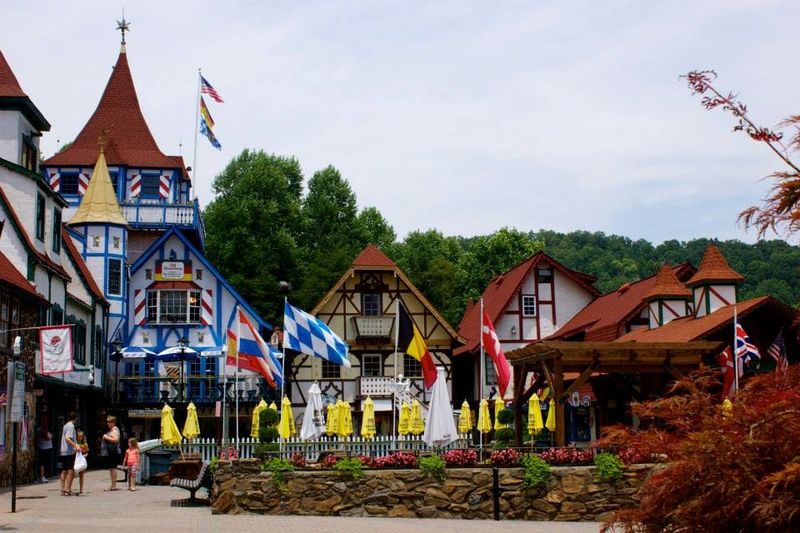
Then came one of the boldest small-town comebacks in American history. Local businessmen teamed up with artist John Kollock to sketch out something wild: a full Bavarian Alpine makeover for every building in town.
Zoning codes were written to enforce the German-inspired designs. Storefronts got steep roofs, wooden trim, and painted murals overnight.
The gamble paid off spectacularly. Visitors started showing up, then kept coming back.
Today, Helen, Georgia stands as the state’s third most visited city, trailing only Atlanta and Savannah.
That is not a small achievement for a town of roughly 500 people. The transformation proves that a bold idea, executed with community commitment, can rewrite a town’s entire future.
The Numbers Behind The Magic
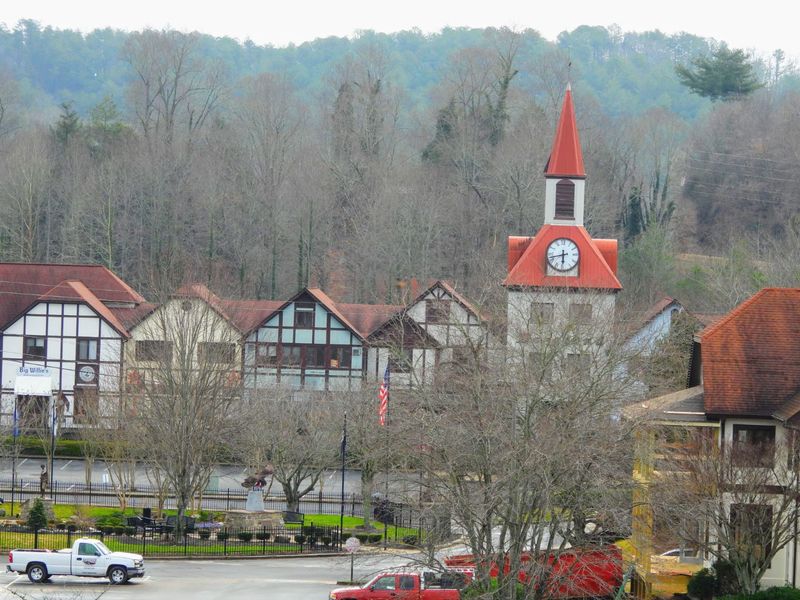
Some towns dream of drawing a crowd. This small town is widely reported to draw well over a million visitors a year.
That is a staggering number for a place where fewer than 550 people actually live full-time. Tourism brings major spending into White County’s economy, with some estimates placing the impact above $100 million.
Think about that math for a second. One small mountain village generates nine-figure revenue, fueled almost entirely by its unique personality and clever reinvention.
The town supports over 150 shops and around 40 restaurants. That is roughly one business for every three residents, which is almost impossible to wrap your head around.
Peak seasons get genuinely crowded. Parking fills fast, sidewalks buzz, and restaurants run long waits on weekends.
But the economic engine keeps running because the product is genuinely fun. Visitors keep returning because the experience delivers something different from a standard American road trip.
The revenue also helps fund local infrastructure, schools, and services that a town this size could never afford on its own. Tourism here is not just a bonus.
It is the entire foundation the community stands on every day.
Oktoberfest That Goes On Forever
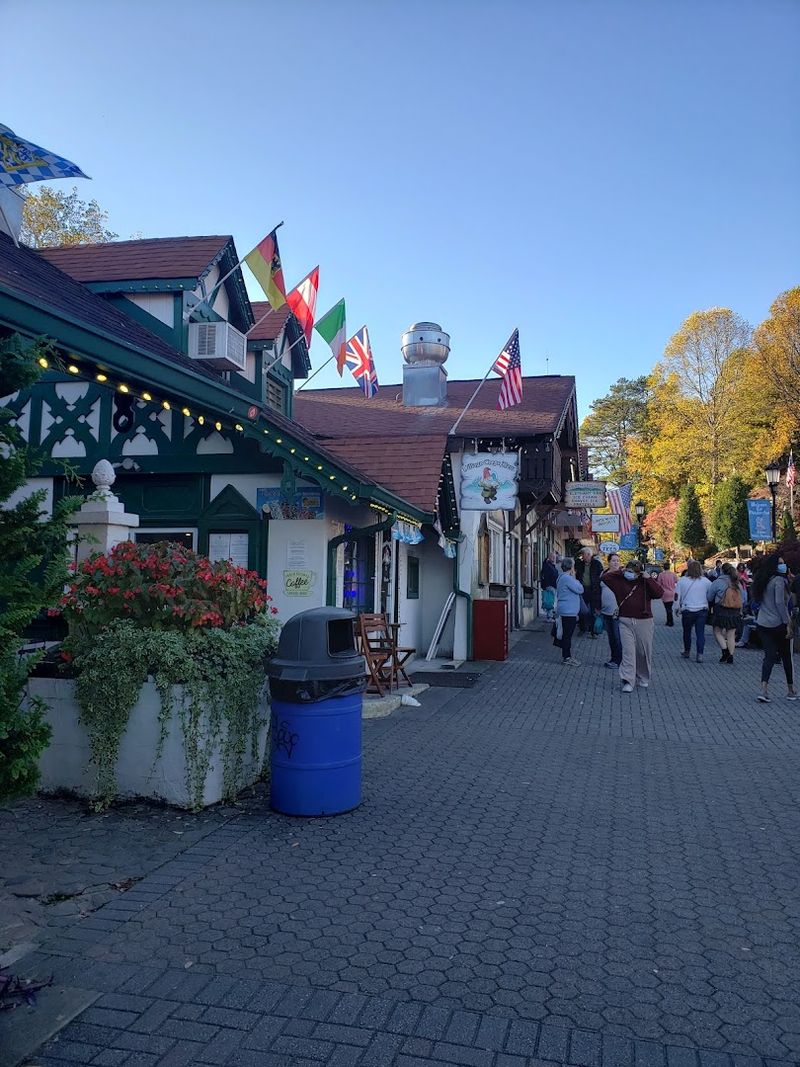
Most Oktoberfest celebrations last a weekend. This one runs from mid-September all the way through late October.
That extended stretch makes it one of the longest-running Oktoberfest events in the entire United States. Thousands of people pour in each weekend to celebrate with food, music, and mountain scenery.
The festival fills the streets with energy that feels genuinely festive rather than forced. You can feel the excitement in the air from the moment you cross into town.
Beyond Oktoberfest, the event calendar stays packed. The Lighting of the Village transforms the town into a glowing winter wonderland every holiday season.
The Christkindlmarkt brings a European-style Christmas market experience right to the Georgia mountains. Families walk between stalls browsing handmade goods under strung lights.
Extending the festival season was actually a strategic business decision. Town leaders recognized that a longer event calendar meant steadier revenue before the quiet winter months arrived.
Smart planning keeps the local economy breathing through seasonal shifts. The result is a town that feels alive and celebratory for nearly half the calendar year, which keeps both residents and visitors genuinely happy.
An Alpine Coaster And A Surprise Castle
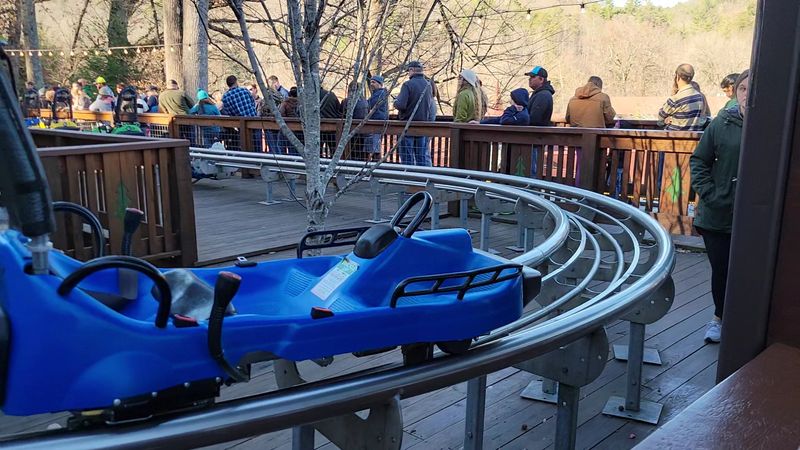
Not every mountain town has a castle. This one does, and it opened to visitors in 2023.
For thrill-seekers, the Georgia Mountain Coaster delivers a different kind of excitement. It was the first alpine coaster in the entire state, sending riders down a winding track through forested mountain terrain.
The coaster is not a theme park ride. It is a genuine mountain experience with real elevation changes and sweeping views between the trees.
Nora Mill Granary is one of the most historically grounding stops nearby. It is an authentic working grist mill that has been grinding grain for generations.
You can actually buy stone-ground cornmeal and grits directly from the mill. That kind of hands-on history makes the area feel layered and real, not just decorative or themed for tourist consumption.
What Residents Actually Experience
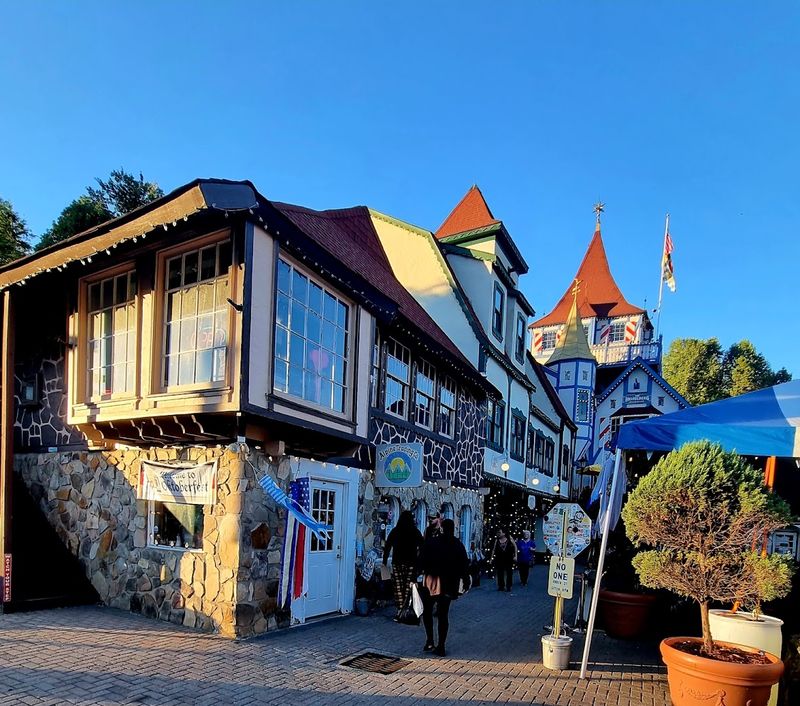
Living in one of Georgia’s most visited cities is not quite what it sounds like from the outside. With roughly 430 to 531 full-time residents, the town is outnumbered by tourists on almost every weekend of the year.
Employment options outside the service and hospitality sector are genuinely limited. Most local jobs are tied directly to the tourism economy, which shapes the entire community’s rhythm and routine.
Peak seasons bring real congestion. Streets that feel charming on a Tuesday morning transform into shoulder-to-shoulder crowds by Saturday afternoon in October.
Residents have adapted by building strong habits around local shopping during quieter months. Supporting neighborhood businesses in January and February keeps the community financially stable through the slow season.
The trade-off is complicated but honest. Tourism funds services, infrastructure, and opportunities that a town this size could never generate independently.
Local identity is something residents hold carefully. The Bavarian theme was always a business strategy, but the mountain culture, Cherokee heritage, and gold mining history beneath it are genuinely theirs.
Community pride runs deep here. Residents understand the bargain they made and, for the most part, they stand behind it with real conviction and a practical sense of gratitude.
The Quiet Season Nobody Talks About
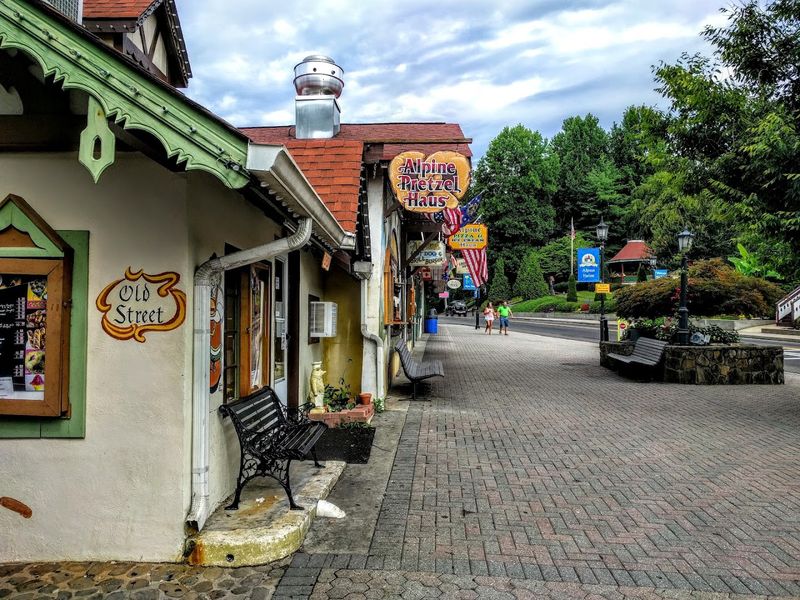
January through April is when the real town shows itself. The crowds thin out, the streets quiet down, and the mountain air carries a completely different kind of energy.
Business owners describe this stretch as the most challenging part of the year. Revenue drops sharply after the holiday season ends, and the months feel long for anyone running a shop or restaurant.
The extended Oktoberfest calendar was partly invented to solve this exact problem. A longer fall festival season generates enough revenue to buffer the slow winter months ahead.
Locals use the quiet period for maintenance, renovation, and rest. Buildings get repainted, menus get updated, and the community catches its breath before spring visitors start arriving again.
The shoulder season also offers a genuinely different visitor experience. Travelers who come in February find shorter lines, easier parking, and a more relaxed version of the town.
Prices at local accommodations tend to drop noticeably during the off-season. That makes it an underrated window for budget-conscious travelers who still want the full mountain experience.
The quiet months reveal what the town is really made of. Resilience, creativity, and a stubborn refusal to let a hard season define the whole year.
Adventure Starts Where The Shops End
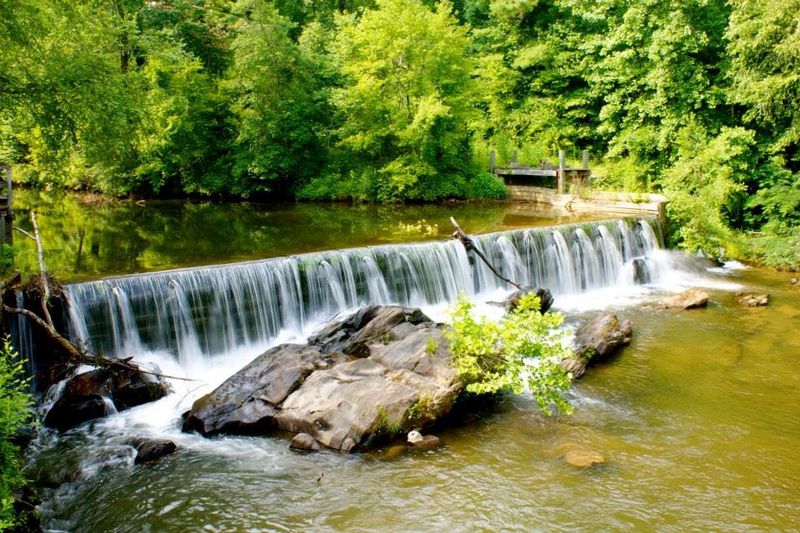
The Bavarian buildings get all the attention, but the mountains surrounding this town are equally spectacular. The Chattahoochee River runs right through the heart of the area, offering one of the most fun summer activities in Georgia.
Tubing down the river is practically a rite of passage here. You float along cool water with mountain forest on both sides, which is exactly as relaxing as it sounds.
Hikers have serious options too. Anna Ruby Falls rewards a short trail with a genuinely breathtaking double waterfall that surprises even seasoned outdoors people.
Raven Cliff Falls offers a longer, wilder hike through dense Chattahoochee National Forest. The payoff at the end is worth every uphill step.
Unicoi State Park sits just minutes away. It offers lake activities, camping, biking trails, and enough outdoor programming to fill an entire long weekend.
Smithgall Woods State Park provides a quieter, more reflective experience. Dukes Creek winds through the property, well-known among fly fishing enthusiasts across the Southeast.
The outdoor options here are not afterthoughts. They are a full second reason to visit, completely independent of the Bavarian theme that first draws people in.
Cherokee Heritage And Gold Rush History
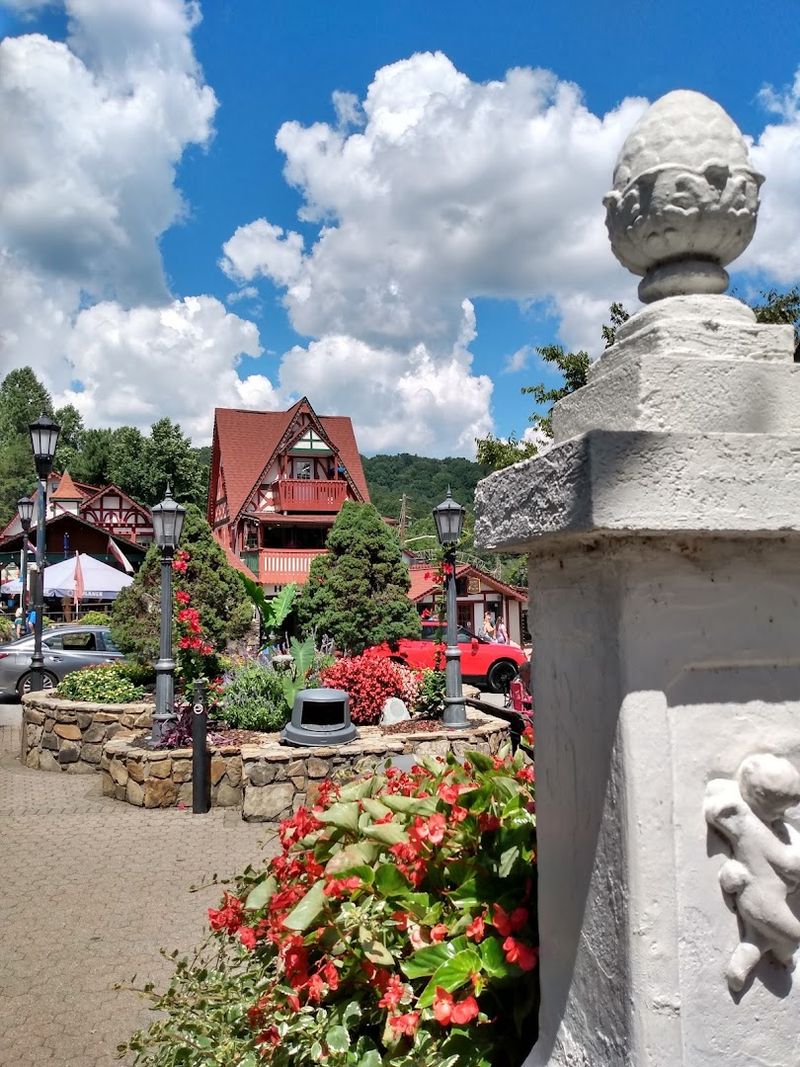
Beneath the Bavarian paint and steep rooftops lies a history that stretches back far longer than any German-inspired makeover. Long before Helen became a Bavarian-style village, this mountain valley was part of a much older Native and regional history.
The Nacoochee Indian Mound sits in the valley nearby and is recognized as a historically significant burial site, with graves believed to predate Cherokee occupation of the area.
Gold was discovered in this region decades before the famous California Gold Rush. The Georgia mountains drew fortune-seekers who changed the landscape and the demographics of the entire area.
Hardman Farm State Historic Site preserves an 1870 homestead that gives visitors a window into post-Civil War mountain life. The property sits near the mound, connecting multiple chapters of regional history in one place.
These layers of history make the area richer than its Bavarian surface suggests. The Cherokee story, the gold rush era, and the logging boom all shaped what eventually became a tourist destination.
Understanding that full timeline makes the town feel more honest and more interesting. You are not just visiting a themed village.
You are standing on ground that has been continuously reinvented for centuries.
The Architecture That Started It All
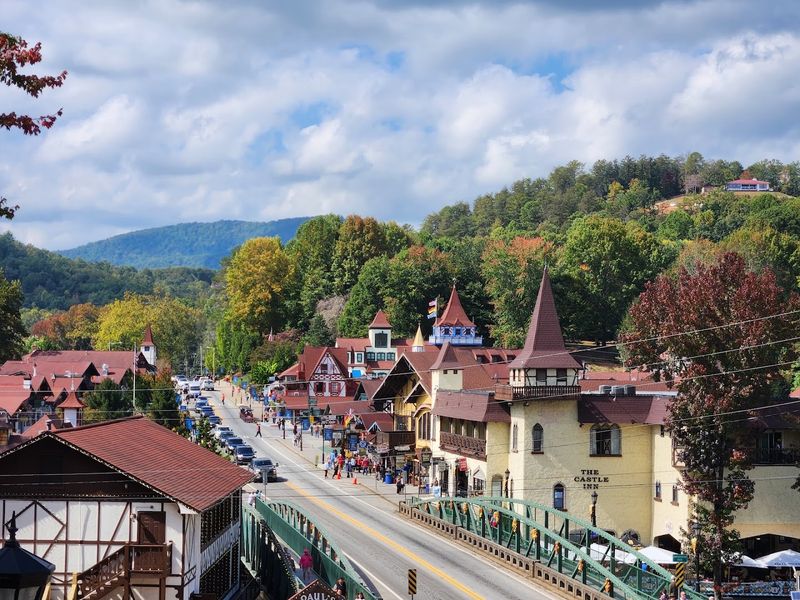
Few towns have ever changed their appearance so deliberately and so completely. When the Bavarian makeover began in the late 1960s, it was not cosmetic.
It was structural, legal, and total.
Zoning codes were rewritten to require German-inspired architectural design on all commercial buildings. That was not a suggestion.
It was law, and it shaped every storefront, roofline, and painted mural that followed.
Artist John Kollock sketched the original vision based on his memories of Bavarian villages. Local business owners took the drawings seriously and began converting their buildings almost immediately.
The result is a streetscape that genuinely surprises first-time visitors. Cobblestone paths, steep gabled roofs, intricate latticework, and hand-painted scenes create an atmosphere unlike anything else in the American South.
Some storefronts feature murals depicting both Bavarian landscapes and North Georgia mountain scenery. That blending of two visual cultures is subtle but meaningful, honoring both the theme and the actual geography.
The architectural consistency is what makes the experience feel immersive rather than piecemeal. One themed building among ordinary ones would feel like a novelty.
An entire themed town feels like a destination.
That distinction is exactly why the makeover worked when nothing else had. Commitment to the full vision made all the difference for this mountain community.
Why People Keep Coming Back
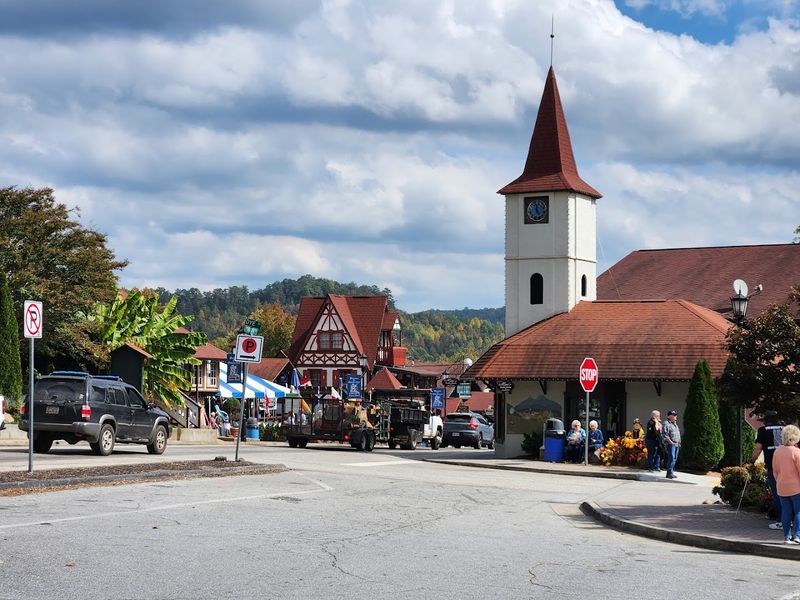
Repeat visitors are the truest measure of a destination’s staying power. This mountain town earns them consistently, year after year, across multiple generations of families.
The combination of outdoor adventure, cultural novelty, and festival energy creates a place that offers something genuinely different on each visit. You can tube the river in summer, hike to waterfalls in spring, and celebrate Oktoberfest in fall.
The Helen Welcome Center at 726 Bruckenstrasse, Helen, GA 30545 is a solid first stop for anyone planning a visit. Staff there can help map out itineraries across all seasons and activity levels.
Families with young children find the pedestrian-friendly streets and river access easy to navigate. Couples discover that the quieter shoulder seasons offer a surprisingly romantic atmosphere.
Adventure travelers use the area as a base camp for multi-day hikes through the Chattahoochee National Forest. The trail network extends far beyond what a single weekend can cover.
The town keeps evolving without losing its core identity. That balance between growth and authenticity is genuinely rare, and it is exactly what keeps people planning their next trip back.