This Charming Maryland Bookstore Has A Resident Cat, Rare Finds, And Shelves Of Fascinating Books
I only meant to browse for five minutes. A cat curled on the counter changed that plan completely.
She watched me with the calm confidence of someone who owns the place, which, in a way, she does. The shelves around her held more surprises than I expected, stacked floor to ceiling with titles I had never seen anywhere else.
Maryland has plenty of quiet corners, but this one felt different, like it was holding onto stories nobody had gotten around to telling yet. I picked up one book, then another, losing track of time completely.
An hour later I was still there, deep in conversation about rare editions and forgotten authors. Maryland rewards people who wander off the obvious path, and this little shop is proof.
I left with three books and a promise to myself to return soon.
A Storefront That Hides Its Real Size
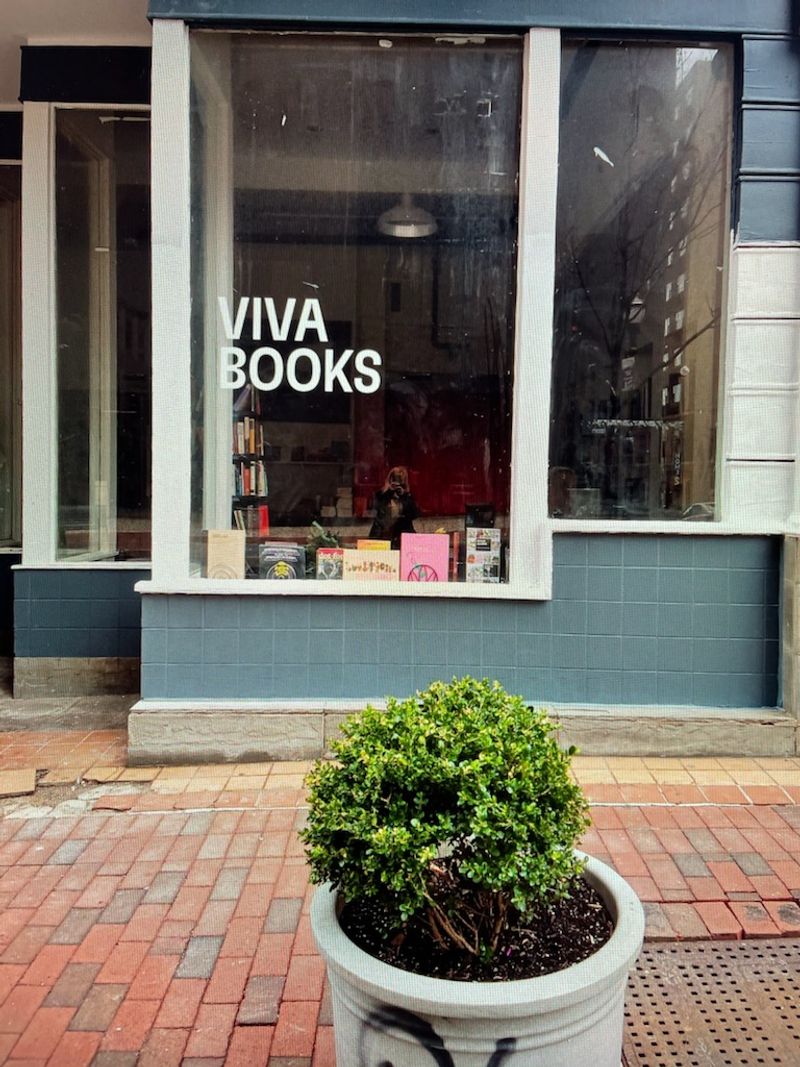
From the sidewalk, the shop reads as a single narrow window with books stacked behind glass. Nothing about it shouts for attention, and that is part of the appeal.
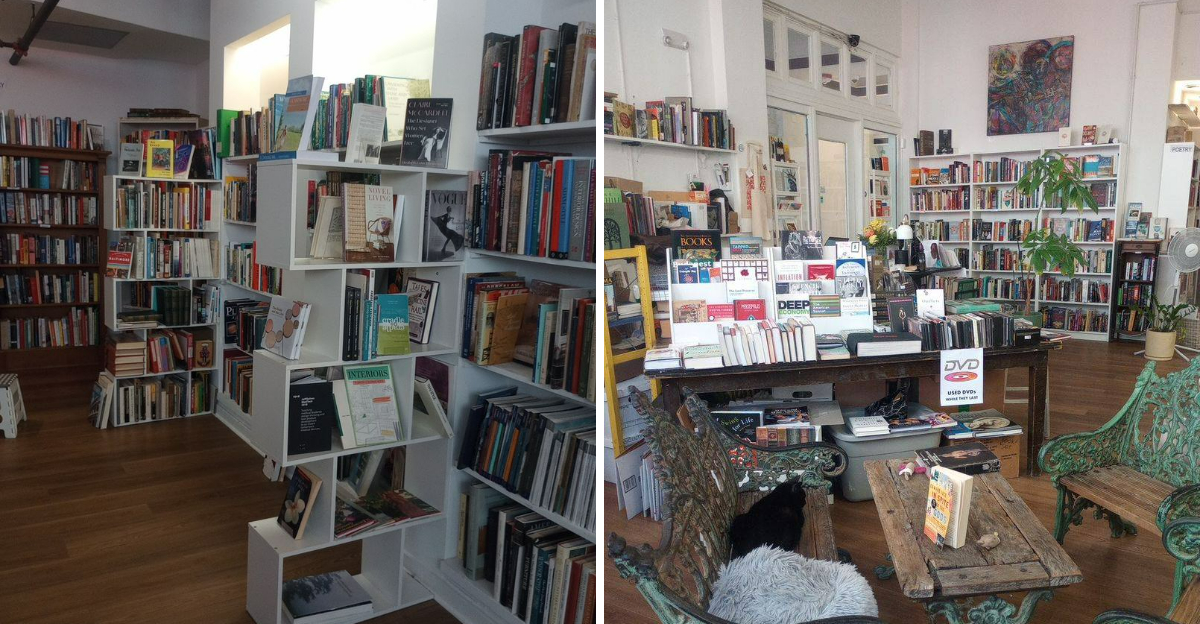
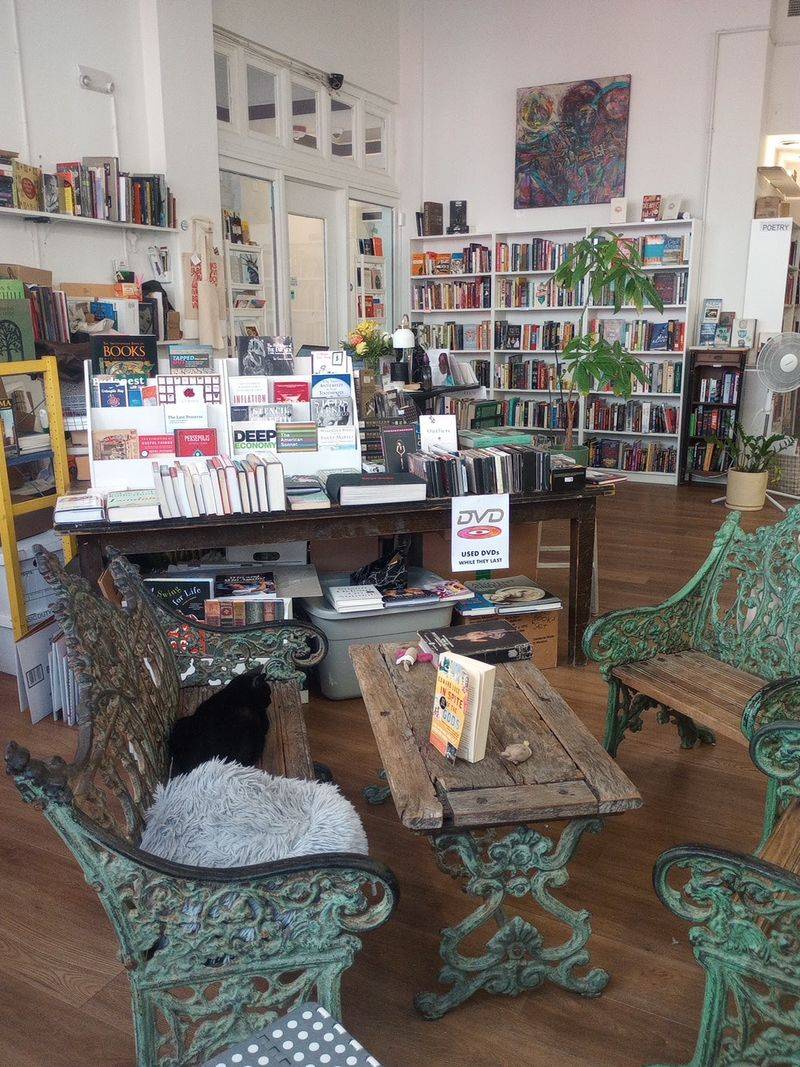
Step through the door and the space stretches back further than the front suggests. Shelves climb the walls, and the aisles feel snug rather than cramped.
The building itself carries some history. The store sits inside Brown’s Arcade, a handsome old structure on Charles Street just a short stroll from the Washington Monument.
Because the room is compact, browsing feels focused. You are not wandering a warehouse, you are scanning a curated wall where almost every spine earns its place.
I have visited plenty of bookshops that feel enormous and forgettable. Small rooms with real character stick in my memory far longer.
The Mount Vernon neighborhood adds to the mood, with brick sidewalks and old facades all around. It feels like the right setting for a shop full of secondhand paper.
If you want the exact coordinates, write this down. Viva Books sits at 326 N Charles St in Baltimore, Maryland, and it is easy to walk right past unless you are watching.
Meet The Cat Who Really Runs This Store
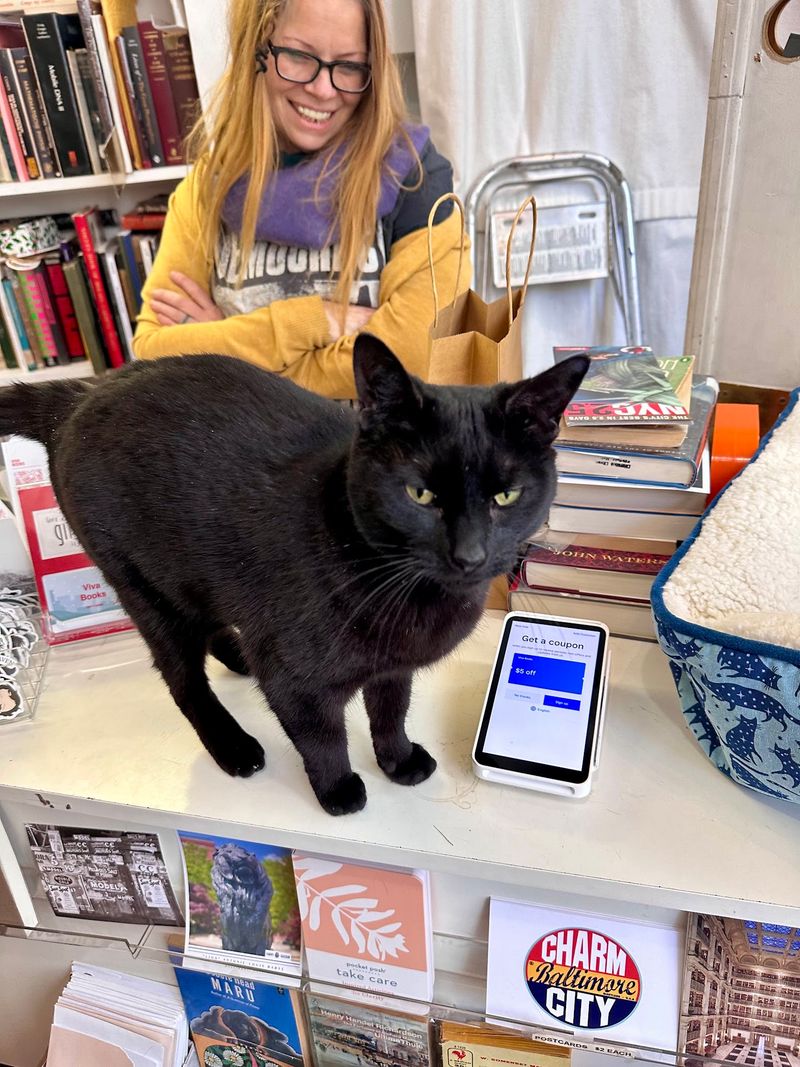
Every great bookstore needs a manager who never files paperwork. Here, that role belongs to a cat named Germaine.
Germaine is the official cat-in-residence, and visitors are welcome to offer a scratch behind the ears. She has a habit of appearing exactly when you are deep in a book description.
I watched her settle onto a shelf edge like it had been built for her. Honestly, it probably has been claimed that way for years.
There is something calming about a cat in a room full of paper. The whole space slows down, and browsing stops feeling like a task.
Shoppers often mention how affectionate she is, which is not always true of shop cats. Some tolerate you.
Germaine seems to enjoy the company.
If you are bringing kids along, this is a nice bonus. A friendly cat turns book shopping into something they actually look forward to.
Just remember she is a resident, not an attraction. Let her come to you, keep hands gentle, and she will usually stick around for a while.
She is easily the most photographed staff member in the building.
Used Art Books You Will Not Find Elsewhere
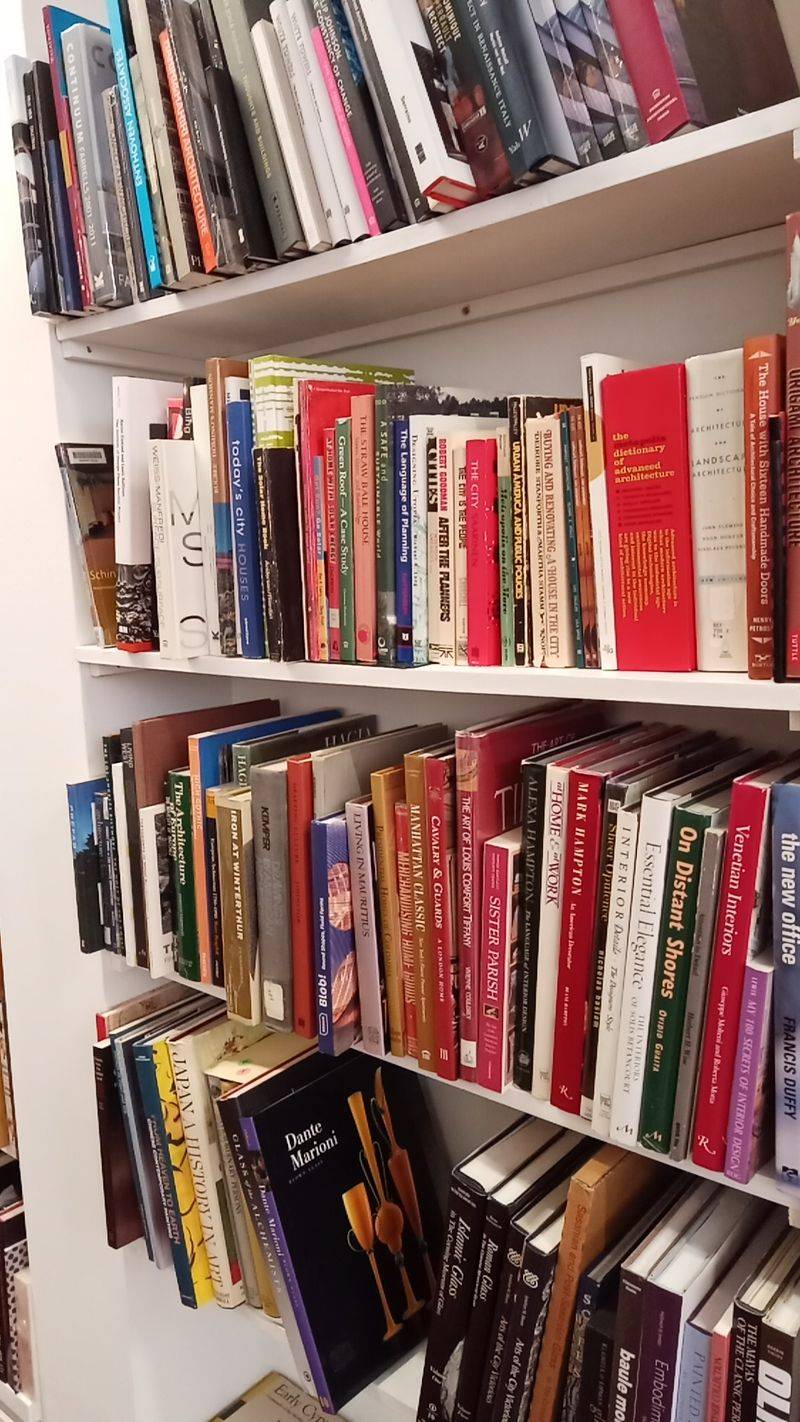
Art books are heavy, expensive, and usually out of print. That makes finding good used ones a genuine thrill.
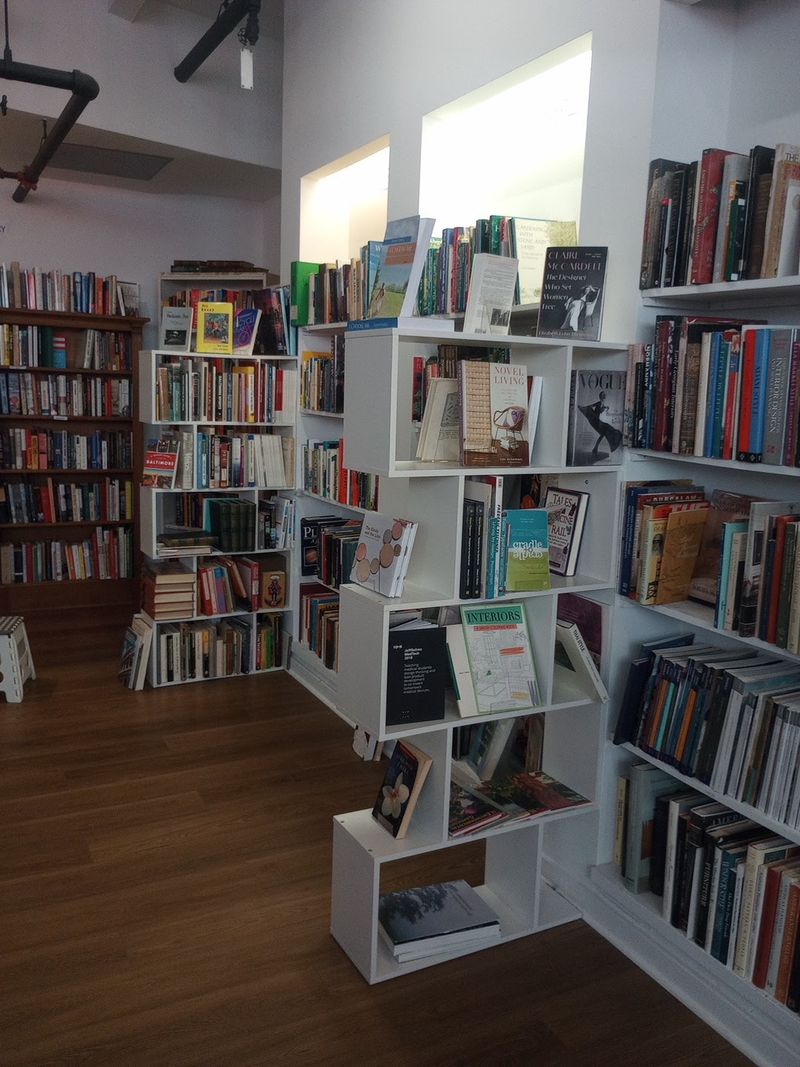
Used art books are a specialty here, and the selection reflects real knowledge rather than random luck. Monographs, exhibition catalogs, and architecture titles all share shelf space.
I flipped through one oversized volume with full color plates and checked the price twice. It was far kinder than I expected.
For anyone studying design, painting, or photography, secondhand art books are the smart move. The images do not expire, and older printings sometimes look richer than new editions.
The architecture titles deserve a slow look too. Old building surveys and design collections carry details you rarely see reprinted.
One tip worth remembering. Art books move quickly when they are priced fairly, so if a title grabs you, do not plan to return for it next week.
The owner brings an artist’s eye to the shop, which explains the thoughtful attention to dust jackets and condition. That perspective shows in what makes it to the shelf.
Bring a sturdy bag. These volumes have weight.
Rare And Hard To Find Titles Worth Hunting
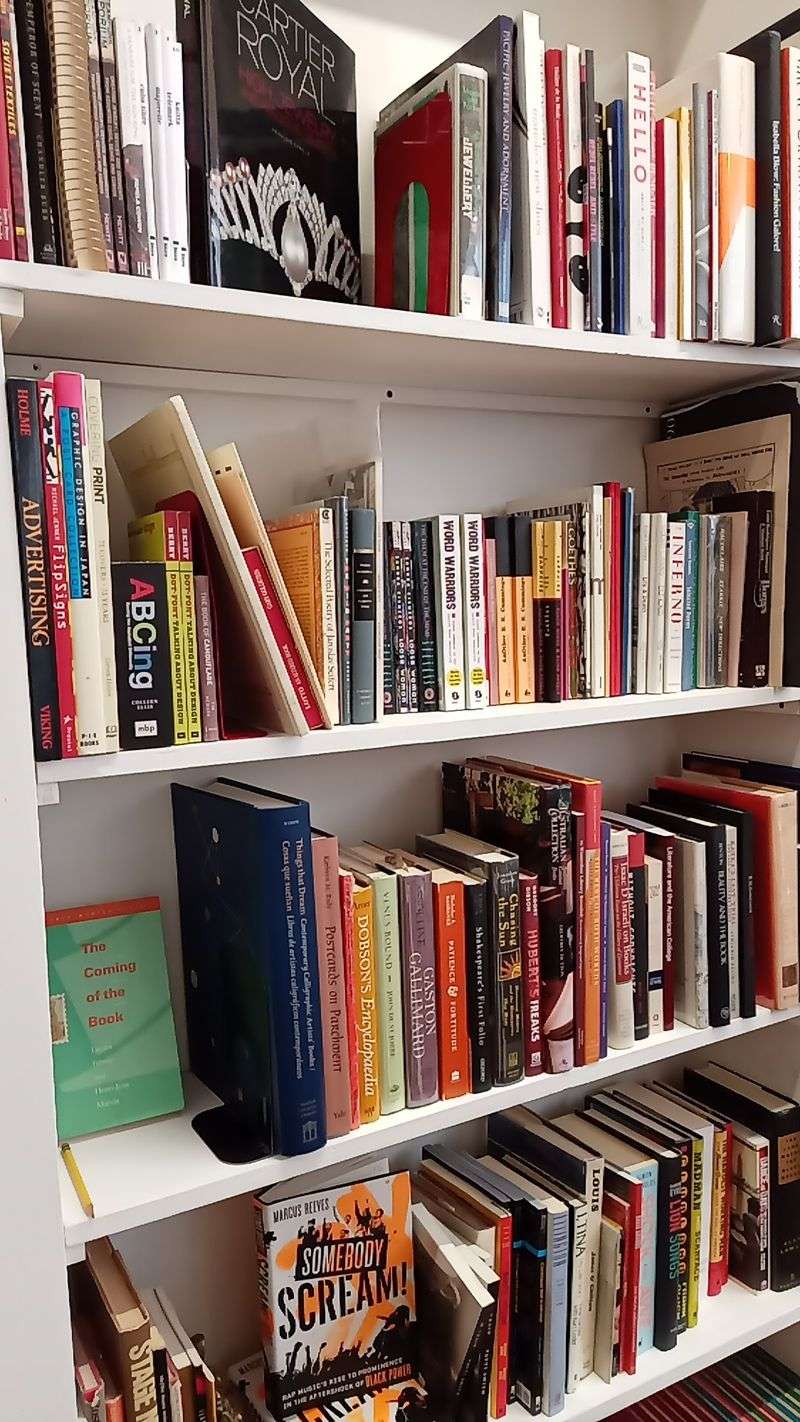
Hunting for out of print books usually means endless online searching and inflated prices. Here, the hunt happens with your own hands.
The inventory blends new, used, and hard to find titles, which means the shelves shift constantly. What you see today may be gone by the weekend.
People have walked out with Mesoamerican texts, physics dictionaries, and older literary editions. That range tells you plenty about the buying philosophy.
My favorite discovery method is simple. Start at one end of a shelf and read every spine, even the ones facing sideways.
Because the space is small, nothing gets buried the way it does in giant warehouses. Each section is manageable in a few minutes.
There are also bargain finds priced around a dollar, which makes experimenting easy. Grabbing an unfamiliar author costs almost nothing.
Herbalism and literature sections sit alongside the art collection, so the topics jump around in the best way. You might come for fiction and leave with a plant guide.
Rare does not always mean pricey. Sometimes it just means nobody else thought to keep it.
A Small Shelf With Big Music History
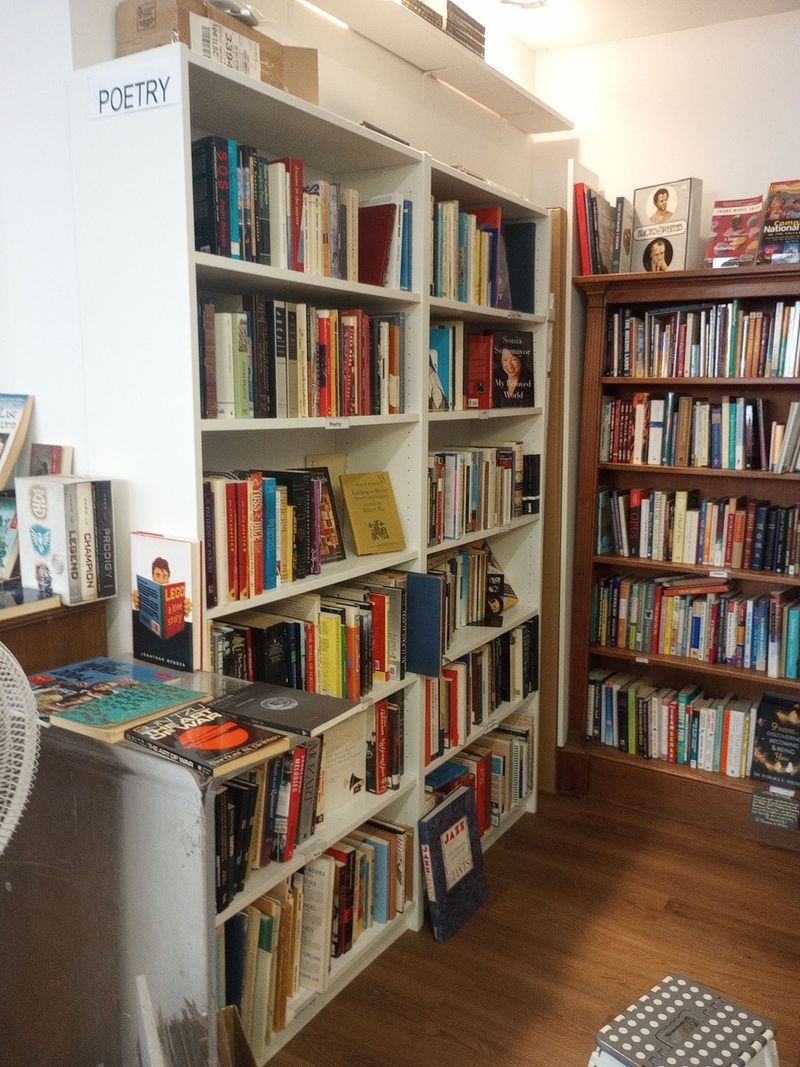
Some books are built for people who argue about albums. The 33 1/3 series is exactly that, one small book per record.
Copies here have included J Dilla’s Donuts, Miles Davis Bitches Brew, and Kendrick Lamar’s To Pimp a Butterfly. Three very different eras, all on the same shelf.
Each volume digs into how one album came together. They are short, pocket sized, and shockingly easy to finish in a sitting.
I picked one up planning to skim and read forty pages standing up. That is the trap with these books.
If you know somebody who talks endlessly about production or sampling, these make excellent gifts. Cheap, specific, and impossible to guess.
The presence of this series says something about the store’s taste. It is not just literary classics and coffee table volumes.
Music writing sits comfortably beside art and philosophy here, which feels right for a city with deep musical roots.
Pair one with a record and you have a solid weekend planned. Reading about an album while hearing it changes how it lands.
Curation That Feels Like A Personal Recommendation
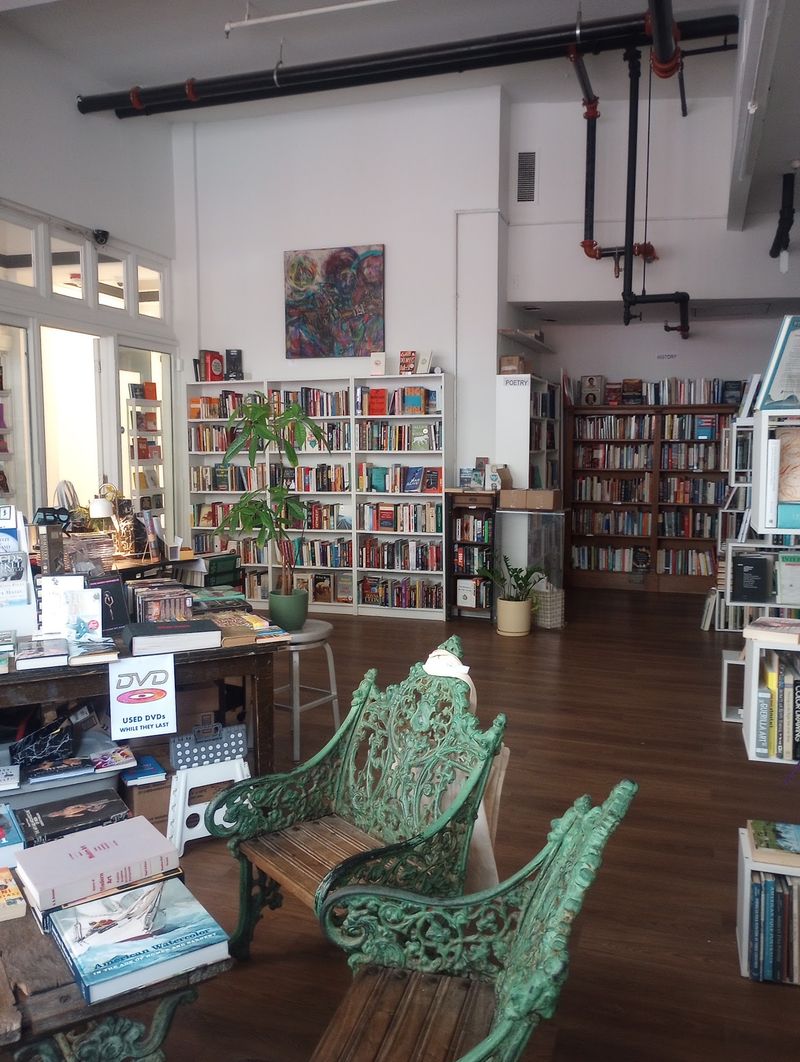
There is a difference between a store that stocks books and a store that chooses them. The difference is obvious within two minutes here.
Sections are arranged with clear logic, and the mix leans eclectic without feeling messy. African literature, philosophy, comics, and children’s books all have their corners.
What surprised me was how often unfamiliar titles caught my eye. That happens when someone has already filtered out the filler.
The owner is known for helping visitors find specific sections and offering thoughtful suggestions. Ask a question and you get a real answer, not a shrug toward a computer.
Browsing carries no pressure at all. Nobody hovers, and lingering is clearly expected behavior.
Prices stay reasonable across the board, with multiple price points on most shelves. You can spend five dollars or fifty and feel equally satisfied.
My advice is to arrive without a shopping list. Places like this reward wandering more than searching.
Even the small extras get attention, including Edgar Allan Poe inspired postcards. Poe has Baltimore history, so the nod fits neatly.
This Shop Comes Alive After Hours
A bookstore gets interesting when the books start talking back. Events here do exactly that.
Author talks, literary gatherings, and live music performances happen regularly. In a small room, that means you are practically sitting with the performer.
Many of these events run in collaboration with the neighboring shop, Stem and Vine. Sharing space keeps the programming lively and the crowds comfortable.
I like small venues for readings because questions actually get answered. Nobody is shouting from row thirty.
The community focus here is genuine rather than decorative. Local writers and musicians get real stage time, not just a mention on a flyer.
If you plan to attend something, check the website first. Event nights can change the usual rhythm of the room.
Live music among bookshelves sounds odd until you hear it. The paper softens everything and the acoustics turn warm.
Bringing a friend who claims bookstores are boring is a fun experiment. Music and conversation usually change their mind fast.
Arrive a little early if seating matters to you. Space fills quickly when the room is this cozy.
Planning Your Visit Without Overthinking It
Good visits start with decent timing. Weekend mornings tend to be the calmest window for browsing.
The shop opens at 11 AM Monday through Friday, and at 9 AM on Saturday and Sunday. The shop closes at 7 PM Sunday through Friday and at 9 PM on Saturday.
Hours have shifted over time, so a quick check of the website before heading out saves frustration. Small shops adjust schedules as needed.
Debit and credit cards are accepted, and the space is wheelchair accessible. Both details make spontaneous stops easier.
Parking downtown takes patience, so plan for a short walk. The surrounding streets are pleasant enough to make that part enjoyable.
Since the Washington Monument sits nearby, pairing a visit with a neighborhood stroll works nicely. Mount Vernon rewards slow walking.
Bring cash for the bargain shelves if you like, though cards work fine. Either way, leave room in your bag.
My last piece of advice is simple. Give yourself an hour minimum, because thirty minutes disappears before you reach the second wall of books.