This Charming Thrift Shop In Los Angeles, California Is A Thrifter’s Dream
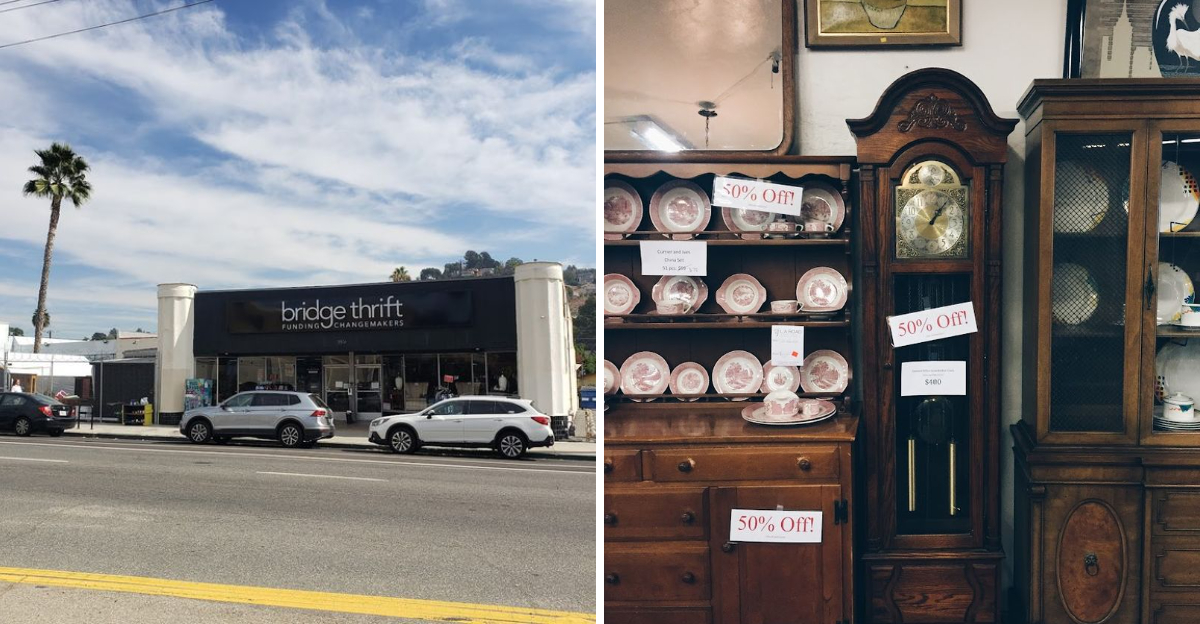
Some thrift stores feel like a quick stop. Others pull you in and make you stay longer than planned.
The racks feel endless. The finds feel unpredictable. And that is exactly what keeps the experience exciting from the first minute.
There is a different kind of energy here. Every item has a story. Every section holds something you did not expect to see.
You move slower without realizing it. You start noticing details. Then you find something that feels like it was meant to be yours all along.
It goes beyond the thrill of a good find. There is purpose behind it. Every purchase carries weight in a way that feels real and easy to connect with. That kind of shopping experience does not come around often.
Thrift shopping in California rarely feels this meaningful.
Bridge Thrift brings that feeling together with a mix of vintage pieces, everyday essentials, and a mission that adds something deeper to the experience. Read on to see what makes it stand out.
Two Convenient Locations Across Los Angeles Neighborhoods
Having two locations spread across distinct LA neighborhoods means Bridge Thrift is accessible to a wider range of shoppers across the city.
The Glassell Park location sits at 3516 N Eagle Rock Blvd, Los Angeles, CA 90065, positioned along a stretch known for its mix of local businesses and residential blocks.
The Highland Park location is found at 5817 N Figueroa St, Los Angeles, CA 90042, another neighborhood with a strong community identity.
Both stores carry their own inventory and atmosphere, so visiting one does not mean the other will feel like a repeat experience.
Shoppers who have been to both locations often note that the selection differs enough to make each trip feel fresh.
Glassell Park tends to attract shoppers from nearby Glendale and Eagle Rock, while Highland Park draws from its own surrounding community.
Knowing both addresses ahead of time makes it easier to plan a thrifting route through the area.
Checking each location’s hours before heading out is a smart move since the two stores have slightly different Sunday schedules that could affect a visit.
A Mission-Driven Model That Sets Bridge Thrift Apart
Not every thrift store can say that shopping there directly funds local changemaker organizations, but Bridge Thrift can.
The store operates as a for-profit corporation with a stated commitment to donating 100% of its net profits to community-focused groups working in Los Angeles.
That structure is a bit unusual and worth understanding before a first visit.
The idea behind the model is that sustainable shopping and community investment can work together rather than separately.
Donated items are priced and sold, and the proceeds flow back into organizations making a difference at the neighborhood level.
Shoppers who care about where their money goes tend to find that setup genuinely appealing.
Bridge Thrift is transparent about its mission on its website at bridgethrift.com, where more details about its partner organizations and community goals are available.
For anyone who wants their thrift habit to carry a little extra meaning, that combination of secondhand shopping and local impact could make Bridge Thrift a regular stop on the LA circuit.
Store Hours Worth Knowing Before The Trip
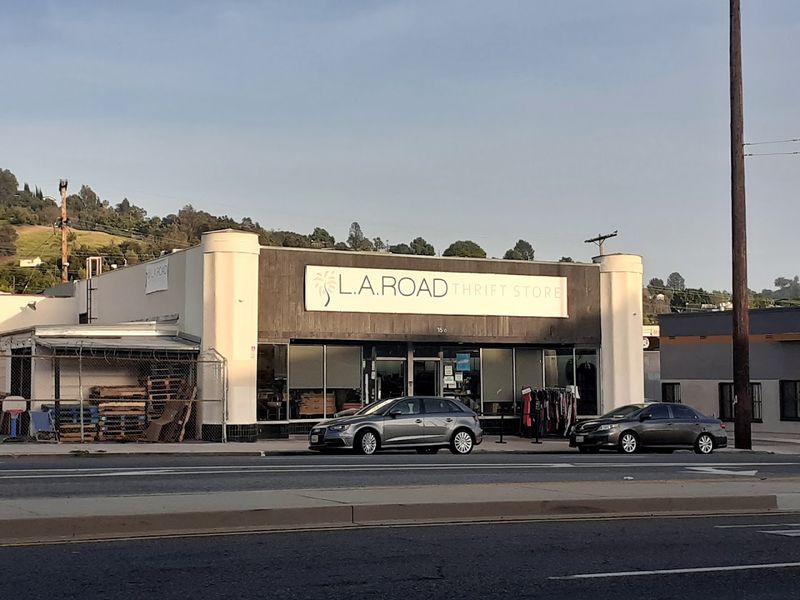
Planning a visit around the right hours can make a real difference in the thrifting experience at Bridge Thrift.
The Glassell Park location is open Monday through Saturday from 10 AM to 8 PM and on Sundays from 11 AM to 7 PM.
Those extended weekday hours give working shoppers plenty of flexibility to stop by after work or during a lunch break.
The Highland Park location runs on a slightly different Sunday schedule, opening at 12 PM and staying open until 8 PM on that day, while weekday and Saturday hours mirror those of the Glassell Park store.
Arriving closer to opening time on weekdays tends to mean a quieter, more relaxed browse with less competition for the same finds.
Weekend afternoons at either location can get busier, especially when the weather is nice and more people are out exploring the neighborhood.
Checking the official website at bridgethrift.com before heading out is always a good habit since hours can occasionally shift around holidays or special events.
A little planning goes a long way when thrift shopping in a popular city like Los Angeles.
Donation Hours And How To Drop Off Items

Dropping off donations at Bridge Thrift follows a slightly different schedule than the shopping hours, so knowing the difference saves a wasted trip.
At the Glassell Park location, donations are accepted Monday through Saturday from 10 AM to 5 PM and on Sundays from 11 AM to 5 PM.
Highland Park accepts donations on the same weekday and Saturday window but extends Sunday donation hours until 7 PM.
The donation process is a core part of how Bridge Thrift keeps its inventory fresh and its mission moving forward.
Items brought in by the community become the very products that generate revenue for local organizations, so the cycle depends heavily on generous donors showing up with quality goods.
Clothing, furniture, home goods, and a variety of other items are generally welcomed.
Arriving within the donation window rather than at the very end of the day tends to make the handoff smoother for both the donor and the staff.
Bulky furniture items may require a bit more coordination, so reaching out to the store by phone at (323) 739-6478 for the Glassell Park location or (323) 474-6424 for Highland Park before hauling large pieces over is a practical step worth taking.
A Diverse Inventory That Keeps Shoppers Coming Back
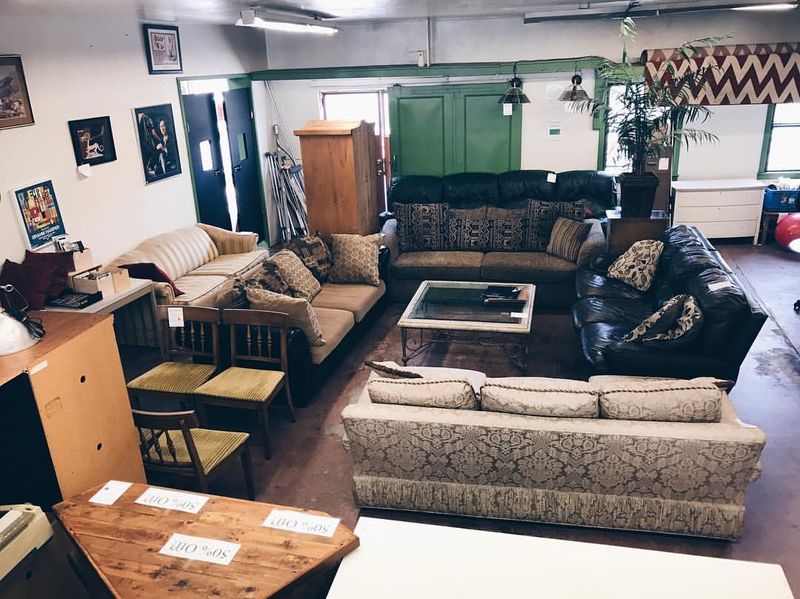
One of the most consistently noted qualities of Bridge Thrift is the sheer range of items available on any given visit.
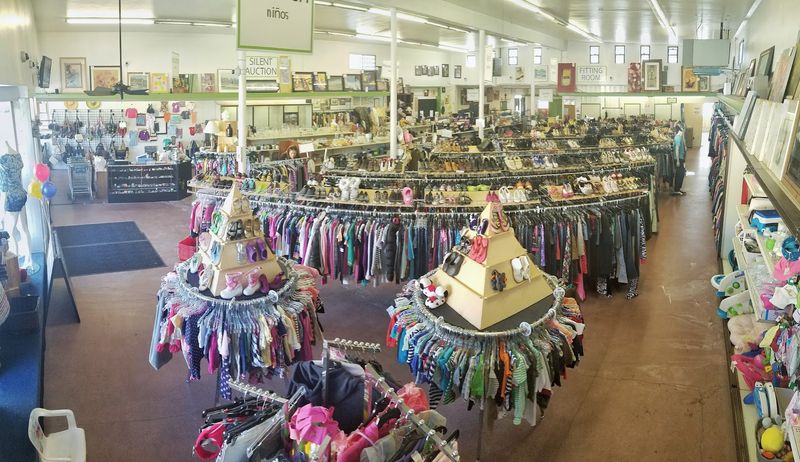
Clothing takes up a significant portion of the floor space, with sections for adults and children that rotate regularly as new donations come in.
Brand-name pieces do surface from time to time, making a thorough browse feel genuinely rewarding.
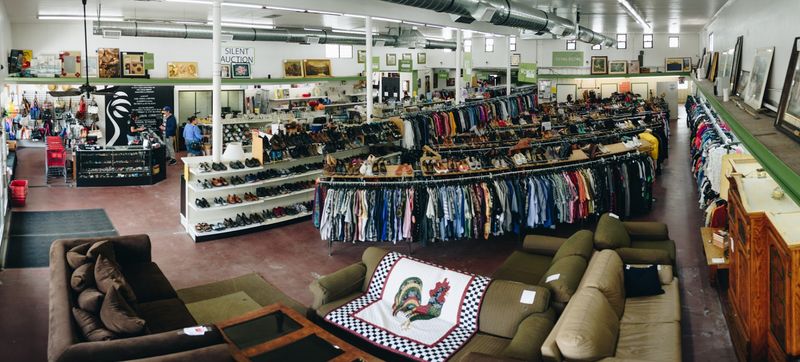
Beyond clothing, the store carries furniture, books, glassware, hardware, knickknacks, and a variety of home goods that appeal to shoppers setting up a new space or simply looking for something interesting to add to their home.
The inventory changes constantly because it depends on what the community donates, which means no two visits are quite the same. That unpredictability is actually part of the charm for dedicated thrifters.
Shoppers who visit frequently tend to develop a feel for which days new items tend to hit the floor, and that rhythm becomes part of the routine.
For casual visitors, the variety alone tends to make the time spent browsing feel worthwhile even if the perfect find does not appear on the first trip.
Sustainable Shopping With A Real Environmental Purpose
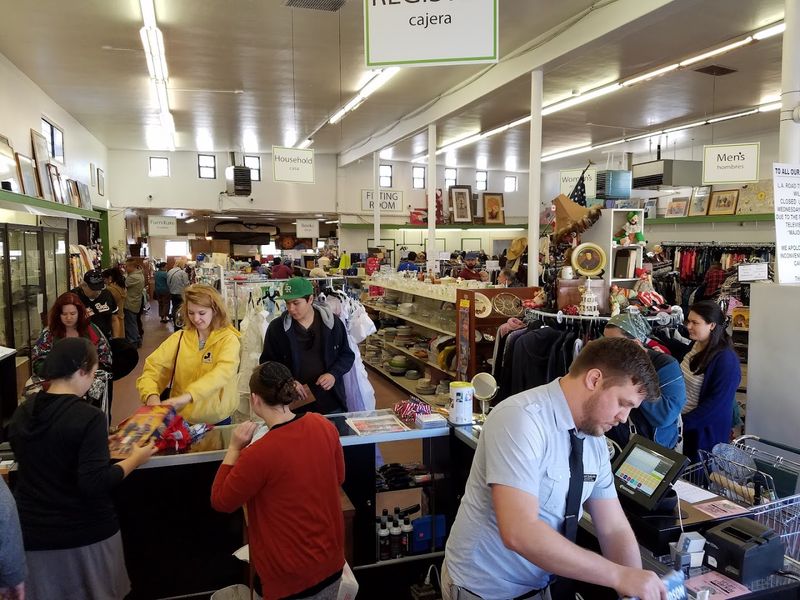
Sustainability is not just a marketing word at Bridge Thrift. The store’s entire operation is built around the idea that donated items can be given a second life rather than ending up in a landfill.
Every piece of clothing, every piece of furniture, and every household item that gets purchased instead of discarded represents a small but real reduction in waste.
Los Angeles generates a significant amount of textile and household waste, and thrift stores like Bridge Thrift play a practical role in slowing that process down.
Shoppers who choose secondhand over new are participating in a cycle that benefits both the environment and the local economy in a tangible way.
That context tends to make the act of browsing feel more intentional than a typical retail visit. The store does not just accept items passively.
The process of sorting, pricing, and presenting donated goods takes real effort from the team, and that work is what transforms community generosity into something shoppers can actually engage with.
For anyone trying to build more sustainable habits into everyday life, starting with a regular thrift run at Bridge Thrift is one of the more straightforward ways to do it.
Community Engagement At The Heart Of The Operation
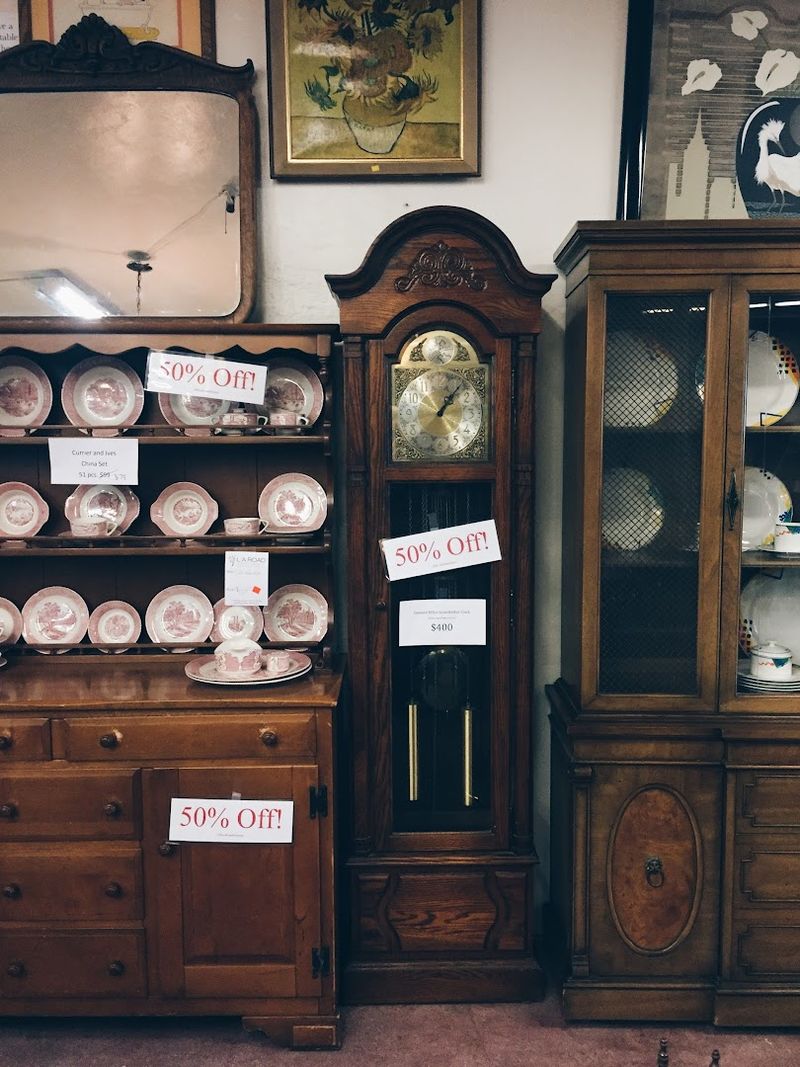
Bridge Thrift describes its mission as being powered by three groups working together: generous donors, dedicated employees, and the changemaking organizations that receive the profits.
That three-part structure means the store functions more like a community loop than a standard retail operation. Each group depends on the others to keep the cycle moving.
The neighborhoods surrounding both locations, Glassell Park and Highland Park, have their own distinct community identities, and Bridge Thrift tends to reflect the character of the areas it operates within.
Shoppers who visit regularly often develop a sense of familiarity with the space and the people who work there, which adds a layer of warmth that is harder to find in larger chain thrift stores.
Community engagement also shows up in the donation side of the business, where local residents bring in items that eventually cycle back to neighbors who shop there.
That local-to-local flow is part of what gives the store its neighborhood feel.
For anyone who values shopping local and supporting community-rooted businesses, Bridge Thrift represents that ethos in a pretty concrete and accessible form.
Pricing Structure And What Shoppers Can Realistically Expect
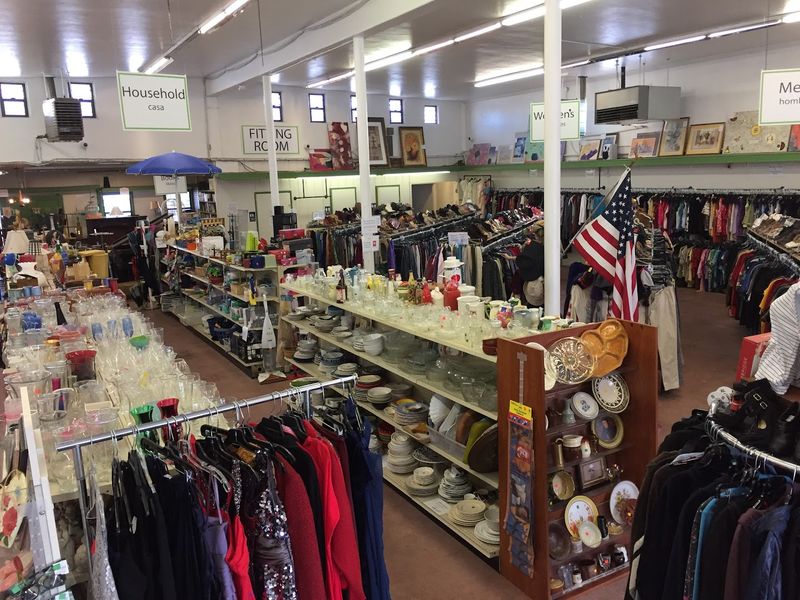
Pricing at Bridge Thrift has been a topic of conversation among shoppers, and it is worth going in with realistic expectations rather than assumptions.
Clothing items have been noted to range from around five to six dollars for everyday pieces, which many shoppers find reasonable for lightly used garments in good condition.
However, some items may be priced higher depending on brand, condition, or category.
The pricing at any thrift store tends to reflect a range of factors including the condition of the item, perceived demand, and the operational costs of running the store. Bridge Thrift is no different in that regard.
Shoppers who approach the visit with an open mind and a willingness to dig through the racks tend to find better value than those expecting everything to be priced at rock-bottom levels.
Children’s clothing sections have been noted as a particularly good area for finding brand-name pieces at prices that feel genuinely thrift-friendly.
Baby and toddler items from recognizable brands have turned up in good condition at prices that make the browse worthwhile.
Going in without a strict list and staying flexible tends to produce the most satisfying results at a store like this one.
The Welcoming Atmosphere Inside The Store
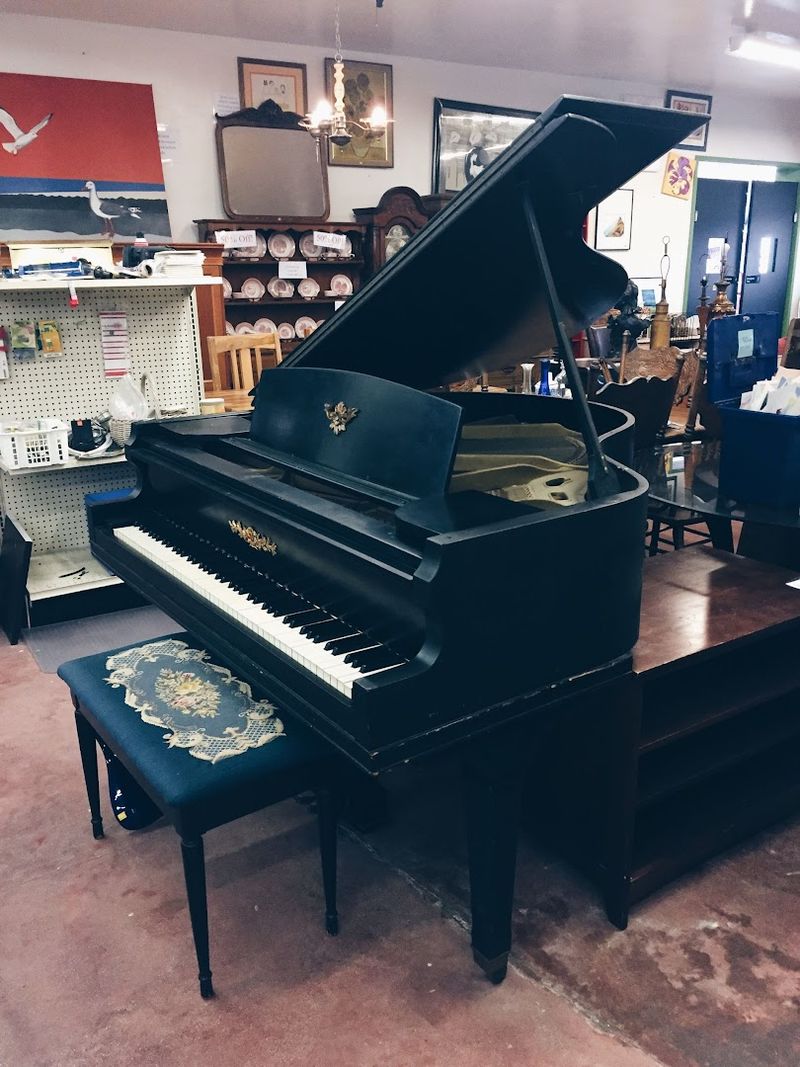
Walking into Bridge Thrift tends to feel noticeably different from the experience of entering a large chain thrift operation.
The stores are described as organized and well-maintained, with sections that are easy to navigate even during a casual browse.
Natural light, manageable noise levels, and a layout that does not feel overwhelming all contribute to a shopping pace that is comfortable rather than rushed.
The staff at both locations have been noted for their approachable and friendly manner, which adds to the overall ease of the visit.
That kind of consistent, pleasant interaction is not always a given in retail settings, and it tends to make a real difference in how long shoppers feel comfortable staying and exploring.
A relaxed atmosphere often leads to better finds simply because shoppers take their time. The store does not have fitting rooms, so trying on clothing before purchasing is not an option on-site.
Returns are accepted but may be processed as store credit rather than a refund, so understanding that policy before buying is important.
Knowing those details ahead of time helps set the right expectations and keeps the visit smooth from start to finish.
What Makes Bridge Thrift Worth Visiting In Los Angeles
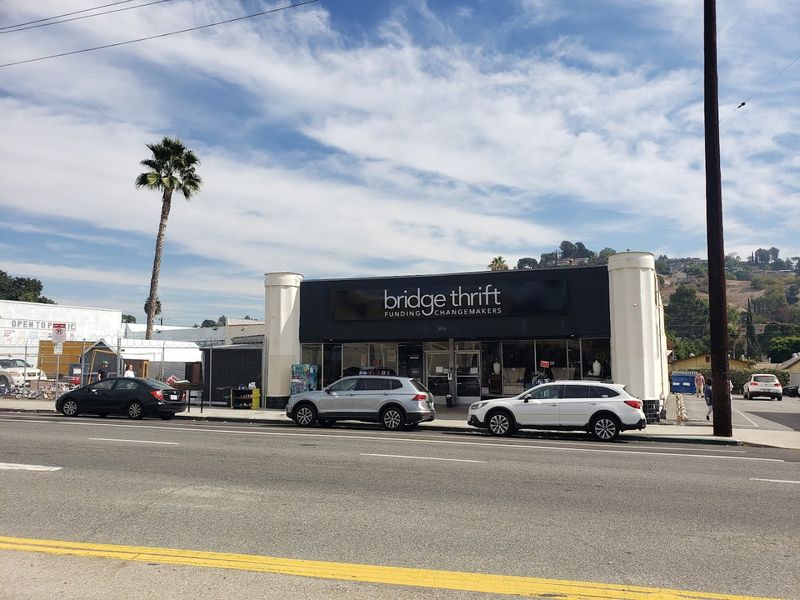
There are dozens of thrift stores scattered across Los Angeles, but Bridge Thrift occupies a specific niche that combines community purpose, environmental responsibility, and a genuinely browsable inventory under one roof.
That combination is not as common as it might seem, and it gives the store a reason for being that extends beyond just moving secondhand merchandise.
For shoppers who are new to thrifting in LA, Bridge Thrift serves as a solid introduction to what the city’s secondhand scene can look like at its more intentional end.
The Glassell Park and Highland Park locations are both situated in neighborhoods with plenty of other local spots nearby, making it easy to build a half-day outing around a visit to either store.
Experienced thrifters who have already worked through many of the city’s options tend to keep Bridge Thrift in the rotation because the inventory refreshes regularly and the atmosphere stays consistent.
Checking the store’s website at bridgethrift.com before a visit helps with planning, especially for donation drop-offs or confirming current hours.
For anyone in or around Los Angeles looking for a thrift experience that feels purposeful and community-connected, Bridge Thrift makes a genuinely strong case for itself.