This Chinese Restaurant In Connecticut Has Dumplings Locals Can’t Stop Talking About
Dumplings can tell you a lot about a restaurant before the main dishes even arrive. The wrapper needs the right chew.
The filling should feel generous, not heavy. Then comes the sauce, which can turn one small bite into the thing everyone keeps mentioning later.
This place has that pull. It feels casual enough for a low-pressure meal, but the flavors do not fade into the background.
A Chinese restaurant in Connecticut makes dumplings feel bold, comforting, and worth talking about after dinner. That fits the whole mood here.
The menu leans into Sichuan flavor, so there is plenty of warmth and depth beyond the dumplings too. Still, those first bites set the tone in a way that is hard to ignore.
It is the sort of meal people remember because it feels satisfying without trying too hard.
By the end, the dumplings are not just an appetizer. They are the reason the place stays on your mind.
1. Dumplings That Start The Meal Right
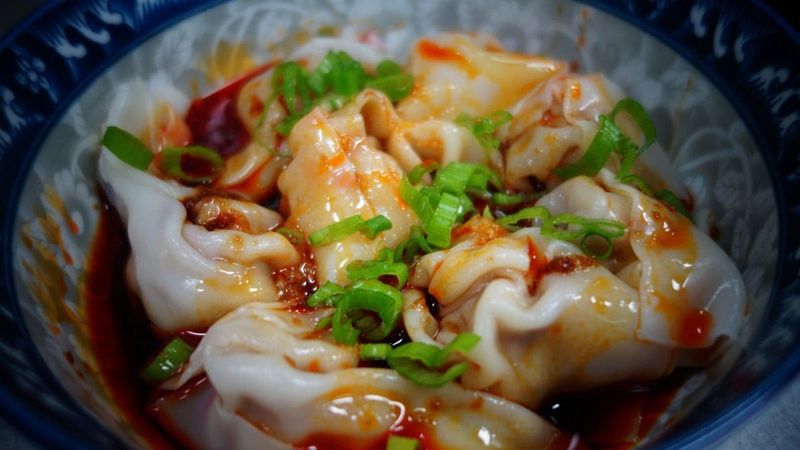
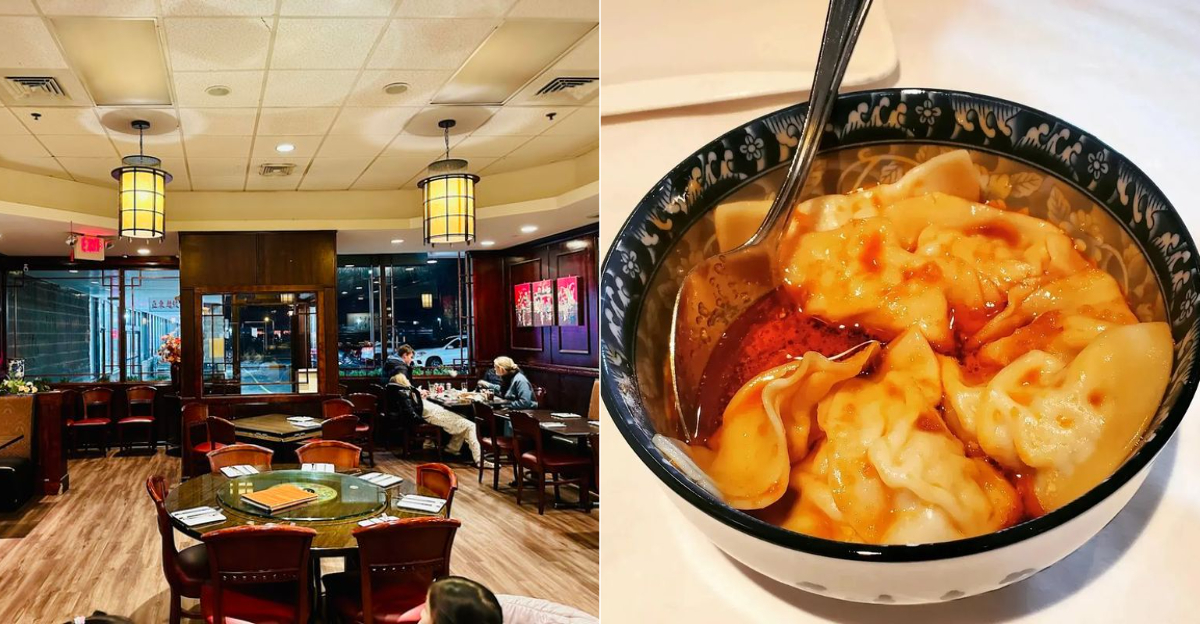
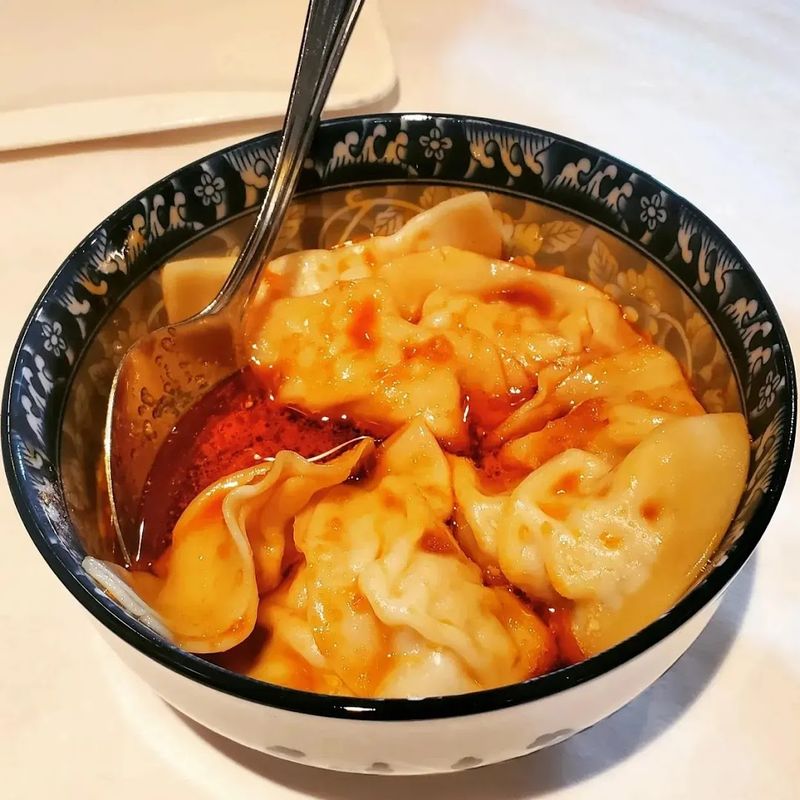
A strong dumpling plate can set the whole meal in motion, and Shu Restaurant makes that happen with plenty of heat, texture, and personality. The Chengdu Dumplings bring steamed pork dumplings together with a spicy garlic sauce that lands cleanly without feeling heavy.
The filling stays tender, the wrappers have a pleasant chew, and the overall bite feels carefully prepared rather than routine.
The Chengdu Wonton follows a similar Sichuan-style path with pork wontons served in a spicy garlic sauce. For a nuttier, more layered option, the Seven Flavor Wonton adds spicy sesame and peanut sauce with scallions, giving the menu another sauce-driven favorite.
Hot and Sour Wonton rounds out the choices with a sharper profile, so the dumpling and wonton section offers more variety than it first appears to.
These dishes work especially well as shared starters, since each one brings a slightly different texture and flavor to the table. The sauces carry much of the character, from garlicky heat to sesame richness and tangy brightness.
For diners new to Sichuan-style dumplings, this is an easy and rewarding place to begin. The flavors are bold, the portions are practical for sharing, and the first plate usually makes a strong case for ordering another.
2. Where To Find It In West Hartford
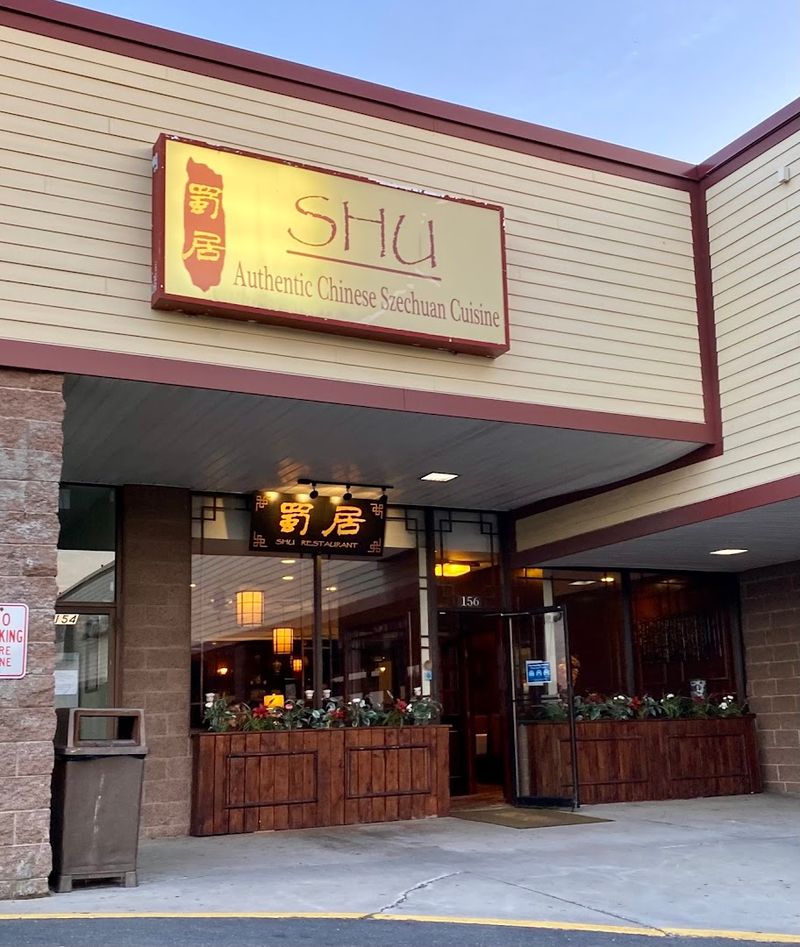
Finding a genuinely authentic Sichuan restaurant in Connecticut is not something most people expect, which makes stumbling onto Shu all the more satisfying.
Shu Restaurant is located at 156 Shield St, West Hartford, CT 06110, nestled in a shopping complex that also houses a large Asian grocery store called A Dong right next door.
That combination turns a dinner outing into something slightly more practical for anyone who wants to pick up ingredients after the meal.
The restaurant is open seven days a week, with hours running from 11:30 AM to 9:30 PM most days and extending to 10:00 PM on Fridays and Saturdays. Lunch hours tend to move at a more relaxed pace, while weekend dinner service can fill up quickly.
Reservations are worth considering for Friday and Saturday evenings, as the dining room is not enormous and the tables do get claimed.
Parking is available in the shared lot, though it can feel tighter on busy days given the grocery store traffic nearby. Arriving a few minutes early helps, and the proximity to A Dong makes it easy to turn the visit into a two-stop evening without much extra effort.
3. Bold Sichuan Flavor
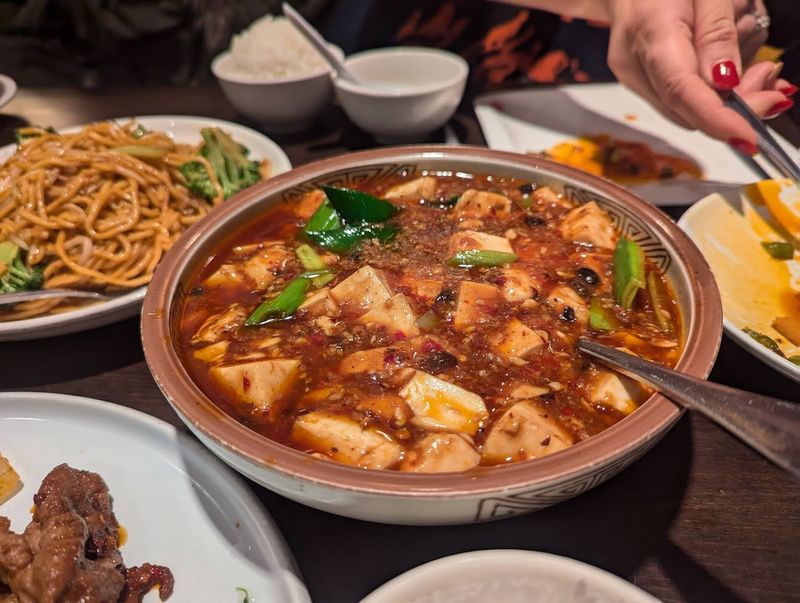
Sichuan cuisine has a flavor identity that is hard to mistake once you have experienced it. The combination of chili heat and the distinctive numbing sensation from Sichuan peppercorns creates something that no other regional Chinese cooking quite replicates.
At Shu, that character comes through clearly across the menu, from the Ma Po Tofu to the Dan Dan noodles, both of which carry the kind of layered spice that builds gradually rather than hitting all at once.
The Ma Po Tofu has drawn consistent attention for delivering real heat without tipping into overwhelming territory. Soft tofu sits in a sauce that is rich with chili oil, fermented black bean, and ground pork, creating a dish that feels warming and deeply savory.
The Dan Dan noodles are reportedly mixed tableside during service, which adds a small theatrical touch to the experience and keeps the noodles from sitting in sauce too long before they reach the table.
Not every dish on the menu carries intense heat, and spice levels can be adjusted when ordering. Still, the restaurant’s reputation leans firmly toward those who appreciate bold, unapologetic flavor rather than a toned-down version of Sichuan cooking.
4. A Menu With Plenty To Try
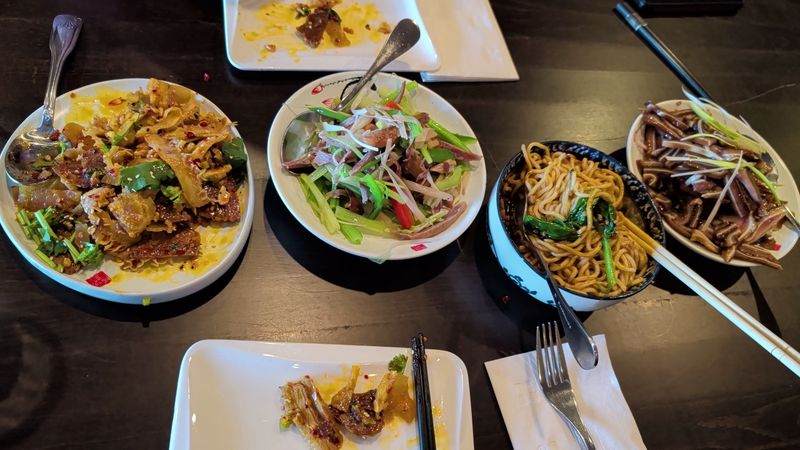
Beyond the dumplings, the menu at Shu covers a wide range of Sichuan dishes that reward repeat visits. Kung Pao Chicken, shredded pork, scallion pancakes, Mongolian beef, and steamed whole fish are among the dishes that come up frequently in positive feedback from diners.
The scallion pancakes in particular have a reputation for arriving hot and crisp, making them a reliable appetizer choice alongside the dumpling options.
Vegetarian and vegan diners are also well served here. The vegetarian menu includes plant-based takes on classics like Kung Pao chicken and Napa-style dishes that reportedly skip eggs and dairy entirely, making them suitable for a range of dietary preferences.
That level of thoughtfulness on a Sichuan menu is not always guaranteed, so it stands out as a practical plus for mixed groups.
The menu also includes dishes like Szechuan Style Rice Bean Jelly Noodle, listed in Chinese as 成都凉粉, which reflects the kitchen’s commitment to traditional preparations that go well beyond the usual shortlist of Chinese-American staples.
Portion sizes tend toward the moderate side, so ordering two or three dishes to share across the table usually works well for a satisfying meal.
5. The Spice That Stands Out
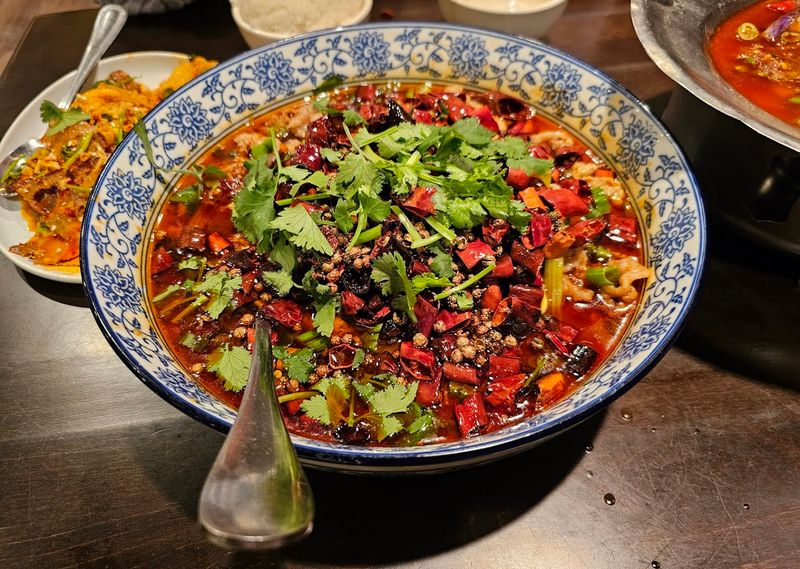
Sichuan peppercorns are the ingredient that separates this style of cooking from everything else, and Shu uses them with a confident hand. The peppercorn creates a mouth-numbing sensation that is technically called mala, a combination of the Chinese words for numbing and spicy.
That tingling quality is not painful so much as it is surprising, and once you get used to it, the effect becomes part of what makes the food so compelling and hard to forget.
At Shu, the peppercorn presence shows up across multiple dishes rather than being reserved for just one or two menu items. Chili oil, chili peppers, and fermented sauces work alongside it to build the layered flavor profile that Sichuan cuisine is known for.
The kitchen appears to apply these spices with balance rather than excess, aiming for depth over shock value.
Spice tolerance is personal, and the restaurant does offer the ability to dial the heat up or down depending on preference. Ordering at a lower spice level still delivers a flavorful and satisfying result, so first-time visitors do not need to push into uncomfortable territory to enjoy the food.
Starting mild and working up on a second visit tends to be a practical approach for newcomers.
6. A Good Spot To Share Plates
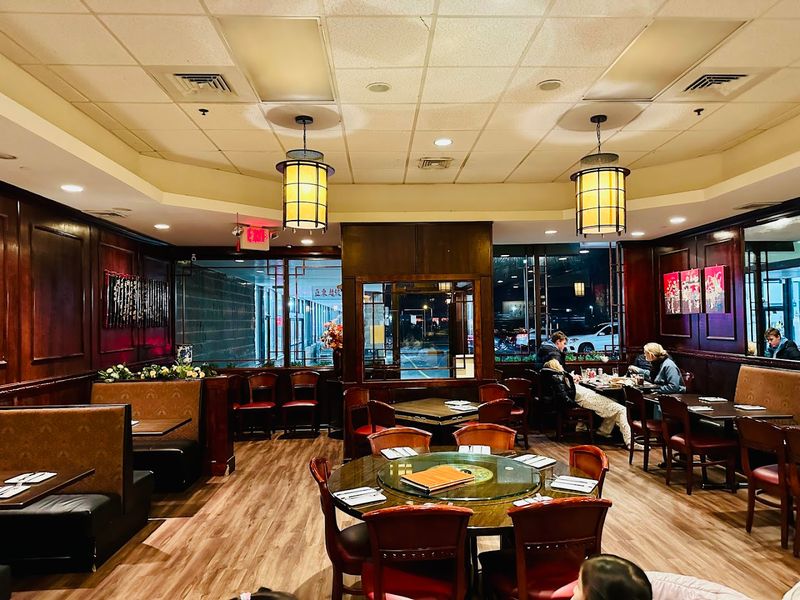
Sharing dishes is genuinely the best way to experience what Shu has to offer, and the menu is set up well for exactly that kind of table.
Ordering a mix of dumpling varieties, a noodle dish, and one or two mains gives a fuller picture of the kitchen’s range without anyone feeling locked into a single flavor profile for the whole meal.
The Chengdu Style Tapas section is particularly well suited to a shared approach since the portions are designed to be tasted rather than consumed solo.
The dining room has enough space to accommodate larger groups, and round tables are available, which naturally supports the family-style format that feels most comfortable here.
The atmosphere tends toward calm and conversational, with a noise level that allows for easy table talk without shouting over background music or a crowded room.
Service moves at a steady rhythm without feeling rushed, which makes the meal feel unhurried even during busier periods. The overall pace of dining here lends itself to a relaxed evening rather than a quick in-and-out experience.
Coming with a group of three or four people tends to unlock the most variety and makes the ordering process feel more like an adventure than a decision.
7. Why Locals Keep Talking
Word of mouth is powerful, and Shu has benefited from the kind that builds slowly and sticks. Part of the appeal comes from a kitchen background rooted in genuine culinary training, as the restaurant’s ownership has connections to professional cooking education in China.
That foundation tends to show up in the consistency of the food and the care taken with traditional preparations that could easily be simplified or swapped for shortcuts.
The restaurant draws from a local community that includes a growing Asian population and students from nearby colleges, both of which contribute to a dining crowd that knows what authentic Sichuan food should taste like.
That audience creates a kind of informal quality check that keeps the kitchen accountable in a way that purely tourist-facing restaurants do not always experience.
Comparisons to top-tier Chinese dining in New York City have come up more than once among those familiar with both scenes, which says something about the level of execution happening in this West Hartford kitchen.
The food does not try to appeal to every palate, and that honesty is part of why the reputation holds.
Shu earns its following by staying true to the cuisine rather than softening it for broader appeal.
8. What Makes The Meal Memorable
Certain details tend to stay with diners long after the meal ends, and at Shu, a few of them come up repeatedly. The steamed whole fish has earned genuine enthusiasm for its depth of flavor and the way the sauce clings to the fish without overwhelming it.
The texture is described as clean and fresh, which points to quality sourcing rather than anything frozen or sitting too long before service.
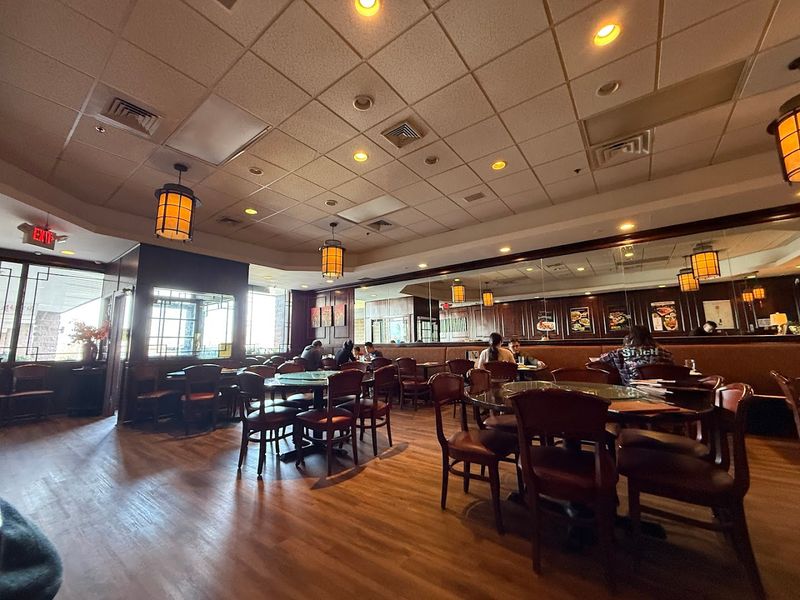
The atmosphere contributes to the overall impression as well. The dining room carries a calm, slightly old-world quality that feels unhurried, and the lighting keeps things warm without being dim or uncomfortable.
Conversations carry easily across the table, and the space does not feel like it is trying too hard to look like anything other than what it is: a place focused on the food.
The combination of honest cooking, a menu that rewards curiosity, and a setting that does not distract from the meal makes Shu the kind of restaurant that earns a permanent spot in the regular rotation.
It is not the cheapest option in the area, with dishes generally ranging in the moderate price tier, but the quality justifies the cost for most who make the trip.
Coming once usually leads to coming back.