This Connecticut Animal Hospital Provides Advanced Care For Pets Facing Serious Conditions
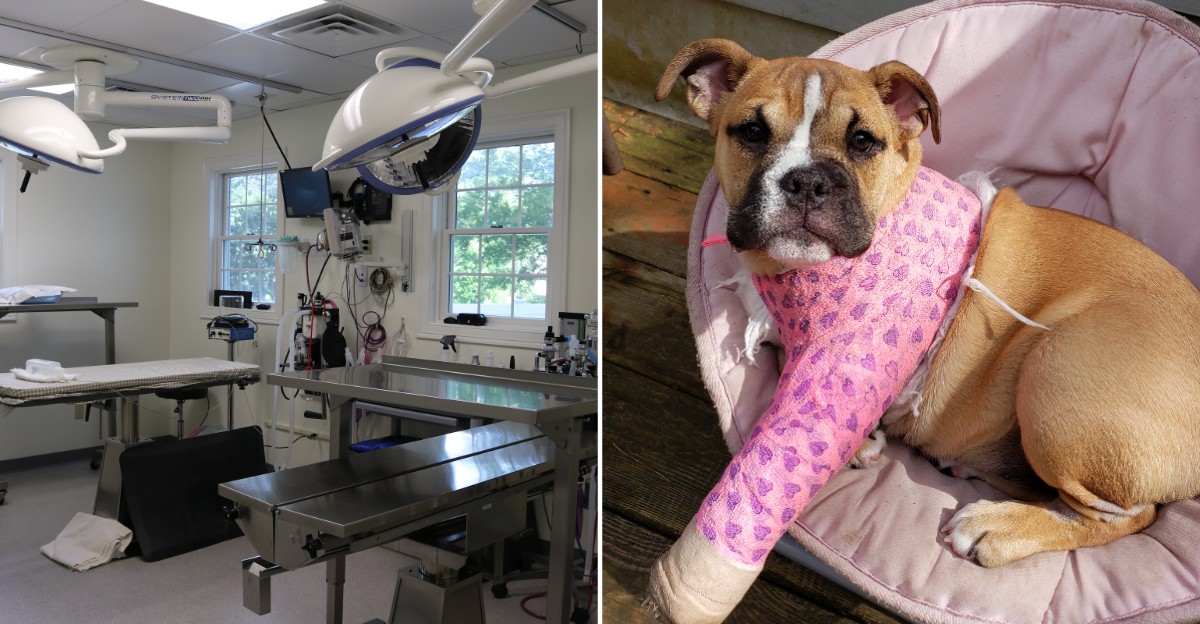
When a pet becomes seriously ill, families want more than reassuring words. They need experienced professionals who can investigate difficult problems and provide the level of care the situation demands.
That is where a well-equipped animal hospital can become especially important.
Specialized treatment allows veterinarians to handle cases that may require closer monitoring or expertise beyond a routine appointment. For pet owners in Connecticut, having advanced veterinary care available nearby can matter enormously during an already stressful time.
The technology is only one side of the experience. Clear communication matters too, particularly when families are trying to understand what is happening and what comes next.
Nobody wants to imagine needing this sort of place. Knowing it exists, however, can provide valuable reassurance when an ordinary vet visit suddenly becomes something much more serious.
For the animals receiving care, those extra resources can make an incredibly meaningful difference.
1. Advanced Veterinary Care Happens Around The Clock
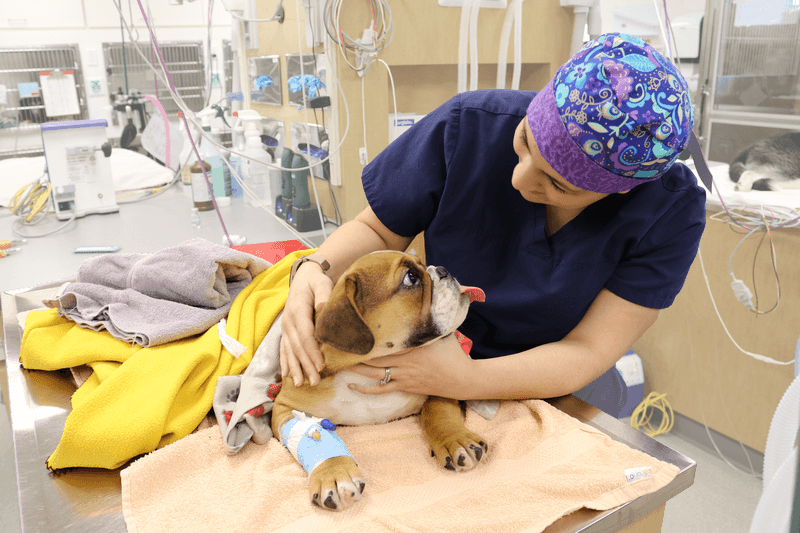
Illness rarely keeps business hours. A dog that seemed fine at dinner can be struggling by midnight, and a cat hiding under the bed on a Sunday morning may need help before Monday ever arrives.
Pieper Memorial provides emergency veterinary care 24 hours a day, every day of the year, with emergency veterinarians and support staff available overnight.
That continuous coverage also connects to a long history. The practice traces its roots back to 1933, and the Middletown center as it exists today launched in 2010, growing into a hospital that blends everyday medicine with advanced treatment.
For Connecticut families, the practical benefit is simple. You can call ahead, describe what is happening, and know that someone trained in urgent care will be there when you pull into the lot on Randolph Road.
Busy nights do happen, especially around holidays and weekends. Still, many pet owners describe real comfort in knowing that help exists at two in the morning, and that comfort is hard to put a price on when your animal is in trouble.
2. Specialists Handle Complex And Serious Conditions
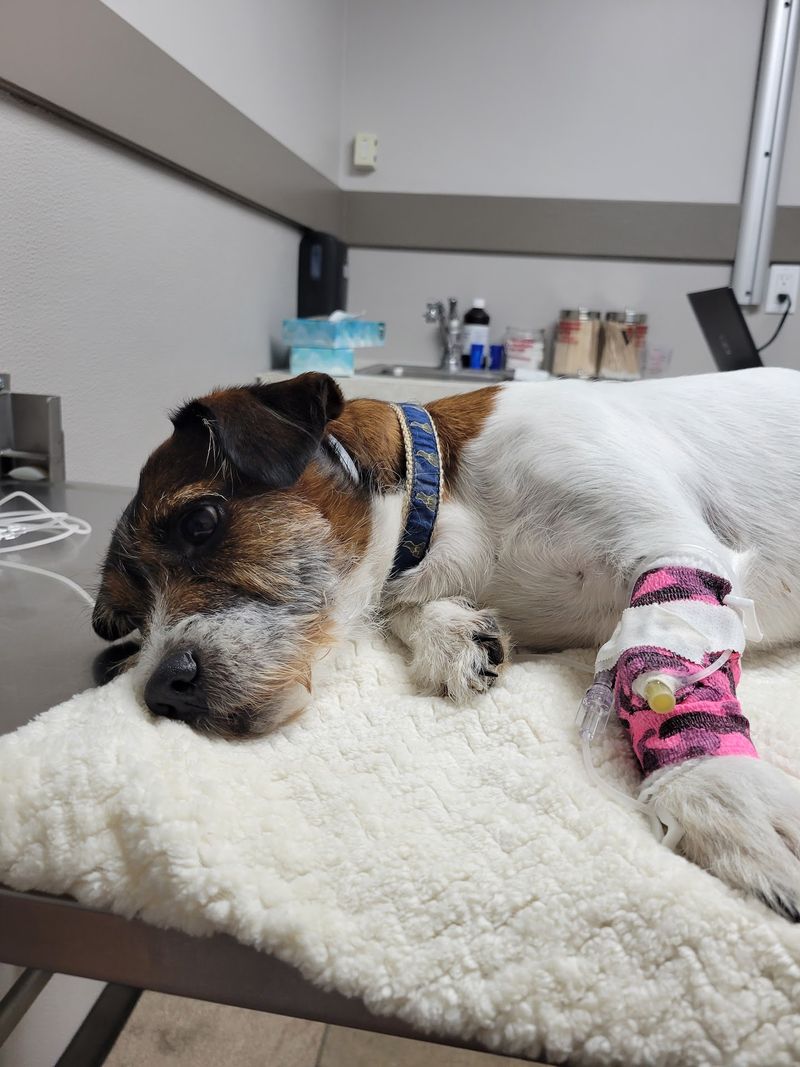
Some diagnoses stretch far beyond what a general practice can manage alone, and that is where specialty medicine steps in.
A seizure that will not stop, a lump that turns out to be cancer, a heart murmur that suddenly gets worse: each one calls for someone who studies that system every single day.
Pieper Memorial houses a long list of specialty departments, including neurology, oncology, surgery, internal medicine, avian and exotics, diagnostic imaging, critical care, and clinical pathology.
Cardiology services are available too, with echocardiograms used to look closely at how a heart is working, and neurosurgery is performed for certain spinal and brain conditions.
What makes the setup useful is the teamwork behind it. Specialists frequently coordinate with a pet’s regular veterinarian, so the treatment plan builds on the history that family doctor already knows rather than starting from scratch.
Exotic pet owners especially notice the difference. Rabbits, birds, and small unusual companions often have very few options in an emergency, and having a hospital that welcomes them changes the whole picture.
Referrals typically come from a primary veterinarian, though emergency cases arrive on their own. Either way, the goal stays the same: clear answers and a workable plan.
3. Its Central Location Helps Families Reach Emergency Care

When a pet needs serious care, a shorter drive can suddenly feel very important. Middletown’s central position makes Pieper Memorial Veterinary Center accessible from communities across much of the state.
The hospital handles emergency cases around the clock, while specialty services cover areas including internal medicine, oncology, surgery, neurology, diagnostic imaging, critical care, and avian and exotic medicine.
Advanced equipment includes MRI and CT imaging, giving veterinary teams additional tools when a condition requires deeper investigation.
That range of services also makes Pieper useful when a regular veterinarian recommends more specialized treatment. Exotic pets have their own dedicated service, covering birds, rabbits, reptiles, and other less common companions.
Emergency patients are assessed according to medical urgency rather than arrival order. Animals facing the most serious conditions receive priority, an important detail to understand before an unexpected visit.
Pieper Memorial is part of a broader veterinary network with additional facilities serving communities elsewhere in the state.
The Middletown hospital operates at 730 Randolph Road, with emergency care available at all hours.
Calling ahead during an emergency can help the veterinary team prepare for an arriving patient.
Having the address saved before a crisis can also eliminate one small piece of stress when getting care quickly matters most.
4. Emergency Services Operate Day And Night
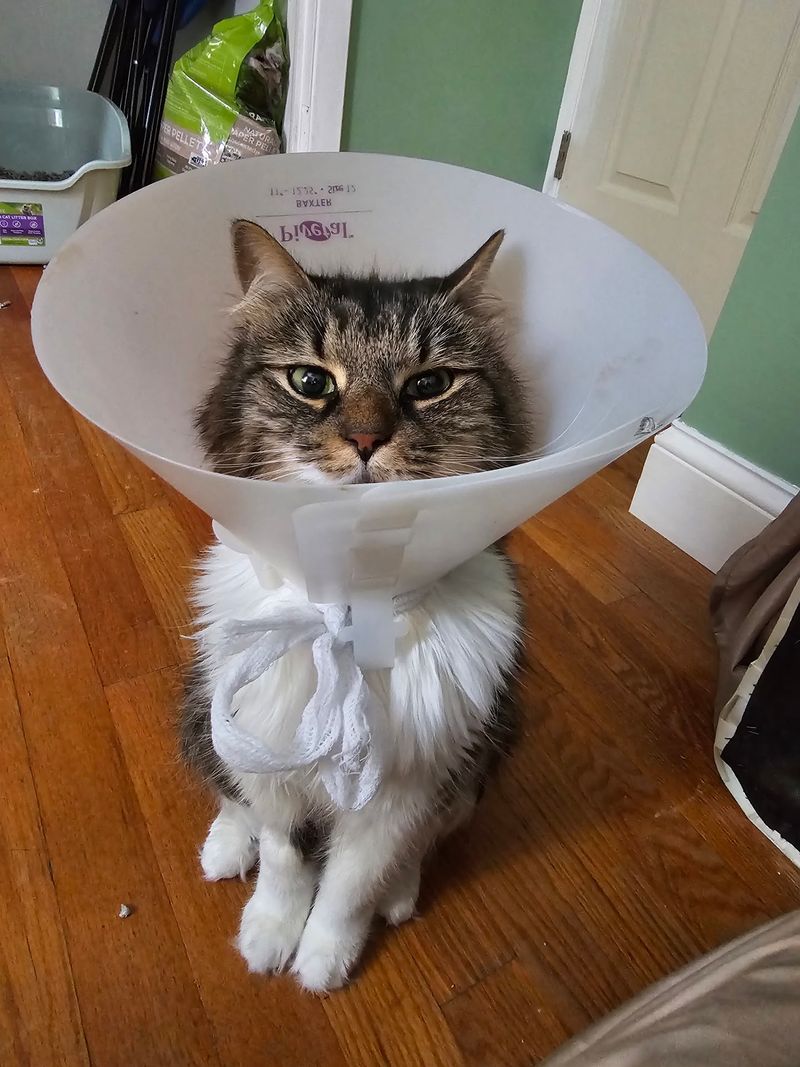
Urgent cases do not wait their turn. At Pieper Memorial, emergency patients are prioritized by how seriously ill or injured they are.
The process begins with triage, when the veterinary team evaluates a pet and determines the level of medical urgency. Animals facing life-threatening conditions can receive immediate attention, while stable patients may wait longer when more critical cases arrive.
Emergency services operate around the clock throughout the year, so care remains available overnight, on weekends, and during holidays. The hospital can also provide advanced diagnostics and critical care when a case requires more than a standard veterinary visit.
Wait times naturally change depending on the number and severity of emergencies being treated. An apparently quiet waiting area does not necessarily mean the medical team is not busy, since critical patients may already be receiving treatment elsewhere in the hospital.
Bringing recent medical records and a current medication list can give the team useful information when making treatment decisions.
Pet owners should also alert staff immediately if an animal’s condition changes while waiting. A new symptom or sudden decline may require another assessment and a different triage priority.
Knowing how the emergency system works beforehand can make an already stressful visit easier to navigate, especially when the hospital is handling several serious cases at once.
5. Specialized Departments Work Under One Roof
Picture a pet whose bloodwork points toward an internal problem, then a scan reveals a mass, then surgery becomes the next step. In many parts of the country, that journey involves three different buildings and weeks of scheduling.
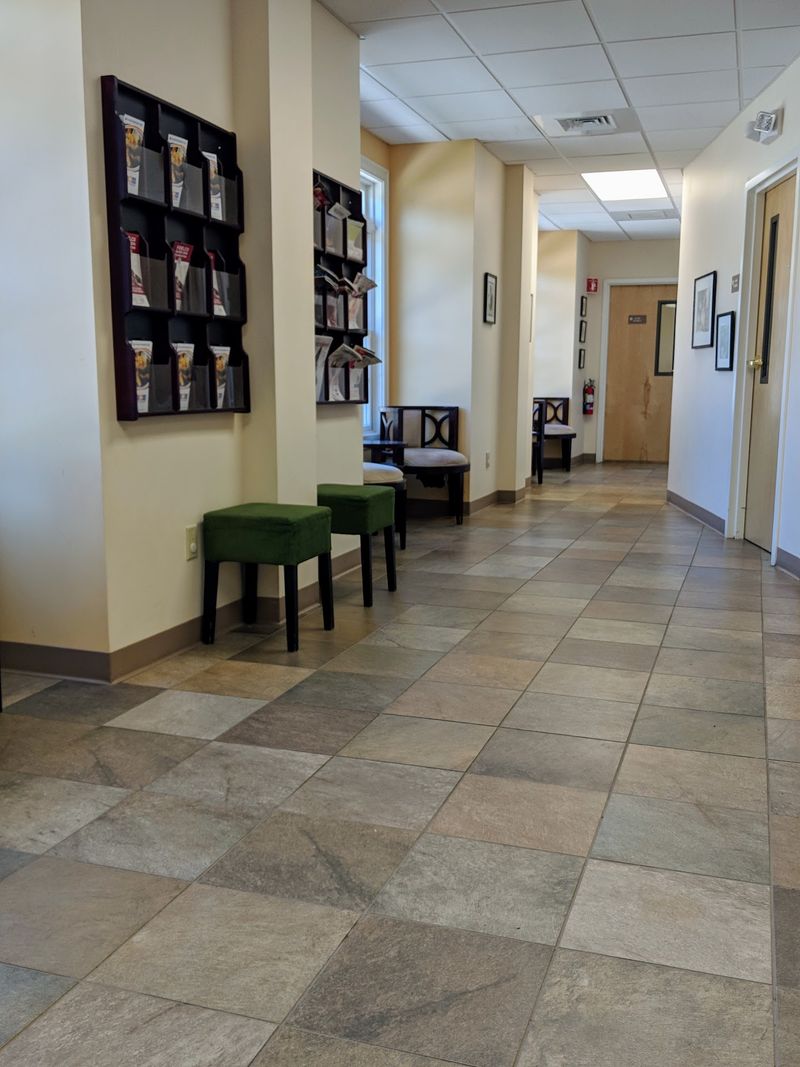
Here, those departments share the same hallways. Internal medicine focuses on complicated organ systems and the illnesses that affect them, while oncology handles cancer diagnosis and treatment planning.
Surgeons perform both traditional and minimally invasive procedures, backed by anesthesia support and structured care before and after an operation. Diagnostic imaging, clinical pathology, critical care, and the avian and exotics service round out the lineup.
The practical advantage is speed. When a surgeon can walk down the hall and look at images with a radiologist, or an internist can consult an oncologist the same afternoon, decisions happen faster and fewer things get lost between visits.
Owners benefit too, since one set of records follows the patient everywhere. There is no faxing files across town or repeating the same history to five different receptionists.
Families dealing with long treatment courses often mention how much easier it feels to keep everything in one familiar place, where the staff already know the animal by name.
6. Advanced Imaging Helps Doctors Find Answers
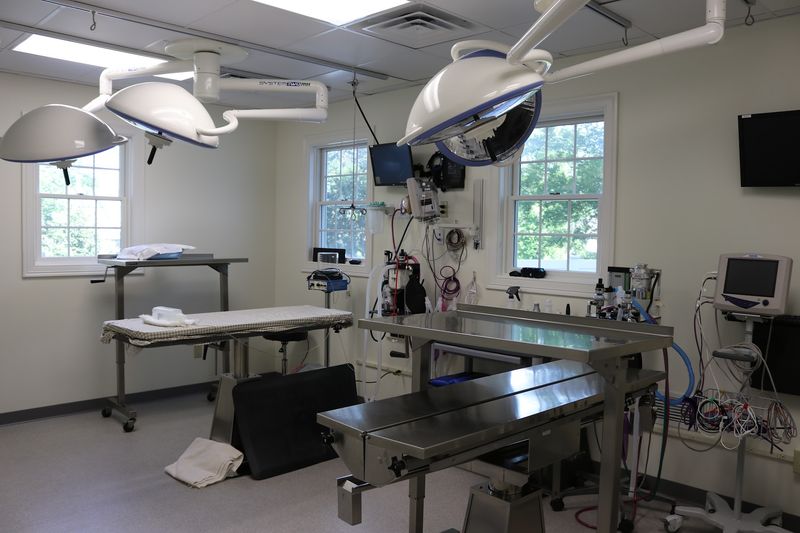
Advanced imaging can reduce diagnostic uncertainty by giving veterinarians a much clearer look at what may be happening inside the body.
A high-field MRI and a 64-slice CT scanner sit at the center of the diagnostic toolkit, producing detailed cross-sectional pictures that ordinary X-rays simply cannot match.
Digital radiography, ultrasonography, echocardiography, and fluoroscopy fill out the rest. Each tool answers a different kind of question, from checking blood flow through a heart valve to watching how a swallow moves in real time.
Neurology cases lean heavily on MRI. When a dog suddenly loses balance or a pet develops unexplained vision changes, those images often reveal whether the problem is a disc, an inflammation, or something else entirely.
Surgeons rely on scans too, mapping out an approach before they ever make an incision. Cancer screening and trauma assessment both depend on that same clarity.
Most advanced imaging requires sedation or anesthesia so the patient stays perfectly still, which is why your veterinary team will ask about fasting beforehand when the procedure is scheduled.
Results can change a plan dramatically. Sometimes the news is heavy, and sometimes a scan comes back clean and a worried family gets to exhale, which is its own kind of relief.
7. Critical Patients Receive Intensive Monitoring
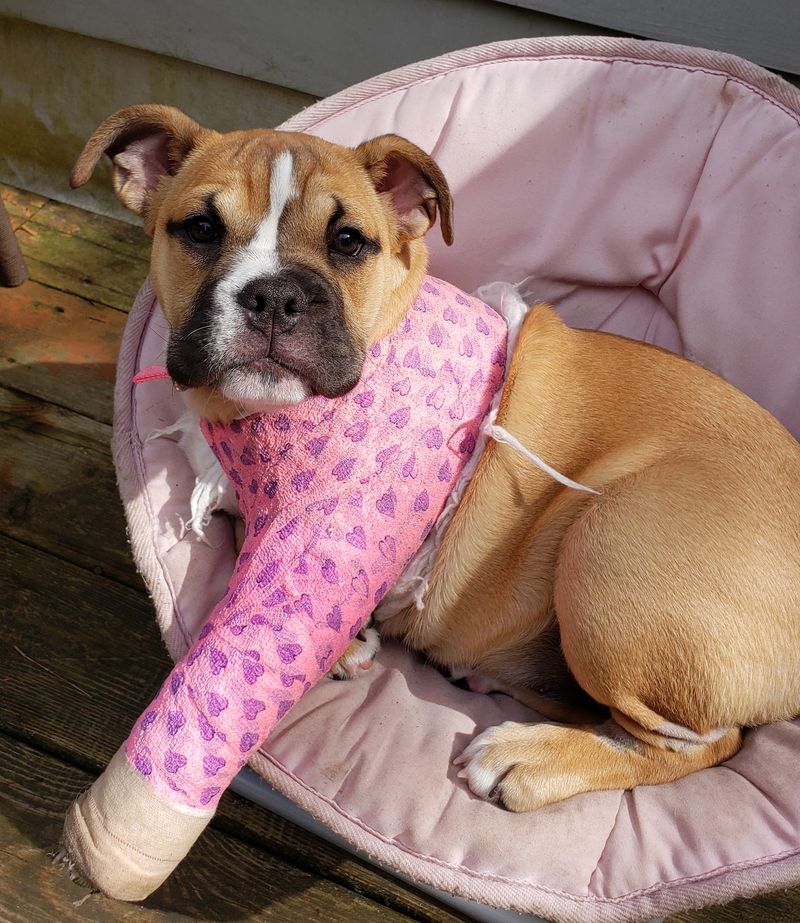
The critical care unit hums differently than the rest of the hospital. Monitors chirp softly, fluid pumps click along, and someone is always watching the numbers.
Pets in serious condition receive continuous support here, including mechanical ventilation when breathing fails on its own. Human-grade telemetric monitoring tracks heart rate and other vital signs without anyone needing to disturb the patient every few minutes.
Bedside tools make a real difference during unstable stretches. Point-of-care echocardiography and screening ultrasound let doctors look inside immediately rather than moving a fragile animal down a hallway.
Intravenous nutrition supports patients who cannot eat, and blood transfusions are available for cases involving severe loss or certain illnesses. All of it runs around the clock, not just during daytime shifts.
Hospitalization is rarely cheap, and estimates typically include a deposit plus daily charges. Asking for a written estimate up front, along with a clear explanation of what might change, helps families plan honestly.
Communication tends to be a highlight. Many owners describe receiving daily phone updates about how their animal slept, whether appetite returned, and what the plan looks like for the next twenty four hours, which softens the hardest part of leaving a pet behind.
8. Experienced Teams Guide Pets Through Difficult Cases
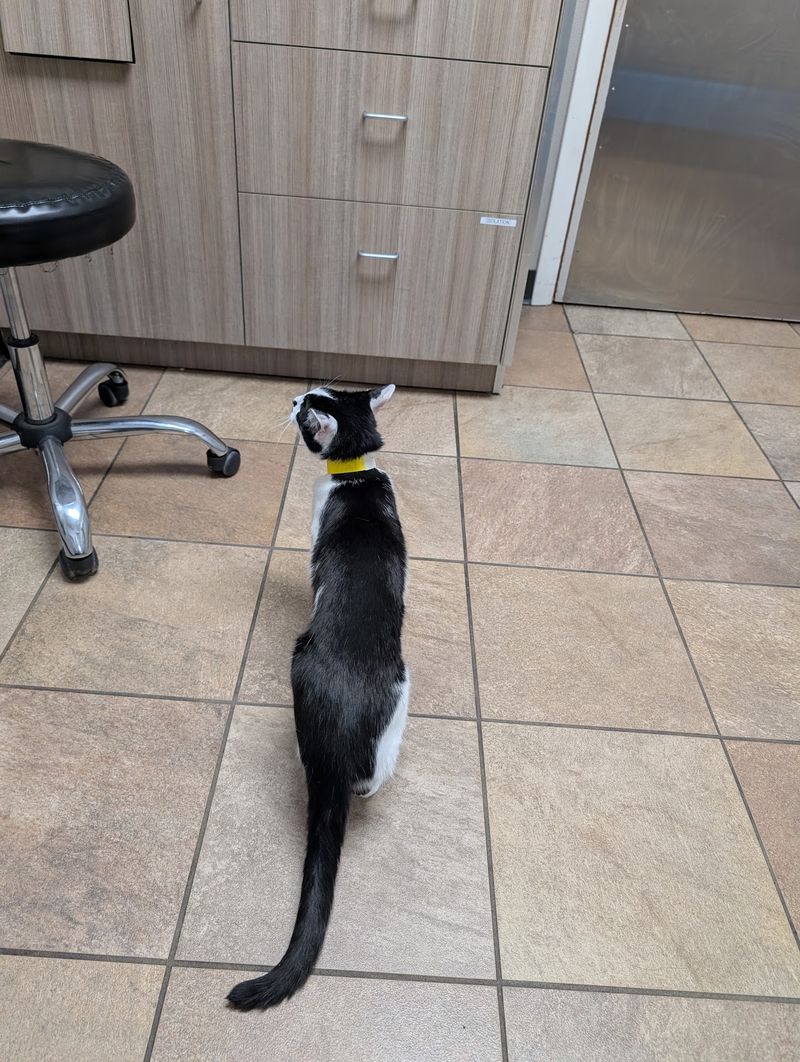
Medicine gets the headlines, but the human side of these visits is what families remember years later. Hard conversations happen in these exam rooms, and how they are handled matters enormously.
The emergency department includes board-certified criticalists along with experienced emergency veterinarians, supported by technicians who do much of the hands-on monitoring and comfort care.
Specialty services are staffed by seasoned clinicians who work in close contact with a pet’s primary veterinarian.
That collaboration keeps treatment plans coherent. Instead of one provider making decisions in isolation, the regular veterinarian stays looped in on medications, follow-up, and long-term management.
Compassion comes up constantly in what pet owners share about their visits. People describe teams who explain options plainly, answer frightened questions without rushing, and allow families as much time as they need during goodbyes.
Small gestures register too, like a receptionist offering a snack to someone who has been waiting all day, or a nurse rechecking vitals the moment a worried owner raises a concern.
Serious illness is exhausting for everyone involved. Having a team that treats both the animal and the person holding the leash with patience turns an overwhelming experience into something a family can actually get through.