This Connecticut Animal Rescue Is The Kind Of Place Where Volunteers Truly Matter
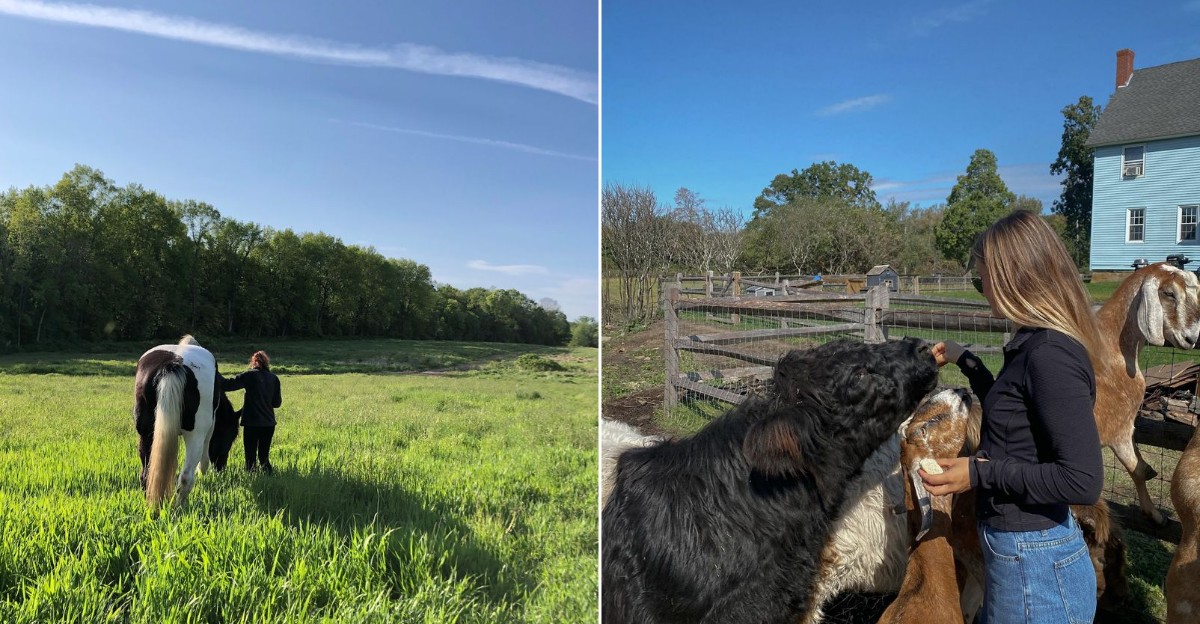
Volunteering can look small from the outside, but inside a rescue, one extra pair of hands can change an animal’s entire day.
This Connecticut sanctuary depends on people willing to show up, help with daily work, and give rescued animals the steady care they need. That matters more than it sounds.
A cleaned space, a patient interaction, or time spent helping behind the scenes can give staff more room to focus on the animals themselves.
The work is practical, but the emotional part sneaks up on you.
You start by helping with chores and end up noticing which animal is slowly becoming more comfortable around people. There is real hope in that.
Volunteers are not decoration here. They are part of how the place keeps moving forward, one ordinary task at a time.
And when an animal begins to trust again, even the smallest contribution can suddenly feel enormous. That is the kind of progress people remember.
1. Rescued Animals Give This Farm Its Heart
Every animal here has a story. Some arrived after neglect, while others needed a permanent home after difficult circumstances.
What they find is a place built around patience and steady care.
Daily life goes far beyond food and shelter. Animals are given time to adjust at their own pace, with gentle handling helping them grow more comfortable around people.
That slower approach can make visits surprisingly moving.
The connection works both ways. Guests often leave feeling lighter than when they arrived, especially after spending time close to animals that have developed strong personalities.
Sometimes all it takes is a curious goat leaning against your leg to make the rest of the day feel a little quieter.
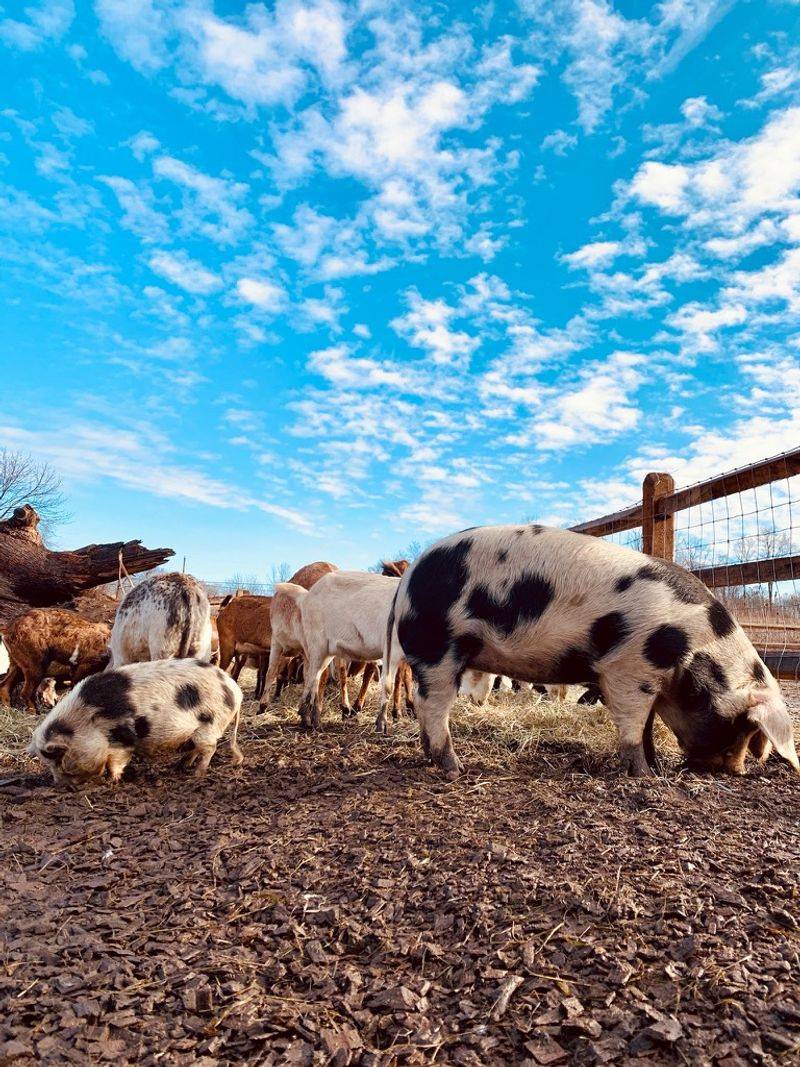
Regular visitors quickly learn the individual quirks. Some pigs eagerly seek attention, while the draft horses have their own routines.
Even the miniature Zebu has a personality that becomes familiar with enough time around the farm. Volunteers soon figure out which animals enjoy affection and which prefer keeping watch from a comfortable distance.
That bond is a big part of what makes volunteering memorable. People arrive ready to help with the animals’ care, but the experience often gives something back too.
For animal lovers, spending an afternoon helping here can feel less like a chore and more like time genuinely well spent.
2. Quiet Country Roads Open Into 114 Acres
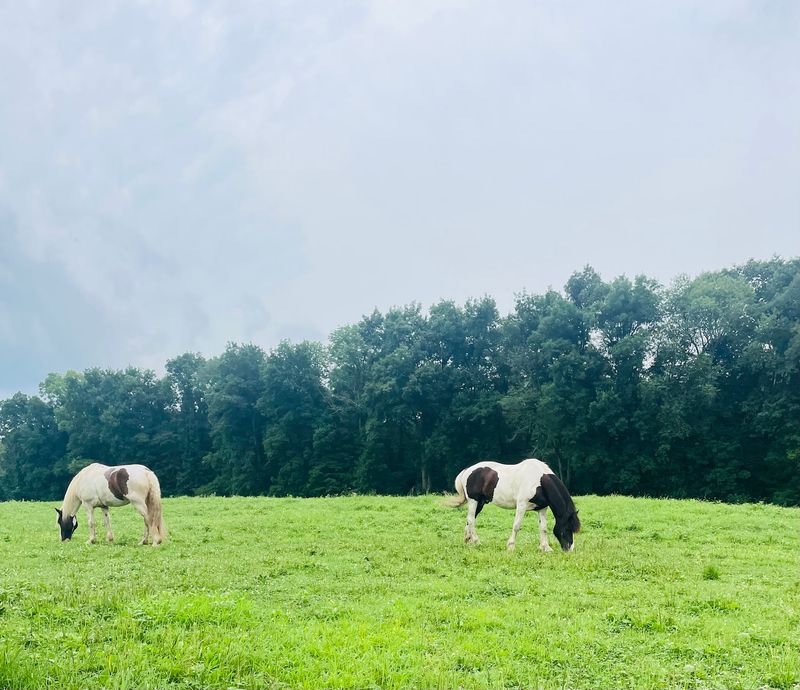
The road gets quieter before the farm even appears. Fields stretch wider, trees close in, and the scenery starts doing its job.
By the time you arrive, the busy part of the day already feels farther away.
Blue Iris Farm covers 114 acres in Lebanon, giving rescued farm animals plenty of room while creating a peaceful setting for visitors. Open land and wooded areas shape the property, with ponds and natural scenery adding to the rural feel.
The farm’s mission also connects animal rescue with experiences centered on nature, reflection, and time spent around the animals.
That setting changes the pace almost immediately. Instead of traffic and crowded sidewalks, the background is filled with farm sounds and the occasional interruption from an especially vocal animal.
Visitors are encouraged to slow down and enjoy the property rather than rush from one activity to the next.
The landscape is part of what makes the experience memorable. Animals have space to settle into comfortable routines, while guests get a chance to spend time somewhere that feels removed from everyday distractions.
Blue Iris Farm is at 1339 Trumbull Highway, Lebanon, CT 06249. Visits are by appointment, so planning ahead is important before making the drive.
Once you are there, the combination of rescued animals and wide-open countryside makes it easy to understand why the farm emphasizes connection with both animals and nature.
3. The Sanctuary Began Its Mission In 2021
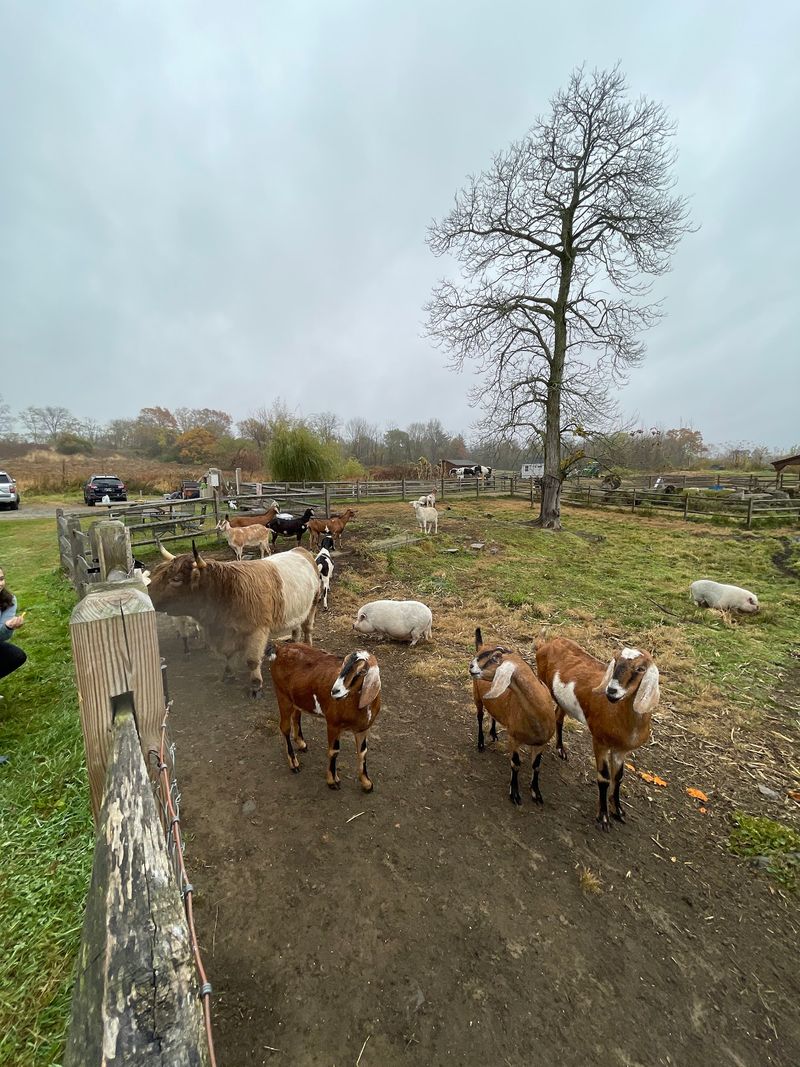
Big projects usually start small, and this one started as an idea in 2019. The land purchase followed on January 15, 2021, which is the date the sanctuary counts as its true beginning.
From there, the work was steady rather than instant. Fences went up, shelters were built, and animals began arriving as word spread that there was somewhere in eastern Connecticut willing to take them in.
The mission grew alongside the herd. What started as a rescue operation became a place that also welcomes people, and by 2024 the farm had expanded into organized programming that blends animal care with human connection.
Retreat days and group experiences now sit beside the everyday chores, which is unusual for a rescue of this size. Most sanctuaries focus purely on the animals, so the dual purpose here gives the place a distinct character.
For volunteers, that short history is actually encouraging. Nothing about the farm feels finished, so newcomers regularly find themselves working on something that did not exist a year earlier.
Being part of a young organization means your effort is visible. You can point at a coop, a fence line, or a healthy animal and know exactly where your afternoon went.
4. More Than 60 Animals Call The Farm Home
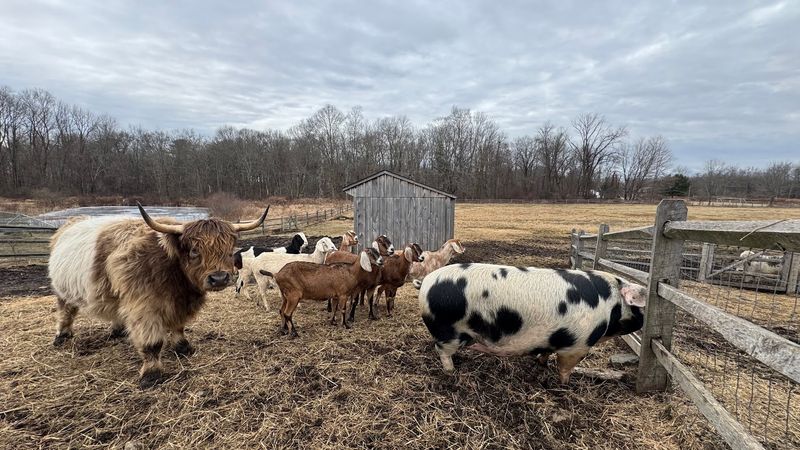
Sixty is a number that sounds manageable until you try feeding all of them. That is roughly how many rescued animals live on the property, and the roster covers a wide range of species.
Draft horses share the land with cows, including a miniature Zebu. Goats make up a large and vocal portion of the population, and pigs, sheep, rabbits, guinea pigs, geese, ducks, chickens and roosters fill out the rest.
Each one came from a different set of circumstances. Some were surrendered by owners who could no longer manage them, others were pulled from situations where they were not thriving.
The team keeps track of those individual histories and shares them openly, which turns a walk through the barnyard into a series of small biographies rather than a generic petting experience.
Goats tend to steal the show. Visitors consistently mention goat walks, hand-feeding, and the way the herd trots over the moment someone appears at the gate.
Here is a small detail that regulars pass along: the goats seem to enjoy music, and more than one volunteer has ended up humming through chores with an attentive audience of curious, four-legged listeners crowding in close.
5. Volunteers Help With Daily Animal Care
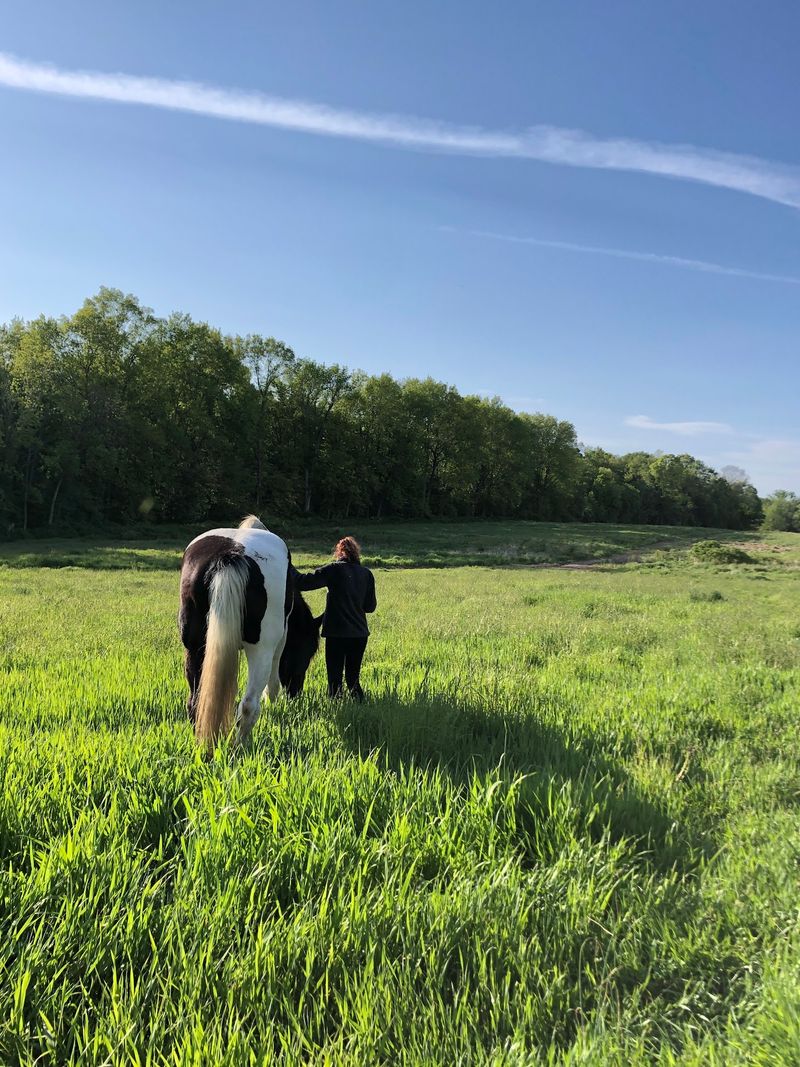
This place runs on helping hands. Volunteers play a huge role at Blue Iris Farm, supporting the everyday work that keeps rescued animals comfortable and cared for.
It is practical work, but it can be surprisingly rewarding too.
Farm workdays are open to both individuals and groups, and no previous animal-care experience is required. Volunteers may help with chores around the property while learning more about animal welfare and the needs of the sanctuary’s residents.
Students have another way to get involved. Internship opportunities are available for high school and college students, with hands-on experience shaped around interests such as farming, animal welfare, or community outreach.
Interns can assist with animal care and educational activities while learning how the organization operates behind the scenes.
Youth and civic groups can also participate through the Nurture & Learn program. Guided by experienced volunteers, participants help with simple farm chores while learning about responsible animal care and the importance of treating animals with compassion.
Nobody needs to arrive as an expert. The point is to contribute, learn, and become more comfortable around the work as the day goes on.
That combination gives volunteering here its appeal. You show up ready to help the animals, and the experience can easily become one of the most memorable parts of your week.
6. Farm Chores Keep Helping Hands Busy
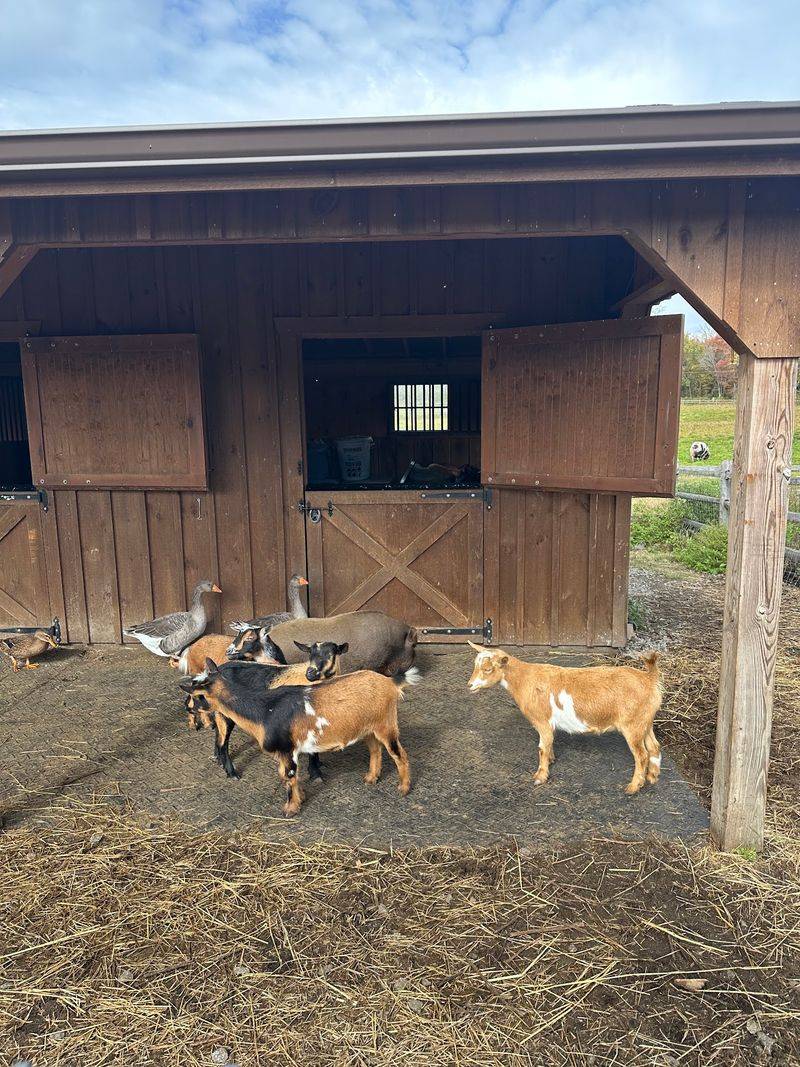
Boots on, gloves ready, and there is always a list. Farm workdays cover the practical side of sanctuary life, and no prior experience is needed to jump in.
Cleaning enclosures, hauling and stacking hay, refilling water buckets, and refreshing bedding form the backbone of most sessions. Larger projects appear too, including fence expansion, painting newly built chicken coops, and even building stone walls.
Groups have used the farm for team-building days that mix real work with a shared lunch break. Families and individuals are welcome on the same footing.
Not every task is heavy. Brushing goats, socializing rabbits, and helping animals get comfortable with human contact all count as meaningful contributions, and some volunteers have learned about things like hoof trimming and sustainable farming practices along the way.
A few practical suggestions before a workday: bring water, sunscreen in warm months, layers in cold ones, and expect your clothes to pick up hay and dust.
What tends to stick with people afterward is the satisfying tiredness at the end. Physical work outdoors, with animals watching your progress, has a rhythm that a screen-filled day simply cannot match.
7. Volunteer Guides Share Each Animal’s Story
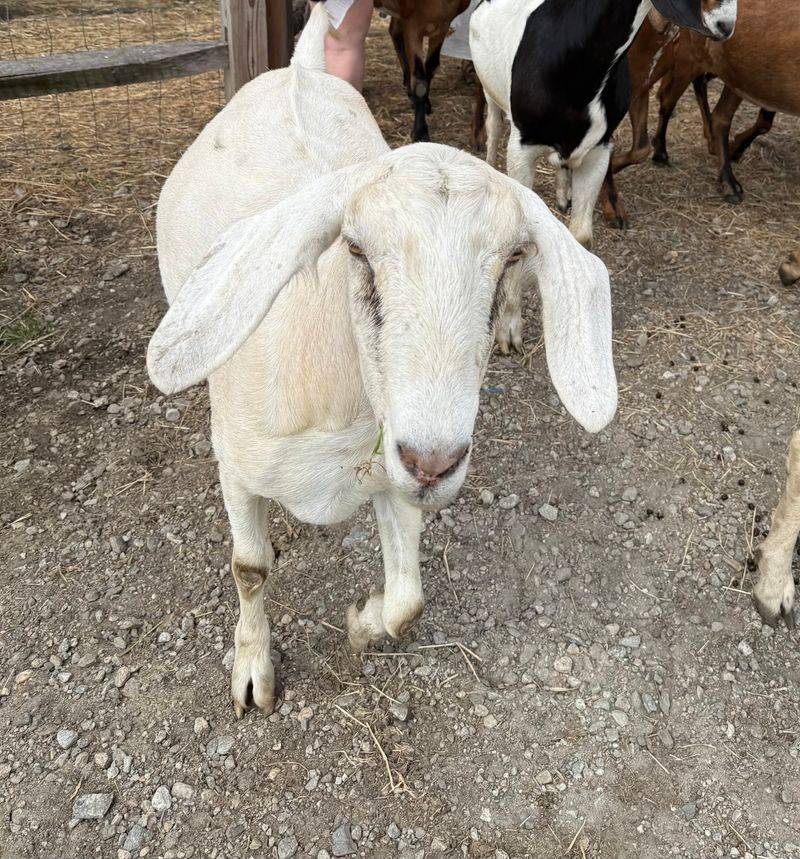
Storytelling turns out to be one of the most valuable jobs on the property. Volunteers greet arriving guests, walk them through the barns and pastures, and introduce the residents by name and history.
Questions come constantly, especially from children, and guides answer them patiently while explaining what each animal eats, how it was rescued, and how its recovery has progressed.
Hearing where an animal came from changes how you see it. A goat that seemed like just another goat becomes a specific creature with a specific past, and visitors tend to slow down and pay closer attention once they know.
Guided experiences often include goat walks, brushing horses, handling baby chicks, and feeding sessions with pigs, cows, bunnies, guinea pigs and ducks.
Guests frequently mention how welcoming and knowledgeable the guides are, and how unhurried the visits feel. Nobody is shuffled along a fixed track.
The farm has also worked hard to accommodate families with different needs, offering extra hands and flexible timing so that everyone can enjoy the experience comfortably.
For a volunteer, the guide role is quietly powerful. You are handing strangers a reason to care about animals they had never thought about before.
8. Every Helping Hand Keeps The Mission Moving
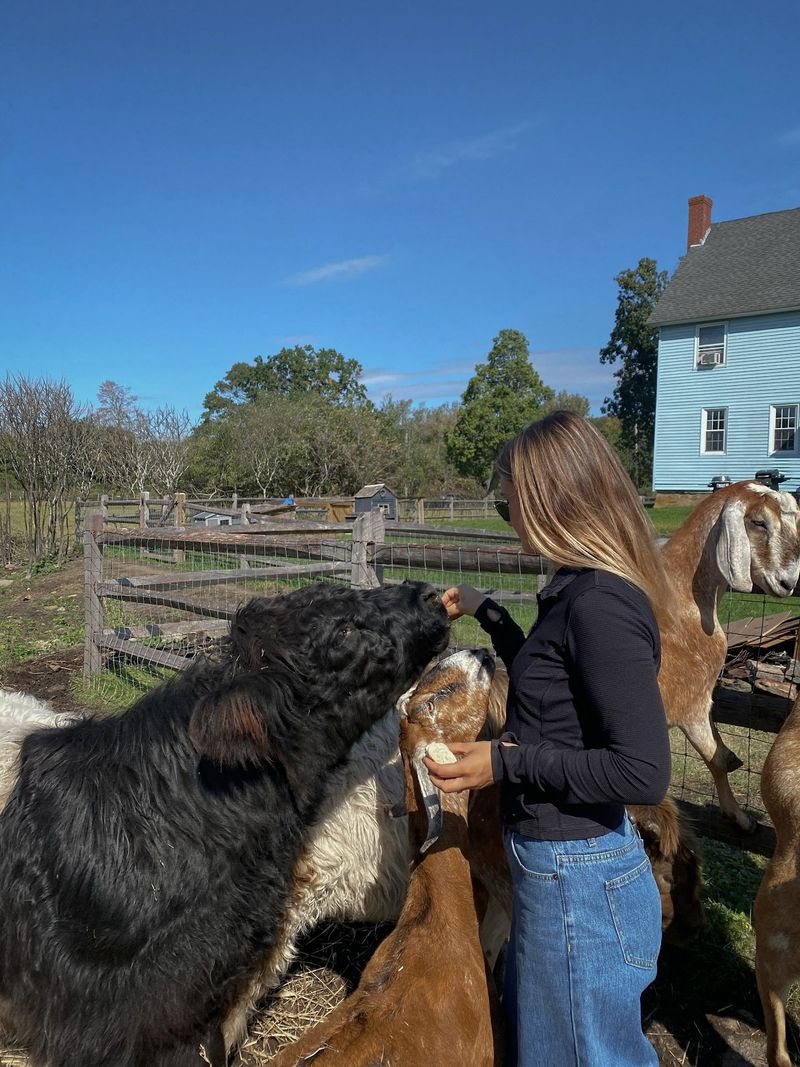
Take away the volunteers and the whole operation stalls. That is not an exaggeration, it is simply how a sanctuary of this size functions.
Their work directly shapes the quality of life for more than sixty animals, from the food in the buckets to the enrichment that keeps curious minds busy. Consistent help also frees the farm to expand educational programming and welcome more community groups each season.
The stated vision is a world where animals are valued and people are renewed through meaningful connection. Reaching that goal depends on donors, partner organizations, and above all on people willing to give a few hours.
Contributions come in many shapes. Some volunteers arrive weekly, others join a single group workday, and some support the farm through supplies or donations toward feed and veterinary care.
Ways to get involved include individual volunteer shifts, group and corporate workdays, scout and school visits, and student internships for those wanting deeper experience.
If you are thinking about it, reaching out ahead of time is the sensible move since visits and workdays are arranged in advance.
Small acts stack up here. One afternoon of scrubbing buckets genuinely helps an animal sleep easier that night.