This Connecticut Beach Town Still Feels Untouched By The Crowds
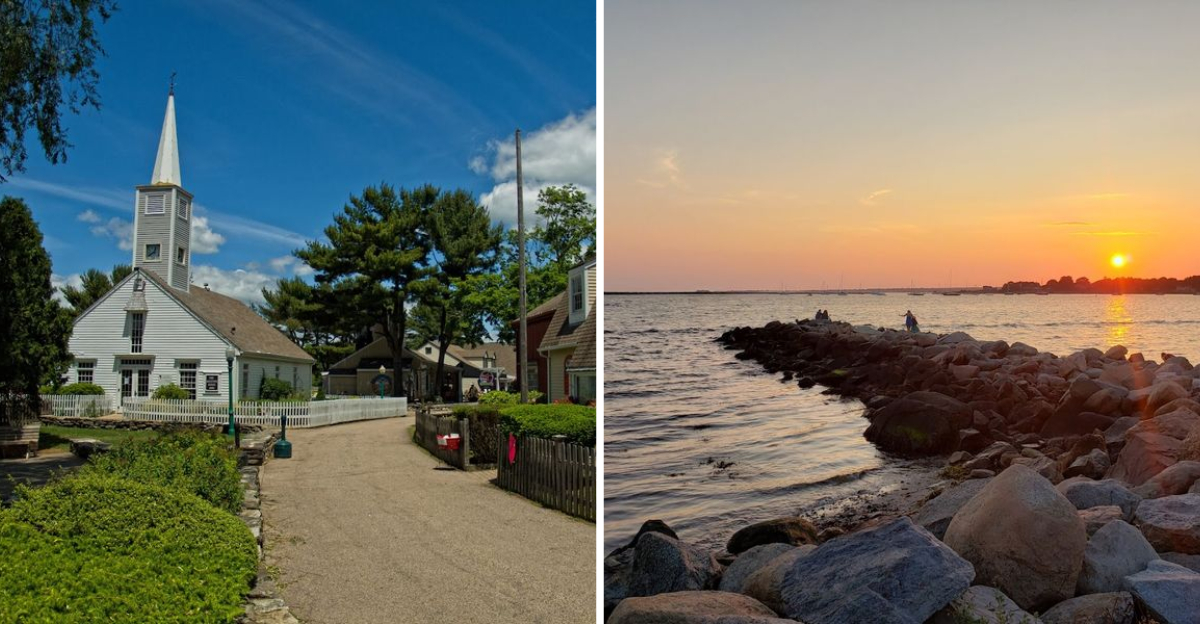
Beach towns usually get swamped by July. The parking fills, the lines grow. The quiet you came for vanishes.
This little town plays it differently. Connecticut hides it in a coastal corner.
The streets stay narrow and old. The harbor still smells like fishing boats. I went expecting crowds and found calm. It feels off the radar without trying.
Old sea captain homes line the lanes. Centuries have not rushed the place.
You can finally breathe by the water. You can park without circling for an hour. Locals nod as you pass. The seafood is as fresh as it gets.
Go before everyone else does.
A Town Rooted In Deep History
Few places in Connecticut carry their past so visibly.
Stonington Borough sits on a narrow peninsula, and walking its streets feels like flipping through an old history book. The town was incorporated in 1801, but its roots stretch back to the 1600s.
It was one of the earliest English settlements in Connecticut. The borough played a real role during the War of 1812, when British naval forces attempted to bombard it and were successfully repelled by local defenders.
That story is still told with obvious local pride.
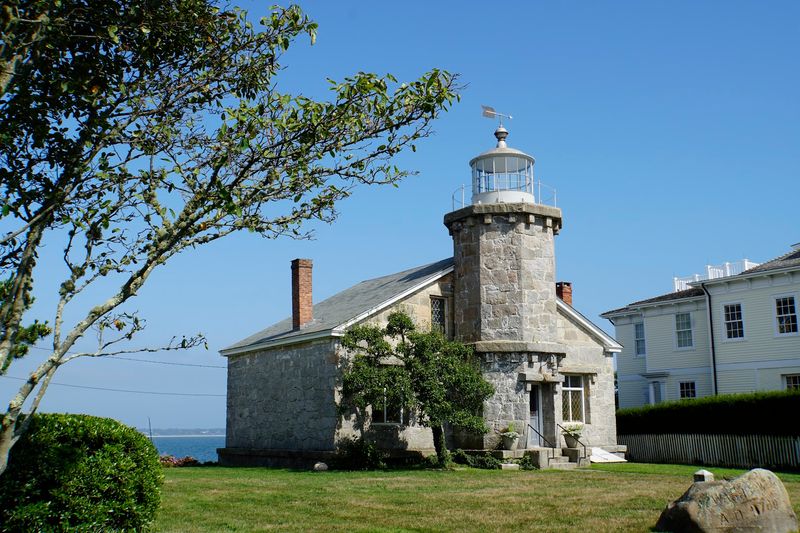
The Stonington Lighthouse Museum at 7 Water St sits right at the tip of the peninsula. It was built in 1840 and became the oldest lighthouse museum in America in 1925, offering a compact but fascinating look at the town’s seafaring past.
Stone walls, antique tools, and maritime artifacts fill the small rooms. Climbing to the top of the lighthouse gives you a sweeping view of the harbor and Long Island Sound.
It is the kind of place that makes history feel personal rather than textbook-dry. I left with a much deeper respect for this corner of the state.
The Harbor That Still Works
Not every coastal town still has a working fishing fleet.
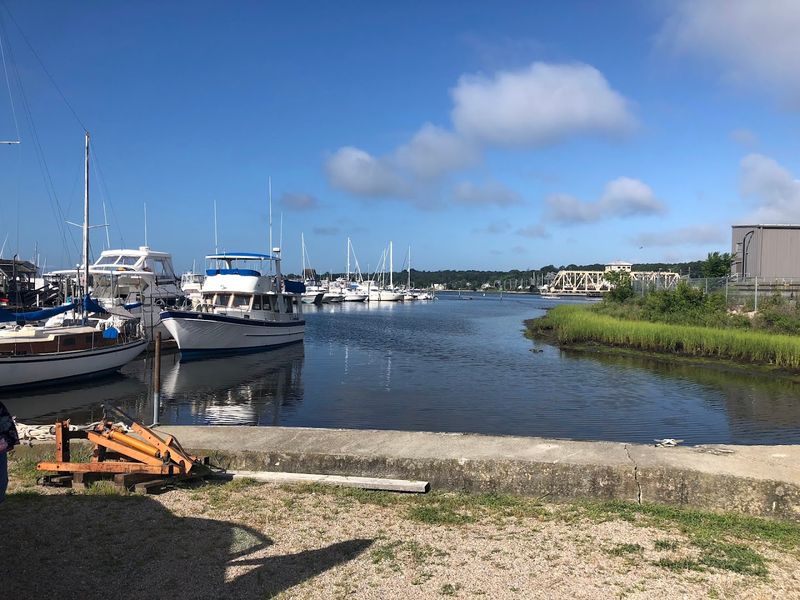
Stonington does, and that makes its harbor feel honest in a way that polished tourist docks simply cannot match. Lobster boats and draggers line the piers on most mornings.
The smell of brine and diesel hangs lightly in the air. Fishermen unload their catch with practiced efficiency, and seagulls circle overhead with shameless optimism.
It is a scene that has played out here for generations, and it shows no sign of slowing down.
Stonington is actually one of the last remaining commercial fishing ports in Connecticut. That distinction matters.
The harbor keeps the town grounded and real, even as other coastal communities have shifted entirely toward tourism and leisure.
Watching the boats come in at sunrise is one of those simple pleasures that no itinerary can fully prepare you for. The light hits the water in long golden strips.
Grab a coffee from a nearby shop, find a bench near the dock, and just watch. It costs nothing and stays with you far longer than any souvenir would.
Quiet Streets Worth Every Step

There are towns you drive through, and then there are towns you walk.
Stonington Borough falls firmly into the second category. The peninsula is small enough to cover on foot in an afternoon, and every block seems to offer something worth pausing for.
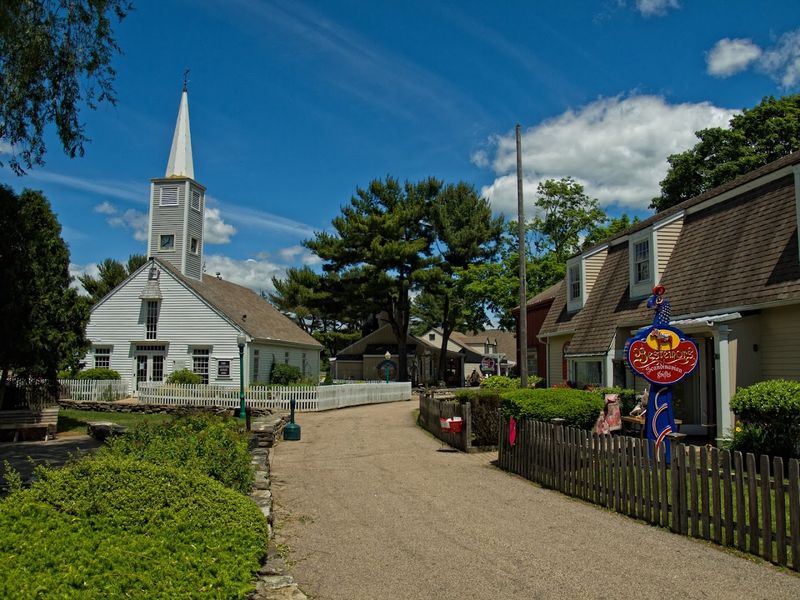
Water Street and Main Street are the two main arteries. Both are lined with Federal and Greek Revival homes that have been well maintained over the decades.
Window boxes overflow with flowers in summer. Wrought iron fences frame tidy front yards.
The residential streets feel genuinely lived-in rather than staged for visitors. People sit on their porches.
Dogs trot along the sidewalks. It has the easy rhythm of a place where neighbors actually know each other.
Connecticut has no shortage of charming small towns, but few feel as cohesive and unhurried as this one. There are no chain stores cluttering the streetscape.
Independent shops, small galleries, and local eateries fill the storefronts instead.
I found myself slowing down instinctively, the way you do when a place earns your full attention rather than just demanding it.
DuBois Beach And The Sound
Stonington Borough has its own small beach, and it punches well above its size.
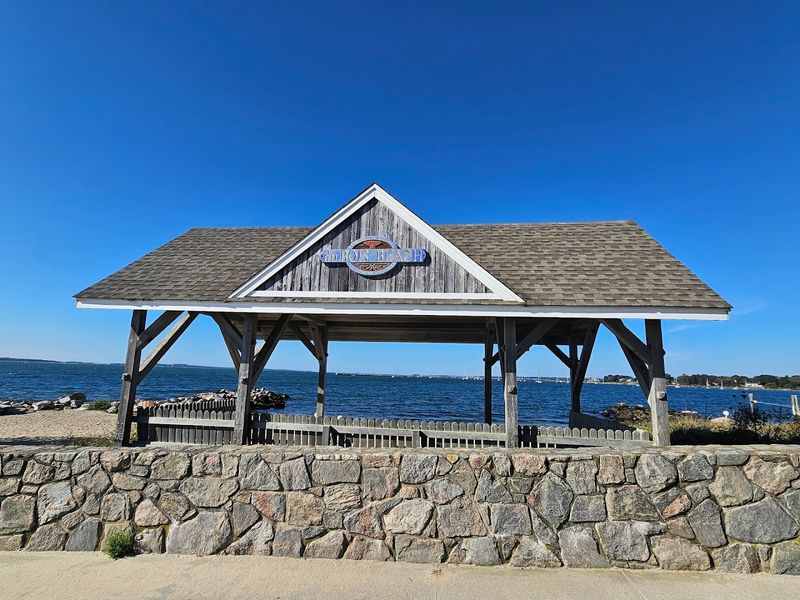
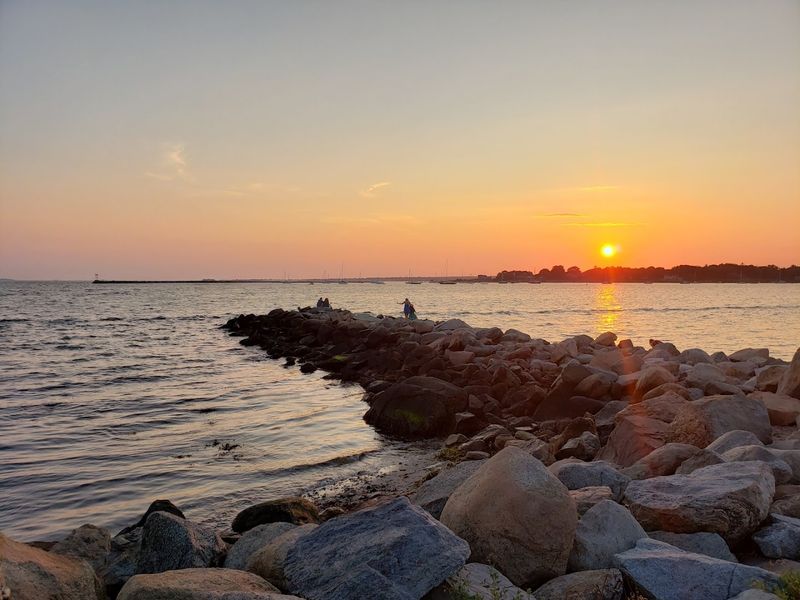
DuBois Beach sits at the southern end of the peninsula, tucked between stone jetties with Long Island Sound stretching out ahead. It is not a wide sandy expanse, but it has a quiet beauty that larger beaches often lack.
The water here is calm and clear on most days. Families spread out on the narrow strip of sand without the elbow-to-elbow crowding you find at more popular spots along the Connecticut shoreline.
The rocky edges of the beach make for excellent exploring at low tide.
Shells, smooth stones, and the occasional crab find add up to a satisfying afternoon. The view across the sound toward Long Island and the Rhode Island coast is genuinely impressive.
On a clear day, the horizon feels impossibly wide.
I spent nearly two hours here doing almost nothing productive, which is exactly the point. The beach is town-owned, so it stays protected from overdevelopment.
That restraint is one of the things Connecticut does right in this part of the state, keeping natural spaces accessible without turning them into spectacles.
Local Food Worth Seeking Out

Eating well in a small town can be tricky, but Stonington stacks the odds in your favor.
The connection to the local fishing fleet means that the seafood here is genuinely fresh, not trucked in from somewhere three states away.
Several small restaurants and cafes line the main streets of the borough. The menus lean heavily on what the harbor brings in each day.
Lobster rolls, chowder, fresh fish sandwiches, and clam dishes show up consistently, and they taste like the real thing.
Connecticut has a strong seafood tradition, and this corner of the state honors it well. Beyond fish, you will find bakeries, coffee shops, and small delis that cater to locals as much as visitors.
The food culture here feels unpretentious and satisfying.
I had a bowl of clam chowder at a small spot near the water that was thick, briny, and deeply comforting. No menu tricks, no elaborate garnishes.
Just good ingredients handled with care.
Art And Culture On The Peninsula

A town this old and this scenic tends to attract artists, and Stonington is no exception.
The borough has a small but active arts community that adds texture to what might otherwise be purely a historic and natural attraction.
Independent galleries dot the main streets, showing work by local and regional artists. Coastal paintings, ceramics, photography, and sculpture all find their place here.
The work tends to reflect the environment directly, so blues, grays, and sea-worn textures appear frequently.
Connecticut has a long tradition of supporting the arts in its smaller communities, and Stonington fits that pattern comfortably.
The Velvet Mill at 22 Bayview Ave, located just outside the borough in the Pawcatuck section of town, hosts artist studios and cultural events throughout the year. It adds a creative energy that complements the historic character of the borough itself.
I wandered into two galleries on my visit and ended up spending far more time than I planned. The owners were friendly and knowledgeable, happy to talk about the work without any sales pressure.
Best Times To Plan Your Visit
Timing a trip to a small coastal town matters more than most people realize.
Stonington rewards visitors who arrive outside the peak summer rush. Late spring and early fall are the sweet spots, and both offer something distinct.
May and early June bring mild temperatures, blooming gardens, and noticeably thinner crowds. The light is soft and long, and the harbor is already active with the fishing season well underway.
October is equally compelling, with crisp air and the kind of clear skies that make the water look almost electric.
Summer is still enjoyable, particularly on weekday mornings before the day-trippers arrive from nearby cities. Connecticut draws a lot of weekend visitors from New York and Boston, so arriving on a Tuesday or Wednesday makes a real difference.
Winter is quiet but not without appeal. The streets are nearly empty, the historic architecture stands out more clearly without summer foliage, and a few local spots stay open year-round.
I visited in late August and found it pleasantly manageable.
Getting There And Getting Around
One of the practical joys of visiting Stonington is how straightforward it is to reach.
The borough sits in the far southeastern corner of Connecticut, close to the Rhode Island border. From New York City, the drive runs roughly two and a half hours via Interstate 95.
From Boston, the trip is about ninety minutes heading southwest. The train is also an option, with Amtrak stopping in nearby Mystic, which is just a short drive from the borough.
Rental cars are available at surrounding stations for those arriving by rail.
Once you arrive, the borough itself is entirely walkable. Parking is available along the main streets and in a small lot near the waterfront.
The peninsula is compact enough that you will rarely need to move your car after arriving.
Connecticut does not have a major public transit network connecting its smaller coastal towns, so having a car gives you the most flexibility for exploring the surrounding area.