This Connecticut Botanical Garden Comes Alive With Color During Spring
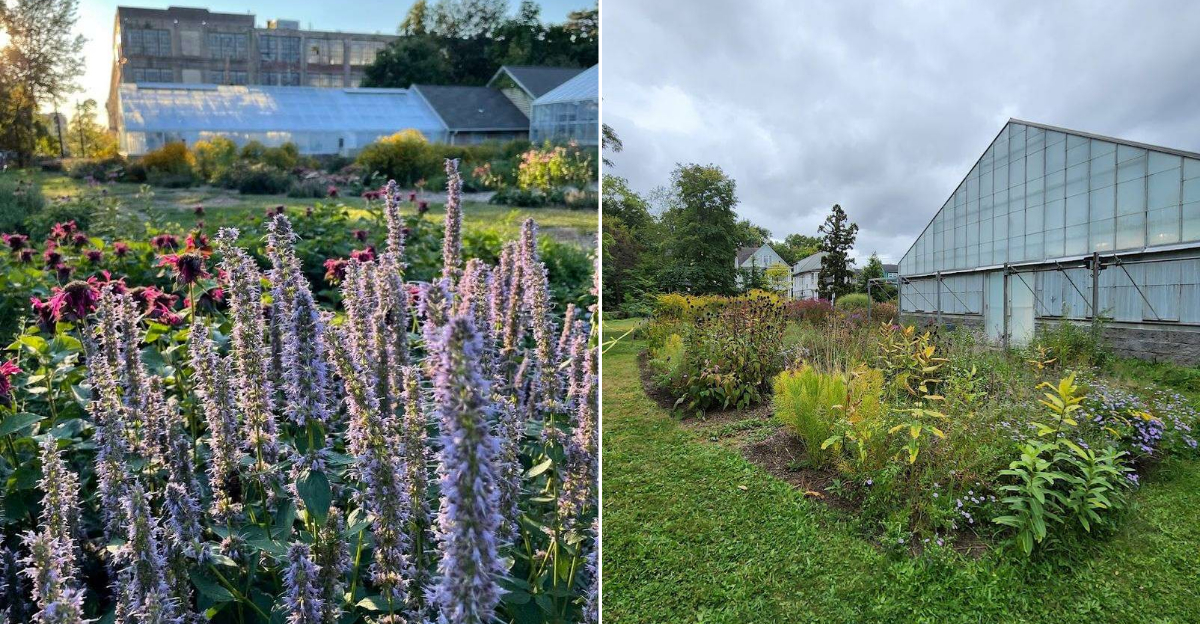
Spring has a way of showing off and nowhere does it more dramatically than here. Watching this botanical garden in Connecticut come alive in spring is the kind of visual experience you genuinely cannot prepare yourself for.
Blooms in every direction, pathways that feel completely different week to week as new things open up, and that specific fresh air that only exists when everything around you is growing at full speed.
It’s the kind of place that makes even people who don’t consider themselves nature people pull out their camera every thirty seconds.
Peaceful, stunning, and honestly a little hard to believe you’re not looking at a painting. Spring doesn’t last forever so this one is absolutely worth prioritizing before the season slips away.
1. Where To Find This Springtime Botanical Garden
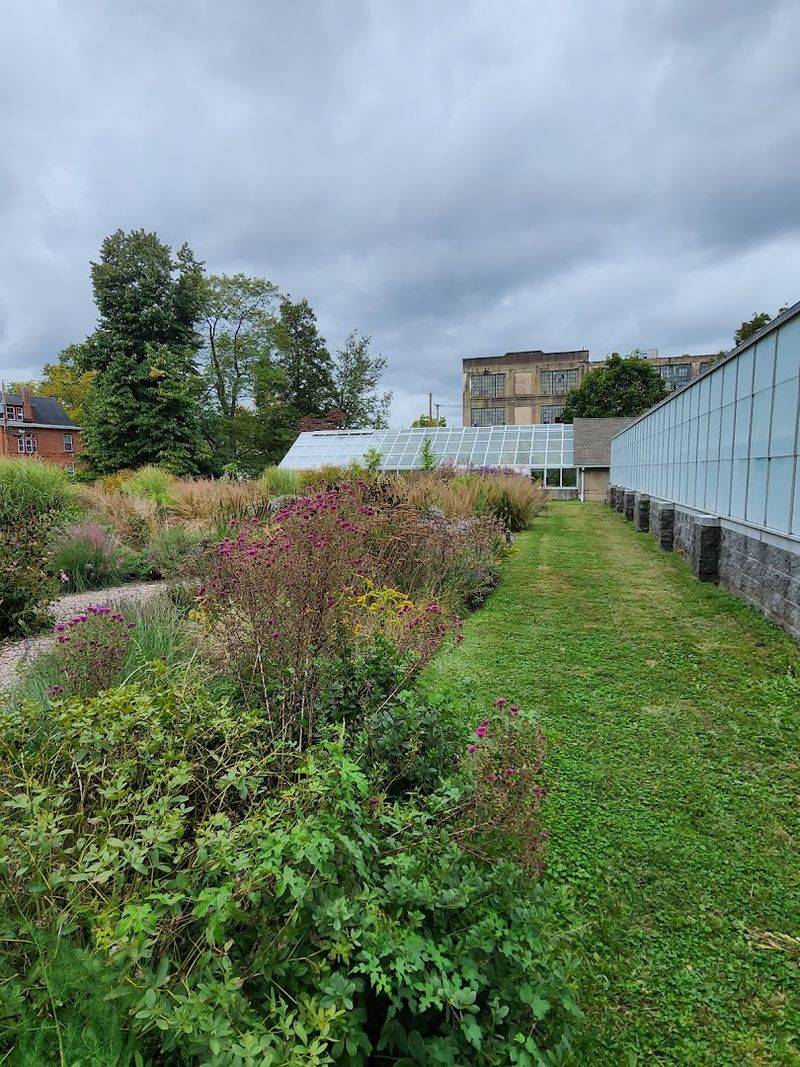
Knowing exactly where to go before arriving saves a lot of time and makes the whole experience more relaxed. The surrounding area has a calm, academic feel that sets a pleasant tone before visitors even step through the garden entrance.
Street parking is available nearby, though availability tends to vary depending on the time of day and whether classes are in session. Arriving earlier in the morning on weekdays generally makes parking a bit easier to manage.
Marsh Botanical Garden, at 265 Mansfield St, New Haven, CT 06511, sits within the Yale University campus on the edge of a quiet residential stretch of Mansfield Street. The garden is open Monday through Friday from 9 AM to 4 PM and remains closed on weekends, so planning around a weekday visit is essential.
Because the garden is part of an active Yale research facility, some areas may not always be accessible to the general public.
2. What Makes This Garden Bloom In Spring
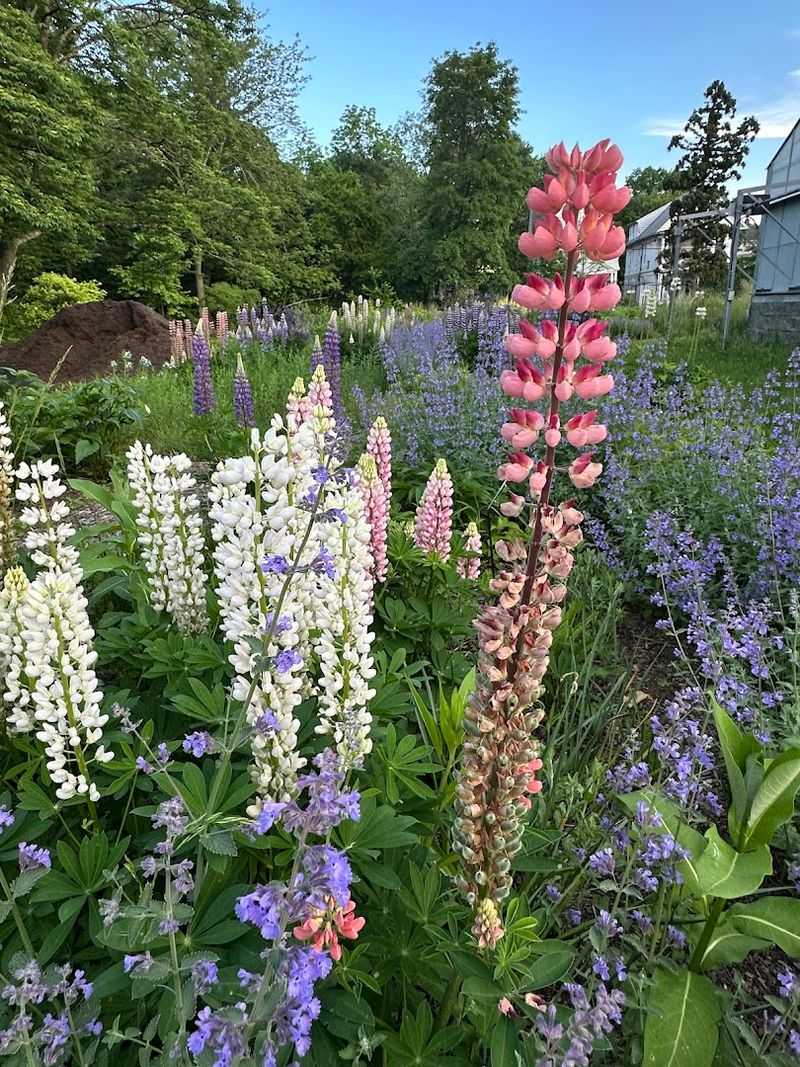
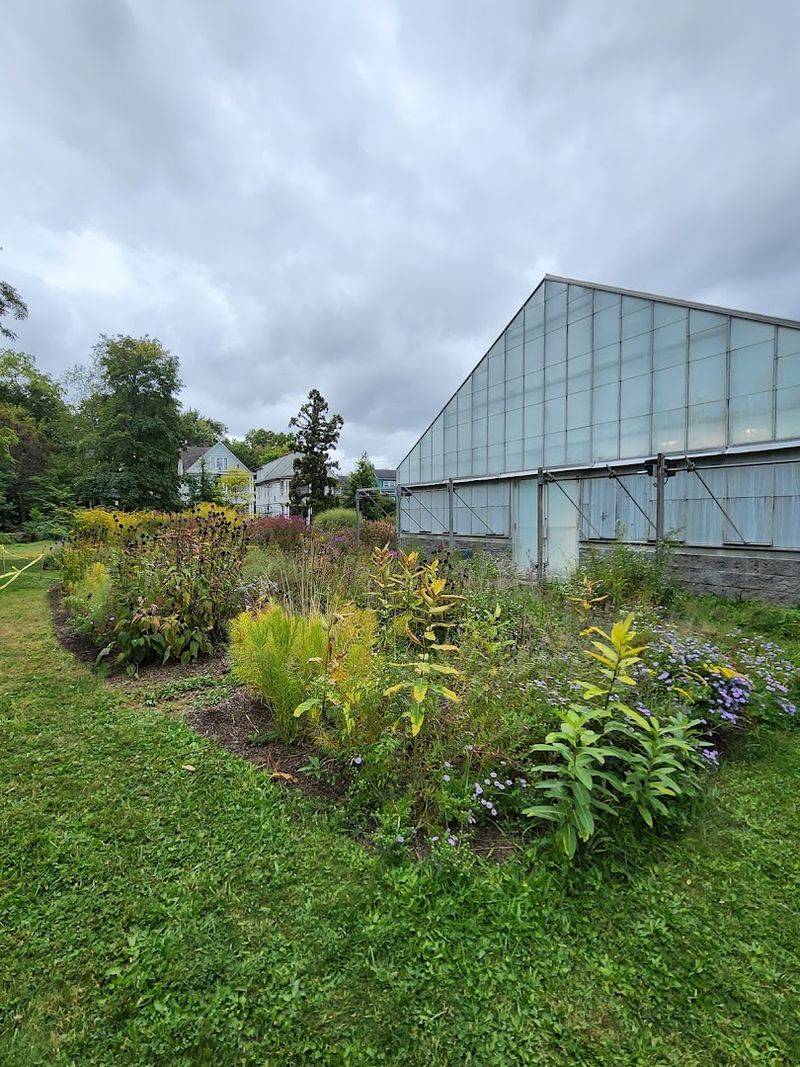
Spring has a way of completely changing the mood of an outdoor space, and at Marsh Botanical Garden, that shift is especially noticeable. The outdoor beds begin filling with pollinator-friendly plants that attract bees and butterflies as temperatures rise through April and May.
The combination of structured garden beds and more naturalistic plantings gives the space a layered, textured look that feels both curated and alive.
Inside the greenhouses, tropical and subtropical plants maintain their lush appearance year-round, but spring adds an extra burst of energy to the overall visit. Hanging vines drape overhead while ground-level plants fill every available corner with different shades of green and occasional splashes of color.
Carnivorous plants, fruit-bearing specimens, and rare exotics all share space in a way that feels genuinely educational rather than just decorative.
The garden serves as a working Yale research nursery, which means the plant selection tends to reflect serious horticultural interest rather than purely aesthetic display. That research-driven approach actually makes the spring blooms feel more meaningful, since each plant has a purpose beyond just looking beautiful during the season.
3. Best Months To Visit For Peak Color
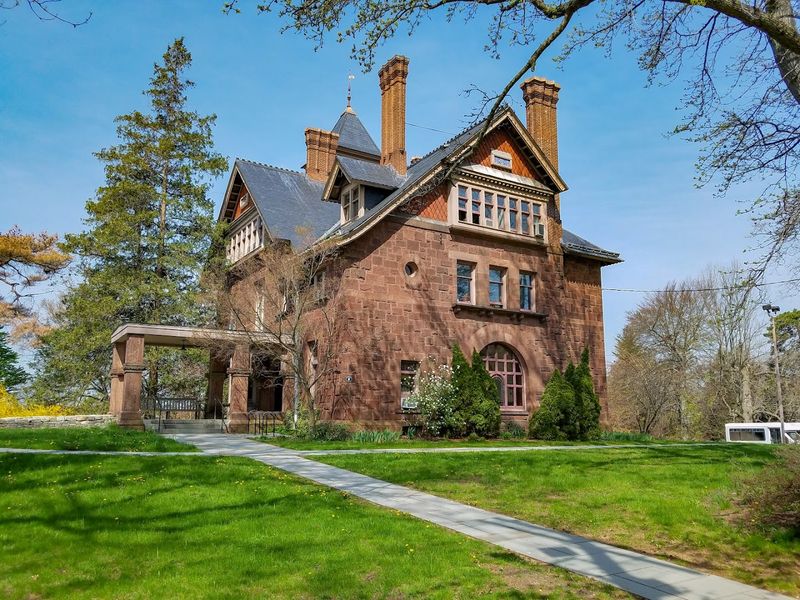
Timing a visit to catch the most color makes a real difference in the overall experience. April and May tend to be the most rewarding months for outdoor color at Marsh Botanical Garden, as the beds wake up from winter dormancy and begin producing their most vibrant seasonal growth.
Early spring visitors may catch the tail end of cool-season blooms while late spring brings warmer-weather flowers into full swing.
The greenhouses offer consistent visual interest throughout the year, but spring gives the outdoor areas their best showing by far. Pollinator plants that support bees and other insects tend to peak during this window, which adds movement and life to the garden beyond just the flowers themselves.
Visiting on a clear weekday morning in May tends to offer the best light for appreciating the full range of colors on display.
Checking the garden’s official website before planning a trip is a good habit since greenhouse access can sometimes be limited based on research activity or scheduled maintenance. The outdoor areas are generally more reliably accessible and reward spring visitors with a genuinely colorful and unhurried experience worth making time for.
4. How The Garden Evolved Over Time
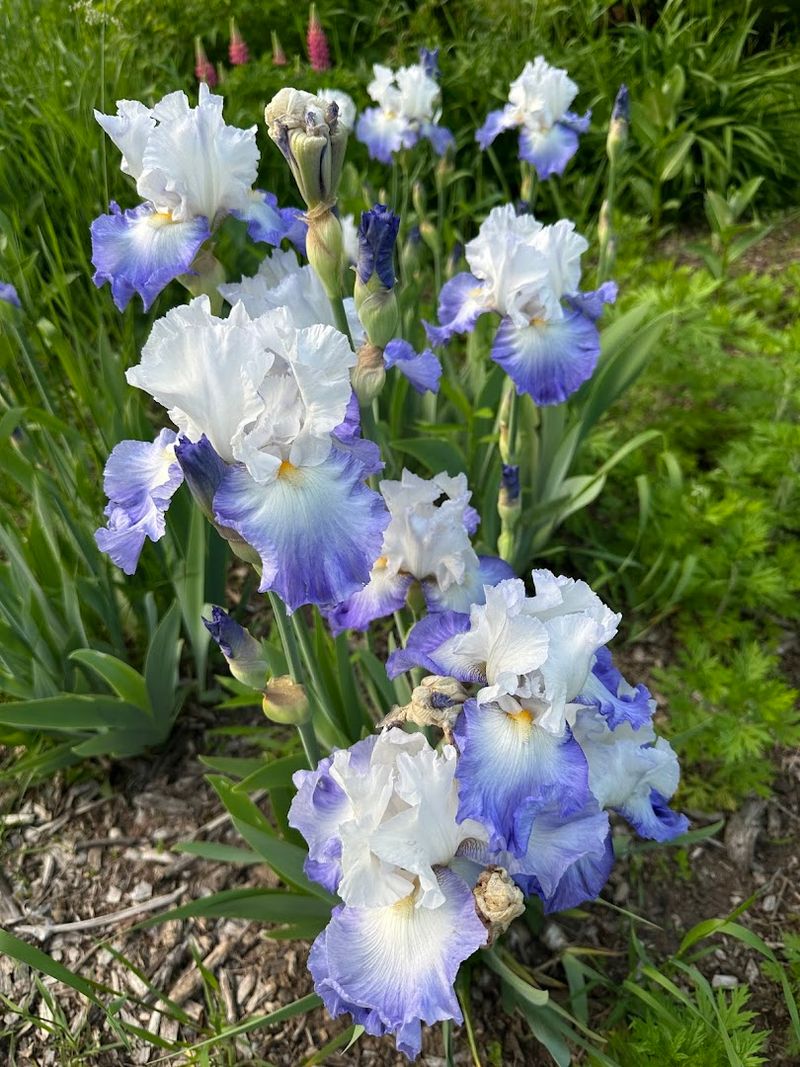
Originally established as a research nursery connected to Yale University, Marsh Botanical Garden has grown into something that serves both science and the public in equal measure. The garden’s roots in academic research give it a depth that purely ornamental gardens sometimes lack, with plant collections chosen for their educational and scientific value over generations.
That history shows in the variety and age of some specimens found throughout the greenhouses and outdoor beds.
Over the years the garden has maintained its connection to Yale’s academic programs while gradually opening more of its spaces to curious members of the general public. The four greenhouse structures on the property represent different stages of the garden’s development, with some areas dedicated to ongoing research and others more openly accessible during regular visiting hours.
Not every greenhouse is open to the public at all times, which reflects the garden’s dual identity as both a working research space and a community destination.
The outdoor beds have also evolved to include a stronger focus on pollinator-friendly plants in recent years, reflecting broader trends in sustainable horticulture. That shift has added ecological value to the garden alongside its existing scientific and aesthetic contributions to the New Haven community.
5. Why This Spot Feels Like A Spring Wonderland
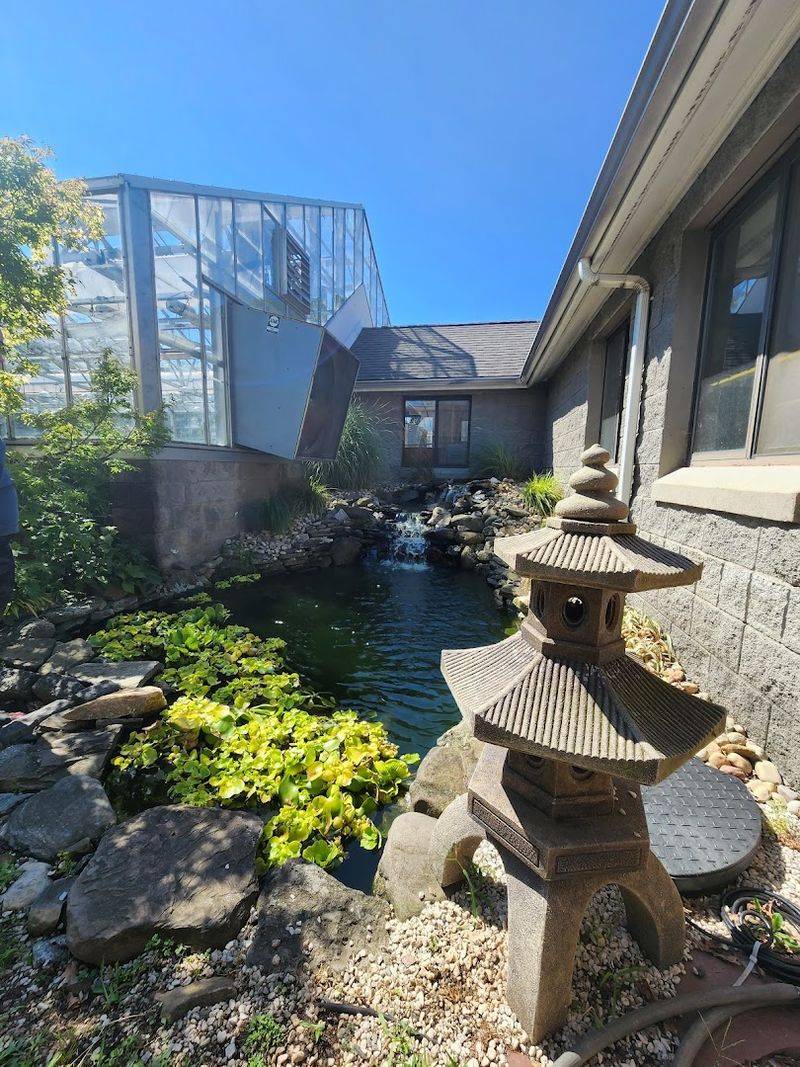
There is something quietly magical about stumbling across a tucked-away koi pond between greenhouse buildings when the rest of the city is going about its usual busy day. At Marsh Botanical Garden, that pond exists exactly as described, hidden between structures and surrounded by greenery that feels especially lush during spring.
Benches nearby invite visitors to sit and simply take in the calm without any pressure to keep moving.
The overall scale of the garden actually works in its favor during spring visits. Because the space covers roughly one acre, it never feels overwhelming or exhausting to explore.
The compact layout means visitors can wander slowly, double back to a favorite spot, or spend extra time in a greenhouse without feeling rushed or like they are missing something on the other side of a vast property.
Spring light filtering through greenhouse glass and landing on rows of exotic plants creates a warm, softly lit atmosphere that feels genuinely restorative. The combination of outdoor color, interior plant variety, a hidden pond, and the unhurried pace of a small campus garden adds up to an experience that feels far more special than the modest size of the space might initially suggest.
6. What Kinds Of Flowers You’ll See In Spring
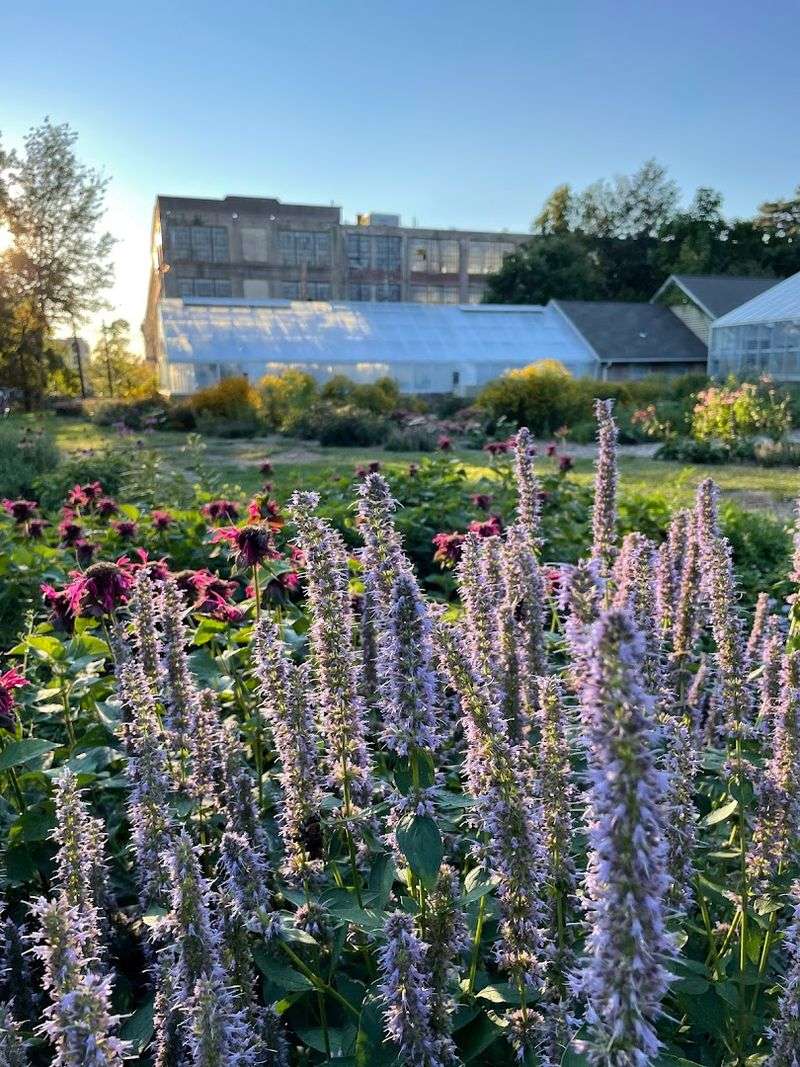
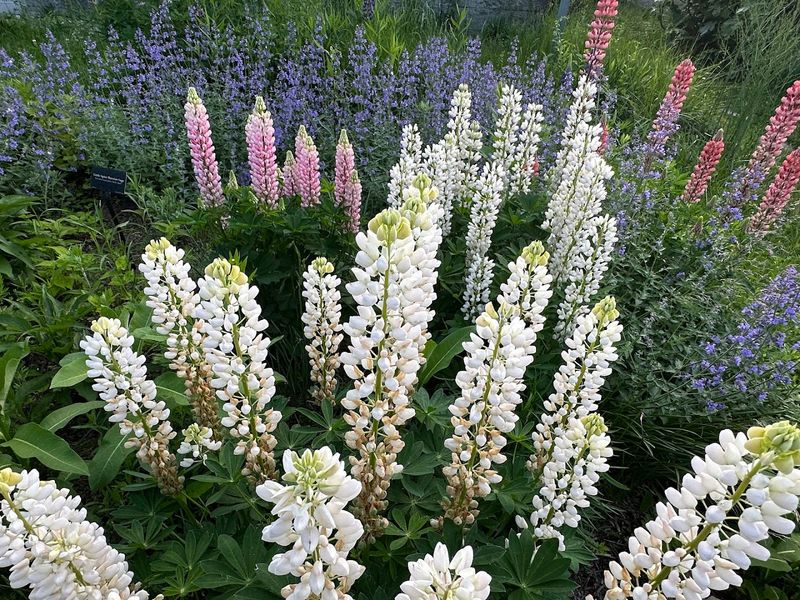
Spring at Marsh Botanical Garden brings a genuinely diverse mix of plants that rewards both casual visitors and dedicated enthusiasts. The outdoor beds tend to feature pollinator-friendly flowering plants that attract beneficial insects throughout the season.
These beds are arranged in a way that feels exploratory rather than rigidly organized, making each turn through the garden a small discovery.
Inside the greenhouses, the variety expands considerably beyond what the outdoor season alone can offer. Hanging vines cascade from overhead structures while fruit-bearing plants, carnivorous specimens, and exotic tropical flowers fill the interior with textures and colors that feel almost unexpected for a small campus garden.
The contrast between the outdoor spring beds and the greenhouse interiors gives visitors two distinct experiences within a single visit.
Because the garden functions as a Yale research nursery, some of the plant species on display may be unusual or rare varieties not commonly seen in public gardens of this size. Spring is a particularly good time to notice plants transitioning through different growth stages, from early budding to full bloom, which adds an educational dimension to the visual experience that makes the visit feel genuinely worthwhile.
7. Tips For Exploring The Grounds On Foot
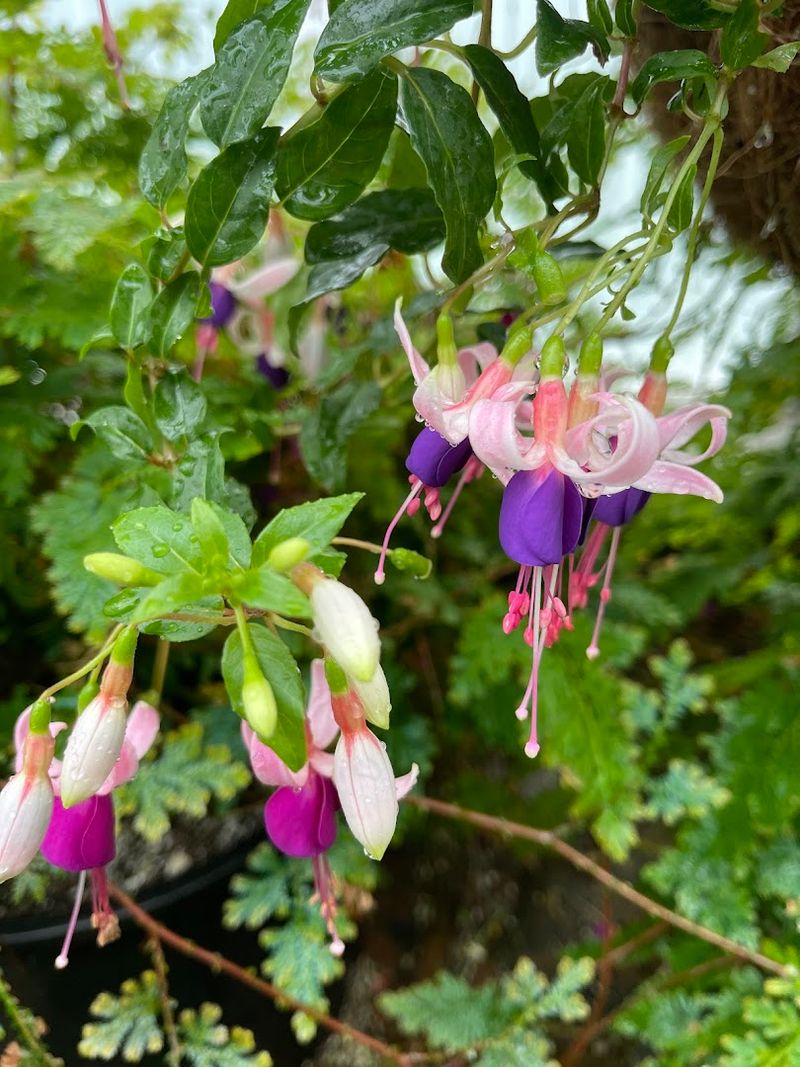
Comfortable walking shoes are a practical choice before heading out to explore the garden, since the grounds include both paved paths and softer outdoor bed areas that can vary in surface depending on recent weather. The layout of the garden does not follow a strict guided route, which means visitors are free to wander at their own pace and explore whatever catches their attention first.
That relaxed, unstructured approach actually makes the experience feel more personal and less like a formal tour.
Arriving close to the 9 AM opening time on a weekday tends to offer the quietest and most peaceful conditions for a spring walk. The garden can occasionally have the grounds entirely to oneself, particularly on slower mornings, which makes the experience feel genuinely private and unhurried.
Bringing a small notebook or a phone for photos helps capture plant names and details worth remembering later.
Keeping an eye out for the koi pond tucked between the greenhouse buildings is well worth the effort, as it can be easy to miss on a first visit. Guided walks are sometimes offered, so checking the official website at marshbotanicalgarden.yale.edu ahead of time may reveal scheduled programming that adds extra depth to a spring exploration of the grounds.
8. Who Will Love Visiting At This Time Of Year
Plant lovers of any experience level tend to find something genuinely engaging at Marsh Botanical Garden during spring. The combination of exotic greenhouse specimens and outdoor seasonal blooms offers enough variety to satisfy a dedicated horticulture enthusiast while remaining approachable and visually interesting for someone who simply enjoys a peaceful outdoor walk.
The unhurried pace of the space makes it comfortable for a wide range of visitors without feeling exclusive or intimidating.
Families with curious children may find the carnivorous plants and koi pond particularly captivating, since both offer the kind of up-close natural wonder that tends to hold younger attention spans effectively. The compact size of the garden also means that a family visit does not require a long commitment of time or energy, making it a manageable outing even for younger children or older adults who prefer shorter walks.
Photography enthusiasts will find the spring light and plant variety rewarding for both indoor and outdoor shots throughout the property. Anyone looking for a nature break from the surrounding urban environment of New Haven will likely appreciate how quickly the garden creates a sense of calm and separation from the busier streets just beyond its quiet campus setting.
9. How Much Time To Set Aside For Your Spring Walk
Planning ahead about how long to spend at the garden helps make the visit feel comfortable rather than rushed or unexpectedly short. Most visitors find that between 45 minutes and an hour and a half covers the outdoor beds and any accessible greenhouse spaces at a relaxed pace during spring.
The compact one-acre footprint means the garden does not require a full half-day commitment the way larger botanical institutions might.
Spending extra time inside the greenhouses tends to reward patience, since there is a lot of detail to notice once eyes adjust to the interior light and the full scale of the plant collection becomes clear. Moving slowly through the greenhouse spaces and pausing at individual specimens makes the experience feel much richer than a quick pass-through.
The koi pond area also invites a natural pause that adds a few unhurried minutes to the overall visit in a very pleasant way.
Arriving with a flexible mindset rather than a strict schedule tends to produce the most satisfying spring visit. Because the garden is open Monday through Friday from 9 AM to 4 PM, there is a reasonable window to arrive mid-morning and still have plenty of time to explore everything at a genuinely comfortable pace before closing time.