This Connecticut Cat Sanctuary Is Filled With Cats And Kittens Waiting For Families
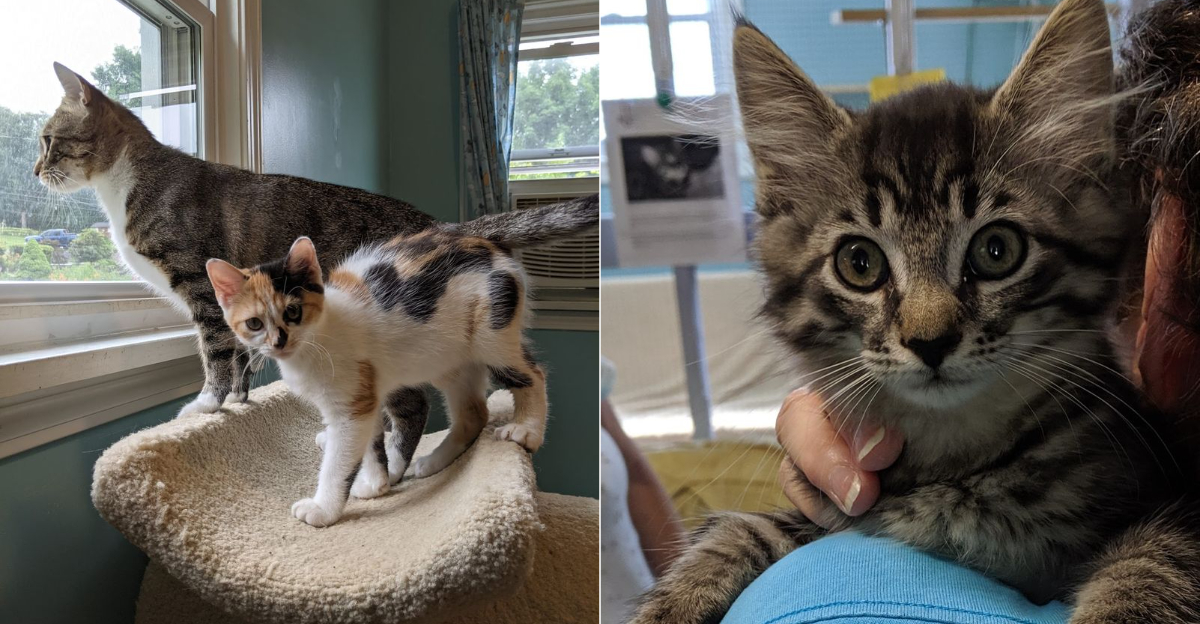
A room full of cats can sound playful until you notice how many tiny faces are quietly waiting for someone to choose them.
Inside this Connecticut sanctuary, rescued cats and kittens wait safely for the families who might finally become theirs.
That realization shifts the mood. A curious paw reaching through a gate can be adorable, but it also hints at a story you may never fully know.
One cat may stroll over immediately. Another might stay curled in a favorite corner, watching until trust feels possible.
The people caring for them learn those personalities closely.
Visitors often expect a cute afternoon and end up feeling far more attached than planned. It becomes hard not to wonder how long each animal has been waiting for the right person to notice.
Every adoption opens room for another cat that needs help.
The sweetest part is not simply meeting them. It is knowing that one visit could change an animal’s entire future.
1. Rescue Cats At The Heart Of Everything
Some rescues are built around urgency. This one is built around patience.
Cats that need extra time are allowed to settle at their own pace before adoption becomes the next step. That philosophy shapes Kitty Harbor, an all-volunteer sanctuary focused on giving cats and kittens stable care while matching them with permanent homes.
Its mission reaches beyond adoption, with community education encouraging spaying and neutering to reduce the number of homeless litters over time.
The organization also works to reunite lost cats with their families whenever possible. When a cat arrives frightened or underweight, the goal is not to rush the process.
Care continues until the animal is ready for whatever comes next. The pace can be gradual, and that is part of the point.
That slower approach gives the sanctuary a different rhythm from a quick-turnaround adoption center. Volunteers handle daily care and keep the shelter running, while donations support the work behind each successful placement.
The group serves southeastern parts of the state and nearby Rhode Island, bringing cats in from a broad regional area.
What stands out most is the consistency of the mission. Every piece of the operation points toward safer cats and homes meant to last.
2. Quiet Griswold Surroundings In Southeastern Connecticut
The road gets quieter before the destination comes into view. That slower approach suits a sanctuary whose story began with a modest piece of land and a very specific purpose.
The property was purchased in May 2005, giving the organization two acres to shape around the needs of rescued cats. A house and several outbuildings were already on the site, but substantial remodeling was needed before the sanctuary could fully take shape.
Kitty Harbor opened later that year, and the property has continued evolving as its work expanded.
The surrounding town adds to the sense of separation from busier parts of the state. Griswold was incorporated in 1815 and remains part of southeastern Connecticut, where rural roads and wooded stretches give the drive a distinctly quieter feel.
Visitors should expect a working sanctuary rather than a large institutional complex. The setting is simple and practical, with each space serving the animals first.
Kitty Harbor is based at 2263 Glasgo Road, Griswold, CT 06351. The modest property feels closely connected to the mission rather than dressed up for appearances.
By the time you arrive, the slower pace of the area already seems to fit the sanctuary naturally.
3. Helping Homeless Cats Since 2005
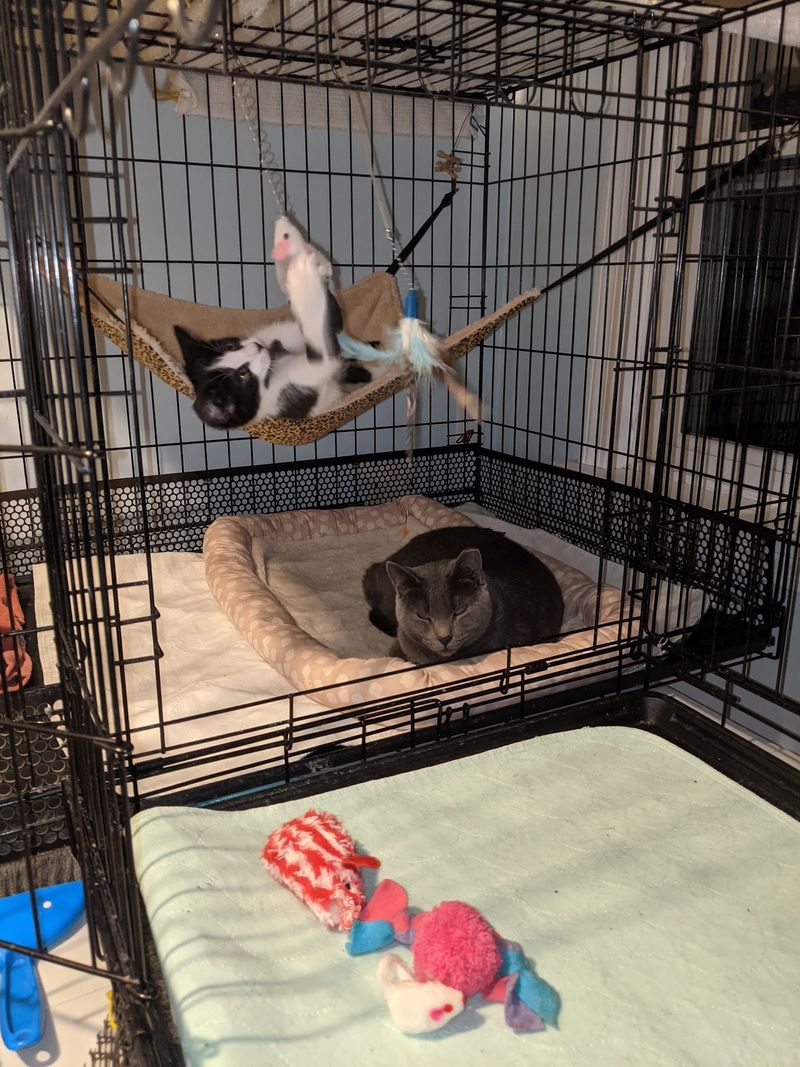
Twenty years is a long run for an all-volunteer sanctuary, and Kitty Harbor has been at it since August 2005, when it first opened its doors to homeless cats and kittens.
The groundwork started even earlier. The corporation was legally established in 2003, well before the first cat ever walked in.
Preparation included attending conferences focused on exactly this kind of work, including a No More Homeless Pets conference in 2004 and a How to Start a Sanctuary program in 2005.
That detail says something useful about the place. Rather than opening on good intentions alone, the people behind it went looking for practical knowledge first, learning from organizations that had already figured out what works.
Today it functions as a 501(c)(3) nonprofit, entirely volunteer-run and dependent on community support to keep going.
No paid staff means donations go toward the animals and the building instead of salaries, and the sanctuary states that 100 percent of donations support shelter expenses.
Two decades of steady, unglamorous work adds up. Litter scooped, vet appointments driven, applications reviewed, cages cleaned, and hundreds of small daily tasks repeated week after week so that cats keep having somewhere to land.
4. Kittens And Adult Cats Waiting For New Homes
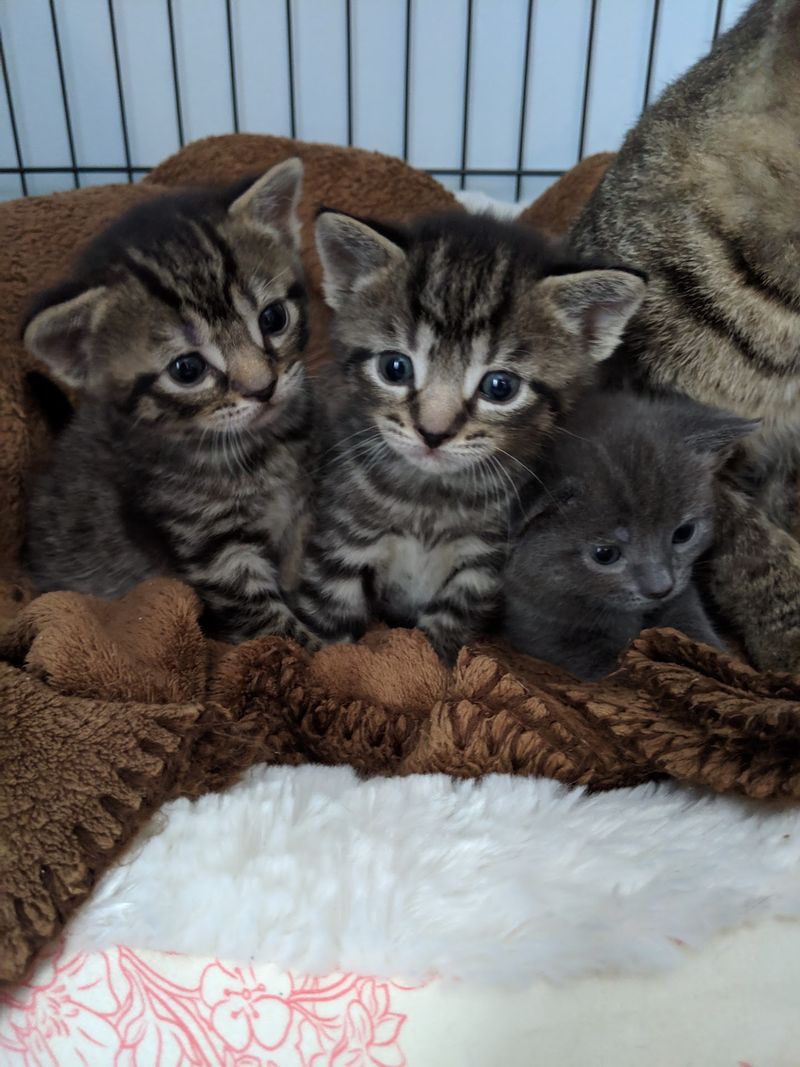
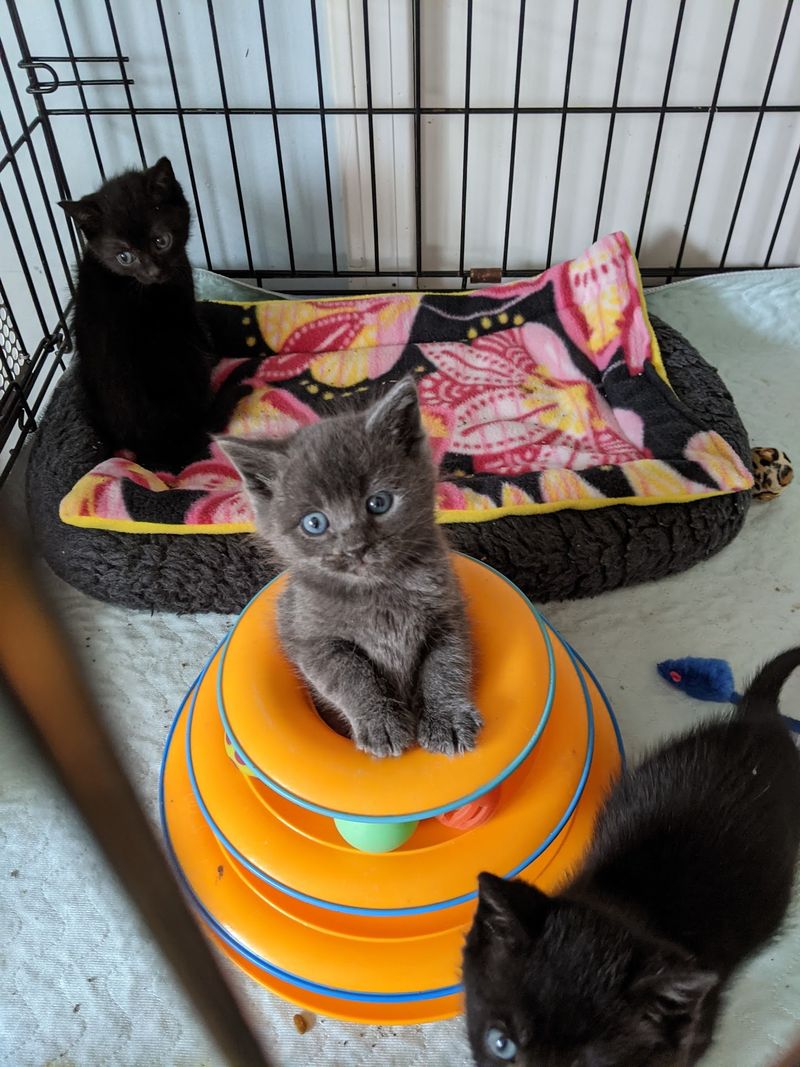
Kittens are the headline attraction, and Kitty Harbor often has plenty of them. Youngsters are typically around eight weeks of age and older, tumbling over each other in that brief, ridiculous stage of life.
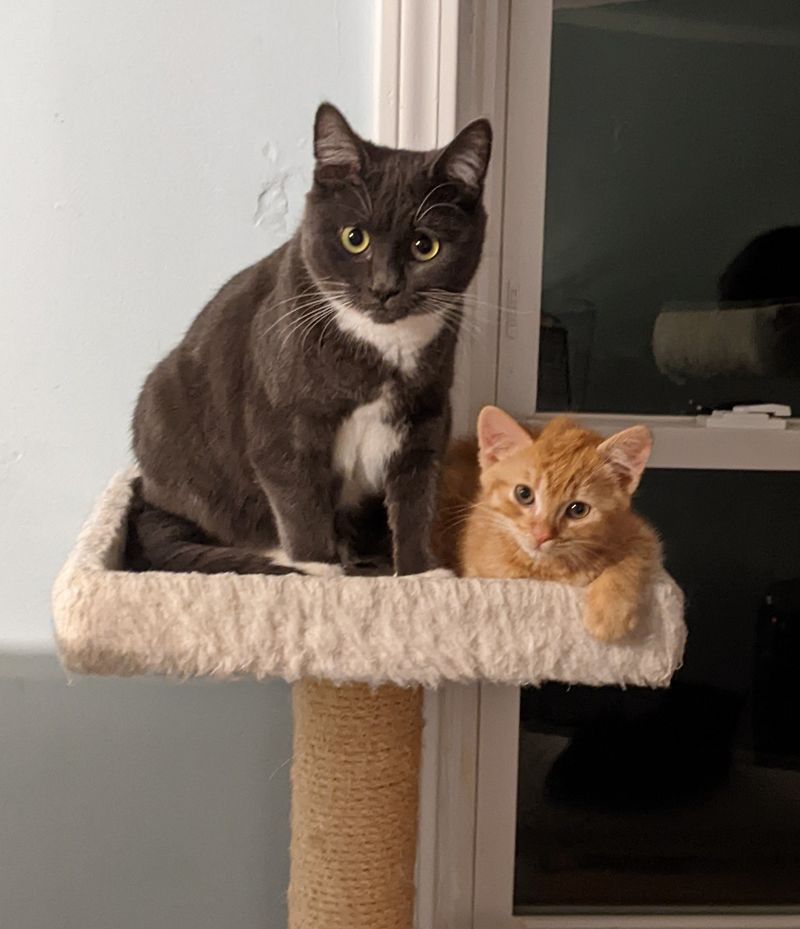
Adults share the space too, and they are worth a serious look. A settled grown cat already knows who they are, which makes them easier to match with a household.
Health screening comes first for every arrival. Cats are tested for feline AIDS and leukemia and must test negative before joining the sanctuary population, which protects the residents already living there.
From there, each cat receives veterinary care, including necessary vaccinations, and is spayed or neutered once old enough.
Photo galleries let you see who is currently available before you ever get in the car, and there is a happy-endings section celebrating cats who have already moved into their new homes.
Not everyone is in a position to adopt, and the sanctuary has an answer for that: sponsoring a cat. Sponsors help cover the cost of care while a specific cat waits for the right family.
Some cats are shy, some are bold, and the mix changes constantly. Come with an open mind rather than a fixed checklist.
5. Careful Matches Between Cats And Families
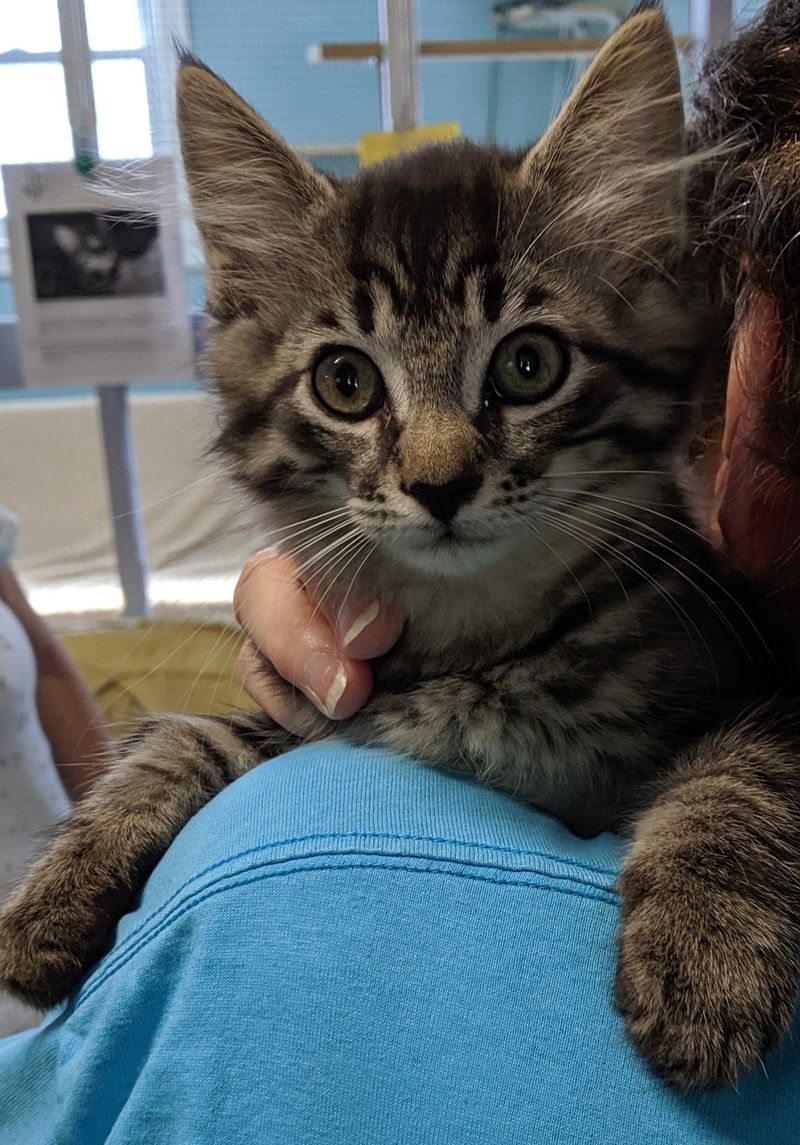
Expect questions. The adoption process here is deliberately thorough, starting with an online application that gets reviewed, given tentative approval, and checked against references.
A personal interview follows. Conversations cover the home environment, who lives there, daily routines, and any pets already in the household.
None of that is idle curiosity. The sanctuary explains that the questions exist to understand the home well enough to pick a cat who will genuinely thrive in it.
The reasoning is practical. A match that works the first time spares a cat the stress of being returned and starting over, which is hard on animals who have already been through upheaval.
The adoption fee is $150 per cat or kitten. That amount goes toward the veterinary costs already invested in each animal, including office visits, feline AIDS and leukemia testing, rabies and distemper vaccinations, deworming, and spay or neuter surgery.
Add those services up individually and the fee starts looking like a bargain rather than a price tag.
One practical tip: complete the application online before you visit. Paperwork handled in advance means your time at the sanctuary can be spent meeting cats instead of filling out forms at a table.
6. Volunteers Behind The Daily Work
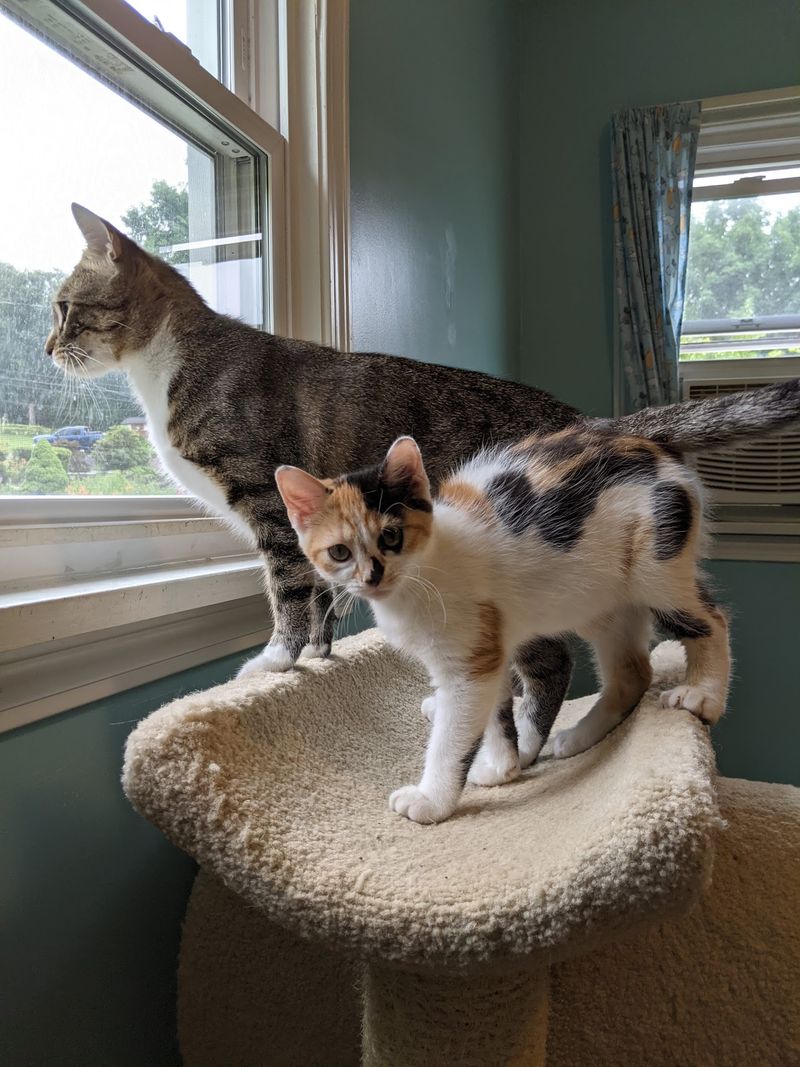
No paychecks here. Kitty Harbor runs as an all-volunteer facility, which is why the sanctuary can say that every dollar donated goes toward shelter operating expenses.
Anyone 16 and older can apply to help, and student helpers can start in their first year of high school.
The job list is long and varied. Some volunteers scoop litter and keep the shelter clean, others foster cats at home, drive animals to vet appointments, or handle building and landscape upkeep.
Office-style help matters just as much, including grant writing, fundraising, event support, record keeping, and filing.
Then there is the task that sounds like fun but is genuinely important work: socializing cats. Time spent petting, playing, and simply sitting with a shy cat teaches that animal to trust people, which directly affects how ready they are for a home.
Certain shifts need extra hands, particularly Monday nights, Thursday mornings and nights, Friday mornings, and Saturday mornings for student helpers.
Visitors regularly describe the volunteers as friendly and clearly devoted to the animals, which tracks with the fact that these are people choosing to spend their free evenings cleaning litter boxes.
If you cannot adopt, giving a few hours a week is a real contribution.
7. Saturday Visits With Plenty Of Whiskered Faces
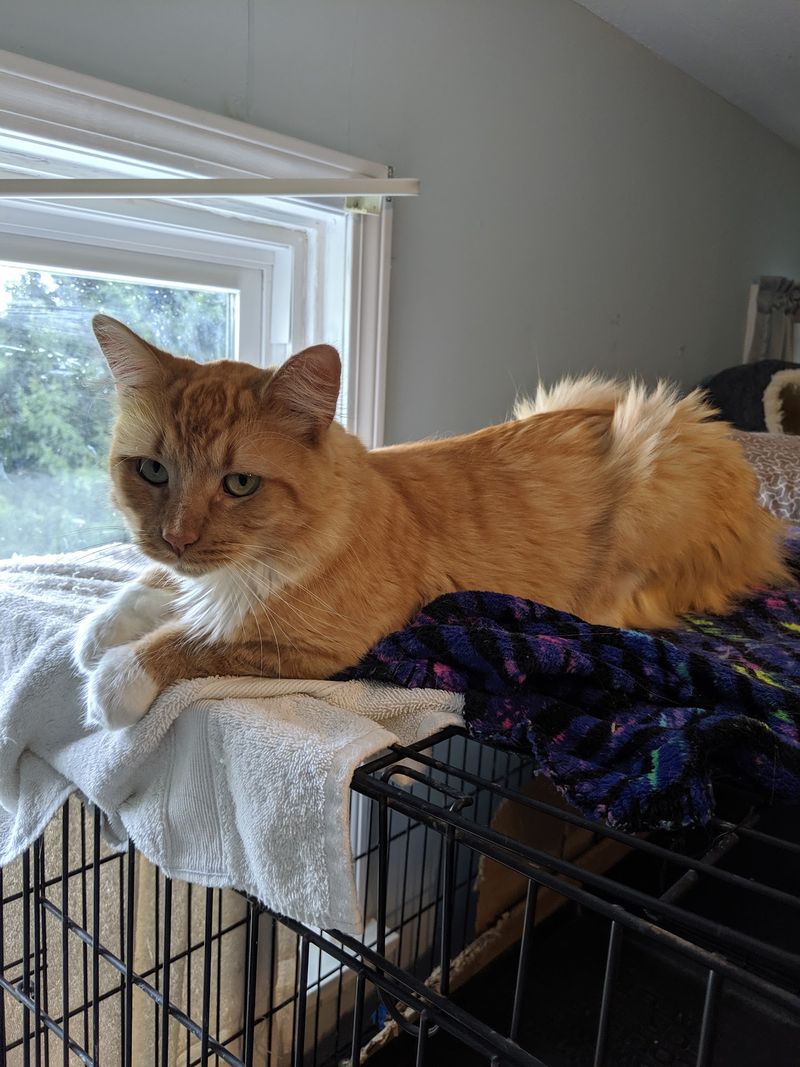
Mark your calendar for Saturday. Regular visiting hours run from noon to 4:00 pm, and that afternoon window is the main chance to meet the residents in person.
Appointments are also available for people whose schedules do not line up with Saturdays, which helps if you work weekends or need a quieter time to visit.
Drop-ins are welcome during open hours, though submitting an application ahead of time makes everything move faster once you arrive.
The difference is real. Paperwork done in advance frees you up to sit on the floor, dangle a toy, and actually get to know a few cats instead of watching the clock.
What you will hear inside is a mix of purring, soft thumps of paws landing on shelves, and the occasional squeaky protest from a kitten losing a wrestling match.
Some cats will come straight to you. Others watch from a high perch, deciding whether you are worth their attention, and that shyness often fades with patience.
Bring realistic expectations and a bit of time. Four hours is a generous window, but the best visits are unhurried ones where you let a cat set the pace and see who chooses you.
8. Second Chances Inside A Small Cat Sanctuary
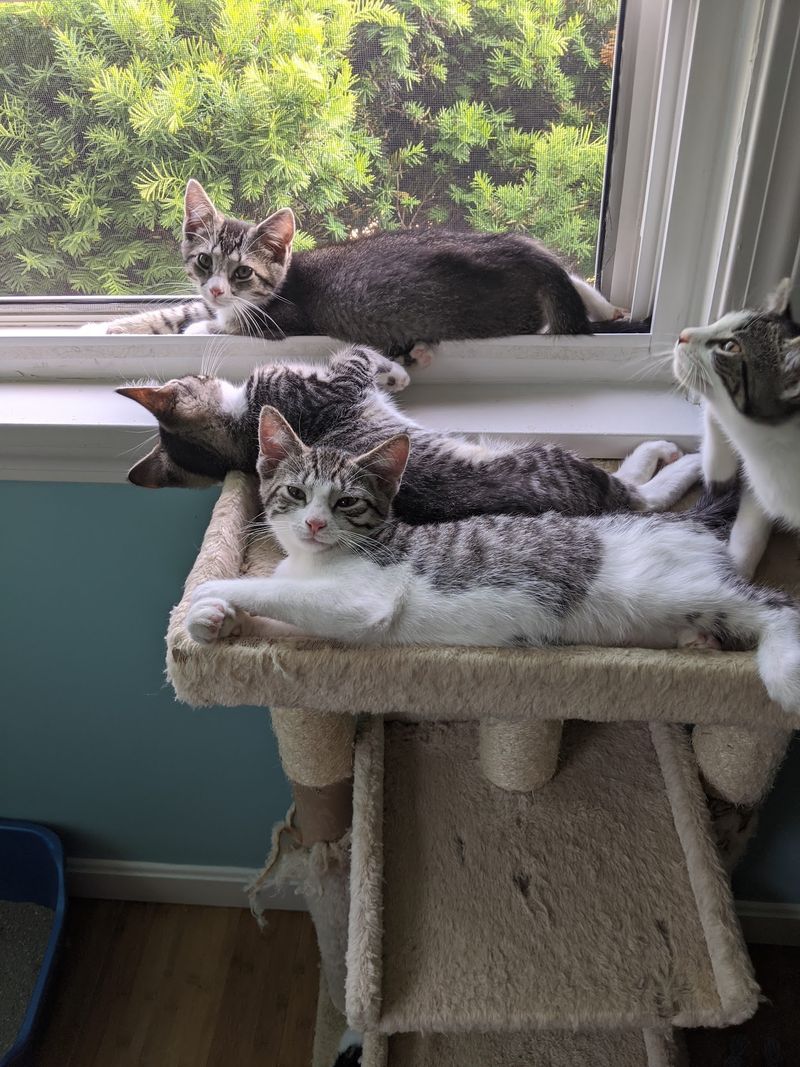
Second chances are the real product of this place. Cats arrive abandoned, unwanted, mistreated, or simply without anywhere to go, and the sanctuary takes them in, helps them recover, and works to place them thoughtfully.
Think of it as a loving stopover rather than a final address. The building is temporary housing on the way to something permanent.
Prevention runs alongside rescue. Community outreach about spaying and neutering addresses the reason so many cats end up homeless in the first place, and staff also try to reunite lost animals with their owners.
The property remains a work in progress by design. Remodeling and improvements continue as resources allow, each change aimed at making life better for the cats living there.
One long-term hope is having an on-site veterinarian, which would open the door to low-cost spay and neuter services and steady health monitoring for every resident.
Small sanctuaries like this one operate on a modest scale, and that is part of their strength. Fewer cats means volunteers can learn individual personalities and pass that knowledge along to adopters.
Whether you leave with a cat, a sponsorship, or just a better sense of what rescue work involves, the Saturday drive to Griswold is worth taking.