This Connecticut Farm Lets You Get Up Close And Ride Its Gentle Therapy Horses
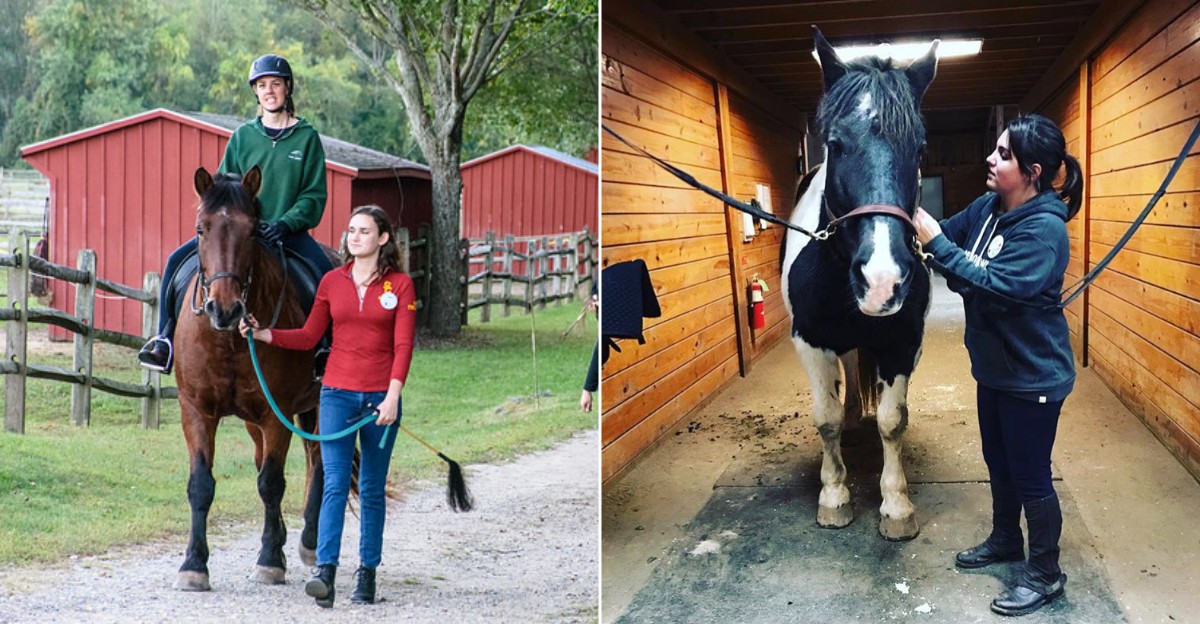
Horses have an impressive way of making people lower their voices without anyone asking them to.
Spend a little time beside one and it makes sense. Their size gets your attention, but their calmer moments are often what people remember most.
At this Connecticut farm, gentle therapy horses help create experiences built around connection and time spent together.
Getting close to the animals is part of what makes a visit feel special.
You can notice the little things that disappear when you only watch horses from a distance, from how they respond to people nearby to the quiet rhythm of being around them. Riding adds another layer to that relationship.
For some visitors, the experience can mean much more than an afternoon with horses.
These animals have important work to do, and seeing that partnership up close gives the farm a purpose that goes well beyond an ordinary horseback ride.
It is hard not to leave with a new appreciation for them.
1. Horses And People Connect In A Remarkably Peaceful Setting
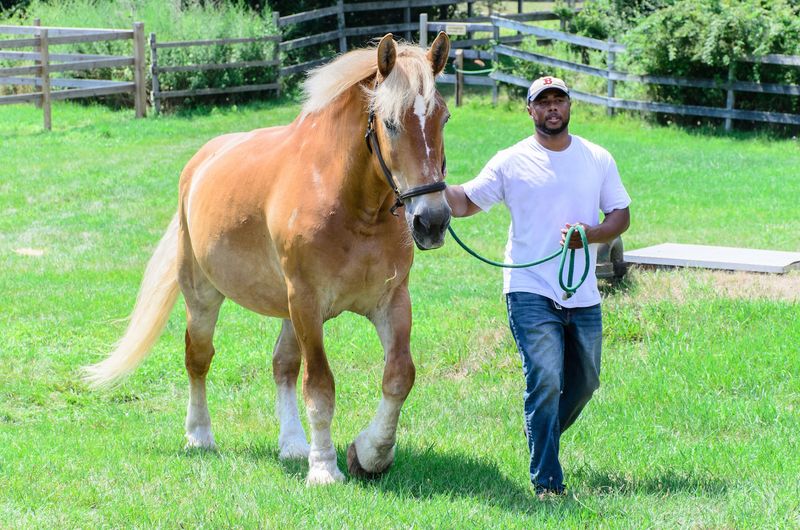
Horses have a way of slowing everything down, creating a calm setting where connection can come more naturally. No pressure.
Just a calm animal waiting to see what you will do next.
That connection is at the heart of High Hopes Therapeutic Riding, where people and horses work together in ways that go far beyond simply taking a ride.
The nonprofit has been serving its community since 1974, using equine-assisted services to help participants build skills, confidence and independence.
Riding is a big part of the experience, but plenty happens with both feet on the ground. Participants can groom horses, learn to lead them and develop a connection through carefully designed activities.
Each interaction offers another chance to communicate and become more comfortable around these gentle animals.
The atmosphere feels wonderfully supportive, too. Families, instructors and a large volunteer community all play a role, while the horses remain at the center of the experience.
High Hopes also takes the well-being of its herd seriously. Horses are carefully selected for the work, and their individual needs help determine their schedules and activities.
It is a special kind of Connecticut farm experience, built around trust rather than rushing.
Spend some time near these horses, and it becomes easy to understand why such a simple connection can mean so much.
2. Old Lyme’s Countryside Feels Far Removed From Busy Roads
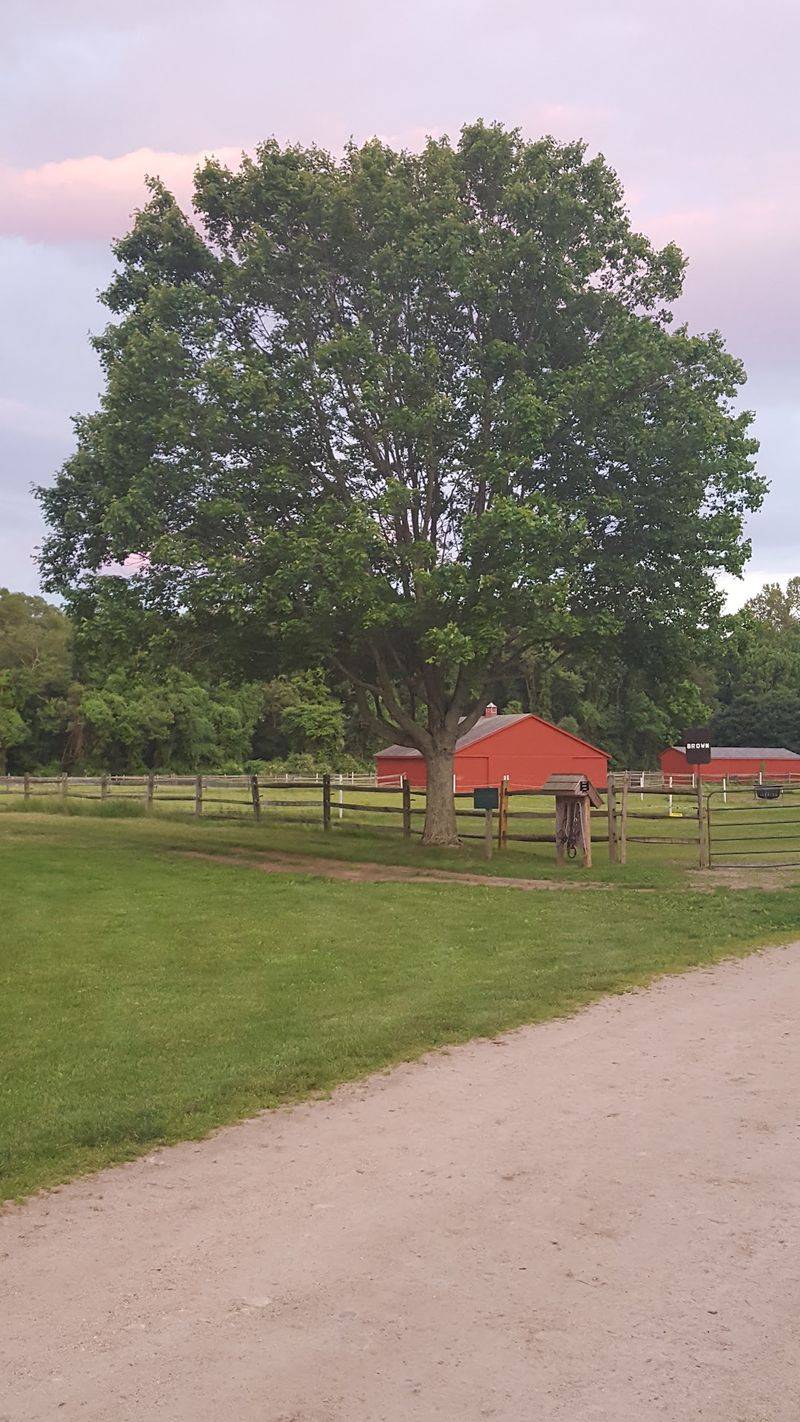
This place has room to roam. Horses get open pastures, riders get peaceful trails, and changing weather does not have to bring everything to a halt.
High Hopes Therapeutic Riding spreads across a large property in Old Lyme, with woods, fields and riding spaces designed around its equine programs. Activities continue throughout the year, helped by both indoor and outdoor facilities.
When the weather turns messy, the indoor arena keeps lessons moving. It includes an accessible mounting ramp that helps participants get onto horses safely, along with viewing areas where family members can watch the action.
Sunny days bring even more possibilities. The outdoor arena provides a fully fenced space for riding, while trails wind through the property and offer a change from arena lessons.
Different terrain and sensory experiences can make those rides especially engaging.
The grounds also give the horses plenty of outdoor space when they are away from lessons and activities.
High Hopes calls 36 Town Woods Road in Old Lyme home, surrounded by the quieter scenery of this shoreline community.
Because this is an active therapeutic riding center rather than a typical drop-in attraction, visits should be arranged ahead of time.
That little bit of planning pays off once you see just how much space horses and people have to connect here.
3. Therapeutic Programs Welcome Riders With Different Needs
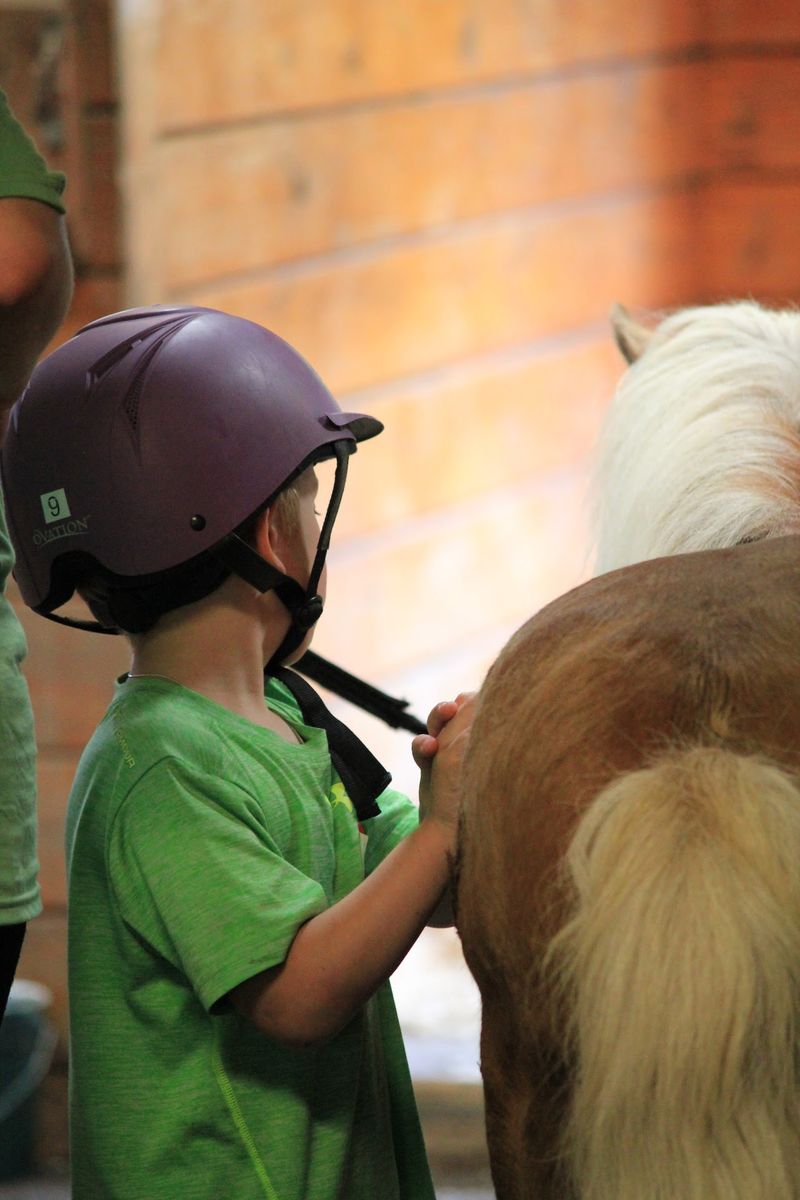
High Hopes works with participants across a remarkably wide range of ages, making its programs accessible to children, adults and seniors. Riders include youth and adults living with emotional, developmental, physical, and neurodivergent challenges.
Participants may have conditions such as Parkinson’s disease, Down syndrome, multiple sclerosis, visual or hearing impairments, or traumatic brain injuries. Veterans and others who have experienced trauma also find support here.
The center covers all four areas of therapeutic riding defined by PATH International: recreation, therapy, sport, and medicine.
Core offerings include therapeutic riding and horsemanship, while the center’s carriage driving program is currently paused and specialized programs branch out in many other directions. Adults can join a Parkinson’s program, a veterans program, or Shared Strides, which is designed for seniors 60 and older.
Wellness options include an Individual Wellness Program, a Women’s Wellness Initiative, and a bereavement program. Younger participants might try Reading to Horses or Youth Empowerment.
The horsemanship curriculum is highly personal. It can work on skills like emotional regulation, communication, planning, and problem-solving through hands-on time with horses.
Community riding lessons are also offered to local riders, and that revenue helps keep therapeutic programs accessible for everyone. So even a regular lesson rider quietly helps someone else reach the saddle.
4. Gentle Horses Are Carefully Matched With Participants
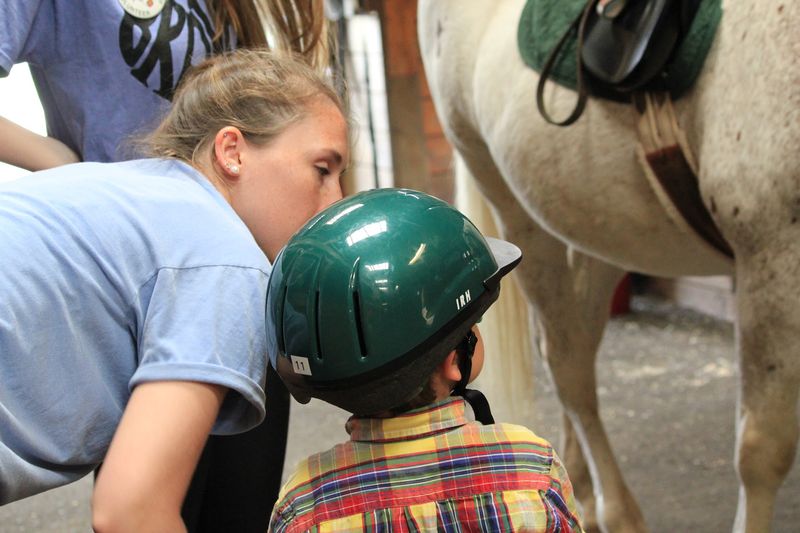
Not every horse is cut out for therapy work, and the ones who are tend to be a little extraordinary. The herd at High Hopes includes animals with all sorts of backstories, from retired show horses to seasoned trail companions now enjoying a new purpose.
So what makes a good therapy horse? Temperament comes first.
The center looks for good-natured, easygoing horses that stay calm and tolerant even when a rider is unbalanced or moves unexpectedly. They also need sound bodies and steady gaits at the walk, trot, and canter, plus quick responses to voice and leg cues.
On the ground, manners matter just as much. A therapy horse has to accept assistive devices and unusual equipment without fuss.
Meet a few of the stars. Arthur is a big Belgian and Quarter Horse cross known for his calm demeanor.
Belle, a Quarter Pony mare, is attentive and reliable. Scarlett is a sweet, steady Missouri Fox Trotter, and Gael, a Connemara and Thoroughbred cross, brings years of schooling experience.
Workloads stay balanced too. A typical horse sees about two participants a day, four to five days a week.
That rhythm keeps each partner fresh, focused, and ready to do good work.
5. Riding Sessions Offer Much More Than Time In The Saddle
Ring toss on horseback might look like play. In fact, it can be quiet hard work for the brain and body, and that is exactly the point.
Each lesson at High Hopes is planned around a rider’s personal goals, whether those goals are educational, physical, social, or recreational. Sessions usually last 30 to 60 minutes and often happen in small groups of five or fewer.
Private sessions are available for riders who need extra support, and every lesson is led by a PATH International certified instructor.
The horse’s movement does a lot of heavy lifting. Its rhythmic walk gently moves the rider’s pelvis and trunk in a way similar to human walking.
Over time, that can help with core strength, balance, posture, and coordination.
Games, exercises, and trail rides add variety. Riders practice focus, memory, and following multi-step directions without it feeling like homework.
Many also gain confidence, feel less anxious, and enjoy a real sense of accomplishment.
A practical note for families: therapeutic riding has a rider weight limit of 180 pounds. Community lesson riders, meanwhile, get a full experience that includes grooming, tacking up, basic horse handling, and structured instruction mostly in English riding style.
6. Volunteers Play An Important Role Around The Barn
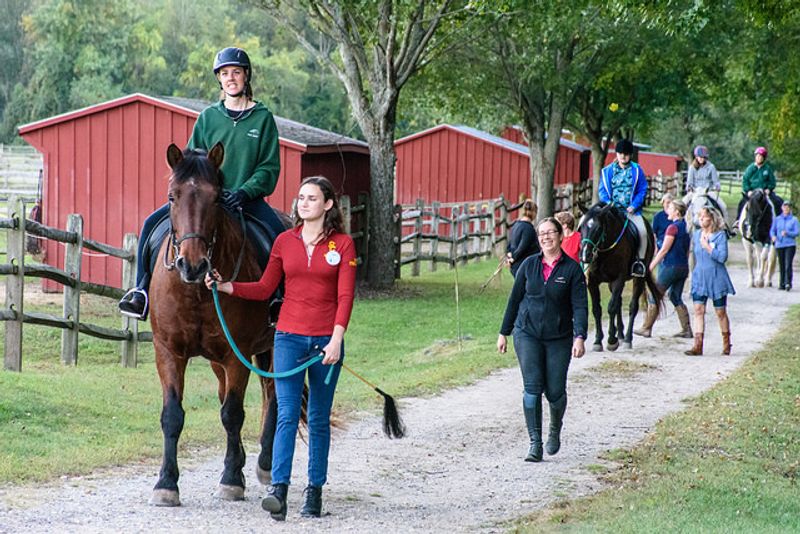
It takes a lot of helping hands to keep this place moving. In fact, volunteers make up about 96 percent of the workforce at High Hopes, making them a huge part of everyday life around the barn.
There is a role for many different interests and experience levels. Horse handlers lead and support horses during mounted and unmounted programs, although this position requires recent horse experience and volunteers must be at least 16.
Sidewalkers stay alongside riders during lessons, providing support and encouragement when needed. Experience working with people with disabilities can be useful, but it is not required.
Barn volunteers take on stall care and general upkeep, with no previous experience necessary.
Other jobs happen behind the scenes. Feeders help care for the herd at the beginning and end of the day, while office volunteers welcome visitors and assist with administrative work.
Outdoor crews also help maintain paddocks and grounds.
Independent volunteers must be at least 14 years old, and training is provided so newcomers are not expected to know everything from day one.
That makes volunteering here more than simply lending a hand. It can mean time around horses, new skills and the satisfying feeling of helping a busy organization keep doing its work.
7. Horse Care Adds Another Side To The Experience
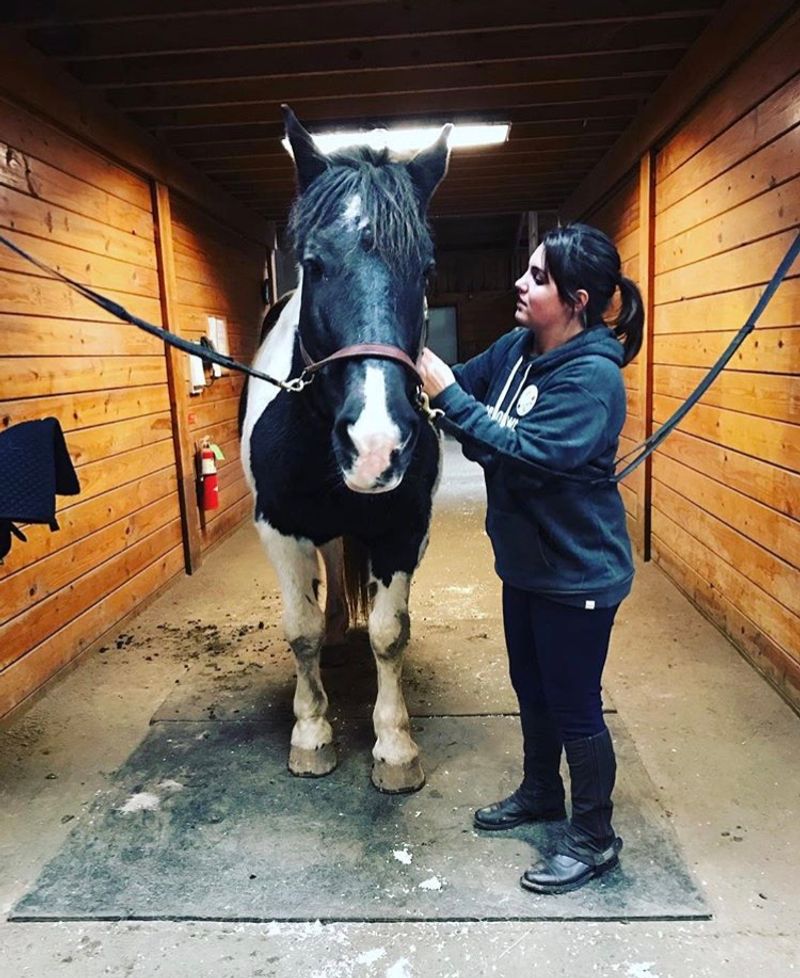
Grooming a horse is a bit like giving it a daily checkup with a brush in your hand. At High Hopes, that routine is part of a serious, thoughtful approach to keeping every horse healthy and comfortable.
The herd gets regular veterinary care, including vaccinations, deworming, and dental work. Beyond the basics, horses also benefit from chiropractic adjustments and massage.
Barn staff manage daily feeding and care, with plenty of help from volunteers.
Turnout is a big deal here. Horses usually live outside in small herds around the clock, with access to three-sided shelters whenever they want them.
That setup lets them move, graze, and socialize the way horses naturally prefer.
Daily tasks follow a steady rhythm. Clean water is always available, and feeding follows a forage-first approach with plenty of hay.
Stalls are mucked, bedding is refreshed, paddocks are checked for hazards, and hooves are picked out.
While brushing, caregivers watch for heat, swelling, cuts, or skin problems so small issues get caught early. Weekly chores go deeper, like conditioning manes and tails and inspecting tack for wear.
For participants and volunteers, learning these steps teaches responsibility and shows what real respect for an animal looks like.
8. Quiet Moments With The Herd Can Be Just As Memorable
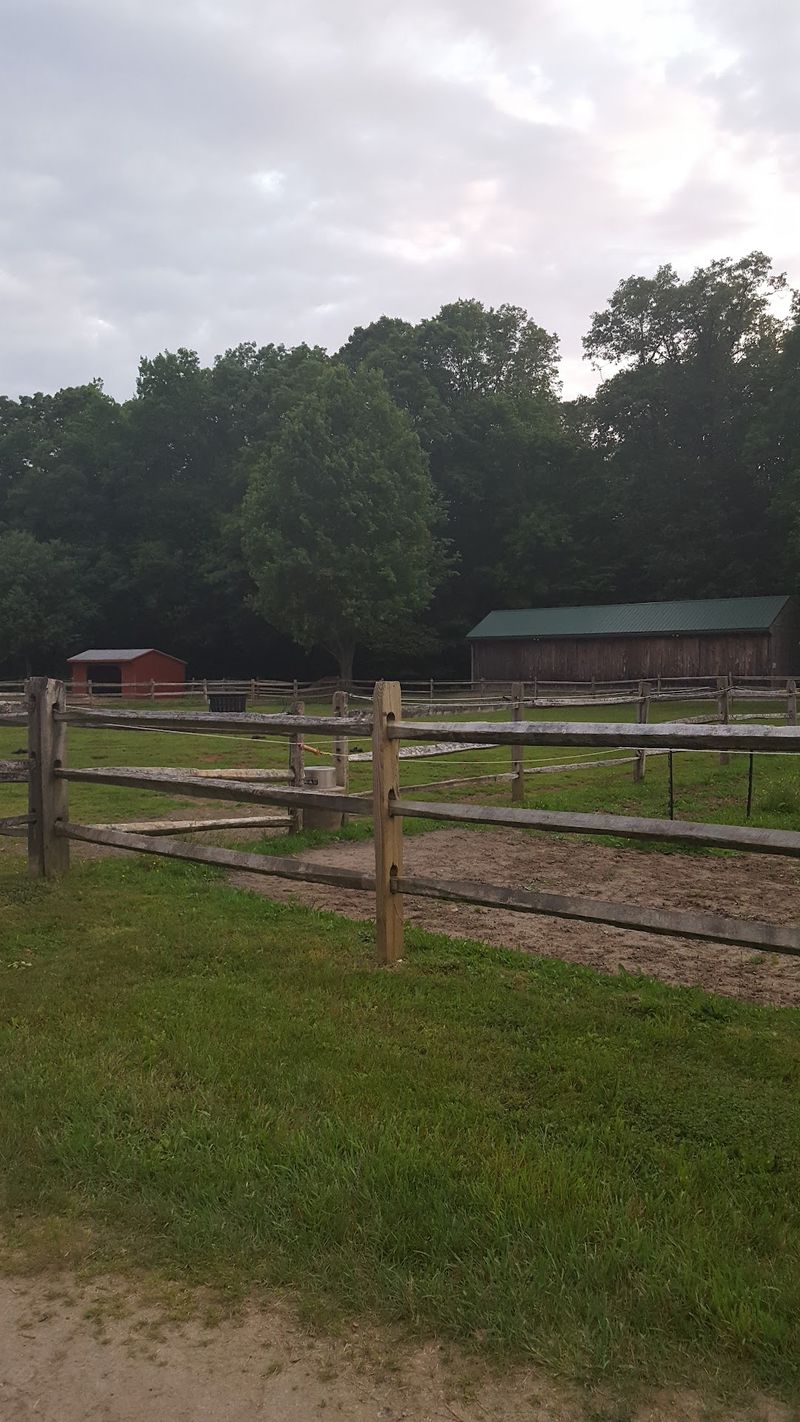
Sometimes the most powerful moment at the farm happens with both feet on the ground. A horse wanders over, sniffs your sleeve, and decides to stay.
That small choice can mean a lot.
High Hopes offers many unmounted ways to connect. In the Individual Wellness Program, equine-facilitated learning takes place in a calm paddock, where the herd’s presence helps participants explore trust, curiosity, and connection.
Kids in Reading to Horses practice literacy with a patient, four-legged audience that never corrects a mispronounced word.
Seniors in Shared Strides can enjoy the gentle rhythm of barn life, often through grooming. Veterans programs focus on ground-based activities, mindfulness, and being fully present.
The horses even travel. Through Minis on the Move, miniature horses visit schools, senior centers, and care facilities, bringing calm and smiles to people who may not be able to visit the farm.
Workplace groups can try Equine-Assisted Team Building too. Horses respond honestly to body language, which makes them surprisingly sharp coaches for communication and teamwork.
Whether you ride or never touch a saddle, time with this herd tends to slow you down in the best way. Many people leave feeling lighter than when they arrived.