This Connecticut Garden Market Looks Like Something From A Fairy Tale
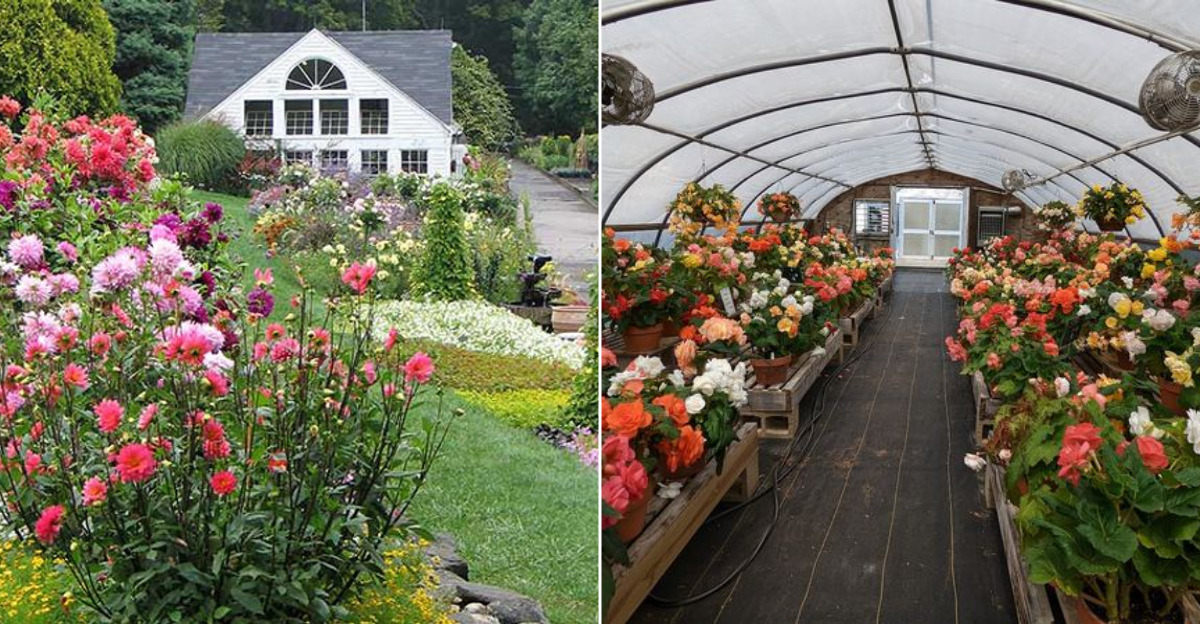
At first glance, it feels less like a garden market and more like the setting for a storybook afternoon.
Flowering borders spill beside winding paths, while mature plants create scenes that feel carefully arranged without seeming stiff. The shop blends into the gardens, so browsing becomes part stroll and part inspiration.
You might arrive looking for one plant and end up noticing combinations you never considered at home.
In Connecticut, this family-run nursery turns ordinary plant shopping into a dreamy walk through decades of horticultural experience.
The place has been helping gardeners since 1950, and that history shows in the thoughtful displays. Nothing feels thrown together.
Each bed offers ideas for color and seasonal change, while knowledgeable staff can explain what may thrive in your yard.
The sweetest part is how unhurried everything feels. Even people who are not serious gardeners can enjoy the paths while taking in the blooms.
Around nearly every bend, another carefully grown detail makes the whole place feel magical.
1. Seven Decades Of Family Gardening
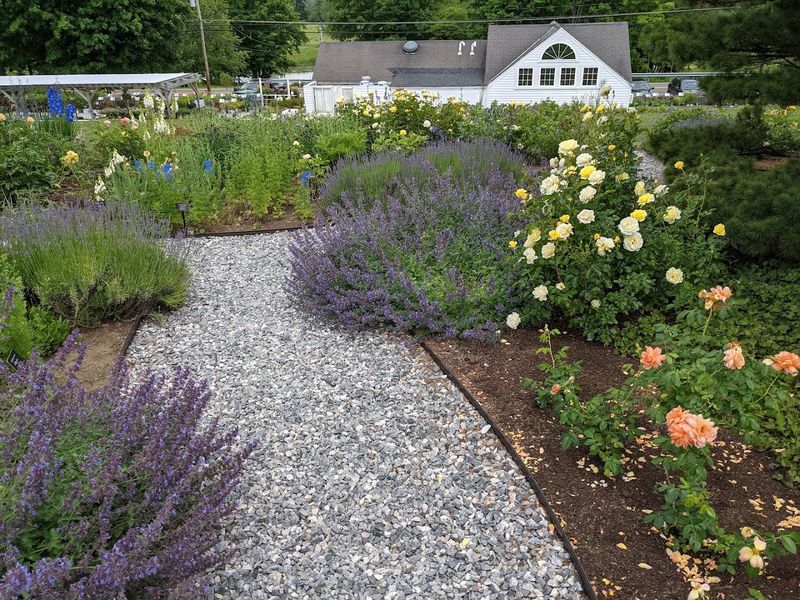
Gardening history feels surprisingly lively at White Flower Farm, where decades of experimentation, family care, and seriously good taste have shaped the grounds.
The story began in 1939, when publishing veterans Jane Grant, a co-founder of The New Yorker, and William Harris bought a Morris property and transformed its barn into a country home.
Their growing fascination with plants soon became much more than a weekend hobby.
The couple developed the farm during the 1940s, creating the original White Garden and eventually building a mail-order nursery known for carefully chosen plants.
Its black-and-white catalog appeared in 1950 and helped introduce gardeners across the country to unusual varieties and expert advice.
Ownership changed in 1976, when Eliot Wadsworth purchased the business after learning its rhythms firsthand. The Wadsworth family continues to guide the farm today, preserving its personal character while allowing the collections and display gardens to evolve.
That long stewardship gives a visit real depth. Every border, pathway, and planting feels connected to years of patient work.
Guests are not simply browsing flowers here. They are exploring a living gardening story that has grown alongside the Morris landscape for generations, one thoughtful season at a time, with care.
2. Ten Acres Bloom Beyond The Market
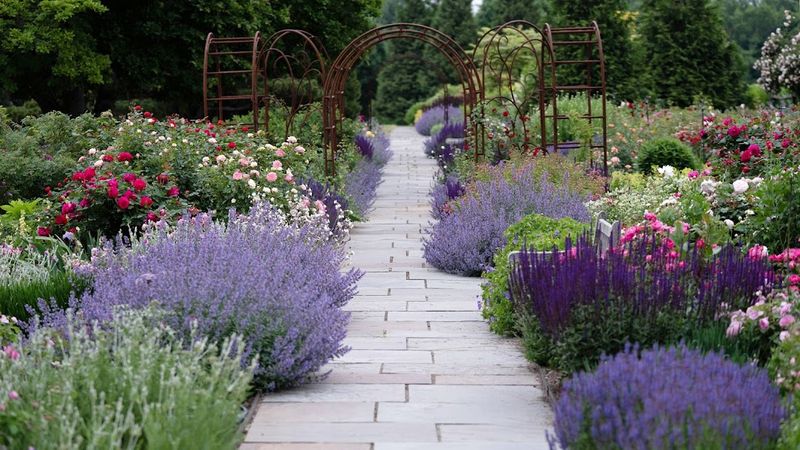
Most nurseries offer rows of potted plants lined up on gravel lots, but the grounds at White Flower Farm tell a completely different story. Stretching across approximately ten acres, the display gardens here function more like an outdoor museum of living plants than a standard retail space.
Perennials, annuals, shrubs, bulbs, vines, and ornamental trees all find a home across this generous landscape.
The scale of the property means that each visit could follow a different path, with new corners and plant combinations revealing themselves depending on the season and the direction taken.
Greenhouse and field-growing operations run alongside the display areas, supporting the farm’s nationally recognized online and mail-order business while keeping the nursery stocked with healthy, well-rooted specimens.
Walking through the grounds, it becomes clear that the acreage is not just for show. Every bed and border serves a purpose, whether demonstrating a planting combination, trialing a new variety, or simply providing a beautiful backdrop for a quiet afternoon outdoors.
The sheer variety of plants thriving across the landscape gives visitors a realistic sense of what could grow in their own backyards, making the ten acres feel both inspiring and genuinely useful.
3. Catalog Plants Grow In Full View
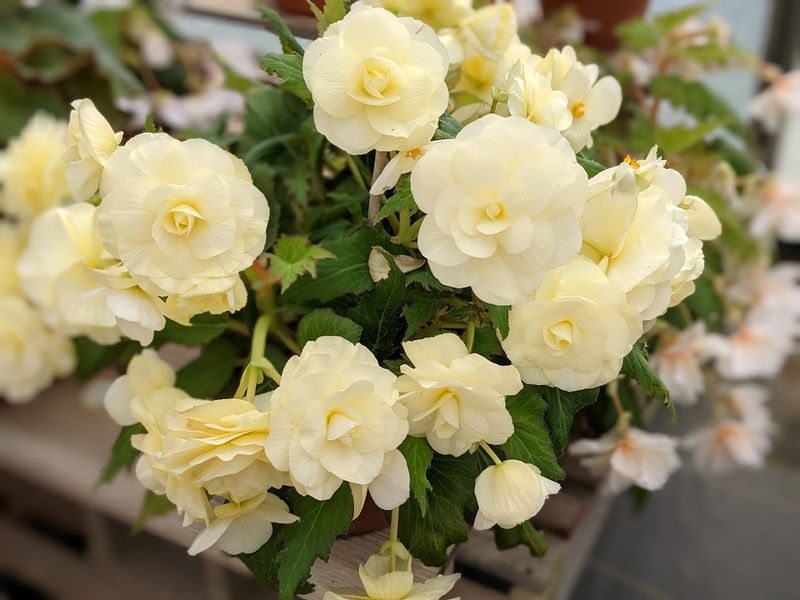
Seeing a favorite catalog plant growing in full color brings a special kind of gardening joy. At White Flower Farm, visitors can move beyond photographs and meet many of those familiar blooms, shrubs, and perennials face to face across the display beds and nursery grounds.
The connection between catalog and garden has deep roots. White Flower Farm issued its first catalog in 1950, beginning a mail-order tradition filled with detailed descriptions, growing guidance, and carefully photographed selections.
Today, the retail store offers an inviting mix of catalog favorites and distinctive plants that may be harder to spot at an ordinary garden center.
Experimentation happens here, too. A Trial Garden installed in 2020 began with more than 130 Dahlia varieties, giving the horticulture team room to evaluate plants, capture photographs, and observe how each one performs before wider promotion.
That work adds confidence for gardeners ordering from home.
Clear labels make exploring easy, even for first-time visitors. Familiar catalog readers may feel as though the pages have suddenly sprung to life, while newcomers can quickly imagine which plants belong in their own yards.
It is practical, colorful, and wonderfully tempting, especially when one planned purchase somehow becomes several before the visit ends.
4. Mature Gardens Inspire Backyard Ideas
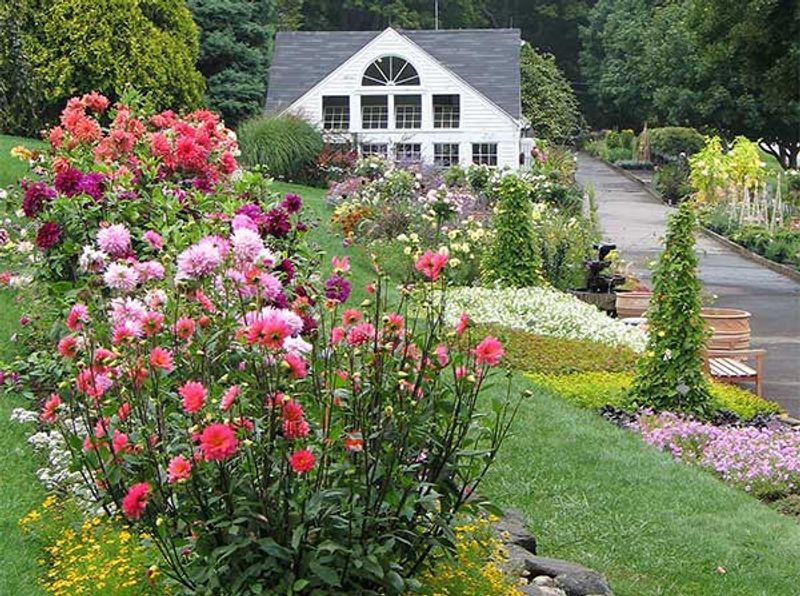
Seeing a fully mature garden in action is one of the most practical forms of gardening education available.
At White Flower Farm, the display gardens have been developed and refined over many years, giving visitors a chance to observe how plants actually behave when they reach their full size and settle into a landscape.
One of the most impressive features is the 280-foot-long Lloyd Border, designed by Fergus Garrett of Great Dixter in England.
This sweeping mixed border demonstrates sophisticated principles of succession planting and layered design, showing how a garden can maintain visual interest from early spring through late autumn.
A tranquil Rose Garden, a lush Shade Garden, and the distinctive Begonia House round out the collection of themed spaces, each offering its own set of design lessons.
Home gardeners who struggle to visualize how plants will look once they mature tend to find these spaces particularly helpful. Rather than guessing how tall a perennial might grow or how a shrub will fill in over time, visitors can observe real examples thriving in a comparable climate.
The farm’s horticultural staff continues to update and refine these gardens each season, ensuring the ideas on display remain fresh and worth returning to see year after year.
5. Winding Paths Reveal Hidden Corners
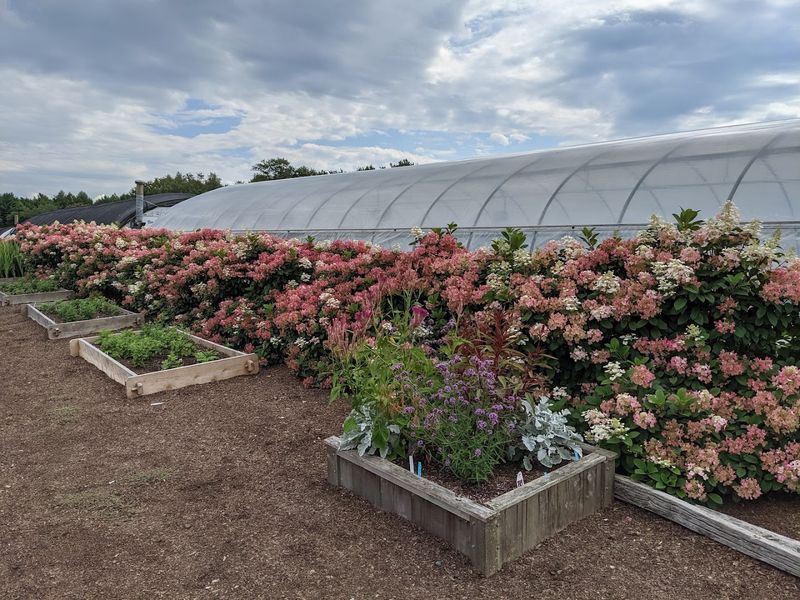
A self-guided walking tour is the most rewarding way to experience the full breadth of what White Flower Farm has to offer.
The paths curve and branch through a series of distinct garden environments, making each turn feel like the beginning of a new chapter in the same beautifully told story.
The historic White Garden, also known as the Moon Garden, stands as one of the most atmospheric stops along the route. First planted in 1946 by the farm’s founders, it features white Tree Wisterias that create a canopy of bloom in late spring, lending the space a quiet, almost otherworldly quality.
Further along, a grove of Tree Peonies and sweeping beds of Siberian Irises add drama and fragrance to the experience.
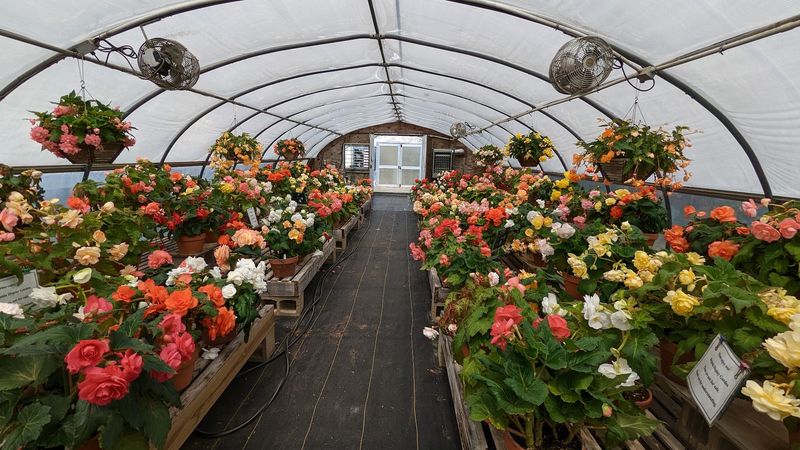
The Begonia House is another highlight, particularly from July through September when the imported Blackmore and Langdon Begonias from England are at their most vibrant. Stepping inside feels like entering a completely different world from the open garden paths outside.
The structured layout of the property encourages a relaxed, unhurried pace, and most visitors find themselves doubling back to revisit a favorite corner or pausing longer than planned beside a particularly striking planting.
That quality of gentle surprise is part of what makes the walk so memorable.
6. Roses And Hydrangeas Shape The Summer
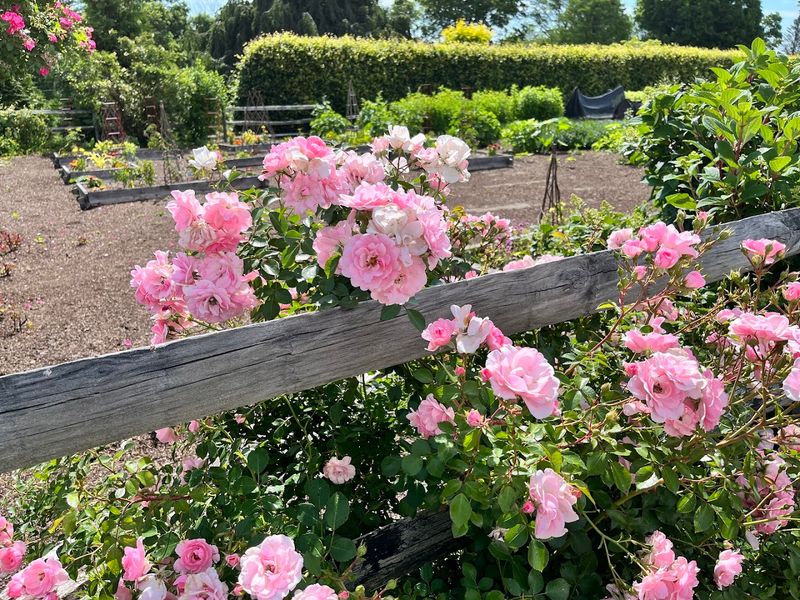
Summer at White Flower Farm reaches a kind of peak beauty that draws visitors back year after year. The Roses and Friends display garden becomes a centerpiece of the warm months, featuring a wide variety of rose cultivars growing alongside complementary perennials like Nepetas, Salvias, and Bearded Irises that extend the season of color well beyond any single bloom time.
Hydrangeas contribute enormously to the summer palette, producing varied and extravagant blooms in shades of white, cream, pink, blue, and red that persist from midsummer well into the fall.
Their reliability and range make them one of the most practical takeaways for home gardeners looking to extend seasonal interest.
Fragrant Lilacs and climbing Clematis vines add vertical layers to the landscape, drawing the eye upward and giving the gardens a sense of height and depth.
The Begonia House reaches its most spectacular phase during midsummer, when the imported Blackmore and Langdon Begonias from England are in full performance.
The combination of outdoor borders and enclosed growing spaces means there is always something at peak bloom regardless of when during the summer a visit takes place.
For anyone who loves the warmth and abundance of a full summer garden, this is one of the most satisfying places to spend a few hours.
7. Garden Experts Guide Every Purchase
Shopping for plants can feel overwhelming when the options are vast and the labels are dense with Latin names and growing requirements. At White Flower Farm, the presence of experienced horticultural staff changes that dynamic considerably.
Garden advisors are available throughout the retail area and display gardens, ready to answer questions and help match plants to specific conditions and preferences.
Many staff members hold Master Gardener Certificates and bring years of hands-on field experience to their roles.
That depth of knowledge means the advice offered goes beyond basic care instructions, covering topics like perennial combinations, pest and disease management, and strategies for creating container gardens that look good across multiple seasons.
The retail manager and assistant store manager contribute to an environment where practical guidance is always close at hand.
White Flower Farm is located at 167 Litchfield Road in Morris, Connecticut, and the property is open Thursday through Monday from 9 a.m. to 5 p.m., with closures on Tuesdays and Wednesdays. Reaching out to the farm directly before a visit is a good idea for the most current seasonal schedule.
The combination of knowledgeable staff and a well-stocked retail space creates a shopping experience that feels genuinely supportive rather than transactional, which is something that keeps many visitors coming back each season.
8. Plant Shopping Feels Like A Storybook Walk

Shopping for plants feels different when the shelves open into acres of color, fragrance, and fresh ideas. At White Flower Farm, browsing rarely stays confined to the retail store.
A striking border, unusual bloom, or clever pairing can quickly pull visitors into the display gardens for a closer look.
The Litchfield Hills provide a backdrop, but the real pleasure comes from slowing down. Paths lead past established plantings, seasonal displays, and combinations that make it easy to imagine new possibilities at home.
Self-guided garden tours are available during store hours, so guests can explore at their own pace rather than racing through a typical nursery visit.
Longtime catalog readers may recognize plants they have admired on the page, while first-time guests can follow whatever catches their eye. Either way, curiosity tends to take over, and planned purchases have a habit of multiplying.
The store and display gardens welcome visitors at 167 Litchfield Road in Morris. By the time the car is packed, the haul may include plants, a head full of landscaping ideas, and strong opinions about where one more flower bed could fit.
Seasonal changes give the grounds a fresh personality, making another visit feel less optional than inevitable.