This Connecticut Grocery Store Has A Bulk Section Full Of Hard-To-Find Pantry Staples
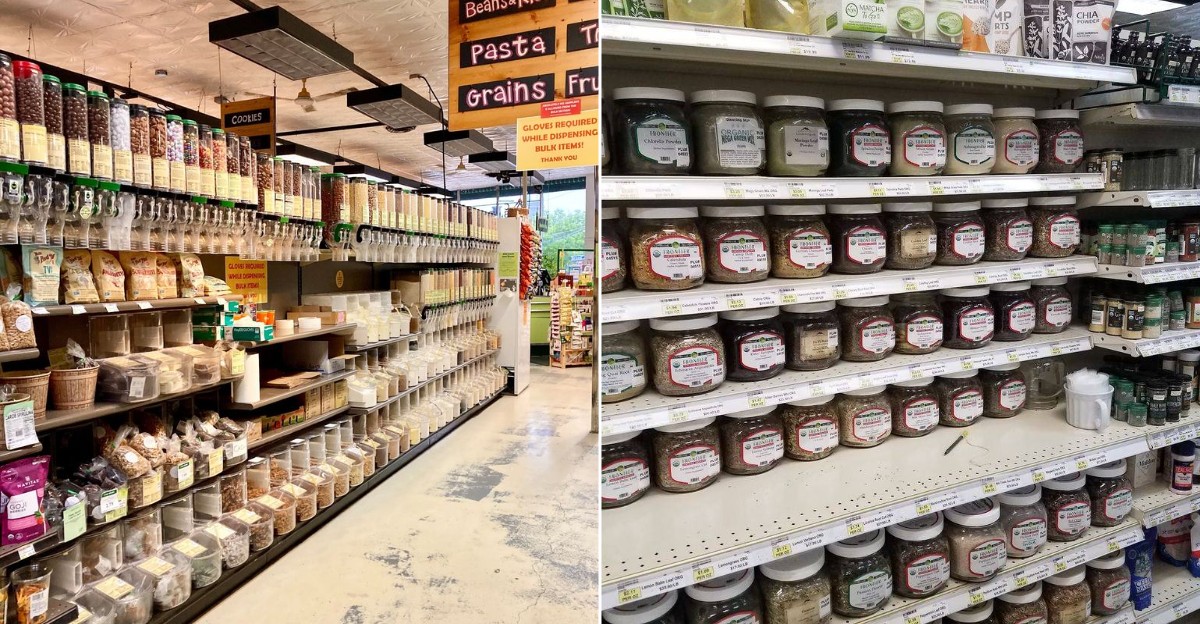
Grocery shopping gets much more interesting when the bulk section starts looking like a pantry treasure hunt.
At this Connecticut co-op, shoppers can scoop out exactly what they need while discovering staples that are not always easy to track down at a typical supermarket.
That flexibility makes browsing surprisingly satisfying.
You can buy a little of something unfamiliar without committing to a full package, stock up on a longtime favorite, or finally find the ingredient a recipe has been quietly demanding for weeks.
The shelves reward curiosity.
A quick stop for one pantry item can easily turn into several bags filled with grains, spices, or other useful finds that make cooking at home feel more interesting.
There is a practical side to it too. Buying only the amount you need can keep the cupboard from filling with forgotten half-used packages.
It is the kind of grocery stop that makes stocking the pantry feel far less routine.
1. Co-Op Shopping Feels More Adventurous Here
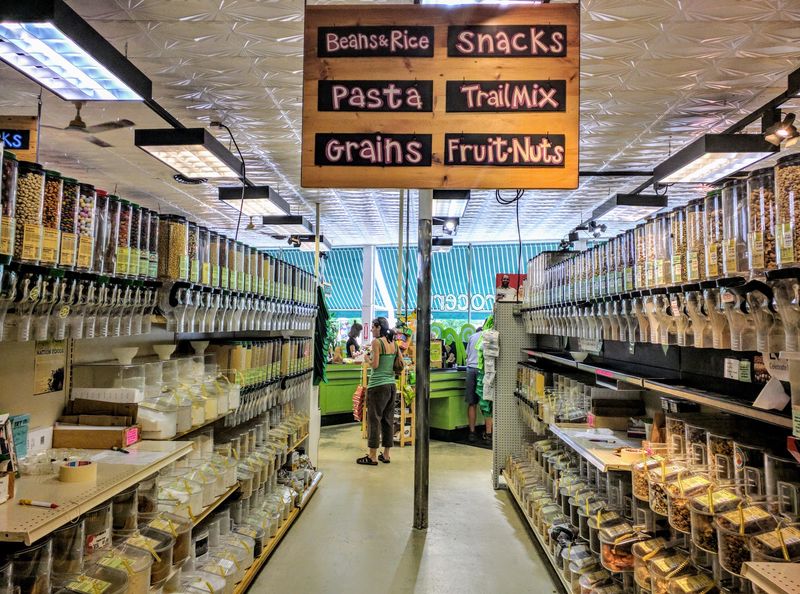
Good food shopping can feel surprisingly personal here. Fiddleheads Food Co-op is owned by thousands of member households across Southeastern Connecticut, and that shared ownership gives the store a distinctly community-minded feel.
The shelves lean toward wholesome and often organic foods, with plenty of attention paid to products that can be harder to track down elsewhere.
Handwritten signs, thoughtfully arranged displays, and an unhurried atmosphere make browsing feel more enjoyable than a typical grocery run.
You do not need to be a member to shop. Anyone can come through the doors, fill a basket, and check out, while members get an ownership stake and a voice in how the co-op operates.
The friendly atmosphere is part of the appeal, too. Staff members are known for taking time with questions, and free events and workshops occasionally bring shoppers together beyond the usual grocery trip.
That community focus gives the store a neighborhood gathering-place quality that regular customers appreciate. Shopping here can easily turn into a longer browse, especially when you are searching for something unusual.
Newcomers should give themselves plenty of time to explore. The bulk section alone is worth a closer look, with pantry staples and specialty ingredients that can make an ordinary grocery trip much more interesting.
2. Local Goods Fill The Shelves
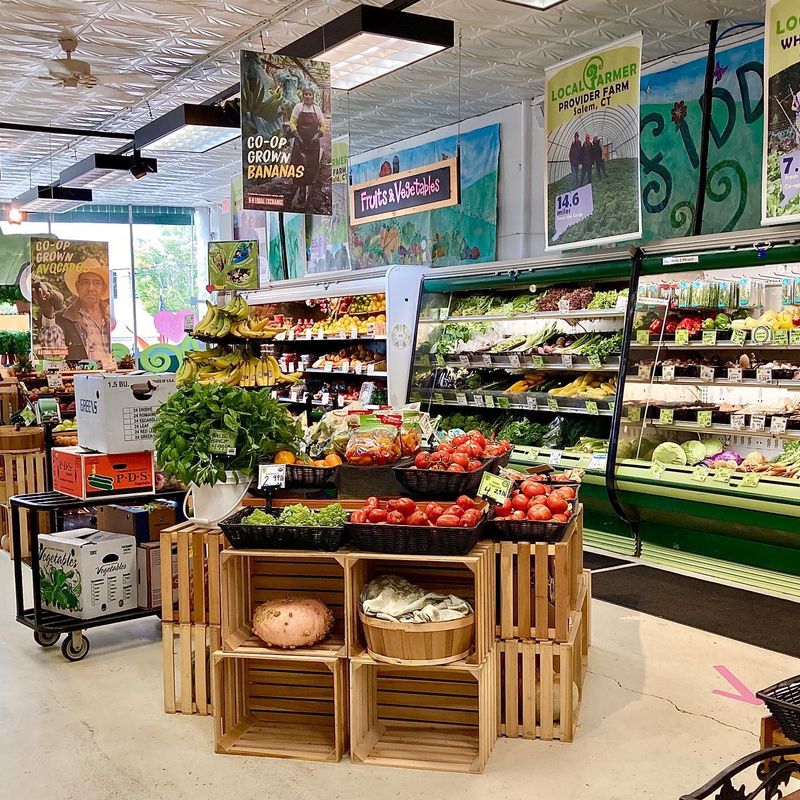
Over 90 state farms and businesses supply this store, a number that puts many larger markets to shame. That commitment shapes nearly every department, from the coolers to the bakery racks.
The co-op generally defines local as anything grown or made within a 100-mile radius, which pulls in parts of Rhode Island and Massachusetts. Plenty of suppliers sit far closer, sometimes within 20 miles of Broad Street.
Farm-fresh eggs, raw milk, and a range of meats including beef, pork, and chicken all come from regional producers. Cheese lovers can find selections from state makers such as Mystic Cheese Company.
Produce is where the local angle gets fun. Alongside familiar organic apples and greens, you might spot heirloom and seasonal oddities like watermelon radishes grown in Salem, their pale skin hiding a bright pink center.
Breads and pastries arrive from area bakeries, and the shelves also hold locally crafted soaps and skincare items for anyone who wants to shop small beyond the kitchen.
Shoppers frequently mention the quality of the produce, describing it as noticeably fresh. If you want the widest local selection, midweek mornings after deliveries tend to be a smart bet.
3. Broad Street Keeps It Downtown
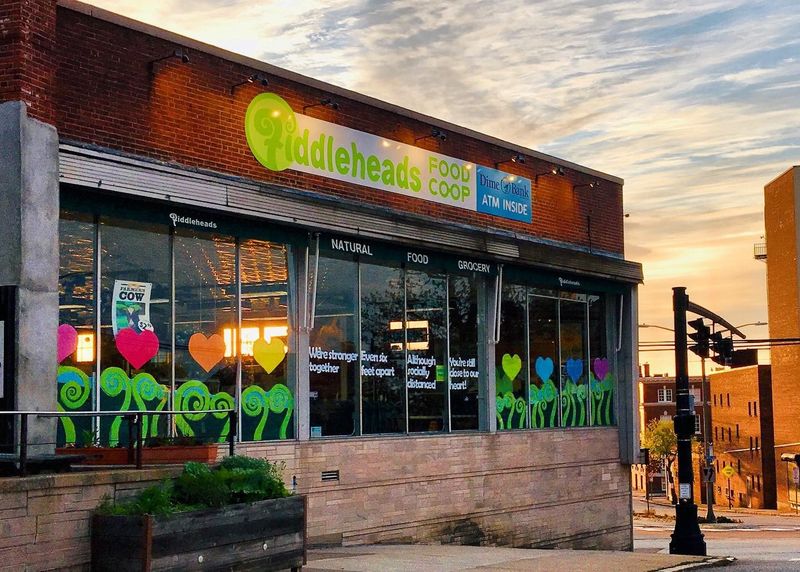
Need groceries while exploring downtown? Fiddleheads makes it easy to pair a shopping stop with the rest of the city.
The store sits in the middle of New London’s downtown activity, surrounded by places worth exploring on foot.
Several local attractions are only a short stroll away, including the Garde Arts Center, New London Public Library, and Hygienic Art Park. The Block Island and Cross Sound ferries are also within easy walking distance, making the location convenient for visitors with a full day planned.
From the storefront, the surrounding streets have a distinctly urban feel, with busy sidewalks and glimpses of Long Island Sound beyond the rooftops. It feels more like a true city grocery than a suburban market surrounded by parking lots.
The co-op is open daily from 8 a.m. to 9 p.m., giving early shoppers, lunch-break visitors, and after-work customers plenty of flexibility.
Fiddleheads Food Co-op is at 13 Broad St, New London, CT 06320, near the intersection of Huntington Street and Governor Winthrop Boulevard.
Parking is available on site, though the lot can fill during peak periods. Coming outside the busiest lunch hours makes parking easier, and once the car is parked, the surrounding downtown is simple to explore on foot.
4. Bring-Your-Own Jars Cut Down Waste
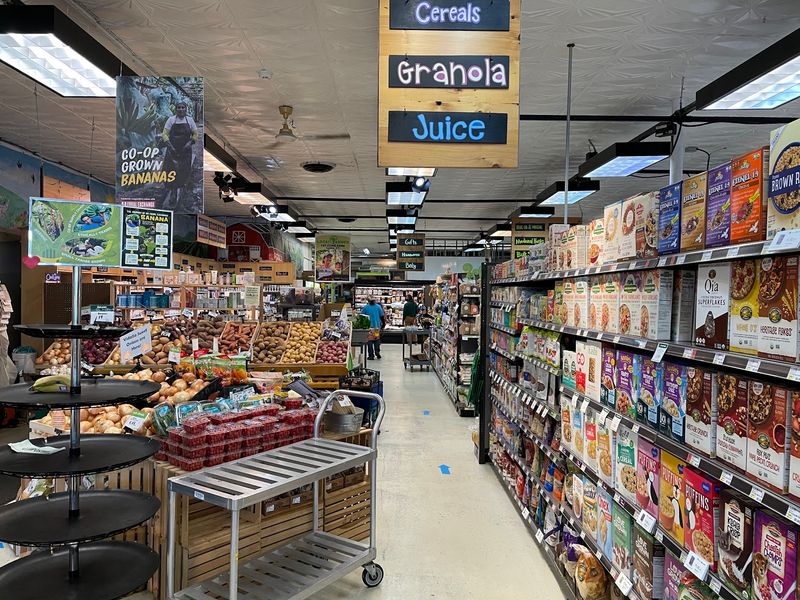
Reusable jars are genuinely welcome in this bulk aisle, not just tolerated. Shoppers weigh their empty containers first, fill them at the bins, and pay only for what goes inside.
That tare-and-fill routine takes about thirty seconds once you have done it once. Staff are happy to walk first-timers through it, and regulars often mention how easy the process turned out to be.
Forgot your jars? Paper bags are provided, so nobody has to skip the bulk section over a lapse in planning.
The waste savings add up quickly. A household that refills the same six containers all year keeps a startling amount of plastic and cardboard out of the trash without changing much about how it cooks.
The general merchandise area supports the habit with glass storage containers, reusable shopping and produce bags, and water bottles. Buying a couple of jars on one trip sets you up for every trip after that.
All of it ties back to the co-op’s stated goal of building a more sustainable food system. Refilling is not treated as a niche request here but as an ordinary, expected way to shop.
Start with two or three jars and grow the collection naturally.
5. More Than 250 Bulk Picks Await
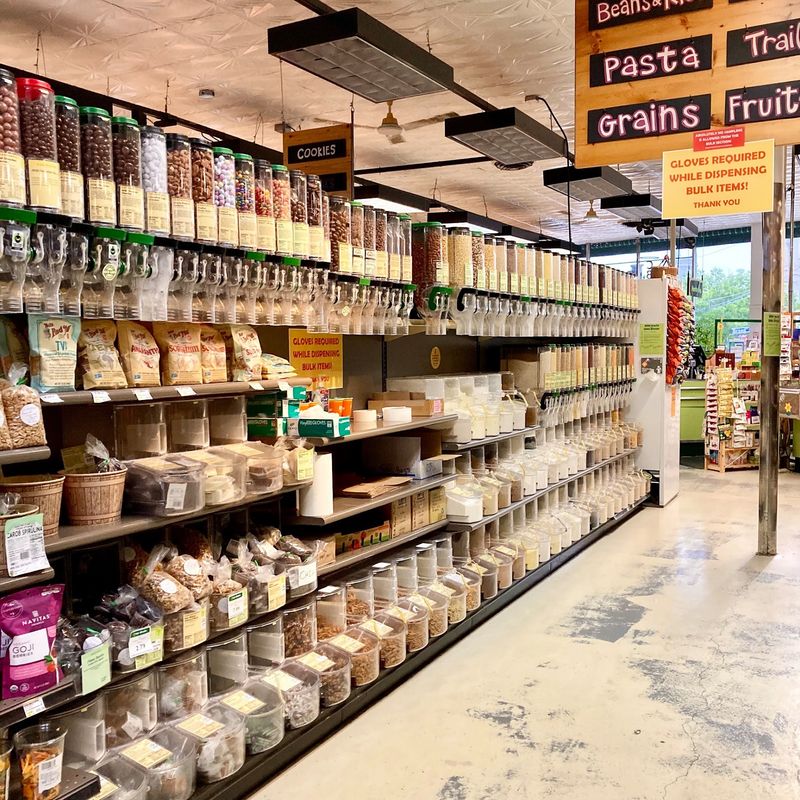
Rows of bins hold a small universe of ingredients here, and the bulk department is the reason many shoppers make the drive. The selection runs deep enough that a single visit rarely covers it all.
Grains and dried pastas line up beside nuts like sliced almonds and halved pecans. Seeds, dried fruits, coffee, and candies round out the mix, giving both everyday cooks and experimenters plenty to work with.
Buying by weight means you decide the amount. Need two tablespoons of something for one recipe?
Scoop exactly that instead of buying a whole bag destined to sit unused in the back of a cabinet.
That flexibility saves money and cuts food waste at the same time. It also lowers the risk of trying something unfamiliar, since a small handful costs very little.
The bulk idea stretches past food, too. Laundry detergent and beauty materials can be refilled here, which keeps plastic bottles in circulation instead of the recycling bin.
A practical tip: jot down what you need before you go. Bins are labeled clearly, but the sheer variety has a way of making shoppers forget the one thing they actually came for.
6. Spices And Teas Go By The Scoop
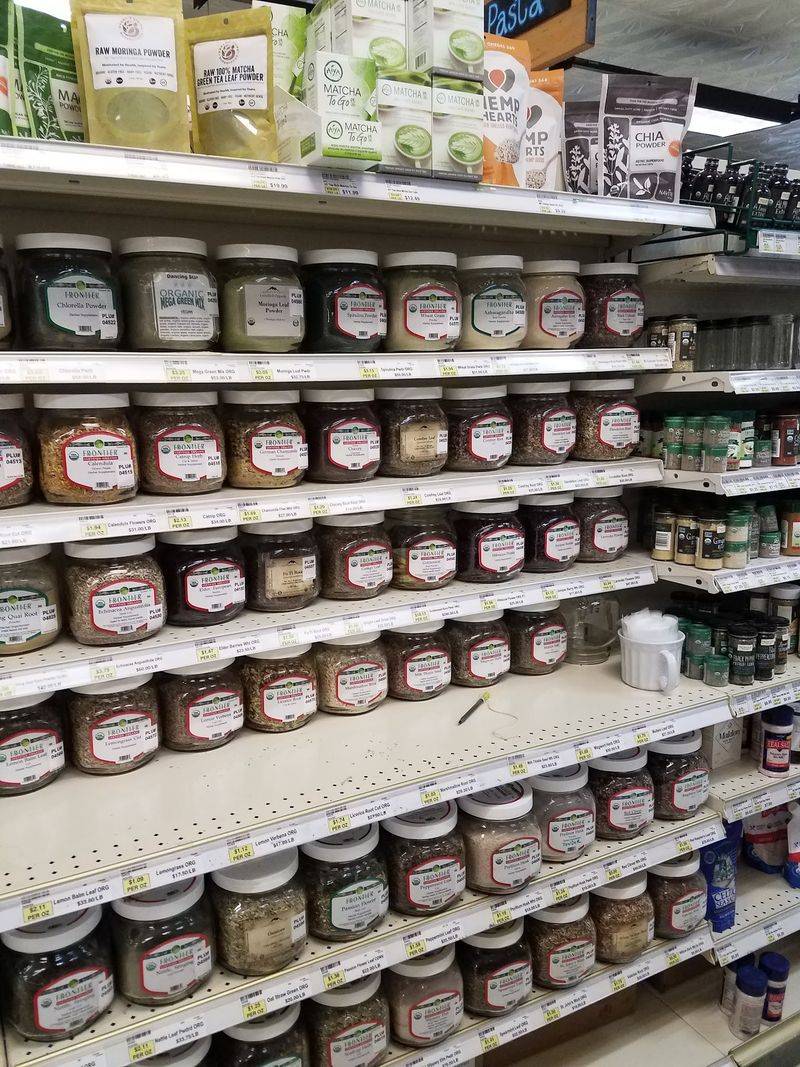
Anyone who has paid a premium for a tiny jar of cardamom will appreciate this corner of the store. Herbs and spices are sold loose, so you buy what a recipe calls for and nothing more.
Fresh spices actually taste like something, and buying small keeps them that way. Rebuilding a stale spice rack a few jars at a time costs surprisingly little when you skip the packaging.
Loose teas get the same treatment. Shoppers can fill a bag with just enough for a week of mornings or stock up on a favorite blend without committing to a giant tin.
The general merchandise section backs all this up with accessories. Infusers, strainers, reusable tea bags, and teapots are available, which makes brewing loose leaf at home far less fussy than people expect.
Longtime customers often single out the bulk spice and tea wall as the store’s best feature, and it is easy to see why. The variety encourages small experiments, like adding a pinch of something new to a soup you have made a hundred times.
Bring a few labeled containers and you can restock an entire cabinet in one thoughtful pass.
7. Fresh-Ground Peanut Butter Adds Some Fun
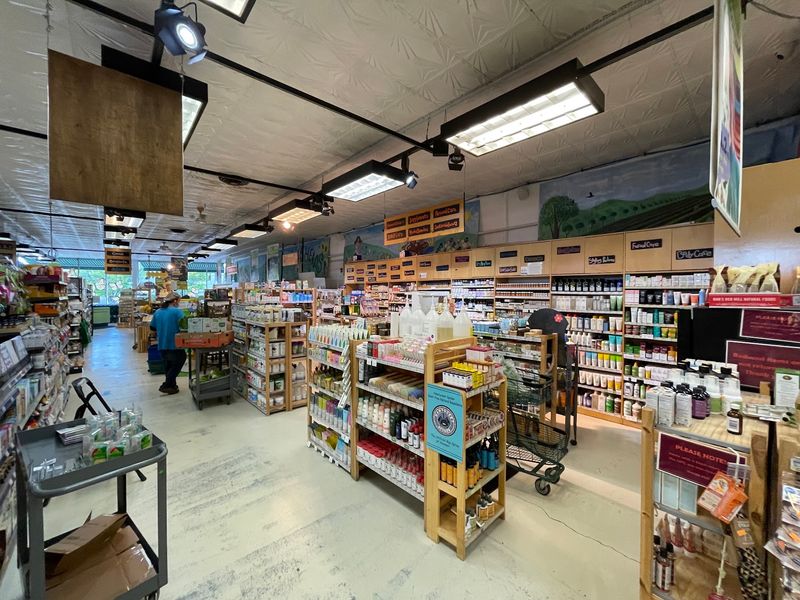
There is a machine here that turns peanuts into peanut butter while you watch, and it never stops being satisfying. You hold your container underneath, let it fill, and walk away with a spread made minutes earlier.
Nothing extra goes in. No added oils, no sweeteners, just peanuts ground into something thick and rich that tastes noticeably different from the shelf-stable version most people grew up on.
Kids tend to love the whole process, and honestly, plenty of adults do too. It turns a routine errand into a tiny bit of theater.
Because the butter is freshly made, it separates naturally over time. A quick stir brings it back together, and storing the jar upside down in the refrigerator helps keep the texture even.
Fill only what you will use within a few weeks. Fresh grinding means no preservatives, so smaller batches taste better and stay better.
The grinder fits the co-op’s larger habit of putting choice in the shopper’s hands. Rather than picking from three brands in three sizes, you decide the amount, the container, and the moment it was made.
Small pleasures like this are part of what keeps regulars coming back week after week.
8. Rare Pantry Staples Reward Curious Shoppers
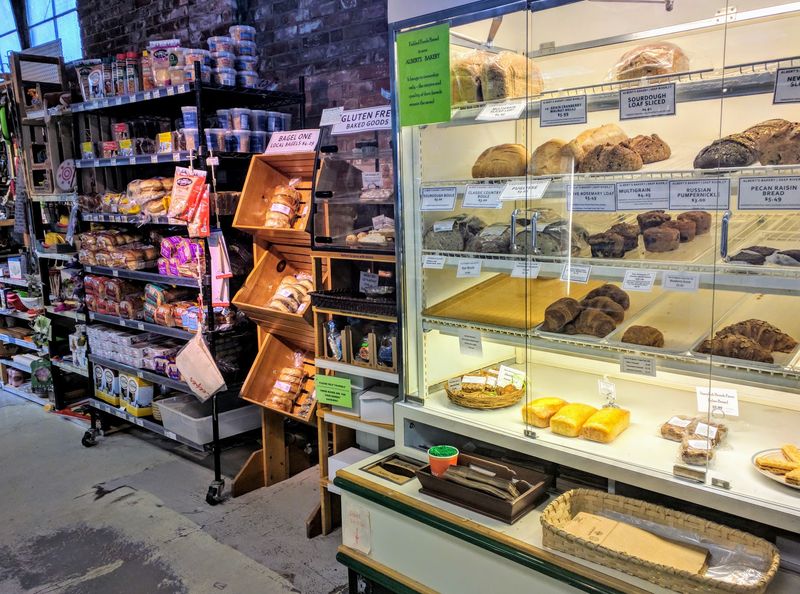
Curiosity pays off in this store. Alongside the everyday basics, the inventory leans toward items that are genuinely hard to track down in an ordinary supermarket.
The produce department is a good example. Tropical selections share space with heirloom and seasonal varieties from nearby farms, so a single display might hold something you have never cooked with next to something familiar.
The grocery aisles follow a similar logic, with attention paid to specific dietary needs. Shoppers regularly point to strong vegan and gluten-free options and to unique local items that do not turn up elsewhere in the region.
Bulk bins make all of this low risk. Buying two ounces of an unfamiliar grain costs pocket change, which is a much easier way to test a new recipe than committing to a full package.
That combination turns a grocery trip into something closer to a treasure hunt. People often leave with one thing they planned on and two they did not.
For anyone cooking around allergies, restrictions, or simple boredom with the usual rotation, the payoff is real. Fiddleheads works as a weekly staples run and as a source for the odd ingredient that finally makes a recipe click.