This Connecticut Herb Farm Is Filled With Fragrant Gardens Most People Never Knew Existed
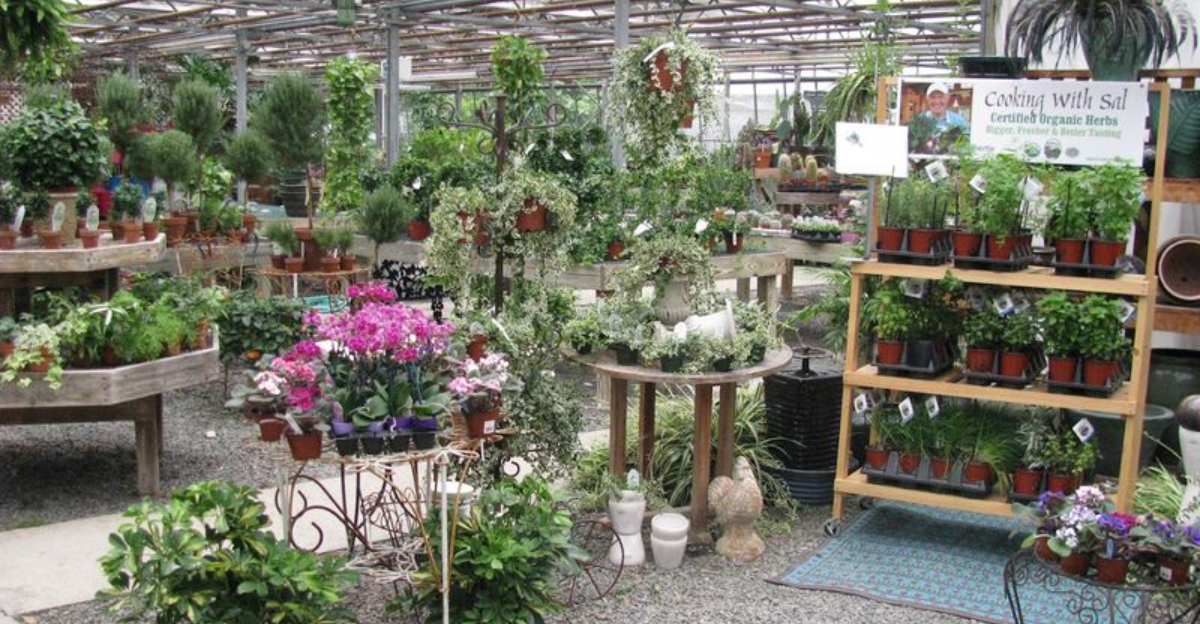
Most garden centers are built for quick stops, but this place makes that plan much harder to follow. Fragrance drifts through the air, and winding paths lead past carefully grown herbs.
Every greenhouse seems to hold another reason to slow down.
For more than a century, this Connecticut family business has built its reputation around plants grown with real care.
The setting feels lively without being overwhelming. Certified organic herbs fill the displays, while colorful garden beds make the property feel more like a place to wander than a simple store.
Even longtime locals can be surprised by how much is happening behind the entrance.
There is history here, but the experience never feels stuck in the past. New plants arrive with the seasons, and classes keep the calendar active.
The whole place carries the easy energy of people who truly love growing things. It feels welcoming and far more memorable than an ordinary afternoon among garden shelves.
1. Fragrant Herb Gardens Surround The Property
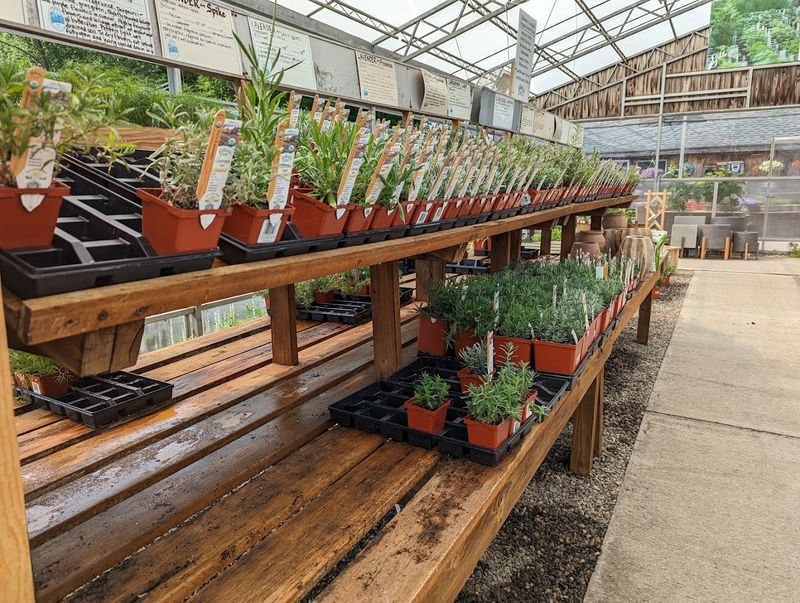
Fragrance leads the way through Gilbertie’s Herbs and Garden Center, where lavender, rosemary, thyme, and mint perfume the air whenever a breeze moves across the displays.
The mix is fresh and vivid, turning an ordinary garden-center visit into a sensory experience before visitors reach the greenhouses.
Herbs are presented as more than kitchen ingredients. Tall fennel brings height and movement, while creeping thyme spreads over edges in soft waves of color.
Groupings throughout the grounds show how different varieties can work in borders, containers, pathways, and larger garden beds, giving home gardeners plenty of ideas to borrow.
The layout rewards a slower pace. Rather than moving quickly from one display to the next, visitors can pause to compare textures, notice how plants change in the light, and imagine how similar combinations might look at home.
Gilbertie’s grows more than 300 herb varieties each spring and operates five acres of greenhouses, making it the state’s largest organic herb grower.
The garden center welcomes visitors at 7 Sylvan Lane in Westport. Its outdoor displays can be explored during regular store hours, adding a calm, fragrant, and practical layer to the shopping experience for curious gardeners of all experience levels.
2. Hundreds Of Organic Plant Varieties Fill The Greenhouses
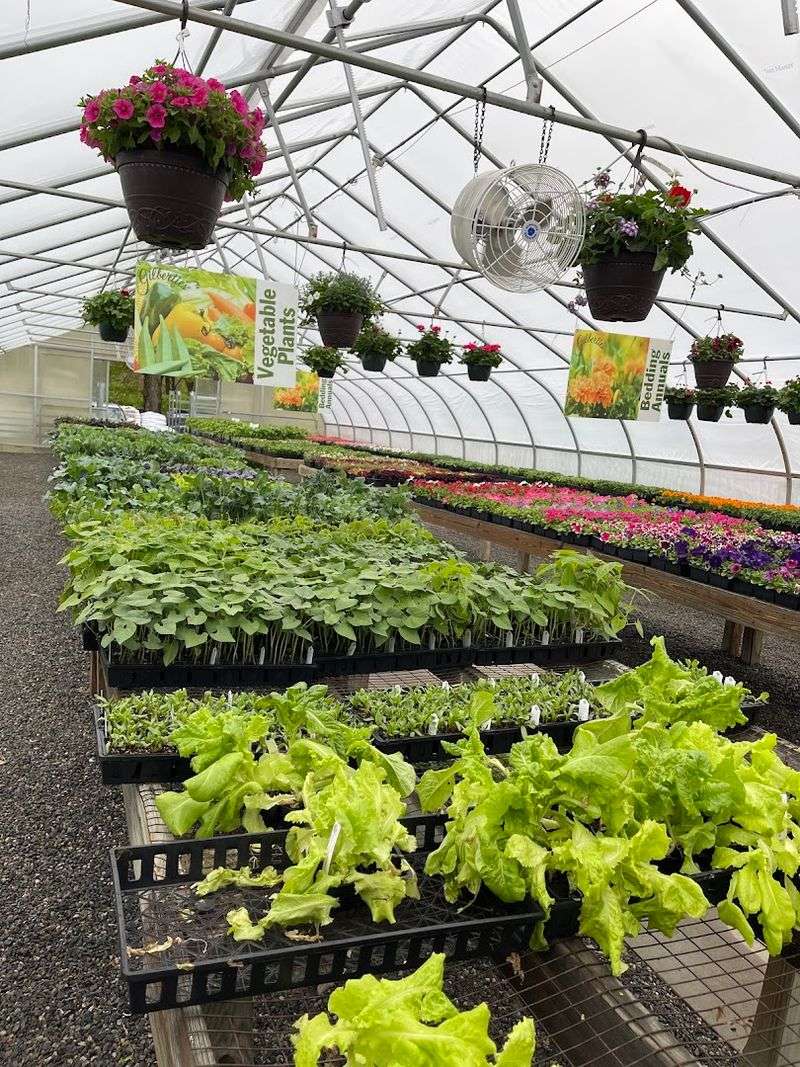
Over five acres of greenhouse space might sound like a number until the moment a visitor steps inside and realizes just how much that actually means.
The air shifts immediately indoors, turning warm and earthy, carrying the combined fragrance of hundreds of plants growing in custom-blended organic soil.
Gilbertie’s holds the distinction of being New England’s largest USDA Certified Organic grower, and that certification shapes every decision made in these growing spaces.
Each spring, the greenhouses produce more than 300 varieties of herbs alongside over 100 types of vegetables and roughly 50 different cold crops. Microgreens also fill a section of the growing space, offering a compact and fast-growing option for those with limited outdoor room.
Every plant is grown without synthetic chemicals, which means the soil, the water, and the growing methods all meet strict federal organic standards.
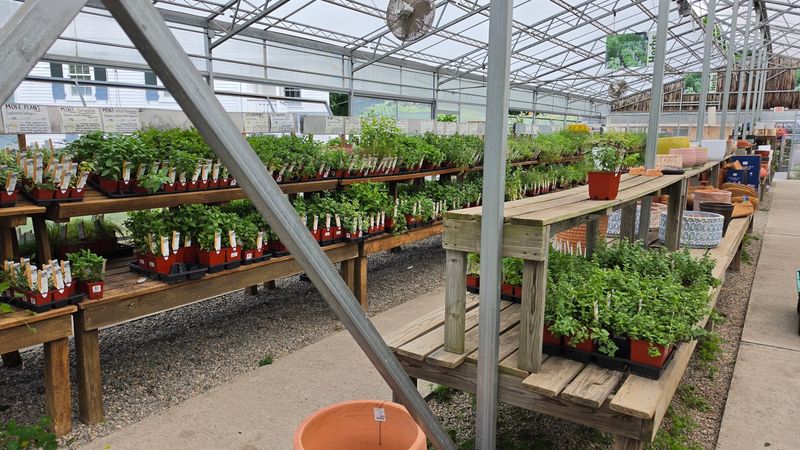
Browsing the greenhouse shelves feels more like exploring a botanical library than shopping at a typical garden center. Labels identify each variety with care, and the sheer range of choices means that even experienced gardeners tend to discover something they have never grown before.
The scale of the operation is genuinely impressive without feeling overwhelming.
3. The Family Business Dates Back To 1922
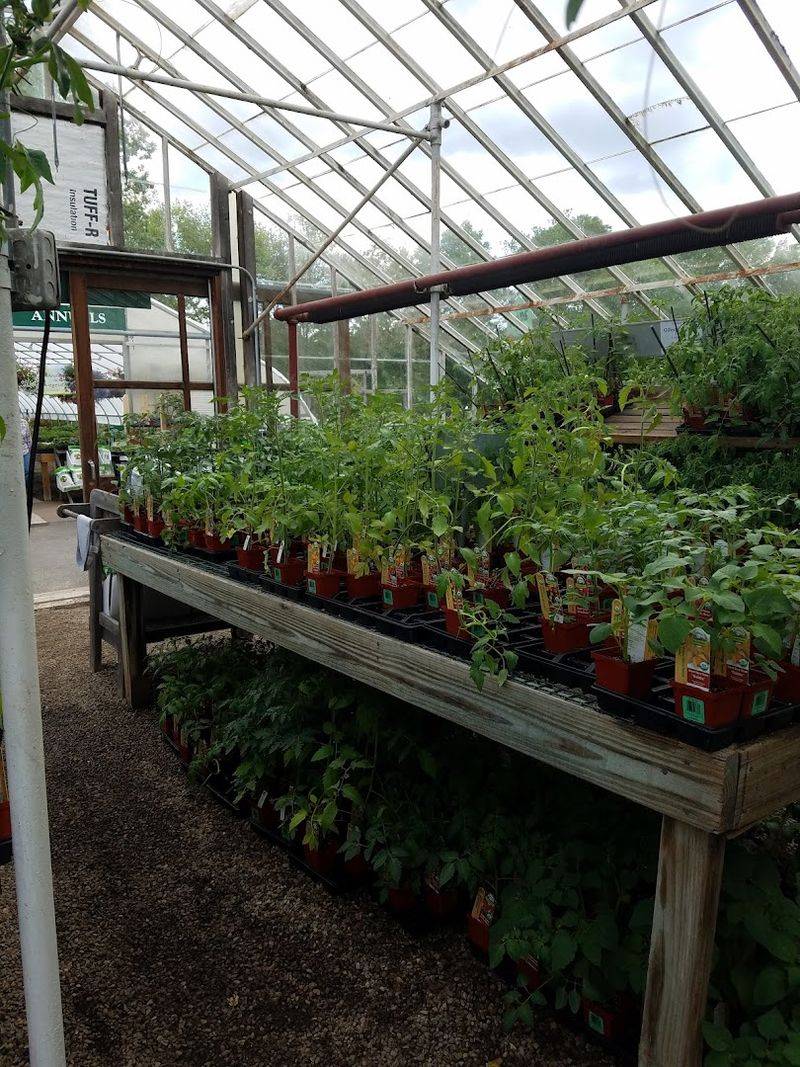
More than a century of continuous operation places Gilbertie’s in rare company among American garden businesses. The story began in 1922 when an immigrant family planted roots in Westport, Connecticut, with a vision built around growing and selling cut flowers.
That original focus eventually shifted toward herbs and organic cultivation, a transition that would define the business for generations to come.
The early years required hard work and adaptability, qualities that seem to have carried forward through every chapter of the business.
Moving from cut flowers to a specialty herb operation was not a small change, and doing it while maintaining quality and community trust speaks to how seriously the family approached the craft.
The farm gradually earned a reputation that extended far beyond Fairfield County.
Reaching the one-hundred-year mark in business is an achievement that very few family-run operations ever see. For Gilbertie’s, that milestone reflects not just longevity but a consistent commitment to the principles that shaped the original enterprise.
The 1922 founding date is not just a piece of trivia printed on a sign; it represents a living thread connecting the current operation to the original hands that turned the first soil on this property.
4. Spring Brings The Broadest Plant Selection
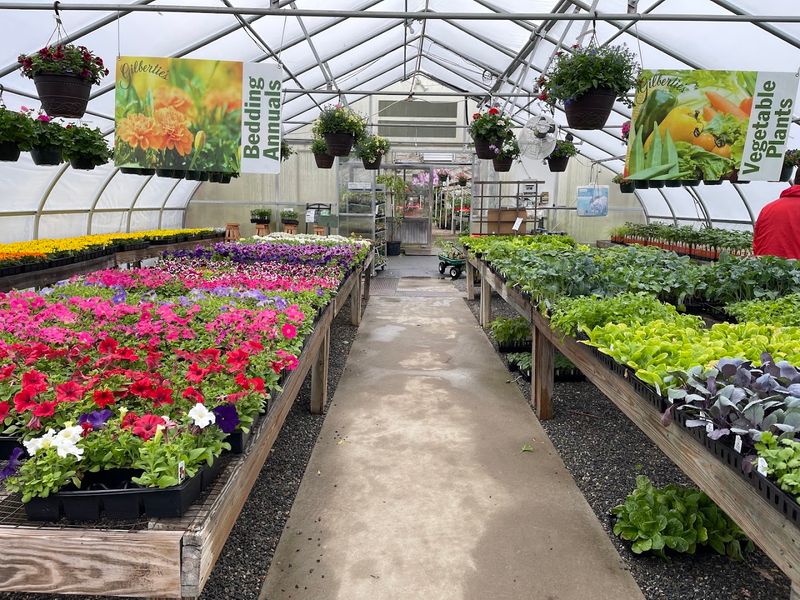
Spring brings Gilbertie’s Herbs and Garden Center to life with color, fragrance, and an impressive range of young plants ready for new gardens. Benches fill with leafy herbs, vegetable seedlings, and cool-season crops, giving visitors their broadest look at the growing operation.
Kale, spinach, lettuce, broccoli, and other cold crops arrive early, offering gardeners a chance to begin planting before warmer weather takes over.
Nearby, dense rows of basil, thyme, rosemary, parsley, and specialty herbs create a fragrant display, while tomatoes, peppers, and other vegetables provide a head start for summer harvests.
Gilbertie’s plants more than 300 herb varieties, 100 vegetable varieties, and 50 cold crops each spring, all grown organically in soil.
The steady arrival of fresh inventory gives the garden center a lively rhythm throughout the season. Weekday mornings often provide a more relaxed browsing experience, while warmer weekends naturally draw more visitors.
A simple planting list can help, though the variety makes spontaneous discoveries almost inevitable.
Spring reveals Gilbertie’s at its fullest, with greenhouse benches and outdoor displays offering practical inspiration for containers, kitchen gardens, and larger beds. Visiting early in the season also improves the chances of finding favorite varieties before seasonal demand reduces the selection.
5. Annuals Perennials And Vegetables Share The Displays
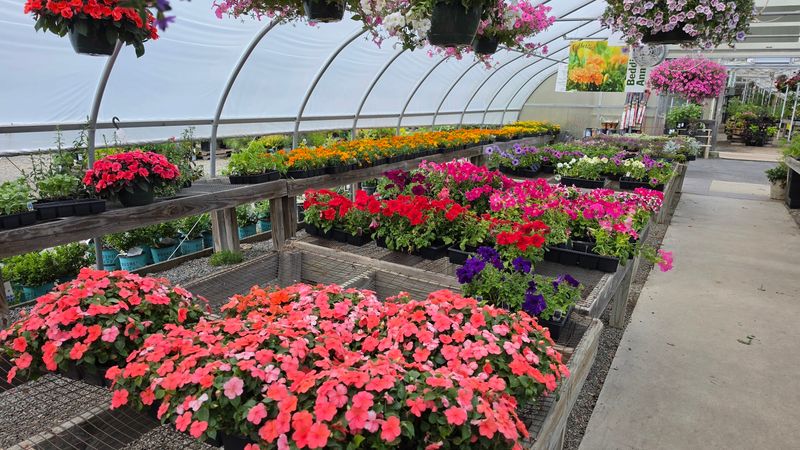
Beyond the herb collection, the displays at Gilbertie’s spread across a surprisingly broad range of plant categories.
Annuals bring reliable seasonal color to containers and garden beds, while perennials offer the kind of long-term return that makes them a smart investment for established landscapes.
Vegetables fill their own dedicated section, organized with the same care as the herb benches and labeled clearly for easy identification.
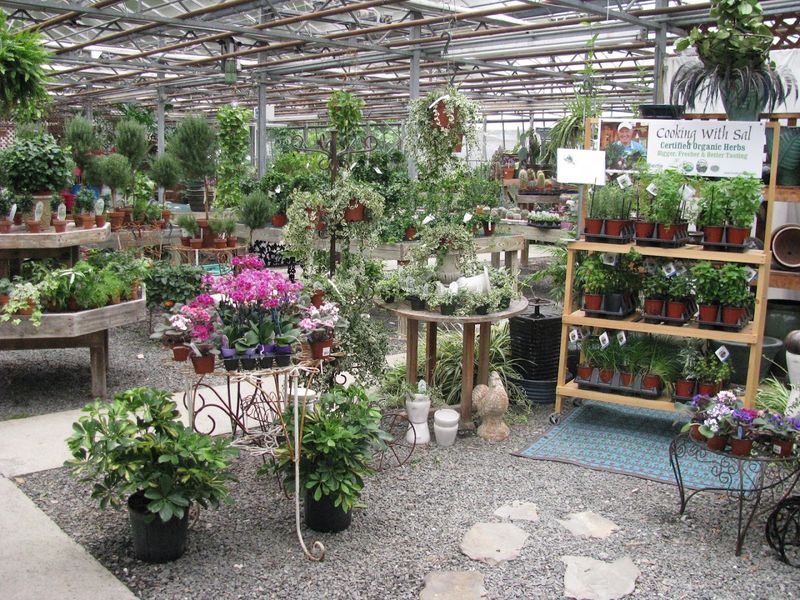
The range does not stop at plants that go in the ground. Trees, shrubs, and tropical specimens share the space with succulents, indoor houseplants, and pond supplies that include fish for water features.
Pottery, statuary, and garden accessories fill additional areas, giving the property the feel of a well-curated destination rather than a purely transactional retail stop.
Dedicated organic herb and vegetable lists are maintained by the staff, making it easier to plan purchases around specific growing goals. The layout groups plants in a way that makes sense for browsing, even for someone who arrives without a clear shopping plan.
Finding an unusual perennial variety or a tropical plant that seems out of place in a New England setting is part of what keeps regular visitors coming back throughout the growing season.
6. Theme Gardens Add Color Beyond The Store
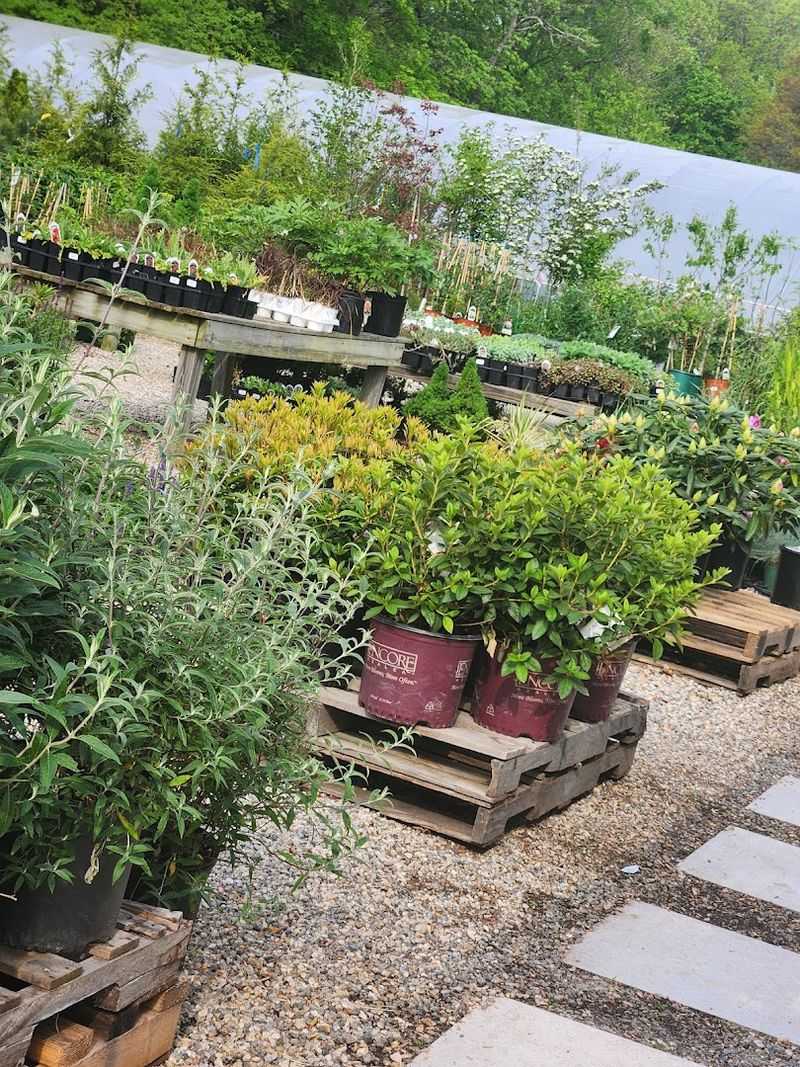
Past the retail areas and greenhouse entrances, the property opens into outdoor theme gardens that exist purely to inspire.
These spaces are designed to show how different plant combinations can work together in a real garden setting, offering visitors a living reference point that no catalog or website can fully replicate.
Seeing mature plantings in context makes it far easier to visualize what a finished garden bed might look like at home.
Each themed area tends to highlight a different approach to planting, whether that means a culinary herb collection arranged by flavor profile, a pollinator-friendly bed buzzing with activity, or a sensory garden designed around texture and fragrance rather than visual color alone.
The variety across these spaces keeps the walk-through interesting from one end of the property to the other.
Visitors are encouraged to walk through these gardens at their own pace, and the paths are generally easy to navigate without needing to follow a specific route. The outdoor theme areas are accessible during regular business hours without any additional fee.
Spending time in these spaces before heading back to the retail floor tends to make the shopping process more focused, since seeing plants in a full garden context often clarifies exactly what a space needs.
7. Gardening Classes Bring Practical Knowledge To Visitors
Knowing how to grow something well is a different skill than simply buying a plant and hoping for the best.
The educational programming at Gilbertie’s addresses that gap directly through a calendar of lectures and hands-on workshops that cover topics ranging from herbalism and composting to general plant care and organic growing methods.
These sessions are designed to be accessible for beginners while still offering enough depth to engage experienced gardeners.
Workshops tend to be held on the property, which means participants can connect what they are learning directly to the plants and growing spaces around them.
Seeing composting techniques demonstrated in the same environment where those methods are actually used makes the information stick in a way that a classroom setting rarely achieves.
The practical focus of the programming reflects the working-farm character of the business as a whole.
Details about upcoming classes and lectures are typically posted through the center’s official website and event calendar, so checking ahead before a visit helps confirm what is scheduled. Registration requirements and any associated fees vary by program.
The opportunity to ask questions of knowledgeable staff during these sessions adds a layer of value that goes beyond what most garden centers offer through their standard retail experience.
8. Four Generations Have Continued The Growing Tradition
Passing a business from one generation to the next is never automatic. It requires the next generation to genuinely care about what the previous one built, and then to put in the work to keep it relevant for a new era of customers.
At Gilbertie’s, that handoff has happened four times now, each transition maintaining the core identity of the farm while allowing it to grow and adapt with the times.
The fourth generation of the Gilbertie family currently operates the business, continuing the organic farming commitment that has become central to the brand’s identity.
Community involvement has remained a consistent thread throughout the family’s stewardship, showing up in the educational programming, the farmers market events held on the property, and the approachable atmosphere that long-time visitors tend to describe as feeling like a neighborhood institution.
A business that reaches its centennial while still being operated by the founding family carries a kind of authenticity that is genuinely difficult to manufacture.
The plants grown here today trace their lineage back to methods and values established more than a hundred years ago on the same Westport property.
That continuity is something a visitor can feel in the careful attention given to every corner of the grounds.