This Connecticut Museum Lets You Explore The Art Of Puppetry Like Never Before
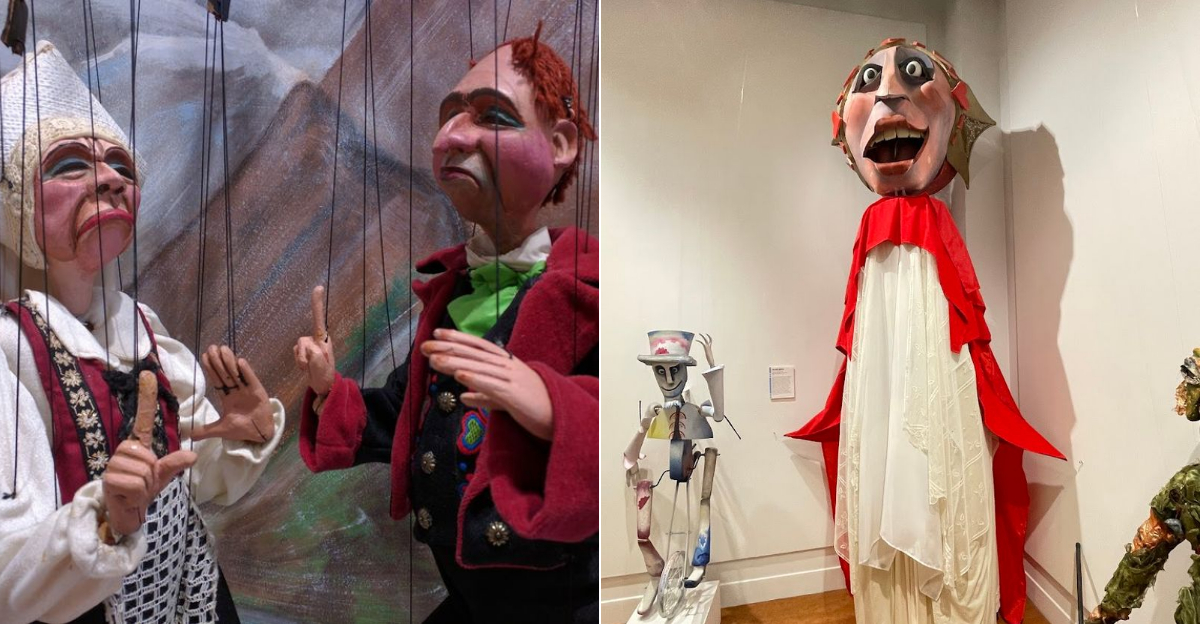
Puppetry sounds like a kids thing until you walk into a place that treats it like the serious, centuries old art form it actually is. This Connecticut museum turns the art of puppetry into something you genuinely never expected to be so fascinated by.
Intricate figures from cultures all over the world, performances that range from playful to deeply moving, and a collection so thoughtfully put together that every single piece feels like it has a story demanding to be heard.
The craft and skill behind what’s on display here is genuinely humbling – these are not props, they are works of art with history attached to every stitch and joint.
Adults consistently leave more impressed than they expected and kids are completely transfixed from start to finish. One of those rare spots that earns a second visit before you’ve even finished the first.
1. Where Puppetry Comes Alive In Connecticut

Educational and genuinely enchanting at the same time, the museum offers an experience that captivates visitors of all ages. The space itself is clean, well-lit, and thoughtfully organized, with displays that feel welcoming rather than overwhelming.
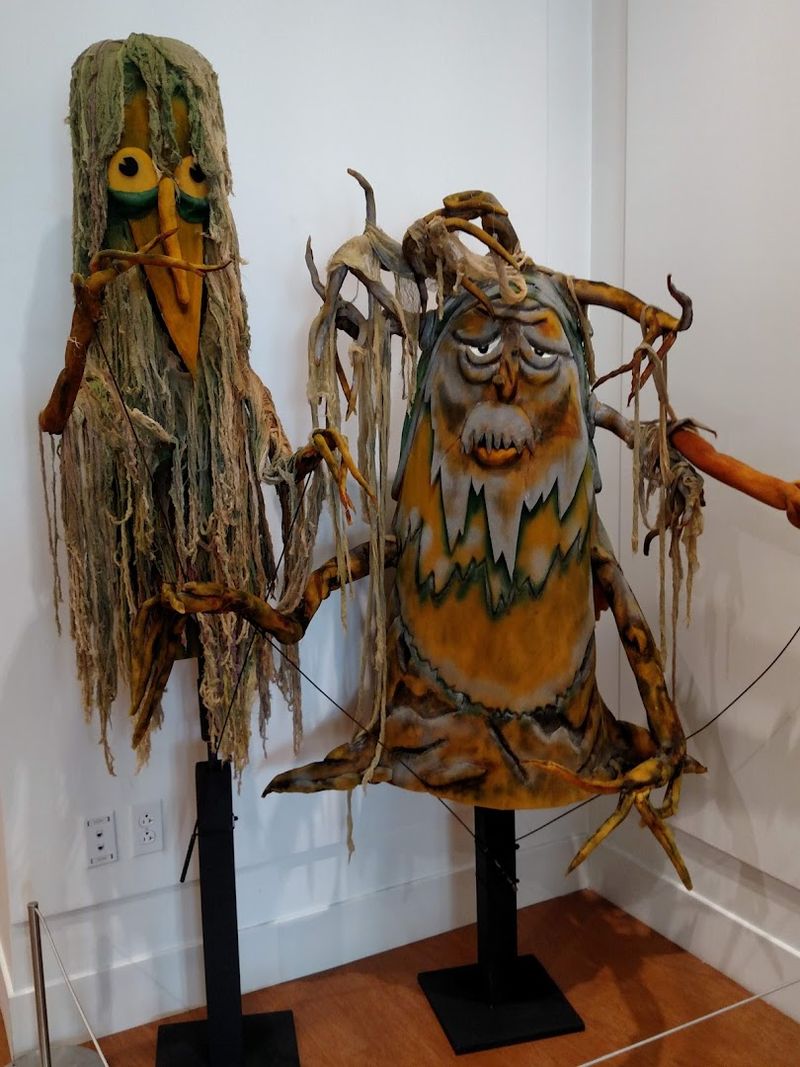
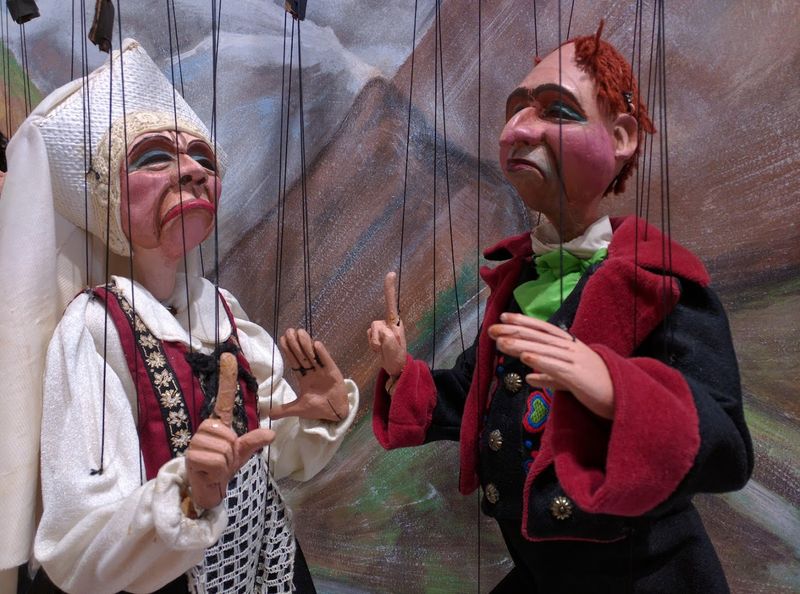
Each exhibit is labeled with helpful context about who made the puppets, where they performed, and what techniques were used to bring them to life. Visitors can get close enough to appreciate the texture of papier-mache, the fine stitching on fabric figures, and the delicate jointing of marionette limbs.
The lighting enhances every detail without making the space feel clinical or cold. Housed at 1 Royce Cir #101B, Storrs, CT 06268, it shares a building with the UConn bookstore, making it convenient to visit alongside other stops in the area.
There is a small performance theater at the back of the main exhibition hall that adds an extra layer of personality to the visit. Even on a short stop, the museum tends to leave a lasting impression on both first-time visitors and those returning for a second or third look.
2. A World-Class Collection Of Puppets And Artifacts
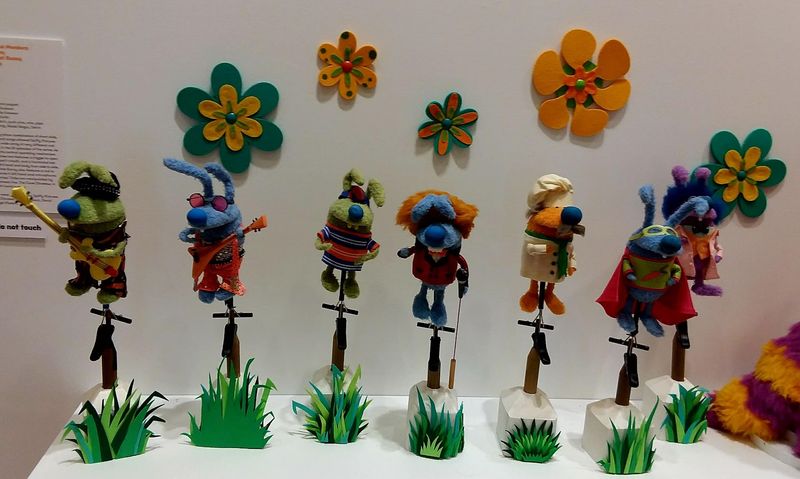
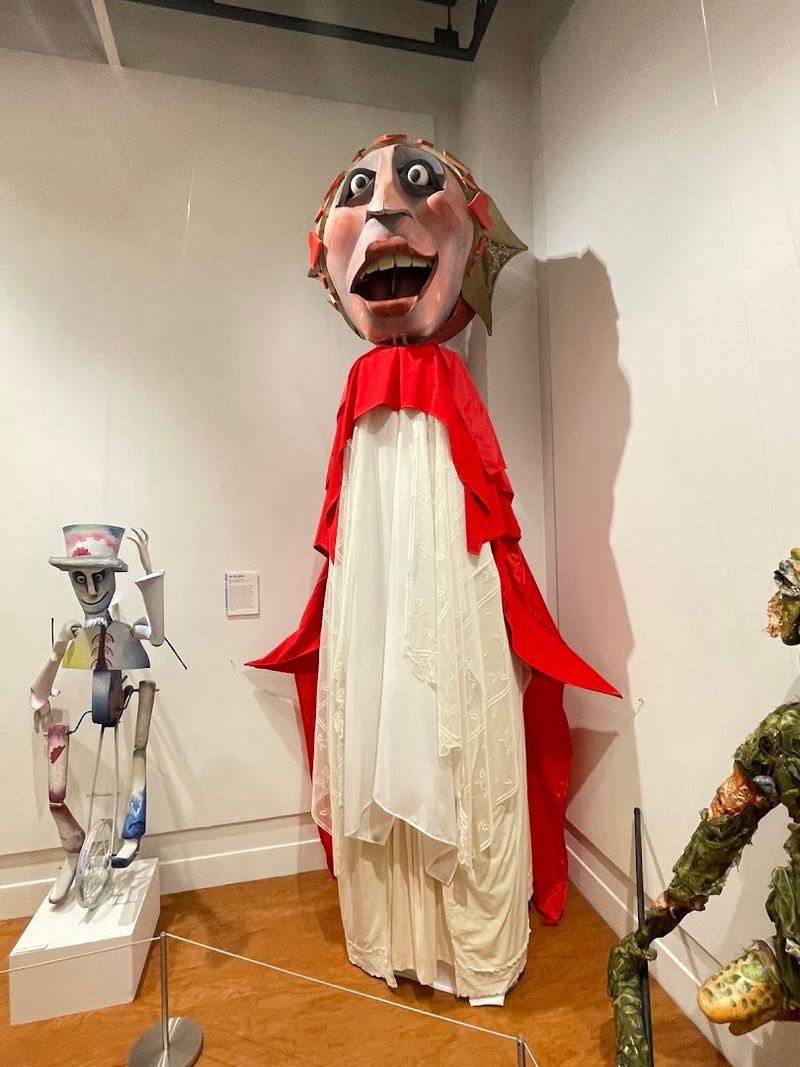
The collection housed at the Ballard Institute and Museum of Puppetry spans an impressive range of puppet types, styles, and origins. Marionettes with articulated limbs, rod puppets with expressive faces, sock puppets, and papier-mache figures all share space in a collection that reflects decades of careful acquisition and preservation.
Each piece carries its own story, and the exhibit labels do a solid job of connecting visitors to that history.
Some of the puppets on display have appeared in well-known television productions, theatrical performances, and cultural festivals. Seeing them up close reveals a level of craftsmanship that photographs simply cannot capture.
The fine detailing on painted faces, the weight and balance of performance-ready figures, and the variety of construction materials all speak to the artistry involved in puppetry as a serious discipline.
The collection rotates periodically, so returning visitors are likely to encounter new pieces and fresh arrangements with each trip. For anyone interested in folk art, performance history, or handmade objects, the depth and variety of artifacts here could easily fill an afternoon of thoughtful exploration.
3. Exhibits That Span Cultures And Time Periods
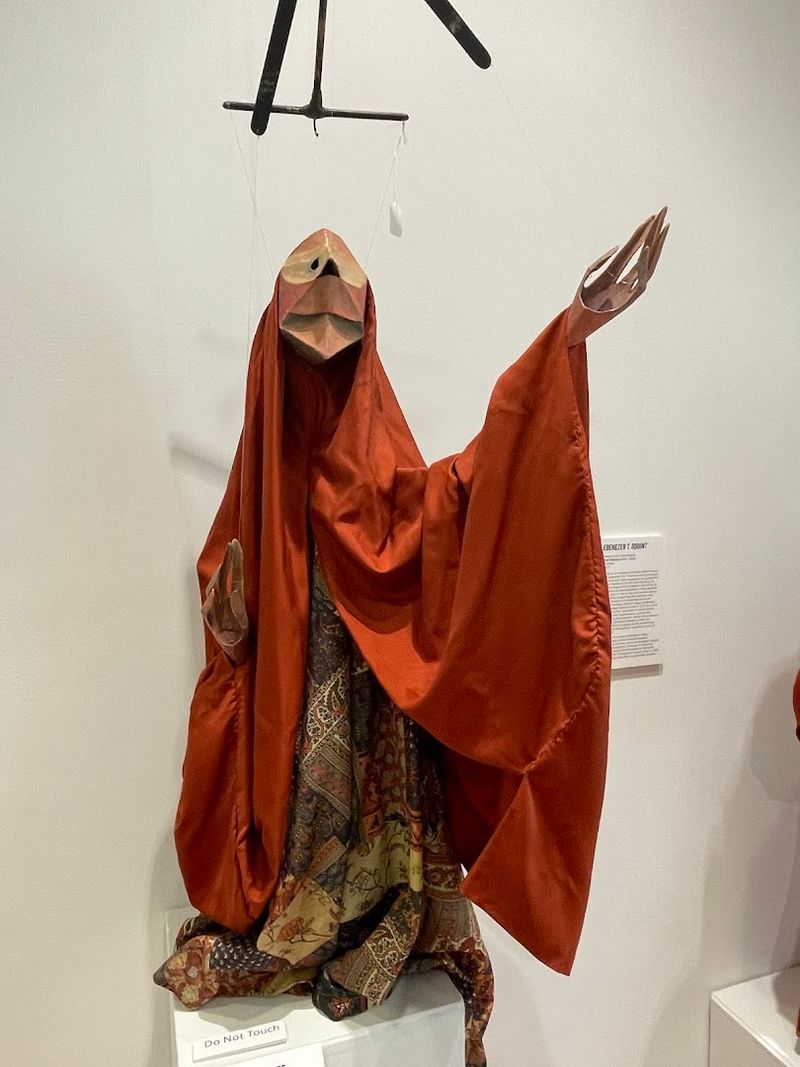
One of the most striking things about the Ballard Institute and Museum of Puppetry is how far its collection reaches across geography and time. Puppets from different continents, made with vastly different techniques and materials, are presented in a way that highlights both their differences and their shared human purpose.
Storytelling, ceremony, and performance connect all of these objects across centuries of cultural tradition.
Exhibits have featured pieces ranging from traditional Asian shadow puppets to European marionette theater figures to contemporary American performance art puppets. The museum does not treat puppetry as a relic of the past but instead frames it as a living, evolving art form that continues to grow and adapt in the present day.
This perspective gives the exhibits a sense of energy and relevance that keeps the content feeling fresh.
Rotating and themed exhibitions mean that the museum regularly introduces new focal points, spotlighting specific artists, traditions, or historical movements in puppetry. Past exhibits have explored mythology, masks, and spectacle through the lens of specific puppet artists and their bodies of work.
Each new show tends to offer a different angle on the craft, giving repeat visitors a genuine reason to come back and experience something they have not seen before.
4. Workshops And Hands-On Experiences For All Ages
Beyond the exhibits, the Ballard Institute and Museum of Puppetry offers hands-on workshops that give visitors the chance to try puppetry for themselves. Past workshops have included puppet-building sessions where participants construct their own figures using a variety of materials, guided by instructors who bring real enthusiasm and knowledge to the process.
These sessions tend to be engaging for both younger visitors and adults who appreciate learning a craft firsthand.
The workshops are connected to the museum’s broader mission of keeping puppetry accessible and alive as a community art form. Participants leave with a tangible creation and a deeper understanding of the skill involved in making a puppet that actually performs well.
The hands-on format breaks down the barrier between viewer and maker in a way that a traditional exhibit simply cannot.
Availability and scheduling for workshops may vary throughout the year, so checking the museum’s website before visiting is a good idea for anyone specifically hoping to participate. The museum has also hosted educational programs tied to the University of Connecticut’s puppetry program, which is one of the few academic programs of its kind in the country.
For families and curious learners, these experiences add real depth to a visit that goes well beyond just looking at displays.
5. The Historic Roots Of Puppetry At UConn
The Ballard Institute and Museum of Puppetry carries a name that reflects a genuine legacy. Frank Ballard was a pioneering figure in American puppetry and a longtime faculty member at the University of Connecticut, where he helped establish one of the most respected puppetry programs in the country.
His creative work and dedication to the craft helped elevate puppetry from a folk tradition to a recognized academic and performance discipline.
UConn’s Department of Dramatic Arts has housed a puppetry program for decades, and the museum grew directly out of that academic tradition. The collection includes works connected to the university’s history with the art form, giving visitors a sense of how puppetry has been taught, practiced, and celebrated within an academic setting over many years.
This institutional connection gives the museum a depth and seriousness that enriches every exhibit.
Understanding this history adds a meaningful layer to the experience of walking through the galleries. Puppets on display are not simply decorative objects but artifacts tied to real performances, real artists, and real educational journeys.
For anyone curious about how a craft becomes a discipline, the story of puppetry at UConn offers a compelling and surprisingly rich example of artistic dedication carried forward across generations.
6. Puppet Performances And Live Events To Enjoy

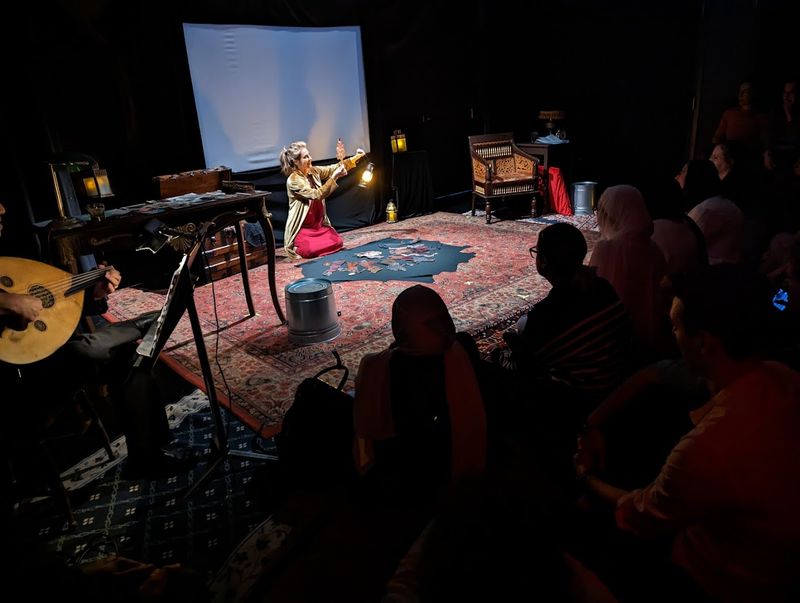
A small puppet theater at the back of the main exhibition hall sets the Ballard Institute and Museum of Puppetry apart from most art spaces of its size. Live performances take place in this intimate venue, giving audiences a chance to experience puppetry not just as a visual art but as a full performance form with movement, voice, and story.
The scale of the theater feels just right for the kind of close, attentive watching that puppetry rewards.
Past events have included performances tied to specific exhibits, seasonal programming, and collaborations with puppetry artists from the broader UConn community and beyond. The atmosphere during live shows tends to be relaxed and inclusive, welcoming both families and adult audiences who appreciate the craft on a deeper level.
Seating is limited, so arriving early for scheduled performances is a practical consideration worth keeping in mind.
The museum’s event calendar can shift with each season, so checking the official website before planning a visit around a specific performance is strongly recommended. Free learning forums and educational events have also been part of the museum’s programming in the past, adding further value for visitors who want more than a standard museum walkthrough.
7. When To Visit And Best Times To Go
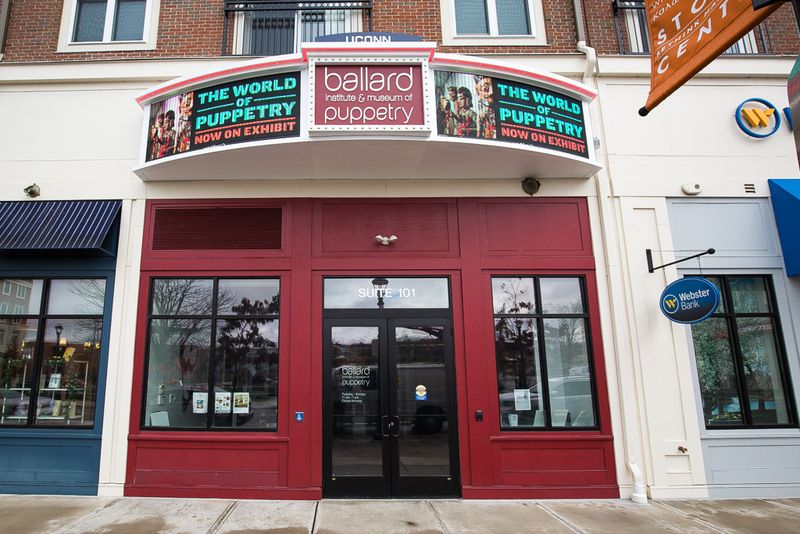
Planning a visit to the Ballard Institute and Museum of Puppetry is straightforward once the schedule is clear. The museum is open Wednesday through Sunday, with hours running from 11 AM to 5 PM on Wednesday, Friday, and Sunday, and extended hours until 7 PM on Thursday and Saturday.
Monday and Tuesday are closed, so arriving on those days would mean a missed trip.
Weekday visits during the afternoon tend to offer a quieter, more relaxed experience, which can be especially pleasant for visitors who prefer to take their time with each exhibit without feeling rushed. Weekend visits may bring more foot traffic, particularly on Saturdays when the extended evening hours attract both families and UConn-affiliated visitors.
Either way, the museum’s compact size means a visit rarely feels crowded in an uncomfortable way.
Parking is available within a short walk of the museum in the Storrs Center area, and the location near the UConn bookstore makes it easy to combine with other errands or stops nearby. For visitors coming from out of town, pairing the museum with a meal at one of the restaurants in Storrs Center can turn the trip into a full afternoon outing.
8. The Library And Archives For Puppetry Research
Serious enthusiasts and researchers will find that the Ballard Institute and Museum of Puppetry offers more than just gallery displays. The museum maintains library and archival resources connected to its broader mission of preserving and promoting puppetry as an art form.
These materials support academic research, artistic projects, and historical documentation related to puppetry traditions from around the world.
The archives hold materials tied to the museum’s collection and to the history of puppetry at the University of Connecticut, including documentation of past performances, photographs, and records connected to significant figures in American puppetry. For students, educators, or independent researchers, these resources could provide a meaningful supplement to what is available through general library systems.
Access and availability may vary, so contacting the museum directly before planning a research visit is the most practical approach.
Even for casual visitors who are not conducting formal research, knowing that the museum takes documentation and preservation seriously adds to its credibility as a cultural institution. The presence of archival materials signals a commitment to puppetry that goes well beyond simply putting objects in cases.
It reflects an understanding that art forms need to be recorded, studied, and passed forward in order to survive and grow across generations, and the Ballard Institute takes that responsibility genuinely to heart.
9. Planning Your Trip To Storrs Center’s Hidden Gem
Getting to the Ballard Institute and Museum of Puppetry is relatively easy for visitors coming from across Connecticut or nearby states. Storrs Center sits adjacent to the University of Connecticut campus, and the museum is located within the center’s main retail and cultural corridor.
Free parking is available within a short walking distance, and the area itself is pleasant to explore on foot before or after a museum visit.
The museum’s location near the UConn bookstore makes it a natural stop for anyone already visiting campus, and the surrounding Storrs Center area has dining options that work well for rounding out a full afternoon trip. Since the museum is compact, visits can be as short as thirty minutes or stretch into a couple of hours depending on how deeply visitors engage with the exhibits and any programming happening that day.
Admission remains free, which removes any financial barrier and makes it easy to stop in without over-planning. For anyone passing through central Connecticut or looking for something genuinely different to do in the region, this small but carefully curated museum tends to deliver a visit that feels well worth the detour.