This Connecticut Museum Lets You Walk Through A Life-Size 16th-Century Pequot Village
History gets a lot more interesting when it stops sitting politely behind glass.
Here, visitors can move through a full-scale recreation that makes the past feel surprisingly close. You are not just reading about daily life centuries ago.
You are stepping into a setting built to help you understand it.
That immersive approach is what makes this Connecticut museum feel so different from a standard afternoon of exhibits.
The details encourage you to slow down and really look around. Small choices in the setting start to tell a much bigger story.
There is also a strong sense that the history is being presented from the people whose story it actually is. That gives the experience more weight without making it feel heavy.
You may arrive expecting another museum visit. Then the village pulls you in, and suddenly the past feels much harder to keep at a distance.
1. This Museum Brings Pequot History To Life
History unfolds through immersive scenes, artifacts, films, and interactive exhibits rather than remaining confined to traditional display cases.
The Mashantucket Pequot Museum & Research Center has been tribally owned and operated since opening on August 11, 1998, with a mission centered on sharing Pequot history and the broader Native cultures of the Northeast.
Its enormous 308,000-square-foot complex includes 85,000 square feet of permanent indoor exhibitions, giving visitors plenty of room to explore.
Life-size dioramas, archaeological collections, commissioned artwork, films, and interactive programs trace natural and cultural history across thousands of years, beginning with the Ice Age and continuing into the present.
Even the building contributes to the experience. Two of its five levels extend below ground, while large windows and thoughtful design connect interior spaces with the surrounding landscape.
A 185-foot stone-and-glass observation tower was created to provide sweeping regional views, although the museum currently lists the tower as temporarily closed.
With so much material spread throughout the galleries, this is a museum worth exploring slowly. Visitors can move from ancient environments to contemporary Mashantucket Pequot life, making the experience feel broad, detailed, and deeply connected to a living culture.
2. The Life-Size Village Is The Main Attraction
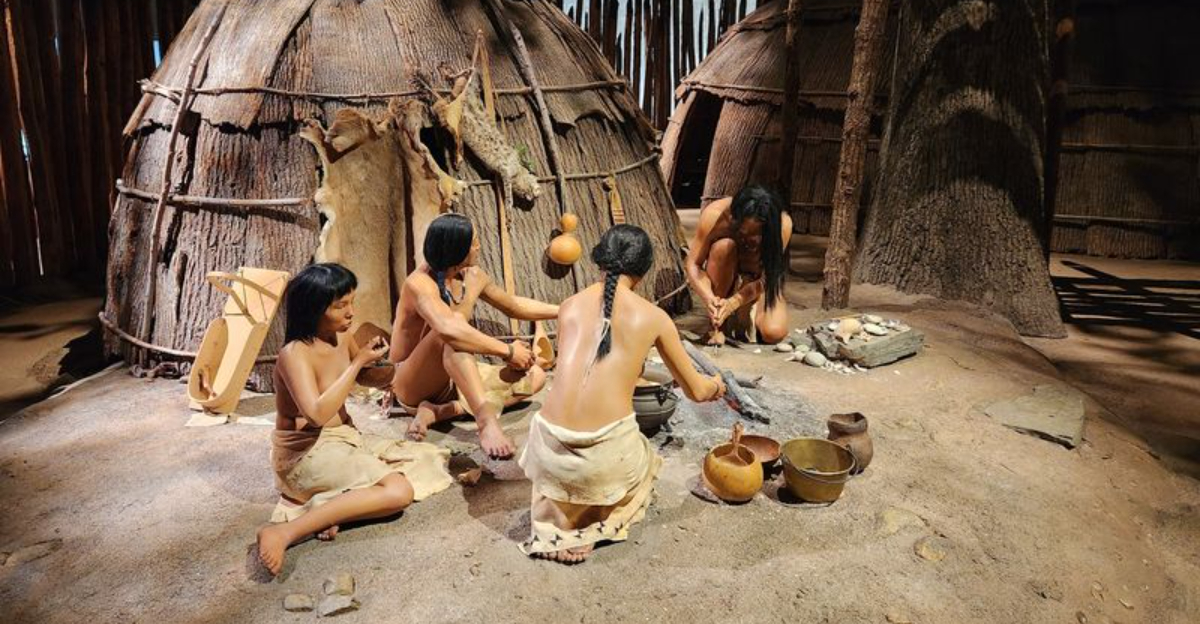
Walking into the recreated village is the moment most guests remember best. The exhibit spans roughly half an acre, or about 22,000 square feet, and brings the year 1550 to life just before European contact.
Life-cast figures of Pequot people stand throughout the scene, shown cooking, talking, and weaving during a normal day.
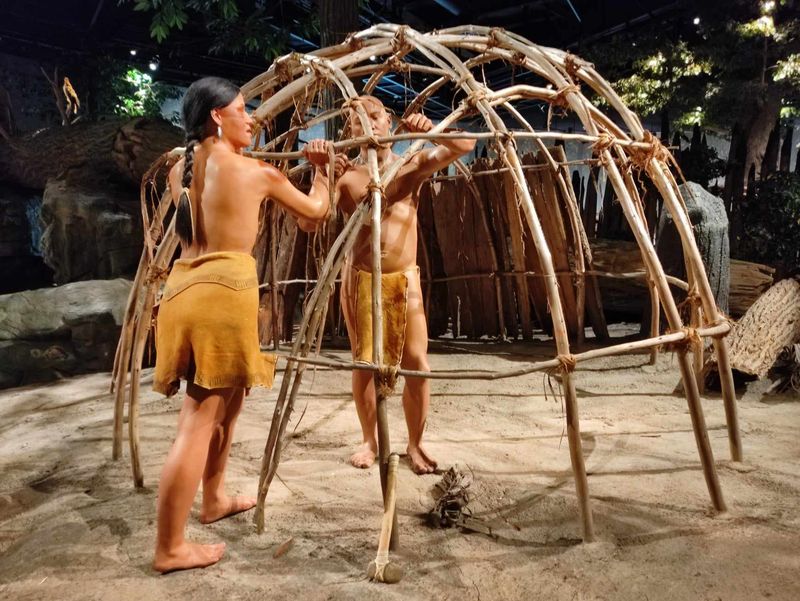
Traditional wigwams, also called wetu homes, rise across the landscape and show how families built shelter from natural materials. The detail feels remarkably real, and even young children tend to slow down and study each figure closely.
Because the space is open to walk through, visitors can move around at their own speed instead of following a set line.
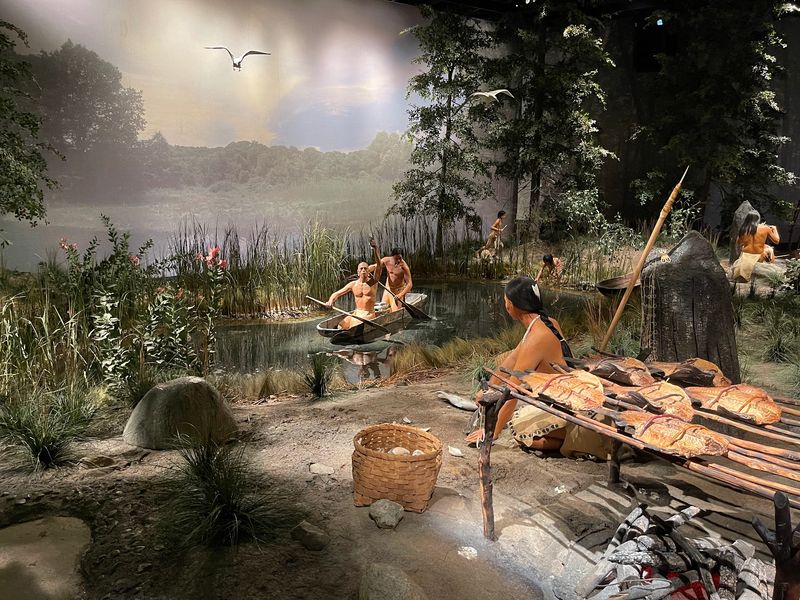
Some figures are shown fishing or preparing food, giving a clear sense of daily rhythm. The setting quietly explains how the Pequot used the land and water around them for survival.
Standing among the homes makes the past feel present rather than distant. Guests often mention how lifelike the scene appears compared to typical museum displays.
It is the heart of the whole experience and a good place to spend plenty of time.
3. Sights And Sounds Recreate Life In The 1500s
More than your eyes get involved once you enter the village. The exhibit uses a multi-sensory design so the setting feels lived in rather than staged.
Natural sounds of the Eastern Woodlands drift through the space, adding birdsong and rustling to the scene. Faint aromas of woodlands and campfires float in the air, which helps the mind settle into another time.
The life-cast figures were molded from real Native American people, giving faces and postures a true human feel. Their clothing and ornamentation were created by skilled Native craftspeople, adding another layer of authenticity.
Every stitch and bead reflects careful attention to how the Pequot actually dressed and decorated themselves.
Individual audio tours are available, sharing background and context as you explore each part of the village. Listening while walking makes it easier to understand what each figure is doing and why.
The soft lighting keeps the mood quiet and thoughtful rather than bright and busy.
Taken together, the sights, sounds, and scents create a gentle sense of stepping fully into the 1500s. Few museums manage this kind of steady, believable atmosphere.
4. Family And Community Shape The Village Story
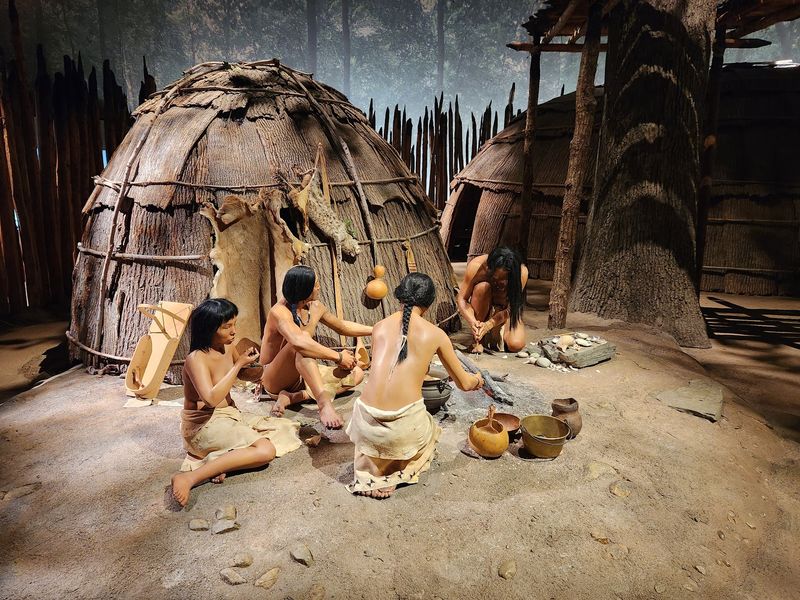
Daily life takes center stage here, with every scene showing how closely people depended on one another. Figures fish, plant crops, prepare food, and handle essential tasks, turning the village into a vivid look at cooperation rather than a collection of isolated activities.
Family and community relationships become especially clear as people appear working side by side. The displays show how shared responsibilities helped provide food, maintain homes, and support daily life through changing seasons.
Nearby exhibits on Pequot society add useful context by explaining leadership, family roles, community organization, and decision-making.
Objects from the museum’s collections deepen that story, connecting the recreated scenes with tools and materials that reflect real traditions and everyday practices.
Younger visitors may find the fishing, planting, and household scenes especially easy to understand because the activities are shown so clearly. Instead of simply reading about how a community functioned, guests can see those responsibilities playing out around them.
Together, the displays make the village feel connected and purposeful.
They show that daily survival depended on knowledge, cooperation, and people contributing different skills, while also giving visitors a clearer understanding of how relationships shaped Pequot community life across generations.
5. Dioramas Make The Past Feel Surprisingly Close
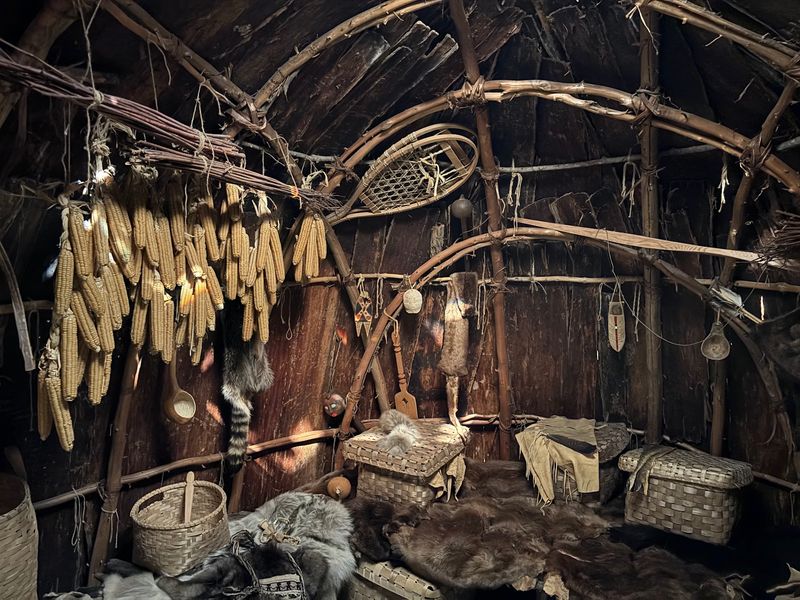
Beyond the village, giant dioramas pull visitors even deeper into ancient times. The journey often begins with the Glacial Crevasse and A World of Ice exhibit, which feels like walking into a glacier.
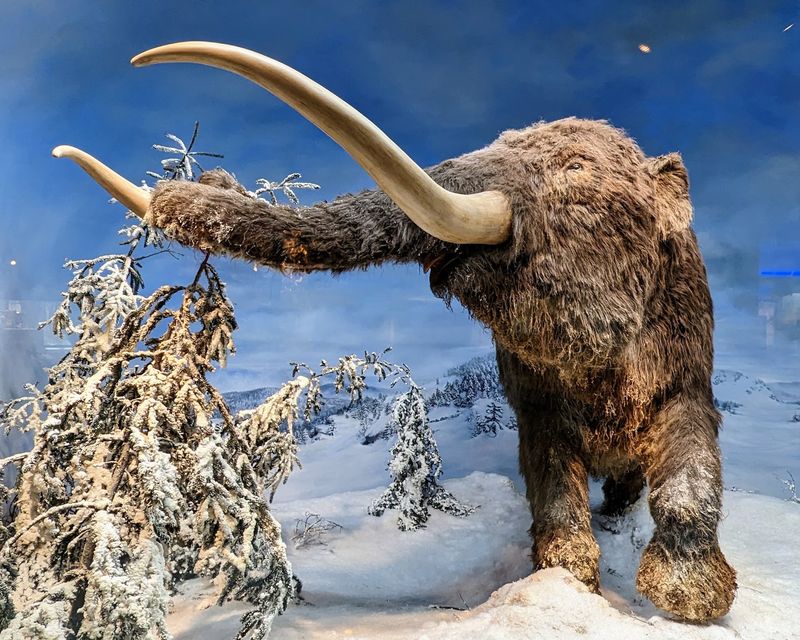
Dripping water, chilly air, and the sounds of creaking ice and whistling wind make the Ice Age feel real. Another display called Life in a Cold Climate shows life-size dire wolves, mastodons, and giant beavers from over 11,000 years ago.
Life-like hunters chase caribou across streams and rocky ground, showing how people survived back then.
The Changing Environment exhibit uses four dioramas to show how the seasons shaped Native life around 6,000 years ago. Each scene reflects how daily habits shifted as the land and weather changed through the year.
A 20-seat theater in this section plays a video about prehistoric tools from the Northeast. The film explains what the tools were for and how people crafted them by hand.
Many families say the hunting scene and the icy glacier walk are favorites for kids.
The detail keeps the past from feeling far away and turns it into something you can nearly touch. These displays add depth to the whole visit.
6. Pequot History Continues Far Beyond The Village
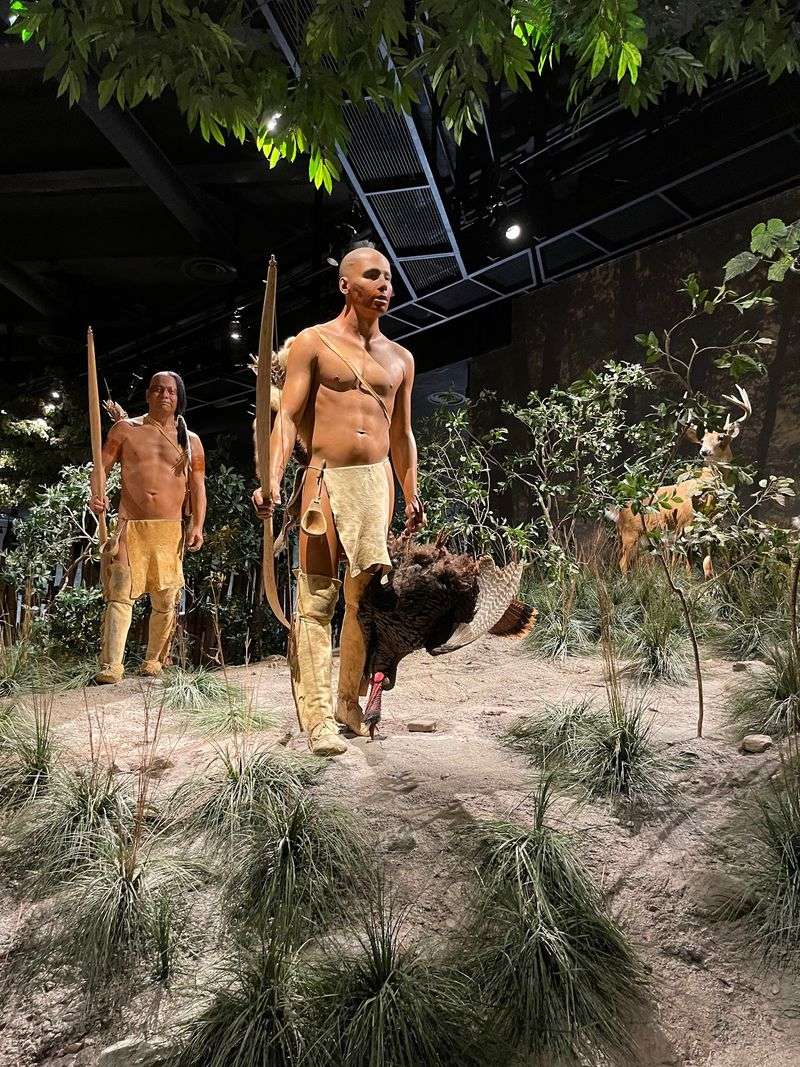
Life did not stay the same after the 1500s, and the museum follows that hard truth. The Arrival of the Europeans and Prelude to War exhibits explore the tangled relationships and changes that came with newcomers.
A deeply serious section covers the Pequot War, a brutal conflict that lasted from 1636 to 1637. At its center is The Witness, a powerful 30-minute film shown in 70mm format.
The film dramatically retells the events around the 1637 war, including the devastating attack on the Mystic Fort. Because it includes scenes of violence, it may not be suitable for children under 12.
What sets this telling apart is that the story comes from the Pequot perspective. The focus stays on the impact to their people, their land, and their way of life, giving visitors a deeper look at an important part of Connecticut history.
Showings tend to run a few times each day, so checking the schedule when you arrive helps.
Many visitors call the film one of the most moving parts of the whole museum. It offers honest history rather than a softened version of events.
This section adds weight and meaning to everything that came before it.
7. Modern Exhibits Keep Indigenous Stories Moving Forward
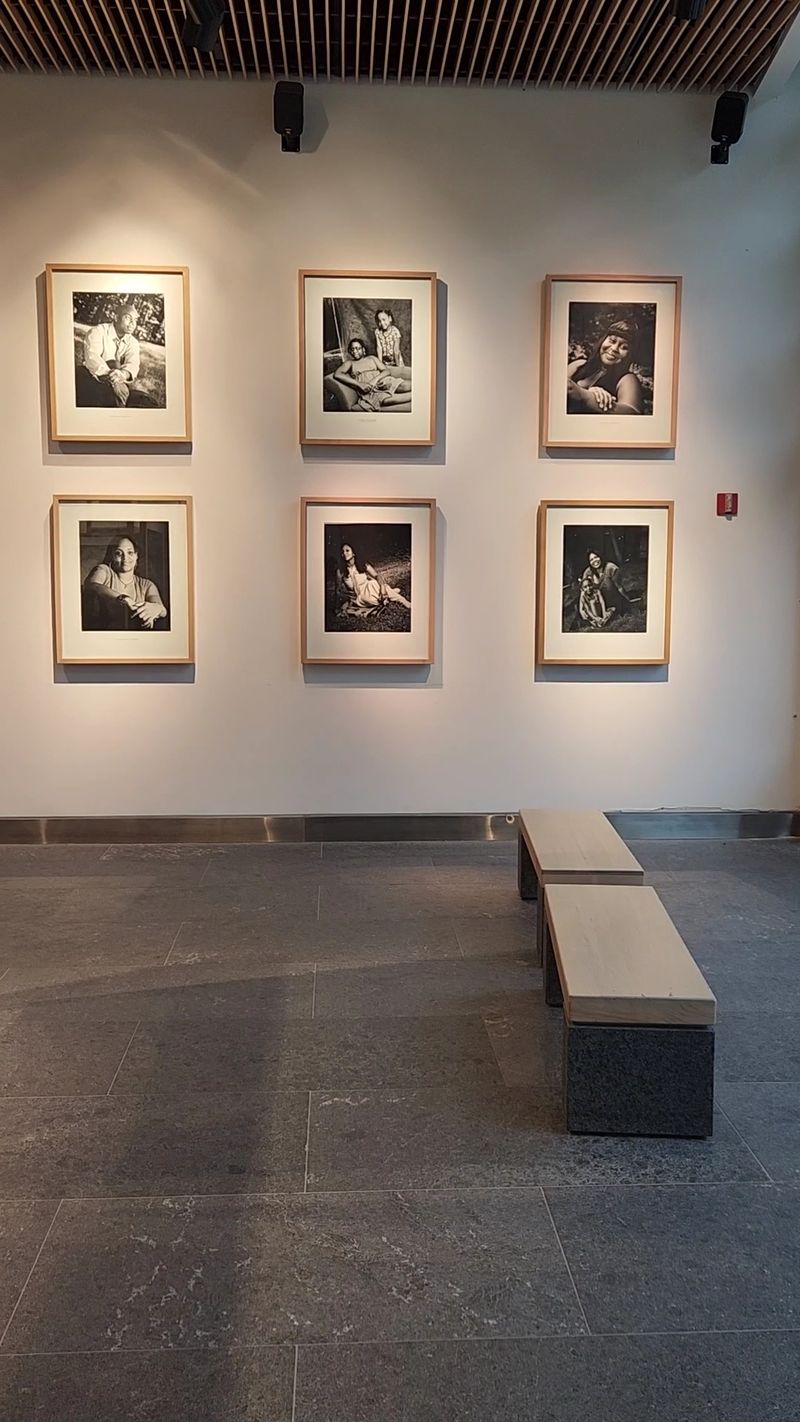
The museum’s timeline does not stop centuries ago. Later exhibits carry the Mashantucket Pequot story forward, showing how community life changed while cultural identity and traditions continued across generations.
The permanent galleries explore reservation life through historic photographs, objects, recreated spaces, and other displays that connect different eras.
Visitors can see how homes, work, family life, and community experiences evolved rather than treating Pequot history as something confined to the distant past.
The museum’s current exhibits also highlight the contemporary Mashantucket Pequot Tribal Nation through artifacts, maps, photographs, and a detailed topographical model of the reservation.
Another important piece is Kunâhneepamuhshâtunônak, or “Our Moons.”
This exhibit explores the thirteen moons of the Mashantucket Pequot lunar calendar and the teachings connected with seasonal changes, nature, food gathering, community traditions, and cultural knowledge. Contemporary Indigenous artwork helps carry those ideas into the present.
Taken together, these galleries make the museum’s larger story feel complete. Visitors leave with a clearer sense that Mashantucket Pequot culture remains active, evolving, and deeply connected to traditions that continue to guide community life today.
8. The Museum Has Been Tribally Run Since 1998
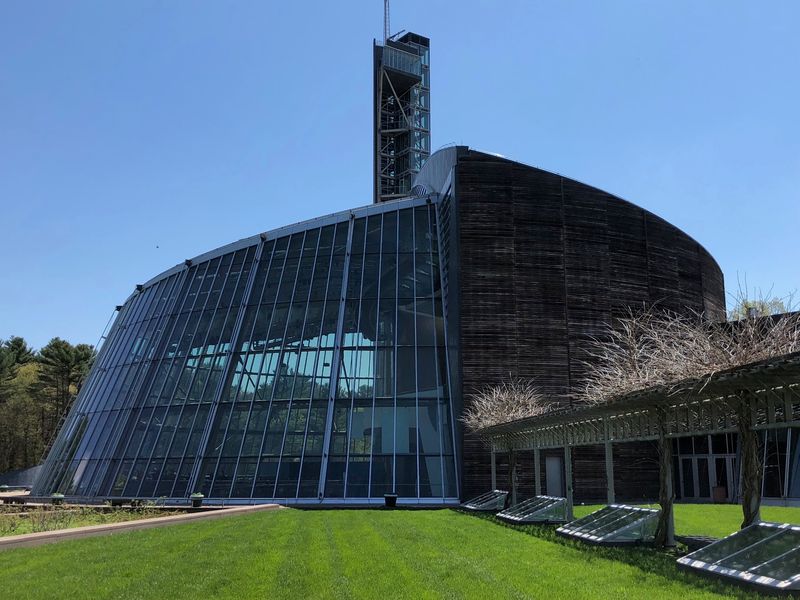
Tribal ownership gives this museum a perspective that feels especially meaningful.
Since opening on August 11, 1998, the Mashantucket Pequot Museum & Research Center has been owned and operated by the Mashantucket Pequot Tribal Nation, allowing the community to present its history, traditions, and modern identity in its own voice.
Visitors can explore the museum Wednesday through Saturday from 9 a.m. to 5 p.m., with the final admission to the exhibits at 4 p.m. Sunday and Monday remain closed, and additional holiday or special-event closures appear on the museum’s calendar.
Current online admission is $22 for adults and $17 for seniors and college students, while children younger than six enter free. The museum also offers accessibility features designed to make the galleries welcoming to a broad range of visitors.
The museum stands at 110 Pequot Trail, Mashantucket, CT 06338, on the tribe’s reservation. More than simply presenting artifacts, the experience reflects cultural preservation, education, and self-representation.
That connection gives visitors an opportunity to learn directly from a living Native nation whose story continues well beyond the historical galleries.