This Connecticut Plant Warehouse Is A Secret Goldmine For Surprisingly Affordable Pots And Garden Finds
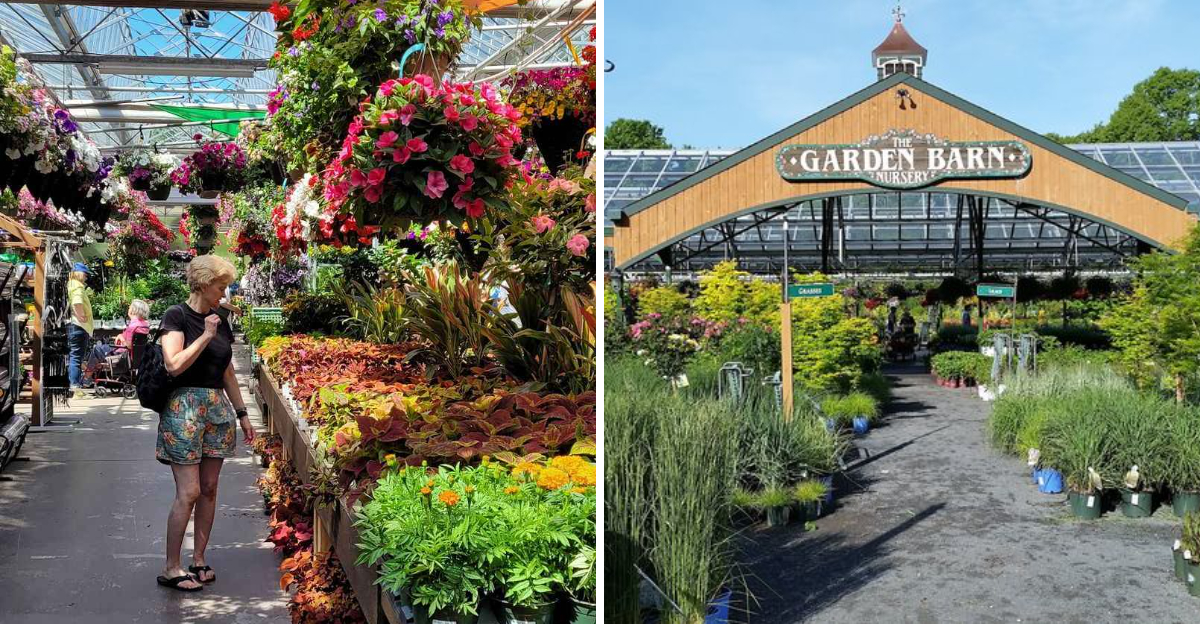
Garden centers have a way of humbling your wallet. You go in for one pot and leave apologetic.
There is a place in Connecticut that skips that part. It looks like a warehouse because it basically is one.
Nobody has arranged anything to look charming for you. The pots are stacked in towers by size.
Prices are written on tape in marker. That is usually a very good sign.
You will find terracotta that costs less than lunch. You will find planters big enough to hide in.
The plants come in trays rather than boutique displays. Nothing here is trying to be a lifestyle brand.
Bring your own cart if you can manage it. Bring somebody with a strong back and low resistance.
Measure your porch before you go, not after. Everyone learns that once.
Your patio is about to get considerably more crowded. Go early for the best picking.
The Garden Sets The Scene
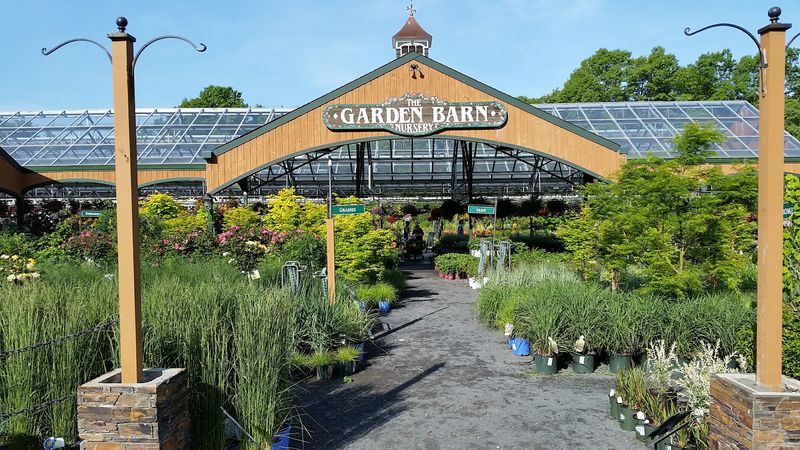
The Garden Barn Nursery & Landscape does not shout for attention. It sits behind a wide gravel lot with greenhouses lined up like patient soldiers.
My first visit was supposed to last ten minutes. Ninety minutes later I was still comparing hydrangea tags in the shade.
What makes the place work is scale without chaos. Sections are grouped clearly, so annuals, perennials, shrubs, and trees each have their own territory.
The walkways are wide enough for a loaded cart and a distracted shopper. That sounds small until you have tried squeezing past a rack of geraniums.
Staff members here actually garden. Ask about soil drainage and you get a real answer, not a shrug toward an aisle.
Prices surprised me most. Plenty of plants cost less than a takeout lunch, and the pot selection is genuinely reasonable.
Spring brings the biggest crowds and the loudest color. Late summer is quieter, and that is when the deals start appearing on end racks.
Bring a list if you have any self control. Bring a bigger car if you do not.
You can find it at 228 West St, Vernon, Connecticut, with parking right up front.
Pots, Planters, And The Aisle That Tests Your Willpower
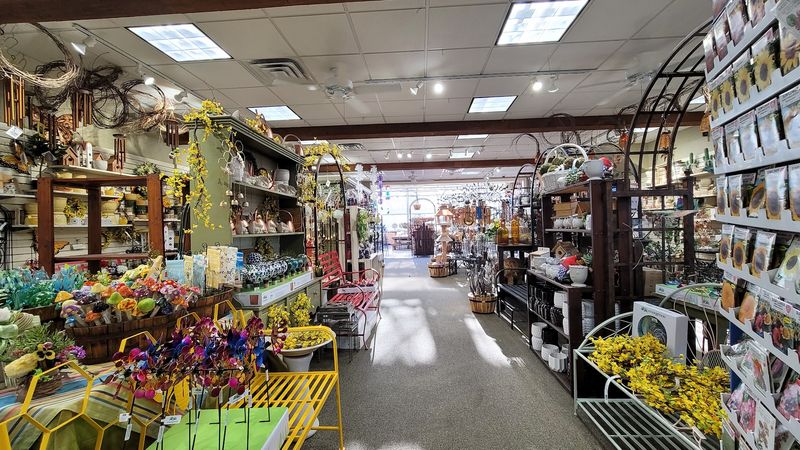
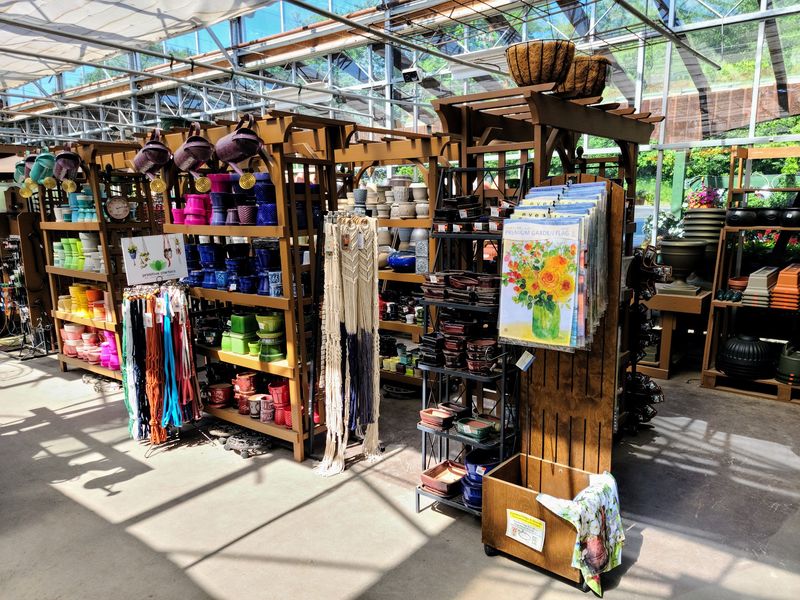
My weakness is pottery, and this place knows it. Glazed blues, deep greens, and plain terracotta sit stacked in long rows.
Sizes range from tiny herb pots to containers big enough for a small tree. Prices climb with size, but the small and mid range options stay friendly.
Glazed ceramic looks beautiful and holds moisture longer. Terracotta breathes, which suits rosemary, lavender, and succulents that dislike soggy roots.
Resin planters are the sneaky heroes. They weigh almost nothing and survive winter better than fragile clay.
Check the drainage hole before you commit. A gorgeous pot with no hole becomes a plant problem three weeks later.
I always flip pots over to inspect the base for chips. Minor flaws sometimes mean a reduced price, and a scuff on the bottom never shows.
Matching sets look sharp on a porch. Mixing sizes with one repeated color looks even better and costs less.
Bring one plant measurement with you. Knowing your root ball size prevents the sad drive back for a larger pot.
Saucers sell separately, so grab those too. Nothing ruins a wooden deck faster than a leaking planter left in one spot.
Greenhouses Packed With Annuals For Instant Color
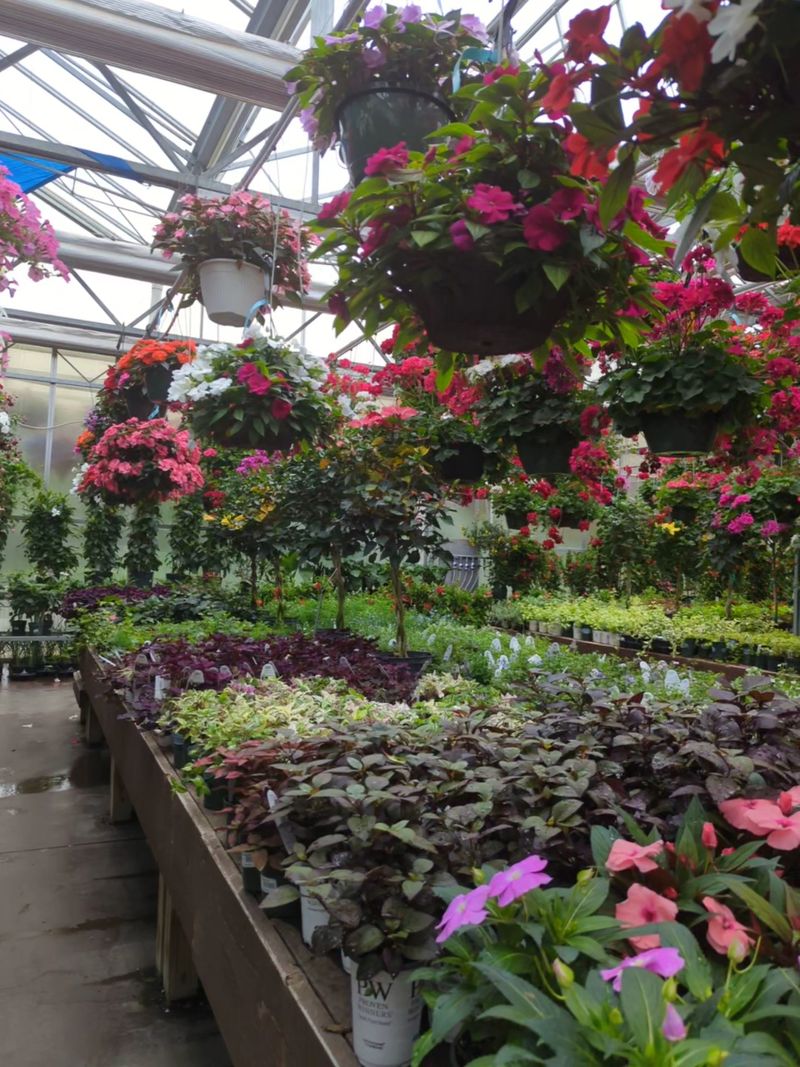
Walk through the annual houses in May and your eyes need a minute. Petunias, marigolds, impatiens, and calibrachoa spill over their trays in waves.
Flats cost far less per plant than single pots. If you need volume for window boxes, that math matters.
I once filled three long planters from a single flat. The total came out cheaper than two large hanging baskets.
Look for compact plants with thick stems instead of the tallest ones. Leggy growth means the plant stretched toward light and will flop later.
Skip anything already covered in open blooms if you want a long season. Buds beat flowers when you plan to plant that week.
Sun and shade sections are marked clearly. Reading those little tags saves you from watching impatiens fry on a south facing patio.
Ask about pinching back young annuals. A quick trim at planting creates bushier growth within a couple weeks.
Mid June brings markdowns as inventory shifts. Slightly tired annuals bounce back fast with water and fresh soil.
Water everything the moment you get home. Nursery trays dry out quickly in a hot trunk, and roots do not forgive that.
Perennials That Come Back Without Asking
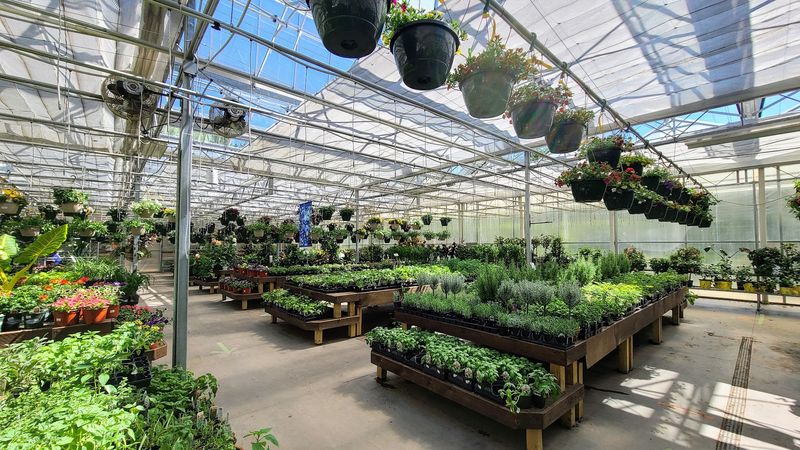
Here is the quiet truth about perennials. You pay once and get flowers for years, which makes them the better bargain.
The perennial yard here runs deep with coneflowers, daylilies, hostas, sedum, and black eyed susans. Gallon pots sit in tidy rows with visible name tags.
Small starter pots cost noticeably less than mature ones. Patience saves money, since a young coneflower catches up within two seasons.
I bought three small sedums one fall for pocket change. They now anchor a dry corner where nothing else survived.
Late season shopping works in your favor. Cooler soil helps roots settle, and stock often carries reduced tags.
Check the pot for roots circling the drainage holes. That tells you the plant is established and ready to spread.
Group plants by water needs rather than color. A thirsty astilbe next to lavender leaves one of them unhappy.
Labels list bloom times, so stagger your picks. Early, mid, and late bloomers keep a bed interesting from May through September.
Divide clumps after a few years and you multiply your garden for free. One daylily purchase eventually became five along my walkway.
Shrubs And Trees Worth The Cart Struggle
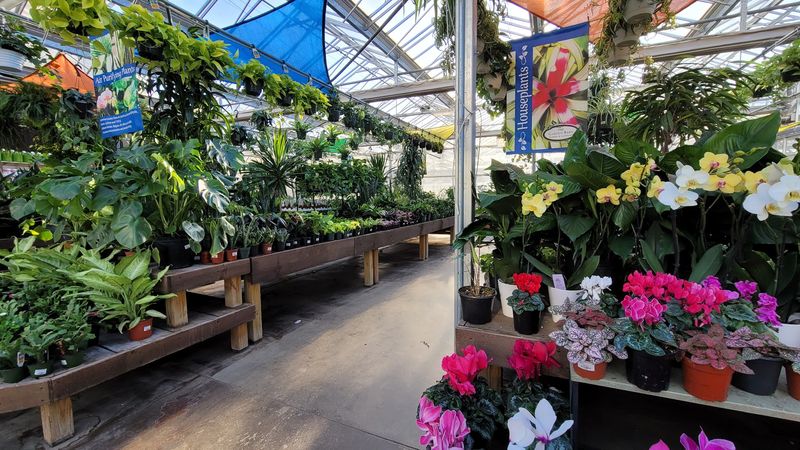
The shrub area feels like a small forest with price tags. Hydrangeas, spirea, boxwood, arborvitae, and young maples stand in loose rows.
Larger material costs more, but the per year value is hard to beat. A single hydrangea can carry a front bed for a decade.
Measure your space before you fall in love. Mature width surprises people far more often than mature height.
Tags list spacing recommendations for a reason. Planting three arborvitae too close creates a crowded mess in five years.
Staff members here helped me pick a shrub for a spot with morning sun only. That advice mattered more than the plant itself.
Wheelbarrows and flat carts are available near the entrance. Use them, because gallon pots get heavier with every step.
Fall planting suits woody plants beautifully. Roots grow while the top rests, and watering demands drop.
Ask about delivery for anything oversized. Some purchases simply refuse to ride in a sedan, no matter how creatively you fold the seats.
Loosen the root ball before it goes in the hole. Circling roots stay circling unless you gently tease them apart.
Soil, Mulch, And The Unglamorous Essentials
Nobody photographs bagged soil, yet it decides whether your plants thrive. The yard here stocks potting mix, compost, topsoil, and mulch in stacks.
Bagged goods work for containers and small beds. Bulk material makes more sense once you are covering real ground.
Potting mix and garden soil are not interchangeable. Container plants need the lighter mix, or roots suffocate in dense soil.
My first season I ignored that difference. Two sad basil plants taught me the lesson permanently.
Compost is the cheapest upgrade in gardening. A few inches worked into tired beds changes results dramatically by July.
Mulch does double duty by holding moisture and slowing weeds. Two to three inches is plenty, and piling it against stems invites trouble.
Buy soil on a dry day if you can. Wet bags weigh significantly more and turn loading into a workout.
Staff can help figure out quantities. Telling them your bed dimensions beats guessing and buying twice.
Keep leftover bags sealed and off bare ground. Stored properly, potting mix stays usable straight through the following spring.
Houseplants For People Who Garden Indoors
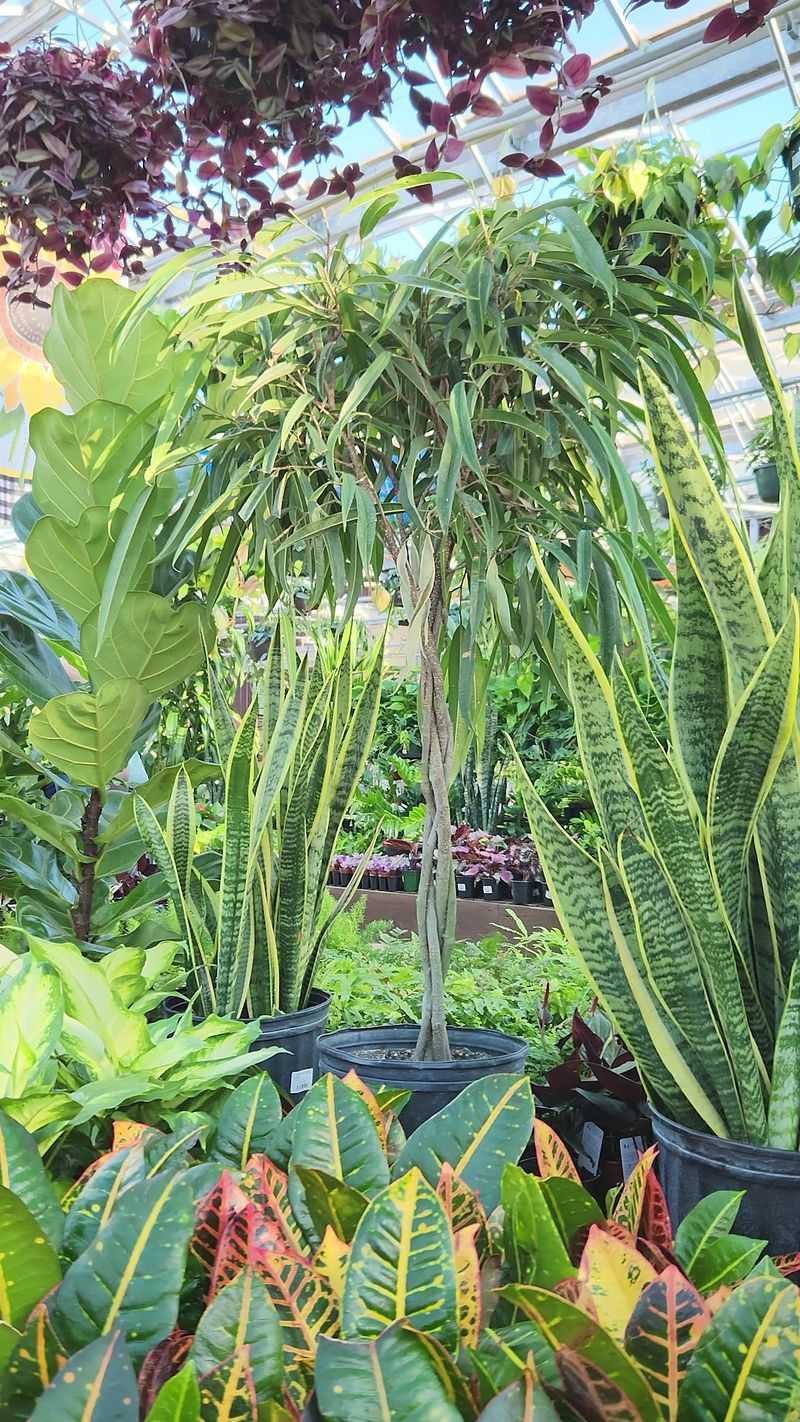
Cold months do not end the fun. The indoor plant section keeps pothos, snake plants, philodendrons, and succulents ready year round.
Small four inch pots cost very little. That makes experimenting easy when you are still learning what your windows can support.
Snake plants forgive almost everything. Mine survived a two week trip and a forgotten watering schedule without complaint.
Pothos trails fast and roots in water within days. One healthy plant becomes three gifts by spring.
Check leaf undersides before buying. Sticky spots or fine webbing mean pests hitching a ride into your home.
Ask about light needs honestly. A fiddle leaf fig in a dim hallway becomes a sad stick, and nobody wants that.
Terracotta pairs well with succulents since it dries quickly. Glazed pots suit tropicals that appreciate steadier moisture.
Repotting is not urgent for new arrivals. Give plants two weeks to adjust before you disturb the roots.
Grab a saucer and a small watering can while you are there. Having the right tools nearby makes consistent care much likelier.
Seasonal Surprises Through Every Month
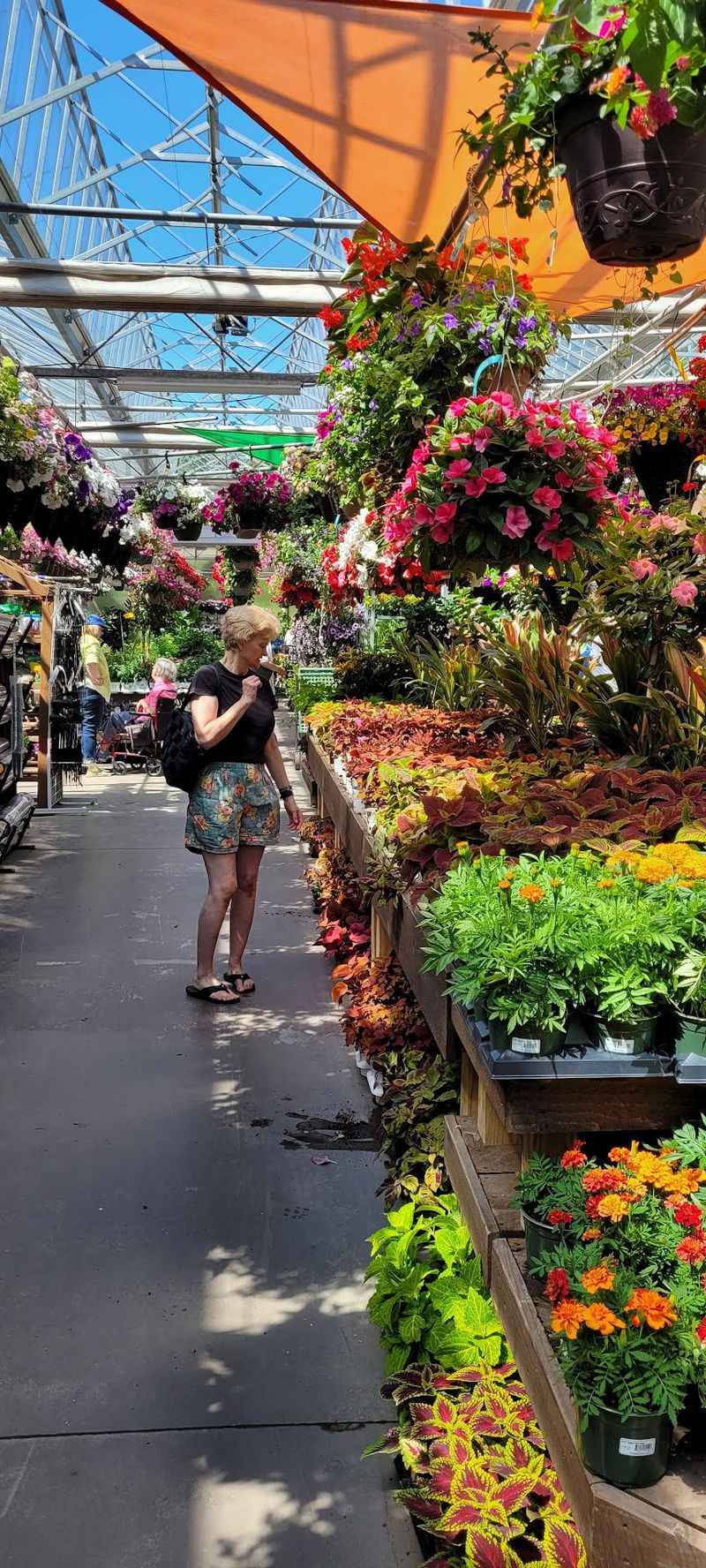
Visit in October and the place transforms completely. Mums in rust, gold, and purple line the front with pumpkins piled nearby.
Fall pricing on mums is genuinely fair. Three plants make a porch look like you tried very hard.
Winter brings evergreens, wreaths, and holiday greens. The scent alone justifies the trip on a cold afternoon.
Spring belongs to vegetable starts. Tomatoes, peppers, cucumbers, and herbs arrive in trays that make plans feel possible.
Basil and parsley are the smartest small buys. One plant of each easily pays for itself by August.
Rotating stock means each season looks different. Repeat visits never feel like the same walk twice.
Weekday mornings are calmest. You get quieter aisles and easier conversations with staff about what works locally.
Watch end of season racks carefully. Slightly rough plants often recover completely once they hit real ground.
Bring a friend and a wagon. Splitting a flat of vegetables costs less and gives you both something to compare notes on later.