This Connecticut Restaurant Has Hardly Changed Since 1954 And Regulars Are Thankful
The best old-school diners feel like they are operating on their own clock. Not rushed.
Not redesigned every few years. Just steady, familiar, and full of the little details people miss when places try too hard to look new.
Since 1954, one Connecticut restaurant has kept that classic diner feeling alive for generations of hungry regulars. That history matters because you can feel it in the rhythm of the place.
The look has personality. The menu feels comforting before you even decide what sounds good. Breakfast can stretch into a longer pause than planned, and a simple booth can feel like the right place to reset your day.
Restaurants like this stick around because they offer more than nostalgia. They give people something dependable, warm, and easy to return to.
In a world that keeps changing the room, there is real comfort in a place that knows exactly what it is.
1. A Newington Landmark Since 1954
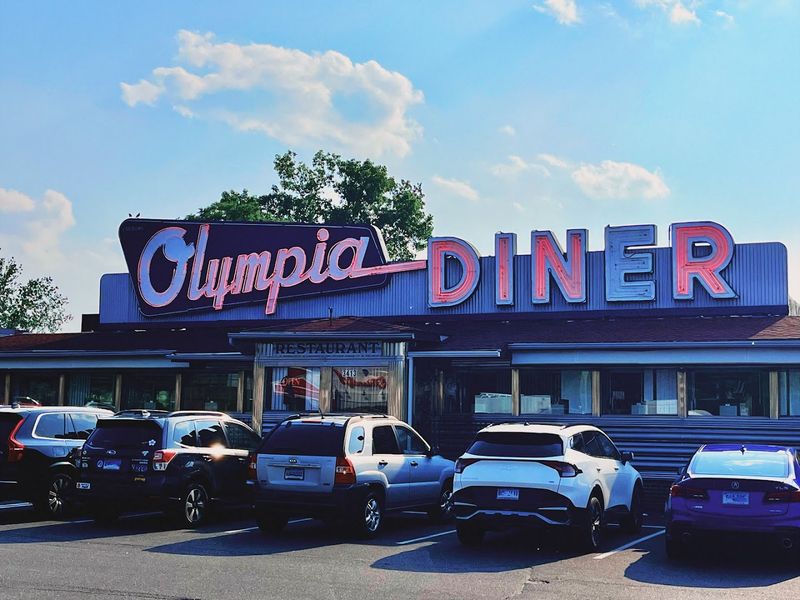
Long before this stretch of the Berlin Turnpike became packed with modern traffic and newer businesses, one stainless steel diner was already building its place in local memory. The building has a rare backstory, too.
It was crafted by the Jerry O’Mahony Diner Company, a New Jersey manufacturer known for prefabricated roadside diners, and originally operated in Massachusetts before being moved to Newington in 1954.
That history gives the restaurant more than a vintage look. It gives the whole place a sense of staying power that cannot be copied by newer dining rooms trying to recreate the same mood.
The address, 3413 Berlin Turnpike in Newington, has become familiar to generations of locals who grew up seeing the diner’s shiny exterior as part of the neighborhood landscape.
Over the years, the surrounding area has changed in big ways, but the diner kept serving families, travelers, regulars, and curious visitors drawn to its classic roadside feel. Locals often call it “The OD,” a nickname that feels warm because it comes from real familiarity.
Its cultural footprint reaches beyond the town as well, with scenes from “Promises in the Dark” and “Jacknife” filmed there. Seven decades of operation is impressive on its own, but the stronger story is how much character the place has managed to keep along the way.
2. Classic Diner Looks Still Shine
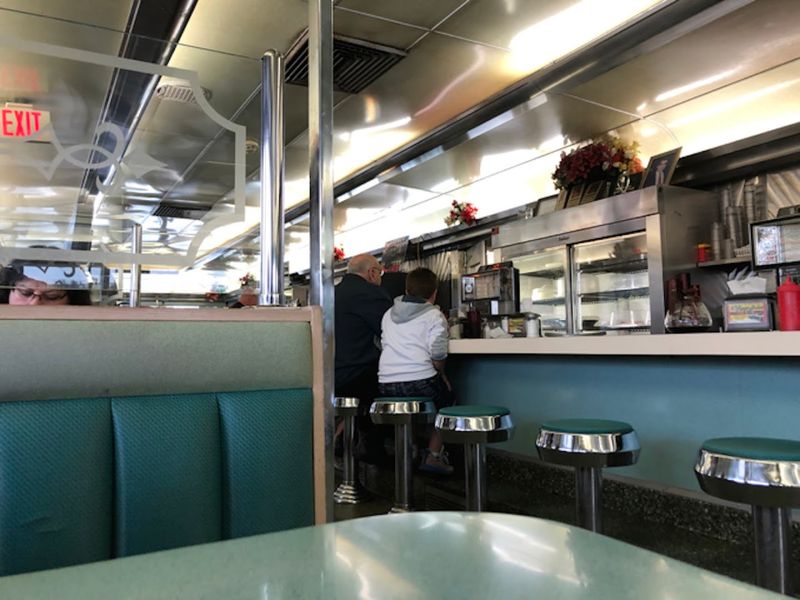
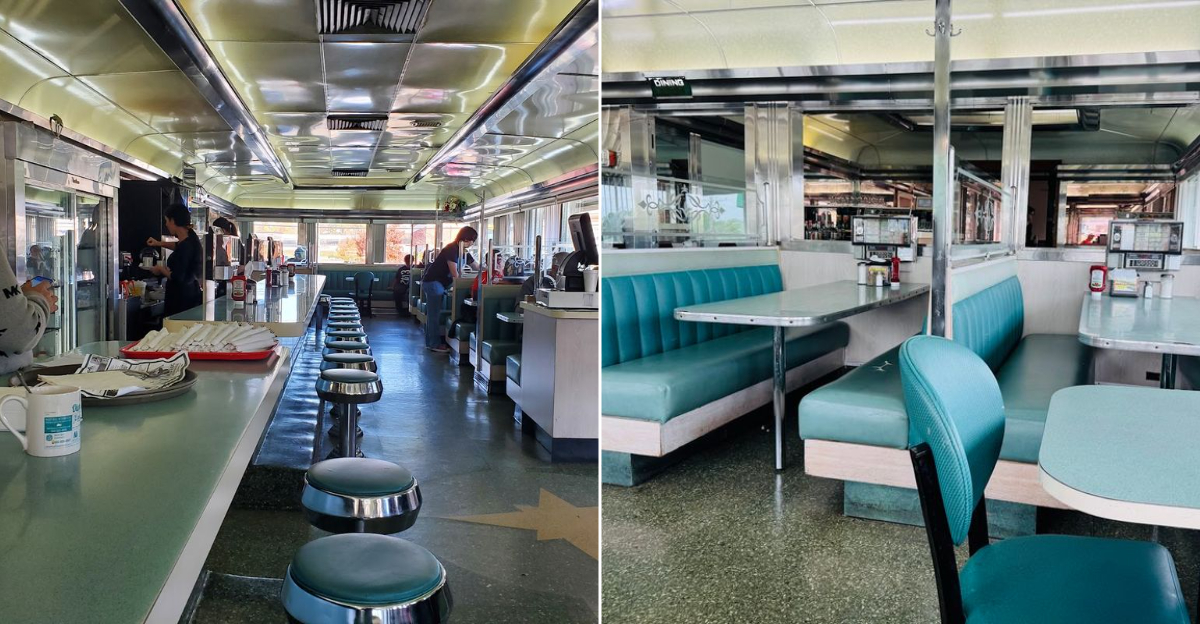
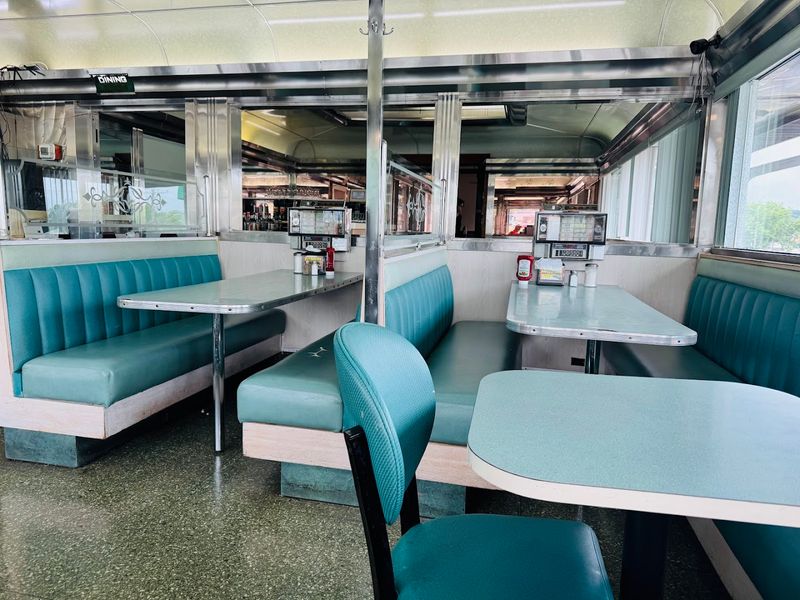
The retro feeling here is not trying to impress anyone, which is exactly why it works. The interior still carries the look of a classic mid-century American diner, with turquoise booth upholstery, chrome details, warm lighting, and a layout built for comfort more than flash.
Nothing feels staged for effect. It feels like the place simply kept being itself while the world outside kept changing.
Counter seating lines one side of the room, while booths fill much of the main area in the familiar diner arrangement. A dining room addition in 1986 expanded the restaurant and gave it more space, but the older section still holds much of the visual character.
That original part has a tighter, cozier feel, making it especially appealing to people who appreciate the building’s history.
The table-side jukeboxes add another fun detail without making the room feel overly themed. They fit because the whole setting already has that easy roadside personality.
The lighting stays practical, the seating feels familiar, and the atmosphere never seems too polished for its own good. It is functional first, but somehow the style lands perfectly because it comes from decades of real use rather than decoration.
3. Comfort Food With Old-School Appeal
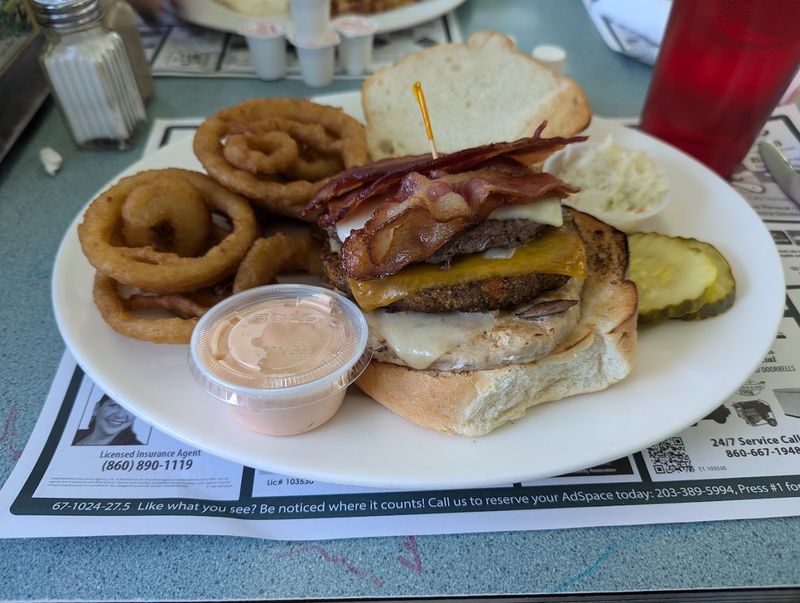
The menu at the Olympia Diner leans fully into classic American diner fare, and that consistency is part of its appeal.
Burgers, omelets, hot open sandwiches, soups, and home fries appear alongside Greek-influenced options like gyro omelets and dishes with tzatziki sauce, reflecting the Greek heritage of the current ownership family.
The range is wide enough to satisfy different appetites without overcomplicating things.
Patty melts, tuna melts, Reuben sandwiches, and corned beef hash plates are among the items that come up frequently in positive conversation about the diner.
Home fries are a staple of almost every breakfast plate, and when they are seasoned well and cooked to a good crisp, they are the kind of side dish that makes the whole meal feel complete.
Portions tend to be generous, which suits the straightforward, filling nature of diner cooking.
Dessert options include cakes and other classic finishes, though quality on individual items can vary from visit to visit, as is common with made-to-order menus. The overall price point is accessible, sitting firmly in the affordable range for a sit-down meal.
That combination of value and comfort is a big part of why people return rather than treating the Olympia as a one-time curiosity.
4. Stainless Steel Charm Everywhere
The Olympia Diner holds a distinction that very few restaurants anywhere in the country can claim: it is recognized as the longest stainless steel diner in the United States. That title is not just a piece of trivia.
It speaks to the scale and craftsmanship of the original Jerry O’Mahony construction, which used prefabricated metal panels to create a streamlined and durable structure that has stood for more than seven decades.
Stainless steel was a popular material for diner construction during the mid-twentieth century because it was easy to clean, resistant to rust, and carried a modern look that appealed to postwar American tastes. The Olympia Diner represents one of the finest surviving examples of that construction style.
From the outside, the building still catches light in a way that makes it stand out along the turnpike, even on an overcast day.
Inside, the steel carries over into the detailing, reinforcing the visual continuity between the exterior and the dining space. The material gives the whole place a cool, slightly industrial undertone that contrasts pleasantly with the warm colors of the upholstery and the smell of fresh coffee.
5. Regulars Know The Routine
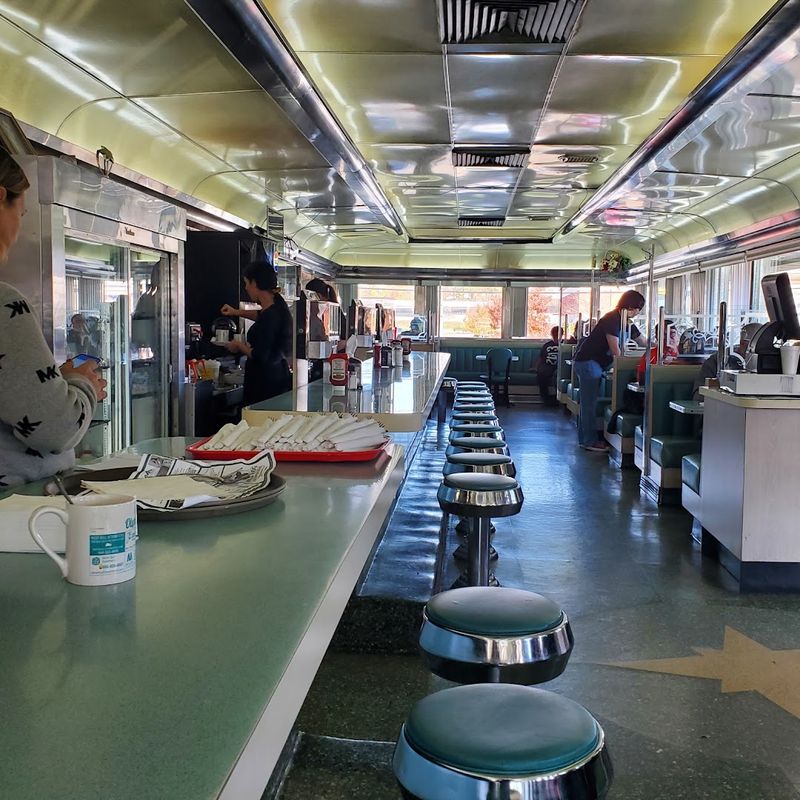
Staff tend to recognize familiar faces quickly, and the pace of service reflects a kind of practiced ease that only comes from years of doing the same thing well. Customers who visit regularly often know what they want before they sit down, and the kitchen keeps up without making anyone feel rushed.
The diner has become a place where significant life moments happen quietly and without fanfare. Over the years, it has been the setting for first dates, marriage proposals, and multi-generational family breakfasts.
Those kinds of experiences accumulate into something that goes beyond a simple meal, turning a restaurant into a community fixture that people feel genuinely attached to.
Many customers describe the atmosphere as family-oriented and welcoming, which reflects the ownership style that has defined the diner for decades. Staff tend to check in on tables without hovering, and the overall pace of a visit feels relaxed rather than pressured.
The diner is open Monday through Thursday and Sunday until early evening, with extended hours on Friday and Saturday nights, making it accessible for both weekday habits and weekend outings.
6. Breakfast Plates Worth Slowing Down For
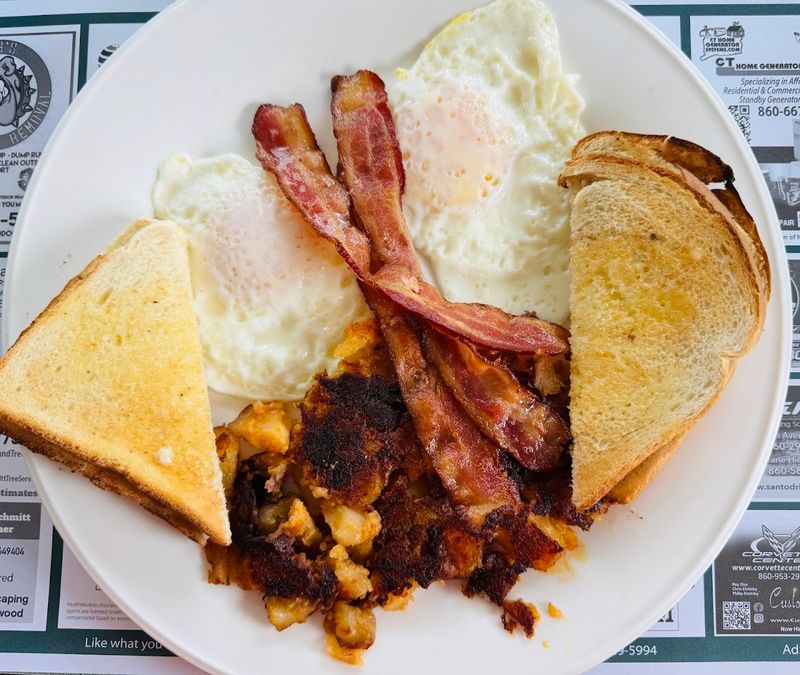
Breakfast at the Olympia Diner is the kind of meal that does not try to impress with unusual ingredients or trendy preparations.
Eggs cooked to order, French toast with a soft and springy texture, pancakes in seasonal variations, and home fries alongside sausage or bacon make up the core of what the morning menu offers.
The simplicity is intentional and the execution is what keeps people satisfied.
French toast gets mentioned often as a standout, with the texture described as soft enough to absorb butter and syrup without falling apart.
Omelets are another strong point, with options ranging from the classic Greek omelet to the Italiano version with sausage, spinach, black olives, and a touch of spaghetti sauce.
The variety within the breakfast section means there is usually something that fits whatever a person is in the mood for on a given morning.
The diner opens at 6 AM every day of the week, which makes it a practical choice for early risers and people heading out on the road. Morning visits tend to move at a comfortable pace, with food arriving relatively quickly after ordering.
Sitting at the counter during a breakfast rush gives a clear view of the kitchen rhythm, which has a satisfying efficiency to it.
7. A Roadside Stop With Real History
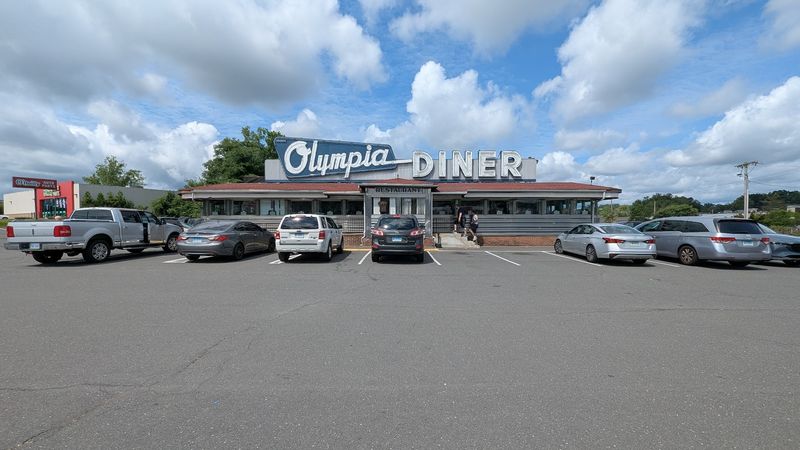
Before Interstate 91 existed, the Berlin Turnpike was the main route connecting travelers moving through central Connecticut.
The Olympia Diner was positioned right along that corridor, making it a natural stopping point for people on the move as well as locals looking for a quick and satisfying meal.
That roadside identity shaped the character of the place in ways that still feel present today.
The diner’s appearance in multiple films over the years reflects how visually distinctive it is as a roadside structure.
“Promises in the Dark” in 1979, “Jacknife” in 1989, and “Once More With Feeling” in 2009 each used the Olympia as a filming location, drawn by the authenticity of its exterior and interior. A building that gets chosen for film sets does not need to manufacture its atmosphere.
The large parking lot makes stopping in straightforward, whether arriving by car from the highway or from within the neighborhood.
The accessibility of the location has always been one of its practical strengths, and it continues to draw both regulars and first-time visitors who spot the building from the road.
Roadside diners of this age and quality have become genuinely uncommon, which makes the Olympia’s continued presence feel like something worth appreciating rather than taking for granted.
8. Family Ownership Keeps It Familiar
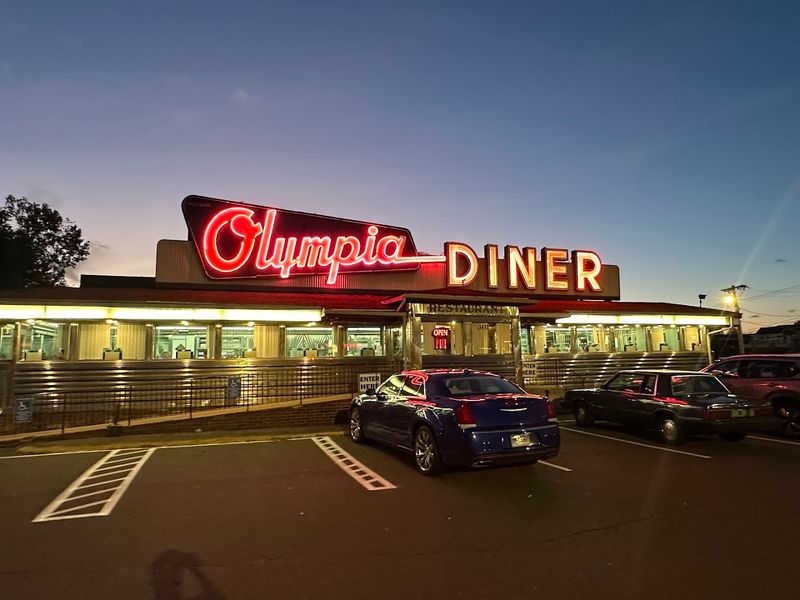
Three families have owned the Olympia Diner across its history, and each one left a mark on how the place feels to visit. The Gavrilis family has held ownership since 1974, giving them the longest tenure of any ownership group in the diner’s history.
That kind of long-term stewardship tends to create a consistency of atmosphere and approach that customers can feel even without knowing the backstory.
The current operators, brothers Stavros and Tasos Gavrilis, continue the family tradition that began when their father Emmanuel, who immigrated from Athens, Greece in 1966, purchased the diner alongside his wife.
The Greek influence shows up on the menu in dishes like the gyro omelet and the use of tzatziki sauce, adding a distinct cultural thread to the otherwise classic American diner format.
That combination of Greek culinary tradition and American diner staples gives the menu a character that sets it apart from generic roadside stops.
9. The Kind Of Place People Remember
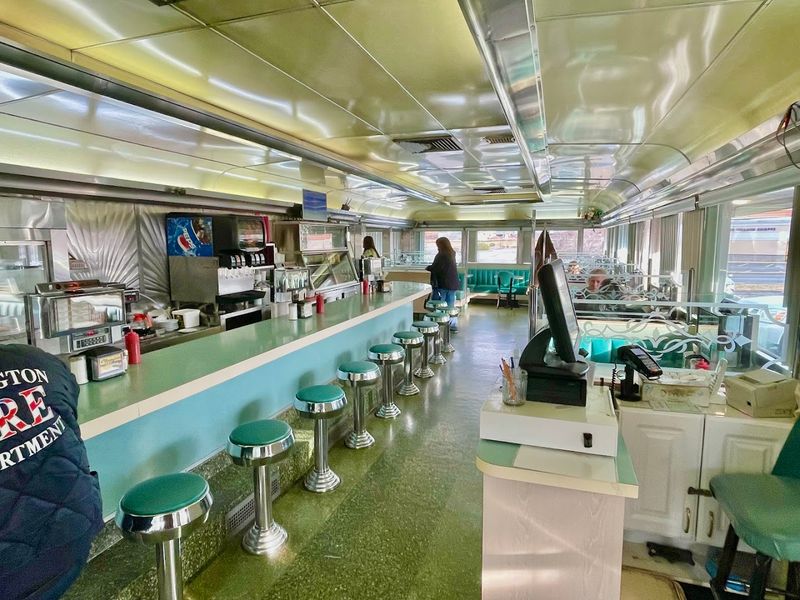
A restaurant becomes part of people’s lives when it stays dependable long enough to turn ordinary meals into familiar rituals. That is the strength here.
The appeal is not built around one unforgettable plate or one special occasion. It comes from years of breakfasts, late lunches, family stops, quick coffee breaks, and return visits that start feeling almost automatic.
Parents who once came here as kids now bring their own families, which gives the dining room a continuity that cannot be forced.
Small details help make those memories stick. The table-side jukeboxes add a playful note to the experience, giving the room a bit of personality without turning it into a display piece.
Music in the background, plates moving through the room, and the steady murmur of conversation all create a sound that feels warm and lived-in.
Over the years, the diner has been part of first dates, celebrations, family routines, and everyday moments that later become personal history. That emotional connection is part of what gives the place its staying power.
A newer restaurant might copy the look, but it cannot recreate decades of regulars, stories, and familiar booths. That is why the impression lasts.