This Connecticut River Bridge Has Views Worth Stopping For
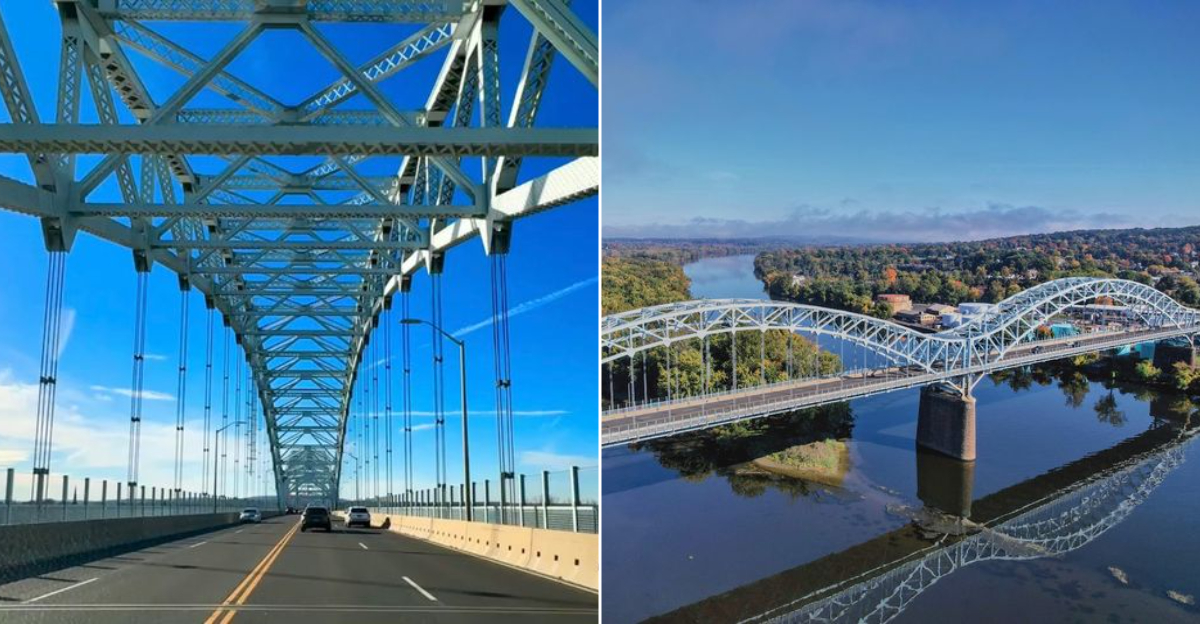
Bridges that are worth stopping for rather than just crossing are a specific kind of wonderful and this one earns that distinction completely. The views from here are genuinely something else.
The river stretching out below, the landscape opening up on either side and that particular feeling of being suspended between two places while the whole scene just sits there being quietly spectacular.
People slow down here instinctively because something about the view demands it without any announcement.
This Connecticut river bridge has views worth going out of your way for and the people who have discovered it as a proper destination rather than just a crossing point know exactly why.
Photographers show up at golden hour and leave convinced their camera still did not fully do it justice.
A stop this simple and this genuinely rewarding is the kind of thing worth building a drive around without any hesitation.
1. Big River Views From Middletown To Portland
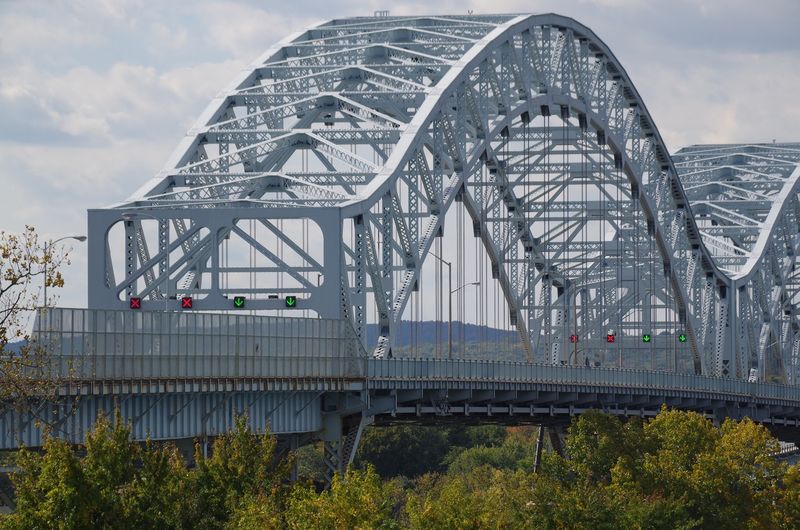
From the pedestrian path on the Arrigoni Bridge, the river opens wide beneath you, stretching between Middletown and Portland with a calm strength that makes the view feel bigger than expected.
The sky seems broader here, the water has room to breathe, and the whole crossing takes on a slower rhythm even with steady traffic moving nearby.
One direction offers a long look upriver, where the water bends through the landscape and wooded hills soften the horizon. Turn the other way, and the Middletown-Portland Railroad Swing Bridge adds a completely different layer to the scene.
Its rotating center span and industrial shape contrast with the Arrigoni’s sweeping steel arches, giving photographers and casual walkers two very different bridge stories in a single view.
The river below changes character with the weather. On still mornings, it can look smooth and reflective; when the wind rises, the surface becomes textured and lively.
That shifting mood is part of what makes the walk memorable.
Crossing on foot at an easy pace usually takes about 20 to 30 minutes, depending on how often you pause for photos or views. Dedicated pedestrian paths help keep walkers separated from cars, making the experience feel more peaceful than the traffic around it suggests.
2. A Landmark Crossing With Classic Arches
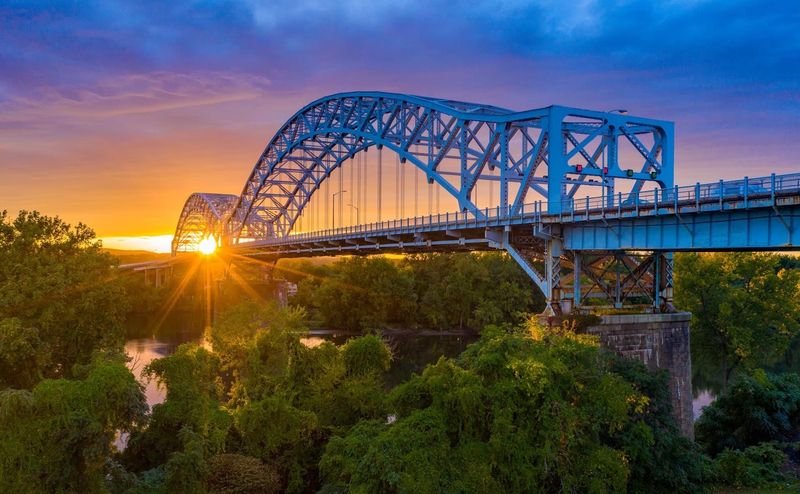
Back in 1938, tied through-arch bridge construction was an engineering achievement that not every state could claim. The Arrigoni Bridge features two steel arches each spanning 600 feet, which remain the longest arch spans of any bridge in the state to this day.
That record has held for decades and gives the structure a genuine place in the history of American bridge engineering.
The tied-arch design was chosen partly for practical reasons. By using this technique, engineers were able to build smaller and more economical piers in the riverbed, which reduced construction costs and minimized disruption to the river.
The result is a structure that looks elegant from a distance while solving real engineering challenges underneath. The total project cost $3.5 million at the time, making it the most expensive bridge the state had built up to that point.
The American Institute of Steel Construction recognized the bridge in 1938 with an award for the most beautiful steel bridge in the large bridge category. That kind of recognition is not handed out lightly, and it reflects genuine design ambition rather than just functional necessity.
More recently, in 2023, the bridge appeared on a United States Postal Service stamp celebrating spectacular American bridges, confirming its lasting cultural status.
3. Best Seen Near Golden Hour
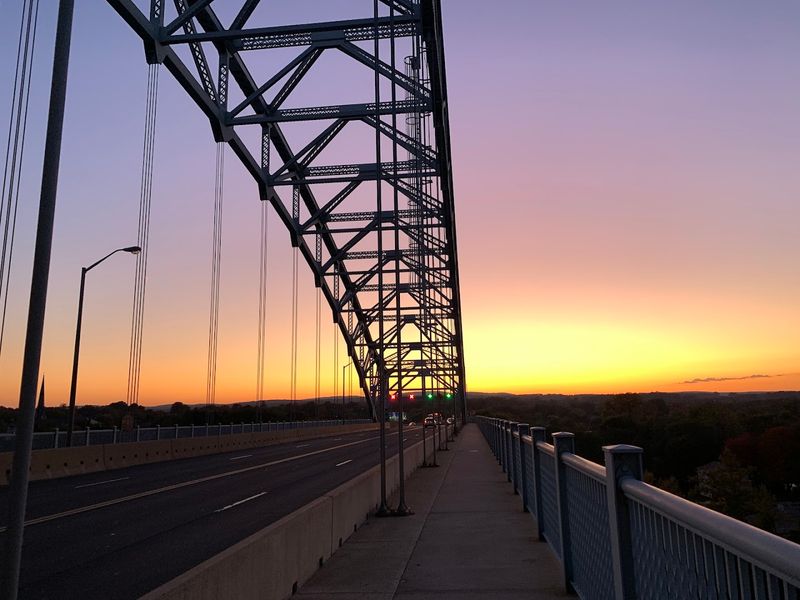
Late afternoon light does something genuinely special to the Arrigoni Bridge. As the sun drops toward the western horizon, the steel arches catch a warm golden tone that shifts from amber to deep orange depending on the season and cloud cover.
The Connecticut River below tends to mirror those colors, turning the whole scene into something worth photographing without any filter adjustments needed.
Sunset timing varies throughout the year, so checking a local weather or astronomy app before heading out could help plan the visit around peak light conditions.
Summer evenings tend to offer longer windows of golden light, while autumn visits can produce dramatic color combinations when the surrounding foliage is also at its peak.
Winter sunsets sometimes bring a sharp clarity to the sky that makes the bridge silhouette look almost graphic against the horizon.
Arriving about 45 minutes before sunset allows time to find a comfortable spot on the pedestrian walkway without feeling rushed. The walkways on both the north and south sides of the bridge offer slightly different angles on the light and the water.
Weekday evenings tend to be quieter than weekend visits, which could make for a more relaxed experience when the goal is photography or simply taking a slow, unhurried look at the river.
4. Harbor Park Offers A Great Nearby View
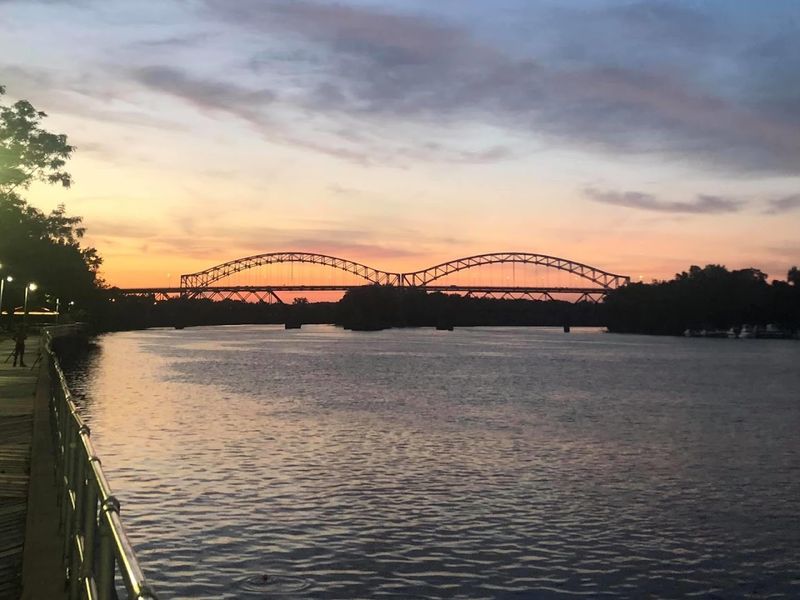
Just south of the Arrigoni Bridge on the Middletown side of the river sits Harbor Park, a waterfront green space that provides one of the best ground-level views of the bridge available anywhere along the river.
The park sits right at the water’s edge, which means the bridge rises dramatically above the scene rather than blending into the background.
From here, both steel arches are fully visible and the scale of the structure becomes much clearer than it does from the roadway.
Harbor Park is a public space that tends to draw a mix of visitors, including locals out for a walk, families enjoying the riverfront, and photographers looking for a strong foreground element to pair with the bridge.
The grassy area along the shore provides plenty of open space to move around and find different angles.
The park also serves as a popular spot for watching fireworks during the Fourth of July period, when the bridge and the river create a dramatic backdrop for the display.
Getting to Harbor Park from downtown Middletown is straightforward, and the area typically has nearby parking options. The riverfront path near the park allows for easy movement along the water without needing to return to the bridge itself.
Visiting in the morning can offer calmer conditions and softer light reflecting off the river surface.
5. A Scenic Pause Above The Water
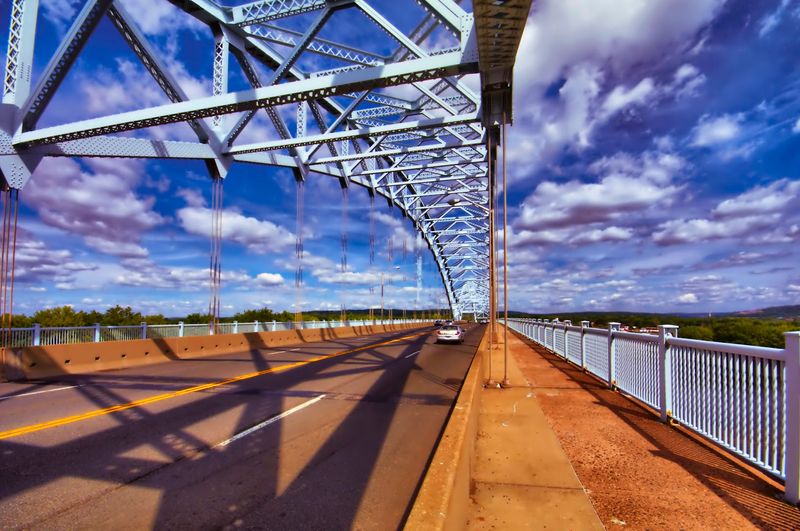
Walking across the Arrigoni Bridge is a different experience from driving across it. On foot, the scale of the structure becomes much more tangible.
The steel arches rise overhead, the river spreads out far below, and the sound of the water mixing with passing traffic creates a layered sensory backdrop that is hard to replicate anywhere else along this stretch of the river.
The pedestrian walkways run along both the north and south sides of the bridge, giving walkers and cyclists two separate route options with slightly different views.
The clearance above the river reaches over 90 feet, which means the drop to the water is significant and the feeling of height is real.
That elevation also means the wind can pick up noticeably on the bridge, so bringing an extra layer during cooler months is a practical consideration.
Pausing mid-span to simply watch the river move below is one of those simple, grounded pleasures that does not require any planning or cost to enjoy.
6. Historic Engineering With Everyday Local Beauty
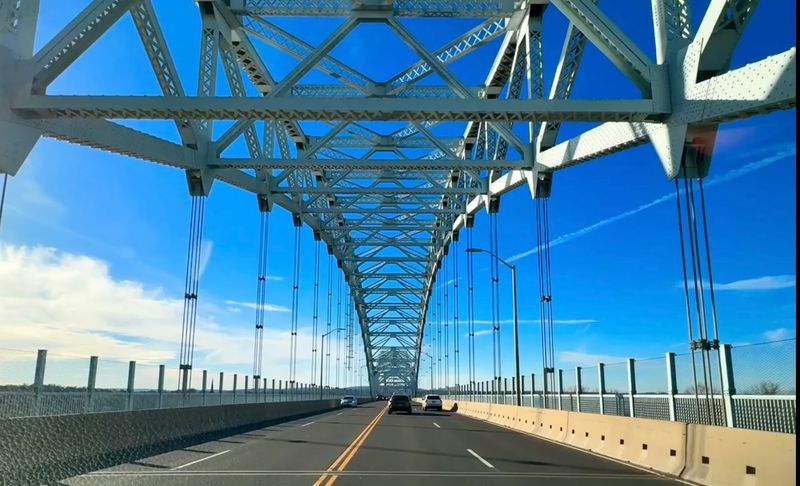
A bridge that carries thousands of daily crossings can still feel like more than a piece of infrastructure.
The Arrigoni Bridge has been part of the Middletown-Portland landscape since August 6, 1938, when it opened as a high-level replacement for the older drawbridge that once handled the route.
Its name honors Charles J. Arrigoni, the state legislator who helped champion the project.
The scale is easy to miss when you are simply driving across. The bridge stretches 3,428 feet in total, with 28 approach spans leading toward the two great steel arches over the river.
A 45-foot-wide roadway carries four lanes of traffic for Routes 17 and 66, giving the structure a daily workload that contrasts sharply with how graceful it can look from the riverbank.
Viewed from below, the bridge becomes less about movement and more about design. The arches rise cleanly above the water, while the long approaches give the crossing a measured, almost ceremonial rhythm.
Local drivers may know it best as part of their routine, but the bridge still has a way of standing out in fog, morning light, or late-day sun.
Nearby, the Middletown-Portland railroad bridge adds its own cultural footnote, having appeared in Billy Joel’s 1993 “The River of Dreams” video.
7. Wide Views Across The River Valley
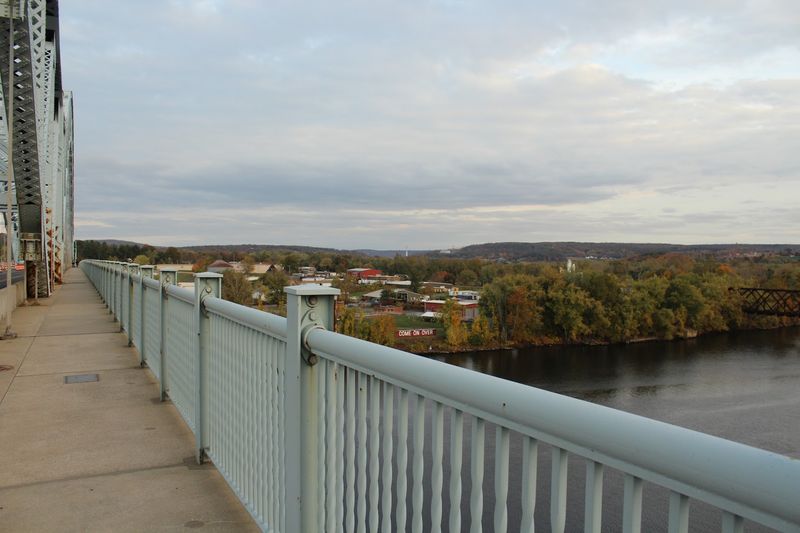
The Connecticut River valley opens up considerably near Middletown, and the Arrigoni Bridge sits at a point where the river is wide enough to give the surrounding landscape real visual breathing room.
From the middle of the bridge, the view extends across a broad stretch of water with low wooded hills rising on both banks.
On clear days, the sense of depth in the landscape is notable, with layers of tree lines receding toward the horizon in each direction.
Seasonal changes affect the view in distinct ways throughout the year. Spring brings a fresh green quality to the surrounding hills and sometimes adds high water levels to the river after snowmelt, which can make the current look more forceful from above.
Summer deepens the green tones and adds afternoon haze that softens the distant treelines. Autumn is widely considered one of the more visually rewarding times to visit, when the surrounding foliage shifts through yellow, orange, and red across the valley.
Winter strips the trees back and reveals the underlying shape of the landscape in a way that other seasons conceal. Ice formations on the river during cold stretches can add unexpected texture to the view below the bridge.
Each season presents a genuinely different version of the same crossing, which gives repeat visitors a reason to return throughout the year rather than treating it as a single-visit destination.
8. A Memorable Stop During A Downtown Walk
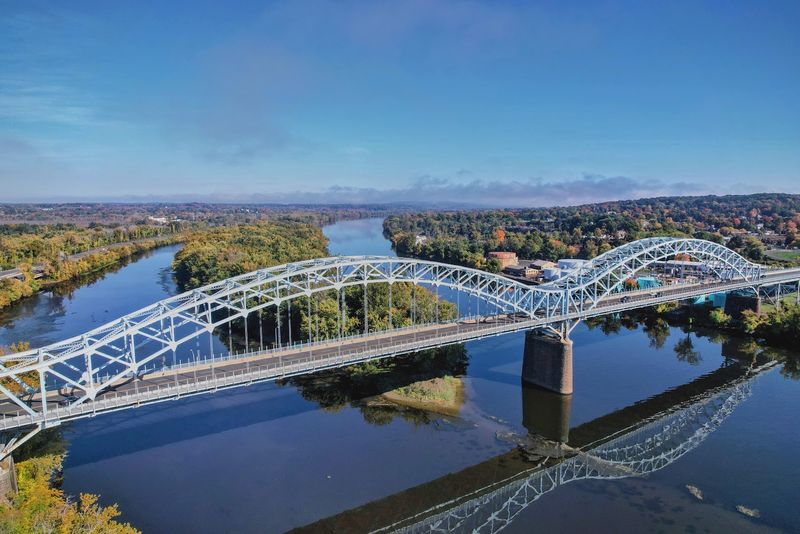
Downtown Middletown has a walkable quality that makes combining a city stroll with a bridge visit feel natural rather than like two separate trips.
Main Street in Middletown sits within reasonable walking distance of the bridge’s western approach, and the route between them passes through a mix of local businesses, historic architecture, and tree-lined sidewalks that give the walk its own character before the bridge even comes into view.
Reaching the pedestrian entrance to the bridge from the downtown core typically takes around 10 to 15 minutes on foot depending on the starting point.
The approach on the Middletown side offers an interesting transition from the urban street grid to the open expanse of the bridge itself, with the steel arches becoming more visible and more imposing as the walkway extends out over the river.
That shift in scale is one of the more memorable parts of the experience for first-time visitors.
After crossing or simply walking partway out and returning, the downtown area provides options for a coffee or a meal nearby, which makes the bridge visit easy to fold into a longer afternoon without needing a car for every part of the day.
Weekday visits tend to feel less crowded along the pedestrian path, which can make the walk feel more relaxed and less hurried than a busy weekend crossing.