This Connecticut Sanctuary Has Given Countless Cats A Second Chance After Being Rescued From Desperate Circumstances
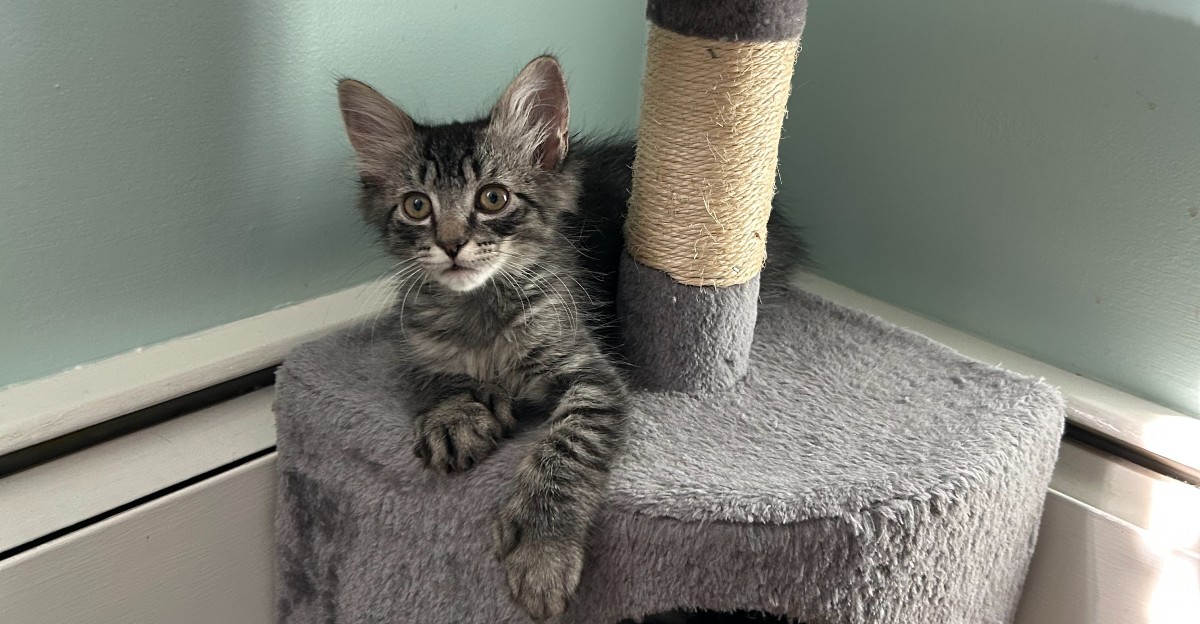
Some cats have a rough start in life, but a little kindness can change their entire future.
For animals left without a home, finding somewhere safe to sleep and someone willing to care makes an enormous difference.
In Connecticut, one nonprofit sanctuary has spent decades helping abandoned, homeless, and feral cats get the attention they deserve.
And the way this place operates is pretty special.
Instead of spending their days in traditional cages, many of the cats enjoy shared rooms filled with climbing furniture, cozy corners, and plenty of company.
Volunteers work hard to keep them healthy, comfortable, and ready for their next chapter.
Some arrive frightened, others need medical attention, and plenty are simply waiting for someone to give them a chance.
The organization also helps outdoor cats, supports foster families, and gives local animal lovers opportunities to make a difference.
Behind all those whiskers is a community effort that has been growing for nearly three decades.
And the stories coming out of this sanctuary are enough to make any cat lover smile.
1. A Few Neighbors Started This In 1997, And The Cats Never Stopped Coming
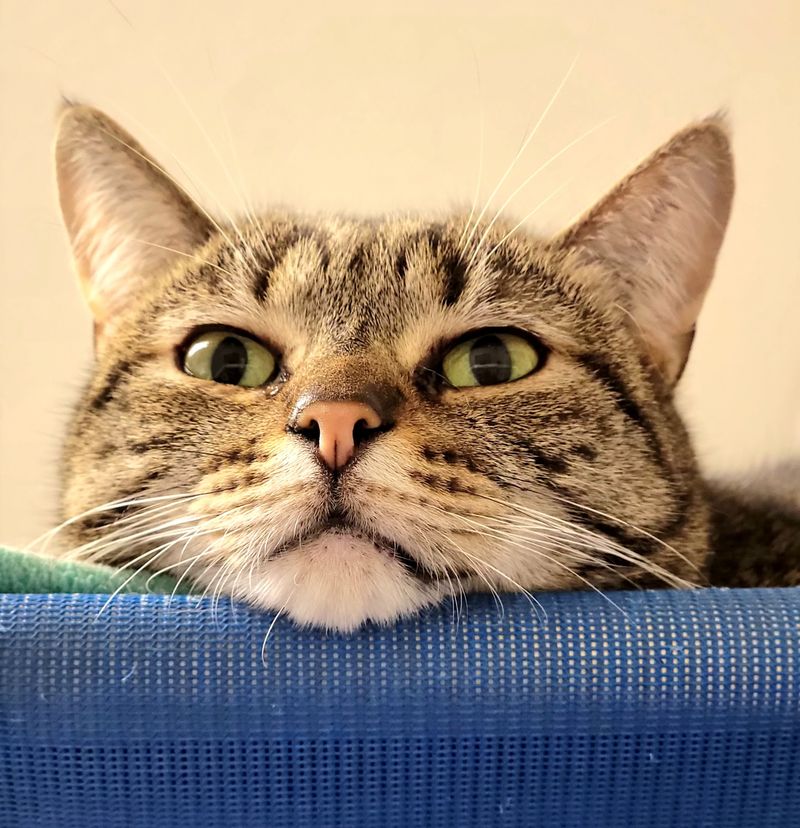
Some of the sweetest rescue stories start with people who simply refuse to ignore a problem.
Back in November 1997, a group of Branford residents grew concerned about the increasing number of feral cats in their community. Instead of waiting for someone else to help, they decided to do something themselves.
That decision eventually grew into the Branford Compassion Club, a nonprofit dedicated to giving vulnerable cats a better chance at life.
What began as an effort to manage outdoor cat populations gradually became something much bigger.
The volunteers started providing food and care for homeless, abandoned, and feral cats. Their work eventually expanded to include adoption services and educating the public about responsible cat care.
Then came a major milestone in 2011, when the organization opened its Feline Rescue and Adoption Center in North Branford.
Having a dedicated indoor facility meant more opportunities to care for cats while helping them find permanent homes.
And the results are pretty remarkable.
Since 2008, the organization has reported placing more than 3,500 cats and kittens with adoptive families.
That’s thousands of second chances, all connected to a small group of neighbors who decided that struggling cats deserved a little more compassion.
2. Cages Are Out, Cat Trees And Sunny Rooms Are In
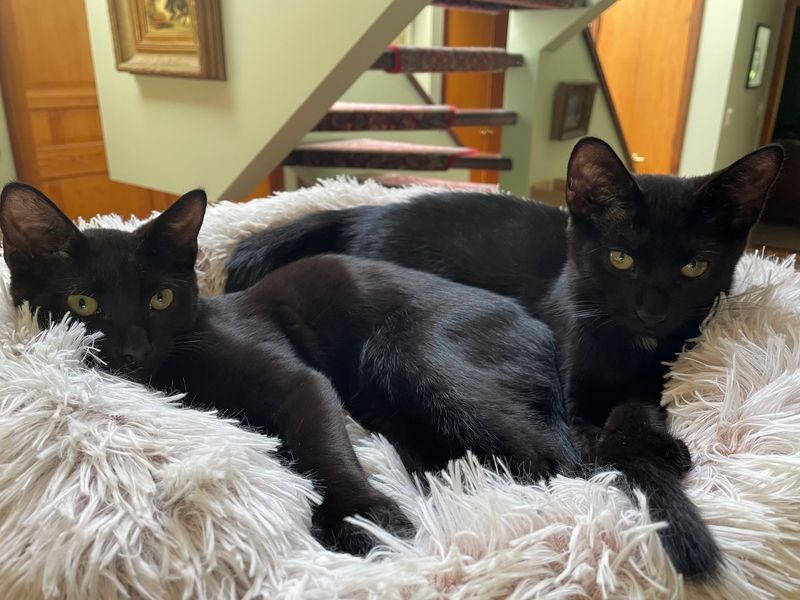
Forget rows of metal kennels. The shelter describes itself as a free-range cat sanctuary, which means cats wander, nap, and climb in shared rooms.
Roughly fifty cats can live at the North Branford center at once. That’s a lot of whiskers, but the setup gives each one space to act like an actual cat.
Why does that matter? Cats feel less stressed when they can explore and pick their own napping spots.
A calmer cat also shows its true personality, which helps adopters find a better match.
The building got a refresh in 2019. Volunteers added newly painted rooms and new cat furniture, so the residents had fresh places to perch and lounge.
Cats take their furniture very seriously, so this was a big upgrade.
Cleanliness also stands out here. Volunteers scrub and feed every single day, keeping the rooms fresh for both cats and visitors.
If you have ever toured a crowded shelter, this approach feels different. The cats here aren’t waiting in boxes.
They’re living in a shared home until the right family arrives, which seems like the kindest kind of waiting room possible.
3. Every Cat Gets The Full Medical Treatment Before Going Home
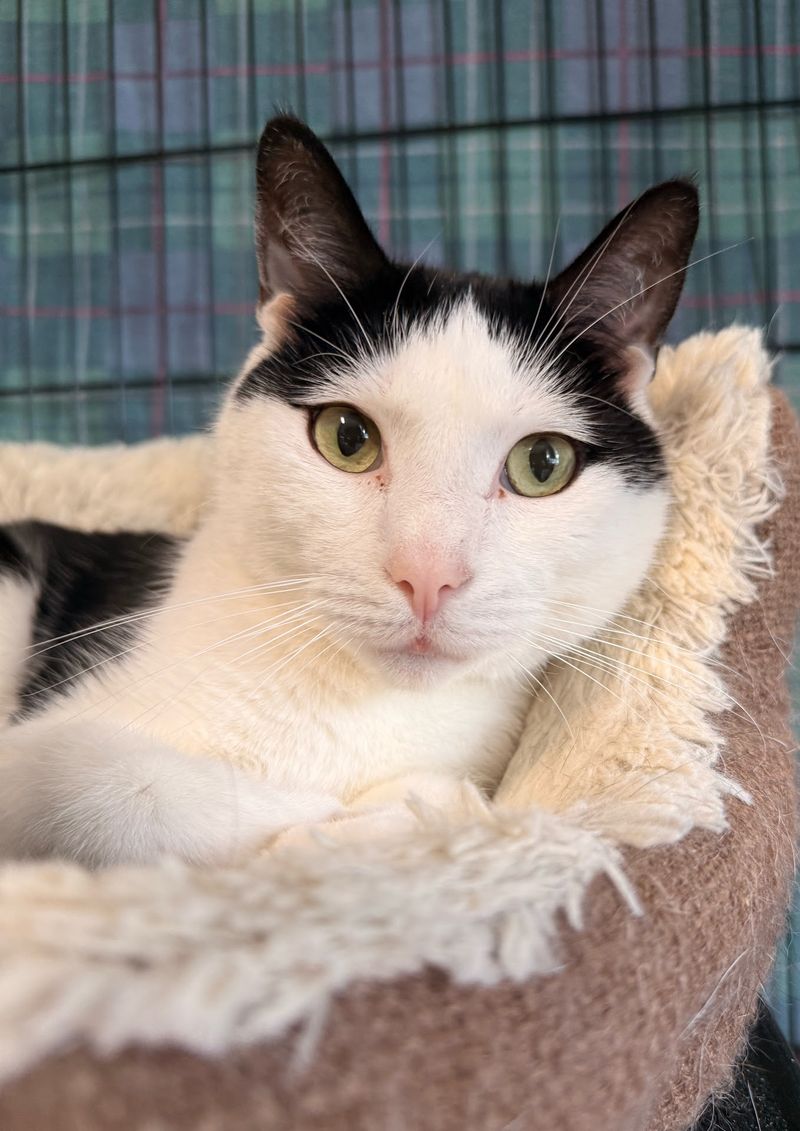
Here’s a checklist that would make any vet nod in approval. Before adoption, each cat at the Branford Compassion Club gets a veterinary exam, vaccinations, de-worming, and de-fleaing.
Cats over three months old receive distemper and rabies shots. Every cat is also tested for Feline Leukemia and FIV.
Spaying or neutering happens before the cat leaves, too.
Older cats get extra attention. Seniors receive bloodwork, and the club addresses dental issues before they head to new homes.
That’s a thoughtful step, since tooth trouble can quietly make a cat miserable.
For adopters, all of this means fewer surprise vet bills early on. You also get a clearer picture of your new pet’s health from day one.
For the cats, it means a true fresh start. Many arrive after rough lives outdoors or in neglectful situations.
Leaving healthy, protected, and fixed gives them the best shot at a long life.
It also helps the bigger picture in Connecticut. Every spayed or neutered cat means fewer unwanted litters down the road.
One surgery today prevents a lot of hungry kittens tomorrow, and that’s a math problem worth solving.
4. Getting Approved Takes Effort, And That’s The Point
Adopting here isn’t a quick grab-and-go deal. You start with an application that includes checks with your landlord if you rent, plus veterinary and personal references.
Once you’re approved, you schedule an appointment to meet available cats and kittens. Visits to the center are by appointment only for approved adopters.
Some folks find the process lengthy. Honestly, I see it as a good sign.
A rescue that screens carefully is a rescue that cares where its cats end up.
One rule surprises people. Kittens six months and under must go home in pairs, or into a home with another young, cat-friendly cat or dog.
That might sound like double trouble. In reality, young kittens learn manners from each other and burn energy together instead of on your curtains.
A bored solo kitten can become a tiny tornado.
The adoption fee covers the same price for adult cats and kittens. Considering the vaccines, testing, and surgery already done, it’s a solid deal.
My advice is simple. Fill out the application thoroughly, line up your references early, and get ready to fall for at least one furry face.
5. Mark The Second Saturday On Your Calendar
Curious but not ready to apply yet? The shelter hosts Open Houses on the second Saturday of every month, from 11 a.m. to 2 p.m.
That’s your chance to see the place in person. You can learn about the cats, ask questions, and get a feel for how the shelter runs.
The center sits at 2037 Foxon Road in North Branford. It’s an easy spot to reach from Branford, Guilford, and the New Haven area.
Plan ahead a bit before you go. Outside the Open Houses, visits are by appointment only for approved adopters.
Showing up on a random Tuesday won’t get you through the door.
Bring your questions about cat care, adoption rules, or volunteering. The volunteers know these cats well and can share their quirks and personalities.
One fair warning feels necessary. Many people walk in planning to just look around.
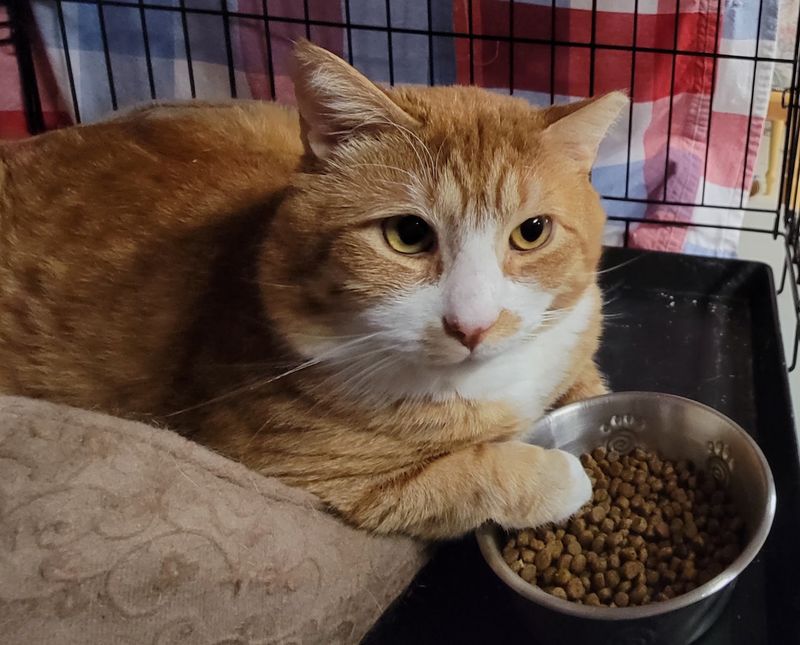
Cats are excellent at changing plans. Maybe keep the application link handy, because a sleepy orange cat or a shy tuxedo might decide you’re the one.
I won’t say I told you so, but I’m thinking it.
6. More Than 100 Volunteers Keep The Whole Operation Purring
The Branford Compassion Club relies on more than 100 volunteers who help care for cats, maintain the shelter, and support its rescue programs.
Their jobs cover a lot of ground. Volunteers clean rooms, feed the shelter cats, and spend time socializing shy cats who need extra patience.
Others handle fundraising or manage feral cat colonies outdoors. Some open their homes as fosters, which is a huge part of how the club works.
Want to help with direct animal care? You’ll need to be at least 18 years old.
That rule keeps both cats and helpers safe during hands-on tasks.
I think socializing shy cats might be the sweetest job on the list. Picture slowly earning trust from a cat that once hid under every bed.
That first head bump must feel like winning an award.
Volunteering also gives back to you. It offers a calm routine, a caring community, and plenty of purring therapy.
If you live near North Branford and have a few spare hours, this might be one of the most rewarding ways to spend them. The cats certainly won’t complain.
7. Foster Homes Turn Spare Rooms Into Kitten Launch Pads
Not every rescued cat waits at the shelter. Plenty of kittens and adult cats spend time in foster homes, getting ready for adoption in a real household.
Foster families give temporary care until the right adopter comes along. They usually live in specific surrounding towns close to the club’s veterinary hospitals.
That location detail makes sense. Young kittens often need checkups and shots, so short drives to the vet matter a lot.
Fostering suits people who love cats but can’t commit forever. You get the fun of tiny paws and wild play sessions, then you help them move on to permanent homes.
Is saying goodbye hard? Probably.
But each goodbye opens space for another cat who needs a soft landing. It’s a cycle of good deeds with extra fur.
Fosters also play a big role in matching. They see each cat’s habits up close, from favorite toys to bedtime routines.
That insight helps future families know exactly who they’re bringing home.
And yes, some fosters end up adopting a cat themselves. It’s called a foster fail, and it’s the happiest kind of failure there is.
8. Outdoor Cats Get Help Too, Thanks To Trap-Neuter-Return
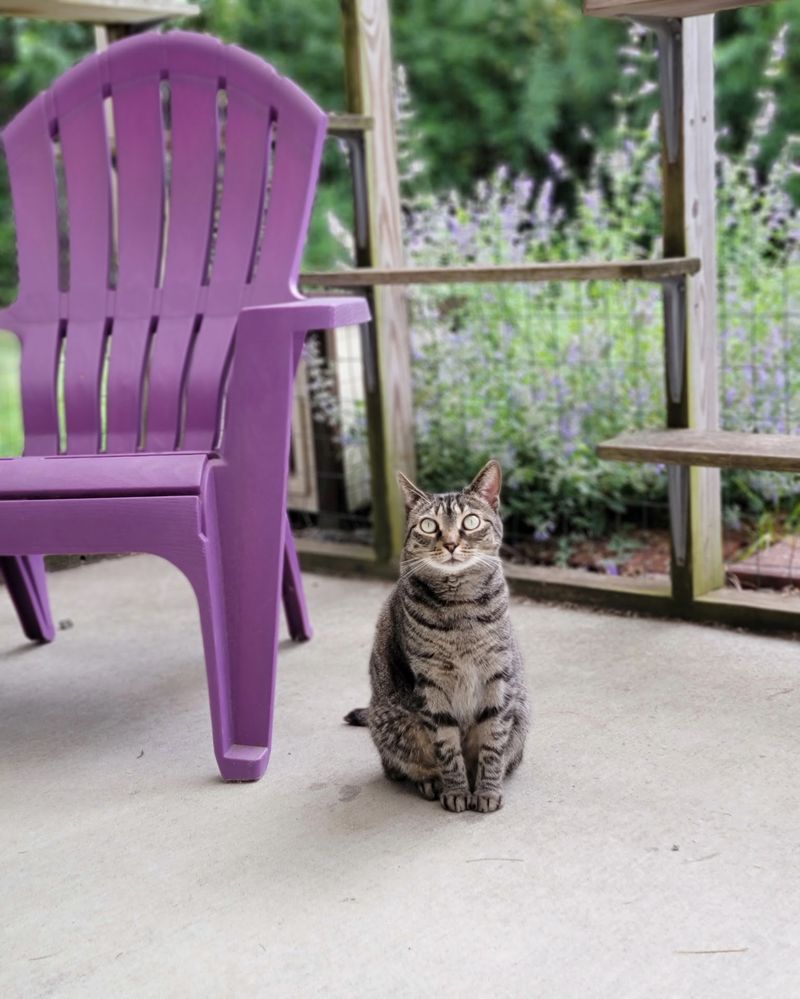
Feral cats were the reason this group formed in the first place. That focus continues today through managed colonies and Trap-Neuter-Return programs.
The idea is pretty simple. Volunteers humanely trap feral cats, get them spayed or neutered, and return them to their outdoor homes.
Why return them? Many feral cats aren’t comfortable around people and would struggle indoors.
TNR lets them keep living outside while stopping new litters from appearing.
Volunteers also manage these colonies over time. They help keep cats fed and watch over their wellbeing, which takes steady commitment through every season.
Here’s my favorite part. TNR solves the problem at its source rather than just reacting to it.
Fewer kittens born outside means fewer cats facing hunger and harsh winters.
The club also teaches the public why spay and neuter matters so much. Education might sound less exciting than rescue, but it keeps the cycle from repeating.
If you notice stray cats in your neighborhood, learning about TNR is a smart first step. Note that the club recently announced it is closed to new intakes until the end of 2026, so check before reaching out.
9. Your Spare Can Of Cat Food Can Make A Real Difference
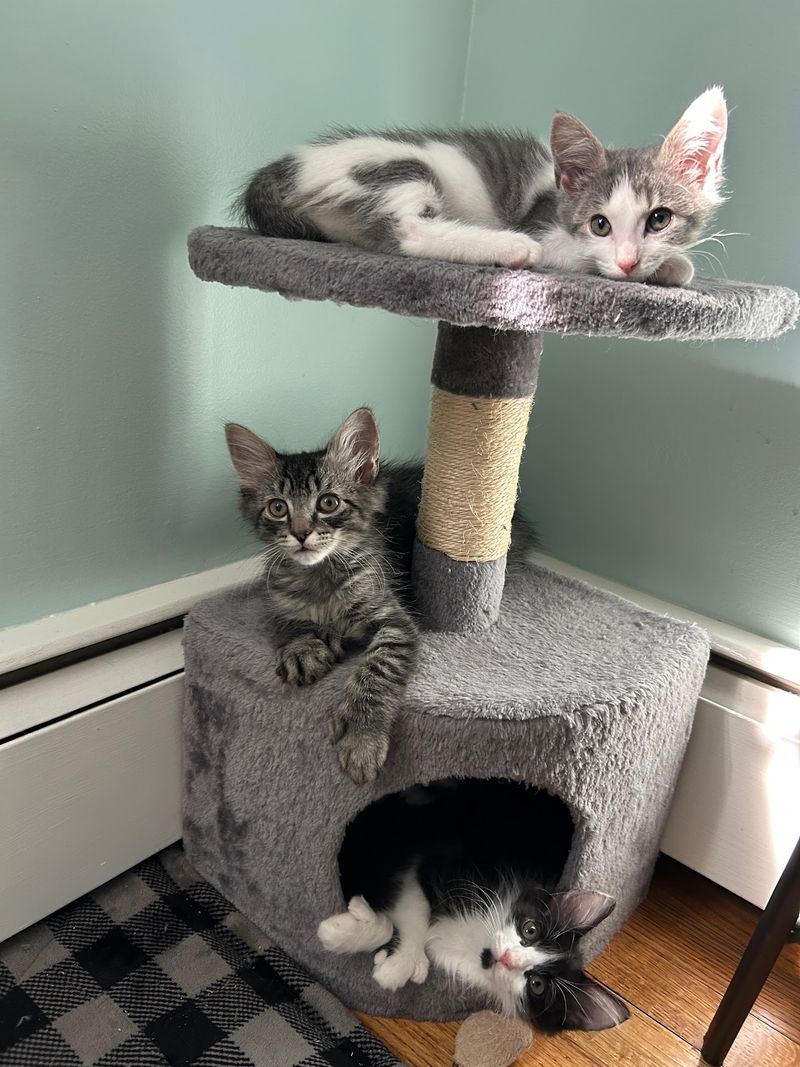
Zero dollars. That’s how much municipal funding the Branford Compassion Club receives.
Everything runs on private donations, grants, and fundraising.
As a registered 501(c)(3) charity, the club welcomes support in several forms. You can give online, mail a donation, or drop food into a blue bin outside the facility.
That bin is available around the clock. So a late-night grocery run can easily include a bag for the shelter cats.
Kids can join the effort, too. The club partners with local schools and youth programs on food drives, supply drives, art projects, and kindness lessons.
Young cat fans get a real way to help.
Then there’s the big yearly party. The annual Animal Awareness Day features a Blessing of the Animals, music, food trucks, educational demonstrations, and vendors.
The club held its 2026 Animal Awareness Day on October 4 at the Guilford Fairgrounds, bringing together animal lovers for a community celebration. It sounds like a fun fall outing with a feel-good purpose.
Every can of food and every small gift adds up. When a shelter depends fully on its community, even modest help keeps the lights on and the food bowls full.
Not a bad return on one bag of kibble.