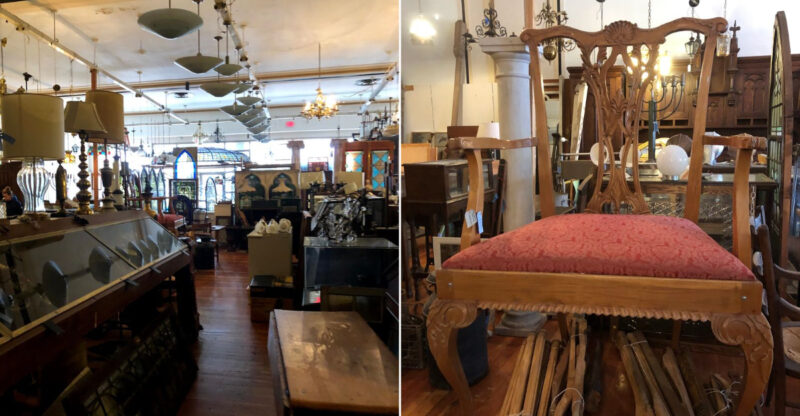
This Connecticut Thrift Store Turns $40 Into A Serious Shopping Haul
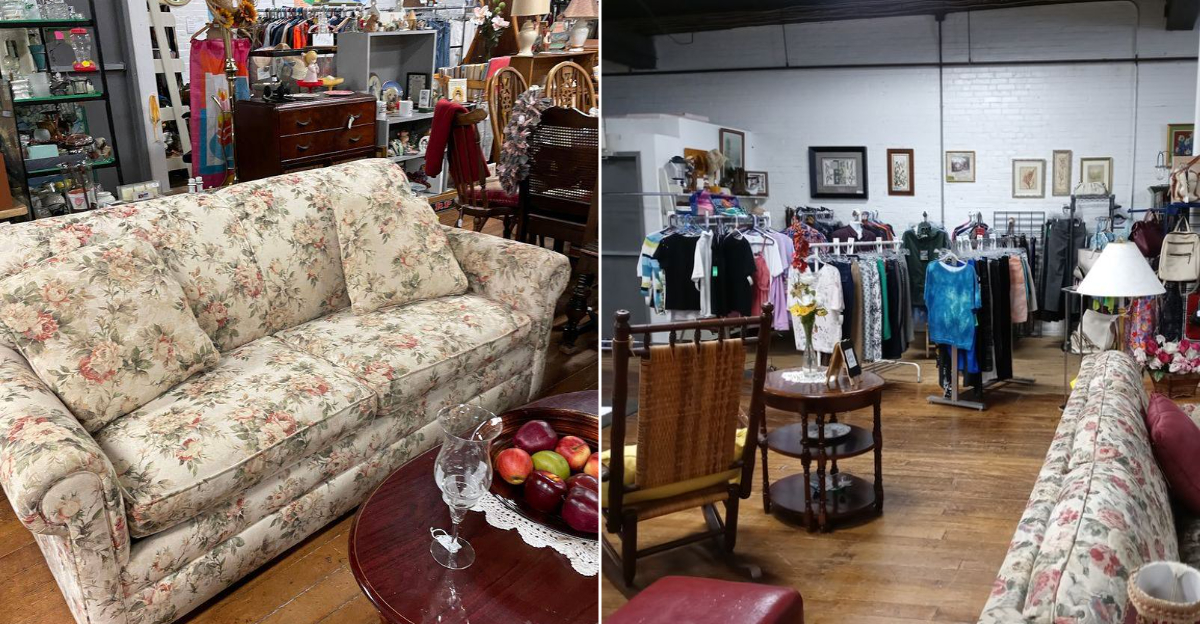
Forty dollars can disappear quickly in most stores. Here, it has a much better chance of turning into a surprisingly respectable pile.
The fun starts with not knowing exactly what will be waiting on the racks that day. At this Connecticut thrift store, a modest budget can stretch far enough to make bargain hunting feel genuinely exciting.
Clothes may catch your eye first, but the real thrill comes from spotting something useful or quirky for far less than expected. That unpredictability keeps the visit moving.
You start checking one section, then another, and suddenly the original plan feels irrelevant because the cart has developed ideas of its own. The low prices make experimenting easier too.
A piece you would normally hesitate over becomes much more tempting when it barely dents the budget. That is what makes a small shopping trip feel like a proper haul.
The question is not whether forty dollars can go far here. It is how much you can carry once it does.
1. Affordable Treasure Hunting Keeps Shoppers Digging
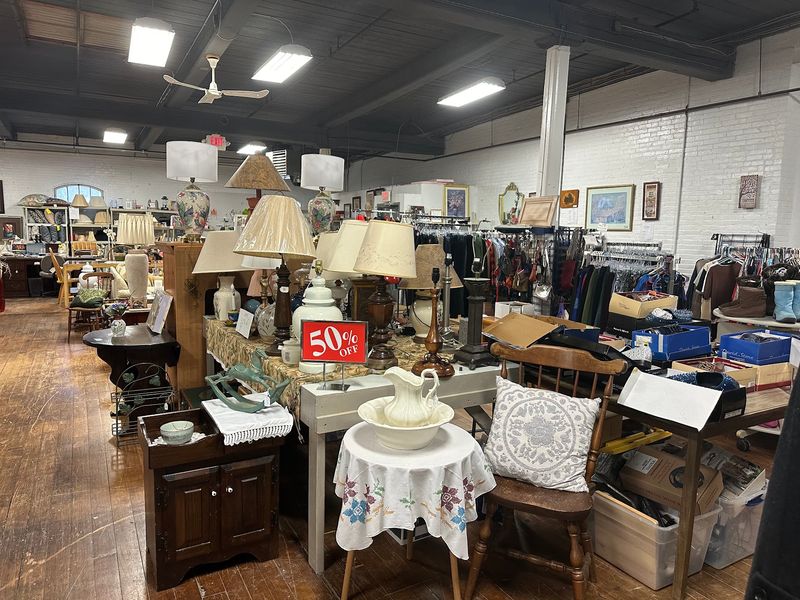
Forty dollars can go surprisingly far here. The harder part may be deciding what deserves a spot in your cart.
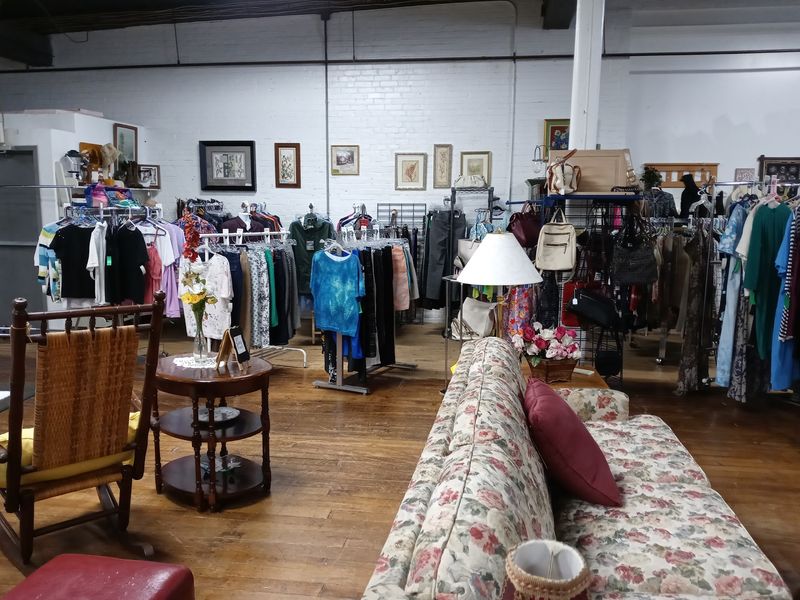
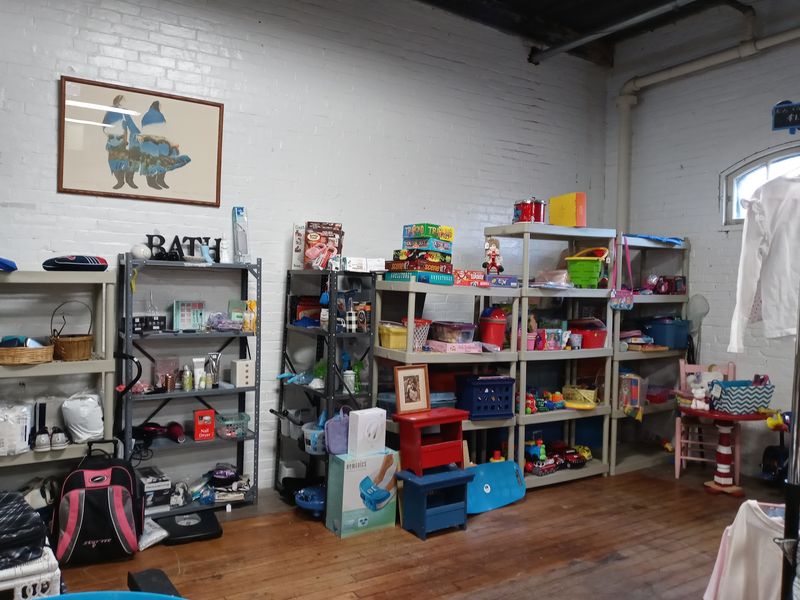
Low prices are a big part of the appeal, making it possible to browse without watching every item add up. A lamp or jacket might catch your attention first, then the household shelves pull you in for another look.
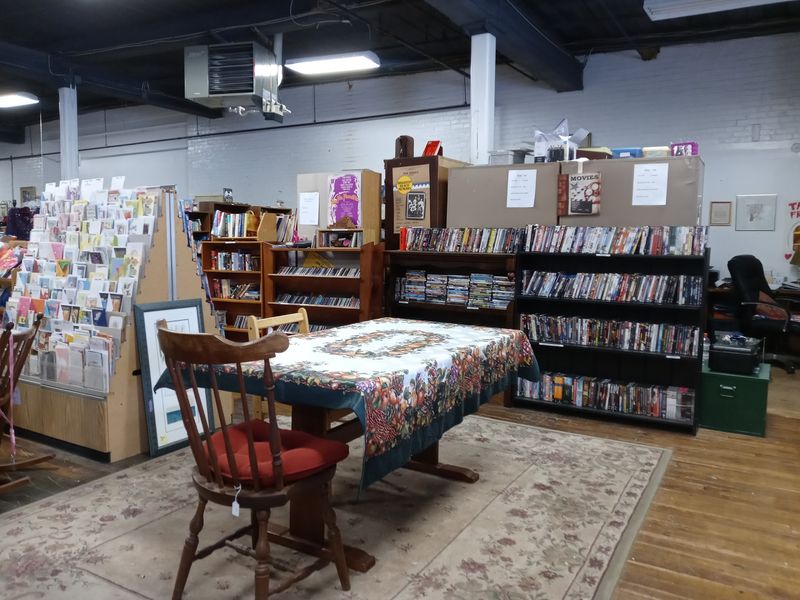
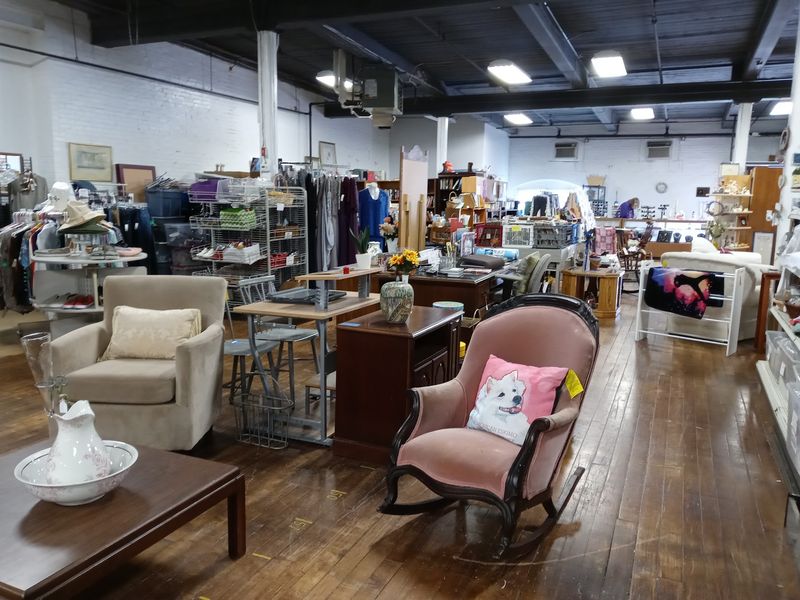
Maria’s Treasures is large, but the layout keeps the hunt easy to follow. Clothing has its own organized area, while home goods are arranged so shoppers can move through the space without feeling overwhelmed.
Condition matters here too. Merchandise is checked and sorted before reaching the sales floor, giving the selection a more polished feel than many people expect from a thrift shop.
Regular visitors know the inventory can change quickly. Craft supplies are especially popular, and the book section is another spot worth checking carefully before moving on.
Returning a week later can bring an entirely different set of discoveries.
Give yourself enough time to browse instead of rushing through once. The most interesting pieces are easy to overlook on the first pass, especially when the shelves are full.
A second look can turn up exactly the kind of bargain that makes thrift shopping so addictive.
2. The Small Village Setting Adds To The Old-School Feel
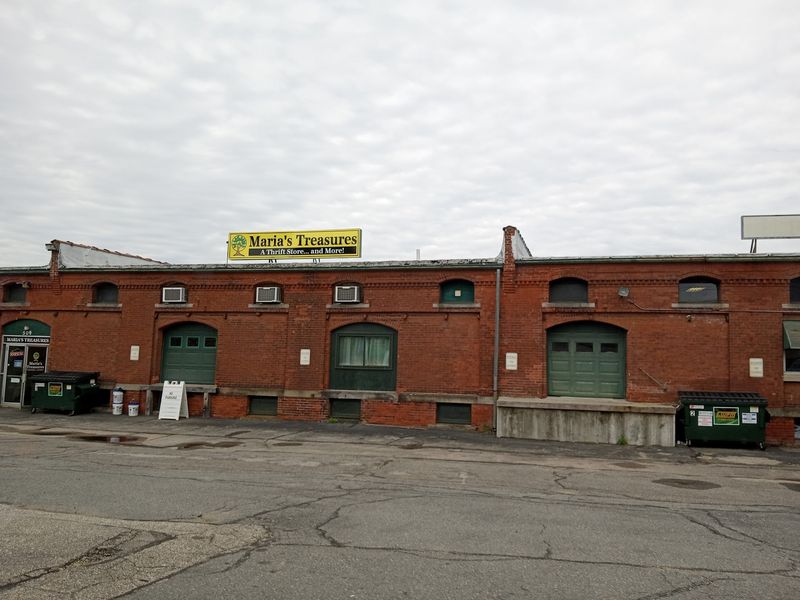
This thrift stop comes with an unexpected backdrop. Old mill history surrounds the bargain hunting.
Maria’s Treasures operates in Taftville, a small village within Norwich that grew around one of the region’s major textile complexes. The community dates to the nineteenth century, when the enormous Ponemah Mills helped shape the streets and homes around it.
That industrial past still gives the neighborhood a distinctive personality. Historic houses remain throughout the surrounding district, while the massive brick mill complex continues to dominate the scenery nearby.
Against that setting, Maria’s Treasures feels right at home. The nonprofit thrift store is stocked through donations and run with help from community volunteers.
Clothing and household goods fill the shop, with books and other secondhand surprises changing as new donations arrive. Proceeds are used to support organizations and community needs throughout southeastern Connecticut.
The store sits at 509 Norwich Avenue in Taftville, making it an easy addition to a day around Norwich.
Because the selection depends on incoming donations, repeat visits can look completely different. That unpredictability gives the place much of its charm, especially when an ordinary browsing trip turns up a bargain you never expected.
3. Local Volunteers Keep The Entire Store Running
Nobody here is collecting a paycheck. From unloading donations to steaming wrinkles out of clothing to ringing up a purchase, the whole operation runs on volunteers who live in the surrounding communities.
That detail changes the tone of a visit in ways you feel almost immediately. Shoppers regularly mention being greeted warmly, offered help finding something specific, and even recognized by name on a second trip.
The work behind the scenes is considerable. Donated goods have to be examined, cleaned, sorted, priced and staged before they appear on the floor, and someone has to keep the aisles neat while all of that happens.
Because there are no wages to cover, more of every sale can go toward the store’s charitable mission. Volunteering also gives retirees, students and neighbors a practical way to contribute time instead of money.
Visitors often note that the crew seems genuinely happy to chat, whether about a vintage find or the local charities the store supports. If you enjoy a store where conversation comes free with your purchase, this one delivers.
A small tip: ask questions. Volunteers frequently know exactly where the newest arrivals landed, which can save you a full lap around the building.
4. Donated Finds Make Every Visit Different
Here is the quirk of a donation-only inventory: no two visits look the same. Everything on the shelves arrived as a gift from someone in the region, so the selection shifts week to week and sometimes day to day.
The store accepts gently used furniture, clothing, household goods, collectibles, books, CDs and seasonal decorations, and donations are tax deductible. That range explains why the aisles hold such a mix of the practical and the unexpected.
There are standards, though, and they are the reason the merchandise feels trustworthy. Donations need to be clean, in good repair and free of stains, holes, pet hair or smoke odor.
Certain items cannot be accepted at all. Large kitchen appliances, mattresses, used underwear, hazardous materials, and used baby strollers or car seats fall outside what the store can safely resell.
For shoppers, the practical takeaway is simple. If you spot something you love, buy it, because there is rarely a second identical one waiting in a stockroom.
For donors, a little prep goes a long way. Washing, folding and boxing items neatly saves volunteers hours and gets your donation onto the sales floor faster, where it can start raising money for local causes.
5. Furniture Finds Can Be Surprisingly Budget-Friendly
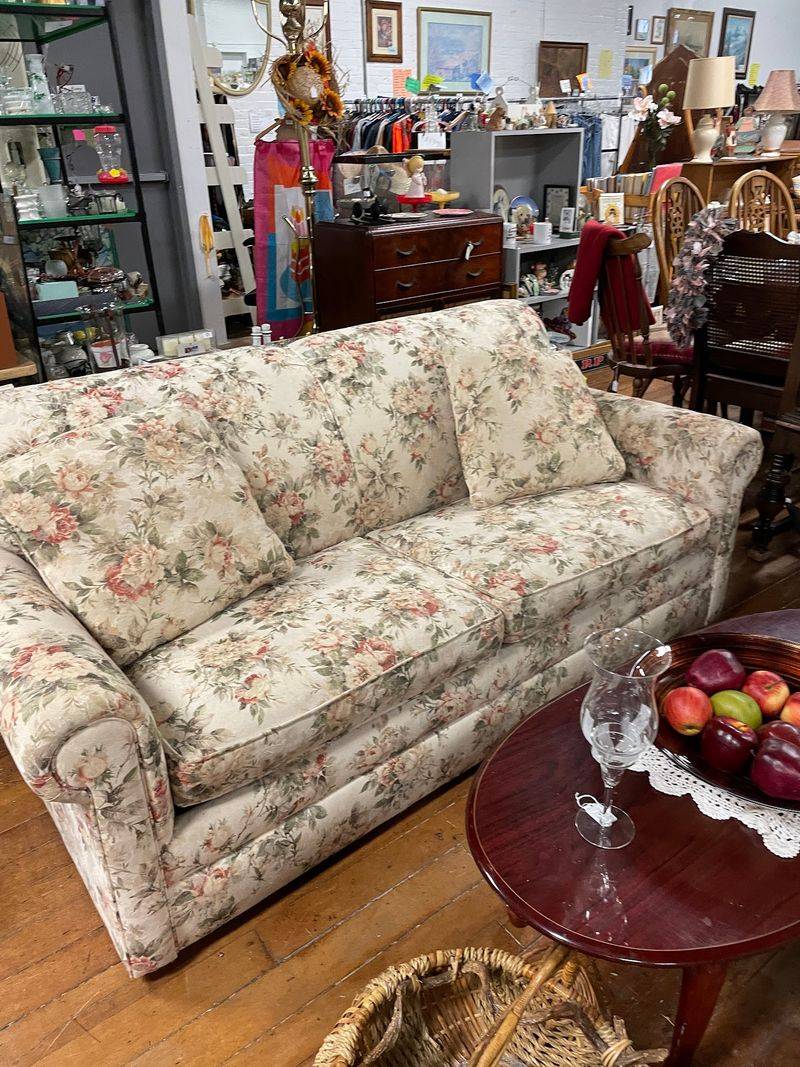
Furnishing a first apartment on a tight budget is a familiar struggle, and this is exactly the kind of place that solves it. The store carries a real selection of secondhand furniture rather than a token corner with two wobbly chairs.
The store has about 5,200 square feet of space for its donated inventory, including a selection of secondhand furniture. That extra room means tables, dressers, seating and decorative items can be spread out enough for shoppers to actually inspect them.
Condition matters here as much as price. Pieces are gently used and checked before they go out, so you are browsing usable furniture rather than projects that need rebuilding.
One shopper years back walked out with a kitchen table for forty dollars, which gives a fair sense of how far a small budget can stretch on the bigger items.
A few planning notes help. Measure your space before you come, bring a tape measure, and think about transportation, because large pieces are your responsibility to move.
If you have flexible taste, this is where the value shows up most. Solid wood dressers, side tables and dining sets often cost a fraction of new-store prices and hold up beautifully with a little cleaning or fresh hardware.
6. Collectibles Give The Shelves Plenty Of Personality
Some people come for towels and dish racks. Others come specifically for the odd, wonderful stuff, and those shoppers rarely leave empty-handed.
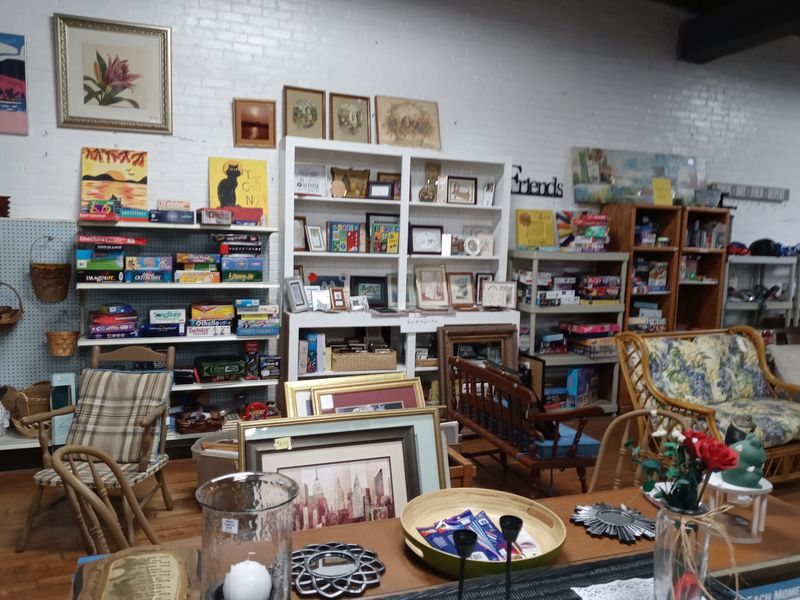
Vintage pieces, eclectic housewares, jewelry and home decor turn up regularly, mixed right in with the everyday goods. Past visitors have mentioned finding board games, VHS tapes, chess sets and even a donated collection of handmade designer clothing.
The unpredictability is the fun part. A shelf might hold ordinary drinking glasses next to a piece of pressed glass that looks like it came out of a grandmother’s china cabinet in 1955.
Collectors tend to appreciate that pricing stays reasonable. The goal is moving merchandise to raise money, not squeezing top dollar out of every unusual item.
If you decorate with character in mind, the decor aisles reward slow browsing. A single brass lamp, framed print or set of mismatched plates can give a room more personality than a whole cart of new merchandise.
Craft supplies deserve a mention too, since the craft section has developed something of a fan club among regulars. Yarn, fabric, notions and half-finished project materials show up often, which makes the store a quiet favorite among sewers, knitters and anyone who loves making things by hand.
7. Every Purchase Helps Support Local Organizations
The receipt in your hand does more than record a bargain. Maria’s Treasures operates as a non-profit, and proceeds from sales go back out to support individuals, families and social service agencies across Southeastern parts of the state.
The mission centers on urgent needs. The store works with recognized non-profit partners who recommend individuals and families in need of emergency assistance, which keeps help flowing to people who are already connected to local support systems.
Contributions have reached programs serving vulnerable residents, including a Meals on Wheels program. In 2025, the store donated more than $118,506 to local social service agencies.
That figure puts the low prices in perspective. Every jacket, lamp and paperback that leaves the building adds a few more dollars to the pot.
Shoppers mention this community connection constantly, and it clearly shapes why people choose to donate their belongings here rather than elsewhere. Knowing your old sewing machine or dining chairs might fund emergency help for a neighbor is a strong motivator.
It also makes guilt-free shopping possible. Spending forty dollars on things you actually need, at prices that leave money in your pocket, while funding local assistance is about as practical as generosity gets.
8. Reasons To Visit
Plan around the hours, because they are limited. The store opens Wednesday and Friday from noon to 5 PM and Saturday from noon to 4 PM, so a weekend stop takes a little forethought.
Once you are inside, the appeal adds up fast. Clean, gently used goods at low prices, a layout that makes browsing pleasant, and a friendly volunteer crew who seem glad you came.
The rotating inventory means there is always a reason to return. Regulars treat it as a standing errand rather than a one-time stop, and new arrivals hit the floor constantly.
Parking is easy, which removes one of the usual headaches of bargain hunting. The village setting near the historic Ponemah Mill gives the trip a bit of local flavor if you want to look around afterward.
Bring reusable bags, allow an hour at minimum, and check the furniture area even if you came for small items. Prices are low enough that impulse buys rarely sting.
Above all, this is a store where the shopping and the giving happen in the same transaction. You get the haul, and Southeastern Connecticut gets the benefit, which is a rare combination worth driving for.