This Could Be North Carolina’s Most Picture-Perfect Restaurant And You’ll Want Your Camera
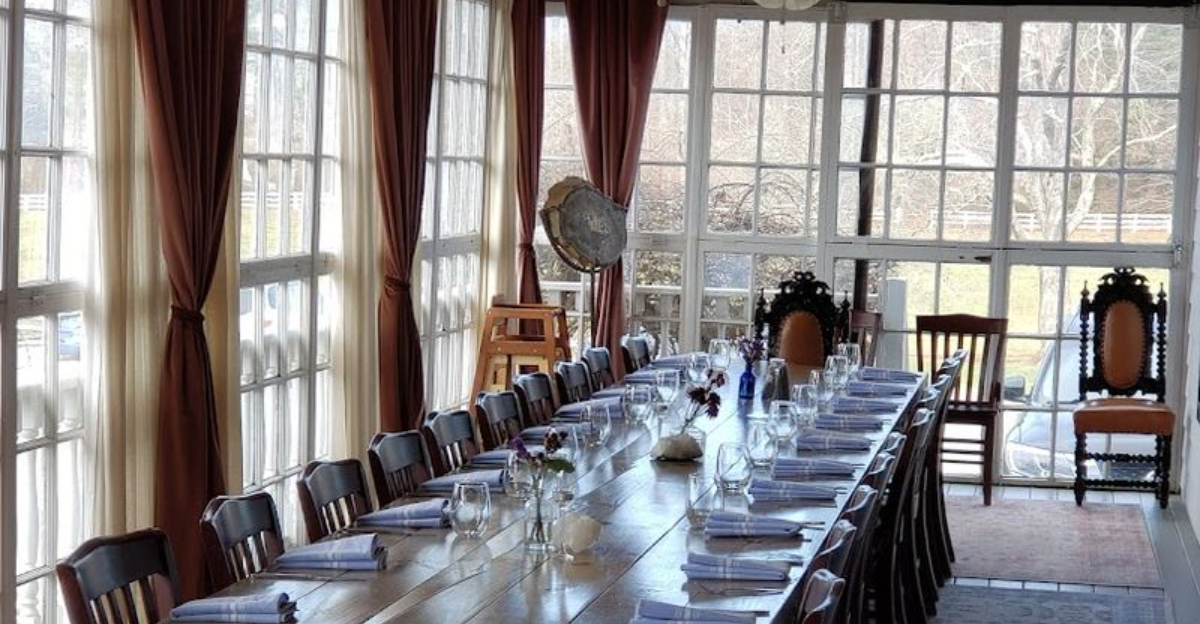
Tucked away on rolling pastures with mountain views stretching to the horizon sits a dining destination that feels more like a peaceful retreat than just another restaurant. The Silo Cookhouse serves farm-fresh meals in a setting so scenic that guests often find themselves reaching for their phones before their forks.
This converted farm building combines rustic charm with thoughtful cuisine in ways that make every visit feel special. The Horse Shoe Farm at 205 Horse Shoe Farm Dr, Hendersonville, offers an 85-acre backdrop complete with grazing horses and views of Mount Pisgah.
Dining here in North Carolina means experiencing food sourced steps from the kitchen. Each season brings new flavors harvested from gardens visible through the windows.
The communal tables and family-style service create connections between strangers who leave as friends. Whether stopping by for breakfast after a morning hike or settling in for an evening meal on the patio, this spot delivers memorable moments alongside memorable food.
A Scenic North Carolina Farm Dining Experience
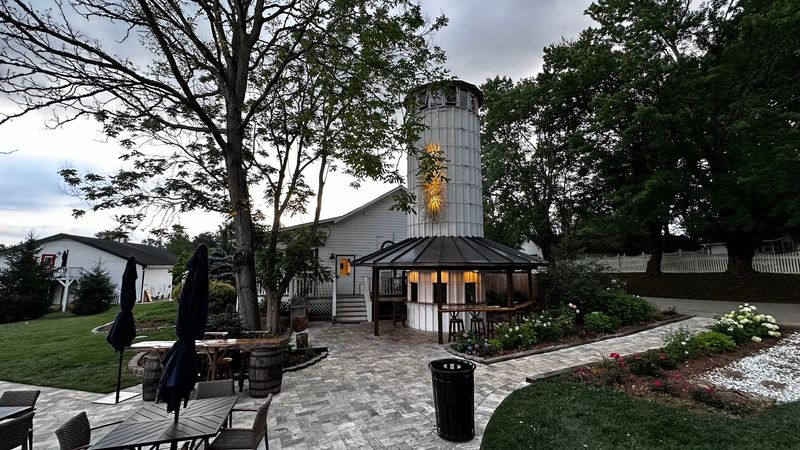
Few restaurants can claim an 85-acre working farm as their backyard. The Horse Shoe Farm offers exactly that kind of expansive natural beauty.
Rolling pastures stretch toward distant mountain ridges while horses graze peacefully near split-rail fences.
The French Broad River winds through the property adding movement and sound to the landscape. Mount Pisgah rises in the distance creating a dramatic backdrop for every meal.
These views change with the seasons bringing different colors and moods throughout the year.
The drive onto the property immediately signals something different from typical restaurant visits. The paved road gives way to farm roads lined with trees and open fields.
Guests often arrive early just to walk the grounds before their reservation.
Dining here means stepping into a slower pace where nature takes center stage. The setting encourages lingering over meals and savoring both food and surroundings.
This combination of location and cuisine creates experiences that feel special without trying too hard.
Quick Snapshot
Name: The Silo Cookhouse
Type: Farm-to-table restaurant with breakfast, lunch, and dinner service
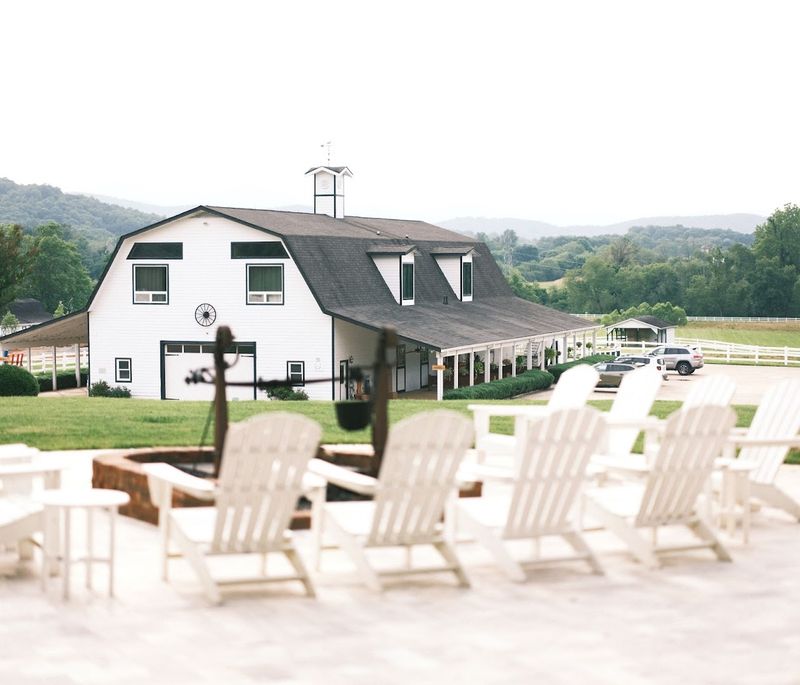
Setting: It sits on The Horse Shoe Farm with rustic charm and modern touches, offering cozy indoor spaces, a communal table layout, and a scenic outdoor patio overlooking pastures, horses, and Mount Pisgah.
Location: 205 Horse Shoe Farm Dr, Hendersonville, NC 28791, United States
Arrival: Guests arrive via a paved road leading to farm lanes, with designated parking and a short walk to the restaurant; early arrivals often explore the grounds before their meal.
Portions: Plates are carefully portioned for multi-course dining; some guests find servings smaller than expected, while others appreciate the balance that allows tasting multiple dishes.
Historic Charm Meets Modern Cuisine At The Silo Cookhouse
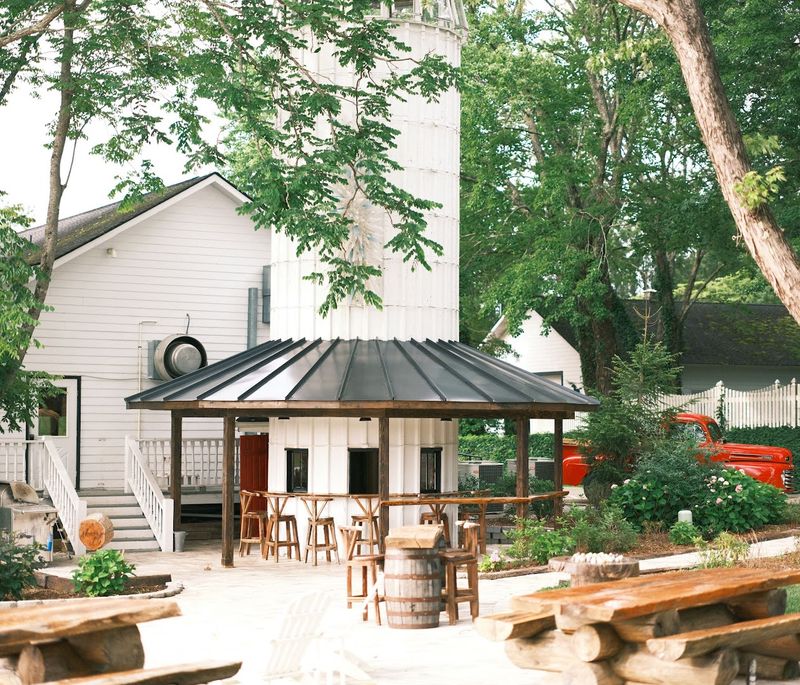
The building itself tells a story of agricultural heritage reimagined. Original silo structures blend with updated architectural elements, creating spaces that honor the past while serving present needs.
Exposed beams and farm-style details mix with contemporary lighting and furnishings.
Walking through the entrance feels like stepping into someone’s thoughtfully designed home. The coat rack near the door has become a talking point for visitors.
The bar area features stools and surfaces that balance rustic materials with clean modern lines.
The open kitchen design allows diners to watch chefs at work. Large windows frame the cooking space, making food preparation part of the visual experience.
This transparency connects guests to the craft happening behind each plate.
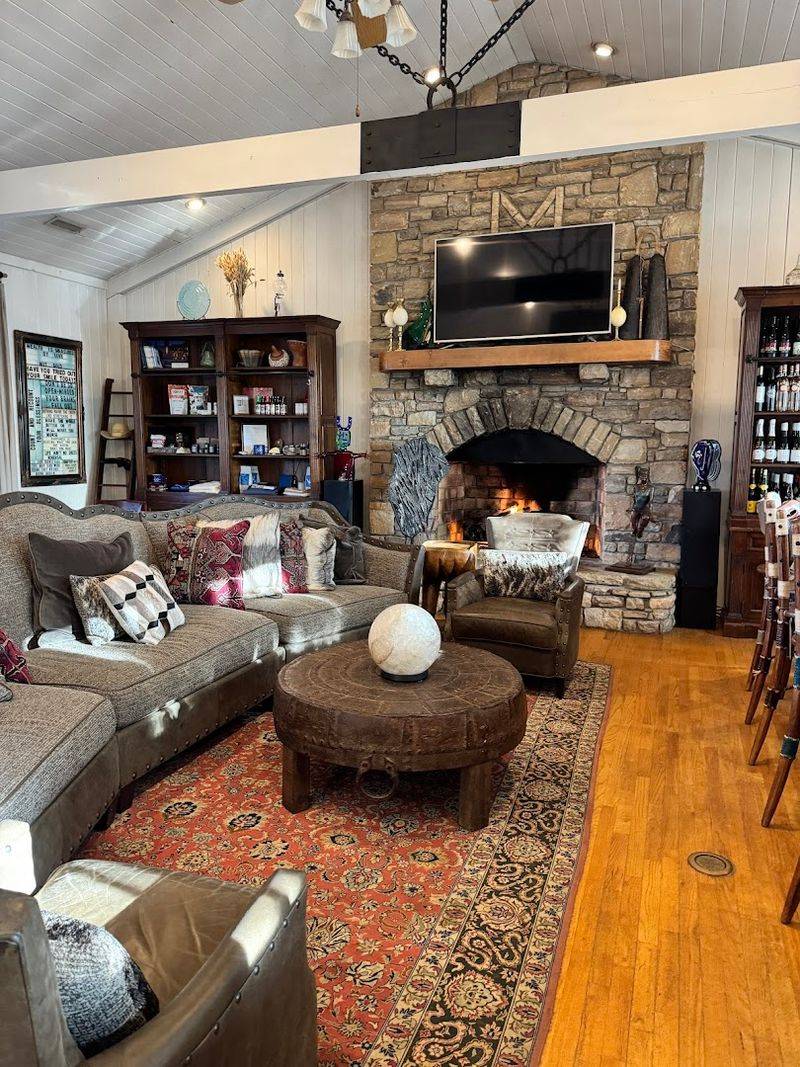
Sitting areas near the fireplace provide cozy gathering spots before or after meals. The overall design avoids feeling overly precious or staged.
Instead, the space achieves a comfortable elegance that makes special occasions feel relaxed rather than stiff.
Fresh, Locally Sourced Ingredients Steal The Spotlight
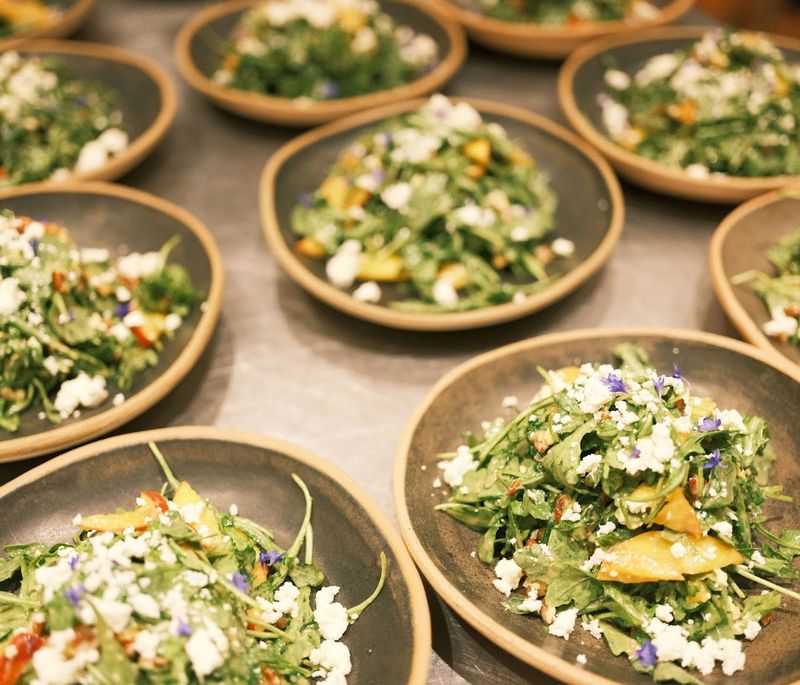
The kitchen relies heavily on ingredients grown mere steps from the dining room. Gardens visible from the restaurant supply seasonal vegetables that appear on plates within hours of harvest.
This proximity between soil and table creates exceptional freshness.
Local farmers and producers provide additional ingredients that the farm doesn’t grow itself. The menu credits these partnerships,, making sourcing transparent.
Trout comes from nearby waters while meats arrive from regional farms practicing sustainable methods.
Seasonal availability drives menu changes throughout the year. Spring might bring tender greens and early vegetables while fall features heartier root crops and preserved items.
This rotation keeps the offerings dynamic and connected to natural growing cycles. The commitment to locality extends beyond marketing claims. Guests can often see the gardens where their vegetables grew.
This visibility builds trust and appreciation for the farm-to-table approach.
Chef expertise transforms these quality ingredients into dishes that highlight rather than hide their origins. Simple preparations allow natural flavors to shine through without excessive manipulation.
Breakfast, Lunch, And Dinner With Views That Wow
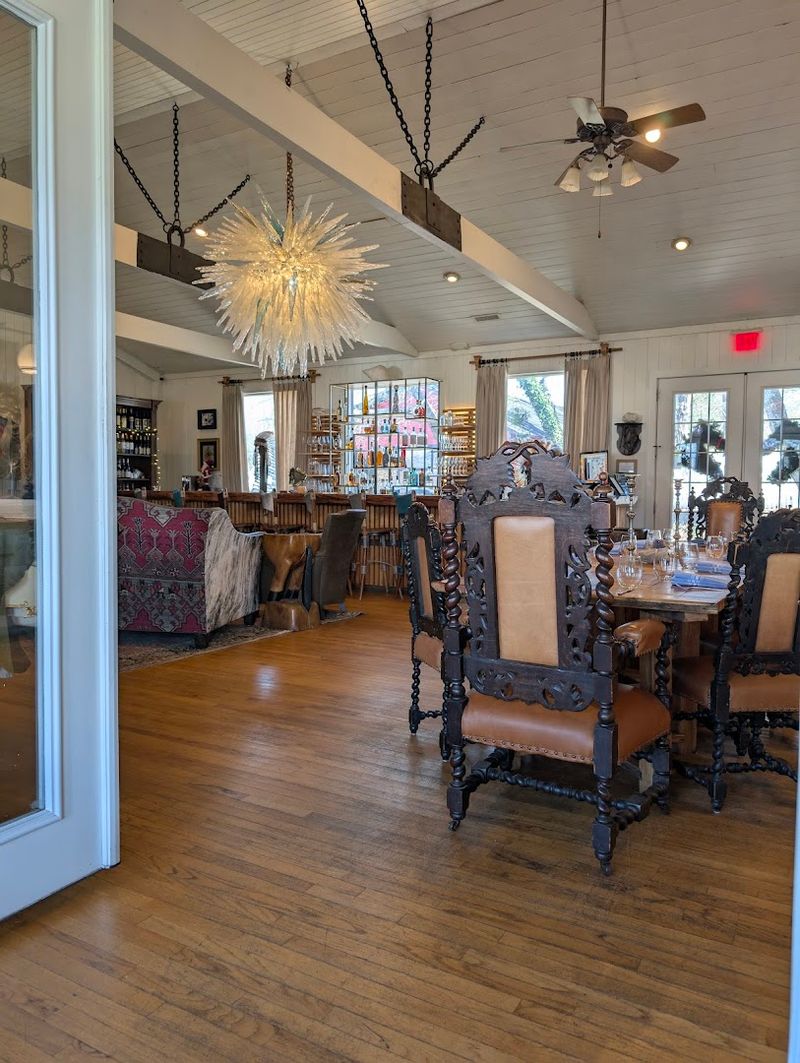
The restaurant serves all three main meals with each bringing different energy and light. Breakfast starts at 8 AM when the morning sun illuminates the mountains.
Early diners often spot horses moving through pastures while enjoying their first coffee.
Lunch service offers a more casual pace with lighter menu options. The midday light creates ideal conditions for photographs of both food and landscape.
Guests recovering from morning hikes appreciate the relaxed timing and restorative atmosphere.
Dinner transforms the space as evening approaches. The setting sun casts long shadows across the fields, creating dramatic backdrops.
Patio dining becomes particularly appealing during warmer months when temperatures cool and the firepit adds warmth.
Views remain consistent across all meals but feel different depending on time of day. Morning mist, afternoon clarity, and evening golden hour each bring unique beauty.
Weather changes also create variety with fog, rain, and sunshine all offering photogenic moments.
The covered patio extends dining options beyond the indoor space. Guests can enjoy mountain vistas while protected from direct sun or light rain.
The Farm-To-Table Philosophy In Action
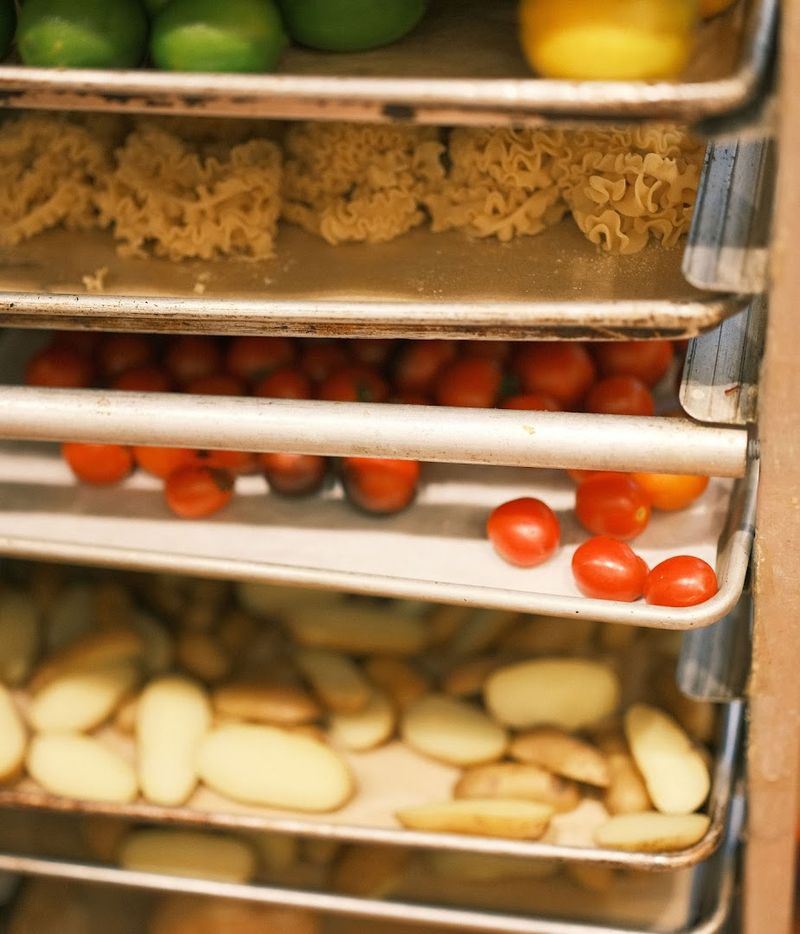
Many restaurants claim farm-to-table credentials, but few can walk guests through the actual gardens supplying their meals. The Horse Shoe Farm offers that rare transparency.
The distance between growing and cooking measures in yards rather than miles.
This philosophy influences every aspect of menu planning. Chefs work with what’s available rather than forcing specific dishes.
If the garden produces exceptional carrots, those carrots become a featured item. If radishes come in strong, they find their way onto multiple plates.
The approach requires flexibility and creativity from the kitchen team. Menus can’t be static when ingredients change constantly.
This dynamic creates both challenges and opportunities for culinary expression.
Guests benefit from peak-ripeness ingredients that haven’t spent days in transit. Flavors taste brighter and more distinct.
Textures remain crisp or tender as intended rather than degraded by time and handling.
Supporting this system requires significant coordination between farm and kitchen operations. Growing schedules must align with anticipated menu needs.
The integration demonstrates a serious commitment beyond trendy marketing language.
Signature Dishes That Keep Guests Coming Back
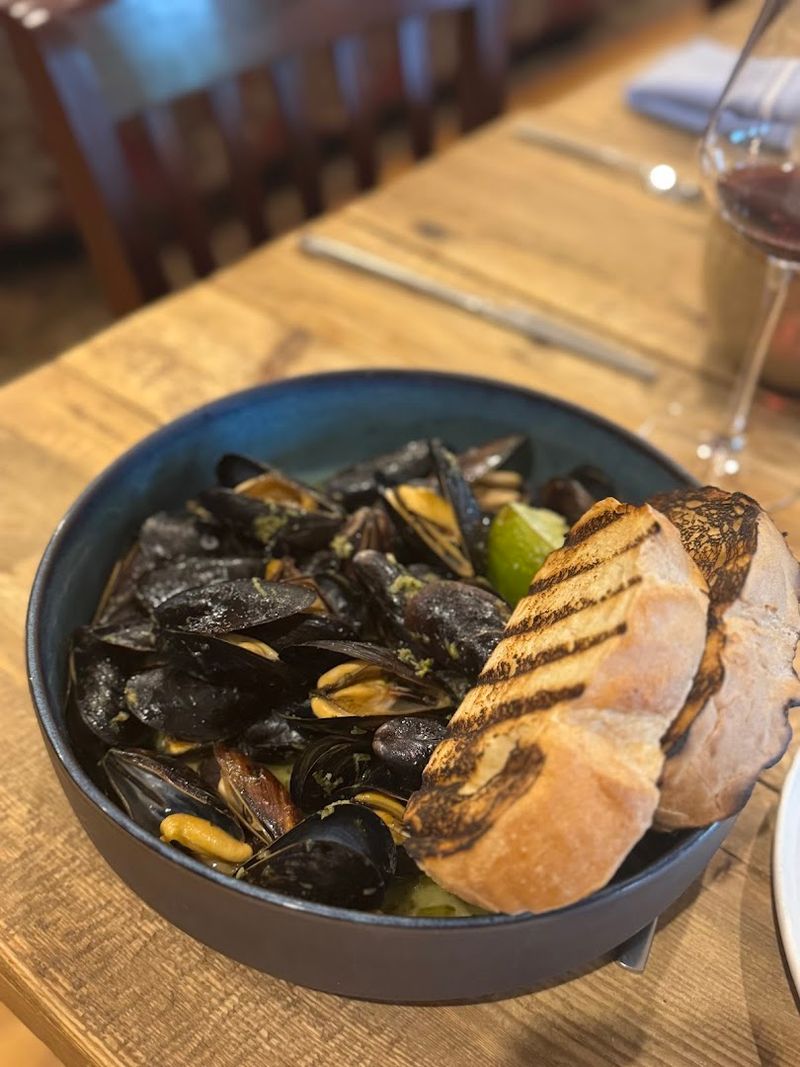
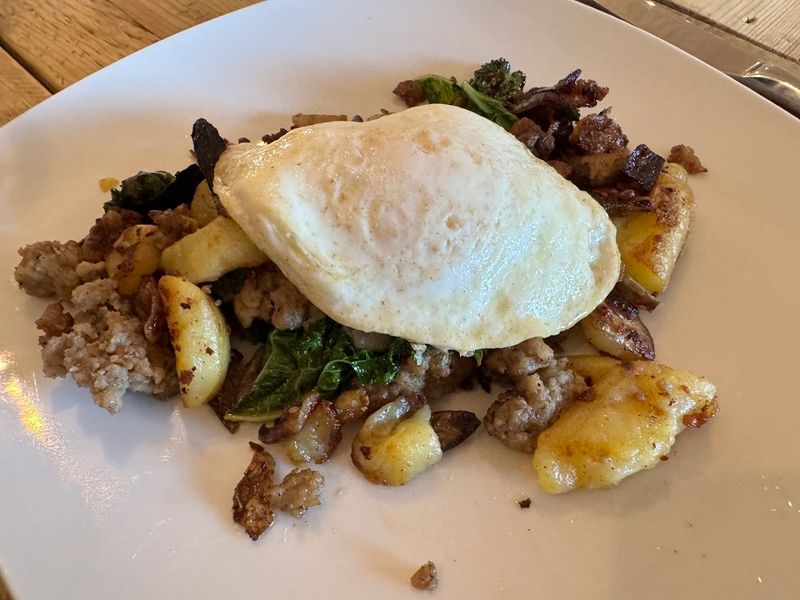
Certain menu items have developed devoted followings among regular visitors. The charred carrots appear frequently in positive reviews, with guests specifically requesting them.
The preparation elevates a simple vegetable into something memorable through careful cooking and seasoning.
PEI mussels served in citrusy broth have become another standout. The dish arrives with house-made sourdough perfect for soaking up the flavorful liquid.
Simple ingredients combine into something greater than their individual parts.
The chicken preparation has earned specific praise from locals who return for it regularly. The preparation method and accompanying elements create a dish that satisfies without relying on heavy sauces or complicated techniques.
Sourdough bread made in-house receives consistent acclaim. The crispy crust and properly salted interior make it a favorite across different courses.
Served with whipped butter, it sets a strong opening tone for meals.
Insider Tip: Ask your server about current menu highlights based on recent harvests. The kitchen often features ingredients at their peak that might not appear on printed menus.
Seasonal Menus Celebrate North Carolina Flavors
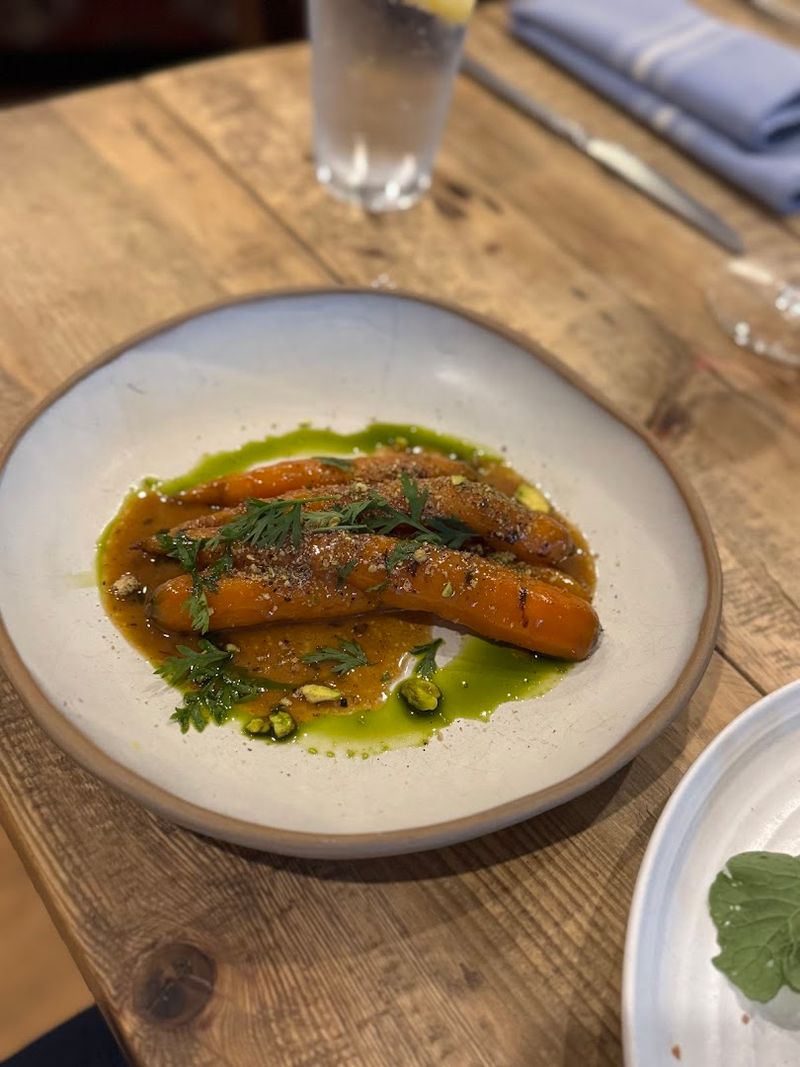
The menu evolves continuously as seasons progress and different crops reach maturity. Spring brings tender greens, asparagus, and early herbs.
Summer explodes with tomatoes, peppers, and abundant squash varieties. Fall introduces root vegetables and preserved items, while winter focuses on hearty preparations and stored crops.
This seasonal rotation keeps the dining experience fresh for repeat visitors. Guests who return quarterly encounter substantially different offerings each time.
The changing menu reflects actual growing conditions rather than arbitrary chef preferences.
North Carolina’s agricultural diversity provides extensive options throughout the year. The region’s climate supports long growing seasons with multiple plantings.
Local producers contribute items that complement the farm’s own production.
The kitchen embraces preservation techniques extending seasonal ingredients beyond their fresh availability. Pickling, fermenting, and canning allow summer flavors to appear in winter dishes.
These methods connect to traditional foodways while serving modern culinary purposes.
Menu size remains intentionally limited ensuring the kitchen can execute each dish well. Fewer options mean more attention to detail and consistency across all preparations.
The Cozy Ambiance Inside A Converted Farm Silo
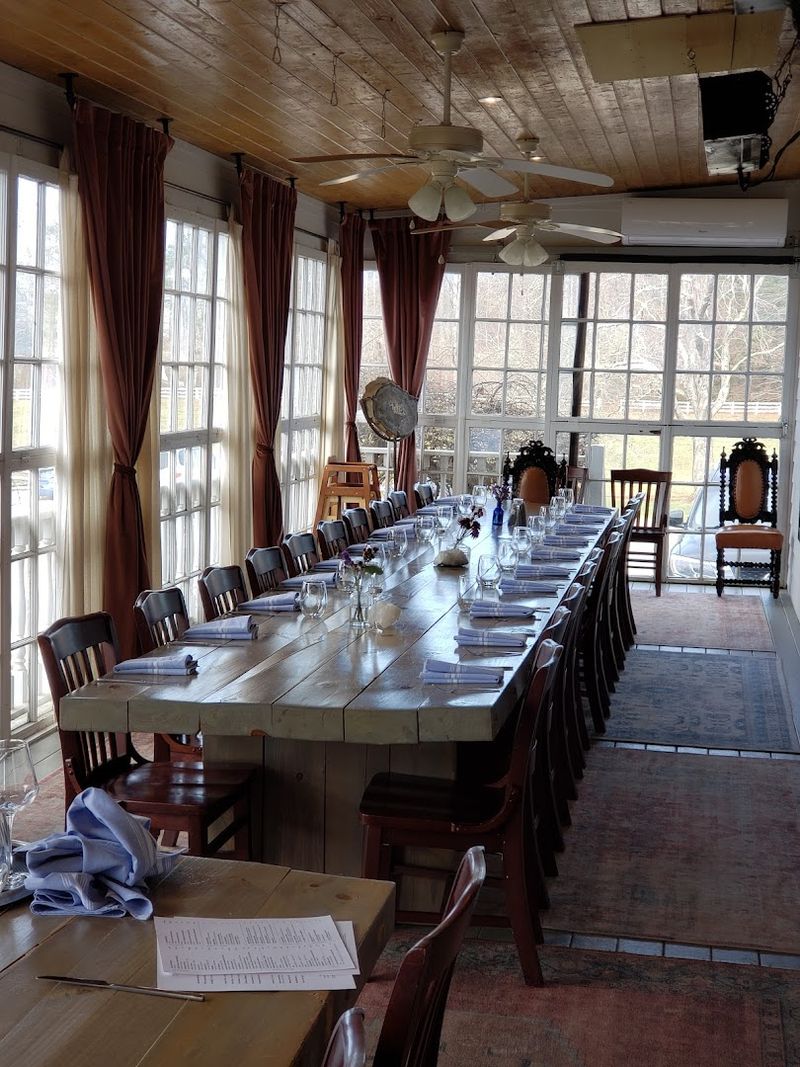
The silo structure itself creates a unique architectural interest that standard restaurant buildings can’t match. The circular form and industrial heritage provide character that new construction rarely achieves.
Original elements remain visible, reminding guests of the building’s agricultural origins.
Interior designers worked with these existing features rather than against them. The result feels authentic and grounded in place.
Materials like wood and metal reference farm equipment and buildings without becoming theme-park obvious.
The fireplace area draws guests before and after meals. Comfortable seating encourages lingering over coffee or conversation.
The space functions as a transition zone between arrival and dining or between eating and departure.
Lighting choices enhance the cozy feeling without making the space dark or cave-like. Natural light enters through thoughtfully placed windows.
Evening lighting creates warmth without glare or harsh shadows.
The communal table format might seem intimidating, but most guests find it welcoming. The long table encourages interaction while still allowing smaller groups to maintain their own conversations.
The setup creates opportunities for connection without forcing awkward exchanges.
Outdoor Seating Among Rolling Pastures And Horses
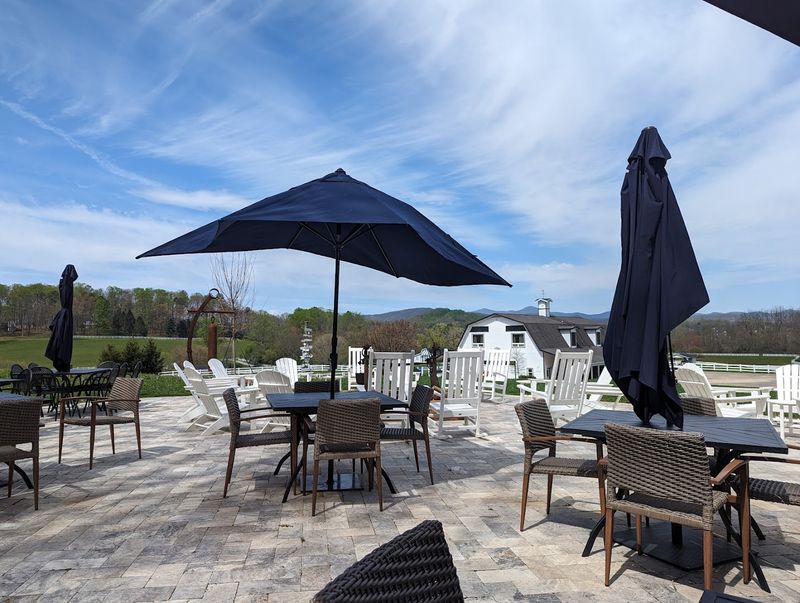
The covered patio extends the dining space into the landscape during favorable weather. Tables positioned here offer unobstructed views of pastures and mountains.
The covered structure provides protection from direct sun while maintaining an open-air feeling.
Horses grazing in nearby fields create a living scenery that changes throughout meals. Watching them move and interact adds peaceful entertainment to the dining experience.
Children particularly enjoy this aspect, though adults appreciate it equally.
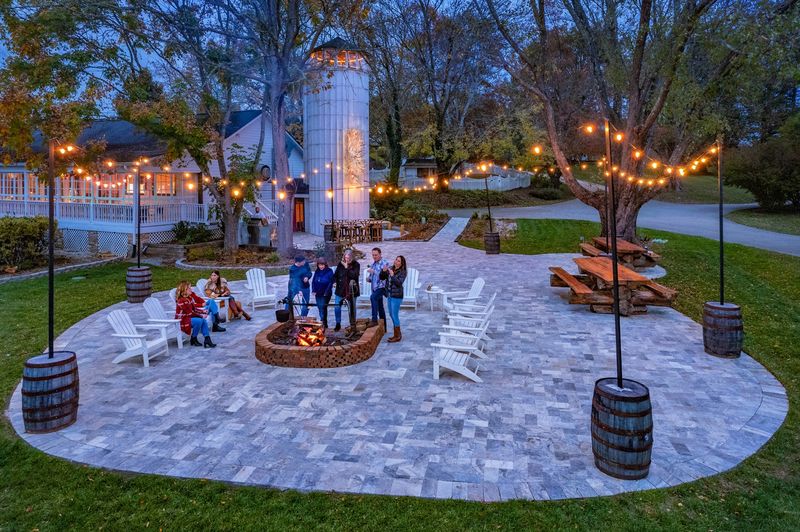
The firepit becomes a focal point during cooler evenings. Its warmth extends the outdoor season into spring and fall.
Guests gather around it before or after meals, creating informal social moments.
Live music occasionally enhances the outdoor atmosphere during special events. The natural acoustics and open space suit this kind of entertainment.
The music adds energy without overwhelming conversation.
Weather variability means outdoor seating availability changes day to day. Reservations might need to shift indoors if conditions deteriorate.
The flexible approach ensures comfort regardless of weather surprises.
The outdoor space demonstrates how the restaurant integrates with rather than dominates its natural setting.
Family-Friendly Dining In A Picturesque Setting
The restaurant welcomes families while maintaining its fine dining standards. Kids’ menu options provide appropriate portions and familiar preparations.
Young diners can enjoy quality food without parents worrying about sophisticated palates or adventurous eating.
The farm setting naturally appeals to children. Animals, open spaces, and outdoor elements engage young visitors before and after meals.
Parents appreciate having built-in entertainment that doesn’t involve screens or toys.
The communal seating arrangement works well for larger family groups. Multiple generations can sit together without needing to reserve multiple separate tables.
The format encourages interaction between family members of different ages.
Service staff accommodate families without making them feel burdensome. The overall atmosphere remains relaxed enough that normal kid behavior doesn’t create stress.
Parents can enjoy their meals without constant anxiety about disturbing other diners.
The farm environment provides teaching moments about food origins and agricultural practices. Children can see where ingredients grow and understand the connection between farming and eating.
These educational aspects enhance the dining experience beyond just consuming food.
Events And Private Dining On A Working Farm
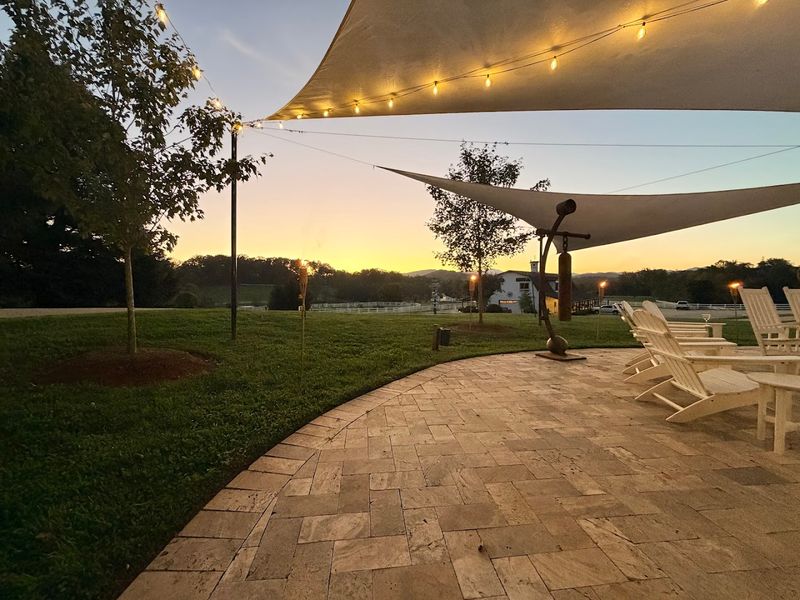
The property hosts weddings, elopements, and private celebrations beyond regular restaurant service. The natural beauty provides ready-made event backdrops requiring minimal additional decoration.
Couples can marry with mountain views and pastoral settings without traveling to remote locations.
Event packages typically include accommodations, dining, and sometimes spa services. This bundling simplifies planning by consolidating multiple vendors into one location.
Guests can stay on-site eliminating transportation logistics between ceremony, reception, and lodging.
The farm setting creates memorable experiences that standard event venues can’t replicate. Photos capture genuine natural beauty rather than generic ballroom backgrounds.
The working farm aspect adds authenticity and character to celebrations.
Planning Advice: Book well in advance for peak wedding season dates. Spring and fall create high demand for outdoor farm events.
Flexibility with dates can improve availability and sometimes pricing.
Common Mistakes to Avoid: Don’t underestimate travel time for guests unfamiliar with rural areas. Provide clear directions and consider arranging shuttle services from nearby hotels.
Also verify parking capacity for your expected guest count.
Supporting Local Farmers And Sustainable Practices
The restaurant’s purchasing decisions directly support regional agricultural businesses. Money spent on ingredients circulates within the local economy rather than leaving the area.
This multiplier effect strengthens the entire community beyond just the restaurant operation.
Sustainable farming practices benefit from restaurants willing to pay fair prices for quality ingredients. The Silo Cookhouse demonstrates that fine dining can align with environmental responsibility.
The model shows that profitability and sustainability aren’t mutually exclusive.
The farm itself practices methods that prioritize soil health and ecological balance. Guests dining here indirectly support these approaches through their meal purchases.
The connection between eating and environmental impact becomes tangible rather than abstract.
Reduced food miles mean lower transportation emissions for ingredients traveling short distances. Local sourcing naturally decreases the carbon footprint of meals served.
These environmental benefits happen as byproducts of the farm-to-table model rather than requiring additional effort.
The restaurant’s success proves consumer demand exists for responsibly sourced food. This demonstration encourages other establishments to consider similar approaches.
Final Verdict: Why The Silo Cookhouse Is A Must-Visit
The combination of exceptional setting, quality ingredients, and thoughtful preparation creates dining experiences that transcend typical restaurant visits. The farm location provides beauty and interest that standard establishments can’t match.
Meals here connect food, place, and community in meaningful ways.
The restaurant succeeds by staying true to its farm-to-table philosophy rather than treating it as marketing language. Guests can see and taste the difference that genuine local sourcing makes.
This authenticity builds trust and loyalty among visitors.
Quick Verdict: Worth visiting for the setting alone, with food quality that justifies the trip. Best for those who appreciate knowing where their food comes from and enjoy dining experiences that engage multiple senses.
The scenic location and farm atmosphere create memorable occasions beyond just eating.
Potential drawbacks include smaller portion sizes that some guests find insufficient and pricing that reflects fine dining standards. Service can occasionally lag during busy periods.
These factors won’t suit every diner or budget.
Pro Tip: Visit during weekday lunch for a more relaxed pace and potentially better service ratios. The views remain spectacular with fewer crowds competing for attention.