This Cozy California Farm Restaurant Serves The Best Fall Harvest Meals
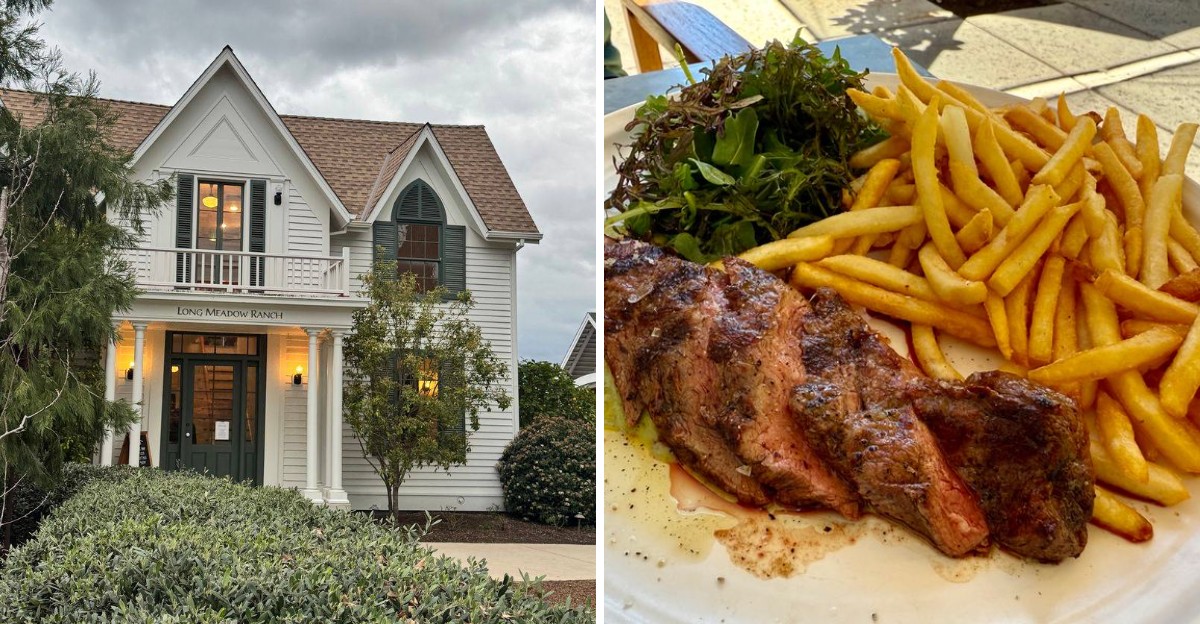
Fall does some of its best work on a dinner plate.
As the growing season shifts, familiar ingredients start showing up in richer, more comforting ways, and meals suddenly feel tied to the weather outside.
This California farm restaurant is especially suited to that moment.
Much of the appeal comes from eating close to where the ingredients begin.
Seasonal produce shapes what reaches the table, giving autumn dishes a freshness that feels difficult to separate from the surrounding agricultural landscape.
The setting adds to it.
There is an easy warmth here that suits slower lunches and unhurried dinners, especially once the season starts changing beyond the dining room.
A good fall meal should feel temporary in the best possible way.
Something worth enjoying now because a few weeks from now, the harvest will already be different.
Meet Farmstead At Long Meadow Ranch
Modern American farmhouse cooking sounds like a marketing phrase until a restaurant can actually point to the fields behind it.
Farmstead at Long Meadow Ranch does exactly that, serving ingredient-driven food tied to the Hall family’s farm, ranch and vineyards.
The restaurant opened in 2010 and has built a steady following since then.
Its reputation rests on simple ideas done carefully, with produce, olive oil, grass-fed beef, lamb and eggs from the property itself appearing throughout the menu.
Anything not grown or raised in-house comes from other sustainable farms and businesses, which keeps the sourcing consistent even when the ranch cannot supply everything.
Chefs work directly with the farm team to plan crops and quantities, so the kitchen has real input into what gets planted.
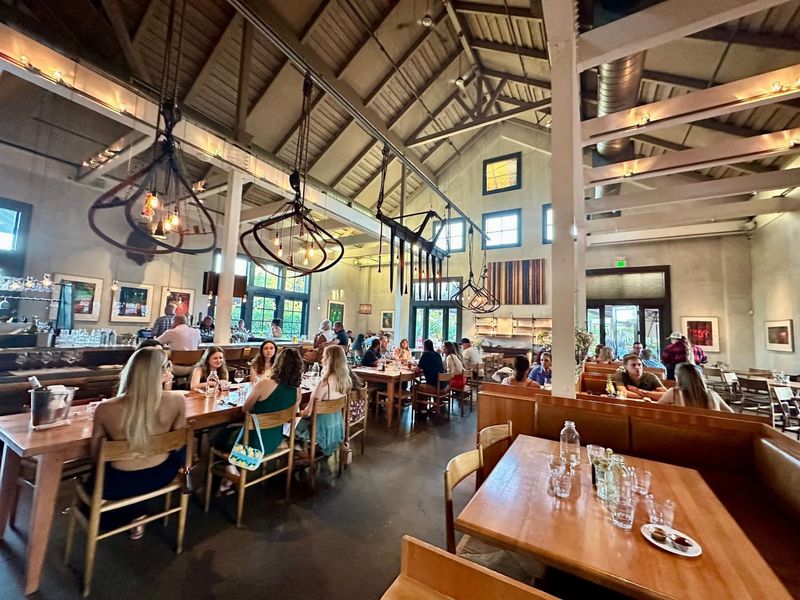
The mood inside leans lively rather than hushed. Conversation carries, servers move at a comfortable pace, and the space feels closer to a busy country kitchen than a formal dining room.
Ratings for the restaurant are strong, and it draws both visitors and locals throughout the year. Autumn visits feel especially fitting because the harvest theme stops being an idea and becomes the actual menu.
Reservations are a smart move, particularly on weekends and holidays when tables fill quickly and waits stretch longer than expected.
A Former Nursery Barn Became The Dining Room
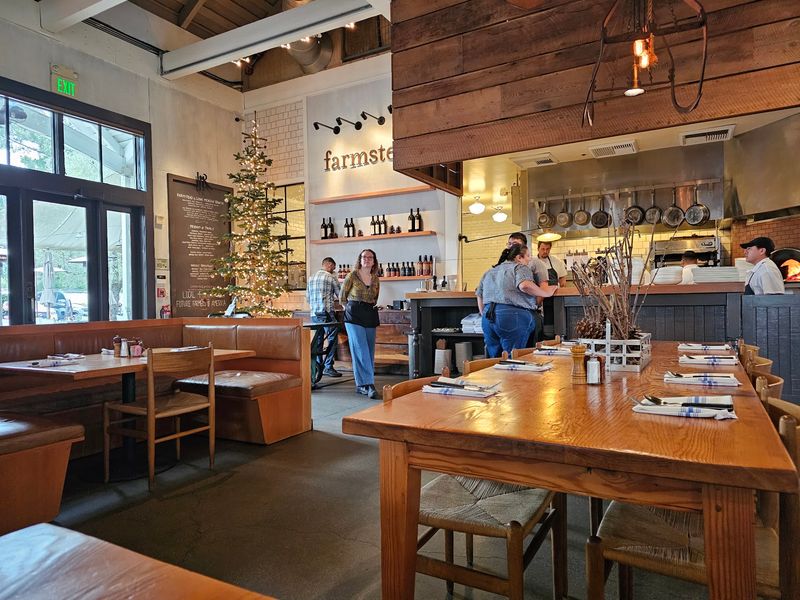
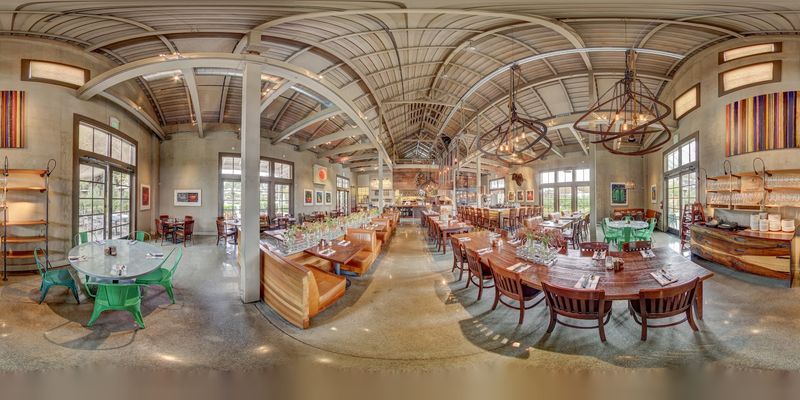
Old buildings carry a kind of honesty that new construction rarely matches. Dining here happens inside a structure that started life as a nursery barn, built around the 1970s with a plainly agricultural design.
The renovation kept the original post-and-beam framing intact, leaving the shape of the roof visible overhead.
Looking up, the trusses and rafters read clearly, which gives the room a sense of height without feeling cavernous.
Wood surfaces absorb some of the sound, though the space still hums when full. Anyone sensitive to noise may prefer an earlier seating or a table toward the edges of the room, where conversation stays easier to follow.
Lighting tends toward warm and low in the evening, brighter and more natural during daytime service. Morning and midday meals let the barn’s structure show off, while dinner leans cozier.
Seating includes both tables and bar spots, and the arrangement gives the room a casual rhythm rather than a stiff, formal one. Guests in jeans fit in as comfortably as those dressed up for a special occasion.
Keeping the barn instead of replacing it was a practical choice with a pleasant side effect. The building’s farming past stays part of the meal rather than being hidden behind fresh drywall and polish.
Squash And Garden Vegetables Fit The Season
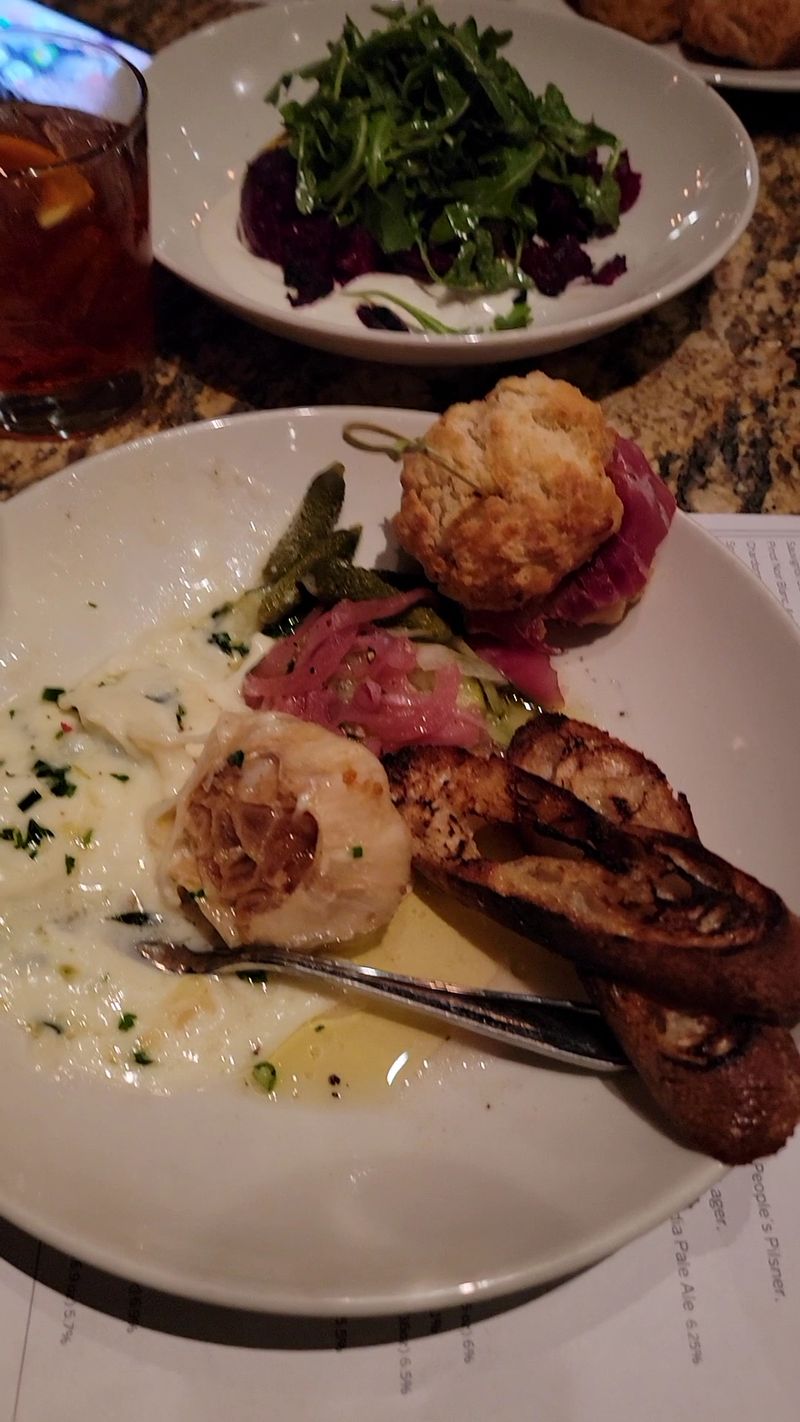
Vegetables get treated as more than an afterthought on this menu, which suits an autumn visit perfectly.
Roasted squash has appeared among the seasonal vegetable offerings, and caramelized beets have been listed with the starters.
Brussels sprouts have a following as a vegetable side, and crispy herb fried potatoes show up as another option. Simple preparations let the produce carry the plate instead of burying it under heavy sauces.
Ordering a few vegetable dishes for the middle of the table works well, especially with a group. Sharing gives everyone a taste of several different crops from the farm rather than committing to just one.
Specific items rotate, so what appeared last October may look different this year. Checking the current menu once seated avoids disappointment.
Beets deserve special mention because the roasted version has changed a few minds among people who thought they disliked them.
Roasting concentrates sweetness and softens the earthy edge that puts some diners off.
Portion sizes lean generous, and vegetable plates can fill more space than expected. Pacing the order helps, particularly if dessert is part of the plan.
Fresh, well-seasoned produce is the throughline, and autumn is when that idea makes the most sense.
Farmhouse Comfort Food Keeps Things Familiar
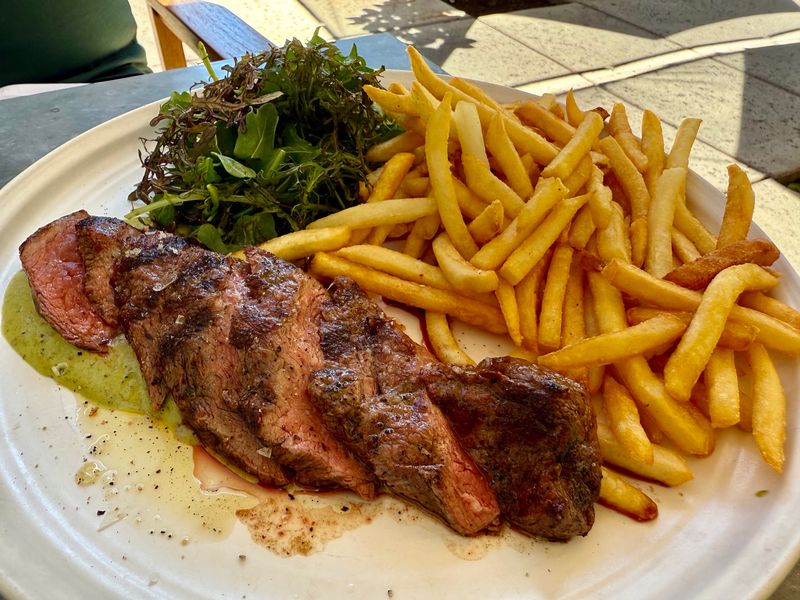
Not everyone wants a plate of vegetables, and the kitchen clearly understands that. Cheddar biscuits served with honey butter have become one of the most talked-about items on the menu.
Mac and cheese made with Vella cheddar sits comfortably in the same category. Both dishes hold their own next to the produce-driven plates and give picky eaters a safe landing spot.
Slow-cooked specialties include smoked meats such as Heritage St. Louis ribs, which take time and patience to prepare properly. Grass-fed beef from the ranch turns up in cheeseburgers, beef meatballs and chili.
Grilled Idaho trout offers a lighter main course for anyone who wants something other than beef or pork. Gnocchi has also appeared among the more comforting choices.
Families traveling with children will find enough familiar territory here, which is not always true of Napa Valley restaurants. The mix keeps mixed groups happy without anyone feeling stuck.
Ordering biscuits for the table early is a common move, though they are filling. Splitting an order between two people leaves room for a main course.
The balance between comfort dishes and garden-forward cooking is what makes repeat visits interesting. A table can lean either direction depending on mood and weather.
Leave Room For Something Seasonal And Sweet
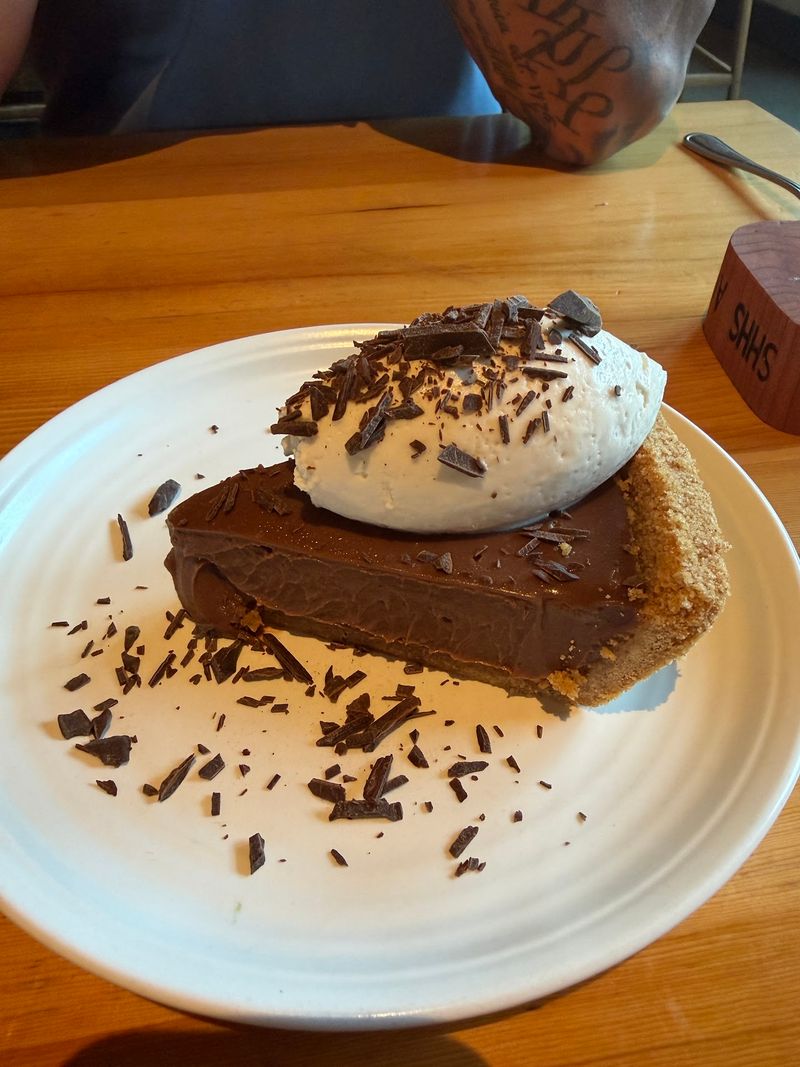
Skipping dessert here would be a small mistake, especially in fall. The dessert menu changes along with everything else, and the culinary team prepares seasonal handmade pies.
Seasonal fruit is featured as well, sometimes served alongside artisan cheeses for anyone who prefers a less sugary finish. Chocolate chunk cookies and chocolate cream pie have appeared among recent options.
Butterscotch pudding has been a favored sweet offering over the years. Seasonal bread pudding has also shown up depending on what the kitchen has on hand.
Because items rotate, asking what came out of the pastry kitchen that day gives better results than looking for a specific favorite. Availability shifts with the harvest just as it does for savory dishes.
Sharing one or two desserts across a table works nicely, particularly after a meal built around generous portions. Nobody needs to feel obligated to finish alone.
Fruit-forward desserts suit autumn especially well, since apples and other tree fruit come into their own around the same time as the squash and root vegetables.
Ending a farm-sourced meal with something made from the same fields ties the whole experience together neatly. It is a fitting close to an unhurried afternoon in California wine country.
Find It Along Main Street In St. Helena
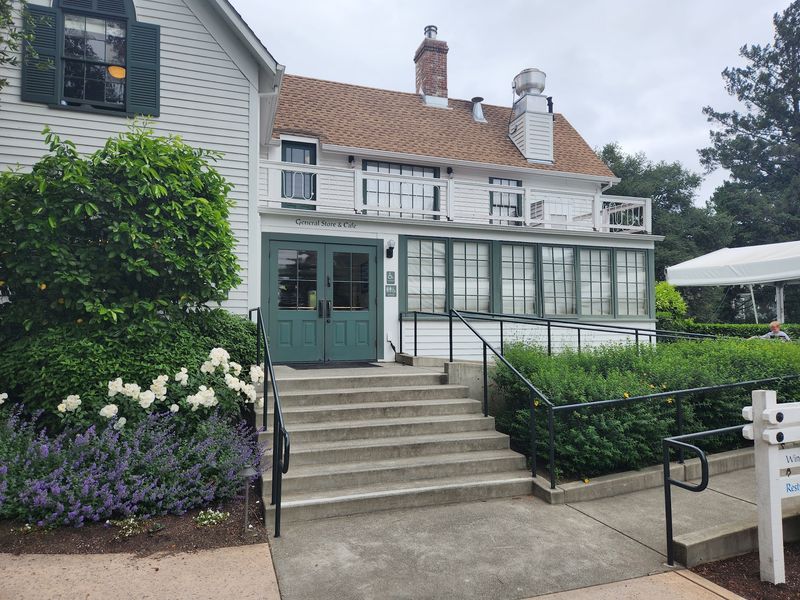
Getting there requires almost no navigation skill, which is a relief in an area full of hidden driveways and unmarked lanes.
The restaurant sits at 738 Main Street, St. Helena, California, directly off the road that doubles as Highway 29.
Its position in the southern part of town puts it within easy reach of downtown shops and tasting rooms.
Walking from the center of St. Helena takes only a few minutes along a flat, straightforward route near the railroad tracks.
Parking is available on site and generally plentiful, which removes one of the bigger headaches of visiting Napa Valley during busy stretches. Weekday visits usually feel calmer than weekend ones.
The property covers more ground than a typical roadside restaurant. Gardens, lawn areas and outdoor seating spread out around the barn, so arriving a little early leaves time for a short walk before being seated.
Hours run long, with service starting at 7 in the morning every day and continuing into the evening. Early risers can get breakfast well before most valley businesses open their doors.
Phone reservations work and booking ahead helps considerably in October when harvest season traffic peaks across the region.
The Farm Shapes What Reaches The Table
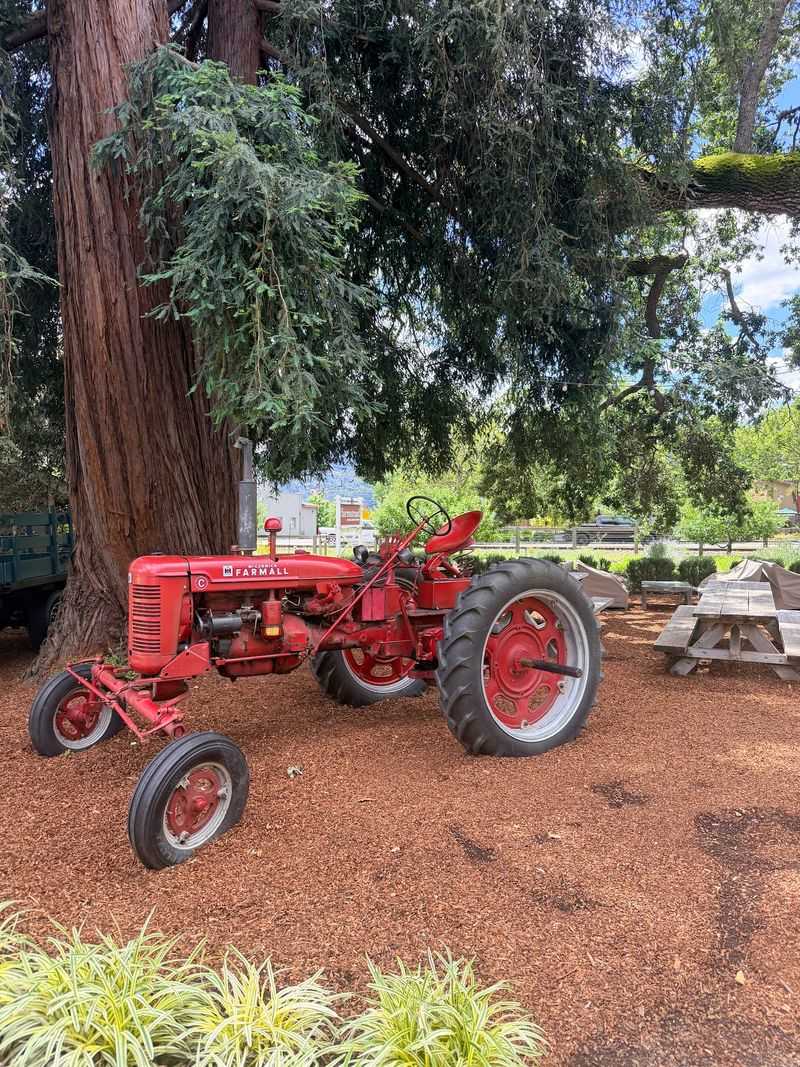
Behind the menu sits an actual agricultural business, not a decorative garden plot. Long Meadow Ranch produces estate-grown grapes, olives, olive oil, grass-fed beef, lamb, fruits, vegetables and eggs.
Two separate culinary farms supply the restaurant, and together they grow more than 500 varieties of fruits, vegetables, herbs and edible flowers. That range gives the kitchen unusual freedom to build dishes around whatever looks best on a given week.
Planning happens as a partnership. Chefs sit down with the farm team to decide which crops go in the ground and in what quantity, meaning the menu influences the fields as much as the fields influence the menu.
Produce, olive oil and other estate products travel a very short distance to the kitchen.
Vegetables picked nearby simply taste different from produce that has spent days in transit, and the difference shows up in texture as much as flavor.
Ingredients the ranch does not grow come from other sustainable farms and producers rather than generic suppliers. The standard stays consistent across the plate.
Guests can walk portions of the grounds and see part of the growing operation for themselves.
Connecting a bowl of vegetables to the rows outside makes the meal feel a little more grounded and a lot more memorable.
Fall Gives The Kitchen Plenty To Work With
Menus that change constantly can frustrate anyone hoping to reorder a favorite dish. Here the rotation is the whole point, since offerings shift with what the farm can actually deliver.
Autumn happens to be generous. Root vegetables, hearty greens and squash all hit their stride as temperatures cool, and the kitchen leans into that abundance rather than fighting it.
Some crops carry through much of the year. Kale gets harvested year-round on the culinary farms, carrots run roughly from September into July, and radishes appear from September through June.
That overlap means fall menus tend to be among the most varied of the year. Late summer produce lingers while cool-weather crops arrive, giving cooks two seasons to draw from at once.
Practical advice for ordering: ask what came in from the farm recently rather than searching for a dish remembered from a previous visit. Servers know the daily changes and can steer the table toward whatever is peaking.
Because availability drives the plate, specific items cannot be promised in advance. Flexibility pays off, and arriving without a fixed plan usually leads to a better meal.
Anyone curious about seasonal cooking will find the approach easy to appreciate here.
Autumn Brings Extra Farmstead Traditions
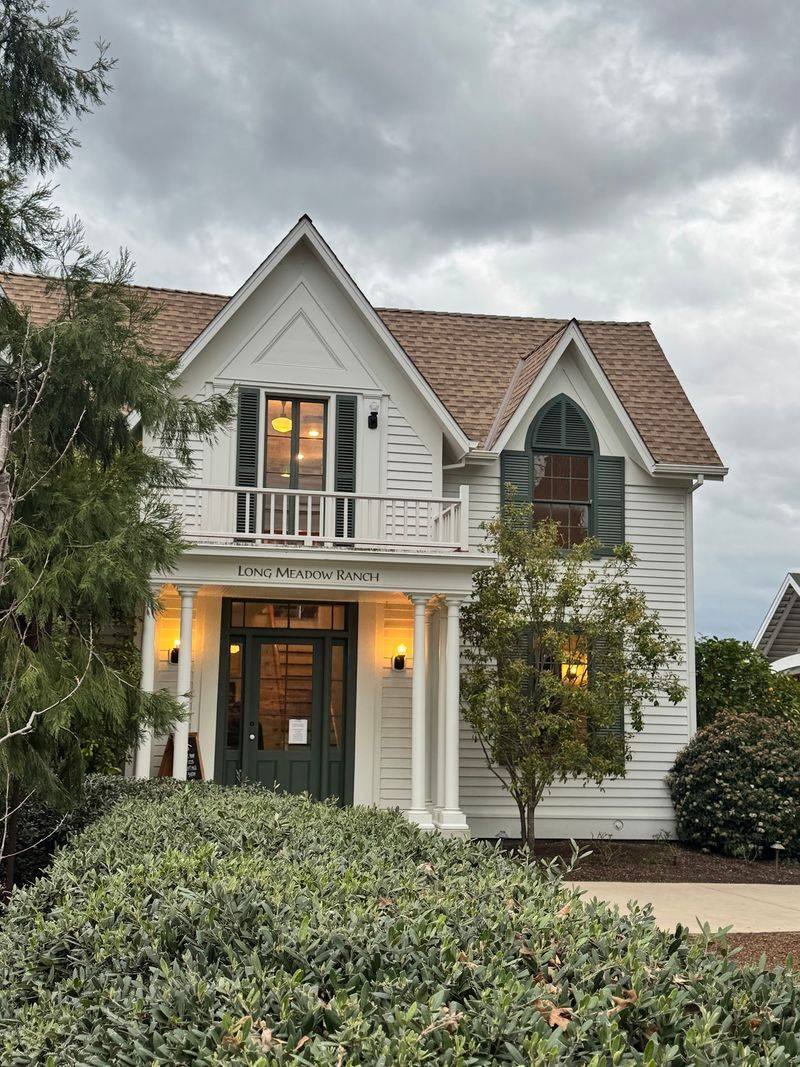
October does something extra to this property beyond changing the menu. Long Meadow Ranch organizes annual pumpkin carving events, typically held on the lawn at Farmstead.
Those gatherings usually include brunch and have featured live music and face painting. Guests can wander through the apple meadow to pick out a pumpkin before settling in to carve it.
Events like these turn a meal into an afternoon. Families with kids get more than a restaurant visit, and the lawn setting keeps things loose and unhurried.
Details vary from year to year, so checking the official calendar before making plans is the safest approach. Tickets and dates change, and popular fall events can fill up.
Seasonal programming reinforces something the restaurant already communicates through its food. The property is a working agricultural operation first, and autumn is when farm life becomes most visible.
Even outside event days, the grounds reward a slow walk in fall. Cooler air, changing light and harvest activity make the whole setting feel different from a summer visit.
Anyone traveling through Napa Valley in October has good reason to build a little extra time into the schedule here rather than treating the stop as just lunch.