This Crumbling Oregon Ghost Town Refuses To Be Erased
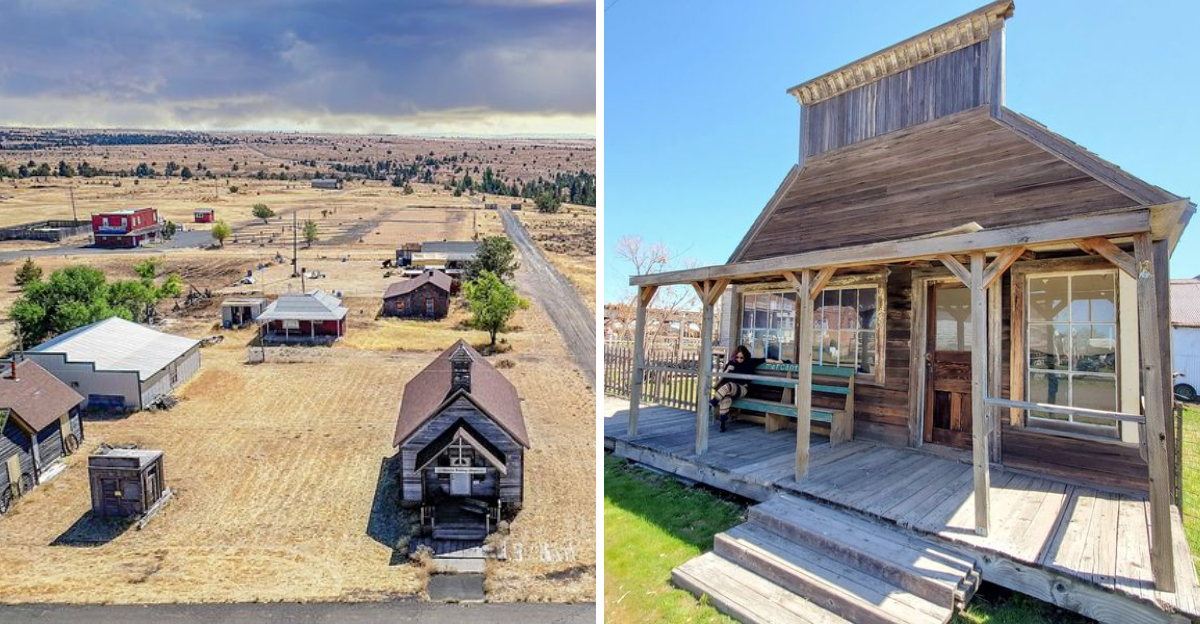
There is a specific feeling that comes from stumbling into a town that time forgot and realizing, somewhere between the second block and the third cup of coffee, that time might have actually done it a favor.
This high desert town in Oregon is that feeling bottled up and left sitting on a dusty shelf for you to find. Nothing about it announces itself.
The drive in is long, the landscape is the kind of empty that either terrifies you or fills something up inside you, and the town itself looks like a movie set that forgot to wrap production sometime in 1962.
The food is real, the people are genuinely interesting, and the light at golden hour does something to the adobe walls that no filter has ever convincingly replicated.
I went looking for a detour and came home with a new favorite place on earth.
The Ghost Town That Refused To Disappear
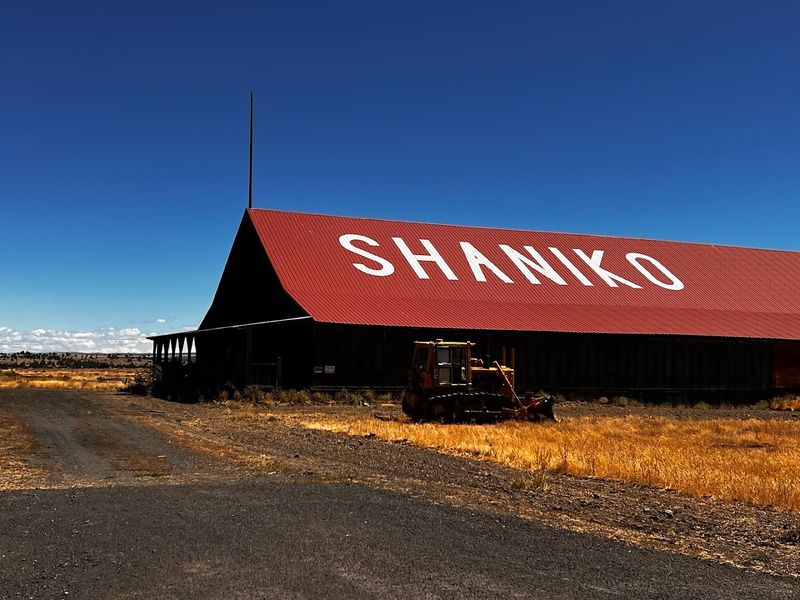
Shaniko sits at about 3,400 feet elevation on the high desert plateau of north-central Oregon, and it does not care whether you notice it or not.
Once the self-proclaimed wool capital of the United States, this small town peaked around 1900 and has been slowly exhaling ever since. At its height, it shipped more wool than almost any other place in the country.
The railroad arrived in 1900, and with it came merchants, hotels, saloons, and a population of several hundred people. Then the railroad extended south, trade routes shifted, and Shaniko simply got left behind.
Most towns in that situation vanish completely. Shaniko did not.
Today, maybe a dozen people call it home year-round. But the buildings are still standing, the water tower still looms over the main street, and visitors keep showing up with cameras and curiosity.
There is something almost defiant about this place. It refuses to be tidy, refuses to be restored into something fake, and refuses to disappear.
That combination is exactly what makes it worth the detour off Highway 97.
The Famous Water Tower Still Standing Tall
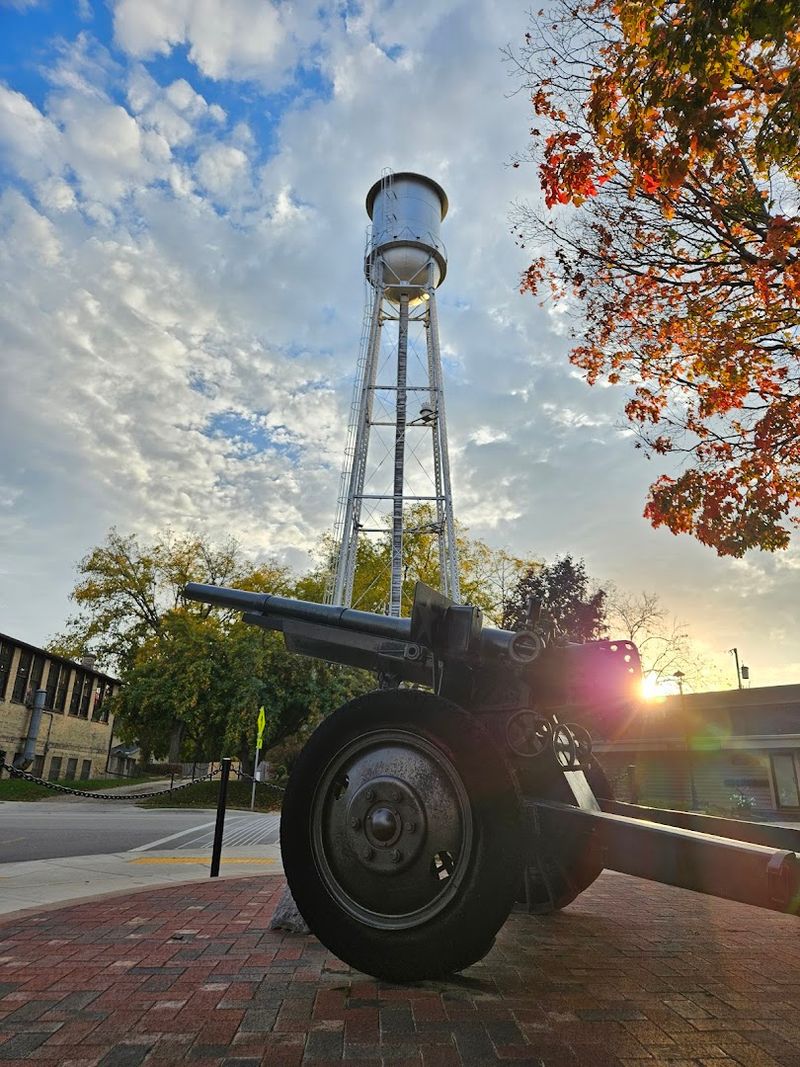
You see the water tower before you see anything else. It rises above the flat landscape like a period at the end of a long sentence, tall and weathered and somehow still upright.
Built in the early 1900s to supply the town and the railroad, it became one of the most photographed structures in all of eastern Oregon.
The tower is made of wood, which makes its survival even more surprising. Wood does not love the Oregon high desert.
The summers are hot and dry, the winters are bitter, and the wind is relentless.
Yet there it stands, planks darkened with age, banding still holding the staves together like an old barrel that forgot to fall apart.
I walked around the base of it twice, trying to figure out how it was still functional-looking after more than a century.
The answer seems to be a combination of occasional maintenance by people who care deeply about the town and the sheer luck of good original craftsmanship. It is not just a landmark.
It is a statement that some things built with real intention outlast everything around them. Bring a wide-angle lens if you have one.
A Hotel That Time Forgot To Close
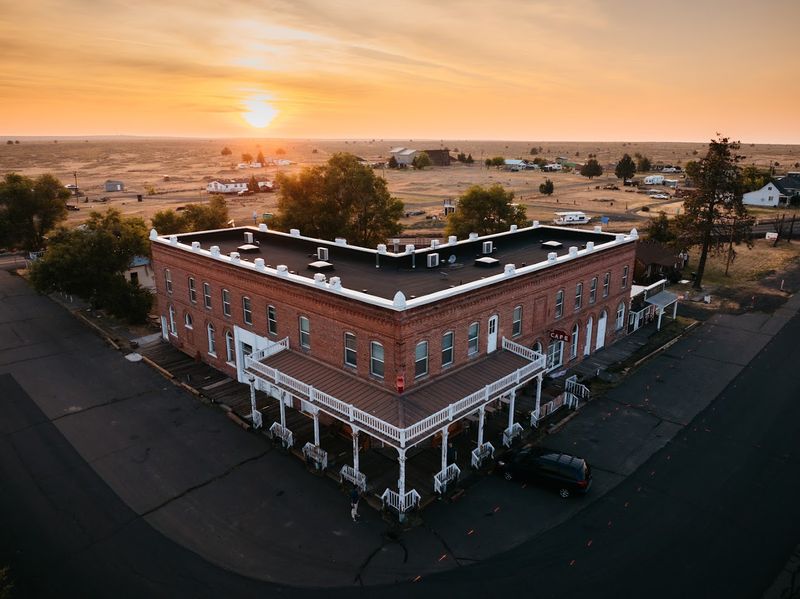
The Shaniko Hotel opened in 1902 and has been operating, in some form or another, ever since. That alone should stop you mid-scroll.
Most buildings from that era are museums or rubble. This one still has guests.
The exterior is brick, which is part of why it survived when the wooden storefronts around it struggled.
The rooms are not luxurious by modern standards, and that is completely the point.
Staying here feels like borrowing time from another era. The hallways creak.
The furniture is old in the best way. The whole experience has a texture to it that no amount of renovation could manufacture.
You are sleeping inside a piece of Oregon history, and that matters.
The hotel sits right on the main drag, which means you can walk out in the morning and have the entire ghost town essentially to yourself before the day-trippers arrive.
Early morning light on those wooden storefronts is something else entirely. If you are road-tripping through central Oregon and need a place to stay that will actually give you a story worth telling, this is it.
The address is 4th and E Street, Shaniko, OR 97057.
Wool Capital Roots That Still Echo Everywhere
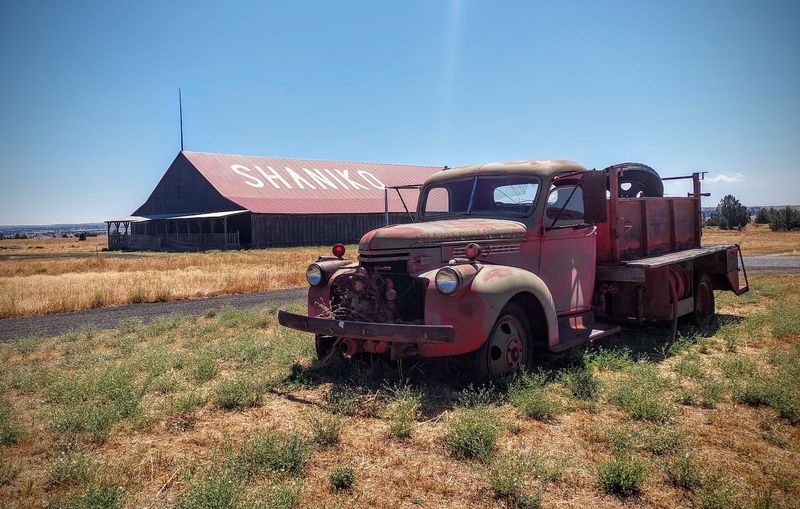
At the turn of the 20th century, Shaniko was processing and shipping enormous quantities of wool from the surrounding sheep ranches of Wasco and Sherman counties.
Ranchers drove their flocks from miles away to reach the railhead here. The town became a commercial hub because of those animals, and the scale of the operation was genuinely impressive for such a remote location.
The old warehouse buildings still stand near the railroad area, and if you look closely at the faded lettering on some of them, you can still make out references to wool grading and shipping.
The economy of this entire region once flowed through this tiny town. That is hard to picture now, standing on a quiet street with tumbleweeds rolling past, but the evidence is right there in the architecture.
Sheep ranching still happens in the surrounding area today, which gives Shaniko a quiet continuity with its past that most ghost towns completely lack. The identity did not evaporate.
It just slowed down to a pace the landscape seems more comfortable with. Learning even a little bit about the wool trade history here completely changes how you look at every building.
Suddenly the scale of the ambition is visible.
The Schoolhouse That Outlasted The Students
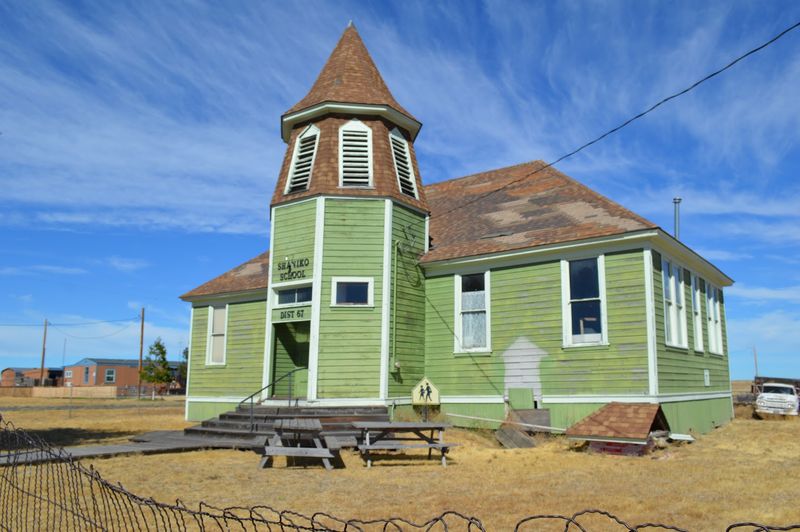
There is a schoolhouse in Shaniko that has been standing since 1902, and it is one of the most visually striking structures in the entire town.
Small, green, and built with the kind of sturdy simplicity that frontier communities relied on, it looks like it belongs in a painting. At one point it served the children of a booming wool town.
Now it serves mostly as a reminder of what Shaniko once was.
The schoolhouse was used for various community purposes over the decades as the population declined. When the students stopped coming in large numbers, the building found other roles.
That adaptability is part of what kept it standing. Structures that stay useful tend to survive longer than structures that do not.
Walking around it, I kept thinking about the kids who sat in those rooms doing arithmetic while the wool trade hummed outside the windows. The building has a quiet dignity to it that newer structures rarely achieve.
It has earned its wrinkles. Photographers tend to spend a lot of time here because the light in the afternoon hits the green paint at an angle that makes the whole thing glow.
It is genuinely one of the more photogenic schoolhouses anywhere in the Pacific Northwest.
High Desert Light That Photographers Dream About
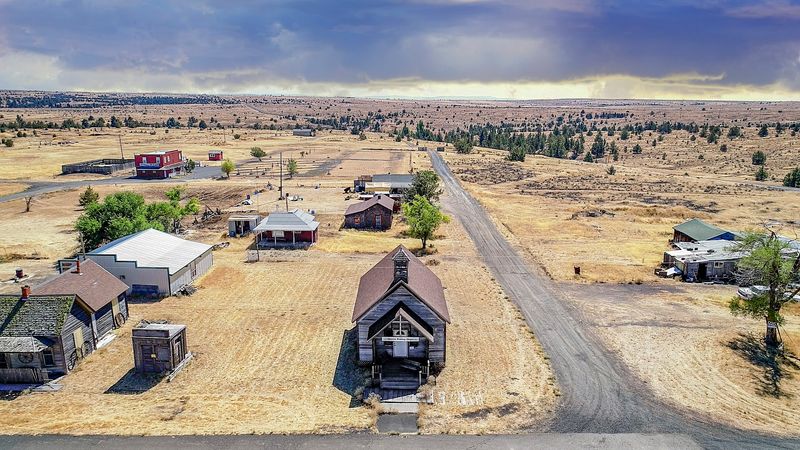
If you are a photographer, or even just someone who likes taking decent photos on a phone, Shaniko is going to wreck you in the best way. The high desert light here is relentless and gorgeous.
Because the elevation is high and the air is dry, the colors are sharper and the shadows are longer than what you get at lower elevations. Golden hour lasts what feels like forever.
I arrived just before sunset on my first visit and spent two hours shooting the same stretch of buildings as the light shifted from yellow to orange to something almost pink. Every few minutes the scene completely transformed.
The peeling paint, the sagging porches, the tilted signage, all of it becomes art when the light gets low enough.
Morning light works just as well, especially in the earlier months when there is still frost on the ground and the air has that clean, cold bite to it. The emptiness of the town actually works in your favor photographically.
No crowds, no parked cars blocking your frame, no noise. Just old buildings and extraordinary sky.
If you are planning a photography trip through Oregon, build Shaniko into the itinerary. You will not regret a single frame.
The Jailhouse That Held Real Stories
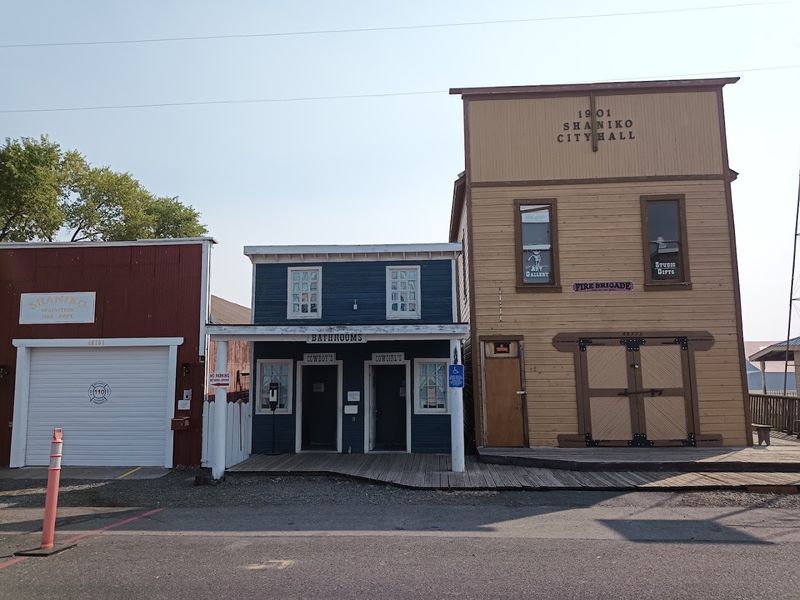
Every town that was ever serious about commerce needed somewhere to put people who got too enthusiastic about being alive in a boomtown.
Shaniko had its jailhouse, and it is still standing today, compact and serious and built to last. It is one of the smaller structures in town, but it carries more narrative weight per square foot than almost anything else here.
The construction is notably sturdy compared to some of the other buildings in the area. Whoever built it was not cutting corners.
Stone and heavy timber were used in a way that said, clearly, this thing is meant to hold.
The iron hardware is still visible, and the door still looks like it means business even after all these years.
Standing next to it, you get a very clear sense of what life in early Shaniko actually involved. This was not a quaint little village.
It was a working commercial hub with real money moving through it, real disputes, and real consequences. The jailhouse grounds that romanticized pioneer mythology in a useful way.
History is more interesting when it has edges. This building has edges.
It is small enough to miss if you are moving quickly, so slow down and find it.
Why It Keeps Pulling People Back
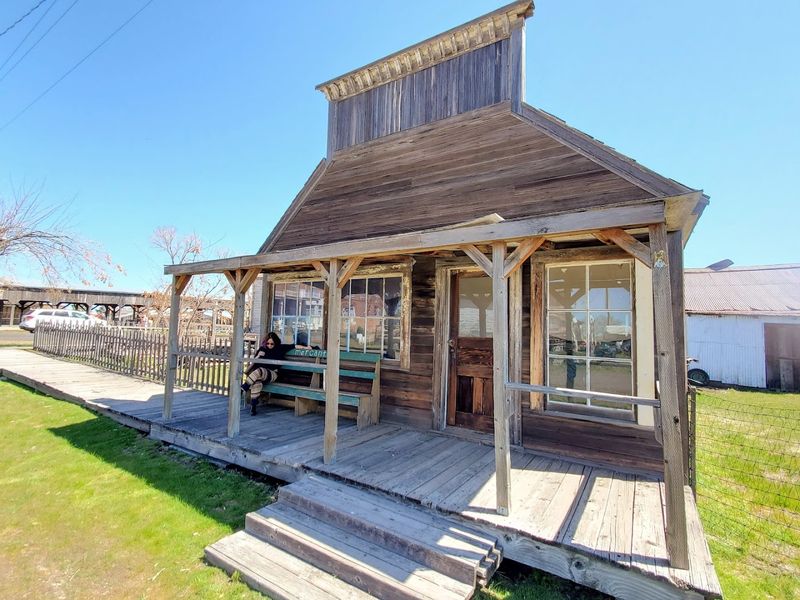
Ghost towns usually offer one thing: nostalgia. Shaniko offers something stranger and more interesting.
It offers continuity. People still live here.
The post office still operates. The hotel still takes guests.
The landscape has not been fenced off or turned into a theme park. It is just a very small, very old town that refuses to finish its own story.
That tension between decay and survival is what keeps drawing people back.
There is always something new to notice, a different angle on a familiar building, a new crack in an old wall, a wildflower growing through a sidewalk that was poured before your grandparents were born.
Shaniko rewards slow, attentive visits more than rushed ones.
I have been back twice since my first visit, and each time I find something I missed before.
The town sits about 70 miles south of The Dalles on Highway 97, making it an easy add-on to any central Oregon road trip. It is not going to give you a meal at a fancy restaurant or a spa day.
What it gives you is something rarer: the feeling that you found a place most people drove right past. That feeling sticks with you long after the dust has settled off your shoes.