This Delaware Museum Tells The Story Of The Coast’s Bravest Rescuers
Delaware has a maritime story that deserves much more attention than a typical beach day gets.
Long before modern rescue crews arrived, brave surfmen launched small wooden boats into dangerous waters to save people caught in shipwrecks.
One restored 1876 station preserves that remarkable chapter, turning an ordinary museum visit into something much more gripping.
You can see the equipment, stories, and working-life details that reveal just how demanding those rescues were.
Go when you want something different from another afternoon by the water.
The experience adds real drama to the coastline and leaves you seeing its history in a completely different way.
Birth Of A Coastal Sentinel
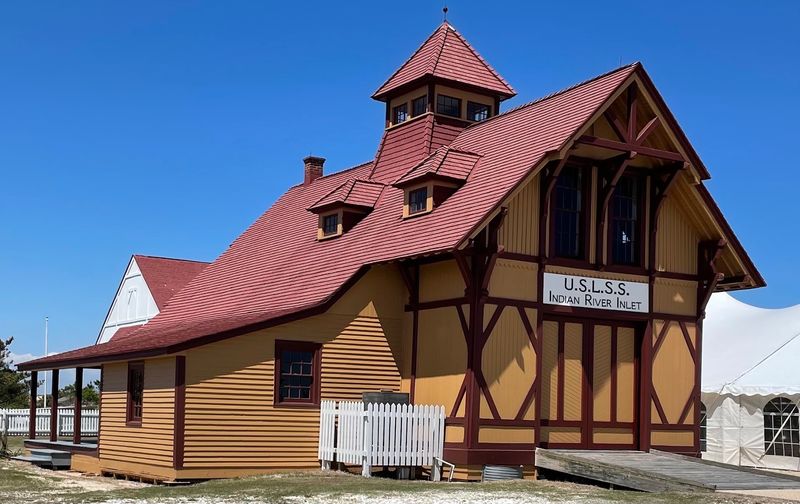
The Indian River Life-Saving Station first took its stand in 1876, marking a pivotal moment in our coastal history.
This original structure was established for the United States Life-Saving Service. It was a governmental body specifically formed to address the alarming number of shipwrecks along American coastlines.
Essentially, this service laid the essential groundwork for what we now know as the modern U.S. Coast Guard.
Intriguingly, the station was initially built a full 400 feet closer to the ever-shifting ocean’s edge.
However, nature had other plans for this fledgling outpost, and a substantial sand dune began to develop around the building almost immediately after its construction.
This geological shift necessitated the station’s relocation to its current, more stable site in 1877.
Such stations were established in direct response to widespread public demand following devastating shipwrecks during the mid to late 19th century.
This station formed a vital link in a crucial network of similar facilities stretching along the entire East Coast.
Specifically, the Indian River Life-Saving Station safeguarded mariners along the Delaware coastline, with its protective reach extending from Bethany Beach in the south all the way up to Cape Henlopen.
You can find this testament to maritime history at 25039 Coastal Hwy in Rehoboth Beach.
Architecture From An Era Past
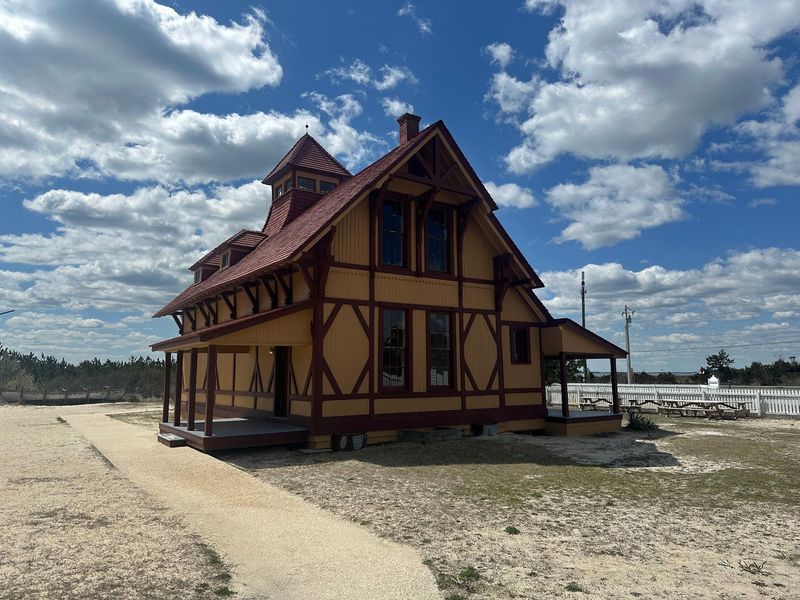
The structure has been meticulously restored to precisely mirror its 1905 appearance, meaning you experience the building just as it would have looked over a century ago.
It proudly showcases a distinctive Queen Anne architectural style, a widely admired aesthetic from that period.
Observe the charming decorative brackets that adorn its exterior and the intricate diamond-shaped trim that frames every angle.
These small but significant details truly transport visitors back to the turn of the 20th century. The building’s historical value is well-recognized, as it is prominently listed on the National Register of Historic Places, added on September 29, 1976.
Weather played a challenging role in the station’s long life. One particularly intense storm once left the building partially buried in sand, leading to its temporary abandonment.
Thankfully, the Delaware Seashore Preservation Foundation spearheaded extensive restoration efforts in the 1990s, ensuring the station’s survival and its faithful historical representation.
Following this careful restoration, the station was entrusted to Delaware Seashore State Park in 2004.
A Day In The Life Of A Surfman
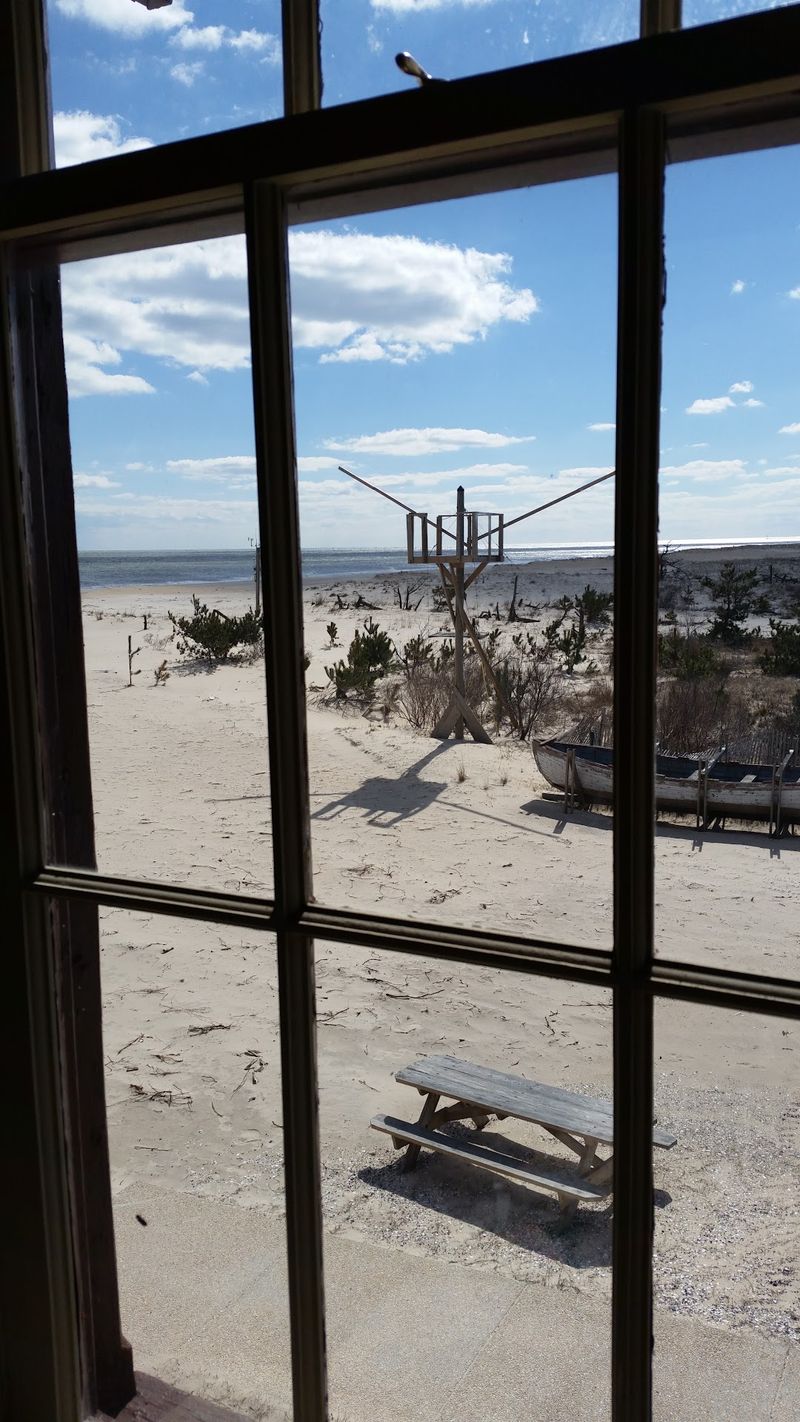
Imagine the demanding existence for the surfmen stationed here day after relentless day.
Their daily lives were a blend of rigorous duty and a certain degree of isolation that most modern workers could barely picture.
These full-time crew members devoted their daylight hours to intense training, constantly honing the crucial skills necessary for maritime rescues.
As evening descended, their responsibilities shifted dramatically. They commenced nightly beach patrols, maintaining a vigilant watch for any signs of distress or impending shipwrecks along the shore.
The station served not only as their demanding workplace but also as their communal home, meaning the men had very limited opportunities to venture away from the facility.
Their living quarters were practical and shared, with surfmen typically sleeping together in a large, dorm-like room.
A strategically placed window in their sleeping area offered a constant, unobstructed view of the sea, allowing them to remain perpetually alert.
For infrequent moments of downtime, a dedicated recreation room provided space for reading, music, or simple conversation.
Tools And Triumphs Of Rescue
Here is a staggering number to consider: the crew responded to over 60 shipwrecks and successfully brought 419 people to safety from the perilous waves.
The Indian River Life-Saving Station was outfitted with a diverse array of specialized equipment, each tool critical to their life-saving mission.
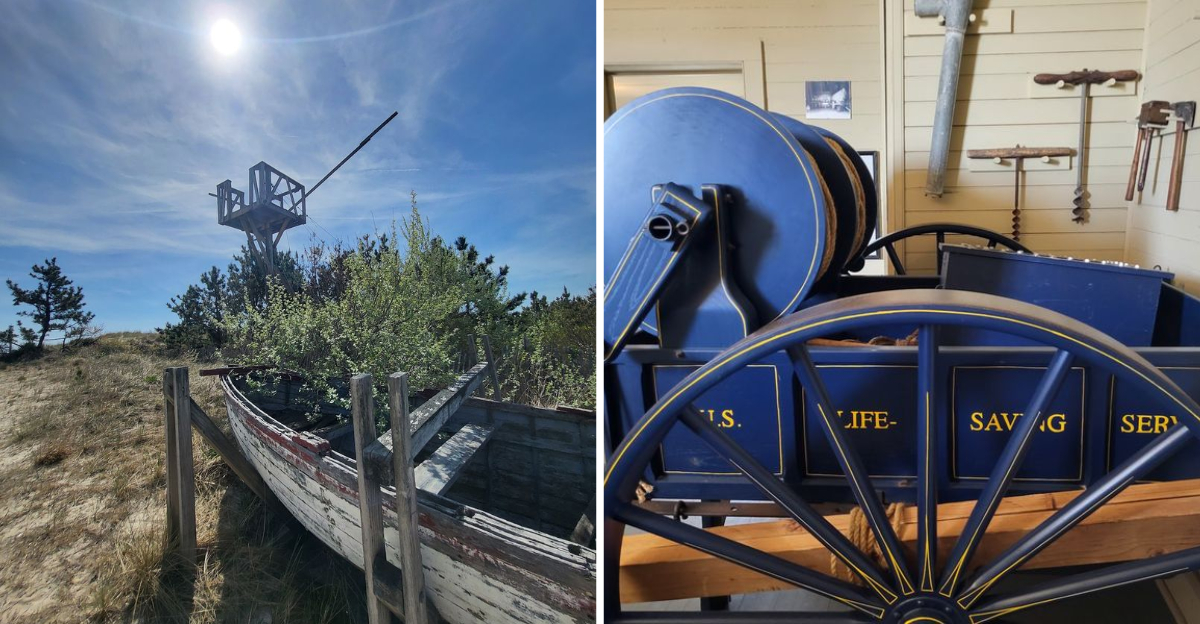
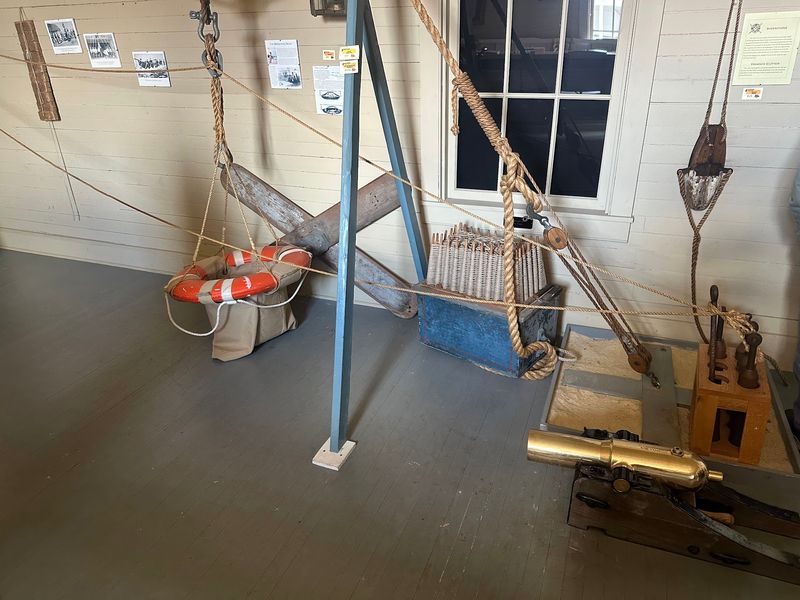
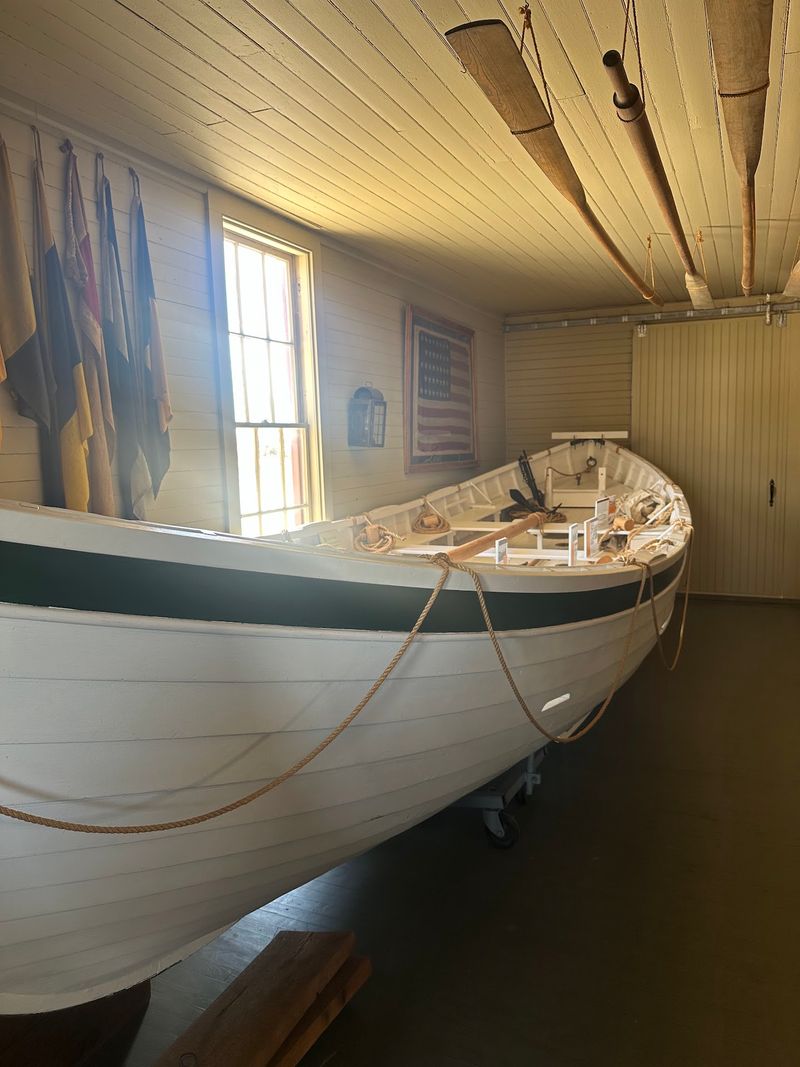
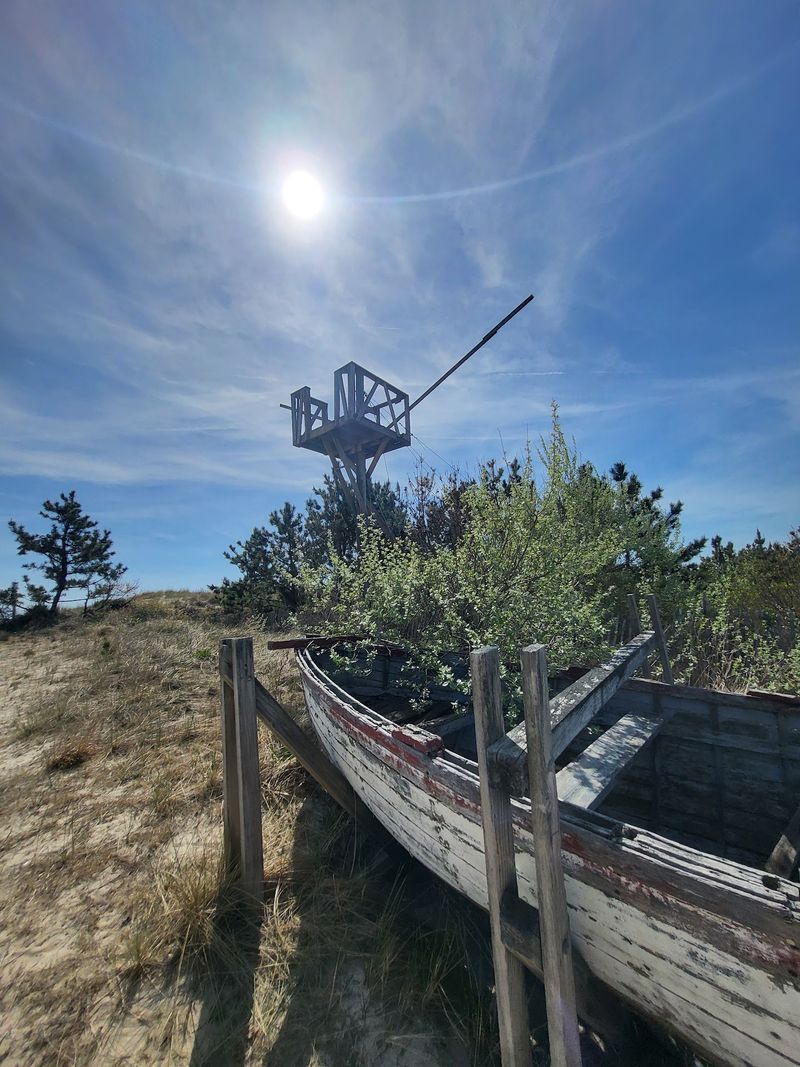
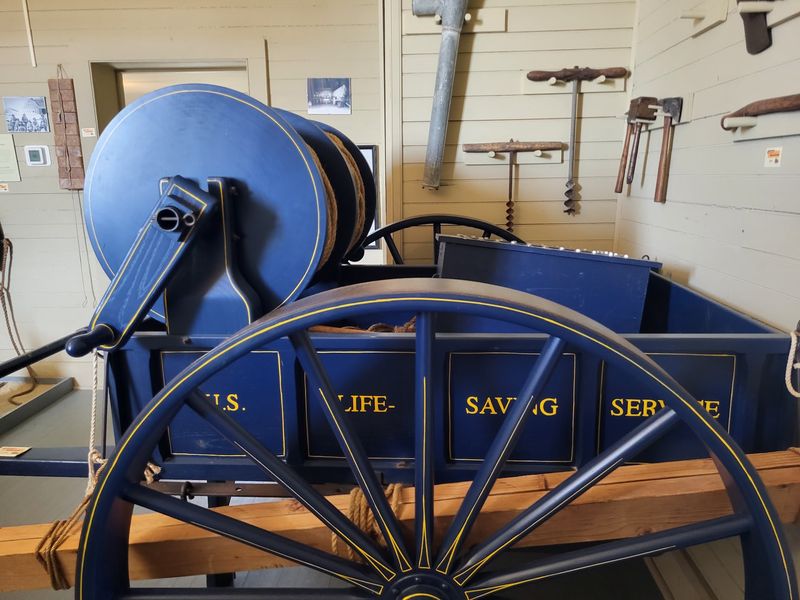
Within the main room, essential rescue gear was meticulously stored, including robust surfboats, strong ropes, efficient pulley systems, and vital buckets.
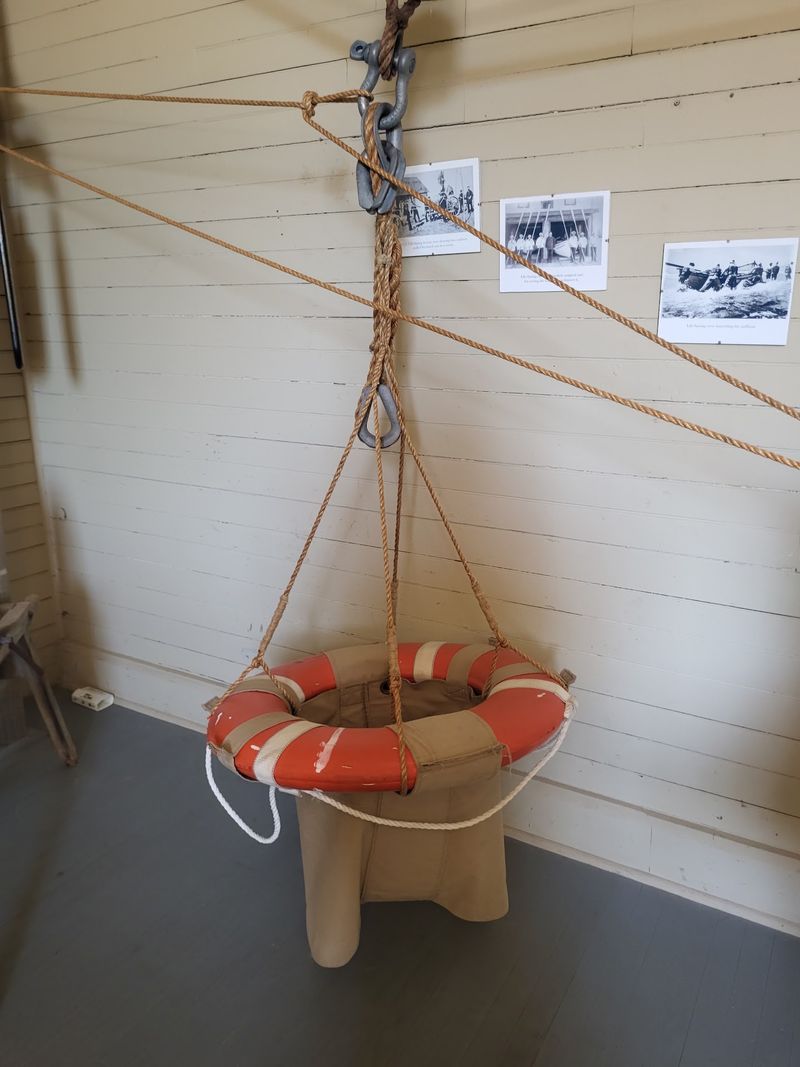
One particularly ingenious piece of equipment was the “breeches buoy,” a life ring ingeniously fitted with sturdy canvas trousers.
This device allowed for the transfer of individuals to safety, especially when launching a traditional surfboat was simply too hazardous. It proved invaluable if a distressed vessel was within a few hundred yards of the beach.
To deploy the breeches buoy, the surfmen employed a small yet powerful cannon known as the Lyle gun.
The gun would accurately fire a thin line out to the shipwrecked vessel, allowing the crew to establish a system of stronger ropes that functioned effectively like a continuous clothesline.
Engaging Historical Journeys Inside
Curiosity is your best companion the moment you cross the threshold here.
The museum stands as a proud tribute, honoring the courageous sailors and their enduring legacy of pulling people from the sea.
A standout feature of the experience is the innovative self-guided audio tour, conveniently accessible right from your personal phone.
As you explore the station’s interior and even its historic exterior, you simply dial specific numbers corresponding to various rooms and displayed objects.
This intuitive system then provides detailed descriptions and captivating narratives, offering a truly flexible and personalized learning experience for every visitor. You control the pace entirely, lingering wherever something sparks your interest.
Inside, the museum’s carefully curated exhibits meticulously recreate the authentic environment in which the surfmen lived and worked.
You are invited to explore the historic kitchen area, where all daily meals for the entire crew were painstakingly prepared.
The recreation room and the communal sleeping quarters are also on display, offering an intimate glimpse into their shared daily arrangements.
The main room proudly houses original rescue equipment, showcasing the very tools of their essential trade.
Where Ocean Meets History
Few museums can claim a setting this breathtaking.
Conveniently situated directly on Route 1, the Indian River Life-Saving Station Museum lies nestled between the popular beach towns of Rehoboth Beach and Bethany Beach, making it an easily accessible stop for many travelers.
This prime spot places the station squarely within the natural splendor of Delaware Seashore State Park. The museum’s immediate surroundings are strikingly defined by the confluence of the serene Rehoboth Bay and the vast, powerful Atlantic Ocean.
This dynamic geographical feature creates a constantly changing and endlessly beautiful landscape that complements the historical narrative inside perfectly.
Visitors are thus not only immersed in rich human history but also granted ample opportunities to appreciate the stunning natural beauty that characterizes this stretch of Delaware.
The close proximity to pristine white sands and the invigorating breezes drifting in from the Indian River Inlet contribute to a tranquil and deeply reflective atmosphere.
A fascinating piece of its location’s history involves the station’s original construction and the decision to relocate it in 1877.
Learning By The Waves
Beyond its role as a historical exhibition, this place actively functions as a vibrant educational hub that keeps the past alive for new generations.
The museum consistently hosts a diverse array of engaging programs thoughtfully designed for children of all ages, all carefully structured to align with current state educational standards.
These offerings frequently explore both fascinating maritime history and the unique ecology of the coastal environment.
Examples of enriching programs include “Beach Survivors” for younger students and “Seining the Bay,” which offers hands-on exploration of aquatic life. The “March Walk” caters to nature enthusiasts eager to discover local flora and fauna.
For those seeking more in-depth knowledge, options like “Squid Dissection,” “Coastal Predators,” and STEM-focused activities such as “Build and Fly a Kite” and “Shipwrecks and Buried Treasure” round out an impressive lineup.
The museum also presents a “Life of a Surfman” program, providing a direct and immersive insight into the challenging daily routines of the station’s dedicated crew. Visitors can participate in creative craft classes and join specialized tours of the historic facility.
An Enduring Maritime Heritage
The story did not end when the last surfman hung up his oar. The legacy of the United States Life-Saving
Service ultimately grew into a foundational pillar of national maritime safety, and in 1915, it officially merged with the Revenue Cutter Service to form the modern United States Coast Guard.
Even after this merger, the Indian River station continued its vital operations as a Coast Guard facility for several more decades.
However, the devastating Ash Wednesday Storm of 1962 dealt a significant blow to the station, leaving the building partially buried in sand and ultimately leading to its abandonment as an active Coast Guard post.
Despite its operational end, the immense historical importance of the building was formally recognized when it was proudly added to the National Register on September 29, 1976.
This recognition helped set the stage for the restoration efforts that followed.
Today, the Indian River Life-Saving Station Museum plays a crucial role in preserving a truly unique segment of history that might otherwise have faded from public memory entirely.