This Delaware Wildlife Sanctuary Lets You Step Inside The Enclosure For A Face-To-Face Animal Encounter
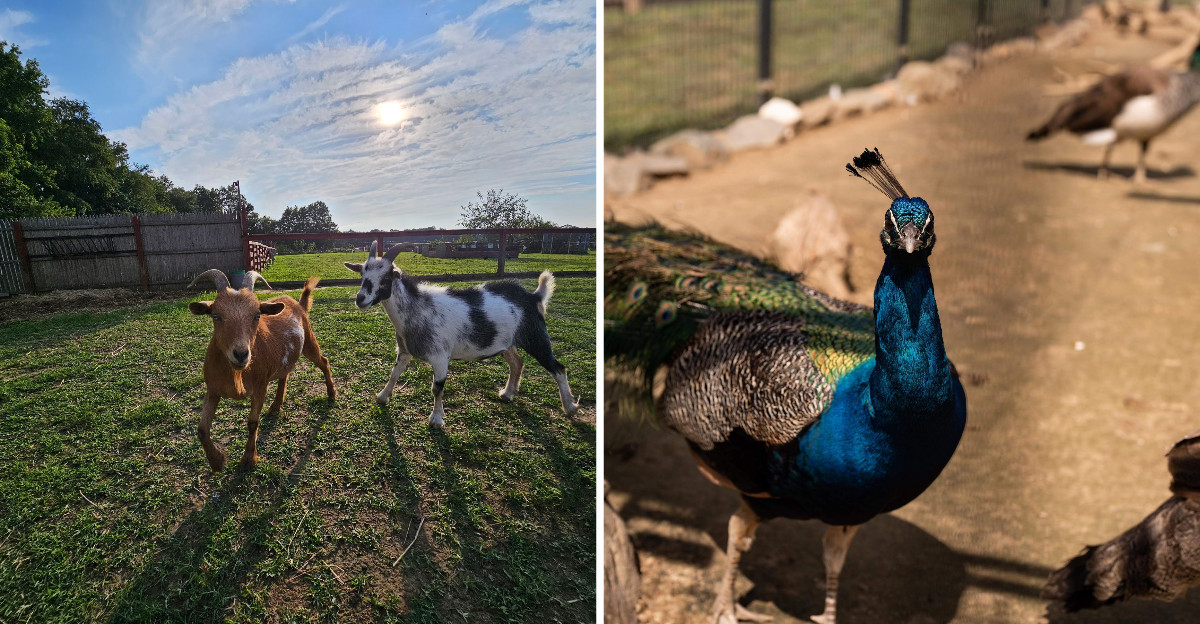
Personal space works a little differently at this Delaware sanctuary.
A peacock may wander over, a duck might join the conversation, and somewhere nearby lives an alligator named Mr. Smee.
More than 200 rescued animals have ended up here for very different reasons.
Some were surrendered. Others could not return to the wild. Pete the pelican is part of that unusual crowd too.
What caught my attention is how close the experience can get. Certain enclosures welcome guests inside, and many residents can be hand-fed.
The whole place runs on second chances, but it clearly has room for a little chaos too.
Honestly, any sanctuary with roaming peacocks and an alligator named Mr. Smee already has my curiosity.
The Animals Make The First Introduction
Most zoos ask you to admire animals from a distance.
3 Palms Zoo & Education Center in Townsend takes a more informal approach, with free-roaming birds and friendly farm animals that can come close enough for a greeting.
It is a working sanctuary rather than a conventional zoo of glass-fronted exhibits.
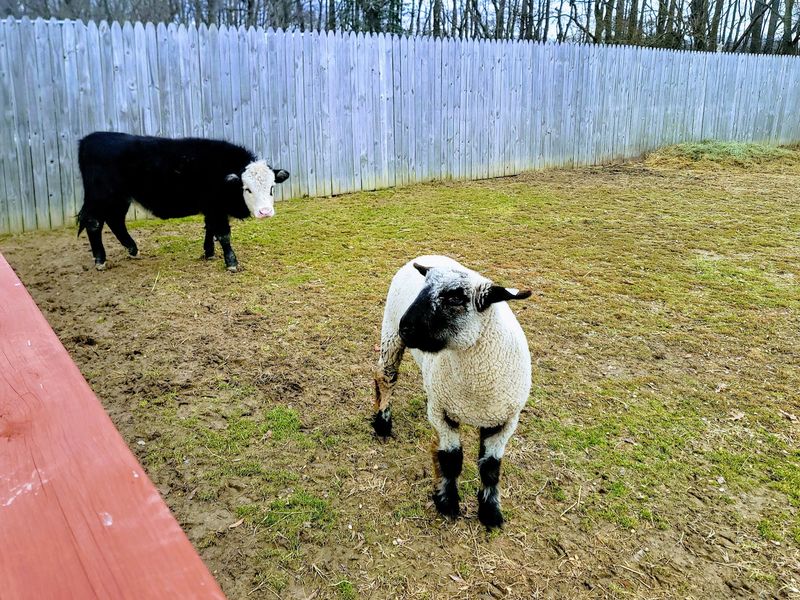
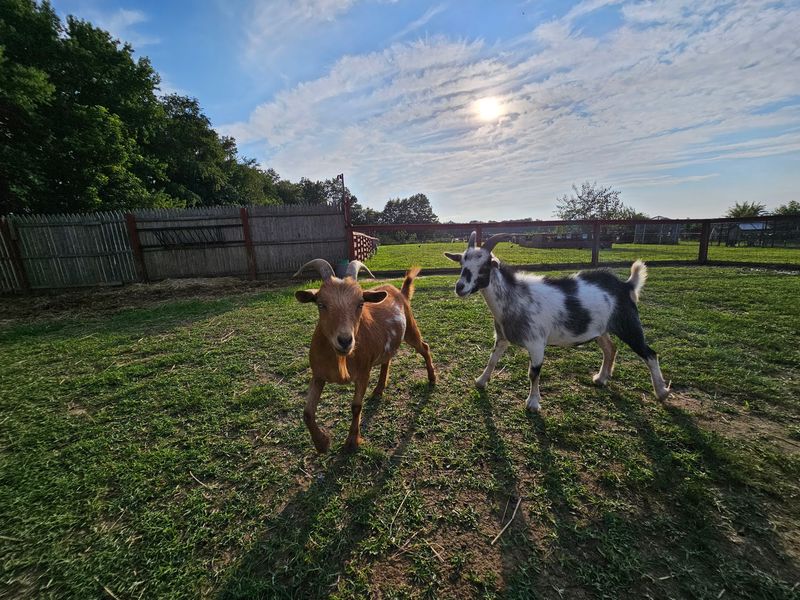
Llamas, goats, sheep, and other domestic animals may gather near their fences when visitors arrive with approved feed. Ducks and geese sometimes wander across the paths on their own schedule.
That doesn’t mean every enclosure is open to visitors. Wildlife residents and reptiles have protected spaces, and guests should remain on public paths unless staff specifically authorize closer access.
It provides a home for surrendered pets, captive-raised exotics, and wildlife unable to return to natural habitats. The changing population exceeds 200 animals.
Encounters depend on animal comfort. A goat may approach immediately, while a fox watches from its space.
Children can discover that respectful observation is just as much a part of animal care as a friendly greeting.
The Farm Friends Know Exactly Where The Snacks Are
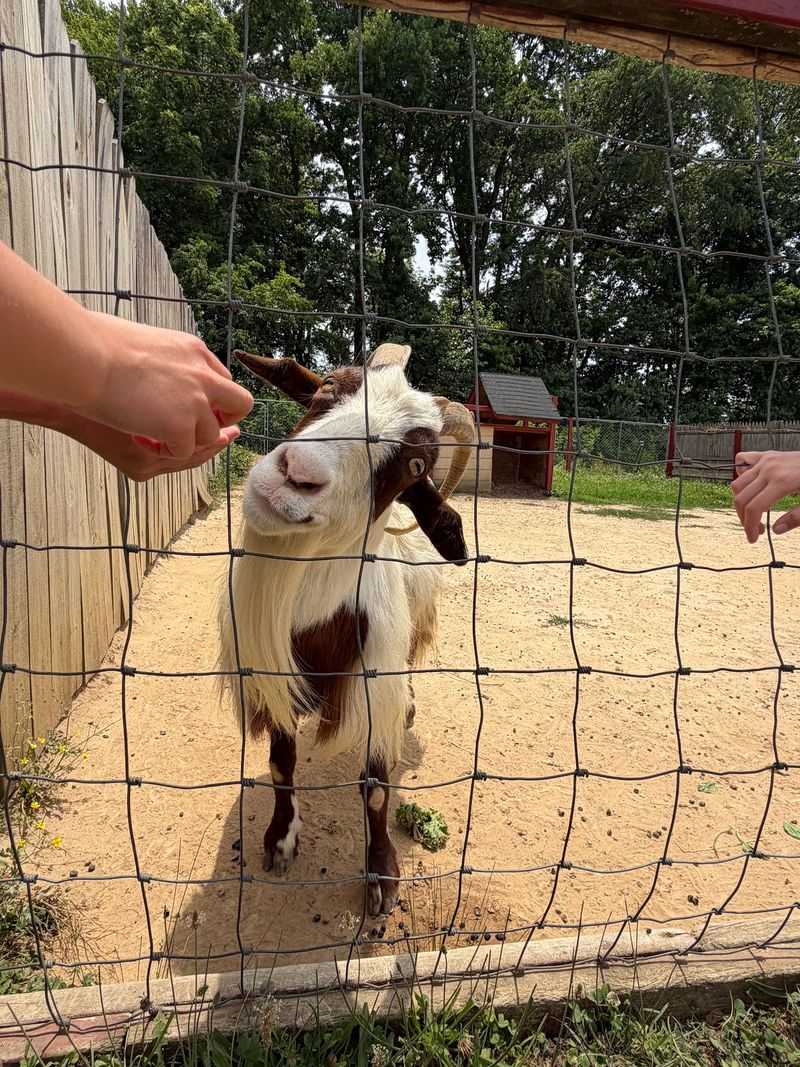
Llamas have opinions, and many of them seem to involve food. Feeding the farmyard residents is one of the sanctuary’s most interactive activities.
Visitors can purchase approved pellets for llamas, goats, sheep, cattle, and other designated animals. A flat, open palm is the proper way to offer feed, and staff can explain which residents may receive it.
Mini pigs add another dose of personality to the farmyard. The sanctuary also cares for a miniature Sicilian donkey, whose enthusiasm for treats calls for a different technique. Food should be placed on his fence rail rather than held close to his mouth.
Prairie dogs and rabbits require bamboo leaves rather than regular pellets, following staff instructions.
A llama may stretch its neck forward; a sheep might take its time coming over. Children should stay with adults, and everyone should wash hands afterward.
The experience works best when the animals set the pace and guests enjoy the small moments instead of trying to rush them.
Mr. Smee Has Company In Gator Alley
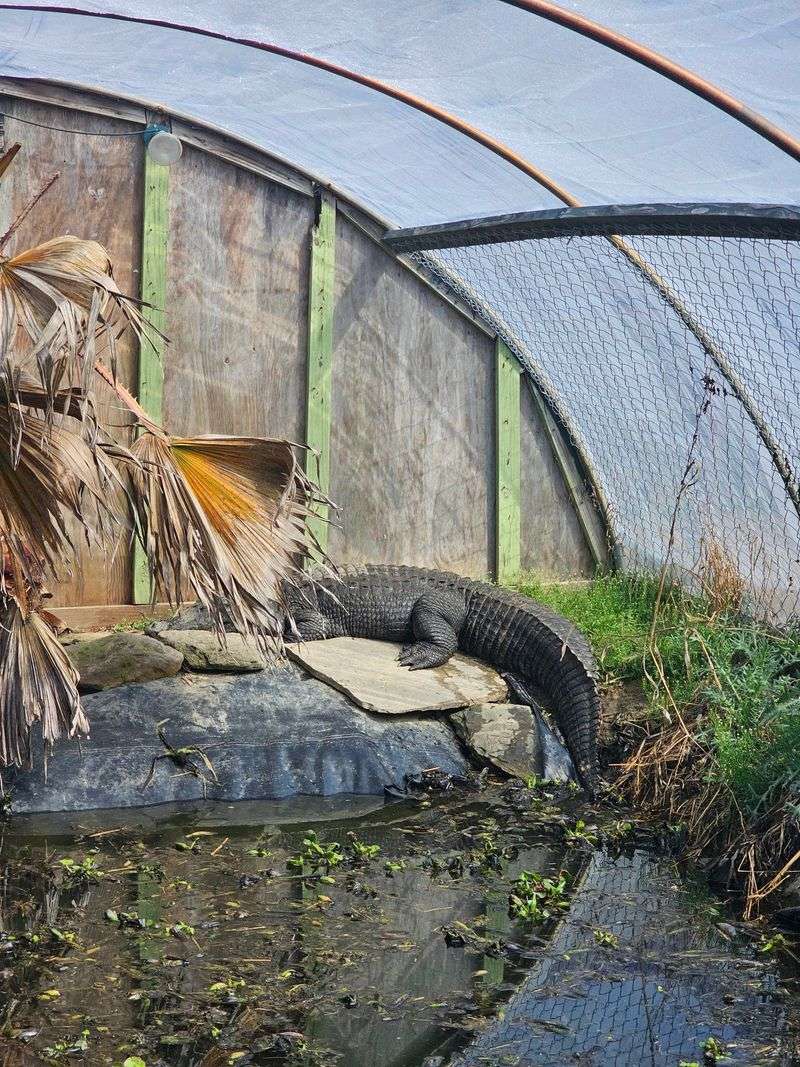
Alligators in Delaware? Absolutely, and they’re among the biggest surprises at 3 Palms Zoo & Education Center.
Mr. Smee shares the sanctuary’s alligator exhibit with Wendy. The center identifies them as the state’s only American alligators on public exhibit, an unexpected sight among farm animals.
The best views usually come in warmer months, especially from April through October, when they spend more time in the open.
Their habitat is a viewing experience rather than a hands-on encounter. Guests stay outside the enclosure, and feeding is handled entirely by the animal care team.
An alligator’s eyes and nostrils sit high on its head, letting it watch while mostly submerged.
On a warm day, the reptiles may bask in the sun or move through the pond with barely a ripple. Cooler weather can make them less visible, so appearances vary with conditions and season.
Educational visits explain reptile adaptations and the responsibilities of keeping unusual animals.
It’s a reminder that a close encounter doesn’t always require touching. Sometimes a patient look at a remarkable creature is the most interesting part.
Free-Roaming Birds Run Their Own Schedule
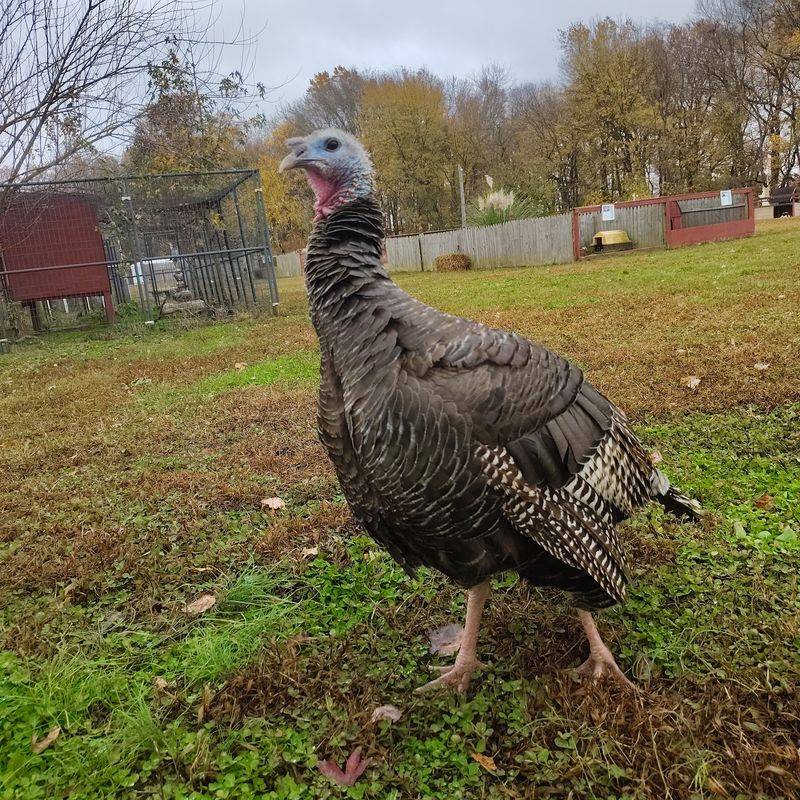
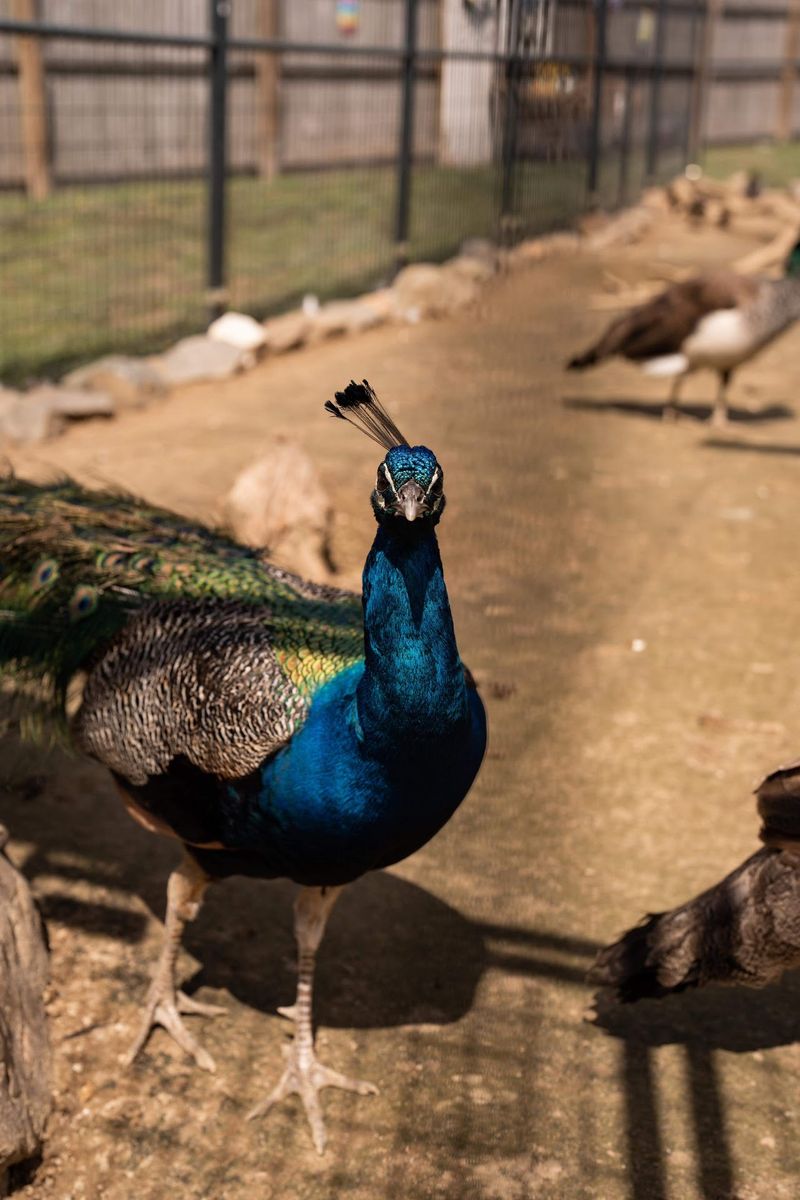
A peacock might cross your path before you reach the first enclosure. Here, birds roam the public grounds.
Chickens, ducks, geese, turkeys, and peafowl are part of the wandering crowd. Their arrival can turn an ordinary walk into an unexpected encounter, especially when a curious bird decides to investigate someone’s shoes.
Among the familiar residents is Gus the goose, one of the characters featured in the sanctuary’s animal introductions.
Brightly colored peacocks and pale peahens bring a different sort of spectacle, particularly when the birds show off their feathers. Rescued Canada geese live here too, and wild birds visit the pond.
Move calmly, give birds a clear path, and allow them to approach on their own terms. Chasing, crowding, and feeding birds near nesting areas are not permitted.
Sturdy shoes help when sharing paths with a feathered welcoming committee.
The birds give this Delaware sanctuary much of its informal personality. Their roaming presence makes even the walk between habitats memorable.
Foxes, Tortoises, And Pete The Pelican Round Out The Crew
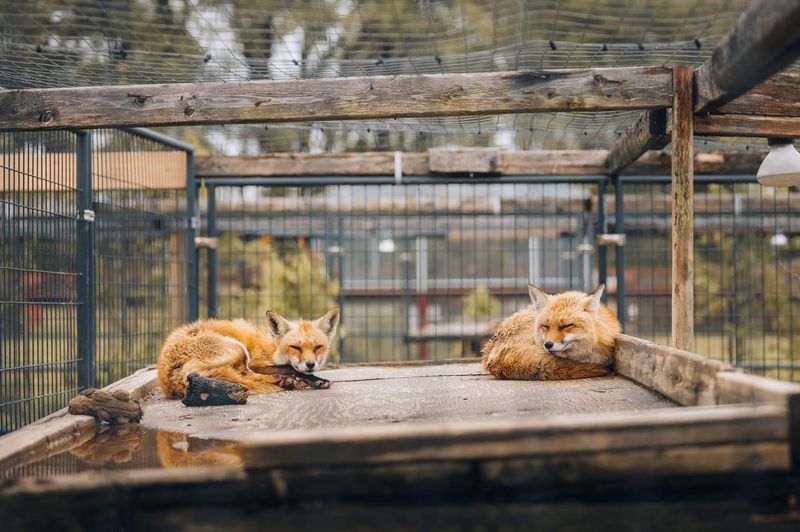
Silver, red, gray, and leucistic: those are the fox varieties represented in the sanctuary’s wildlife collection. Their different coats reveal the range of fox coloration.
An eastern screech owl provides another lesson in adaptation. Its patterned feathers resemble tree bark, helping the small bird blend into wooded surroundings.
Then there’s Pete, the rescued brown pelican. His broad bill and distinctive silhouette bring a bit of coastal character to this inland refuge. He may rest near the water instead of diving as wild pelicans do.
Prairie dogs offer a completely different kind of entertainment, digging and standing upright to inspect their surroundings. Their alert posture and little underground homes make their habitat fascinating even when they pause between snacks.
Giant sulcata tortoises and smaller tortoise species add another variety of movement, usually at a much more deliberate pace. The roster changes, and some residents may be resting or out of sight.
That variety is part of the educational value. The animals share a home, but each species needs its own environment, food, and approach to care.
Rustic Charm Comes With A Few Practical Details
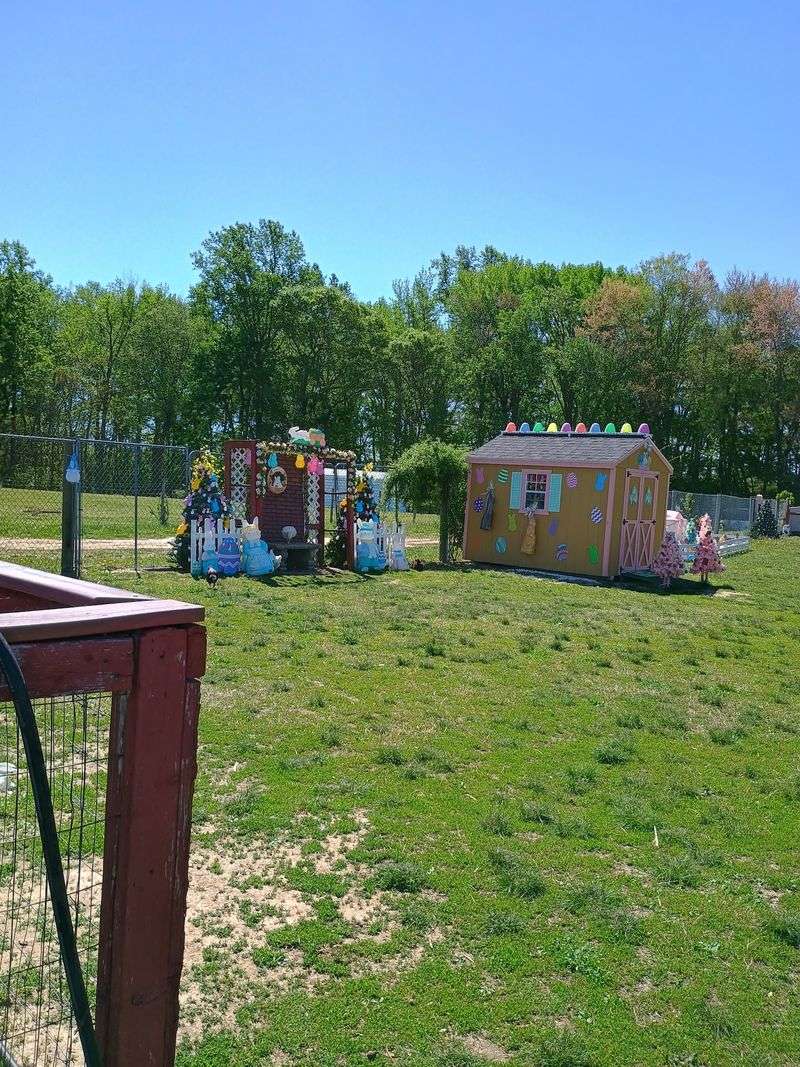
Fancy paved walkways aren’t the point here. 3 Palms Zoo feels like a working farm, with grass paths, gravel stretches, open-air habitats, and birds moving between visitor areas.
Wear sturdy shoes, especially after rain. All-terrain strollers suit the uneven paths.
Facilities are simple. The sanctuary provides a portable restroom, six picnic tables, and grassy areas where families can spread a blanket.
A wide-wheeled stroller handles this landscape better than a lightweight model designed for sidewalks, so families with toddlers will want to plan accordingly.
Bringing a packed lunch and water makes an unhurried visit easier. Allow at least an hour to explore, with extra time for feeding and a picnic. Groups can arrange educational visits; families can explore during public hours.
The emphasis remains on the residents rather than elaborate visitor facilities. Keep personal belongings together, supervise children near fences, and use only designated feeding areas.
With a little preparation, the farm-like atmosphere becomes part of the experience rather than an inconvenience.
Every Visit Supports A Working Rescue
The animals at 3 Palms have arrived through different circumstances.
Some were surrendered by owners; others are captive-raised animals or wildlife requiring permanent care after rehabilitation elsewhere.
The center isn’t a wildlife rehabilitation facility for newly found animals. Its role is to provide continuing care for residents already placed at the sanctuary.
Admission and donations help cover everyday needs such as feed, shelter, veterinary care, and habitat upkeep. The center operates with private support rather than relying on state funding for its regular expenses.
Behind the scenes, species need specialized food and individual care. Volunteers help with cleaning, habitat maintenance, and occasional events, showing how much of the work happens away from visiting hours.
School and homeschool visits explore animal adaptations and responsible care. Larger groups need advance arrangements, and adult supervisors are expected to keep children together.
Feeding sheep, watching a fox, and meeting a pelican each offer something different.
For families looking for an animal-focused outing in Delaware, the experience connects a pleasant afternoon with the practical responsibilities behind rescue work.
Find The Country Entrance And Check The Fall Schedule
Find the sanctuary at 1060 Vandyke Greenspring Rd in Townsend, surrounded by farmland.
Navigation systems sometimes direct drivers toward Blackbird Forest Road, so be sure the final approach uses Vandyke Greenspring Road.
The published fall schedule is daily from 9 a.m. until 3 p.m., with the last admission 45 minutes before closing.
Because the sanctuary is outdoors, operation remains weather-dependent; checking the day’s status before setting off is worthwhile. Parking is free; drive slowly along the gravel entrance.
October also brings scheduled family evenings on Fridays and Saturdays, with illuminated decorations, seasonal music, and an autumn hayride on select nights.
The night program runs separately from regular daytime visits and offers a different look at the grounds. Schools and scouts can arrange group visits separately.
Arriving earlier in the day allows more time to observe active animals and speak with the care team.
In this quieter corner of Delaware, the route ends with a rather unusual welcoming committee: geese, goats, and perhaps a peacock already inspecting the newcomers.