This 1.4-Mile Desert Hike In California Winds Through Volcanic Formations, Narrow Passages, And Unexpected Scenery
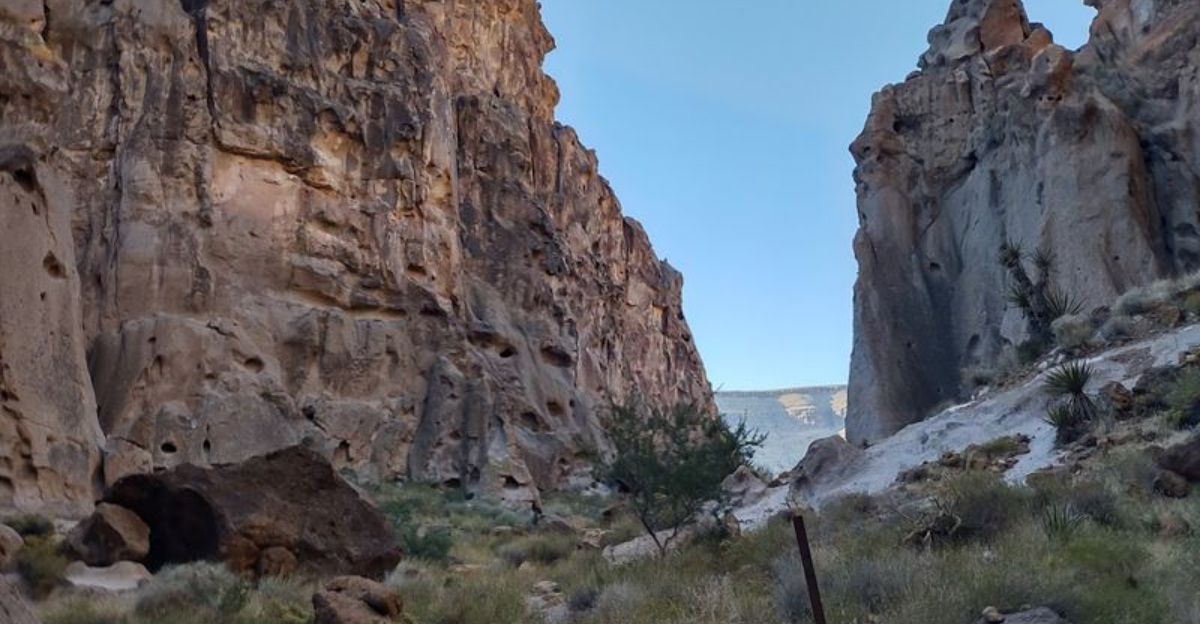
The landscape shifts before you even realize it. Smooth desert stretches give way to jagged rock walls, and the path ahead starts to twist in ways that feel almost unexpected.
Light cuts through narrow openings, casting shadows that move as you walk, turning a simple hike into something far more engaging.
The terrain does not stay predictable for long. Sections narrow, walls rise, and the route asks you to move with a bit more intention.
Metal rings set into the rock guide the way through tighter passages, adding just enough challenge to keep things interesting without feeling overwhelming.
Some of the most unique hikes in California feel less like trails and more like an experience.
There is a rhythm to it. Climb a little. Step down carefully. Pause to take in the view before moving forward again.
Each turn reveals something slightly different, which keeps the entire loop feeling fresh from start to finish.
The Hole-in-the-Wall Rings Trail inside Mojave National Preserve delivers a kind of adventure that stands apart, with volcanic formations and narrow corridors that make every step feel a little more memorable.
Trailhead Location And Access
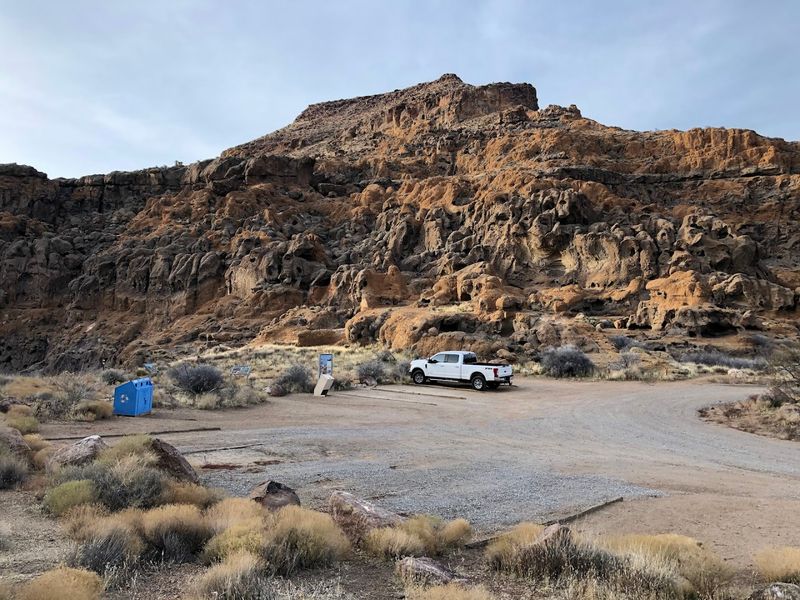
Starting the hike is straightforward once you know where to look.
The trailhead sits at the Hole-in-the-Wall Information Center parking area, which is located about 20 miles north of Interstate 40 via Essex Road and Black Canyon Road.
The drive itself passes through open desert landscape and gives visitors a preview of the remote and rugged character of Mojave National Preserve.
Road conditions can vary depending on the season and recent weather, and some routes approaching from the north may require a high-clearance or four-wheel-drive vehicle.
Checking current road conditions before heading out is a smart move, especially after rain or during winter months when unpaved sections can become rough or muddy.
The parking area near the Information Center provides a convenient base for the hike, and restrooms are available close to the trailhead.
Signage in the area is clear and helps orient first-time visitors without much confusion.
Getting an early start is a good idea during warmer months to avoid the midday heat that can build quickly in the open desert.
Arriving on a weekday tends to result in a quieter experience compared to busy weekend visits.
Trail Length And Difficulty Level
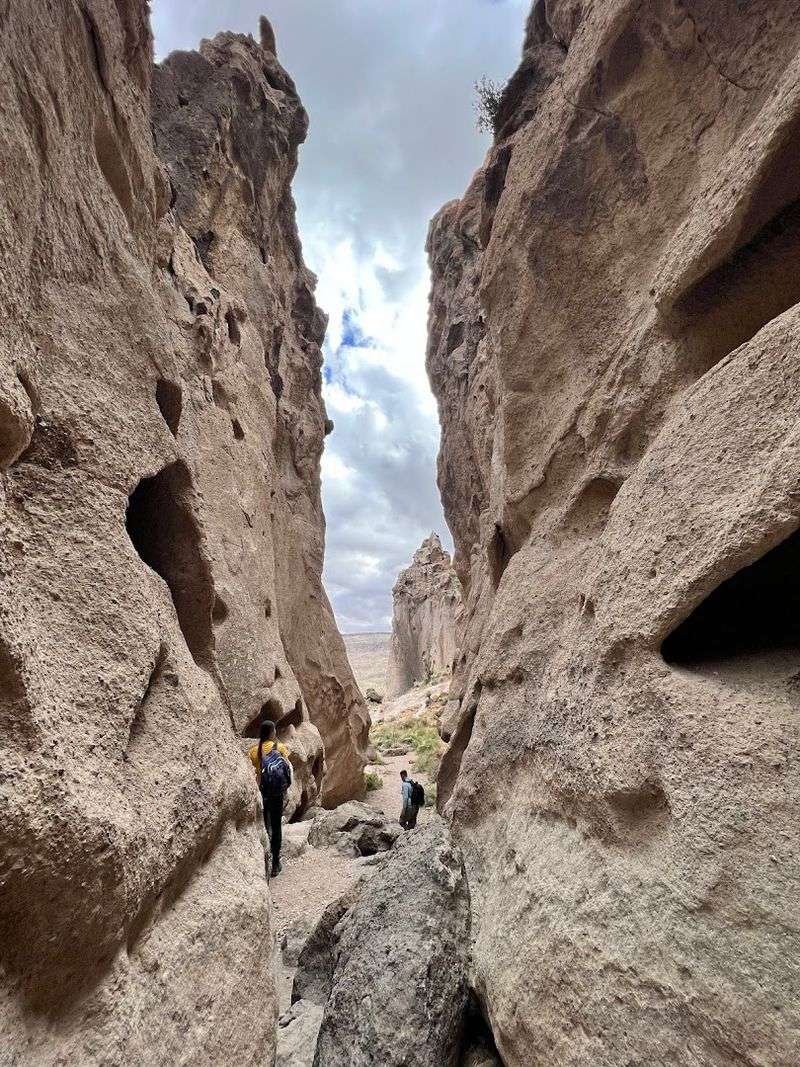
At roughly 1.4 miles long with an elevation gain of about 131 feet, the Rings Trail sits in a comfortable middle ground between an easy stroll and a serious workout.
The loop is classified as moderately challenging, which means most reasonably active hikers can complete it without too much difficulty.
The short distance makes it accessible for a wide range of fitness levels, including older teens and adults who enjoy light adventure hiking.
The trail does include some sections that require physical effort, particularly when using the metal rings to navigate steeper rocky drops inside Banshee Canyon.
Those sections demand a bit of upper body strength and confidence on uneven surfaces.
Hikers with a fear of tight spaces may want to be aware that the canyon narrows considerably in certain spots.
The full loop can typically be completed in under two hours at a relaxed pace, leaving plenty of time to stop and take in the surrounding scenery.
Wearing sturdy closed-toe shoes with good grip is strongly recommended for the rocky terrain.
The moderate challenge level is a big part of what makes this trail so appealing to visitors looking for more than a flat desert walk.
Banshee Canyon: The Heart Of The Trail
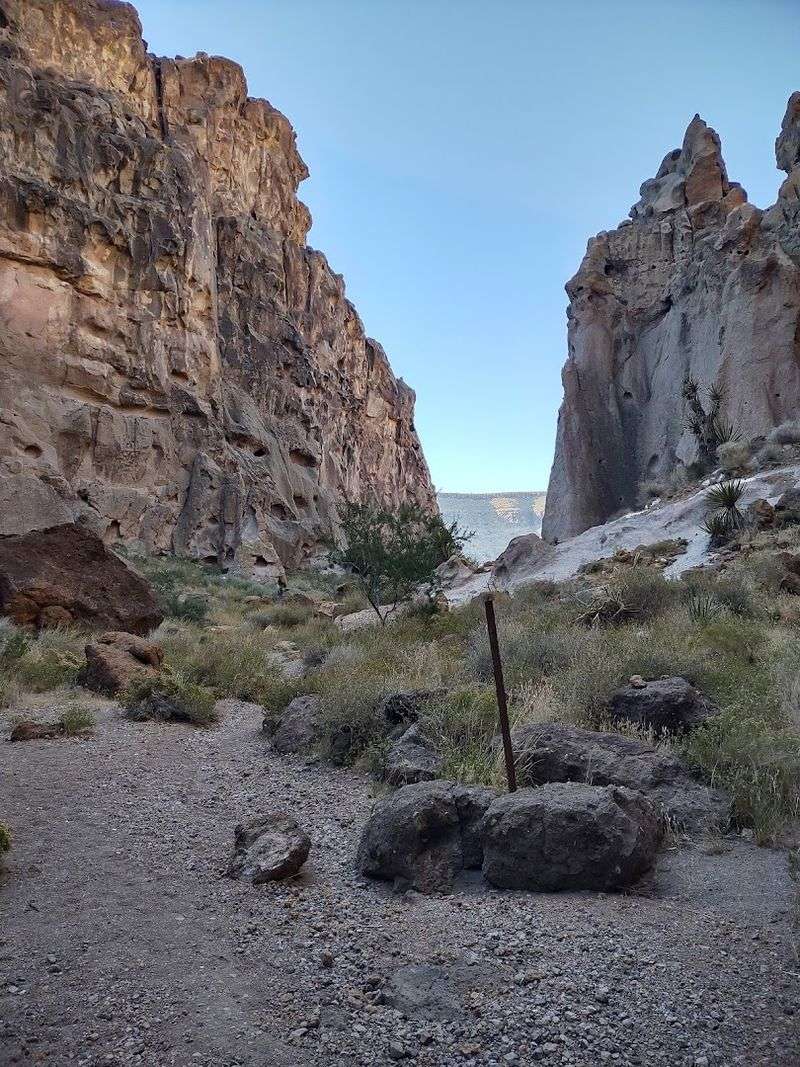
Banshee Canyon is the most dramatic section of the entire Rings Trail and the feature that sets it apart from nearly every other desert hike in Southern California.
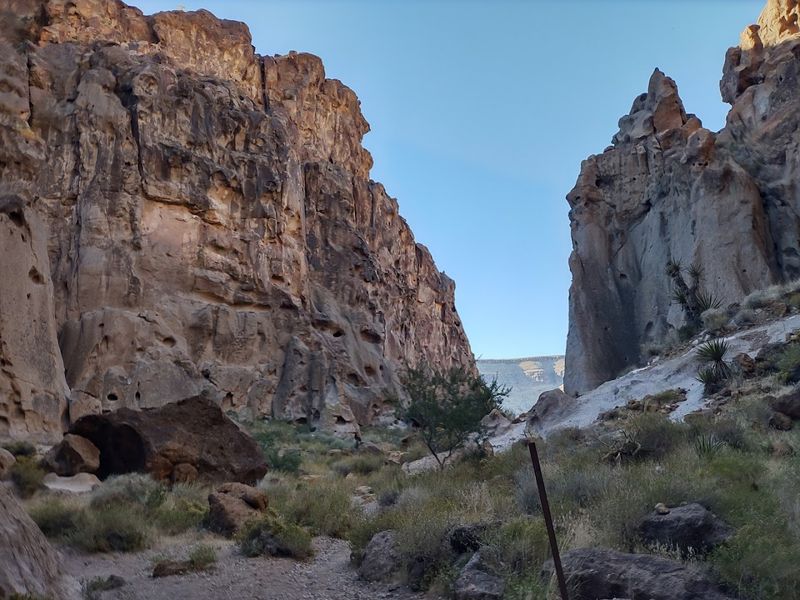
The canyon is a narrow passage carved through volcanic rock, with walls that rise closely on either side and create a surprisingly enclosed feeling in the middle of an open desert preserve.
The smooth, rounded texture of the rock walls comes from centuries of water erosion shaping the ancient volcanic material into flowing curves and hollows.
Walking through Banshee Canyon feels distinctly different from the open stretches of the trail.
Light filters in from above, and the sounds of wind and birds echo off the rock surfaces in a way that adds to the atmospheric quality of the space.
The name itself reportedly comes from the eerie sounds the wind can make as it moves through the narrow passage.
The canyon section is relatively short but leaves a strong impression on most hikers.
The combination of tight walls, unusual rock textures, and the feeling of moving through a hidden geological corridor makes Banshee Canyon the highlight that most visitors remember long after the hike is over.
Taking time to slow down and look closely at the rock surfaces rewards careful attention.
The Metal Rings That Give The Trail Its Name
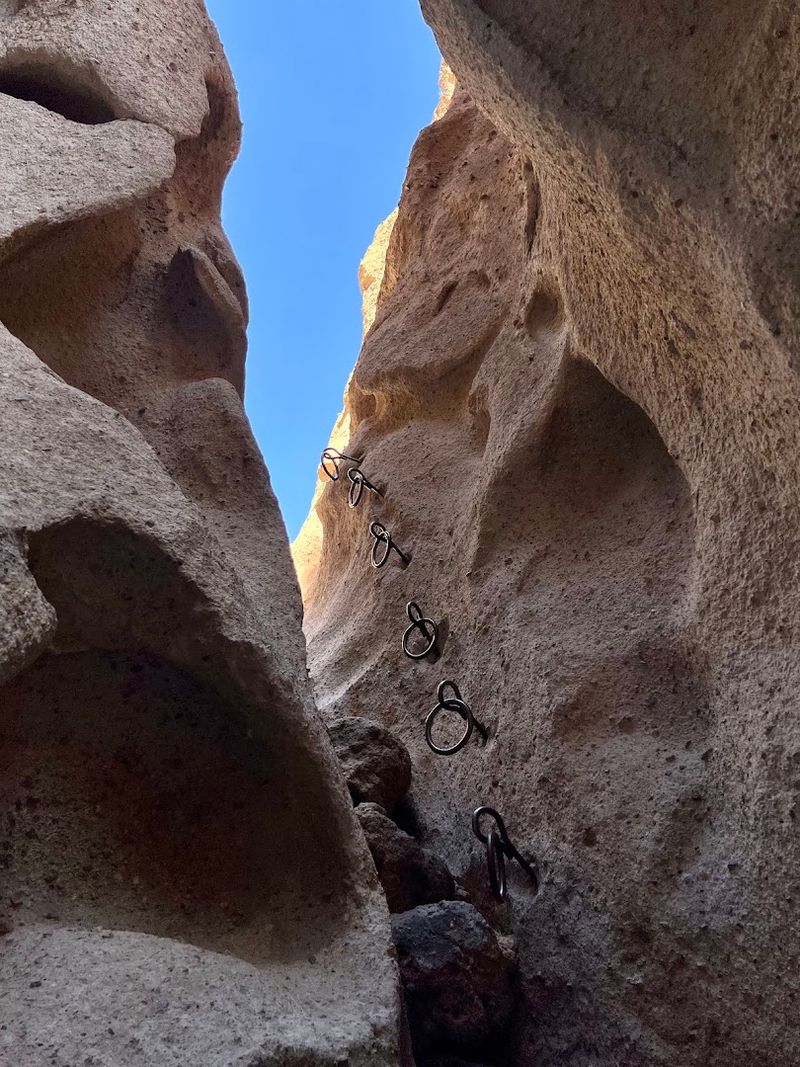
The metal rings are the defining feature of this trail and the main reason it carries its distinctive name.
Bolted directly into the volcanic rock walls of Banshee Canyon, the rings serve as handholds and footholds that allow hikers to climb up and descend through sections of the canyon that would otherwise be too steep or awkward to navigate safely.
There are two separate sets of rings along the route, each covering a different rocky drop.
Using the rings requires some physical coordination and a willingness to commit to the movement.
Gripping a ring, placing your feet carefully, and shifting your weight through an uneven rocky section is the kind of hands-on challenge that makes the trail memorable rather than routine.
Most adults and older children with reasonable coordination find the rings manageable with a little patience.
Younger children or those with limited upper body strength may find the ring sections more difficult, and adult supervision is strongly recommended for kids attempting the climb.
The rings are well-maintained and feel sturdy underfoot and in hand.
Going slowly and focusing on each placement rather than rushing through the descent or ascent makes the experience much more enjoyable and significantly reduces the chance of slipping on the rock surface.
Volcanic Rock Formations And Geological History
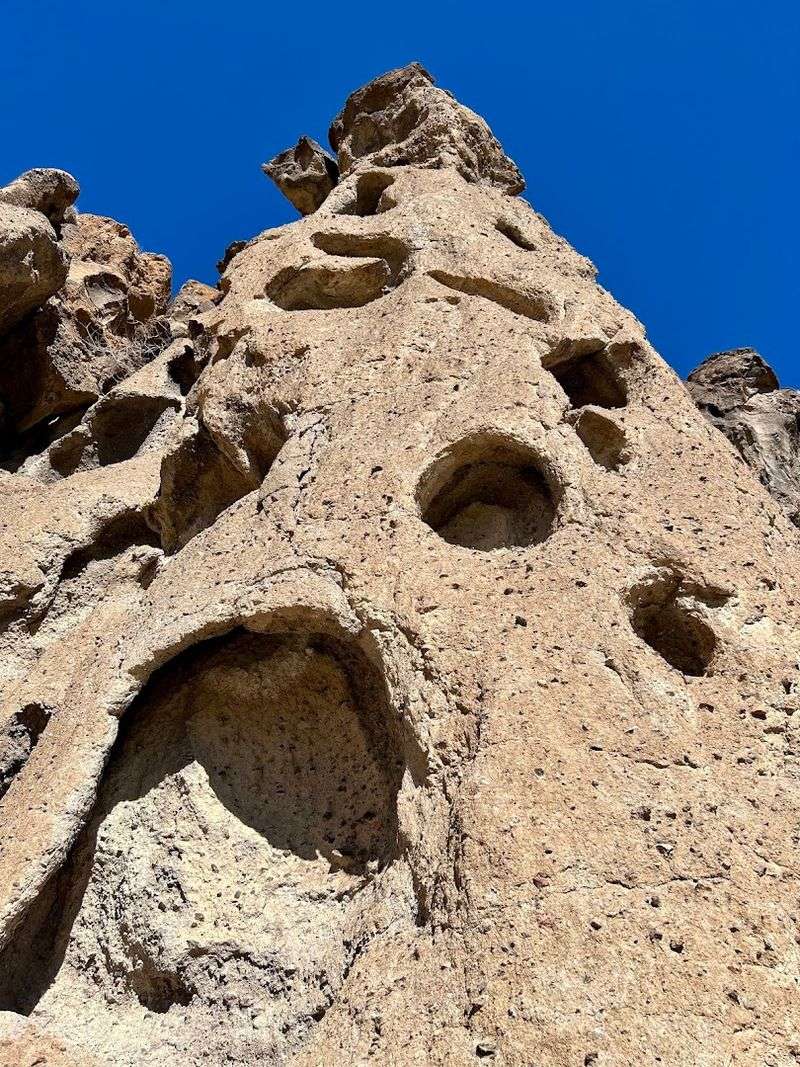
The rock formations throughout the Rings Trail are the result of ancient volcanic activity that shaped this corner of the Mojave Desert millions of years ago.
The canyon walls are covered in holes, pockets, and cavities that formed as gas bubbles were trapped in cooling lava and then slowly eroded over time.
Running a hand along the rock surface reveals a rough, pitted texture that feels nothing like ordinary sandstone or granite.
The volcanic origin of the landscape gives Hole-in-the-Wall its distinctive appearance and explains why the terrain looks so different from other parts of the Mojave.
The rock is primarily rhyolite, a volcanic material that weathers into the knobby, hole-riddled formations visible throughout the trail corridor.
These formations create natural shelves, overhangs, and alcoves that add visual interest at every turn.
Geology enthusiasts tend to find this trail particularly rewarding because the exposed rock layers tell a visible story of volcanic eruption, lava flow, and long-term erosion.
Even casual hikers who are not particularly interested in geology often find themselves pausing to examine the unusual shapes and textures of the canyon walls.
The landscape feels genuinely ancient in a way that is easy to sense even without a scientific background.
Desert Flora Along The Trail
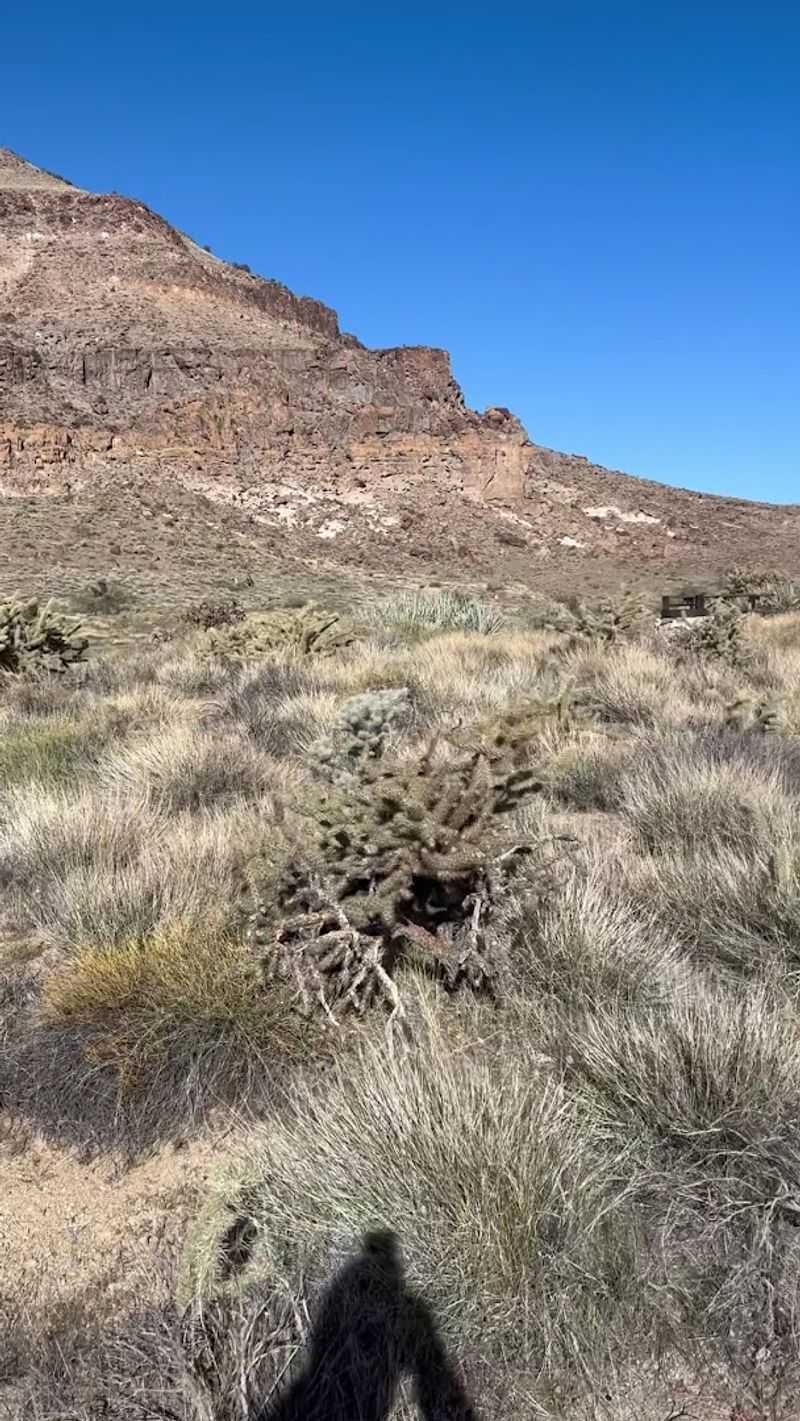
Surrounding the volcanic rock formations, the desert landscape along the Rings Trail supports a surprisingly varied collection of plant life adapted to survive in the harsh Mojave environment.
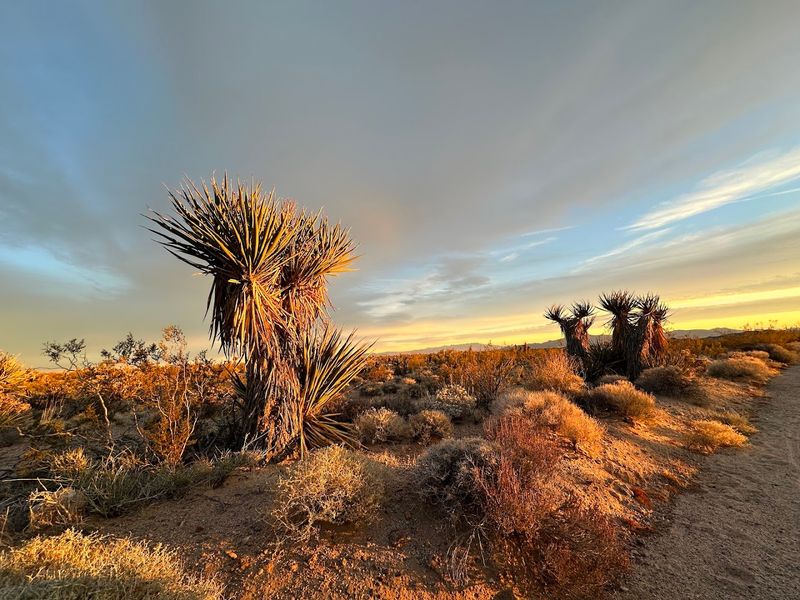
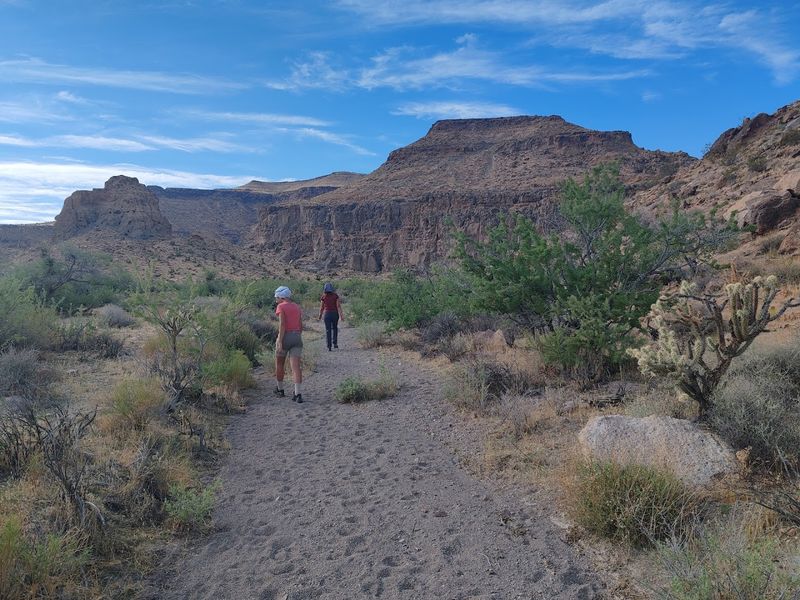
Barrel cacti and cholla cacti are among the most visible plants along the route, their spiny profiles standing out clearly against the pale sandy ground and dark volcanic rock.
Both species are well-suited to the dry conditions and add a classic desert character to the scenery.
Depending on the season, wildflowers may appear in small clusters near the base of rocks or along the edges of the trail.
Spring months tend to bring the most color to the landscape, with blooms that contrast vividly against the muted tones of the desert floor.
Visitors who take the time to look closely at ground level often discover more plant diversity than the wide open views initially suggest.
Staying on the trail and keeping a respectful distance from all plant life is important in a protected preserve like Mojave.
Cholla cactus in particular is known for its barbed spines that can attach to clothing or skin with minimal contact.
Wearing long pants and being mindful of where feet and hands land near vegetation helps avoid an uncomfortable encounter with the spikier residents of the trail corridor.
Wildlife And Birding Opportunities
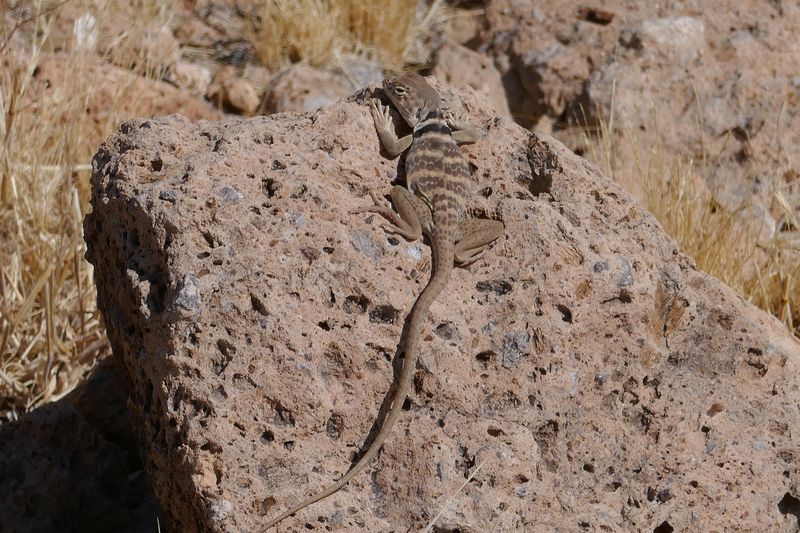
For visitors who enjoy watching wildlife, the Rings Trail and the surrounding area offer a genuinely rewarding experience.
The canyon and its rocky outcroppings provide ideal nesting and perching spots for a variety of bird species, and the area has developed a reputation as a solid birding destination within Mojave National Preserve.
The combination of rocky terrain, desert scrub, and open sky creates habitat that attracts both resident and migratory species throughout the year.
Rabbits are commonly spotted darting through the brush along the trail edges, and lizards can often be seen basking on sun-warmed rocks during the morning hours.
The rocky cavities and holes in the canyon walls also serve as shelter for smaller desert creatures, so paying attention to movement near the rock surfaces can lead to interesting sightings.
Moving quietly and at a measured pace increases the likelihood of spotting wildlife before it disappears into the rocks.
Bees and wasps have been observed near certain sections of the canyon, particularly around rock crevices, so staying alert and moving calmly through those areas is a reasonable precaution.
Bringing a small pair of binoculars adds significantly to the birding experience without adding much weight to a daypack.
The wildlife activity along this short trail tends to surprise visitors who expect a purely geological experience.
Family-Friendly Features And Kid Considerations
The Rings Trail has earned a reputation as a family-friendly hike, largely because its short length and built-in adventure elements make it genuinely engaging for children who might lose interest on longer or flatter routes.
The metal rings, the narrow canyon passage, and the unusual rock formations all provide natural points of curiosity and excitement that keep younger hikers motivated to keep moving.
The loop format also means there is no need to retrace steps, which helps maintain energy and interest throughout.
That said, younger children and toddlers may find the ring sections physically challenging since the rings are spaced for adult reach and require a degree of upper body coordination that smaller kids may not yet have developed.
Children aged six and older with adult supervision tend to have the most positive experience on the more technical sections of the trail.
Adults should always go through the ring sections first to assess conditions and assist children from below or above as needed.
Packing light snacks, plenty of water, and sun protection for kids makes the outing much more comfortable.
The hike is short enough that most school-age children can complete the full loop without becoming overly tired.
Framing the ring sections as a mini climbing challenge tends to motivate kids who might otherwise hesitate at the steeper drops.
Trail Rules, Pet Policy, And Preserve Etiquette
Mojave National Preserve has specific rules that apply to the Rings Trail, and understanding them before arriving helps ensure a smooth and respectful visit.
Pets are not permitted on the trail, a policy designed to protect the native wildlife and sensitive desert ecosystem from disturbance.
Leaving dogs at home or making arrangements for their care before visiting is necessary for anyone planning to hike the Rings Trail specifically.
Staying on the marked trail is important both for personal safety and for the preservation of the surrounding landscape.
Cutting across unmarked terrain can damage fragile desert soil crusts that take decades to recover and can also lead hikers into areas with unstable rock surfaces.
Following posted signage and staying within the designated trail corridor keeps the experience safe and protects the environment for future visitors.
Packing out all trash, avoiding disturbing rocks or vegetation, and keeping noise at a considerate level are standard leave-no-trace principles that apply throughout the preserve.
The Hole-in-the-Wall Information Center is a helpful first stop for picking up trail maps, checking current conditions, and speaking with rangers who can answer specific questions about the route.
Respecting the preserve and its rules ensures that the trail remains a quality experience for everyone who visits in the years ahead.
Best Times To Visit And Seasonal Considerations
Timing a visit to the Rings Trail thoughtfully makes a significant difference in the overall experience.
The trail is open year-round, but summer temperatures in the Mojave Desert can climb to extreme levels that make midday hiking genuinely dangerous.
Visiting between October and April is widely considered the most comfortable window, with cooler temperatures that allow for a relaxed pace without the physical stress of intense heat exposure.
Spring visits offer the added bonus of potential wildflower blooms and active wildlife, while winter visits bring crisp air and a quieter atmosphere with far fewer crowds.
Early January visits in particular can feel remarkably peaceful, with the preserve nearly empty and the desert landscape taking on a still, contemplative quality under low winter light.
Clear winter skies also make the area exceptional for stargazing after dark.
Checking weather forecasts and trail conditions before any visit is a practical step that helps avoid unexpected complications.
Flash flooding, though rare, can affect low-lying canyon areas during or after heavy rain.
Bringing more water than expected is always the right call in any desert environment, regardless of the season or temperature.
Sun protection including sunscreen, a hat, and UV-blocking sunglasses is essential on any visit since shade along the trail is minimal throughout most of the route.