This Dreamy California Town Still Feels Like A Well-Kept Secret
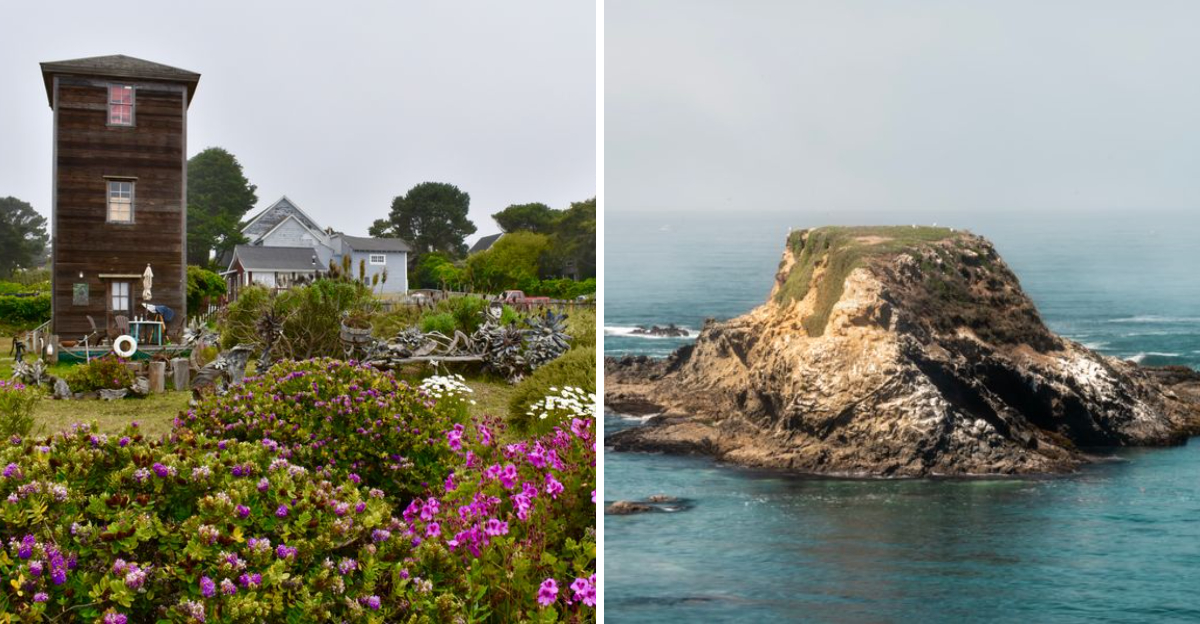
Time slows the moment the coastline comes into view. Wind carries salt through narrow streets. Wooden homes stand steady against the cliffs as waves crash far below. Every detail feels deliberate, as if the town chose patience over progress.
Mendocino rises above the Pacific with quiet confidence, shaped by craft, creativity, and restraint. Victorian buildings line the bluffs, preserved with care rather than polish.
Paint fades naturally. Porches face the ocean. Gardens grow wild without losing grace. The setting feels lived in, not staged.
Artists found refuge here long before crowds followed. Galleries remain personal. Studios stay active. Music drifts from open doors without asking for attention.
Nature surrounds everything, from rugged headlands to forested trails that begin just beyond town limits. California rarely protects places like this.
Mendocino resisted shortcuts and spectacle, choosing continuity instead. Development never erased character. Tourism never replaced identity. What remains feels genuine, balanced, and deeply rooted.
Walking through town becomes an experience rather than an itinerary. Views unfold slowly. Conversations linger. The coastline does not compete for attention. It earns it.
For travelers drawn to authenticity over excess, Mendocino delivers something increasingly rare. A coastal town that feels complete, grounded, and quietly unforgettable.
1. Born From Logging Boom Of The 1850s
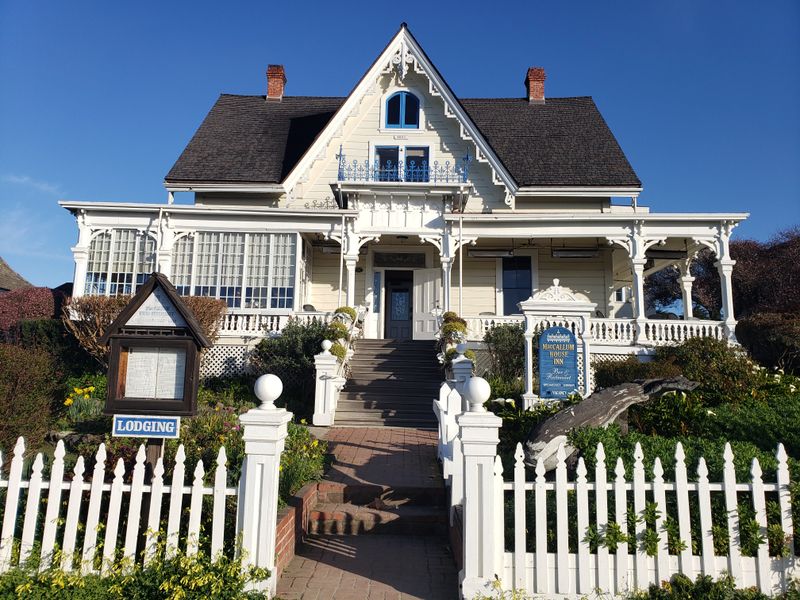
Back when California was still finding its identity as a new state, lumber companies discovered the towering redwood forests covering Mendocino’s hillsides.
Workers arrived by the hundreds, building a bustling logging town that shipped timber down the coast to fuel San Francisco’s explosive growth.
The settlers who founded Mendocino came mostly from New England, and they built homes that looked just like the ones they’d left behind – complete with steep roofs, wooden shingles, and charming front porches.
Walking through Mendocino today feels like visiting a coastal village in Maine or Massachusetts.
The architecture tells the story of homesick loggers who recreated their childhood memories in California redwood.
Grand Victorian mansions stand alongside humble saltbox cottages, all carefully preserved to honor the town’s origins.
This logging heritage shaped everything about Mendocino, from its street layout to its community spirit.
The industry eventually declined, but the beautiful buildings remained, becoming the foundation for the artistic community that would follow.
Understanding this history helps explain why Mendocino looks so different from other California coastal towns, with its distinctly East Coast character creating an atmosphere that feels both familiar and wonderfully unexpected.
2. California’s Only Coastal Town Designated As A Complete Historic Landmark
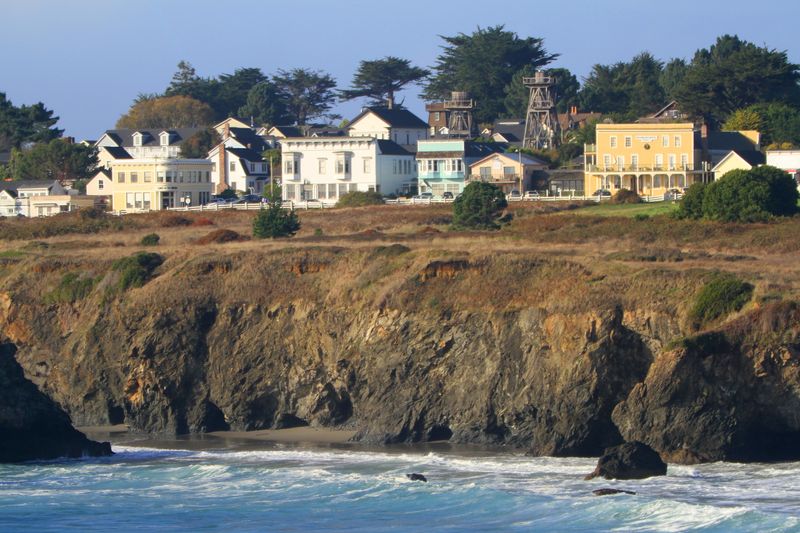
While many California towns have a historic district or a few protected buildings, Mendocino stands alone with an honor no other coastal community can claim.
The entire town earned designation as a historical landmark, protecting not just individual structures but the complete character of this seaside village.
This recognition means strict guidelines govern everything from paint colors to building modifications, ensuring that modern development doesn’t erase the town’s authentic 19th-century charm.
Preserving an entire town takes serious commitment from residents and local government alike.
Homeowners accept restrictions on renovations, businesses maintain period-appropriate storefronts, and new construction must blend seamlessly with existing architecture.
The result creates an immersive experience where visitors can genuinely feel transported to another era, without jarring modern intrusions breaking the spell.
This landmark status also protects Mendocino from the chain stores and corporate development that have homogenized so many tourist destinations.
Independent shops, locally owned galleries, and family-run restaurants fill the historic buildings, giving the town an authentic personality that reflects its community rather than corporate branding.
The designation represents more than just architectural preservation – it safeguards a way of life that values character over convenience and authenticity over mass appeal.
3. Famous Film Location That Became Television’s Cabot Cove
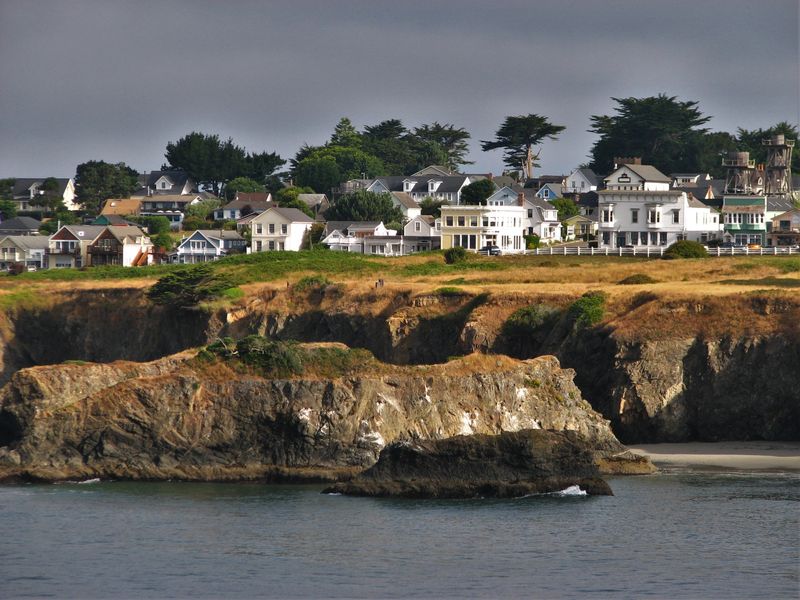
Television fans of a certain age instantly recognize Mendocino’s streets and Victorian homes, even if they never realized the connection.
For twelve years, this tiny California town doubled as the fictional Cabot Cove, Maine, in the beloved mystery series Murder, She Wrote.
The show’s producers chose Mendocino precisely because its New England-style architecture looked completely authentic on camera, fooling millions of viewers who assumed they were watching scenes filmed on the Atlantic coast.
That resemblance to Maritime Canada and New England villages has attracted filmmakers for decades.
Directors appreciate how Mendocino’s preserved historic character eliminates the need for extensive set dressing or digital effects to create period atmospheres.
The dramatic coastal setting adds cinematic beauty to every shot, with windswept bluffs and crashing waves providing natural drama.
Walking through town, visitors often experience delightful moments of recognition, spotting locations from favorite movies or television episodes.
Local businesses embrace this Hollywood connection without letting it define the town’s identity.
Mendocino remains a real community where people live and work, not a theme park recreating fictional places, which keeps the experience genuine even for fans making pilgrimages to see Jessica Fletcher’s stomping grounds in person.
4. Mendocino Art Center Sparked Creative Renaissance
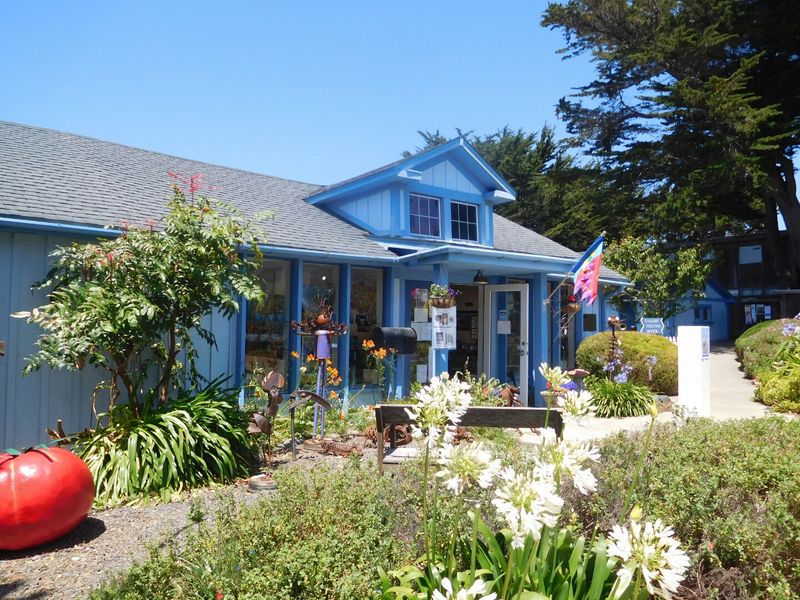
When the logging industry faded, Mendocino might have become just another faded California timber town, but artists discovered something special in these abandoned Victorian homes.
In 1959, a group of painters, sculptors, and craftspeople established the Mendocino Art Center at 45200 Little Lake St, Mendocino, CA 95460, creating a hub that would transform the town’s identity completely.
Affordable real estate and stunning natural beauty attracted creative people from across the country, eager to escape city life and build a community centered on artistic expression.
The Art Center offers classes in everything from ceramics to jewelry making, watercolor painting to textile arts.
Students of all skill levels gather in historic buildings converted into studios, learning from established artists while surrounded by the same coastal landscapes that inspire their teachers.
This educational mission keeps the creative energy flowing, constantly bringing new perspectives and fresh talent to the community.
Beyond classes, the center hosts exhibitions, performances, and cultural events that enrich both residents and visitors.
The artistic community extends throughout town, with dozens of independent galleries showcasing everything from traditional landscapes to cutting-edge contemporary work.
This creative foundation gives Mendocino a cultural sophistication unexpected in such a small, remote location, making it a destination for art lovers seeking authentic experiences rather than commercialized gallery districts.
5. Annual Music Festival Brings World-Class Performances
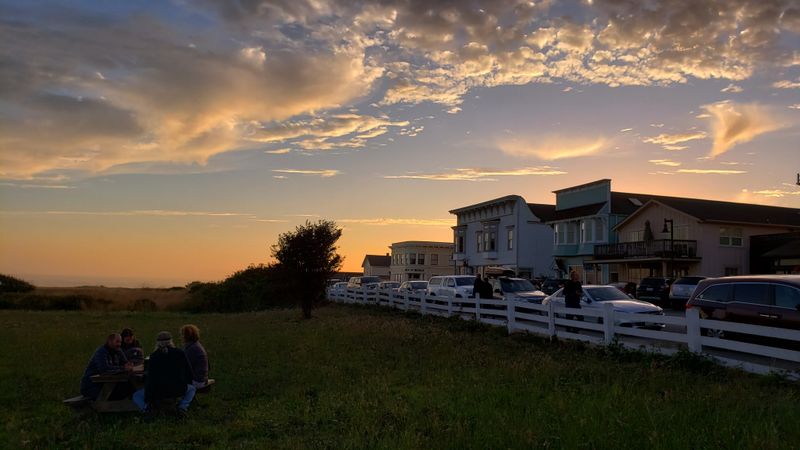
Every summer since 1986, Mendocino has welcomed musicians and music lovers for two weeks of extraordinary performances in unexpected venues.
The Mendocino Music Festival showcases everything from classical orchestras to jazz ensembles, folk singers to chamber groups, bringing professional talent typically found only in major cities to this tiny coastal town.
Concerts take place in intimate settings – a historic church, an outdoor tent overlooking the ocean, even winery gardens – creating memorable experiences that combine excellent music with Mendocino’s natural beauty.
What makes this festival special extends beyond the quality of performances.
The informal atmosphere encourages interaction between musicians and audience members, with artists often mingling during intermissions or participating in community events.
This accessibility creates connections rarely possible at big-city concert halls, where performers disappear backstage immediately after their final bow.
The festival draws visitors who return year after year, planning vacations around favorite concerts or discovering new musical interests.
Local businesses benefit from the influx without the festival overwhelming the town’s character.
Organizers carefully balance growth with maintaining the intimate, community-focused spirit that has defined the event since its beginning, ensuring that the Mendocino Music Festival enhances rather than commercializes this special place.
6. Mendocino Headlands State Park Offers Breathtaking Ocean Views
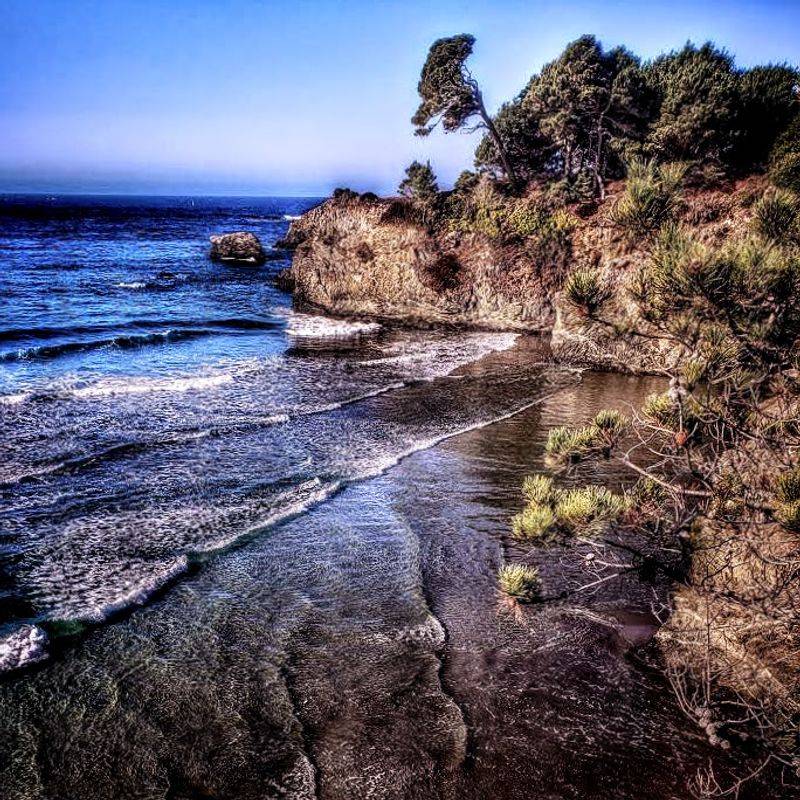
Surrounding the town on three sides, Mendocino Headlands State Park protects dramatic coastal bluffs where visitors can walk for miles without encountering development or crowds.
Trails wind along cliff edges, offering constantly changing perspectives on the Pacific Ocean crashing against rocky shores far below.
Sea stacks rise from the water like natural sculptures, shaped by centuries of waves and wind into fantastical forms that photographers capture in endless variations of light and weather.
The park remains remarkably accessible, with mostly level paths suitable for casual walkers rather than requiring serious hiking skills.
Benches positioned at scenic overlooks invite lingering, and the sound of waves provides natural meditation.
During spring, wildflowers carpet the headlands in brilliant colors, while winter storms create spectacular displays of wave action that can be safely observed from protected vantage points.
Ford House serves as the park’s visitor center, occupying a beautifully preserved 19th-century home that also houses a museum of local history.
Rangers offer information about tide pools, whale watching opportunities, and the best spots for sunset viewing.
The combination of natural beauty and easy access makes the Headlands perfect for visitors of all ages and abilities, providing memorable coastal experiences without requiring special equipment or advanced planning.
7. Historic Water Towers Stand As Iconic Symbols
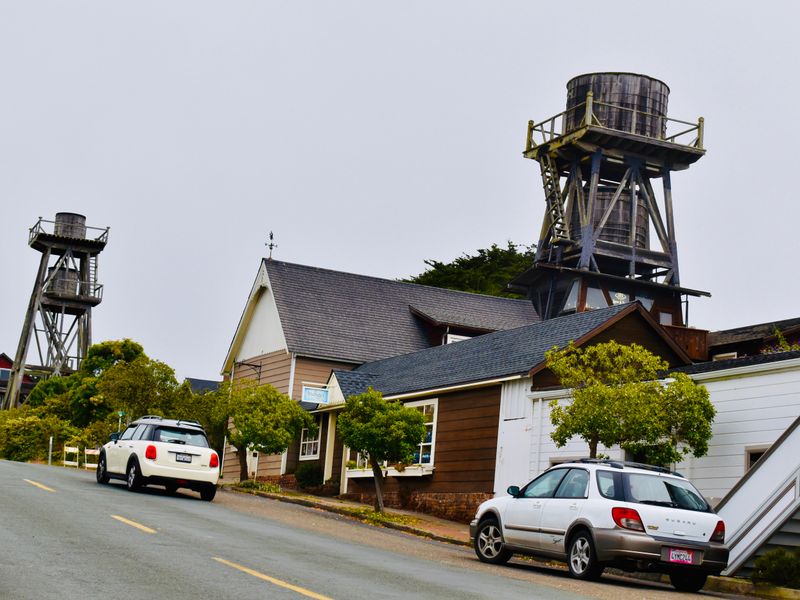
Scattered throughout Mendocino, distinctive wooden water towers rise above Victorian rooftops, creating a skyline unlike any other California town.
These tall, narrow structures served essential purposes when built in the late 1800s, providing water pressure for homes in an era before modern plumbing systems.
Each tower features unique architectural details – different window shapes, varying roof styles, decorative trim – reflecting the individual tastes of the families who built them.
Many towers have been converted into living spaces, creating some of the most unusual homes imaginable.
Climbing multiple floors of narrow staircases leads to compact rooms with panoramic views, where residents enjoy perspectives typically reserved for lighthouse keepers.
The circular or octagonal floor plans require creative furniture arrangements, and the small footprints mean every square foot counts.
Photographers love these towers, which add vertical interest to images of the predominantly horizontal Victorian townscape.
The structures appear particularly striking at sunrise or sunset, when angled light emphasizes their weathered wood textures and casts long shadows across neighboring rooftops.
Several towers have become so associated with Mendocino that they appear on postcards, paintings, and promotional materials, serving as instantly recognizable symbols of the town’s quirky character and commitment to preserving its distinctive architectural heritage.
8. Farm-To-Table Dining Scene Celebrates Local Ingredients
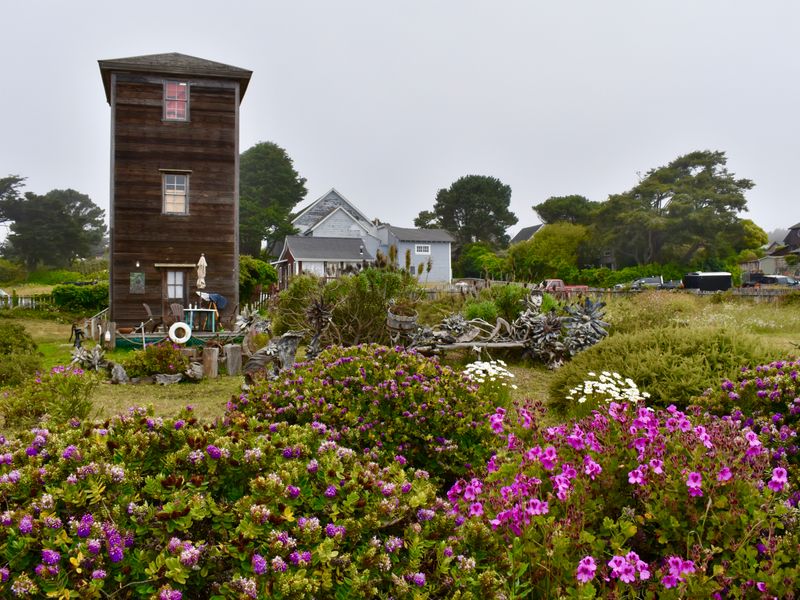
Restaurants in Mendocino take full advantage of the region’s agricultural abundance, creating menus that change with the seasons and highlight ingredients grown within miles of town.
Chefs build relationships with local farmers, ranchers, and fishermen, designing dishes around what’s freshest rather than forcing year-round availability of out-of-season products.
This approach results in cooking that tastes distinctly of this place and time, offering flavors impossible to replicate elsewhere.
The dining atmosphere throughout town leans comfortable rather than formal, with most restaurants occupying historic buildings that add character to every meal.
Servers often know the origins of specific ingredients, sharing stories about the family farm that grew the vegetables or the boat that caught the morning’s seafood.
This connection between food and source creates appreciation that enhances the eating experience beyond simple taste.
Mendocino’s small size means limited restaurant options compared to cities, but quality compensates for quantity.
Reservations become essential during busy summer weekends, and visitors should expect a relaxed pace where meals unfold leisurely rather than rushed.
The culinary scene reflects the town’s overall values – authenticity over trends, quality over quantity, and community connections over corporate efficiency – making dining out feel like joining a conversation about place, season, and the pleasures of food prepared with genuine care.
9. Grey Whale Migration Creates Natural Spectacle
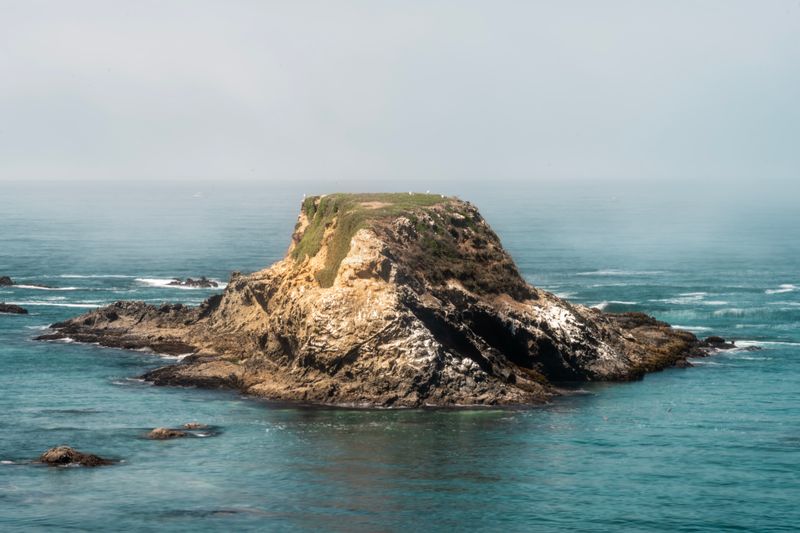
Between December and April, thousands of grey whales pass Mendocino’s coastline during their annual migration between Alaska and Mexico.
These massive marine mammals travel remarkably close to shore, often visible without binoculars as they surface to breathe, their distinctive spouts rising against the horizon.
Patient observers might witness breaching, when whales launch their entire bodies out of the water in displays that scientists still don’t completely understand.
The Mendocino Headlands provide ideal whale watching locations, with high bluffs offering unobstructed ocean views and numerous vantage points to choose from.
Visitors can walk the trails until they find a quiet spot, then simply wait and watch.
March typically offers peak viewing, when whales travel northward with newborn calves, moving more slowly and staying closer to shore than during the southbound journey.
Local organizations sometimes offer guided whale watching walks, where knowledgeable naturalists help spot distant spouts and explain migration patterns, whale behavior, and conservation efforts.
These programs add educational value without requiring boat trips, which some visitors prefer to avoid.
The experience of watching wild whales from solid ground, surrounded by Mendocino’s dramatic coastal landscape, creates memories that last far longer than the actual sightings, connecting people to natural rhythms that have continued unchanged for millennia.
10. Mendocino Coast Botanical Gardens Showcase Coastal Flora
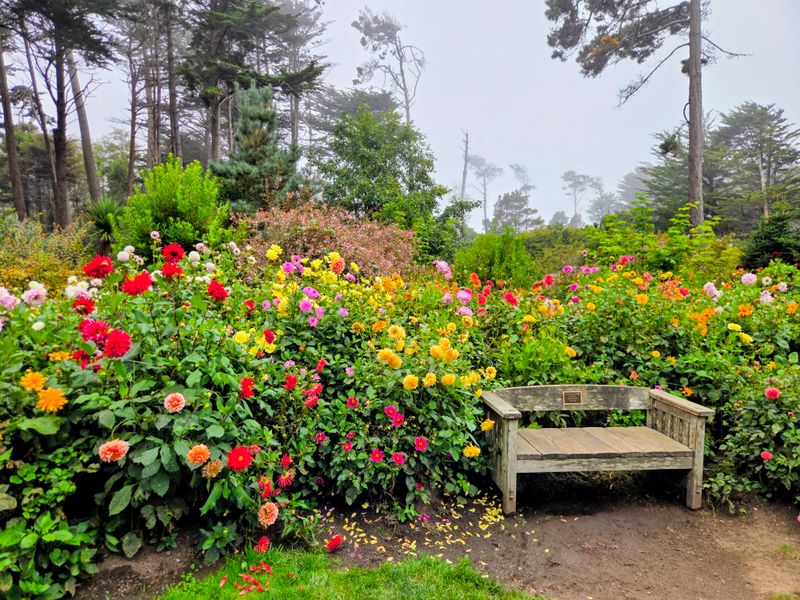
The Mendocino Coast Botanical Gardens at 18220 CA-1, Fort Bragg, CA 95437 spread across 47 acres where carefully cultivated plantings blend seamlessly with native coastal ecosystems.
Trails wind through distinct garden areas – rhododendron groves bursting with spring color, succulent gardens demonstrating water-wise landscaping, fern canyons creating cool green retreats.
The gardens extend all the way to the ocean, where a coastal bluff trail offers stunning views and opportunities to observe native plants thriving in harsh seaside conditions.
Visiting requires planning for several hours, as the extensive grounds reward slow exploration rather than quick walks.
Benches positioned throughout invite resting while absorbing the surroundings, and the sound of waves provides constant background music.
Spring brings peak blooming, but each season offers different attractions, from fall foliage to winter storm watching from protected overlooks.
The gardens serve educational purposes beyond simple beauty, demonstrating sustainable gardening practices and preserving native plant species threatened by development.
Interpretive signs explain plant adaptations to coastal conditions, offering lessons applicable to home gardens throughout the region.
This combination of aesthetic pleasure and practical information makes the botanical gardens valuable for serious gardeners and casual nature lovers alike, providing inspiration and knowledge alongside the simple joy of walking through beautiful landscapes carefully tended by people who genuinely love plants.
11. Skunk Train Travels Through Ancient Redwood Forests
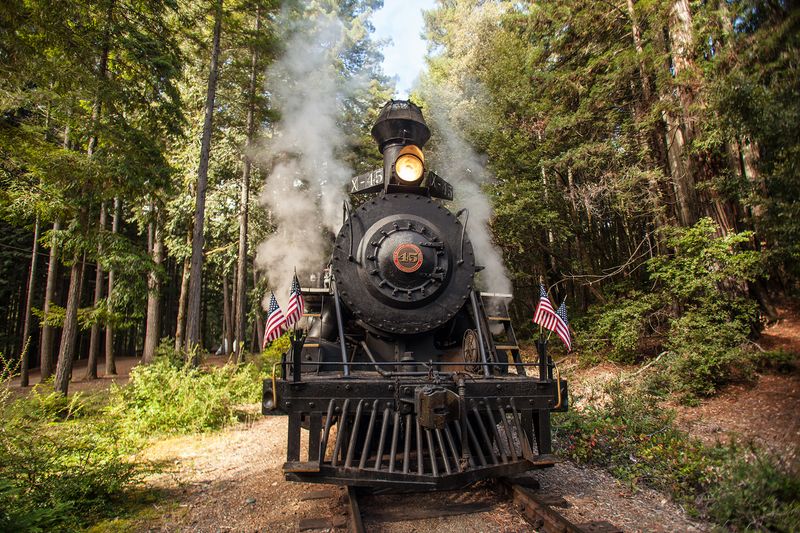
The historic Skunk Train earned its unusual name from the distinctive smell of the early gas-powered engines, which locals claimed they could detect before seeing the train itself.
Today’s trains run on cleaner fuels, but the name stuck, becoming a beloved part of Northern California railroad history.
The route winds through otherwise inaccessible old-growth redwood forests, where massive trees tower hundreds of feet overhead and the forest floor remains dim even on sunny days.
Several different ride options accommodate varying schedules and interests, from short excursions to half-day journeys.
The trains depart from Fort Bragg, making them easily accessible for Mendocino visitors willing to drive a few miles north.
Vintage railcars preserve the atmosphere of early 20th-century travel, with large windows providing excellent views and open-air cars allowing direct connection to forest sights, sounds, and smells.
Riding the Skunk Train offers perspectives on redwood forests impossible to achieve by car or on foot.
The tracks follow routes carved specifically for logging operations, penetrating deep into groves where some trees predate European arrival in California.
Conductors share history and natural information throughout the journey, explaining logging techniques, forest ecology, and railroad operations.
The experience combines nostalgia, education, and natural beauty into a uniquely Northern California adventure that appeals across generations.
12. Heritage Days Celebrate Living History
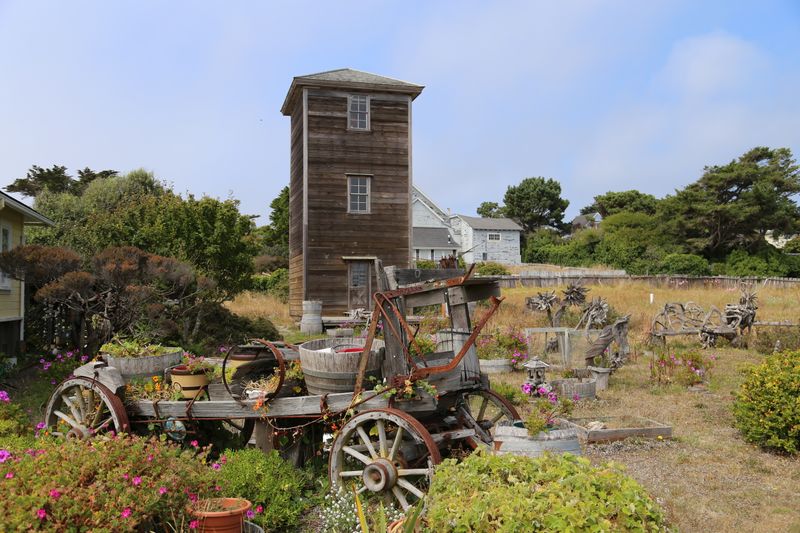
Each year, Mendocino transforms into a living museum during Heritage Days, when costumed interpreters bring the town’s 19th-century past vividly to life.
Volunteers research specific historical figures who actually lived in Mendocino, then portray these people in period-appropriate clothing, sharing their stories in first-person narratives.
Visitors might encounter a logger’s wife explaining household management in the 1880s, a sea captain describing voyages down the coast, or a shopkeeper demonstrating merchandise and business practices from decades past.
Guided walking tours lead groups through town, stopping at significant buildings while guides explain architectural features, construction techniques, and the lives of original occupants.
These tours reveal details easily overlooked during casual exploration, helping visitors understand how Mendocino’s physical appearance reflects the practical needs and aesthetic preferences of its founders.
The combination of storytelling and architectural analysis creates deeper appreciation for the preservation efforts that saved these buildings.
Heritage Days also feature presentations on historic preservation techniques, demonstrating how specialists maintain old buildings using period-appropriate materials and methods.
These practical workshops interest homeowners dealing with their own historic properties, while general visitors gain understanding of the skill and dedication required to keep Mendocino authentic.
The event celebrates not just history itself but the ongoing commitment to honoring that history through careful stewardship of irreplaceable architectural treasures.