This Dreamy Florida Town Feels Like Living Inside A Painting
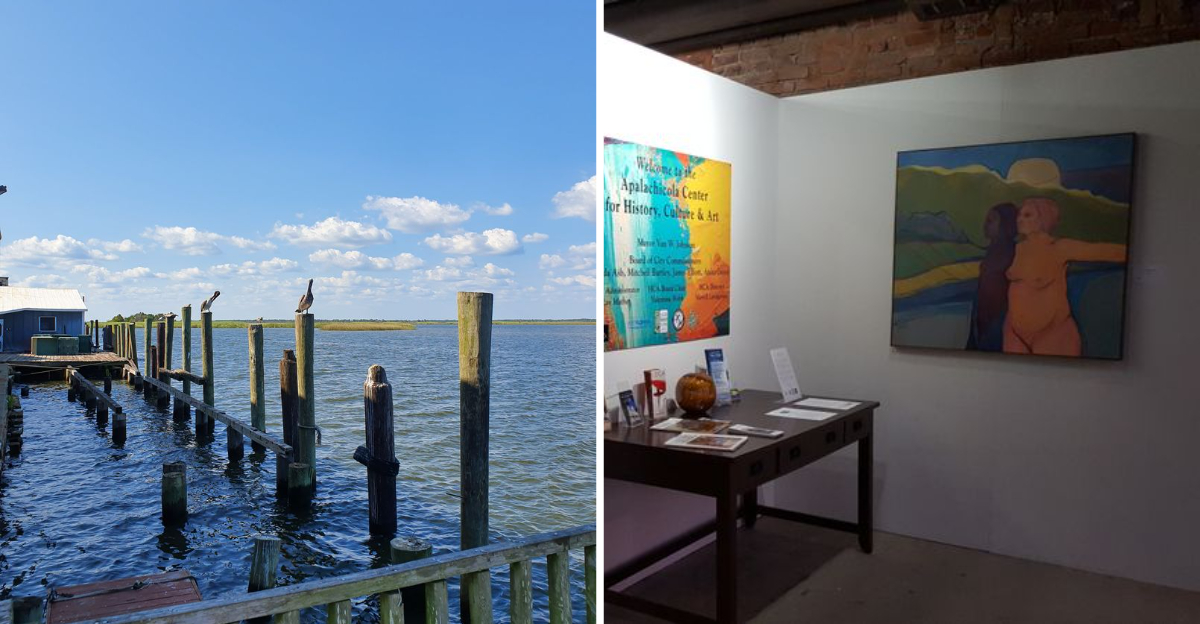
The first time I arrived in Apalachicola, Florida, it felt like I had stepped off the highway and into a place that did not care about keeping up.
I parked near the water and immediately noticed weathered buildings splashed with murals, handmade signs, and art that looked like it grew there naturally.
Walking the streets felt unplanned in the best way, as if galleries, shops, and studios had arranged themselves without asking permission.
I wandered past old wooden houses turned into creative spaces, where artists waved from porches and music drifted out of open doors.
Everything moved slower, softer, and more intentionally than anywhere else I had been in Florida. The town felt funky without trying, creative without posing, and deeply comfortable in its own skin.
I spent hours ducking into tiny art shops, talking to locals who treated creativity like part of daily life rather than something special.
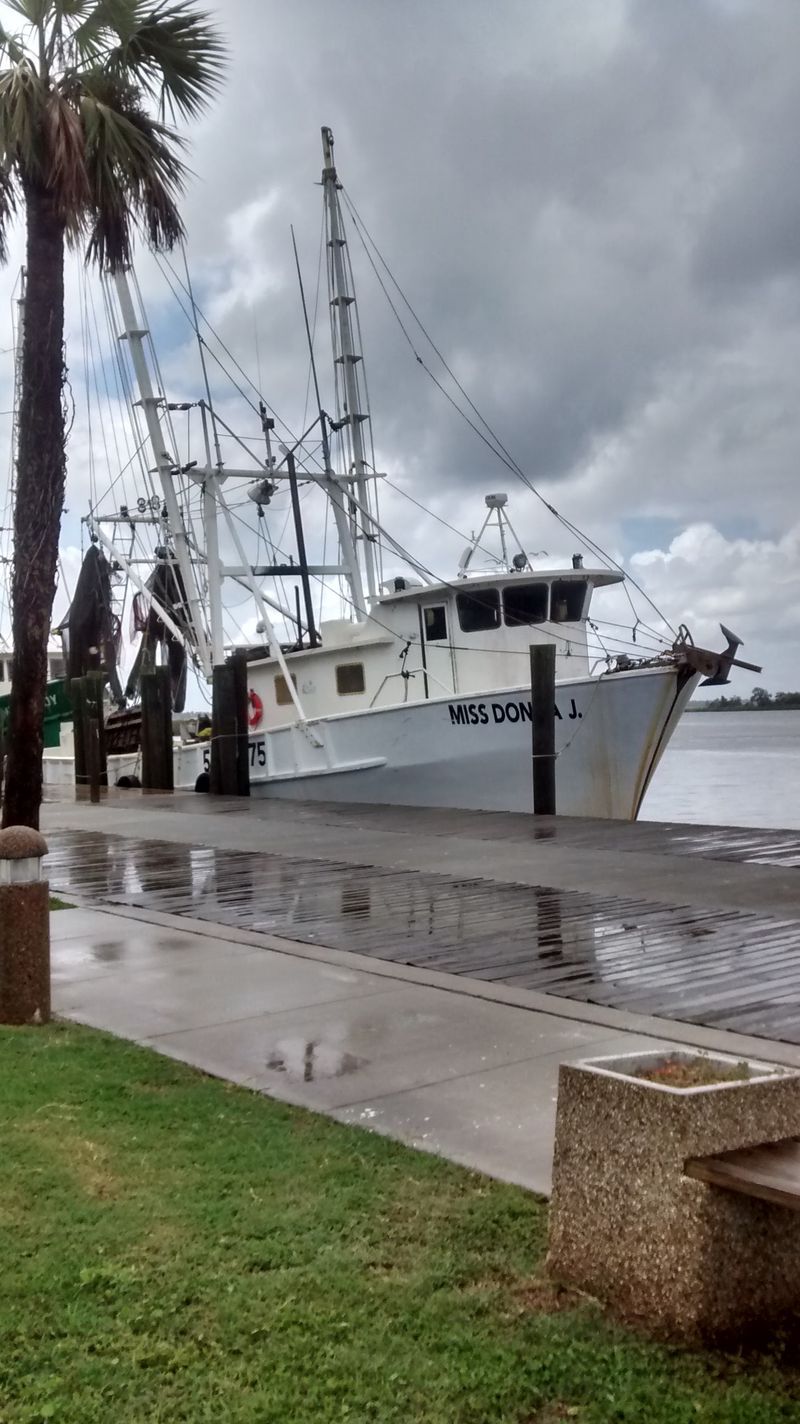
Even the waterfront felt artistic, with shrimp boats, docks, and sunsets blending into the same dreamlike atmosphere.
The town did not feel curated or polished, which somehow made it feel more magical. By the time I left, I realized this was not just a town you visit, but a place you experience slowly, at your own pace.
1. Riverfront Morning At Water Street
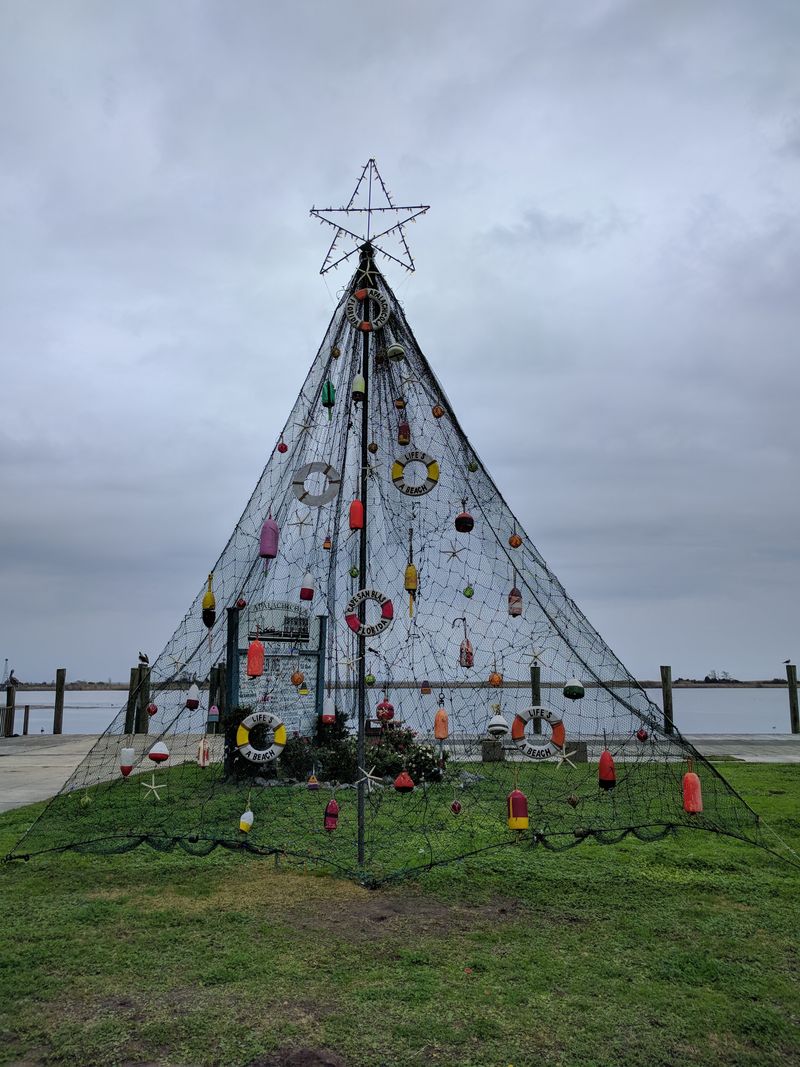
The river wakes before you do in Apalachicola, and standing along Water Street I watched shrimp boats murmur at their lines while the sky unfolded like a clean canvas slowly deciding what it wanted to become.
Color arrived thin at first, almost hesitant, then deepened and spread, pooling across the water until the hulls wore a soft glaze that felt deliberate rather than accidental.
A painter nearby dabbed at the sky she could never fully catch, and watching that quiet chase felt like listening to the town’s heartbeat finding its pace.
Brick warehouses leaned comfortably into history as the tide tapped them with silver patience, and the sound carried just enough to remind you how close the water always is.
Footsteps echoed across the wooden planks at Riverfront Park, a gull called out toward the widening horizon, and somewhere behind me a screen door sighed open and shut.
I noticed a couple sipping coffee on a bench, shoulders touching, sharing silence like it was an exhibit meant to be lingered over.
Morning here does not shout. It brushes.
Across the street, gallery doors slid open one by one without urgency, as if art simply decided it was time to wake up.
A ceramicist shaped a bowl that still seemed to remember moonlight even though the sun had grown confident and bright, and I kept noticing how the light kept changing storefront colors as I walked.
Everything shifted. Everything softened. It felt like turning pages in a sketchbook that refused to repeat itself.
When a work truck rattled past, it did not break the spell. It scratched the surface just enough to reveal what lives underneath.
Fishing, families, tides, paint, labor, memory, and patience folded together without effort. You do not visit the river here.
You drift through it, you move at its speed whether you intend to or not, and if you stay long enough, Apalachicola quietly rearranges you before you even realize you have slowed down.
2. Gorrie Square And The Old Oaks
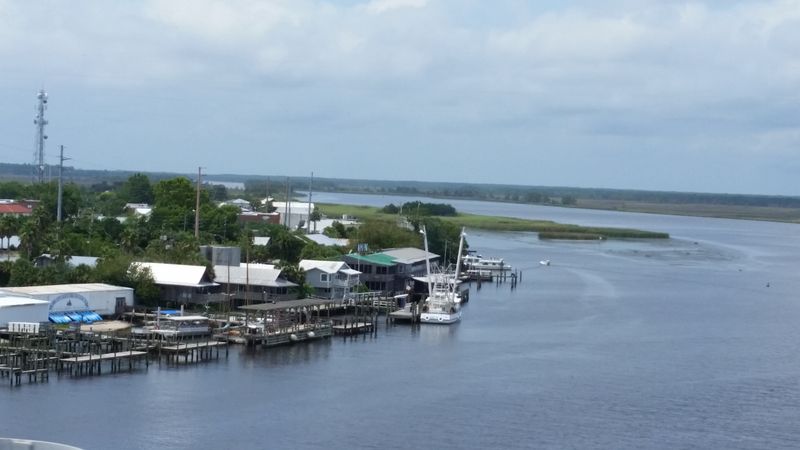
Gorrie Square sits beneath live oaks that draw lace across the day, and I wandered under their reach letting the shade decide my pace instead of the clock.
Leaves spoke in soft, syllabled breezes, the kind you only notice when you stop trying to get somewhere, and the air felt practiced at lingering.
A plein air painter had planted an easel near the sidewalk and was chasing the dapple, which moved as fast as breath and refused to hold still for anyone.
The painting shifted constantly as moss swayed and light slipped, changing tone and temperature every few seconds.
Nearby, the small museum honoring Dr. John Gorrie kept the square honest, a reminder that invention and patience often grow in the same soil.
History here is not a plaque you read and forget. It is a neighbor you pass daily.
Brick buildings surrounding the green seemed to carry voices in their mortar, and I could almost hear yesterday straightening its shirt cuffs as kids pedaled by on bikes that rattled cheerfully.
Vendors laid out coastal photographs, hand dyed linens, and small objects that felt shaped by tide and weather rather than trend.
A potter showed me a shallow bowl glazed to the color of low tide, and when I held it I was certain it could fill itself if left alone long enough.
The square gives artists what they need without asking anything back: time, shade, a slow turning of light, and an audience that is not in a hurry. Even sitting on a bench felt like participating.
When the sun finally rolled west, the oaks staged their own exhibition, shadows braiding themselves across the lawn with quiet confidence. The painter added a final stroke that felt like a bow.
In Apalachicola, even the pause is composed, and you walk away with pockets full of quiet you did not know you were gathering until they weigh pleasantly in your hands.
3. Raney House And Bricklight Afternoons
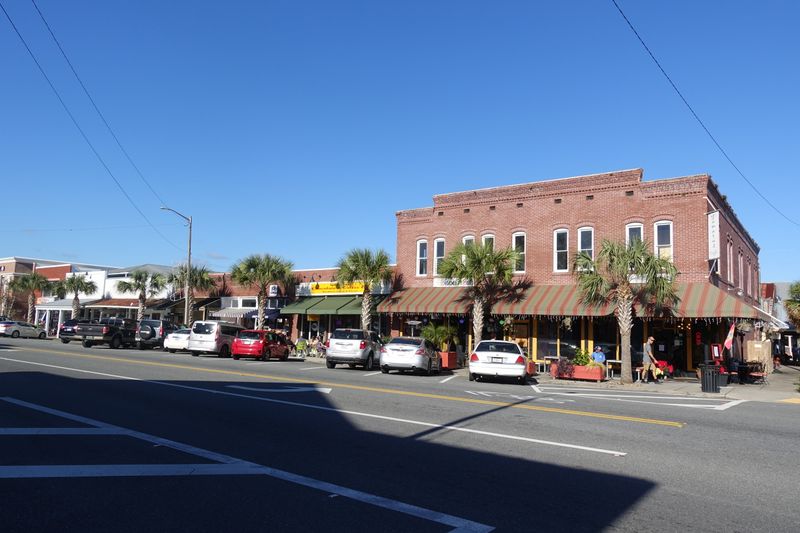
The Raney House stands on Avenue F like a generous frame around a century, its Greek Revival columns holding up a kind of hush that feels earned rather than imposed, and I sat on the steps beside a sketcher mapping shadows instead of lines.
The bricks out front caught the afternoon and returned it in honeyed waves, warming the soles of my shoes and making the whole place feel composed without ever feeling stiff or preserved.
Inside, artifacts tell family stories and port stories with careful labels and quiet respect, but outside is where the light seems to work overtime, climbing the clapboard, tipping its hat, then sliding away in a slow, patient spill.
The sketcher murmured about negative space, about letting the air do some of the work, and I understood it in my bones because there is so much room for breath here.
Visitors came and went like gentle edits to a page, never interrupting the rhythm, just adding motion. A ranger’s voice floated nearby, tucking details into our pockets about trade routes, storms survived, repairs made, and things rebuilt after loss.
Each fact settled like another thin layer of glaze, deepening rather than overwhelming what was already there.
You can feel the town’s persistence as texture under your fingertips, even if you only trace the railings once before moving on.
As the sun leaned hard into the west, the street warmed into another color entirely, one that did not exist an hour earlier.
The sketcher closed the pad and laughed at how far the drawing had drifted from the house itself. That felt right. That is Apalachicola.
You chase one subject and find another, and somehow it still fits, and even as the day ends and shadows stretch long, the palette never empties, it only keeps rearranging itself.
4. Tin Roof Studios On Market Street
Market Street wears tin and time the way a favorite brush wears paint, and as I pushed open a studio door I caught the clean snap of canvas and the mineral scent of pigment hanging confidently in the air.
An artist was layering river blues with oyster shell white, working slowly, and the entire wall felt tidal, like it might rise and fall if you stood there long enough. I noticed my own pulse matching it.
Down the sidewalk, past hand lettered signs that tilted just slightly from age or attitude, another space held driftwood sculptures smoothed by years of water and weather.
I ran my hands along one piece and it practically hummed, warm despite the shade.
The shopkeeper told me it had been lifted after a storm and sanded back to its soft truth, and that phrase stayed with me far longer than I expected.
Soft truth. It fits this town like a second skin.
A few doors down, I met a photographer who shoots at dawn and prints by noon, moving with the light instead of against it.
His frames caught shrimp nets like lace, clapboard siding like hymn stanzas, and moments that felt both ordinary and sacred.
We talked about patience, about how the river decides what you get no matter how prepared you think you are.
He said the best shots are the ones you almost miss until you do not, and I believed him immediately.
Outside again, a breeze lifted flags clipped to awnings, and Market Street let out that easy sigh it seems to save for weekdays.
Nothing is rushed here, but nothing is idle either. Work is steady, hands are sure, and conversation reads like margin notes written by people paying attention.
By the time I left, my pockets carried lint, small talk, and the kind of inspiration that sneaks up quietly, settles in, and then refuses to leave no matter how far you walk.
5. The Sponge Docks And Net Menders
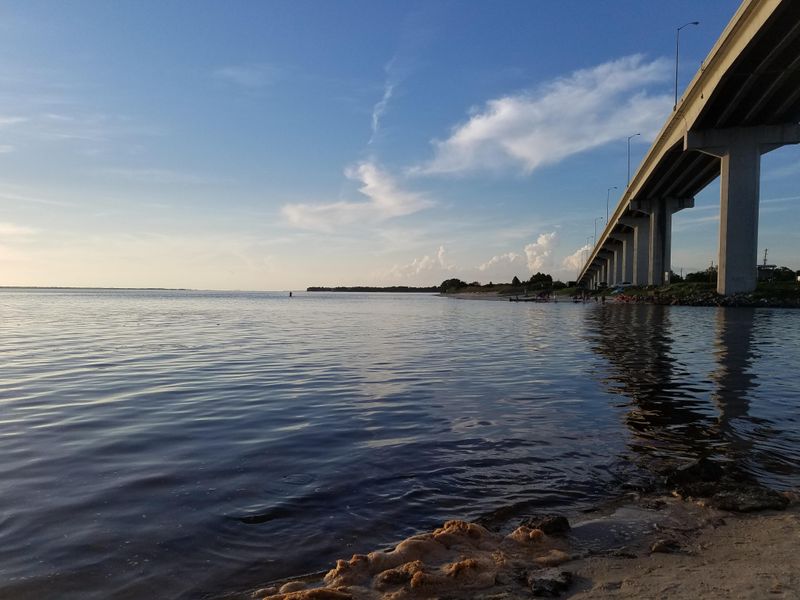
On the working edge of town, the sponge docks stretch like an unfinished sketch, and standing there I felt as if I had stepped into a drawing that was still deciding where its lines belonged.
The pilings wear scars the way elders wear stories, not hidden, not polished, just present and earned, and nets dry along the rails in soft looping gestures that look almost intentional.
The air tastes like salt and rope and sun-warmed wood, and it settles on you quickly.
I watched two menders work with needle and twine, their movements steady and practiced, their rhythm closer to music than task, something learned through repetition rather than instruction.
Tourists wandered past with cameras lifted, but the scene barely noticed them. It was busy being itself. The docks do not pose. That is part of their beauty. The angles are practical and somehow perfect, all purpose and no apology.
Sun catches on hemp, rust blooms quietly on winches, and the whole place holds a palette of durable colors that do not need names because everyone already understands them.
Nearby, a sculptor stood still, collecting shapes with her eyes instead of her hands, and she told me these lines teach structure better than any studio ever could. I believed her without question.
The docks became a living diagram of tension and relief, stretch and release, weight and balance, all working together without discussion. Even the gulls seemed to trace arcs that felt drafted by hand.
When a skiff slapped the water and the men laughed, the sound unspooled across the river and came back softened, as if the place itself knew how to edit.
I thought about how art often chases the real and finds it right here, plain and busy, un-selfconscious and necessary.
Apalachicola lets you stand inside it without being in the way, and when you finally leave, you do so respectfully, quieter than before, a little briny, carrying the pattern of net knots in your memory long after the smell of salt fades.
6. Apalachicola Center For History, Culture And Art
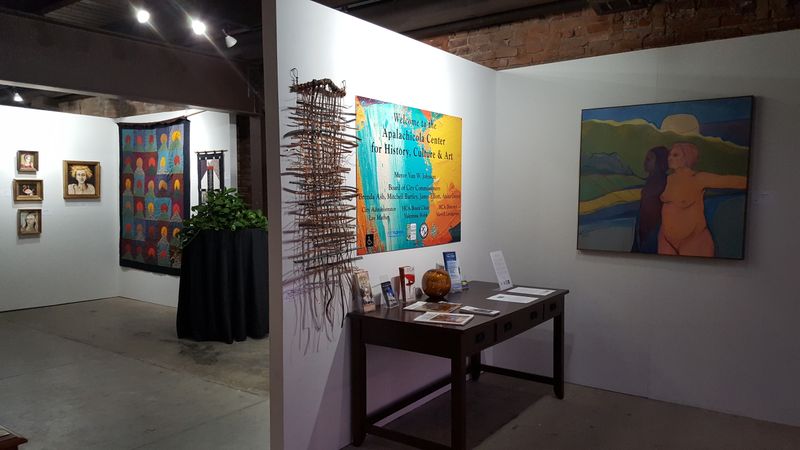
The Apalachicola Center for History, Culture and Art is a white room that breathes. Tall windows angle in river light. Exhibits rotate, but the throughline is always coastal life translated by steady hands.
I wandered slowly, then slower, letting each canvas keep me longer than I planned. A volunteer welcomed me like a regular and pointed out a series on working boats.
Brush strokes walked the planks. You could feel the weight of rope and the soft groan of wood. A mixed media piece had oyster shells embedded along the edge, glinting like stitched moons.
I leaned in and forgot the rest of the room for a moment. Kids drifted past, whispering inventories of color while a teacher nodded them closer. The center does classes too, which made the place feel alive beyond display.
It is a hub, not a hush. You leave with ideas scratching at your sleeve, asking to be let out later when the house is quiet.
From the doorway, Market Street framed the river like a companion piece. Outside promised bustle, but the gallery gave context. Apalachicola is a conversation between work and wonder, and this building helps you hear it clearly.
I stepped back into the day steadier, tuned, grateful for a town that funds its own heartbeat with care.
7. Battery Park At Blue Hour
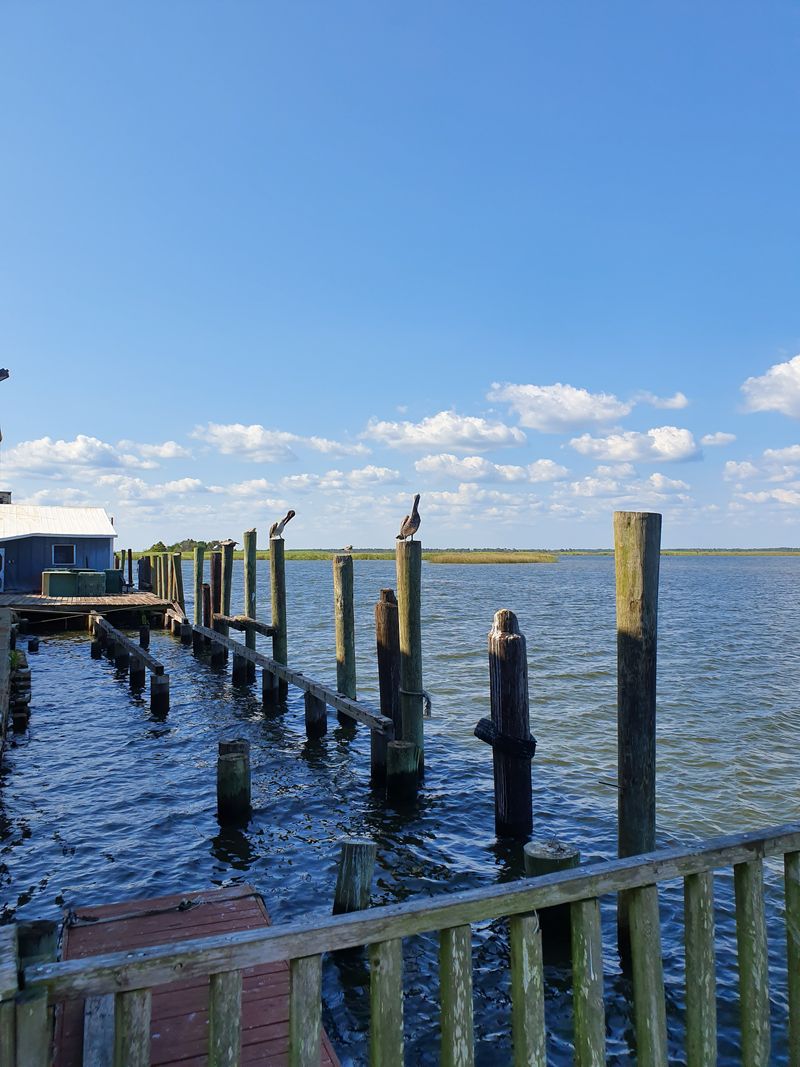
When the sun has stepped down but not gone, Battery Park turns to ink and lullaby. The fishing pier stretches like a careful underline across the river.
Palms and pines soften to silhouettes, and the water keeps the sky’s last words. I came with a small notebook and sat near two artists sketching what they could not name yet.
Blue hour feels earned in Apalachicola. The day gives you boats, galleries, errands, and smiles. Evening gives you hush with edges.
I watched a heron lift into the color and become part of the gradient. The pier boards clicked softly under patient footsteps. No one rushed the dimming.
One sketcher slid over to show me her page. Blocks of charcoal, a smudge for horizon, a single white line for a dock light. That was the river. Simple and exact.
We talked about how the dark edits out the loud and leaves what matters most. She said the night here is a critic with taste. When the first stars arrived, they looked like pinpricks in heavy paper.
The park held steady, and the town behind us adjusted its lamps. I packed up slowly, promised myself I would keep some blue for later, and walked back through the trees. Apalachicola let me go, but it kept a page of my notebook.