This Eerie California Ghost Town Has A Way Of Sending Chills Down Your Spine
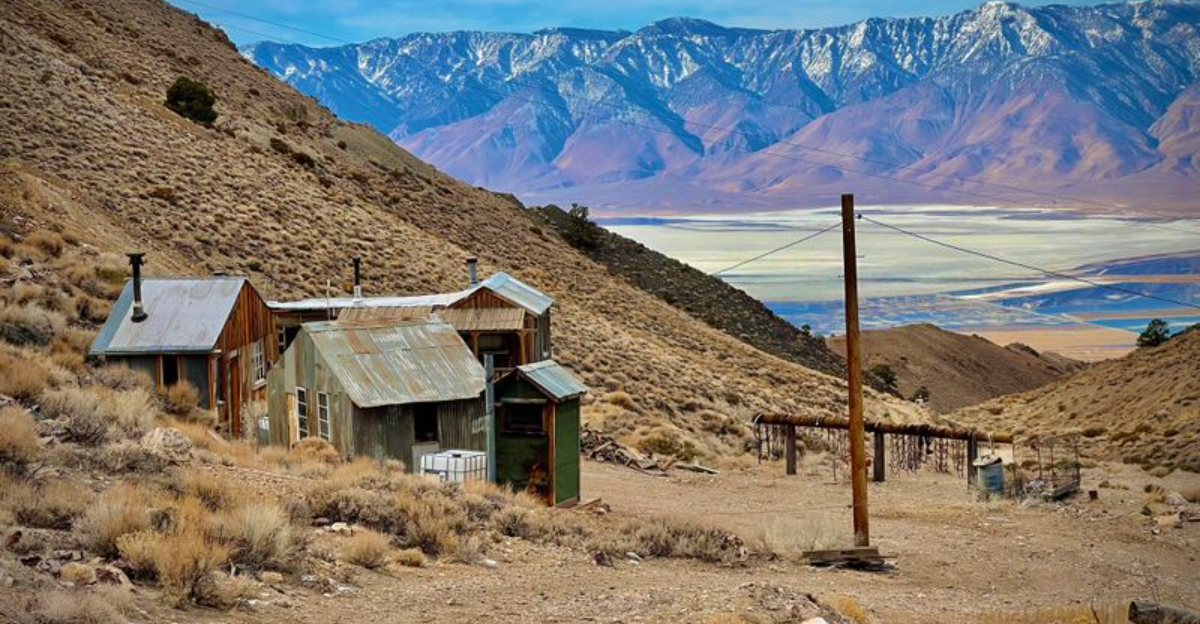
High in the Inyo Mountains sits a ghost town where the past feels anything but quiet. Weather-beaten buildings cling to the mountainside like they’re guarding secrets too dark to fade with time.
Empty windows stare out across the desert, and abandoned mine shafts plunge deep into the earth where fortunes were made overnight.
The town rose to prominence during the silver boom of the 1860s, becoming one of the richest mining towns in the American West. Its mining output played a major role in fueling the early growth of Los Angeles, placing this remote outpost firmly on California’s historical map.
At its peak, the town buzzed with ambition, opportunity, and the promise of striking it rich.
Today, the structures still stand, frozen between prosperity and decay. Visitors who make the winding journey through California’s high desert often describe an eerie stillness that settles in the moment they arrive.
Floorboards creak without warning, mine tunnels breathe out cool air, and the wind moves through buildings as if the town never fully emptied.
Reaching Cerro Gordo requires navigating miles of rugged dirt road, a journey that only adds to the anticipation. Those who arrive step into a place suspended in time – part restoration project, part living history site – where new stories continue to surface from one of California’s most isolated and intriguing mountain towns.
1. Discovery Of Silver Veins Changed Everything In 1865
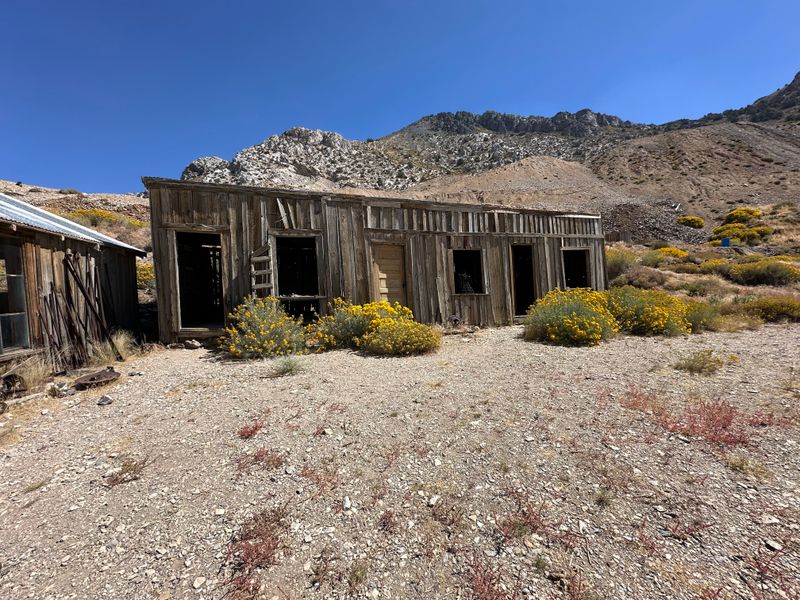
Mexican prospector Pablo Flores spotted something unusual near Buena Vista Peak that would alter the course of regional history. The silver veins he discovered in 1865 proved remarkably rich and extensive.
Word spread quickly through mining camps across the territory.
Prospectors arrived from every direction within months of the initial discovery. The remote mountain location presented significant challenges for transportation and supplies.
Miners established camps that gradually merged into a cohesive settlement.
By 1868 the population had grown to approximately 700 residents drawn by reports of easy wealth. Mining claims multiplied as more veins were located throughout the surrounding peaks.
The town of Cerro Gordo took shape around the most productive mining operations.
Nearly 1,000 claims had been filed in the area by 1870 as prospectors staked out every promising section of mountainside. The rush transformed a barren slope into a bustling industrial center.
Equipment and workers continued arriving as operations expanded. The silver that started with one man’s keen eye would eventually produce millions of dollars in ore and shape the economic development of Southern California for decades to come.
2. Peak Production Made It California’s Silver Powerhouse
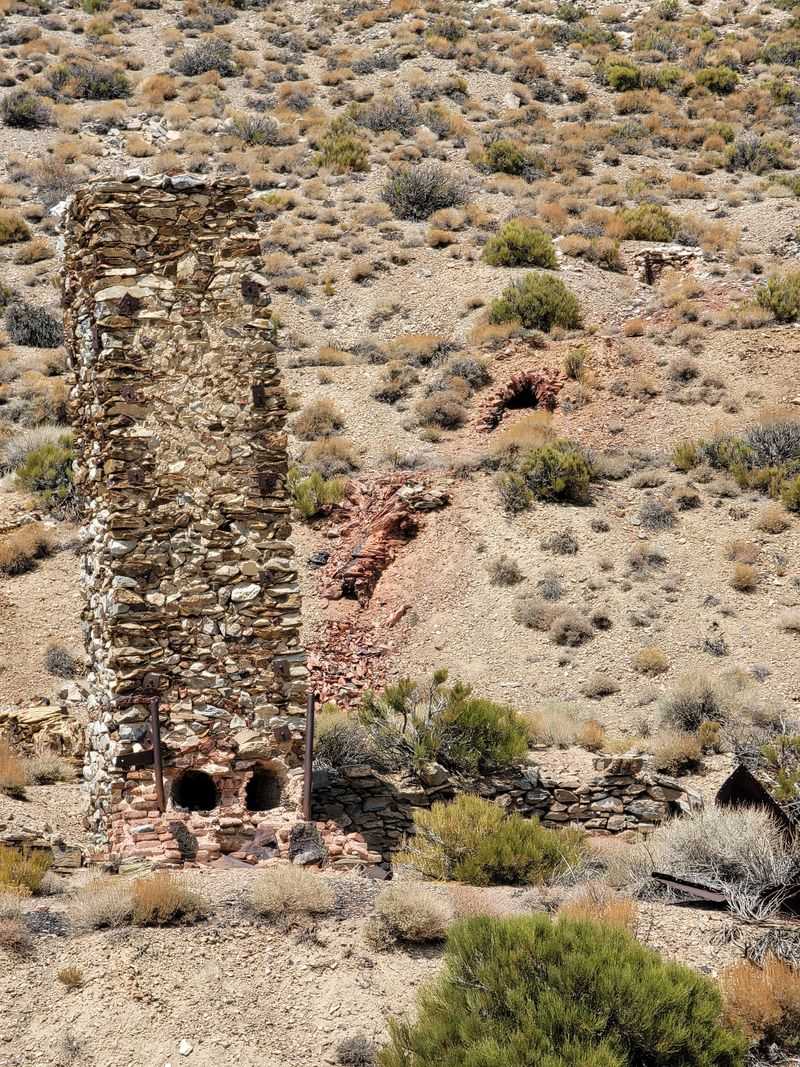
At its height Cerro Gordo produced approximately 18 tons of silver-lead bullion every single day. The scale of operations rivaled any mining district in the western territories.
Smelters ran continuously to process the constant flow of ore from the mountain.
This output made Cerro Gordo the largest silver producer in all of California during its peak years. The wealth generated flowed down the mountain to Los Angeles where it funded construction and commerce.
The mines earned the nickname that would define their legacy as the operations that built LA.
Ore wagons made the dangerous journey down steep mountain roads carrying fortunes in processed metal. The route to Los Angeles became one of the most valuable supply lines in the region.
Teamsters risked their lives on narrow switchbacks to deliver the silver that fueled urban growth.
Production at this level required hundreds of workers laboring in shifts around the clock. The mountain echoed with the constant sound of drilling and blasting.
Smoke from the smelters could be seen for miles across the valley below as Cerro Gordo transformed raw mountain rock into the financial foundation of a future metropolis.
3. Violence And Lawlessness Defined Daily Life
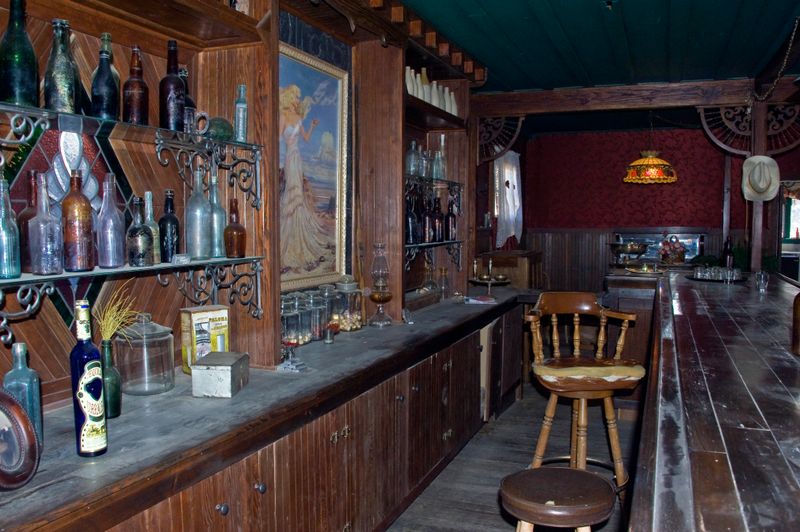
Newspapers from the mining era reported an average of one murder per week in Cerro Gordo. The remote location meant formal law enforcement rarely reached the mountain.
Disputes over claims and gambling debts were settled with guns rather than courts.
Miners developed the practice of sleeping with sandbags arranged around their beds for protection. Stray bullets passing through thin wooden walls posed a constant danger.
Saloons and gambling halls operated without regulation or oversight from any authority. Arguments over cards or perceived slights escalated quickly in an environment where everyone carried weapons.
The cemetery filled with graves marked only by wooden crosses or unmarked stones.
Those who survived learned to keep their heads down and avoid conflicts whenever possible. The lack of law meant justice was often determined by whoever had the most friends or the fastest draw.
Violence became so routine that many occurences went unreported beyond the immediate community. The town’s isolation created a world where frontier justice was the only justice available and survival often depended on being quicker or more ruthless than your neighbor in this silver-rich but blood-soaked settlement.
4. Decline Came Through Fire And Economic Collapse
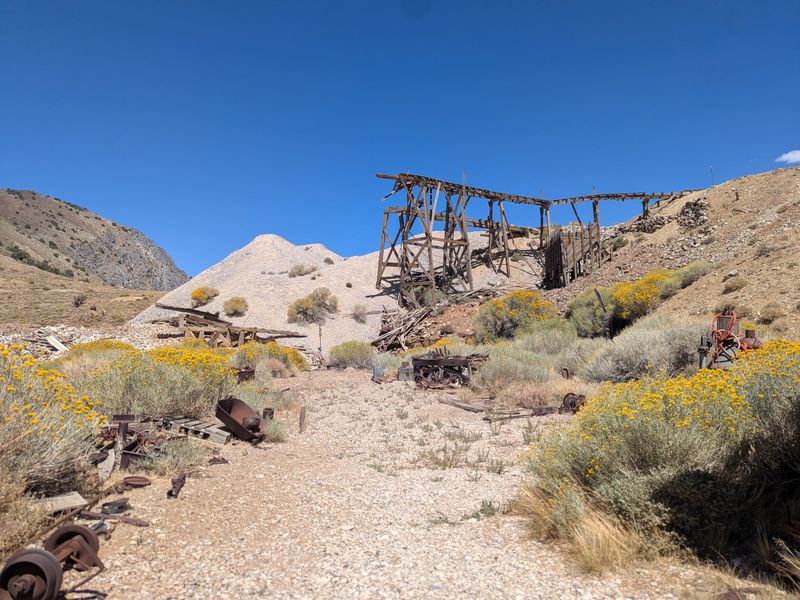
The quality of silver ore began declining noticeably by 1877 as miners worked deeper into the mountain. Falling silver prices on national markets made marginal operations unprofitable.
The combination of reduced ore quality and lower prices created economic pressure that many operations could not survive.
A devastating fire swept through the town that same year destroying critical infrastructure. The Belshaw smelter burned along with several other key buildings that supported mining operations.
Rebuilding proved difficult as investment money dried up along with confidence in the district’s future.
Brief revivals occurred when silver prices temporarily improved or new veins were discovered. These resurgences never matched the intensity or profitability of the early boom years.
Equipment gradually fell into disrepair as maintenance became too expensive to justify.
Mining operations finally ceased completely by the 1940s after decades of sporadic activity. Workers left to find employment in more promising locations.
Buildings stood empty as wind and weather began the slow process of reclaiming the mountain.
The town that once hummed with constant activity fell silent except for the creaking of abandoned structures and the whistle of wind through broken windows in what had become a monument to boom and bust economics.
5. Belshaw House Harbors Unexplained Phenomena
Mortimer Belshaw built his residence to reflect his status as owner of the town’s primary smelting operation. The house stood as one of the finest structures in Cerro Gordo during the mining era.
Today it remains standing while many other buildings have collapsed into ruins.
Visitors consistently report hearing footsteps moving through empty rooms when no one else is present. The sounds often come from the upper floor and move in patterns suggesting someone walking between rooms.
Attempts to locate the source reveal nothing but dusty floorboards and vacant spaces.
Voices have been heard by multiple witnesses though the words remain indistinct and unclear. Some report the sensation of being watched while exploring the structure.
Cold spots appear in certain rooms even on warm days.
The house’s history includes disputes typical of the violent mining era. Whether these events left some residual energy remains a matter of debate among visitors.
Skeptics attribute the phenomena to wind moving through gaps in the old structure and the power of suggestion in an isolated location. Those who experience the unexplained events often leave with changed perspectives about what might remain in places where strong emotions and violence occurred with such frequency during Cerro Gordo’s most turbulent years.
6. American Hotel Fire Created New Ghost Stories
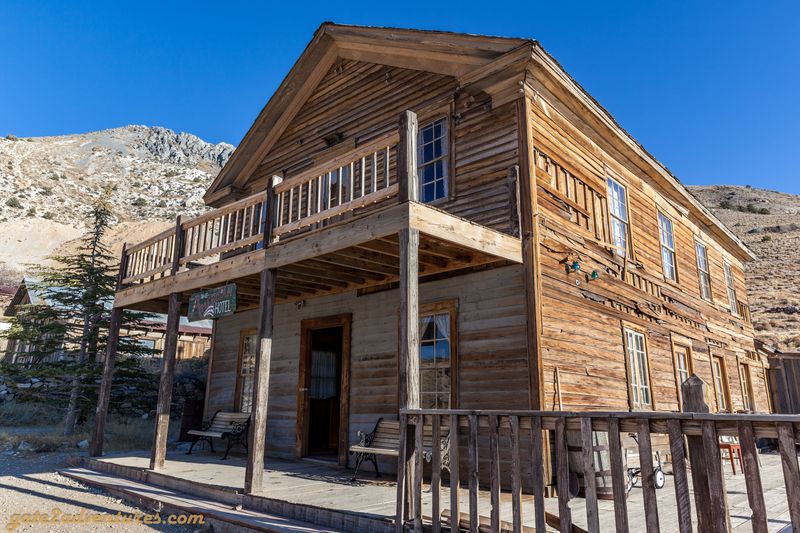
The American Hotel served as the social center of Cerro Gordo for generations of miners and visitors. The structure survived over a century of harsh mountain weather and abandonment.
Guests and caretakers reported strange occurrences long before the tragic fire of 2020.
Glasses were said to move on their own across tables in the old bar area. Phantom figures appeared in hallways and disappeared when approached.
The hotel gained a reputation among paranormal enthusiasts as one of the most actively haunted locations in the region.
Fire consumed the historic building in June 2020 during restoration efforts to preserve the structure. The loss devastated those working to maintain the town’s heritage.
Reconstruction began shortly after as determination to rebuild outweighed the setback.
Some visitors now report that paranormal activity has increased rather than decreased since the fire. Unexplained lights appear near the hotel site at night. Strange sounds emerge from the reconstruction area when no workers are present.
Whether the fire somehow intensified spiritual activity or whether the tragedy simply added another layer to the location’s haunted reputation remains unclear to those who continue reporting encounters with the unexplained among the charred timbers and rising new walls of this twice-built landmark.
7. Modern Restoration Brings New Life To Old Bones
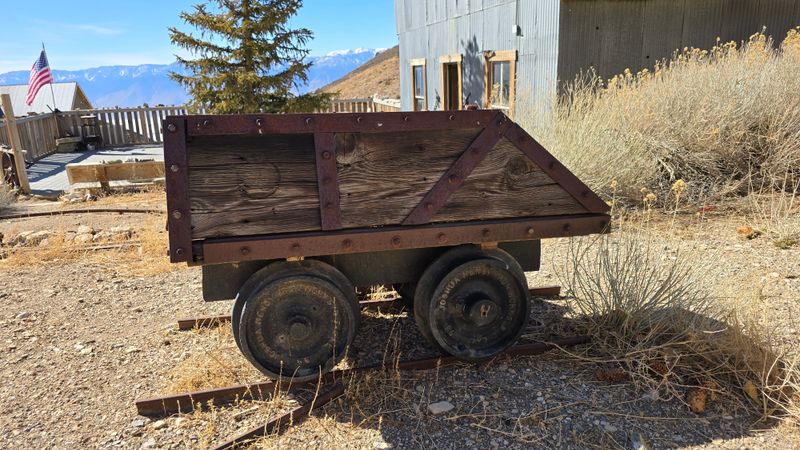
Entrepreneurs Brent Underwood and Jon Bier purchased the entire town of Cerro Gordo for $1.4 million in 2018. Their vision involved preserving the historical structures while making the site accessible to visitors.
The project represented a significant gamble on an extremely remote property.
Underwood moved to the mountain full-time in 2020 to oversee restoration work directly. Living alone in a ghost town presented challenges from harsh weather to complete isolation.
The nearest services lay nearly 50 miles away down a treacherous mountain road.
Documentation of the restoration process appears on the YouTube channel Ghost Town Living. The videos have attracted millions of views from people fascinated by the combination of history and adventure.
Subscribers follow along as structures are stabilized and artifacts are preserved.
The project aims to transform Cerro Gordo into a destination that educates visitors about mining history and Western settlement. Work proceeds slowly due to the difficulty of transporting materials up the mountain.
Each preserved building and stabilized mine structure represents months of effort.
The restoration has generated renewed interest in a location that might otherwise have continued its slide into complete ruin as weather and time erased the last traces of this remarkable chapter in California mining history.
8. Original Structures Stand As Time Capsules
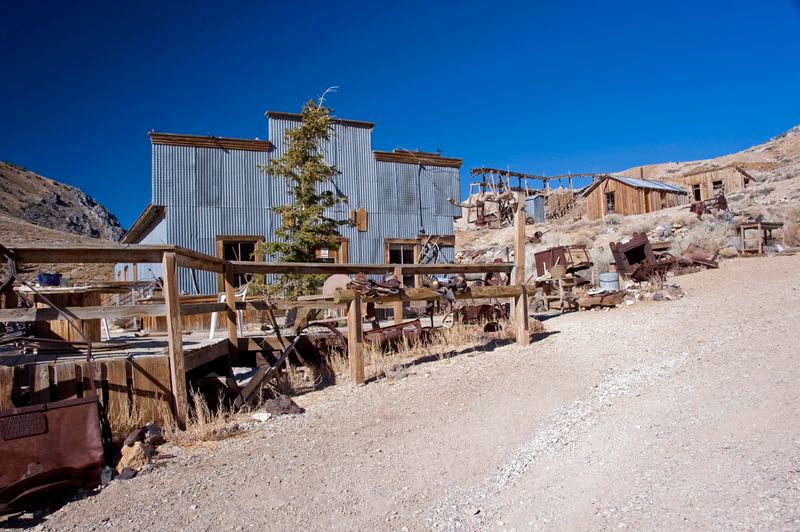
Several original buildings from the mining era remain standing despite over a century of abandonment. The Belshaw House survives as an example of the finest residential architecture the town offered.
Its Victorian details stand in stark contrast to the rough mining structures surrounding it.
The Union Mine hoist house still contains much of its original equipment frozen in place. Massive wooden beams and metal gears show the industrial scale of operations.
Walking through these structures provides direct connection to the physical reality of 19th-century mining.
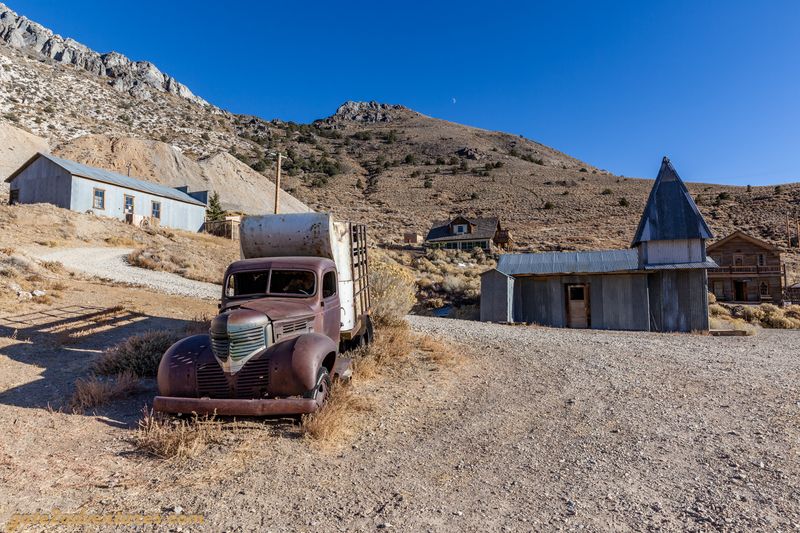
Smaller buildings including assay offices and storage sheds dot the town site in various states of preservation. Some retain their roofs and walls while others have partially collapsed.
Each structure tells part of the larger story about how the community functioned.
The American Hotel site now shows both the destruction of the 2020 fire and ongoing reconstruction efforts. Original foundation stones mix with new timber in a visible timeline of the building’s history.
Mining infrastructure including ore chutes and rail lines can still be traced across the mountainside. These physical remnants allow visitors to visualize the constant movement of ore and supplies that once defined daily life in this isolated industrial center perched high above the valley floor.
9. Accessing The Town Requires Serious Preparation
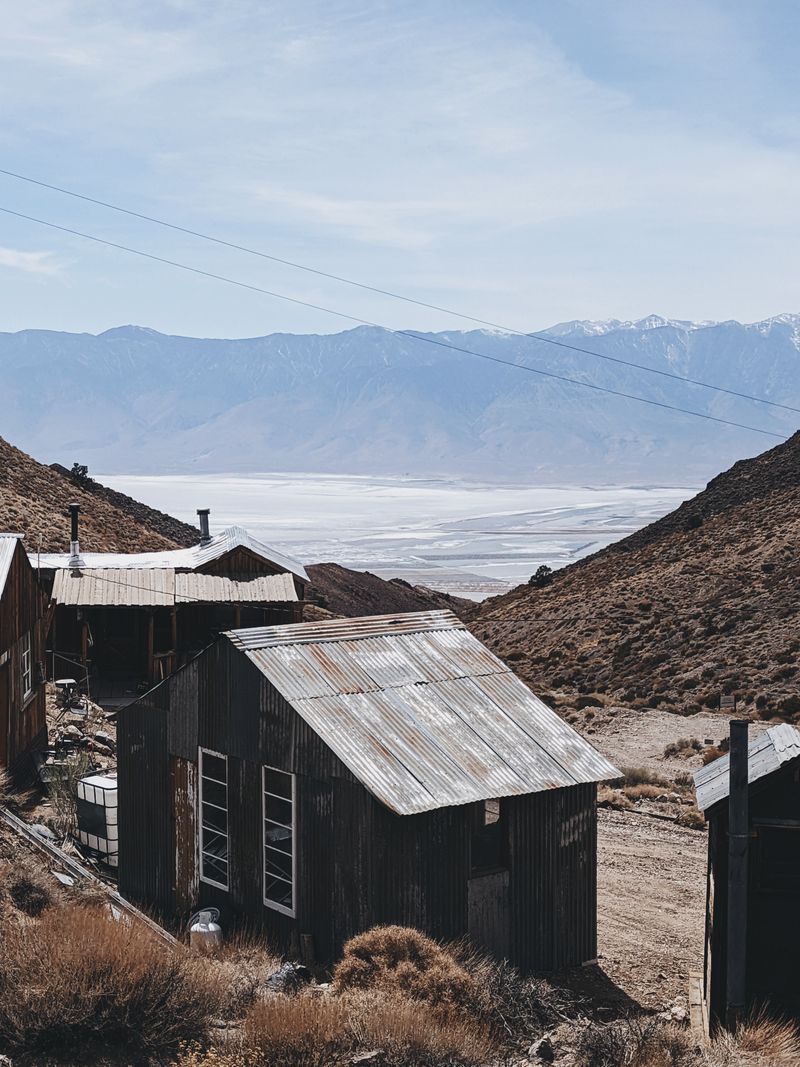
Reaching Cerro Gordo involves navigating eight miles of unpaved mountain road from the nearest paved highway. The route climbs steadily through steep switchbacks and exposed sections.
High-clearance vehicles handle the journey better though some visitors report success with careful driving in standard vehicles during dry conditions.
Wet weather transforms the road into an impassable muddy track that can strand vehicles. Snow closes access completely during winter months.
The remoteness means cell phone service is nonexistent and help is hours away if problems occur.
Lone Pine serves as the nearest town with services and sits nearly 50 miles from Cerro Gordo. Visitors need to carry extra water and supplies since nothing is available at the ghost town.
The isolation that once made the location valuable for mining now makes it challenging for tourism.
The journey itself becomes part of the experience as the road climbs higher and civilization falls away below. Dramatic views of the Owens Valley open up on clear days.
The sense of remoteness increases with every mile traveled up the mountain. Arriving at the town site after the long climb creates appreciation for the determination of those who made this journey regularly with wagons loaded with supplies or silver during the mining era.
10. Cultural Impact Extends Through Media And Memory
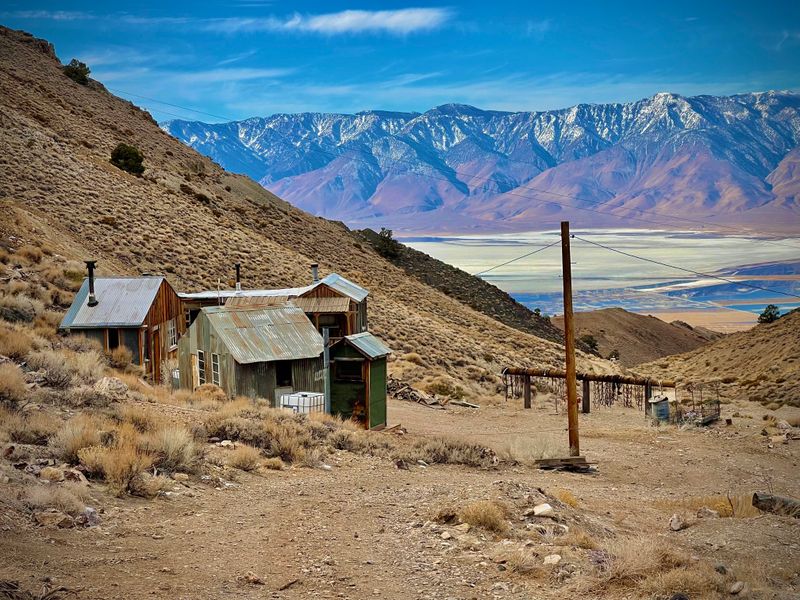
Ghost Adventures featured Cerro Gordo in a 2019 episode focusing on the location’s paranormal reputation. The show brought national attention to the remote site.
Viewers fascinated by both history and hauntings added the town to their travel lists.
VICE News produced a feature in 2020 exploring the restoration project and the challenges of preserving such an isolated historic site. The coverage highlighted both the archaeological value and the personal dedication required.
Media attention has helped fund ongoing preservation through increased visitor interest.
The Ghost Town Living YouTube channel has become the primary way most people experience Cerro Gordo. Videos document everything from structural repairs to encounters with wildlife.
The channel has built a community of followers invested in the town’s preservation.
Books and articles continue exploring various aspects of Cerro Gordo’s history from its economic impact to its violent past. Historians recognize the site as an important example of Western mining culture.
The town serves as a physical reminder of the boom-and-bust cycles that defined settlement patterns across the American West.
Its preservation allows future generations to understand the reality behind romanticized images of frontier life through direct encounter with authentic structures and landscapes that witnessed both tremendous ambition and terrible violence during California’s silver rush years.