This Enormous Louisiana Market Spans Six Blocks And Gives Shoppers Plenty To Explore
One shopping spot started as a Native American trading post before Europeans ever showed up.
There goes your concentration. Now you want to know what people traded there.
The market became official under Spanish rule in 1791.
It has kept running ever since, making it America’s oldest continuously operating public market. That’s exactly how curiosity gets you.
The modern version stretches six blocks along the Mississippi River in Louisiana.
One end sits near a famous beignet stand, and the other reaches an old mint turned jazz museum.
Pralines, oysters, art, and vintage finds fill the space between. So which end would you start from?
Six Blocks Of Shopping That Started Long Before The Shopping Mall
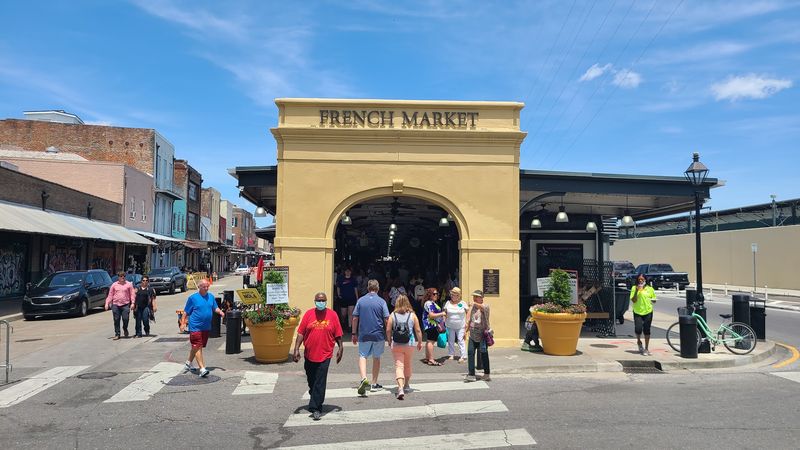
Long before anyone said the word mall, people were already trading goods along this stretch of riverbank. The French Market traces its beginnings to Native American trading activity along the Mississippi River.
The Choctaw used this natural levee to exchange goods, and the area later developed into an important marketplace for the growing city.
Spanish colonial authorities established a market building in the late 1700s, and the marketplace has occupied its present site since 1791. That’s older than many American cities, which is a fun fact to drop at dinner.
The oldest surviving market building dates to 1813. Another historic structure, the Vegetable Market, was completed in stages between 1822 and 1830.
A major renovation followed during the 1930s, supported by the Public Works Administration. Much of the familiar architecture and covered market space comes from that redevelopment.
Today, the district stretches six blocks through the French Quarter. The Upper Pontalba shops, Colonnade shops, Craft Bazaar, Farmers Market, and Flea Market all contribute to the experience.
Oscar Dunn Park, Dutch Alley, and nearby riverfront spaces add even more to explore. Not many places in Louisiana combine this much shopping with centuries of commercial history.
You Can Shop In The Shade Under These Famous Colonnades
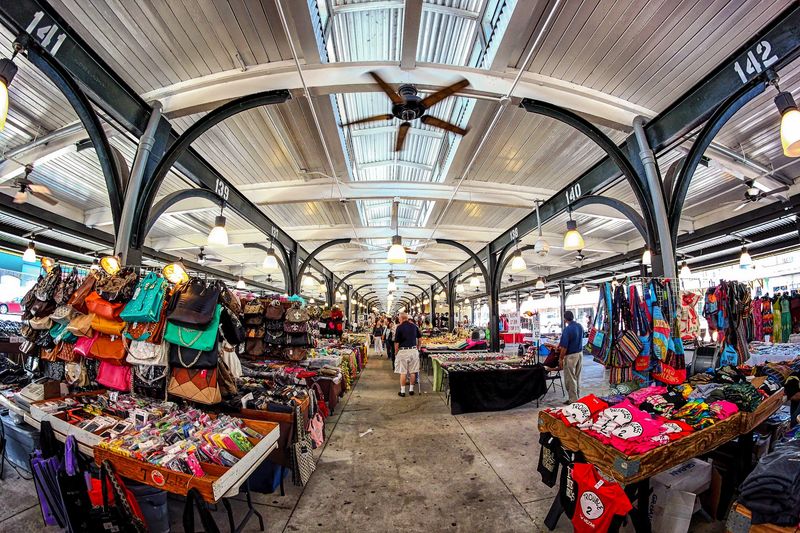
Shade is serious business in a New Orleans summer. Luckily, the market’s covered colonnades handle that job nicely while you browse.
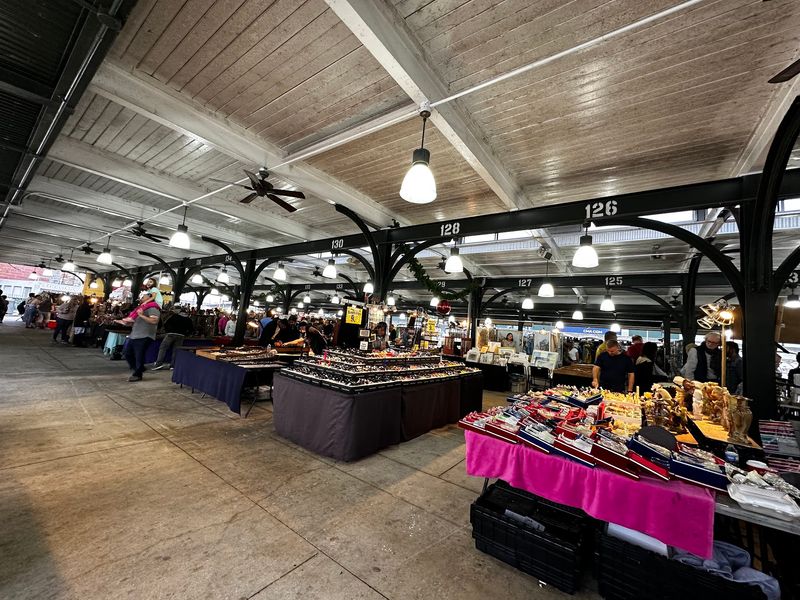
The market is open-air, but much of it sits under long roofs. That cover provides relief from direct sunlight and passing rain showers.
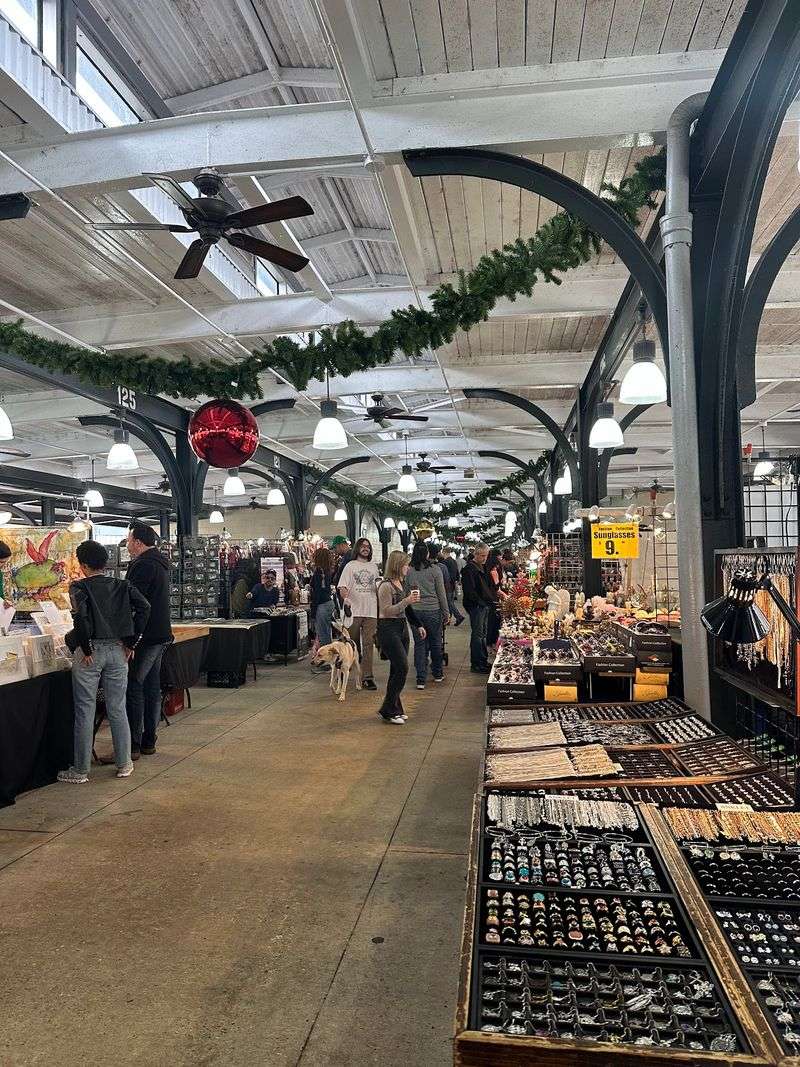
The architecture is worth a look on its own. Arches, columns, and decorative details reflect the market’s long history and the renovation work carried out during the 1930s.
One earlier building has a particularly interesting story. The Bazaar Market was designed by Joseph Abeilard, a prominent free man of color who worked as an architect in nineteenth-century Louisiana.
Built in 1870, the original Bazaar Market contained 164 stalls. The site later underwent reconstruction, eventually becoming part of the market’s retail shopping area.
That history helps explain why the French Market appears on the Louisiana African American Heritage Trail. It preserves an important connection to the architects, merchants, and communities that shaped New Orleans.
The covered walkways now connect shoppers with galleries, specialty stores, restaurants, and stalls selling everything from clothing to handmade crafts.
Bargain Hunters Can Lose Hours In The Flea Market
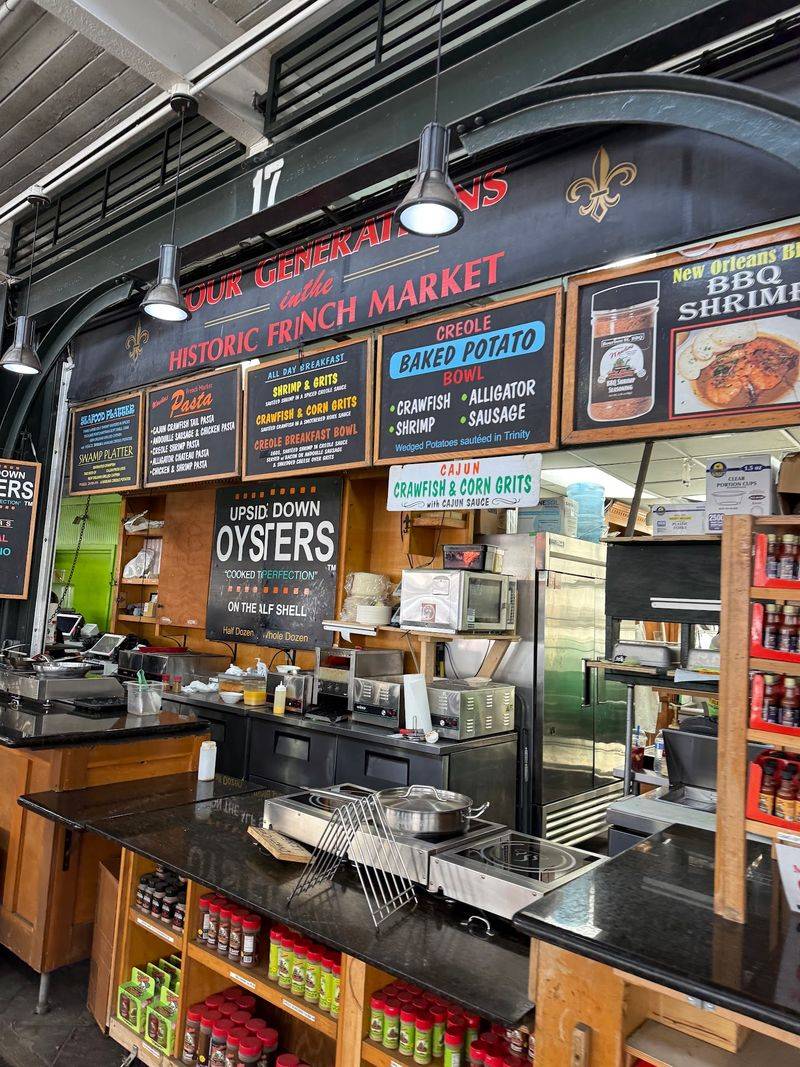
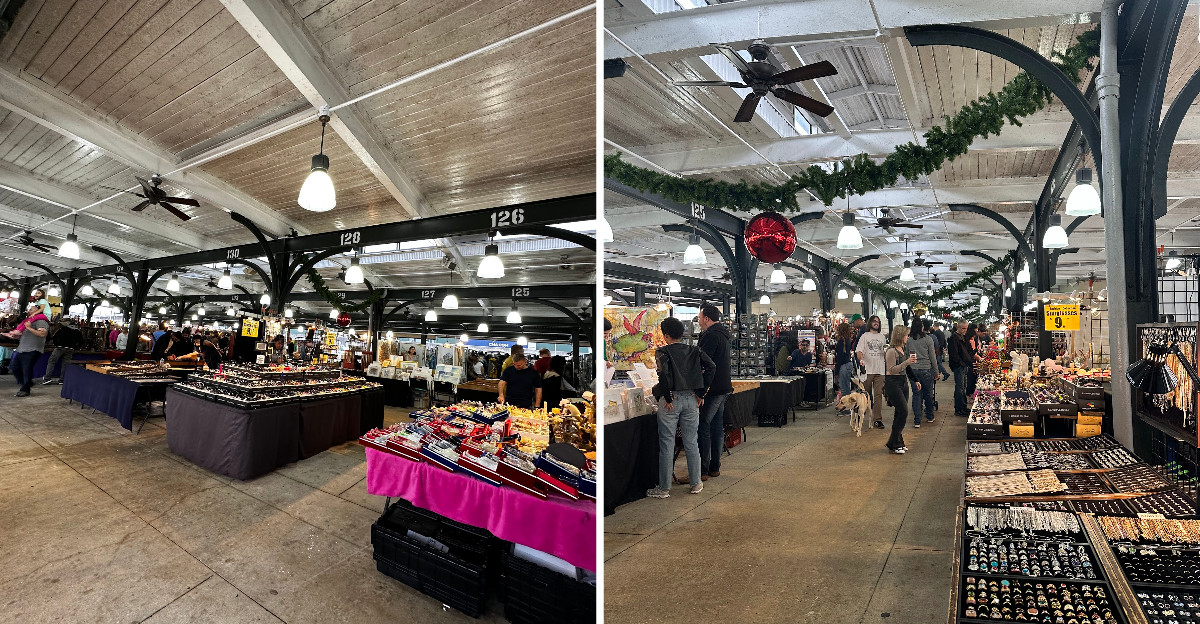
Jewelry, pottery, candles, antiques, and vintage clothing all share space in one place. That’s the Flea Market, and it’s built for people who love to browse.
Vendors sell an assortment of handmade and imported goods. Local art, decorative ceramics, leather accessories, clothing, and souvenirs fill the covered stalls.
Every few steps, the table in front of you changes. One might display colorful necklaces, while another specializes in clothing or decorative pieces for the home.
Want classic New Orleans gear? Mardi Gras beads, themed T-shirts, and city-branded gifts are easy to find.
Artisan crafts bring another dimension to the shopping. Hand-poured candles, jewelry, and decorative metalwork are among the items associated with the market’s vendors.
Pralines, Hot Sauce, And Fresh Seafood Fill The Farmers Market
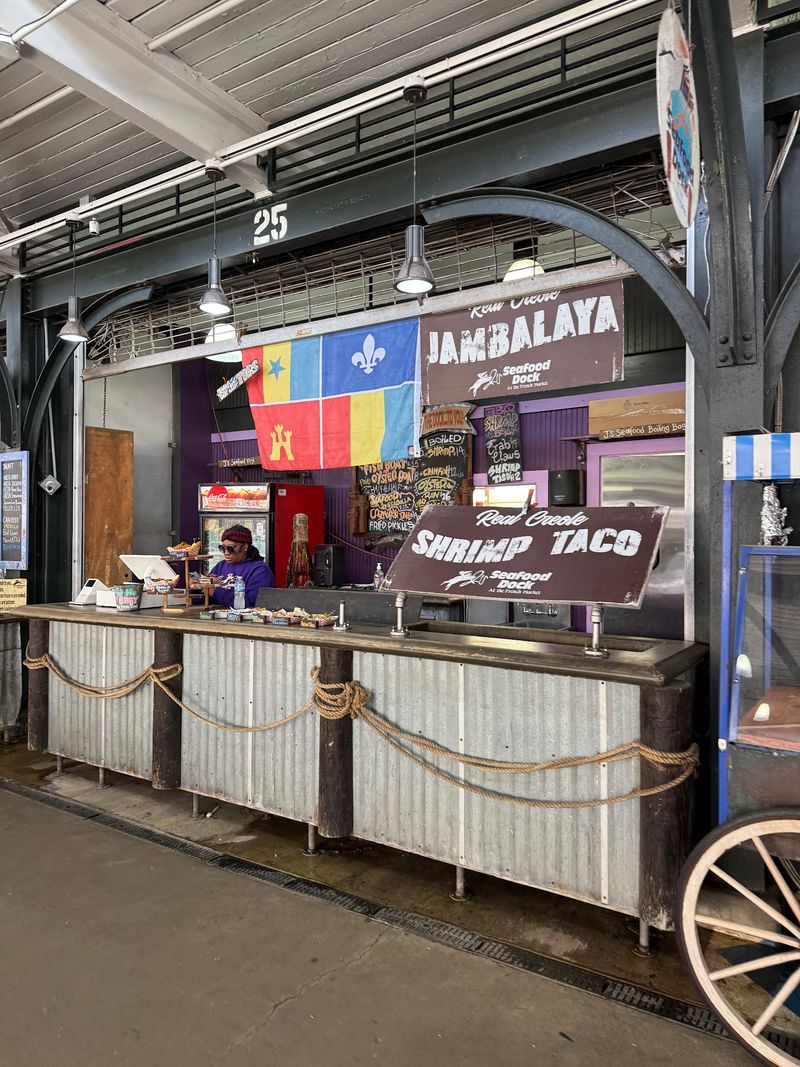
Your nose will probably find this section before your map does. The Farmers Market brings prepared seafood, New Orleans specialties, and local food vendors together under one roof.
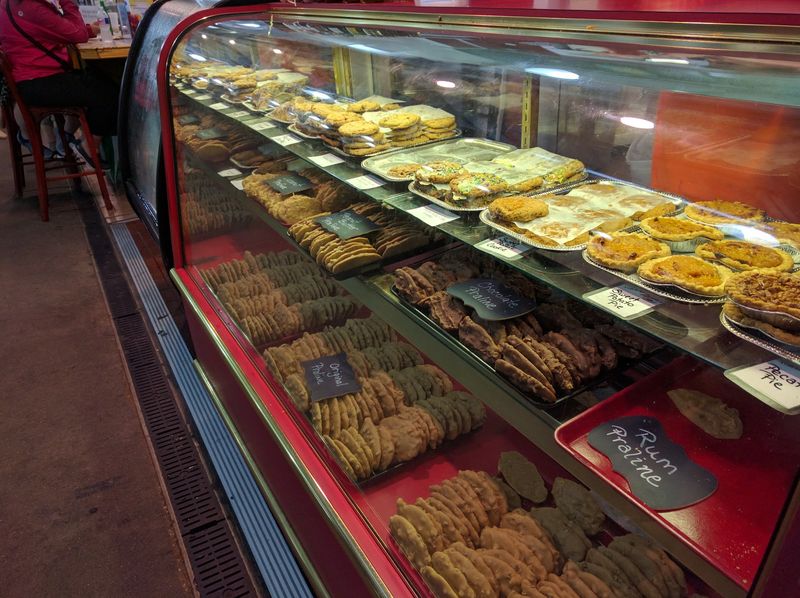
Pralines and hot sauce are part of the appeal. Both make convenient gifts, although the pralines might tempt you into an early taste.
J’s Seafood Dock keeps the focus on Gulf Coast flavors. The stall offers oysters, shrimp, crab, and crawfish, with prepared seafood dishes alongside its fresh selections.
Charbroiled oysters and savory crawfish beignets give seafood lovers something beyond the familiar boiled options.
Meals from the Heart Cafe covers New Orleans cooking for different diets. Its menu includes traditional, vegan, and gluten-free versions of regional favorites, including gumbo and crab cakes.
Other vendors add freshly prepared crepes, fruit treats, and quick meals. Holy Crepes makes sweet and savory crepes to order, including options suitable for different dietary preferences.
Fresh vegetables and seasonal produce also appear during special market events and farm-vendor visits.
Beignets And Muffulettas Sit Near The Market’s Edges
Powdered sugar has a funny habit of landing everywhere. Near the market’s Jackson Square end, Café du Monde makes sure of that.
The famous open-air coffee stand dates back to 1862. It’s known for hot, airy beignets dusted with powdered sugar and served with café au lait. Wear dark clothes at your own risk.
Close by, Central Grocery claims a big piece of food history. Founded in 1906, the family-operated grocery is credited with creating the original muffuletta.
The sandwich stacks cured meats and cheeses with a distinctive olive salad inside round, sesame-seeded bread.
The Decatur Street shop reopened in December 2024 following extensive rebuilding, bringing its signature sandwich back to its original French Quarter home.
Inside the Farmers Market, Loretta’s Authentic Pralines deserves a stop. Its founder became the first African American woman to successfully own and operate a praline company in New Orleans.
Traditional pralines, praline beignets, and sweet potato treats reflect the business’s long connection to local desserts.
That gives you a delicious debate to settle. Do you go classic at Café du Monde, or try the praline twist at Loretta’s? The honest answer might be both, just on different days.
Or the same afternoon, if you’re feeling bold.
Local Artists And Longtime Shops Give You Souvenirs With Stories
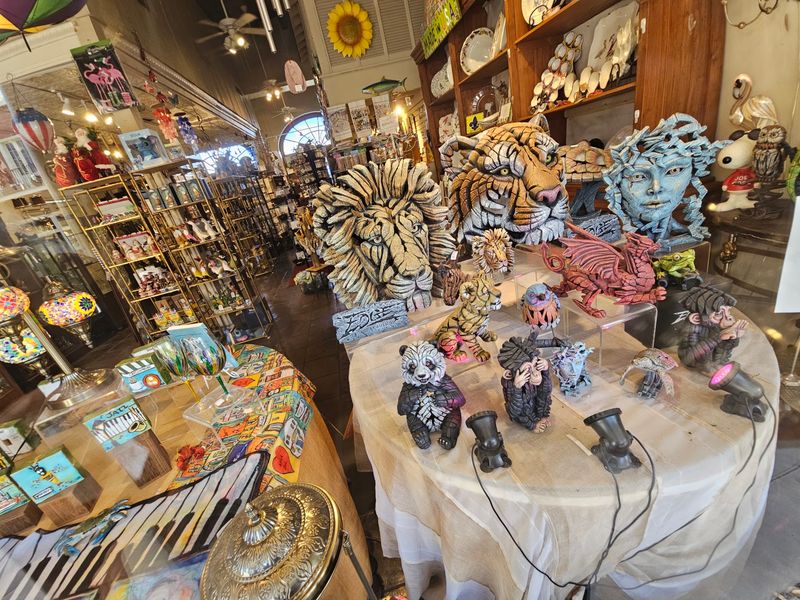
A gallery where the artists also run the shop? That’s already a good reason to take a closer look.
The Dutch Alley Artist’s Co-Op is owned and operated by regional artists. Its collection features original work by approximately 25 artists and designers, including paintings, jewelry, photography, and other handcrafted pieces.
Artists regularly work at the gallery, creating a connection between the creative process and the finished items. The shop occupies 912 North Peters Street, within a designated Louisiana Cultural District.
Sweet tooth? Aunt Sally’s Praline Shop on Decatur Street offers traditional Creole pralines, along with cookbooks, specialty foods, and New Orleans gifts. Good luck walking past the pralines.
Latin’s Hand brings a different style of craftsmanship. Established in 1982, the store carries goods selected from countries including Ecuador, Peru, Guatemala, Mexico, and Colombia.
Its merchandise reflects traditional Latin American crafts, with accessories and handmade products forming an important part of the selection.
Belle Louisiana offers another shopping direction, with packaged gift baskets, specialty coffees, and regional prints and posters.
The permanent shops along the Colonnade generally operate between 10 AM and 6 PM, though individual hours can vary.
Festivals Turn The Market Into A Party Several Times A Year
Tomatoes get their own festival here, which tells you plenty about New Orleans priorities. The French Market Creole Tomato Festival is one of the district’s established annual celebrations.
Held in June, the festival celebrates Southeast Louisiana’s Creole tomato harvest. Live music, cooking demonstrations, food vendors, and family activities fill the market with extra energy.
The celebration reached its 40th edition in 2026, featuring tomato-inspired dishes, dance lessons, and a tomato-eating contest.
The surrounding neighborhood also becomes part of the French Quarter Festival each spring. Music performances take place at stages throughout the district, including the market and Dutch Alley.
Satchmo SummerFest adds another reason to explore this part of town. The celebration honors legendary New Orleans musician Louis Armstrong and takes place at the nearby New Orleans Jazz Museum.
The French Market hosts free family music programs, occasional cooking demonstrations, and live performances at different times throughout the year.
During seasonal celebrations, the market’s shopping atmosphere can shift toward holiday decorations and special activities.
Event dates and schedules change, so planning around a particular performance is worthwhile.
Getting There Is Easier Than Finding A French Quarter Parking Spot
Parking in the French Quarter can test anyone’s patience. Here’s some good news: you have options.
The French Market Corporation’s address is 1008 North Peters Street, New Orleans. The six-block district stretches along Decatur and North Peters streets, near Jackson Square and the Mississippi River.
The RTA Riverfront Streetcar provides a convenient way to arrive. Several stops serve the French Market District, and the route connects with other downtown transportation.
Bus routes also serve the surrounding neighborhood, including the Marigny-Bywater and Elysian Fields services.
Driving still works if you plan ahead. Paid parking is available in designated lots near the riverfront and the Farmers Market. Premium Parking operates lots P407, P408, and P409 in the surrounding area.
Once you’re there, the main market pathways are wheelchair-accessible. The covered shopping spaces make it possible to move between stalls while enjoying shade from the roofs overhead.
The retail shops generally operate from 10 AM to 6 PM. The Farmers Market follows the same schedule, while the Flea Market closes at 4 PM.