This Family-Run California Model Train Shop Has Kept Railroad Fans Browsing Since 1985
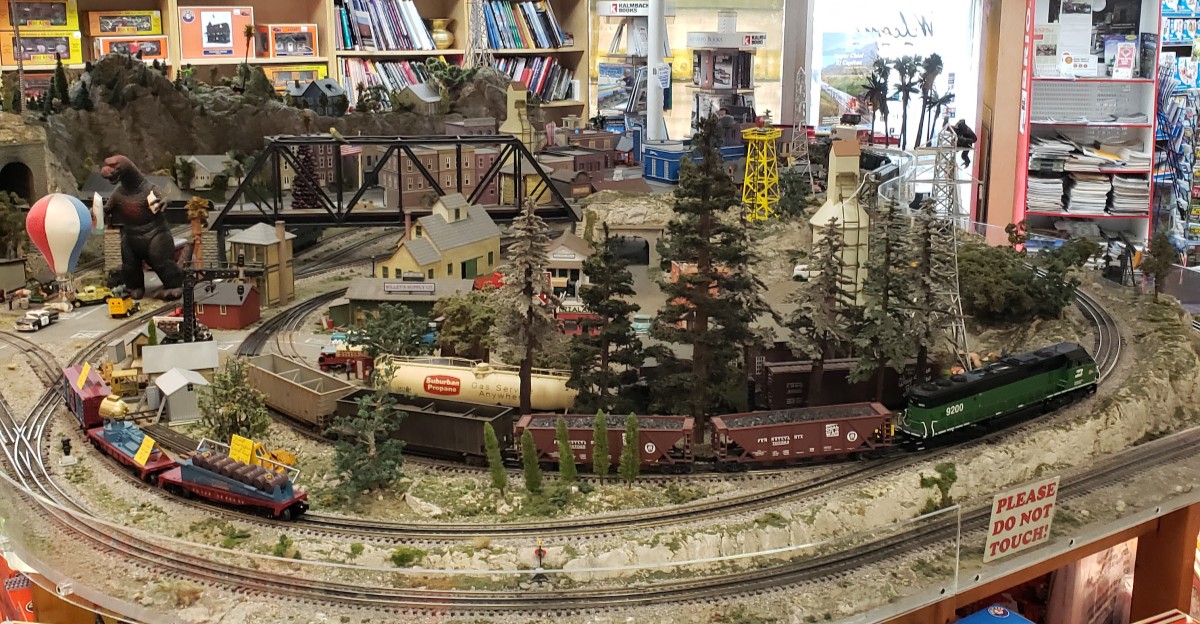
Model trains have a funny way of turning grown adults into fascinated kids again.
One tiny locomotive starts moving around the track, and half an hour can disappear before anyone remembers what they came in to buy.
A family-run shop has been feeding that obsession since 1985, giving railroad hobbyists a place to browse trains, track, and the little details that make a miniature world feel surprisingly convincing.
Nearly four decades of California train lovers have had plenty of time to lose themselves among the locomotives and tiny railroads here.
That staying power feels especially meaningful for a hobby built around collecting, building, and tinkering.
Beginners can discover just how deep the model railroad rabbit hole goes, while longtime enthusiasts may recognize brands and pieces they have been chasing for years.
It All Started With Gary Keck’s Childhood Love Of Trains
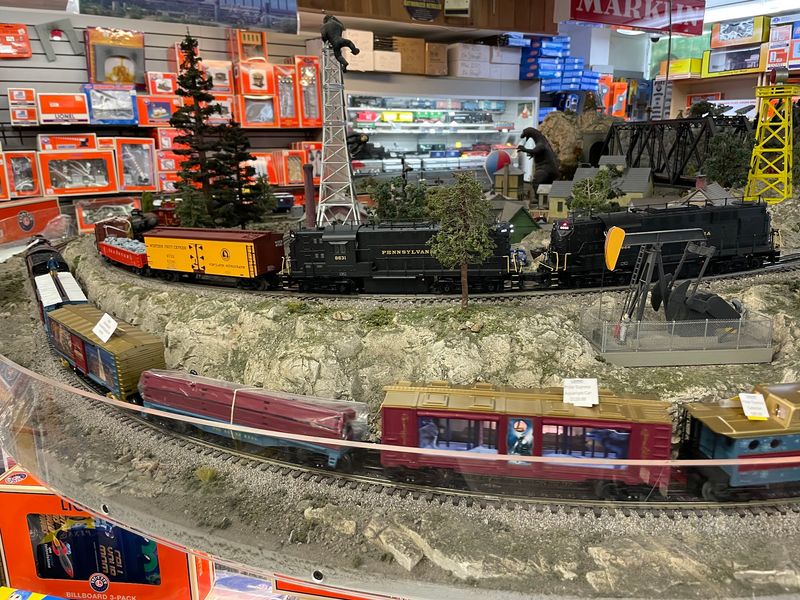
Plenty of great businesses begin with a simple spark, and this one started with a boy and his toy trains.
Founder Gary Keck loved toy trains as a child. Like many kids, he probably watched the little cars click around the track and felt a bit of wonder each time. That feeling did not vanish when he grew up.
Years later, he became a father, and the hobby came rushing back into his life. Sharing trains with his own children gave him a fresh reason to set up track and run engines again.
From there, he began selling trains through a local train club. Clubs like that often bring together people who love building layouts, trading parts and talking about railroads.
Selling within that circle gave him a way to test whether his passion could become something bigger.
Eventually, the pastime turned into a real business. That path may sound familiar to anyone who has ever turned a hobby into a side project.
Knowing this backstory adds a warm layer to any visit. The store grew out of a parent sharing a hobby with kids, and that spirit still shapes the shop today.
More than 40 years after the business began, you can still visit it at 1030 N Hollywood Way, Burbank, California 91505
The First Train Shack Opened In 1985
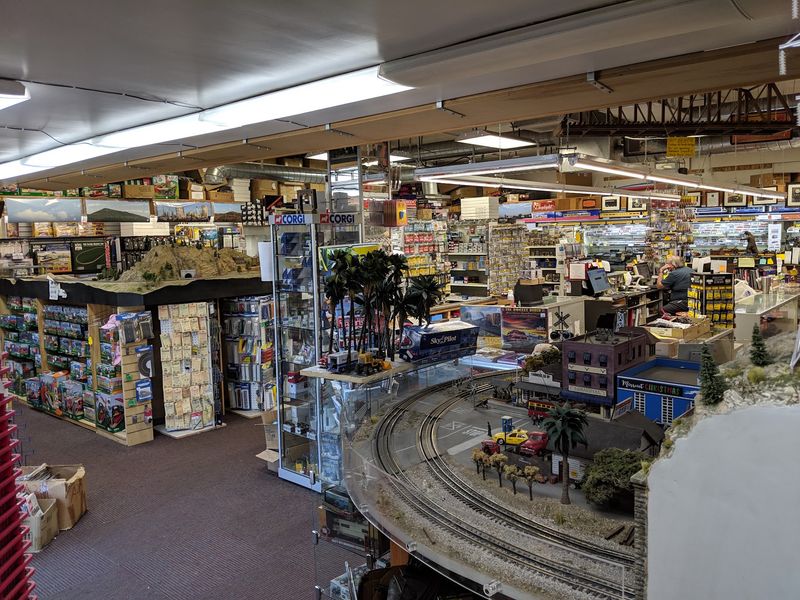
Names often come from big ideas, but this one came straight from the building itself.
Gary Keck opened his first brick-and-mortar store in 1985. Moving from club sales to a real storefront was a big step for a hobby-based business.
It meant regular hours, a fixed spot and a place where customers could walk in anytime the doors were open.
The original location was very small. In fact, it was small enough to genuinely resemble a shack. That humble size is exactly where the business got its memorable name.
There is something charming about a shop that names itself after its own modest beginnings.
The word shack does not try to sound fancy. It feels friendly and easy to remember, which may help explain why the name has stuck for so long.
For train fans, 1985 is worth noting too. The shop has now served several waves of hobbyists across four decades.
Model railroading has changed a lot in that time, with new technology and new products arriving often.
Through all of those changes, the name has stayed the same. Visitors today walk into a much bigger store than the original one. Still, the name keeps a small reminder of where everything began.
There Is Much More Than Locomotives On The Shelves
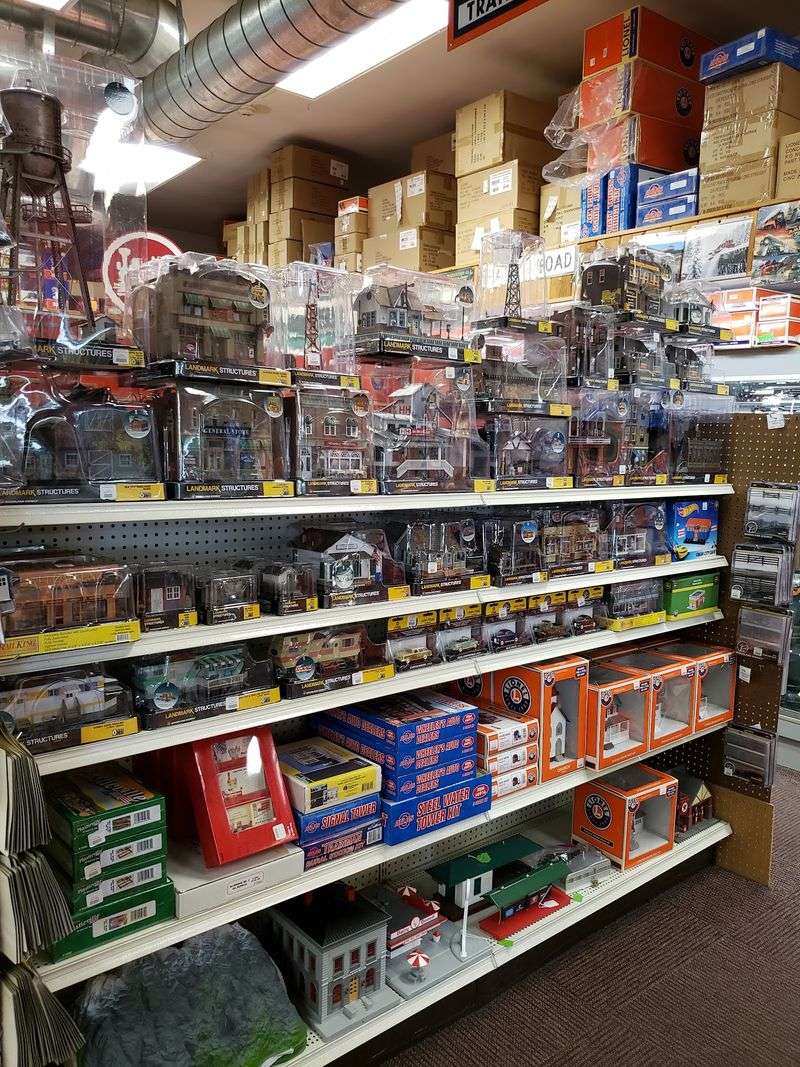
Engines may grab attention first, but the shelves hold far more than that.
Model railroaders can browse rolling stock, track components, scenery supplies, books and other accessories.
Rolling stock means the cars a locomotive pulls, like boxcars, tank cars and passenger coaches. Together these pieces turn a simple loop into a believable railroad.
Scenery supplies tend to be where creativity really kicks in. Miniature trees, ground cover, buildings and tiny figures can transform a bare board into a small town or a mountain pass.
Browsing these items may spark ideas even for people who did not plan to build anything.
Trains in multiple gauges sit alongside those scenery materials. That setup helps shoppers match parts to their chosen scale without hunting in separate stores.
It also lets people compare sizes side by side, which can be surprisingly helpful.
Books and magazines add another layer. How-to guides and railroad history titles can teach skills that are hard to learn from short videos. A single good book may save a lot of trial and error.
The store carries both new and used items, according to visitors. Used pieces can be a budget-friendly way to grow a collection.
Beginners Can Start With A Complete Train Set
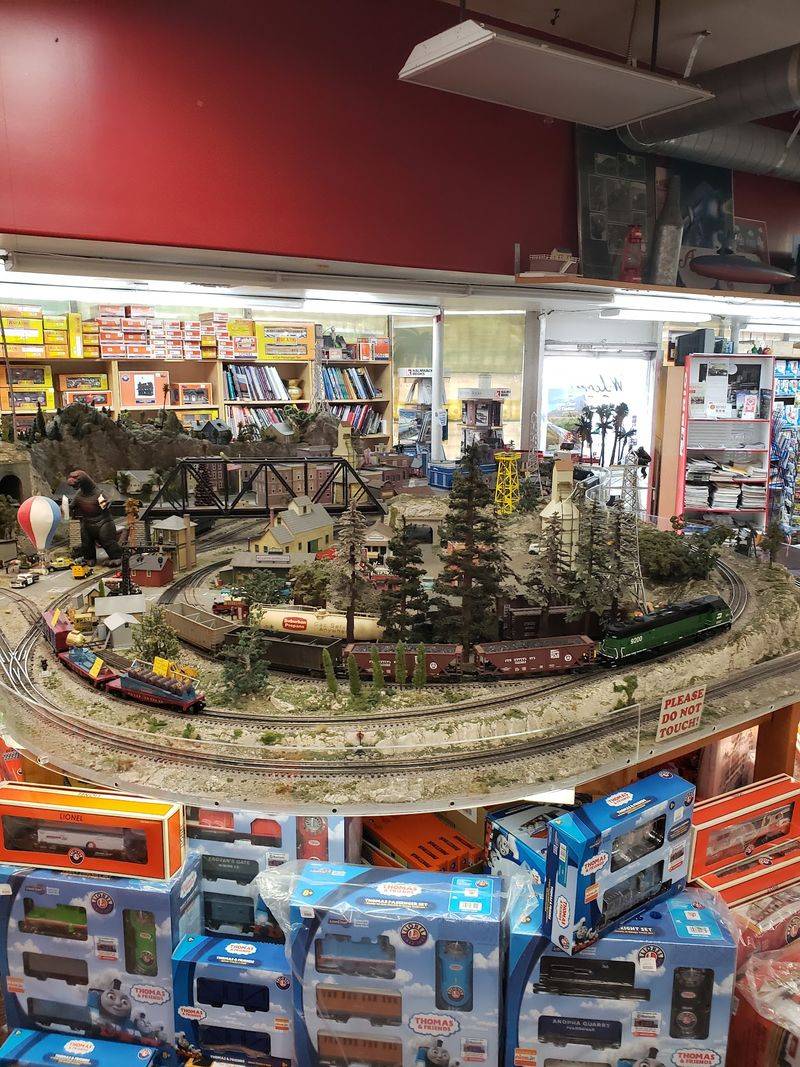
Starting a new hobby can feel overwhelming, so a ready-made set takes away a lot of guesswork.
Train Shack carries starter sets for people building their first railroad. These sets usually include a locomotive, some cars and enough track to make a basic loop.
That simplicity matters for beginners. Picking separate pieces means learning about scales, couplers and power systems all at once. A complete set lets new hobbyists run a train first and learn later.
Parents shopping for kids often find this route the easiest. Staff have helped many families pick starter kits, and visitors often mention patient guidance.
Space is a smart thing to think about before buying. Some scales need a large table, while smaller scales fit into tighter rooms.
Measuring the available area at home ahead of time can make the conversation in the store much easier.
The approachable side of the shop is part of its charm. It is not only a place for experienced collectors hunting rare pieces.
First-timers can walk in knowing nothing and leave with everything needed to hear that first little engine hum along the track.
Experienced Hobbyists Have Plenty To Dig Through Too
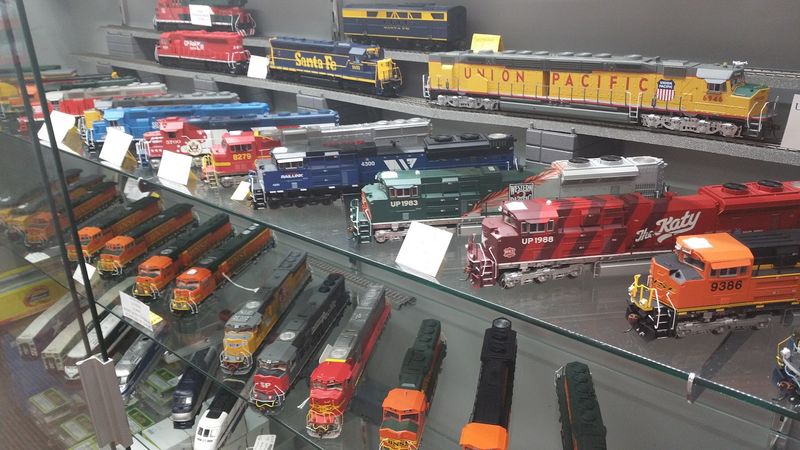
Seasoned modelers know the thrill of finding exactly the right piece, and this shop gives them lots of places to look.
Train Shack is not limited to entry-level products. Its inventory covers numerous scales and includes locomotives, rolling stock, track and specialized model railroad supplies.
Visitors have mentioned N, HO, O, Lionel and G scale items on the shelves.
That range is helpful for anyone working in more than one scale. Many hobbyists have a main layout plus a side project or a holiday train. Having several scales under one roof can save time and extra trips.
Specialized supplies are where serious builders often spend the most time. Small parts, detail pieces and tools can make a layout look more realistic.
These items may be hard to judge online, so seeing them in person is a real advantage.
Pricing on individual items can vary, and some visitors have found good value compared with online sellers.
It still makes sense to check prices on specific pieces since stock changes over time. Used items may also turn up and are worth a look.
Train Repairs And Technical Work Are Part Of The Appeal
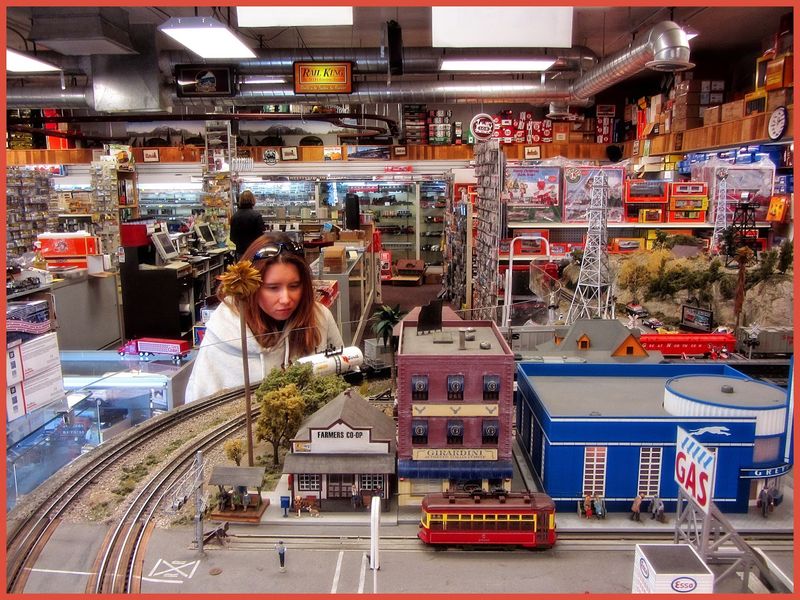
Old engines sometimes go quiet, and a good repair can bring them roaring back.
California’s Train Shack offers hands-on technical help, including train repair. Visitors have shared stories of older family trains being fixed and running again.
For many people, saving a treasured locomotive matters more than buying a new one.
Model railroad directories also list services such as DCC installation and custom painting. DCC stands for Digital Command Control.
It lets several trains run on the same track with separate control, along with features like sound and lights.
Installing DCC can be tricky for beginners. Tiny wires and circuit boards need careful work inside small engines. Having it done by someone experienced can reduce the risk of damage.
Custom painting offers a different kind of upgrade. A hobbyist may want a model to match a real railroad’s colors or a favorite era. Paint work like that adds personality to a collection.
Before dropping off a model, it helps to describe the problem clearly. Notes about noises, stalling or lights not working can speed things up.
Reliable repair services are one reason many local hobbyists keep coming back year after year.
They Even Have A Portable Layout For Rent
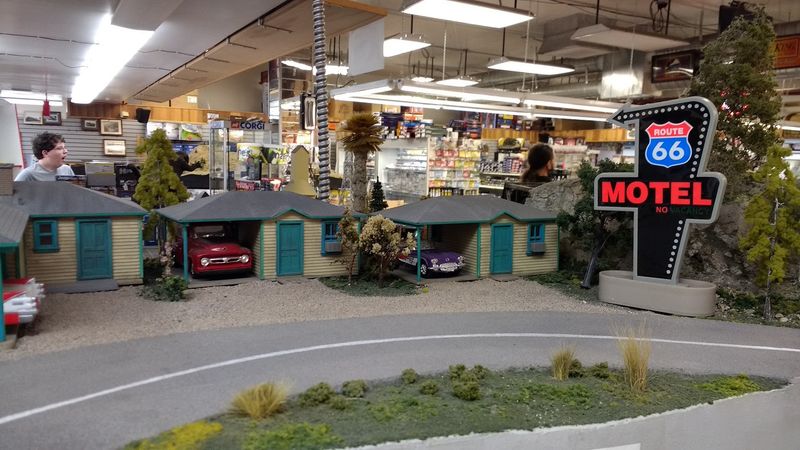
Few hobby shops can say they rent out a whole railroad, yet this one does.
One of the more unusual services at Train Shack is a portable model railroad layout. Customers can rent it by the day or by the week. That flexibility works for both short events and longer displays.
A moving train can draw a crowd almost anywhere. Kids tend to gather close, and adults often slow down to watch too. The gentle hum and steady motion make a calm, eye-catching centerpiece.
Possible uses include parties, school events, holiday displays or store windows. Each event has different needs, so asking about size and setup is a smart first step.
The shop also says its in-store layouts can be used for filming. That option may appeal to video creators or production teams looking for a detailed miniature scene.
Planning ahead is helpful for rentals. Popular dates, especially around holidays, may fill up. Reaching out early leaves time to sort out pickup, delivery or setup questions.
Being In Burbank Has Led To Hollywood Connections
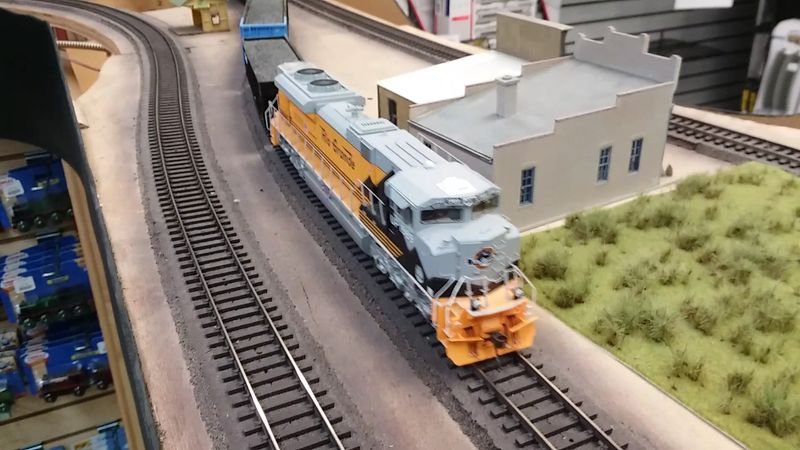
Movie studios sit just a short drive away, and that neighborhood has opened some surprising doors.
Train Shack’s California location in the heart of the entertainment industry has brought unexpected opportunities.
The shop has contributed to film and television projects over the years. Model trains can add realistic detail to scenes that need a railroad touch.
Burbank is home to major studios and many production companies. Set designers and prop teams often need specific items quickly.
Miniatures have long played a role in filmmaking. Small-scale models can stand in for real trains or create a cozy background in a home scene.
Visitors should not expect a celebrity sighting or a studio tour here. The connection is about craft and supplies rather than glamour.
Still, it is fun to know that items from this shop may have ended up on screen.
For anyone visiting the area for entertainment history, the store makes a pleasant side stop. It offers a quieter, hands-on look at the creative side of miniatures.
You Can Still Shop Here Seven Days A Week
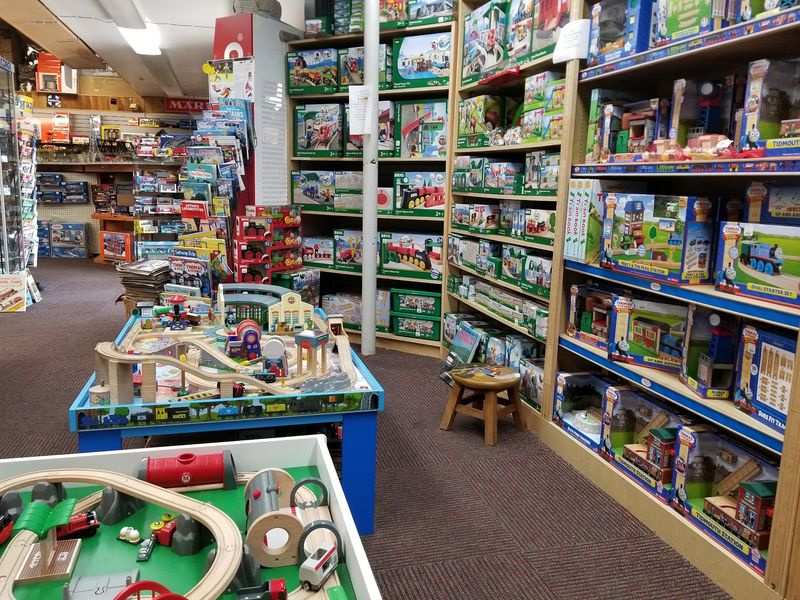
Weekend plans get easier when a favorite shop keeps its doors open every day. Train Shack currently lists hours of 10 a.m. to 6 p.m. Monday through Saturday. On Sunday, the shop is open from 11 a.m. to 5 p.m.
That schedule leaves room for both weekday stops and relaxed weekend browsing.
Hours can change for holidays or special events. Checking the store’s website or calling ahead is a good habit before a long drive.
Timing may shape the feel of a visit. Weekends could bring more families and casual browsers.
Weekday hours might feel quieter, which can be helpful for longer conversations about projects or repairs.
Giving the visit enough time is worth it. The store has many aisles and running displays to explore. Rushing through may mean missing interesting details tucked on lower shelves or in display cases.
Bringing a list helps when shopping for specific parts. Photos of existing track or a model number can save time at the counter.