This Family-Run Nebraska Lithuanian Bakery Still Makes Its Own Tortes And Kolaches After Three Generations
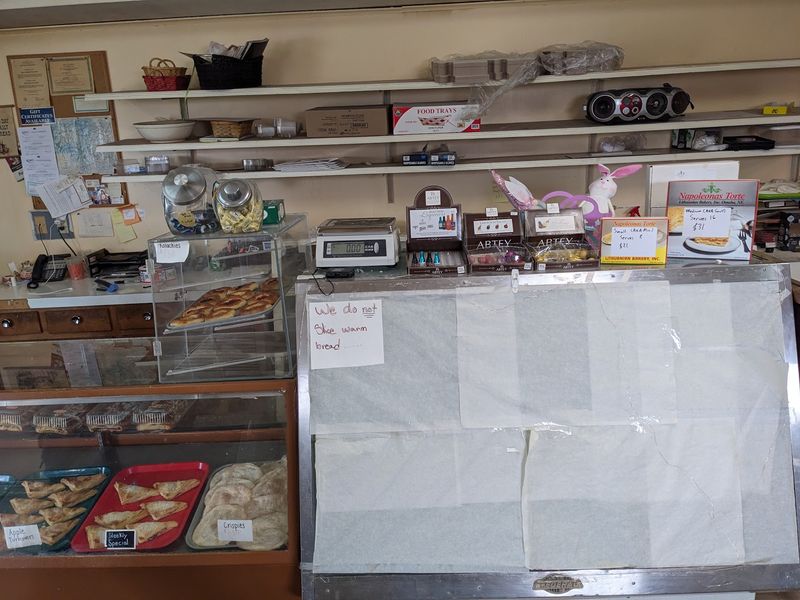
The building looked more like somebody’s house than a bakery, and I almost drove right past it. Then I walked inside and found glass cases full of layered tortes, poppy seed kolaches, and dark loaves of rye.
It turned out to be one of the oldest family bakeries in Nebraska, still using recipes carried over from Europe more than sixty years ago. One slice of cake later, I understood why people plan whole trips around it.
A South Omaha Corner With Old Country Roots
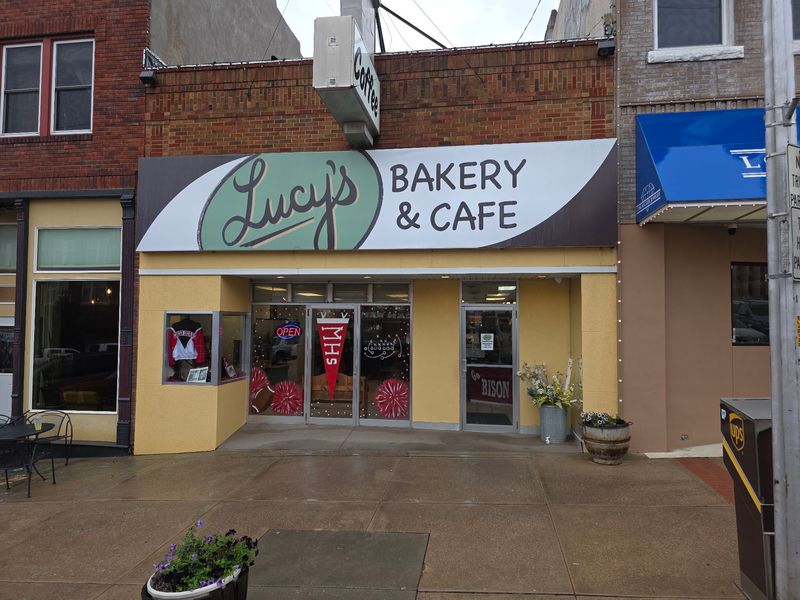
Picture a quiet stretch of South 33rd Avenue, a few blocks from Q Street, where a small building with a little parking lot sits among homes and shops. That modest spot holds Lithuanian Bakery and Deli, a South Omaha fixture that bakes Eastern European breads, tortes, and pastries by hand.
From the outside, it could pass for a house that happens to sell bread. Inside, the cases tell a different story.
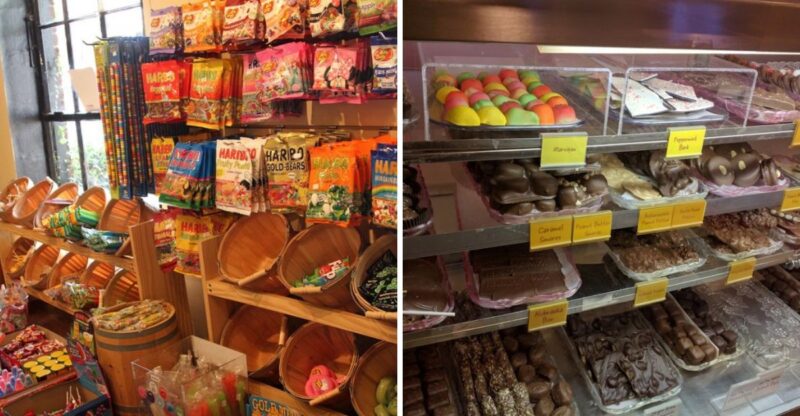
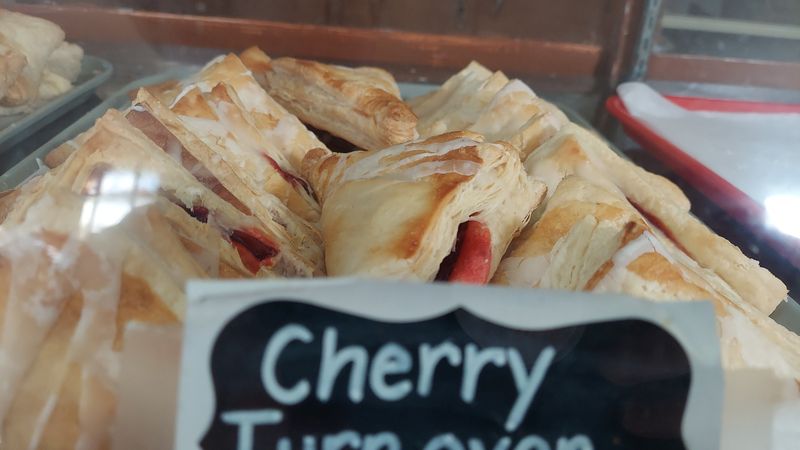
Layered tortes, flaky turnovers, kolaches, butter cookies, and sourdough loaves fill the shelves, each tied to recipes that came from Lithuania with the family who started the place.
South Omaha has long been a neighborhood shaped by immigrants who came to work in the packing plants and built churches, clubs, and shops that felt like home. The bakery belongs to that story.
It serves people who grew up on these flavors along with anyone curious enough to stop in.
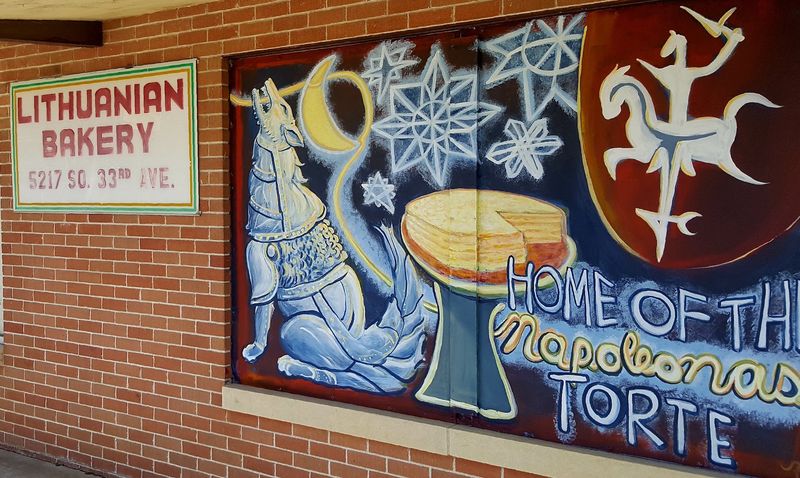
The address is 5217 South 33rd Avenue. If you have driven through South Omaha on the way to somewhere else, there is a good chance you have passed it without knowing what was baking inside.
How the Mackevicius Family Built a Nebraska Institution
Back in 1962, Lithuanian immigrants Vytautas and Stefanija Mackevicius opened a bakery in Omaha. They brought recipes from home and a plan built on good bread, which is what got the business started.
Bread may have opened the doors, but torte keeps them open. The family’s Napoleon torte slowly became the item that defines the bakery, and it still carries much of the weight today.
Their three sons, Algird, Alfonsas, and Vytas, who goes by Joe, took over the work and still guide the operation. A fourth generation now helps out too, which means the same family has been folding, layering, and baking for more than six decades.
That kind of run is uncommon for any small food business. Styles change, neighborhoods shift, and plenty of old storefronts turn into something else.
This one stayed a bakery, and it stayed in the family.
Owner replies to customers are signed by A. Mackevicius, co-owner, a small detail that shows who is still minding the counter.
Plenty of people who stop in have a grandparent who shopped here, or even one who once worked behind the cases.
Eight Thin Layers and Three Days of Patience
Three days. That is how long it takes to make one Napoleon torte at this bakery, and the patience shows in every slice.
The torte, a Lithuanian specialty named after Napoleon Bonaparte, stacks eight thin wafer layers with buttercream flavored with vanilla and lemon. A delicate hint of apricot often sits in the middle layer.
The result is sweet but light, with soft cream pressed between wafers that give just a little under the fork.
It is served cold, which makes it an easy pick for birthdays, holidays, and family gatherings. Plenty of Omaha celebrations have ended with one of these boxes on the table.
People also give them as gifts to friends in town.
How does anyone keep up that routine for decades? The family credits the slow process itself for the bakery’s long success.
There are no shortcuts here, and that choice is part of the flavor.
An apricot torte also appears in the cases, and it carries its own loyal following. If you only have room for one treat on your first stop, though, start with the Napoleon.
It is the dessert the bakery built its name on.
Poppy Seed Kolaches and Other Pastry Case Treasures
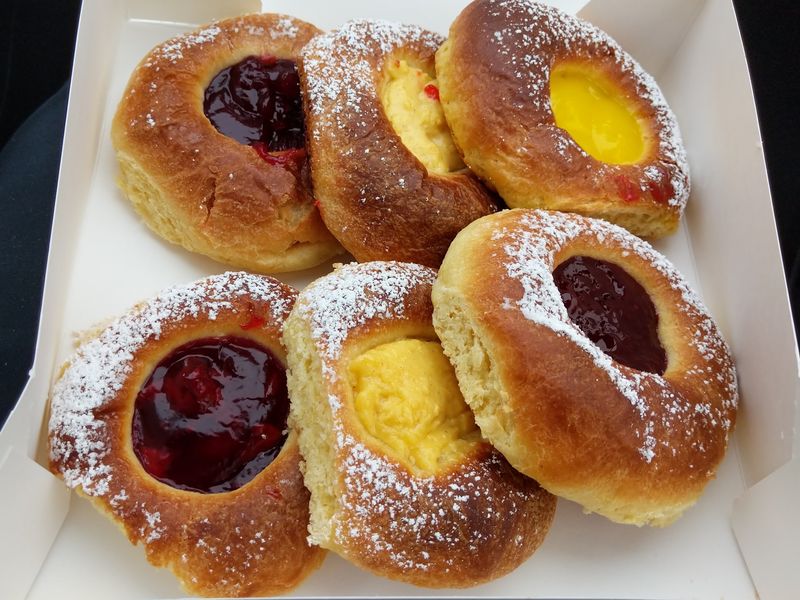
Dark poppy seed filling peeks out from the center of a soft, golden kolache. It is a flavor that feels different from the fruit-topped versions many Nebraskans grew up with, and it pairs well with a cup of coffee on the drive home.
Kolaches share the cases with plenty of company. Look for kruschiki, the crisp twisted pastries dusted with sugar, along with peach turnovers, vanilla slices, strudels, and buttery cookies that balance sweetness and richness just right.
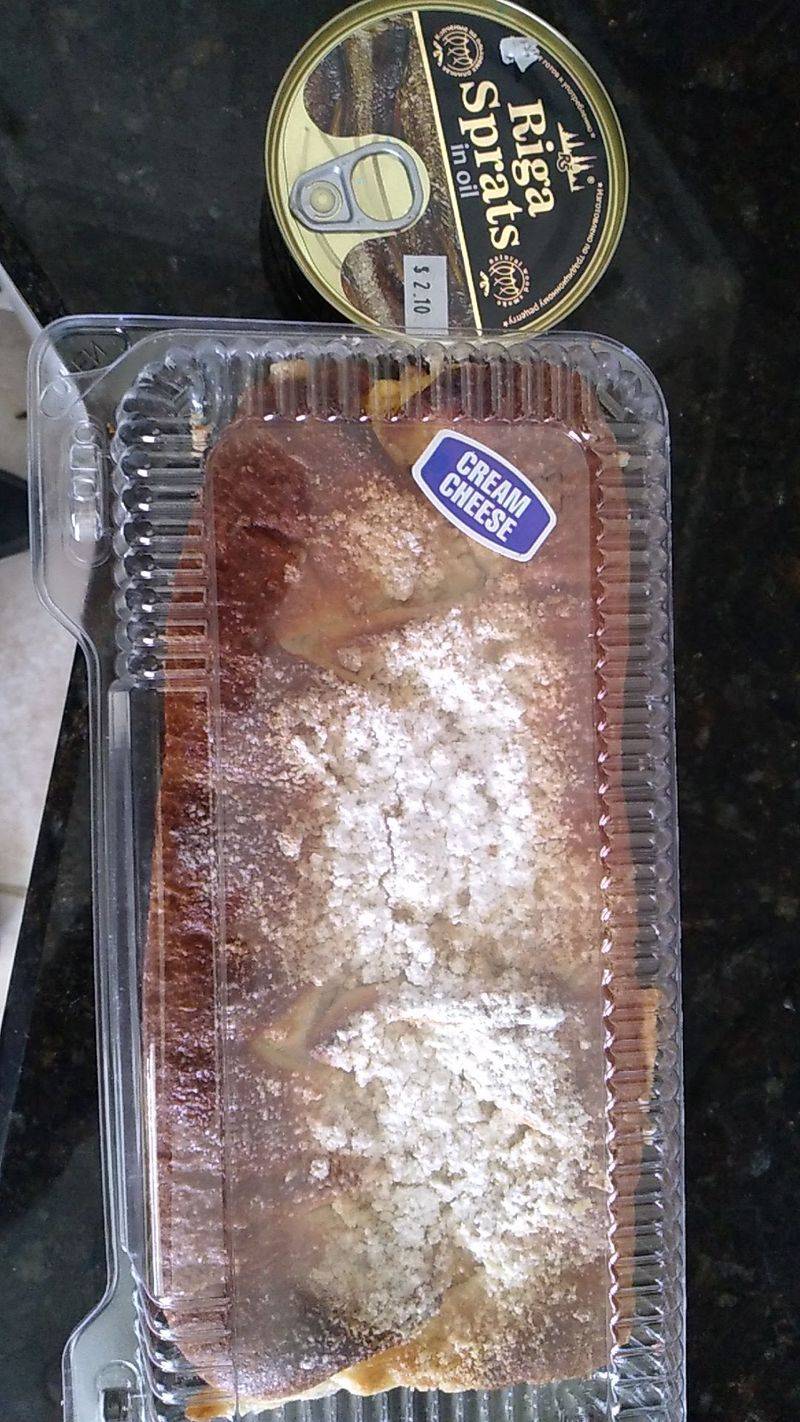
Brownies topped with cream cheese show up too. Around Thanksgiving, a rum pecan pie has earned a spot on some holiday dessert tables, so it pays to ask about seasonal items when the weather turns cool.
Nebraska takes kolaches seriously, thanks to its deep Czech heritage. Seeing them made in a Lithuanian bakery is a reminder of how much Eastern European traditions overlap and borrow from one another.
The selection is smaller than a big grocery bakery, and it can change from day to day. That is part of the fun.
Go in with a loose plan, grab a few different pastries, and hold your own little taste test at home.
Black Bread, Bacon Buns, and an Old Slicer
Some families in far western Nebraska, out near Wyoming, call it Black Bread. The proper name is Lithuanian sourdough rye, and relatives headed to Omaha often get sent here with instructions to bring a loaf back.
The rye is dense, dark, and tangy, the kind of bread that holds up to butter, cheese, or a thick smear of anything. Other sourdough choices line the shelves as well, including walnut and cranberry loaves.
Here is a detail many first-timers miss. Buy a loaf, and staff can run it through an old bread slicer right there at the counter.
It is a small bit of machinery with a lot of history behind it.
Then there are the bacon buns. These soft rolls filled with bits of bacon and onion are a Lithuanian classic, and they tend to go quickly.
If they are in the case when you arrive, count yourself lucky.
Everything is handmade, and the bread is what started the whole business back in the 1960s. A fresh loaf of rye might be the simplest thing in the shop, yet it may be the item that best explains why the bakery has lasted.
Samples, Stories, and a Mural Worth Studying
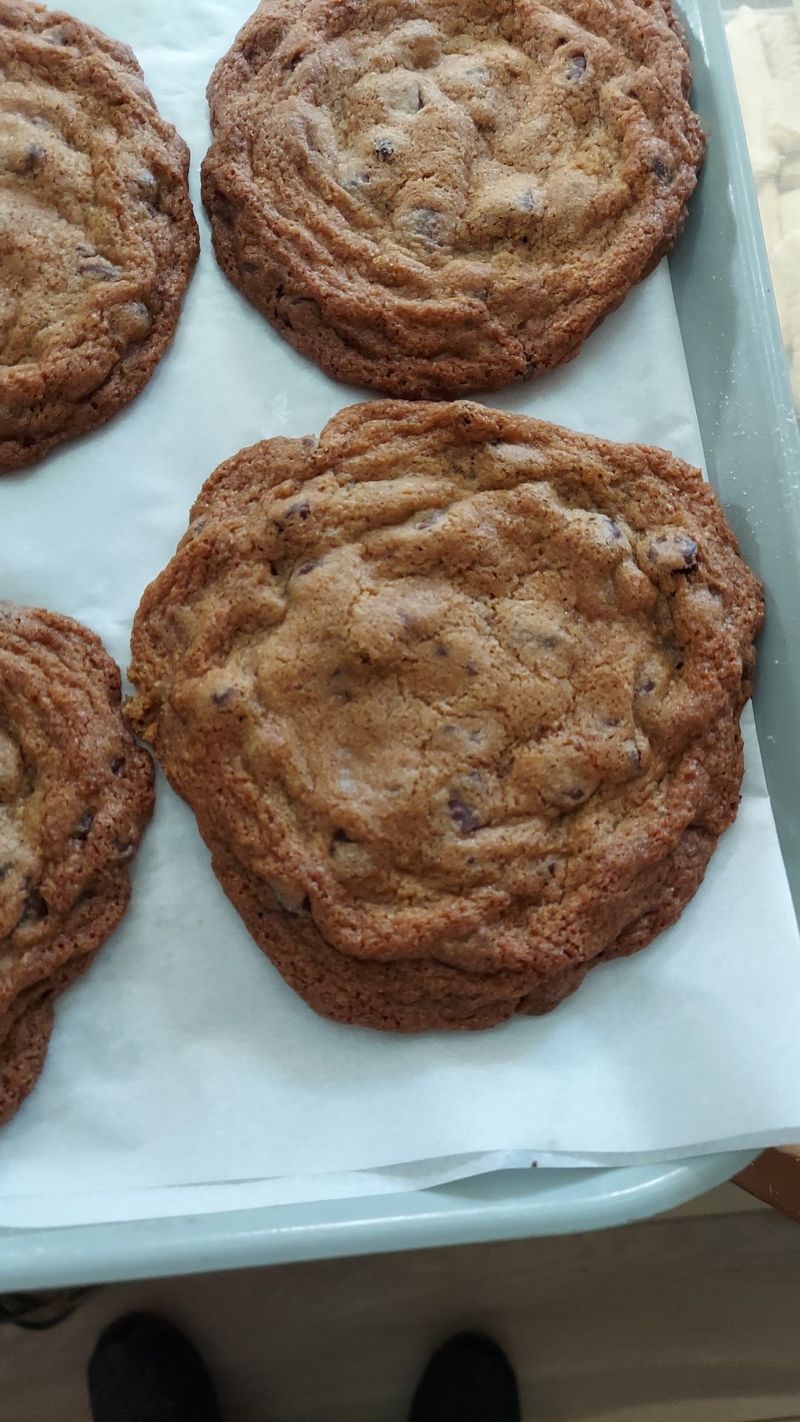
A friendly voice behind the counter might ask if you would like to try something before you choose. Samples of different tortes are often set out, and broken butter cookies have a way of ending up in a customer’s hand.
The service is personal, one person helping one customer at a time. Staff explain what each pastry is, where it comes from, and how it is made.
Ask about the tortes, and you may hear a short history of the family and their recipes.
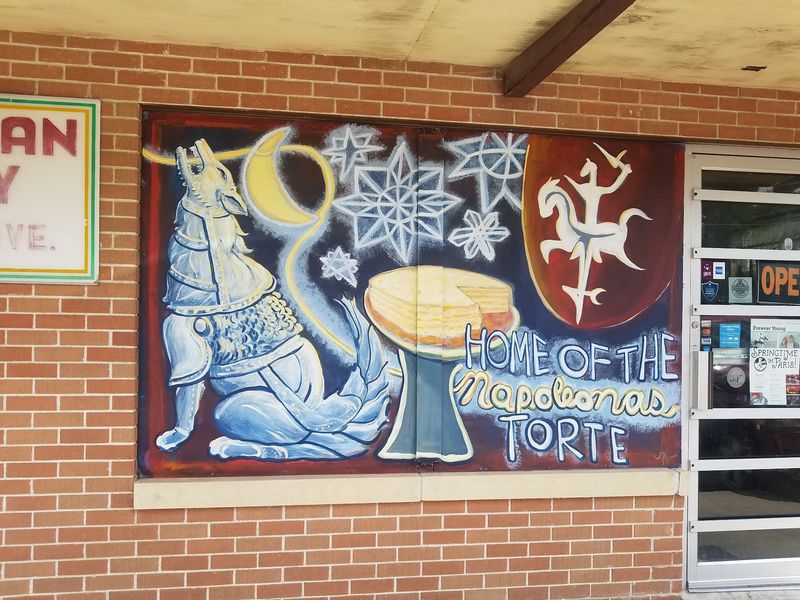
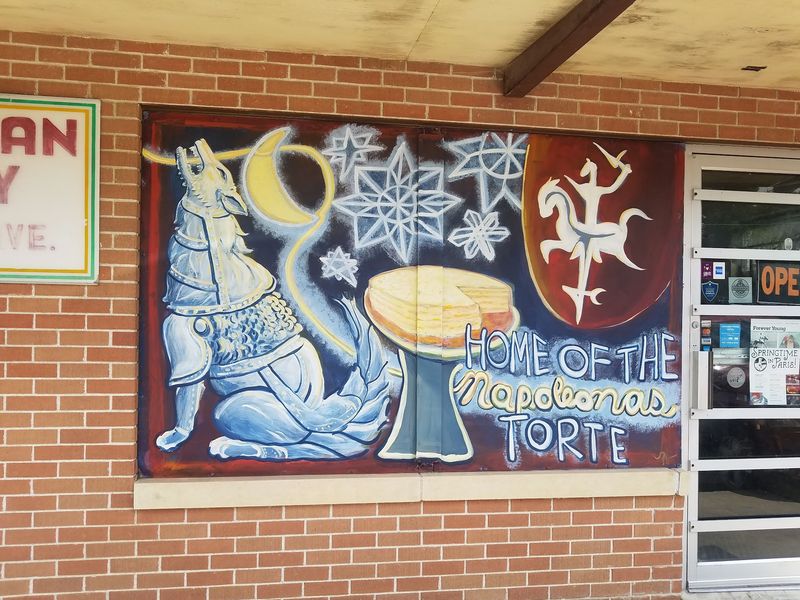
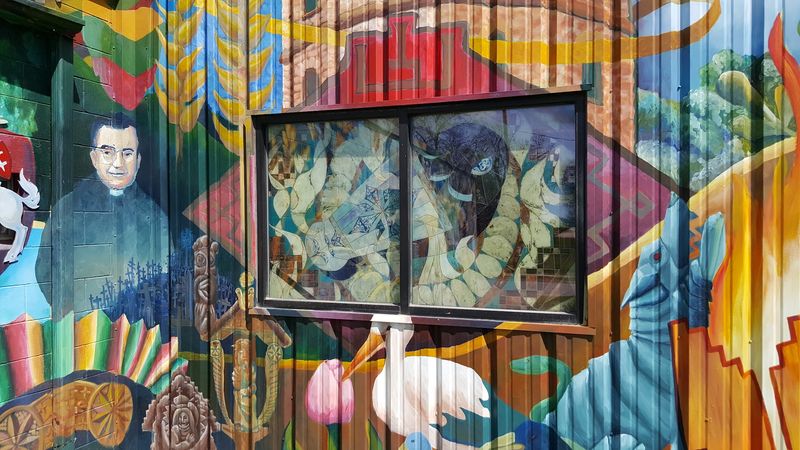
Step back outside before you leave. A mural covers the side of the building, featuring a scroll that tells the story of Lithuanians in Omaha.
It is easy to walk right past on the way to the car, but it adds a lot of meaning to the visit.
The bakery has also appeared as a stop on the Nebraska Passport program, which sends travelers to small businesses around the state. It fits that list well.
Few places pack this much family and neighborhood history into such a small space, and the mural makes that history visible to anyone passing on the street.
Planning Your Stop
Timing matters here, because the bakery keeps shorter hours than most shops. It opens six days a week and stays closed on Sundays.
Saturday mornings start earliest, while Thursday and Friday offer the longest hours, so those days give you the most room to browse.
Earlier visits usually mean a fuller case. Popular items like bacon buns and certain pastries can sell out, and the selection shifts from day to day.
Going late in the afternoon may leave you with fewer choices.
A small parking lot sits right outside, which makes quick stops easy. The shop is on South 33rd Avenue near Q Street in South Omaha, a short drive from downtown and an easy detour off Interstate 80 for anyone crossing the state.
Prices stay friendly for a family bakery, and a few pastries and a loaf of bread will not break the budget. Whole tortes make sense for gatherings, so consider calling ahead for special occasions.
For road trips, pack a cooler, since the Napoleon torte is best kept cold. There is also a second Omaha location with a cafe that serves the family’s breads and tortes.
Why a Small Omaha Bakery Still Matters
Nothing fancy happens here, and that is the point. A family keeps baking the same breads and tortes their parents and grandparents made, one slow batch at a time, in the same South Omaha neighborhood.
For people with Lithuanian, Polish, German, or Czech roots, the cases can feel like opening a grandmother’s recipe box. Others simply find a new favorite dessert.
Either way, you leave with a white box and a little piece of Nebraska immigrant history.
Compared with polished modern bakeries, the space is plain and the menu is focused. The selection is not huge.
What it lacks in size, it makes up for in care, with recipes that have barely changed since the early 1960s.
Is it the best torte in Nebraska? Plenty of families would argue yes, and the three-day process gives them a strong case.
Try a slice and decide for yourself.
Bring home a loaf of rye, a few kolaches, and one Napoleon torte to share. Chances are, someone at the table will have a story about where they first tasted one.