This Florida Maritime Museum Is Filled With Legendary Shipwreck Stories And Historic Treasures
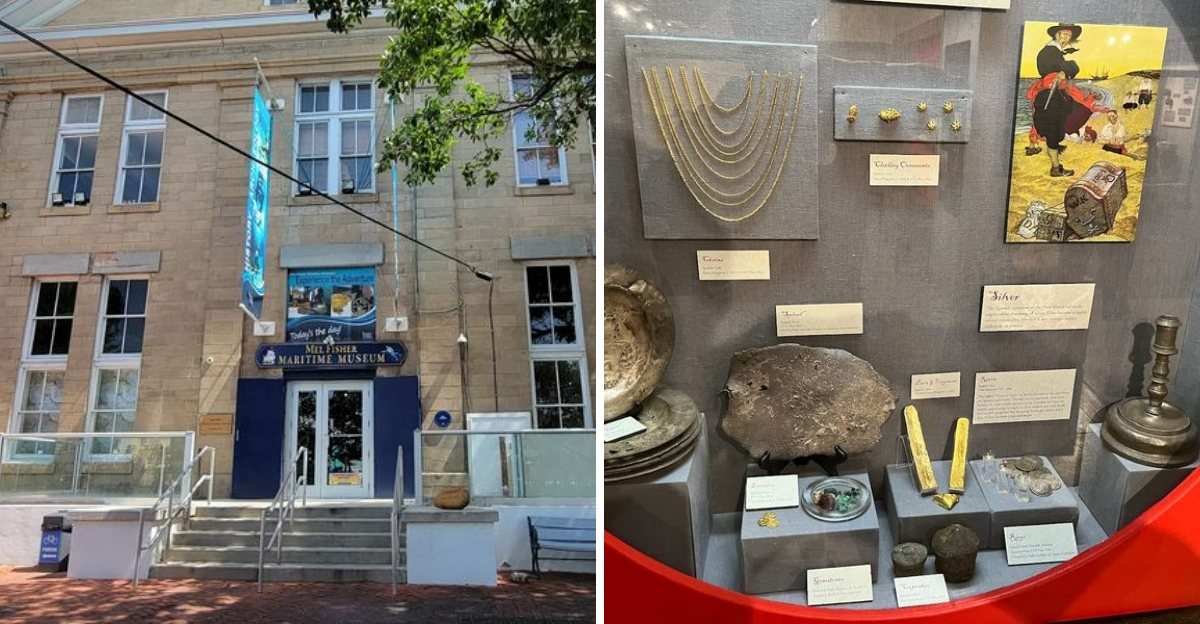
There is something about sunken ships that makes history feel urgent. Not dusty or distant, but real and close and unfinished.
I walked into this museum thinking I would spend maybe forty minutes inside. I stayed for almost three hours.
Florida has always had a complicated relationship with the sea, and this place makes that relationship impossible to ignore.
The state sits surrounded by some of the most wreck-dense waters in the entire world, and this museum exists right in the middle of all of it.
Gold bars pulled from the ocean floor. Navigation instruments that survived centuries underwater.
Stories of ships that never made it home. Every display pulls you deeper in.
If you have ever felt even a small pull toward the mystery of the ocean, this is the place that will turn that curiosity into something much harder to shake.
The Legendary Atocha Treasure That Started It All
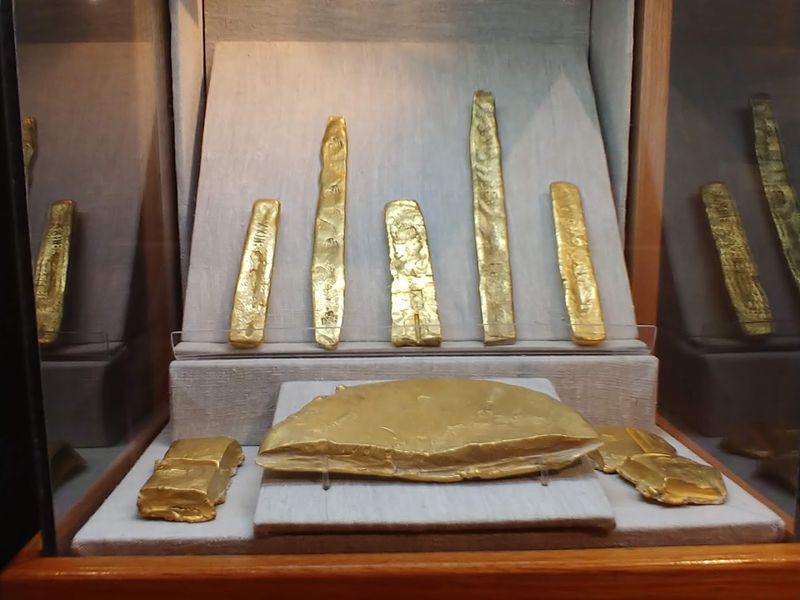
Picture holding a gold bar worth millions, pulled from the ocean after 363 years underwater. That is exactly the kind of moment this museum makes feel real and close.
The star of the show is the Nuestra Senora de Atocha, a Spanish galleon that sank in a 1622 hurricane off the Florida Keys. The ship was loaded with colonial treasure heading back to Spain.
It never made it.
Treasure hunter Mel Fisher spent 16 years searching for the wreck. On July 20, 1985, his crew found the motherlode.
The estimated value came in around $450 million, one of the largest treasure finds in recorded history.
Walking through the exhibits at Mel Fisher Maritime Museum, 200 Greene St, Key West, FL 33040, you see the real artifacts up close. Gold bars, silver coins, and stunning emeralds are all right there behind the glass.
The sheer scale of what was recovered is staggering. Over 100,000 silver coins alone were brought up from the seafloor.
Seeing them stacked and sorted makes the history feel physical and undeniable.
Mel Fisher’s Unstoppable “Today’s The Day” Spirit
Some people hear the word impossible and walk away. Mel Fisher heard it and kept diving anyway.
His famous motto, “Today’s the day,” was not just a catchphrase.
He said those three words every single morning for sixteen years. That kind of optimism is almost hard to believe, but the treasure he found proves it was more than just positive thinking.
The museum does a brilliant job of telling his personal story. You learn about the financial struggles, the legal battles, and the heartbreak his family endured along the way.
It was never a simple adventure.
Fisher faced off against both the state of Florida and the federal government over ownership of the treasure. The case went all the way to the US Supreme Court.
After eight years of legal fighting, the court ruled in his favor.
That backstory makes the artifacts feel even more meaningful. Every gold coin and every emerald represents years of sacrifice, not just luck.
Standing in this spot, you genuinely feel the weight of what one person’s determination can accomplish.
Colombian Emeralds That Will Make Your Jaw Drop
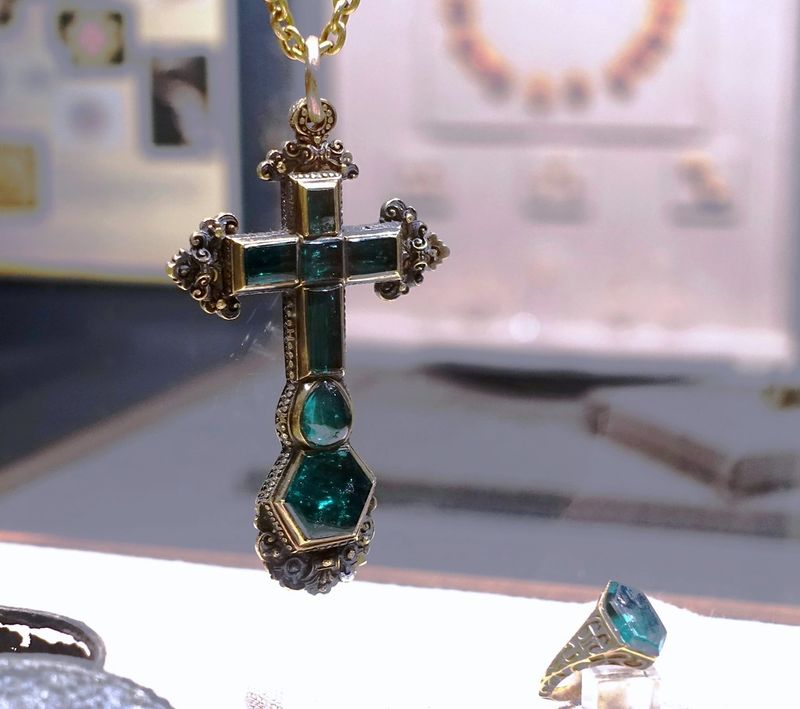
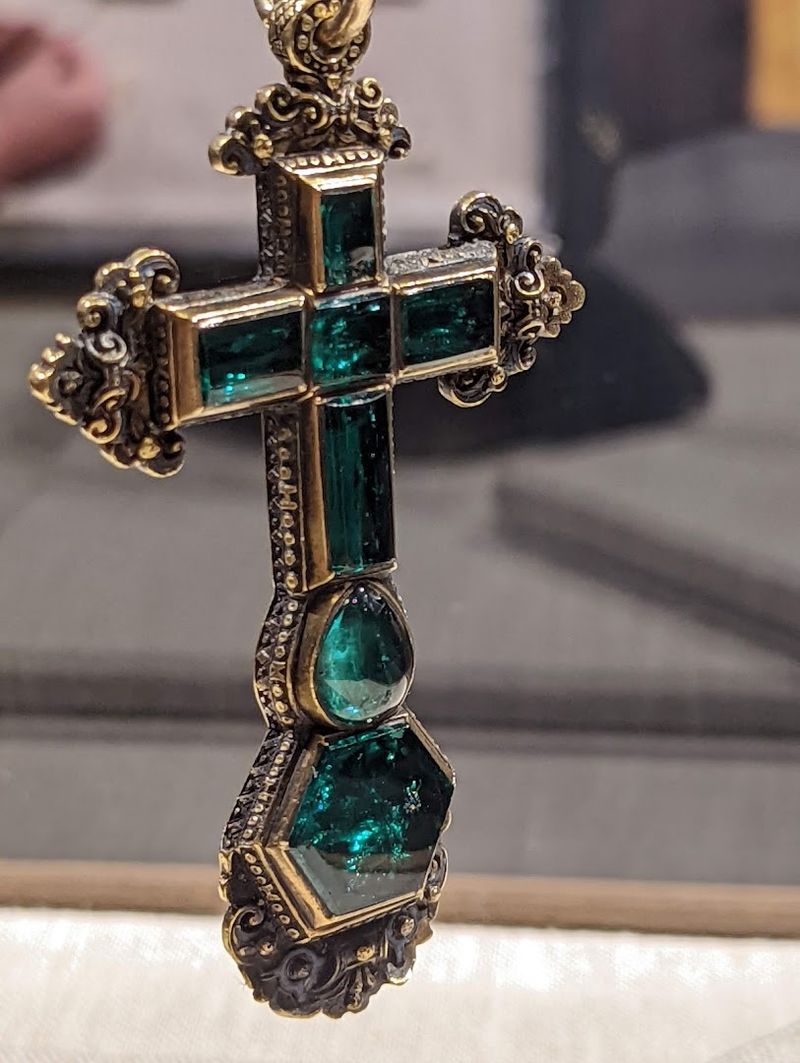
Green is just a color until you see a 78-carat uncut Colombian emerald sitting three feet in front of you. Then green becomes something else entirely.
The Atocha was carrying an extraordinary cargo of gemstones when it sank. Among the recovered pieces is one of the most impressive emerald crystals ever found in the Americas.
It is raw, natural, and almost absurdly beautiful.
What makes these gems so remarkable is their origin story. They were mined in Colombia, transported overland, loaded onto a Spanish galleon, and then lost to the sea for over three centuries.
Their journey is as wild as their appearance.
The museum displays these stones with excellent lighting and clear labeling. You do not need to be a gemologist to appreciate what you are looking at.
The sheer size of some of these crystals makes them instantly impressive.
Beyond the big showpiece, there are rings, chains, and pendants recovered from the wreck as well. Each piece of jewelry tells a quiet story about the person who once wore it.
That human connection makes the whole exhibit feel surprisingly personal.
The On-Site Conservation Lab You Can Actually See
Most museums show you the finished product. This one lets you watch the process happening in real time, which is honestly way more interesting.
The museum has a fully operating conservation and archaeology lab on-site. Trained specialists work to stabilize and preserve artifacts recovered from the ocean floor.
You can observe them through a window as they work.
Ocean water is brutal on metal, wood, and organic materials. Bringing a centuries-old artifact back to a displayable condition takes enormous patience and technical skill.
The lab makes that invisible work visible.
Some visitors book the lab tour in advance to get a closer look and a guided explanation. If that sounds interesting, booking ahead is a smart move since spots fill up.
It adds a completely different dimension to the visit.
Watching a conservator carefully clean a silver coin that has not been touched since 1622 is genuinely surreal. The museum also covers terrestrial sites, like the African Cemetery of Key West, through its research programs.
Science and history are working together here every single day.
Silver Coins And Pieces Of Eight Everywhere You Look
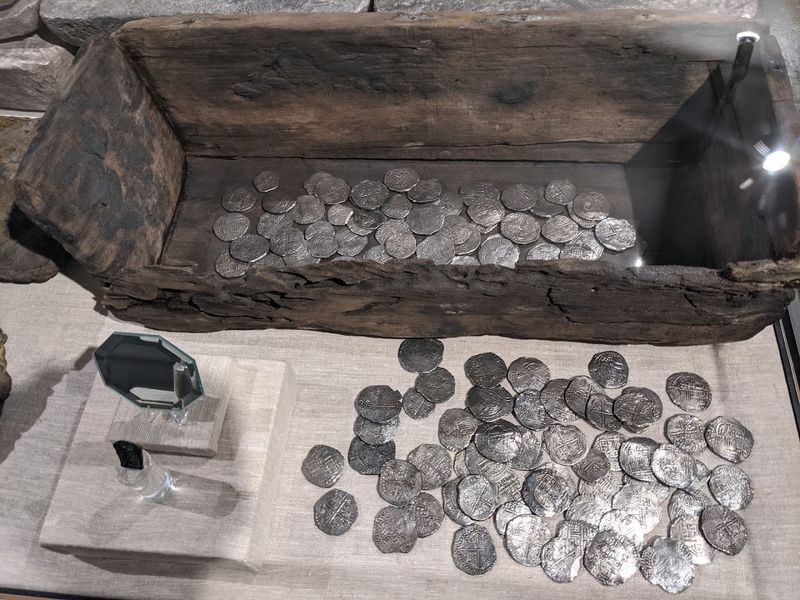
If you have ever read a pirate story and wondered what Pieces of Eight actually looked like, this is your moment. The answer is right here, and there are a lot of them.
Over 100,000 silver coins were recovered from the Atocha wreck. The museum displays them in ways that make the sheer quantity feel overwhelming in the best possible way.
Piles, rows, and individual specimens are all on view.
Each coin was hand-stamped in colonial mints across South America. The irregular shapes and rough edges are part of what makes them look so authentic and ancient.
They are nothing like modern coins.
Reading the labels next to the coins adds a lot to the experience. You learn about the Spanish colonial minting process, the trade routes, and the economic system that depended on silver from the Americas.
History class never made it this interesting.
The museum also sells reproduction coins in the gift area, so you can take a small piece of that history home. The authentic ones, of course, stay exactly where they belong, right here on display for everyone to enjoy.
The Santa Margarita And Other Forgotten Wrecks
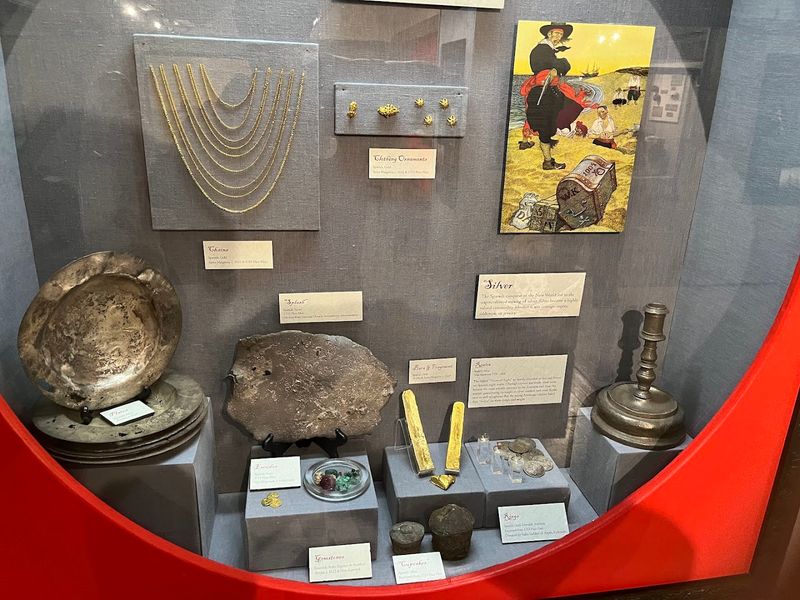
The Atocha gets most of the glory, but its sister ship has a story that deserves just as much attention. The Santa Margarita sank in the same 1622 hurricane and carried its own remarkable cargo.
Mel Fisher and his team also recovered significant artifacts from the Santa Margarita. Both ships were part of a larger Spanish fleet caught off guard by the storm.
The loss was catastrophic for the Spanish Empire.
The museum weaves both ship stories together in a way that feels complete. You understand the historical moment, the political pressure Spain was under, and why these ships were so heavily loaded with treasure.
Context makes everything richer.
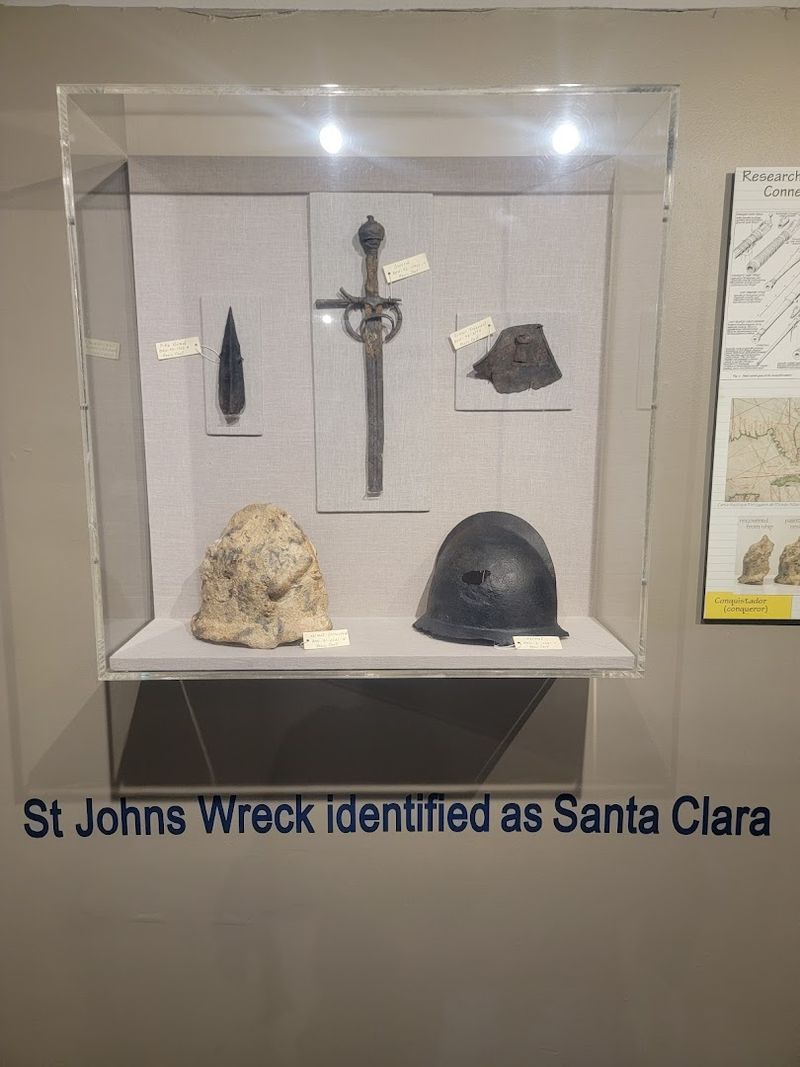
Beyond these two famous galleons, the museum also covers other wrecks like the Santa Clara, a Conquistador-era galleon from 1564, and vessels like the Guerrero and the Nimble. Each wreck adds a new thread to the same tapestry of maritime history.
Florida waters hold thousands of shipwrecks, and this museum is one of the best places to understand why. Every exhibit points outward, toward the sea, reminding you that the ocean floor is still full of undiscovered stories waiting to be told.
The Treasures On Display That Make You Question What Is Real
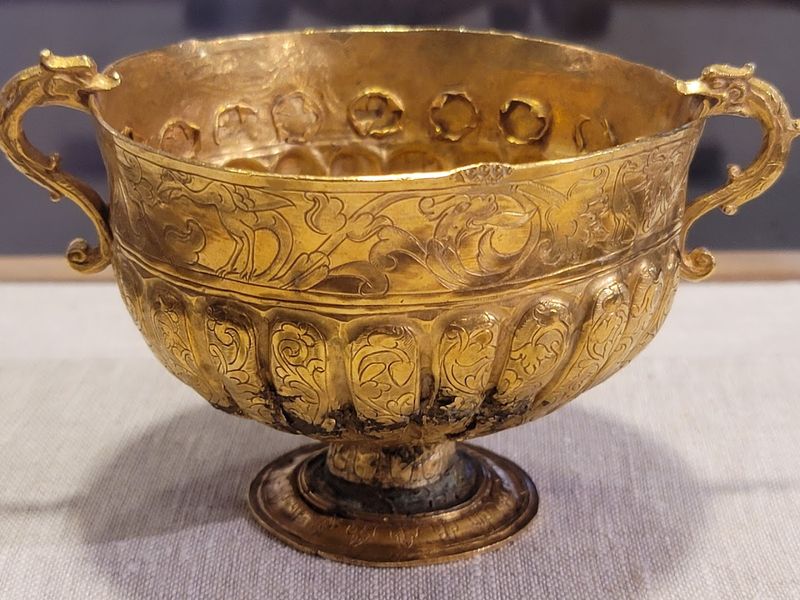
There is a specific moment in this museum when your brain stops processing things normally. It happens when you realize the gold bar in front of you is not a replica.
Real gold bars, gold chalices, rings, chains, and detailed jewelry pieces are all on display. They were pulled from the ocean floor after spending centuries in saltwater.
The fact that they survived at all feels like a small miracle.
Gold does not corrode the way silver and iron do, which is why many gold pieces look almost freshly made. Seeing a 400-year-old ring that still shines is genuinely disorienting.
Time seems to collapse right in front of you.
The jewelry pieces in particular are worth slowing down for. Each one reflects the craftsmanship of 17th-century goldsmiths working in colonial Spain and the Americas.
The detail in some of the smaller pieces is extraordinary.
Visitors regularly spend far more time than they planned in this section. It is easy to understand why.
The combination of beauty, history, and staggering value makes it one of the most compelling exhibit rooms you will find anywhere in Florida.
Practical Details That Make Your Visit Smoother
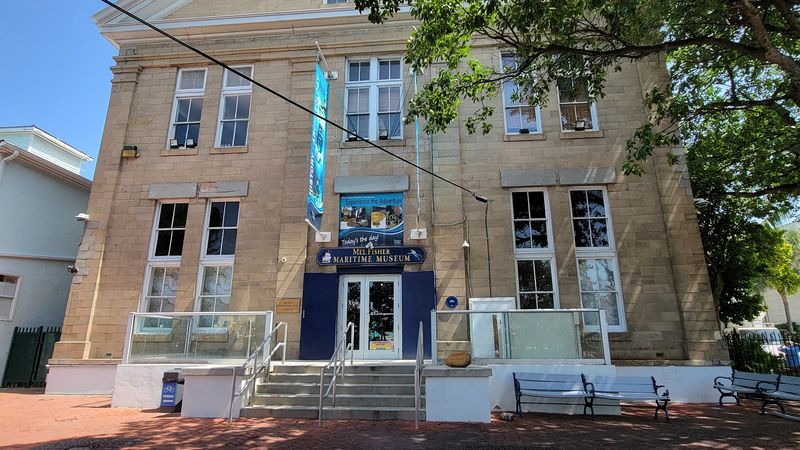
Knowing the logistics before you arrive makes the whole experience better. This museum rewards visitors who come prepared and give themselves enough time to explore properly.
The museum is open Monday through Sunday from 10 AM to 4 PM. That gives you a solid window, but the upper floor alone can take an hour if you read everything carefully.
Arriving early is always a good idea.
Parking in Key West can be tricky, so arriving on foot or by bike is often the easier option. The museum sits in a very walkable part of the city.
If you are interested in the lab tour or any of the higher-tier ticket options, booking in advance is strongly recommended. Those experiences fill up, especially during peak travel seasons.
Plan for at least two hours. You will almost certainly want every minute of it.