This Florida River Float Turns An Ordinary Afternoon Into A Summer Adventure
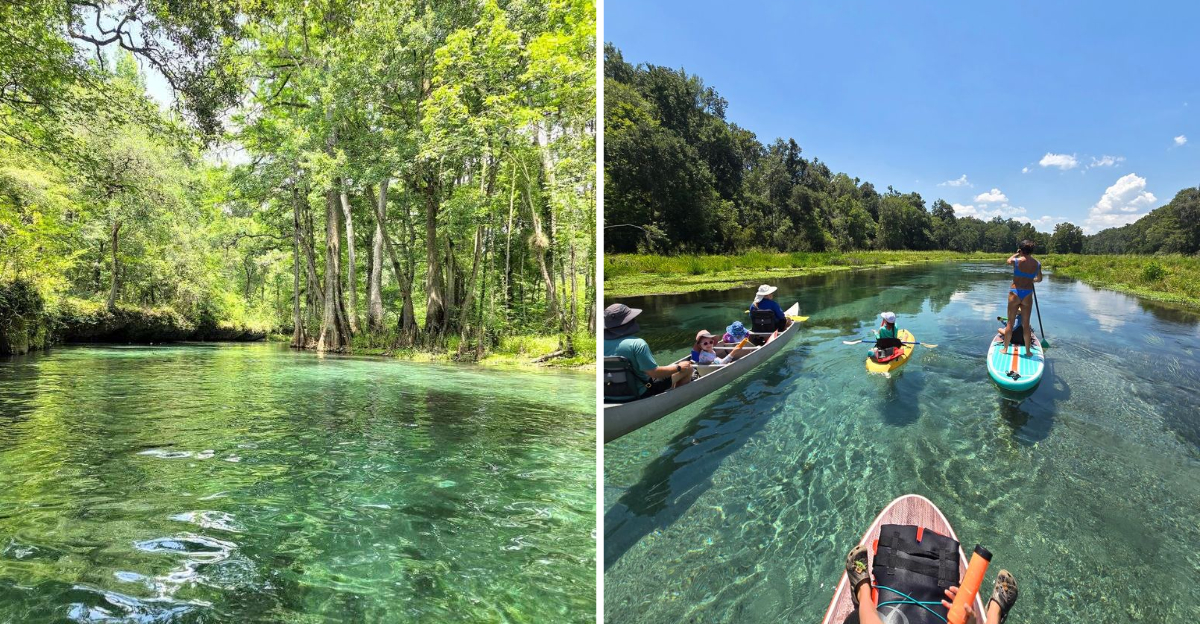
Some Florida afternoons deserve more than sitting inside with the air conditioning blasting. Grab a tube instead.
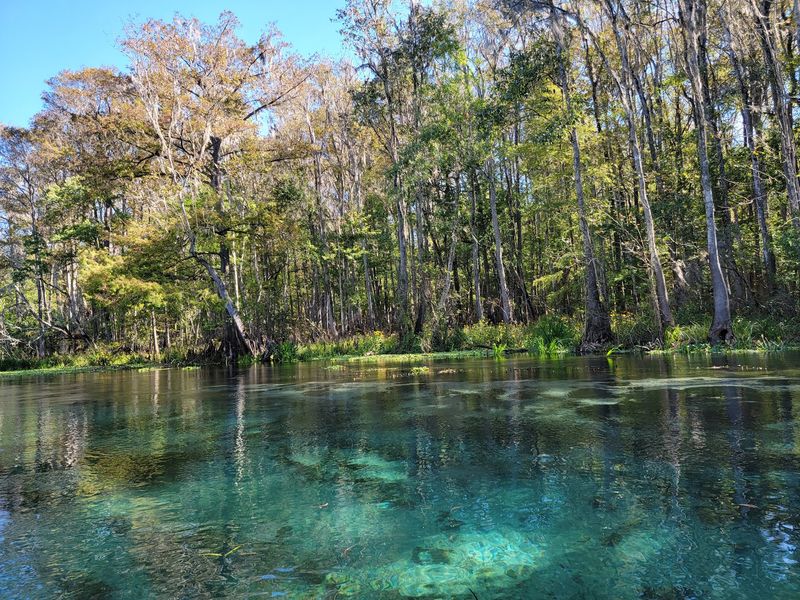
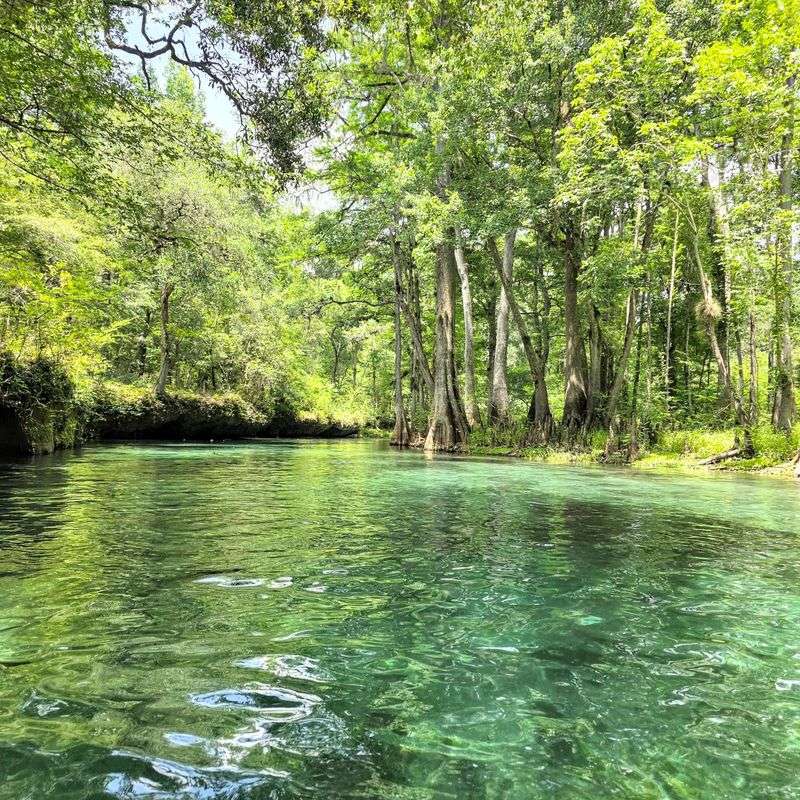
Crystal-clear spring water carries you gently beneath towering trees while the outside world seems to disappear around every lazy bend.
Fish glide below, birds chatter overhead, and the biggest decision you’ll make is whether to keep floating or stop for a swim.
Hours somehow pass without feeling like time at all. That’s the magic of this river.
You climb out refreshed, sun-kissed, and already talking about coming back before summer slips away for another year.
Water’s Crystal Clarity
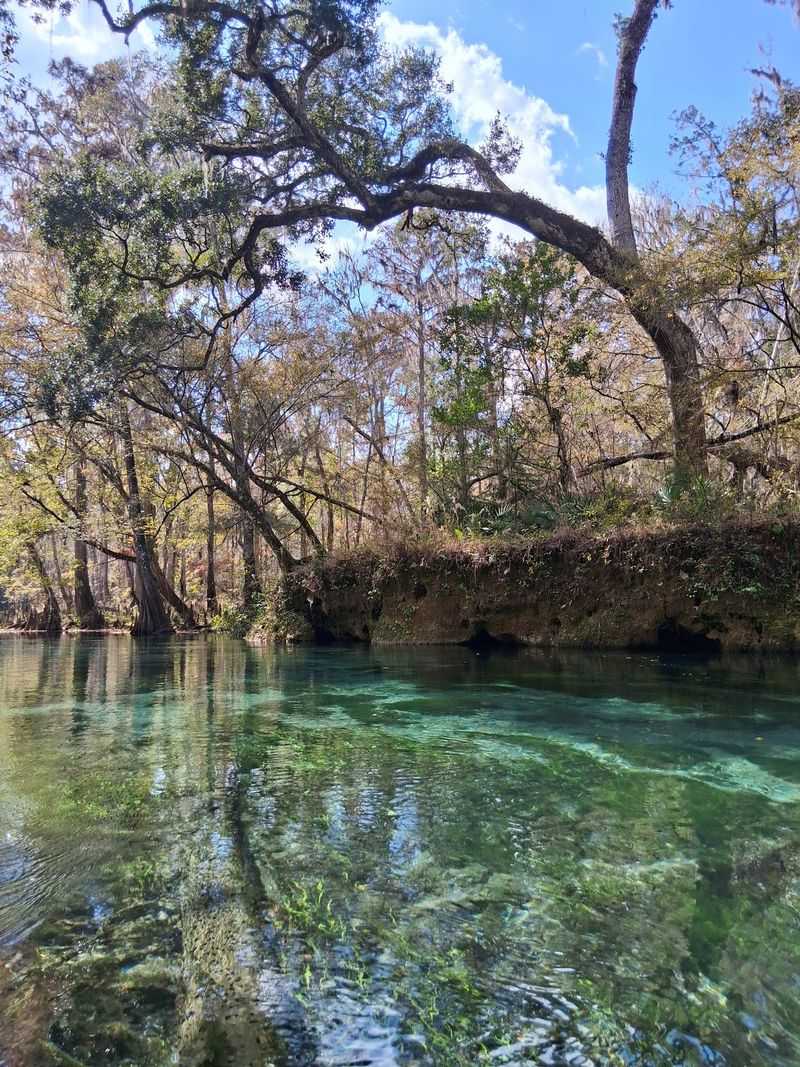
Some rivers make you want to look down. At Ichetucknee Springs State Park, peering into the water feels like looking through glass.
Eight major springs feed the Ichetucknee River, all drawing from the vast Floridan Aquifer deep underground. That underground source keeps the water at a steady 72 degrees year-round, no matter how hot the Florida sun gets above.
The upper section of the river holds the title of a National Natural Landmark, and once you see it, you understand why.
Every swaying plant, every darting fish, every ripple across the sandy bottom is perfectly visible from the surface. The clarity here is not just pretty – it is genuinely rare.
Most rivers in Florida are tinted by tannins or murky from runoff, but this one stays brilliantly transparent through every season.
You can find this natural wonder at 12087 Southwest, US-27 in Fort White. The water’s purity comes from the aquifer filtering it through layers of limestone over many years.
The Gentle River Journey
There is something quietly magical about letting a river do all the work for you.
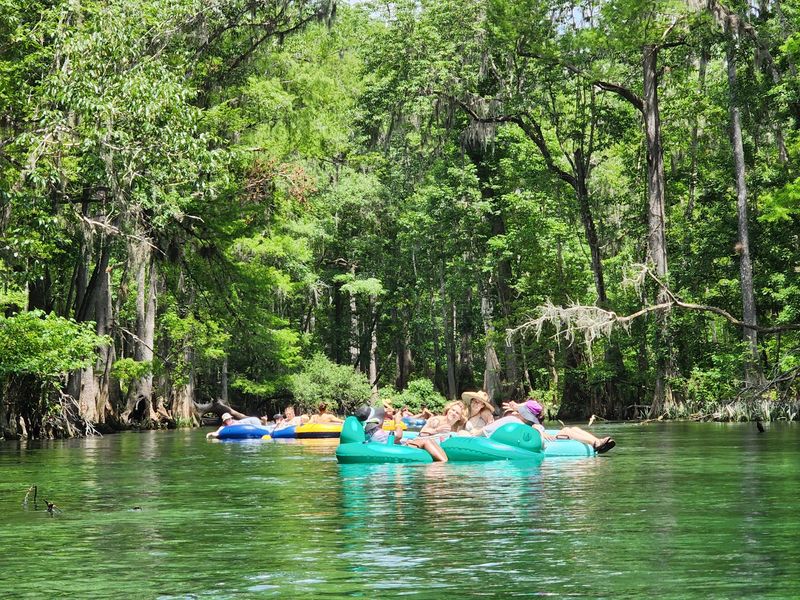
Tubing the Ichetucknee River is the park’s signature experience, and it earns that reputation every single time.
The current moves at a relaxed pace, gently carrying you downstream through one of the most scenic waterways in the entire state of Florida.
Two main launch points give visitors flexibility based on how much time they have. The Midpoint Launch at Dampier’s Landing offers a shorter float of roughly one hour, which is perfect for families with younger kids or anyone short on time.
Note: the Midpoint Tube Launch is currently closed for repairs, so all tubers should currently launch from Dampier’s Landing at the South Entrance, check the park’s website for the latest status before planning your route.
The longer route from the North Entrance extends the journey and gives you more time to soak in the surrounding forest and wildlife. You can bring your own tube or rent one from the park concessionaire.
The riverbanks are thick with cypress trees and native plants, creating a natural tunnel of green above you.
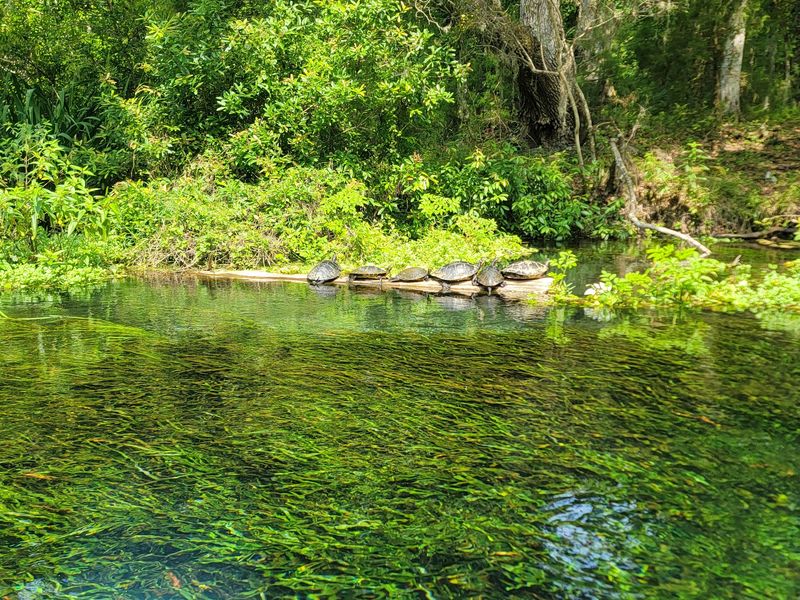
Sunlight breaks through in shifting patterns as you drift along, and the silence is only interrupted by birdsong and the occasional splash of a turtle.
Paddling And Snorkeling Options
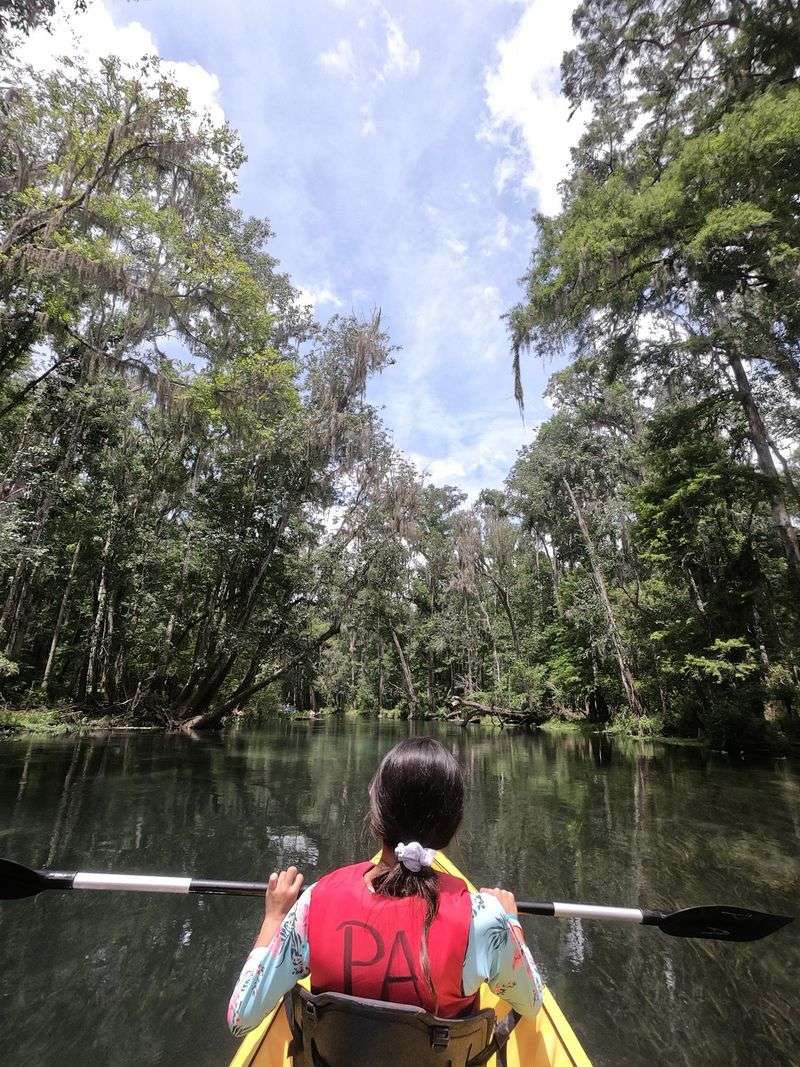
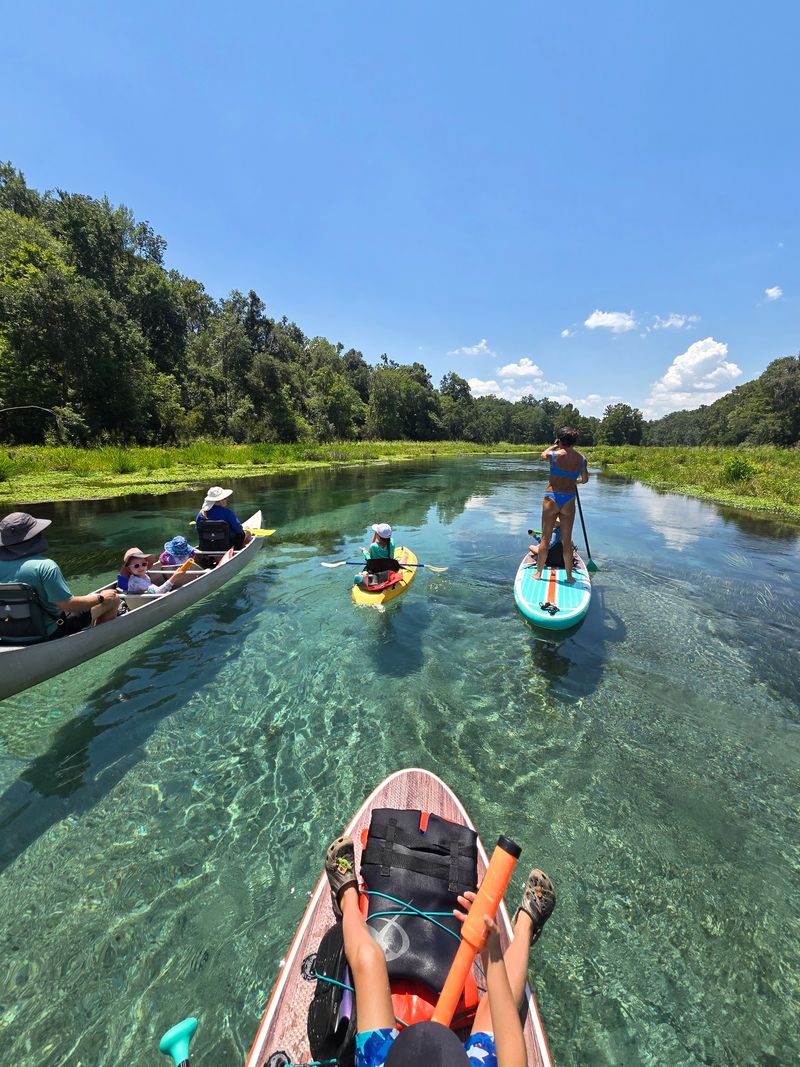
Not everyone wants to simply float. For those who prefer a little more control over where they go, kayaking, canoeing, and paddleboarding are all available on the Ichetucknee River.
The absence of motorized boats keeps the water calm and the atmosphere peaceful, making it easy to paddle at your own pace and stop wherever something catches your eye.
Snorkeling is another way to connect with the river on a deeper level. Head Spring, the main spring that starts the whole river flowing, is a popular spot for a casual swim and a quick mask-and-fins exploration.
Blue Hole Spring, slightly further along the trail, offers deeper water with visible crevices and ledges below the surface. Certified cave and cavern divers can explore the underwater passages there, which is a completely different kind of adventure altogether.
What makes paddling here especially rewarding is how much you notice when you slow down.
A turtle sunning on a log, a school of bass hovering near the spring vent, the way the current swirls gently around submerged roots – these details reveal themselves at a paddle’s pace.
Trails Through Lush Habitats
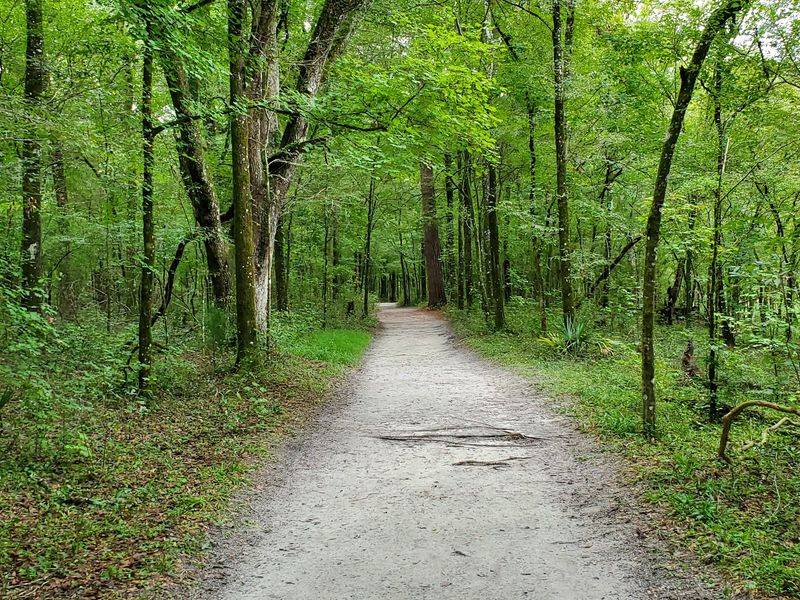
The park is not just about water.
A network of well-maintained hiking trails winds through some of the most diverse natural habitats in northern Florida, and they are worth exploring even if you never set foot in the river.
The Blue Hole Trail is one of the most popular, leading hikers through shaded hardwood hammocks to the park’s largest spring.
The Trestle Point Trail follows the river’s edge, offering glimpses of the water through the trees as you walk.
The Pine Ridge Trail takes a different direction, moving through open sandhills where longleaf pines stretch tall and the understory stays sparse and sunny.
Each trail has its own character and its own set of things to discover. Wildlife sightings are common on all of them.
White-tailed deer, wild turkeys, and a wide variety of bird species make regular appearances along the trails. The park is part of the Great Florida Birding Trail, so bringing binoculars is never a bad idea.
Wood ducks, anhingas, and limpkins are among the species that call this area home.
Ancient Roots Of The Park
Long before tubing was ever a thing, people were drawn to these springs.
Native American cultures used the Ichetucknee area for thousands of years, drawn by the reliable, clean water source.
The Timucua people were among those who called this land home, and their presence here left traces that archaeologists have studied carefully over the decades.
During the 17th century, a Spanish mission known as San Martin de Timucua operated in this region. The mission site has been identified within the park’s boundaries, adding a layer of colonial-era history to an already rich story.
Later, in the 19th and early 20th centuries, phosphate mining operations transformed parts of the landscape. Tubing actually became popular during the era when the Loncala Phosphate Company owned the land, long before state management began.
Florida purchased the property in 1970, a decision that protected the springs and surrounding ecosystem from further industrial use. Two years later, the river and springs received National Natural Landmark designation.
Wildlife Worth Watching
Sharing the water with a manatee is one of those experiences that genuinely stops you in your tracks.
During the cooler winter months, these gentle marine mammals migrate to the spring-fed sections of the river to take advantage of the consistent 72-degree water temperature.
Spotting one while tubing or paddling is a highlight that many visitors talk about for years afterward.
The aquatic ecosystem here is remarkably rich. Numerous fish species move through the clear water, including bass, gar, and various sunfish.
River otters are occasionally spotted along the banks, slipping in and out of the water with effortless speed. Softshell turtles and cooter turtles are almost guaranteed sightings on any given visit.
The health of the spring water supports all of this biodiversity in a way that degraded waterways simply cannot.
Above the waterline, the park continues to impress. The upland trails put you in close range of white-tailed deer and wild turkeys, especially in the early morning hours.
The Great Florida Birding Trail designation reflects just how important this habitat is for avian species.
Planning Your Visit Well
A little preparation goes a long way at this park, especially during peak summer months when crowds can be significant. The park opens daily at 8:00 AM and stays open until sunset year-round.
Two separate entrances serve different purposes, so knowing which one to use before you arrive saves time and confusion. The North Entrance provides access to Head Spring, Blue Hole Spring, and the hiking trail network.
The South Entrance is the place to go for tubing, paddling rentals, and the Educational Exhibit Center. The park limits the number of tubers per day to protect the river ecosystem, so arriving early during summer weekends is strongly recommended.
Tubing is typically available from late spring through early fall, though specific dates can vary depending on conditions and capacity.
A few rules help protect the river for everyone. Only non-disposable water containers are allowed on the water. Disposable items, food, and coolers are not permitted in the river itself.
Pets are welcome in upland areas on a leash but cannot enter the water. Water shoes are a smart choice for navigating rocky spring vents and slippery entry points.
Conservation Keeps It Pristine
Keeping a place this beautiful intact takes real, ongoing effort.
Ichetucknee Springs State Park carries the designation of an Outstanding Florida Spring, a status that reflects both its ecological value and the responsibility that comes with protecting it.
The springs are fed by the Floridan Aquifer, one of the most productive aquifers in the world, and its health is directly tied to what happens on the land above it.
Park managers use prescribed burns to maintain the longleaf pine and sandhill habitats, mimicking the natural fire cycles that kept these ecosystems healthy for thousands of years before human intervention disrupted them.
Invasive plant species are actively managed to prevent them from crowding out native vegetation. These efforts are not just cosmetic – they directly affect water quality, wildlife habitat, and the long-term viability of the springs themselves.
Visitor impact is also carefully managed. The daily tubing capacity limit is one of the most visible conservation tools the park uses, and it makes a measurable difference in how the river recovers between busy days.