This Florida Town Is Quietly Turning Into One Of The State’S Hottest Destinations
Something interesting happens when a small town stops feeling like a side trip.
Suddenly, people begin building weekends around it. That seems to be happening in Florida, where one Gulf community keeps drawing attention without losing its smaller-scale appeal.
A walkable center, nearby island escapes, local businesses, and a strong identity give visitors plenty to work with.
Better yet, the town does not seem to demand a frantic itinerary. Slow mornings still fit here. So do spontaneous detours.
Fair warning, this may be one of those places that starts as a casual stop and ends with another visit already on the calendar.
How A Scottish Name Stuck
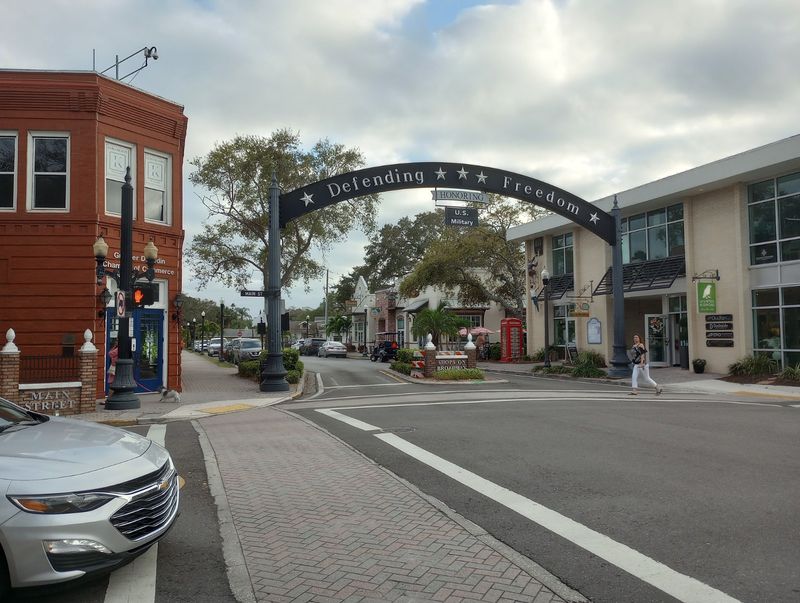
Dunedin’s first land deed dates to 1852, and in 1870 merchant George L. Jones placed a Jonesboro sign over his general store, giving the young settlement one of its early names.
In 1882, Scottish merchants J.O. Douglas and James Somerville petitioned to establish a post office under the name Dunedin. They renamed the settlement after Dun Eideann, the Scottish Gaelic name for Edinburgh.
The town was officially incorporated in 1899.
Dunedin developed into an important Florida seaport and trading center and at one time had the state’s largest fleet of sailing vessels. Citrus packing, boatbuilding, and shipping kept the docks humming for decades.
Then came the railroad in 1888, and trade grew again. Tourists followed the tracks, drawn by warm winters and salt air in this corner of Florida.
Historic neighborhoods, the old railroad depot, and Scottish-influenced street names still reflect pieces of that early story. Bungalows sit under oak shade, and street names hint at the founders’ homeland.
Dunedin still incorporates its Scottish heritage into civic events, school traditions, street names, and cultural programs.
City offices sit at 737 Louden Avenue, Dunedin, Florida, if you want to start your day at the civic heart of things.
Bagpipes Along The Gulf
Bagpipes remain a visible and audible part of Dunedin’s Scottish traditions, particularly through its schools and annual cultural events.
Scottish heritage here is not decoration. Dunedin High School and Dunedin Highland Middle School both maintain competitive pipe-band programs, with the high school’s Grade 4 band earning placements at Highland Games competitions.
Street signs reinforce the theme. Scotland Street and Louden Avenue read like a map of somewhere far colder.
The biggest celebration lands at Highlander Park each year. The annual Dunedin Highland Games & Festival celebrates Scottish athletics, dancing, music, and pipe bands while raising funds for local Scottish arts education and school band programs.
Dunedin maintains a sister-city relationship with Stirling, Scotland, a connection the city continues to recognize through cultural exchanges.
Scottish traditions remain woven into a coastal community better known to many visitors for beaches, parks, and its walkable downtown.
If you plan around the Highland Games, check the current event schedule, admission details, and parking information before arriving.
Come for sand, stay for the drums. That is the honest summary of my first afternoon in this unusual Gulf Coast town.
Waterfront Views Without Walls
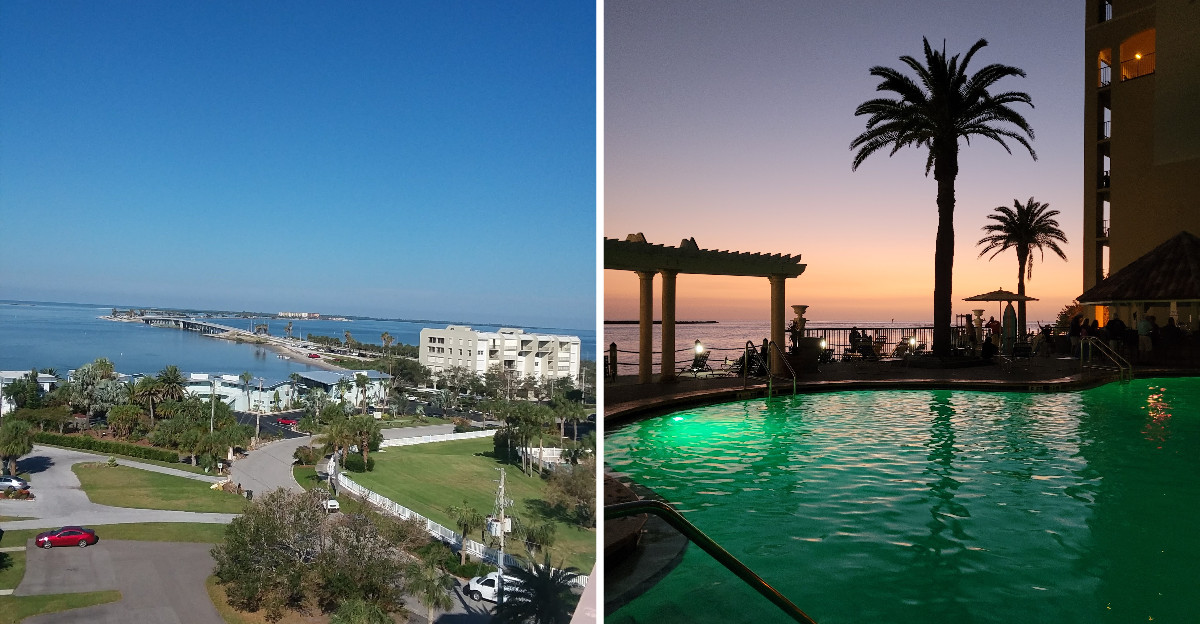
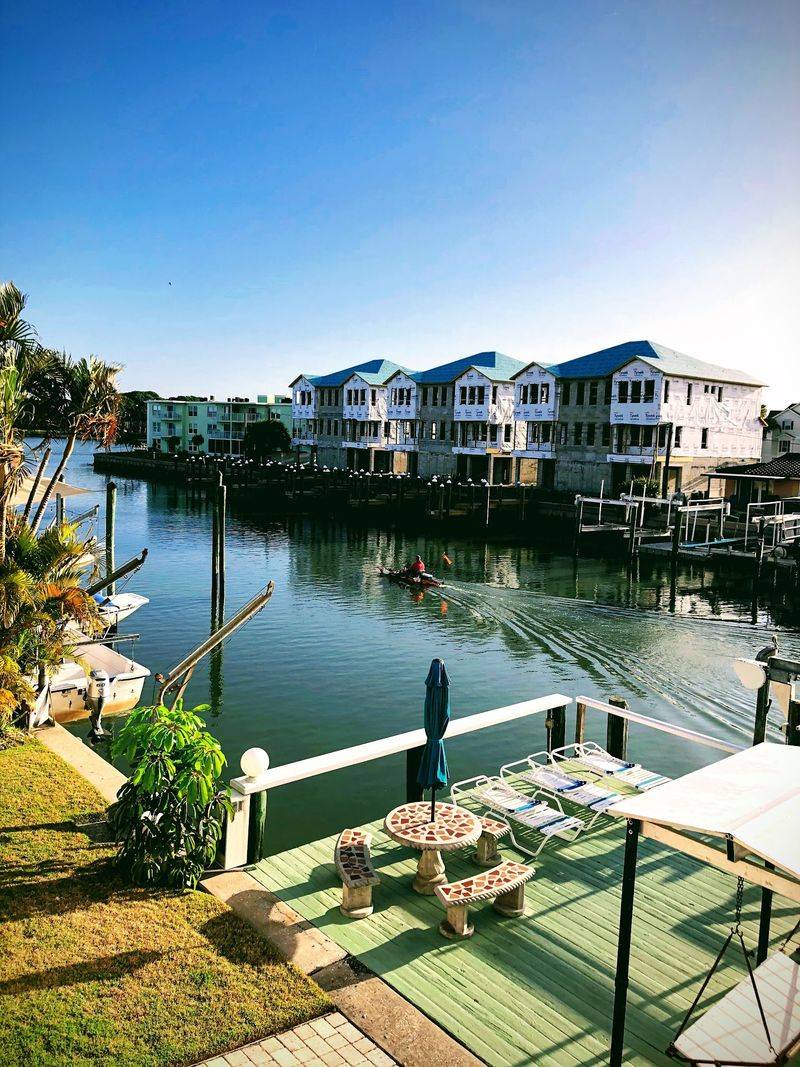
Dunedin maintains public waterfront spaces along St. Joseph Sound, including its marina and several city parks.
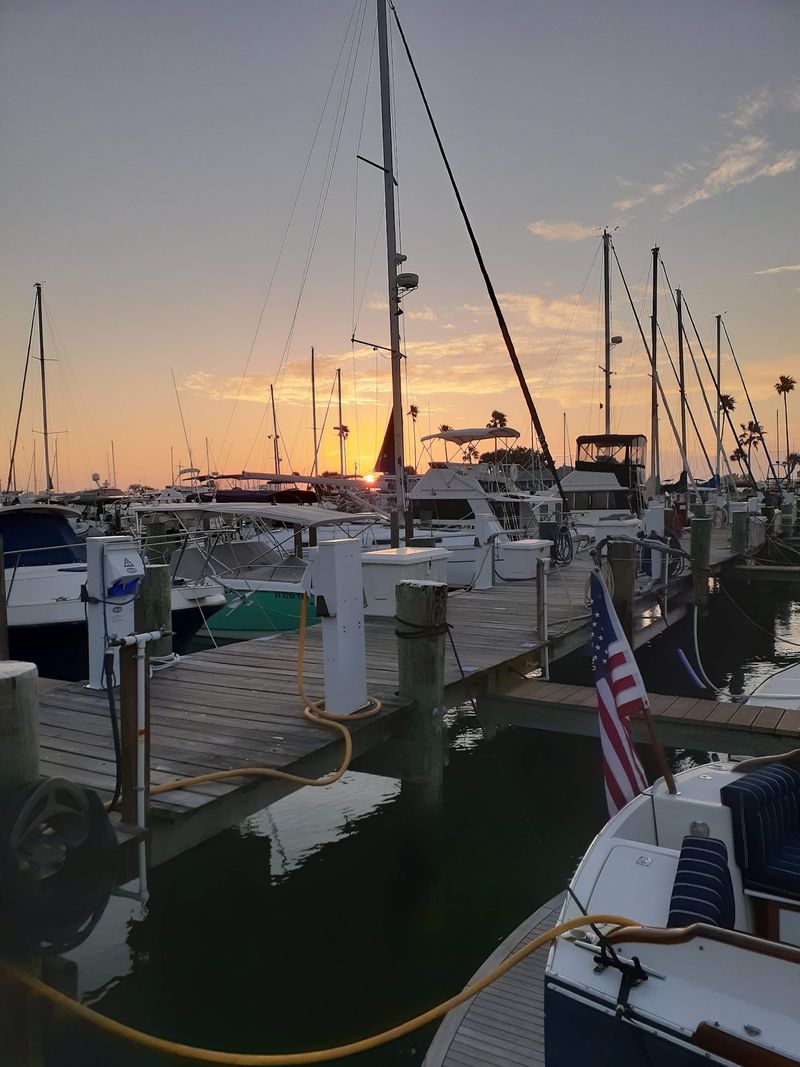
Public waterfront areas such as Edgewater Park and the Dunedin Marina provide broad views across St. Joseph Sound.
The marina anchors this stretch. Boats rock gently in their slips, and the water shifts color through the afternoon.
Sunset is the main event. The sky turns orange, then deep pink, and people gather quietly along the railings to watch.
Honeymoon and Caladesi islands lie beyond St. Joseph Sound, adding beaches, nature trails, paddling opportunities, and protected coastal habitat to the area.
The Dunedin Causeway crosses St. Joseph Sound toward Honeymoon Island, with waterfront recreation areas along the route.
Sunset times and crowd levels vary, so arrive with enough time to park and find a waterfront viewpoint before dusk.
Dunedin’s public parks, marina, causeway, and state-park access provide several ways to enjoy the coast without staying at a waterfront resort.
The Best Little Walking Town
Some downtowns need a car. This one needs sneakers.
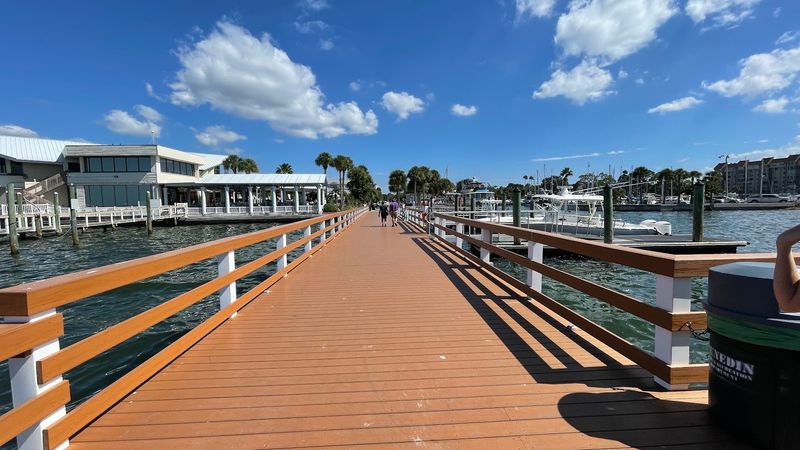
The City of Dunedin continues to promote a past Best Little Walking Town in America designation, and its compact downtown is designed around pedestrian access.
Downtown Dunedin emphasizes locally owned shops, restaurants, galleries, breweries, and other small businesses.
Murals cover walls and alley corners throughout the district. Turn a corner and a new painting appears, often bright and playful.
Artisan boutiques sell handmade goods, and small galleries rotate their work regularly. Galleries, boutiques, and arts businesses add another reason to explore beyond Main Street’s restaurants and cafés.
Cafes handle the morning shift well. Pastries, strong coffee, and sidewalk tables set the tone before the day heats up.
Downtown hosts seasonal concerts, markets, festivals, parades, and arts events throughout the year. Once parked downtown, many shops, restaurants, parks, and the Pinellas Trail are close enough to explore on foot.
Exploring on foot makes it easier to notice side streets, small storefronts, public art, and businesses just off the main strip.
Owls, Trails And Piers
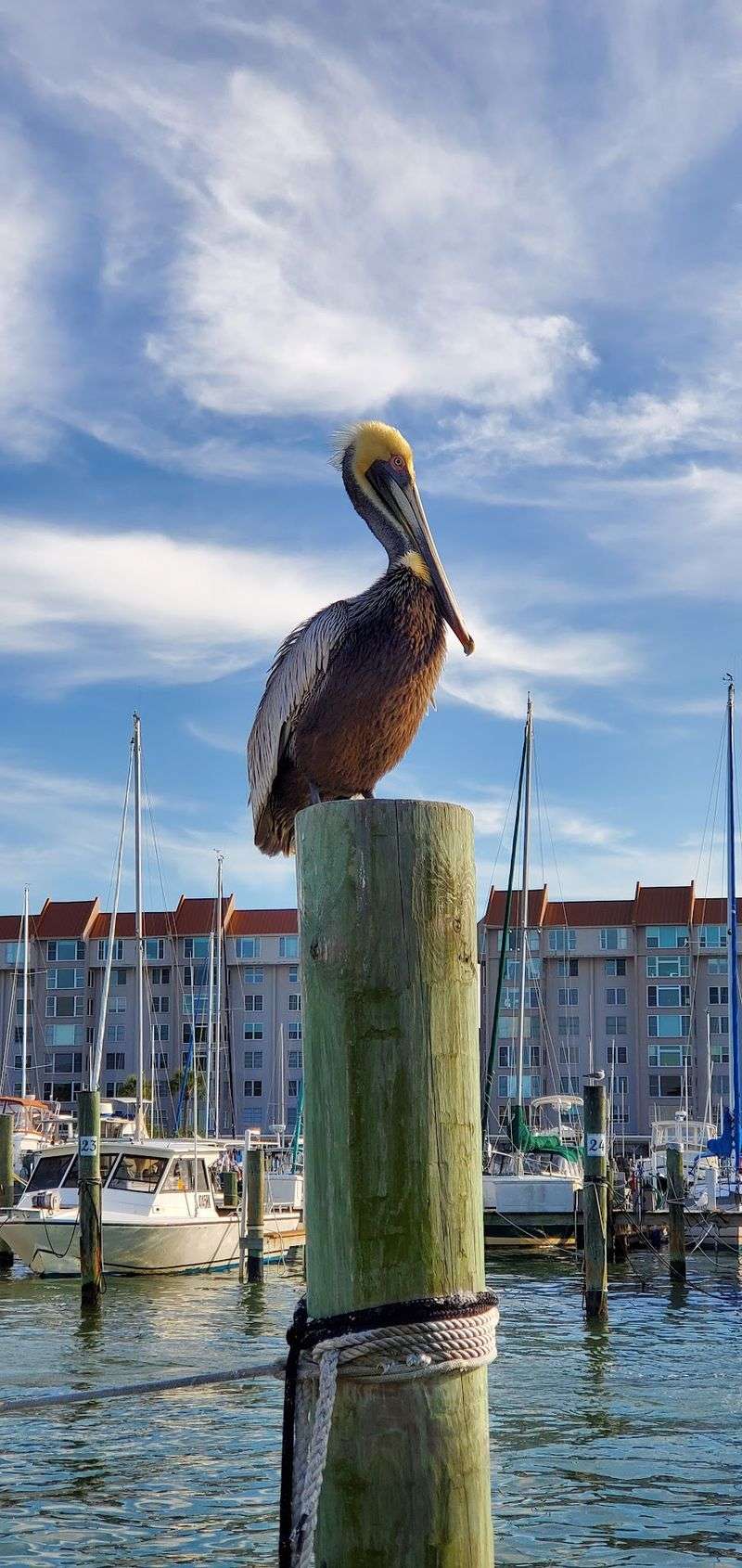
Ninety acres of woods sit surprisingly close to the shops. Hammock Park protects a substantial patch of native habitat surprisingly close to downtown.
Roughly five miles of trails wind through the preserve. Pine, oak, and palmetto crowd the paths, and the temperature drops noticeably under the canopy.
Birdwatchers do well here. Owls, woodpeckers, and smaller songbirds move through the trees, especially early in the day.
A butterfly garden is among the park’s features, alongside five miles of trails, an observation platform, playground, and picnic areas.
Over at Weaver Park, the scenery shifts to water. Weaver Park features a waterfront fishing pier, playground, picnic pavilions, restrooms, and direct access to the Pinellas Trail.
Bring insect repellent for the wooded trails, particularly after rain. Closed shoes help too, since roots cross the path in spots.
Both parks are free to enter, which makes them easy additions to any itinerary. Neither takes a full morning unless you want it to.
Green space like this rarely survives so close to a growing downtown. That balance between shade and shoreline is one of the quieter reasons this Florida town keeps winning people over.
Pedal Power On The Pinellas Trail
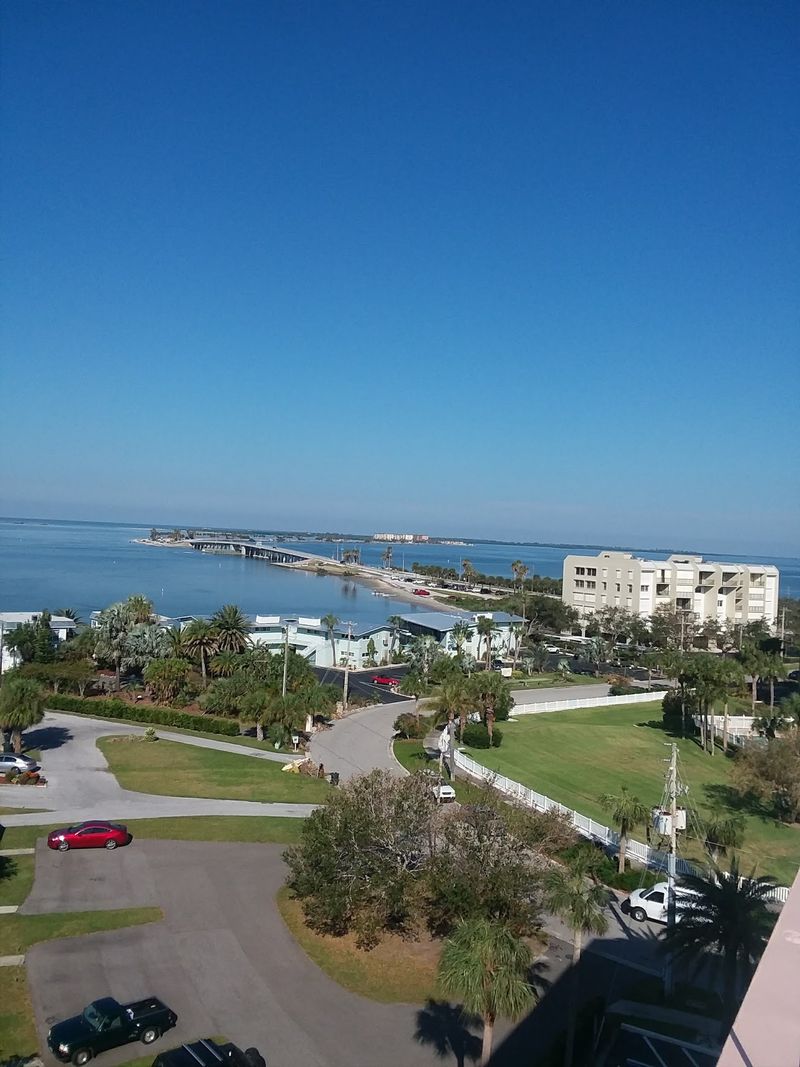
Cyclists have a genuine advantage in this town. The Fred Marquis Pinellas Trail runs right through the middle of it.
The main Pinellas Trail corridor currently stretches about 47 miles from St. Petersburg to Tarpon Springs, with additional connections forming a larger countywide trail network.
The paved multi-use trail accommodates bicyclists, walkers, runners, and skaters through the heart of Dunedin.
Shade comes and goes along the route. Bring water, because the Florida sun finds you quickly on open sections.
Walkers and runners share the trail, so keep to the right and call out when passing. Morning hours feel coolest and least crowded.
Side trips are the real reward. Downtown businesses sit directly beside the trail, making food, shopping, and other stops easy to add to a ride.
Parks, businesses, bike racks, and other amenities appear along different sections of the trail, particularly through downtown Dunedin.
The Pinellas Trail is officially open from 7 a.m. to sunset, and riders should keep right, pass on the left, and warn others before passing.
Two Islands Worth The Ferry
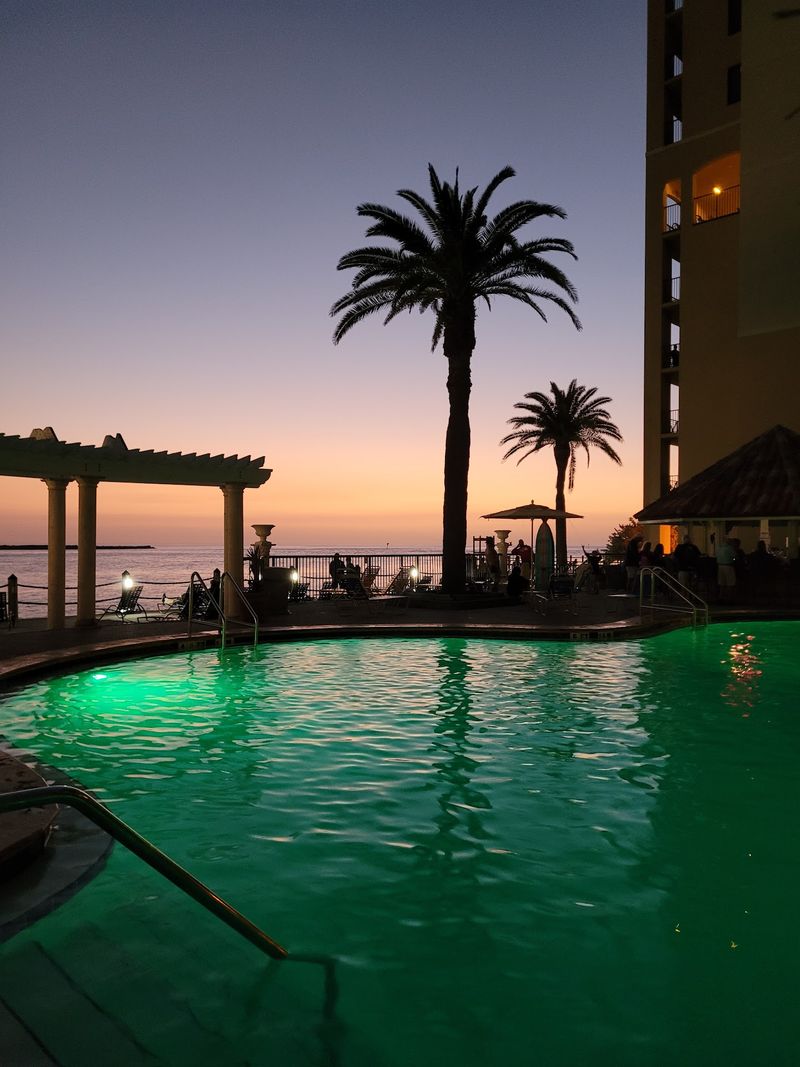
Four miles of sand, and barely a building in sight. Honeymoon Island State Park delivers exactly that.
Honeymoon Island draws more than one million visitors annually while offering more than four miles of shoreline.
Nature trails cut through slash pine forest behind the beach. Ospreys and great horned owls are among the birds visitors may see around Honeymoon Island’s nature trails.
Eagles also patrol this stretch of coast. Binoculars are worth the space in your bag.
From the park, a short ferry crosses to Caladesi Island State Park. Caladesi Island is accessible only by boat, including the passenger ferry from Honeymoon Island or private watercraft.
Caladesi rewards the effort with quiet beaches, clear water, and mangrove paddling routes. A marked kayak trail winds through the mangroves for anyone bringing their own craft.
Both parks provide beach wheelchairs, making the sand accessible to more visitors. Ask at the ranger station when you arrive.
Check the current ferry schedule before visiting; service resumed on June 29, 2026, after storm-related closures and remains weather dependent.
Murals, Galleries And Memorabilia
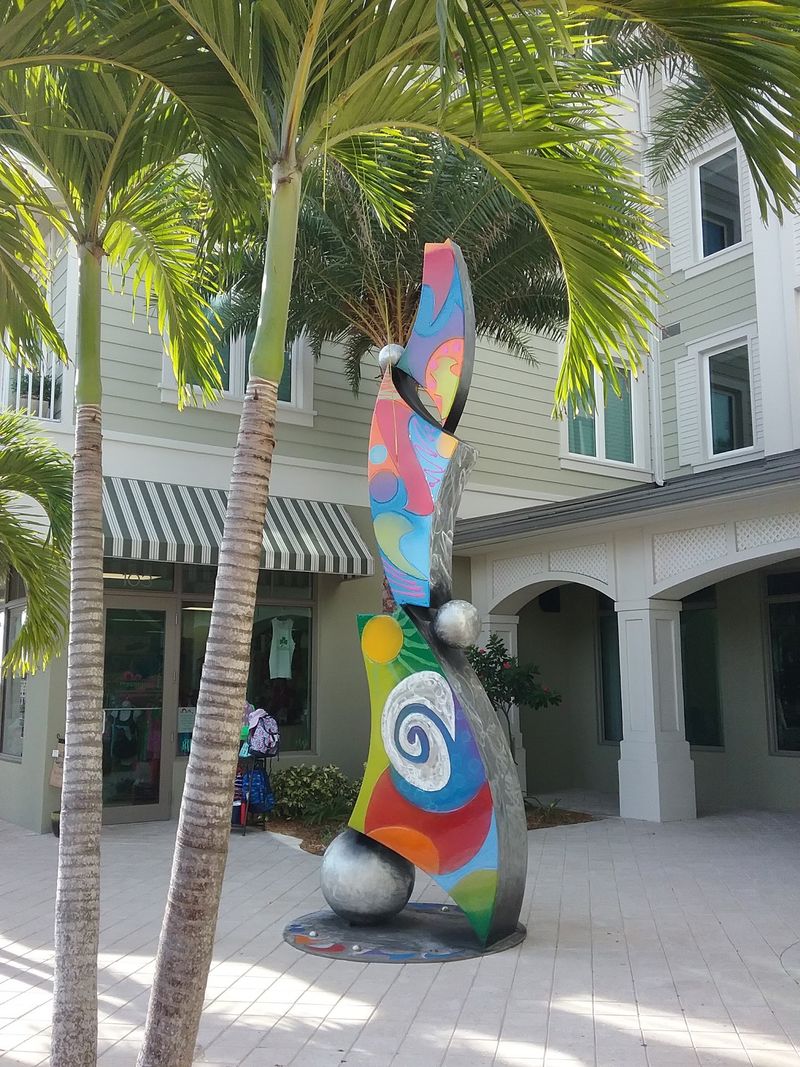
Art here is not tucked away behind admission desks. It is painted across walls and installed on corners.
A dedicated Public Art Program supports the collection, and the pieces often reference local history and culture. Murals and other public artworks add visual references to Dunedin’s culture, history, and community character.
The Dunedin Fine Art Center serves as the creative anchor. Exhibitions rotate, and classes run throughout the year.
Music fans should note that the Penny Lane Beatles Museum moved from Dunedin to a larger downtown St. Petersburg location in June 2026, so it is no longer a current Dunedin attraction.
Arts programming continues through places such as the Dunedin Fine Art Center and seasonal events including Art in the Park.
The annual Dunedin Mardi Gras Festival & Parade brings floats, costumes, live music, food vendors, and a Fat Tuesday parade to downtown.
Check the town calendar before booking, because event weekends transform the atmosphere completely. Quieter midweek visits suit gallery browsing better.
Photographers should aim for late afternoon light on the murals. Colors deepen and shadows soften just before sunset.