This 38,000 Square Foot Tennessee Salvage Warehouse Gives Old Buildings A Second Life
A crew from a small Middle Tennessee town travels the country taking old buildings apart, piece by piece, so their best features can live again.
Now that’s a clever idea!
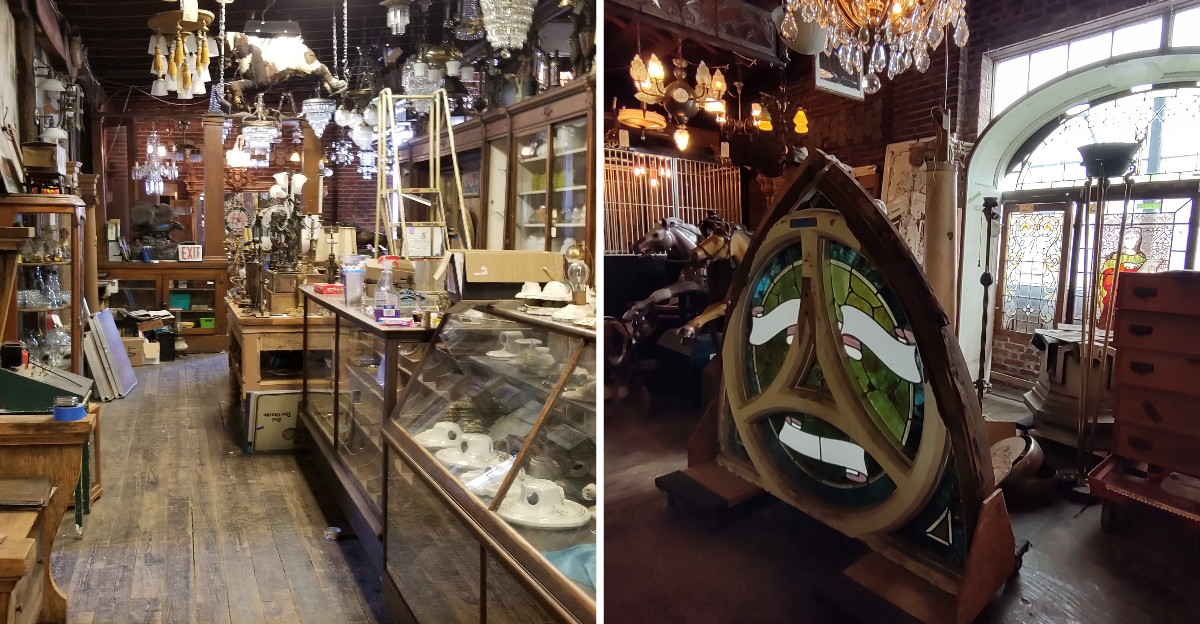
Imagine a Victorian mantel or cast-iron bathtub finding a second home. At this destination those pieces join an enormous collection inside a two-story warehouse.
The place covers roughly 38,000 square feet, with nineteenth-century doors, stained glass, old lighting, and enough hardware to make an ordinary drawer pull interesting.
And the team doesn’t just collect these things. It can restore them, too. How do you even begin exploring a building full of other buildings?
The Crew Goes Looking For Pieces Worth Keeping
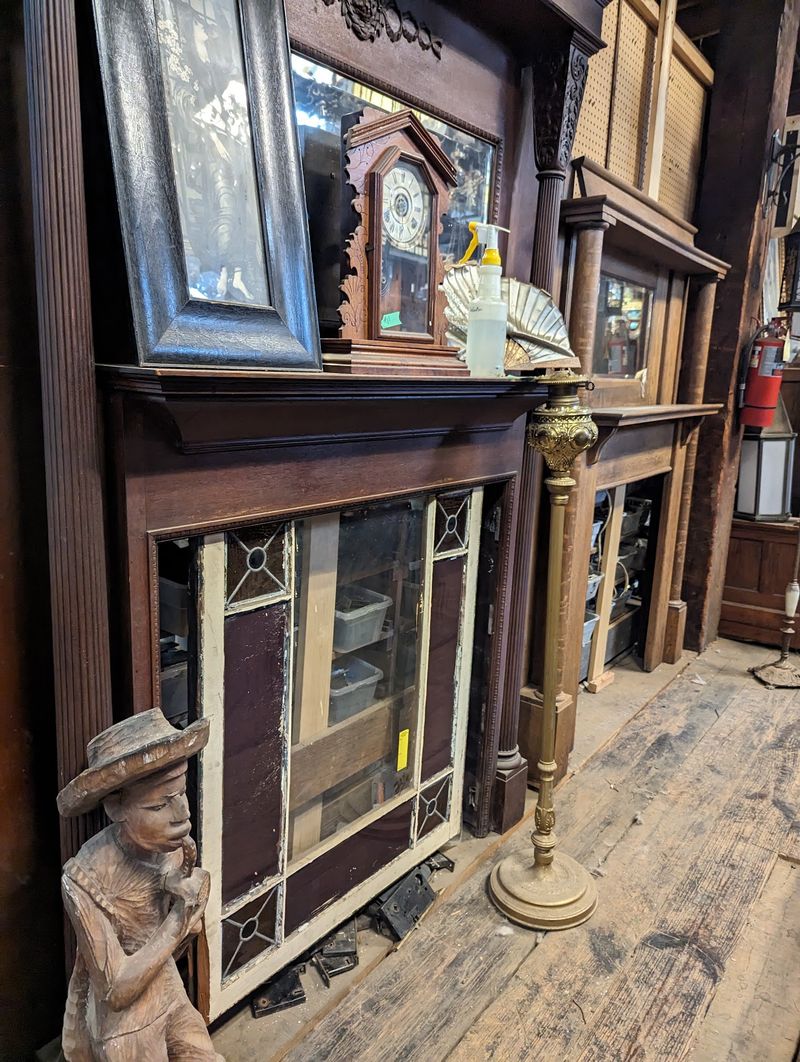
Most antique stores wait for old treasures to come to them. Doc’s sends a crew across the country to recover architectural features from historic properties.
The work starts before anything reaches the showroom.
A decorative door surround, a carved panel, or a substantial mantel may have to be carefully separated from the structure around it. The aim is to keep the craftsmanship intact so a future owner can put it to use again.
That requires more than an eye for attractive objects. Building materials are heavy, measurements matter, and older pieces rarely behave like modern, standardized products.
Experience in carpentry and restoration makes a difference when handling them.
The business’s background stretches into a family building-restoration operation established in 1952. Its architectural salvage enterprise developed decades later, growing from an interest in collecting the workmanship found in historic houses.
This is why the collection feels different from a conventional antique shop. Many of the objects here once belonged to the actual fabric of a building. Each has a practical job to do again.
Thirty-Eight Thousand Square Feet Is A Lot Of History
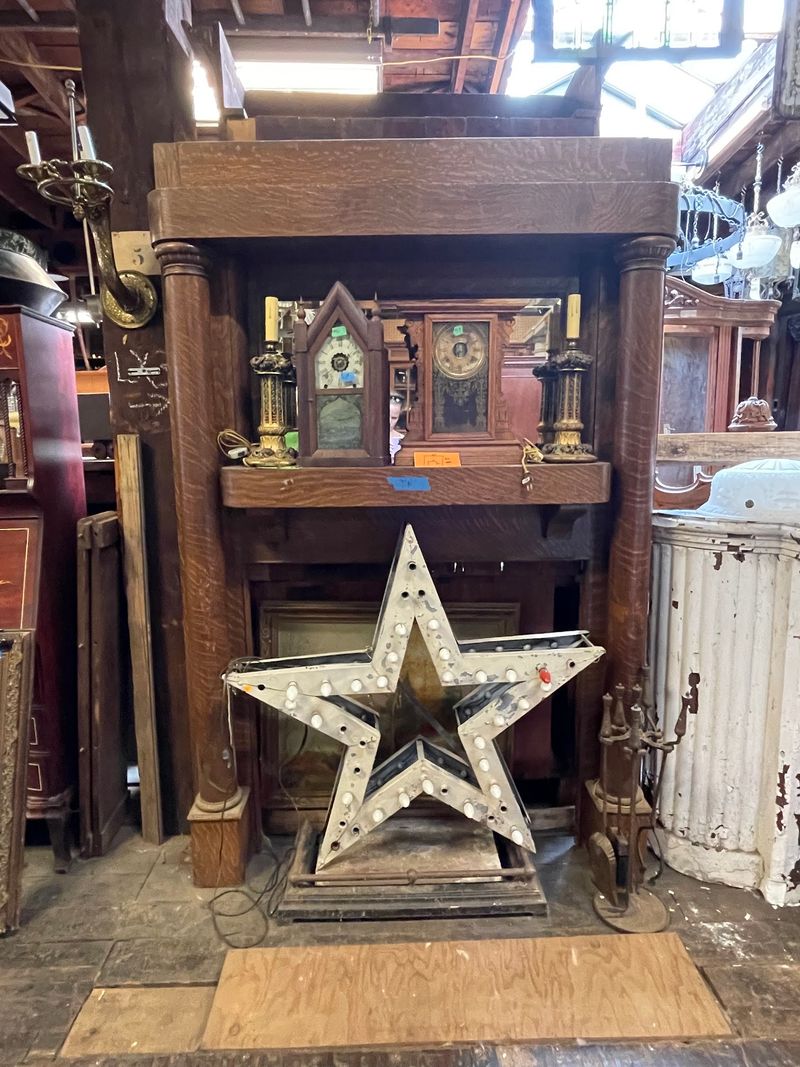
Thirty-eight thousand square feet is a lot of room for old things. Doc’s fills its two-story building with large-scale architectural pieces as well as smaller things that can disappear into a box of hardware.
Some items demand immediate attention. A tall door might stand beside a carved fireplace surround, while an ornate light fixture hangs overhead.
Other finds take patience: knobs, pulls, hinges, and small metal details are easier to appreciate when you slow down.
The historic building suits items that wouldn’t fit on ordinary antique-store shelves.
There’s an appealing contrast between the size of the place and the precision of many of its contents. A delicate piece of decorative glass can share a room with a cast-iron bathtub. Neither belongs to the same decade, and that’s part of the fun.
Don’t expect a perfectly matched showroom. You’re looking through materials recovered from different buildings, regions, and design periods.
Take your time with the details. A small discovery might end up being more useful than the biggest object in the room.
Some Of The Doors Date Back To The 1800s
A door can tell you a surprising amount about the building it once served. The proportions, panels, glass, and hardware all reveal clues about the era when it was made.
Doc’s has carried tall nineteenth-century doors with distinctive trim, glass panels, and details seldom found in modern stock. One suitable replacement can preserve the feel of an entire hallway.
Door hardware deserves equal attention. Knobs, hinges, latches, and decorative plates may look like minor accessories, but they change the character of a finished entrance.
The shop’s selection gives restorers a place to look for pieces with the right shape and finish.
Not every antique door will fit an existing opening. Take measurements of height, width, thickness, and the placement of hardware before making a purchase.
Older buildings often used dimensions that don’t line up neatly with today’s common sizes.
The same advice applies to windows and shutters. Pieces from different periods have different construction details, so condition and suitability deserve careful inspection.
In Tennessee, that mix of historic materials makes this warehouse especially interesting for anyone caring for an older house.
Antique Lighting Gets Another Chance To Shine
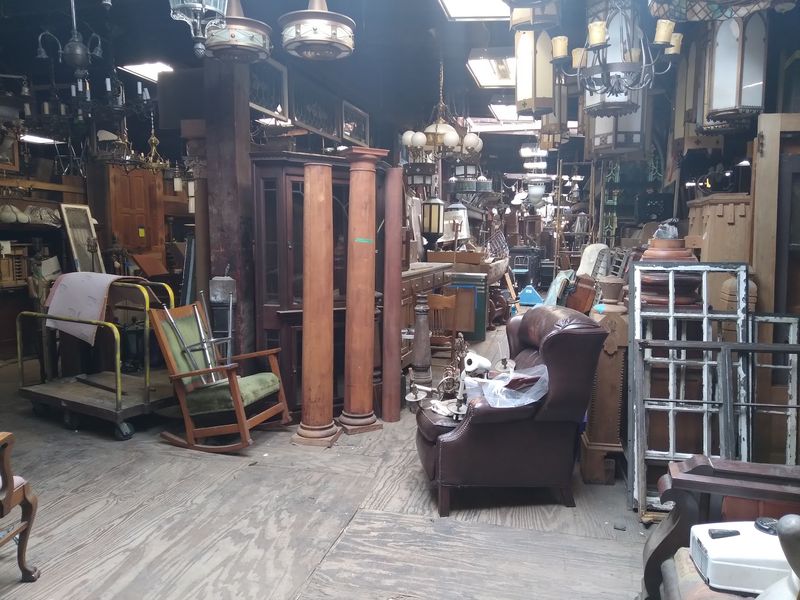
Look up. Chandeliers, sconces, and unusual antique fixtures bring metalwork, glass, and decorative detail together in pieces that once illuminated very different rooms.
The crew recovers intricate fixtures from historic properties. One elaborate European chandelier underwent a particularly involved restoration, requiring its components to be carefully separated and reassembled.
It’s the kind of work that calls for steady hands and a good understanding of how the parts fit together.
Doc’s offers repurposing of light fixtures among its services. That opens up possibilities for adapting an old piece to a new setting, whether the goal is a period-style room or a contemporary space with one striking detail.
Electrical safety deserves attention with anything antique. Before using a reclaimed light, ask about its condition, wiring, and whether further work is needed from a qualified professional.
Beautiful glass and metal don’t tell you what’s happening inside a fixture.
You might arrive wanting a simple wall light and become fascinated with a large chandelier instead. That’s the risk of a showroom devoted to lighting with a past. Even an unlit fixture can command a whole room.
Mantels And Tin Ceilings Bring Back The Details
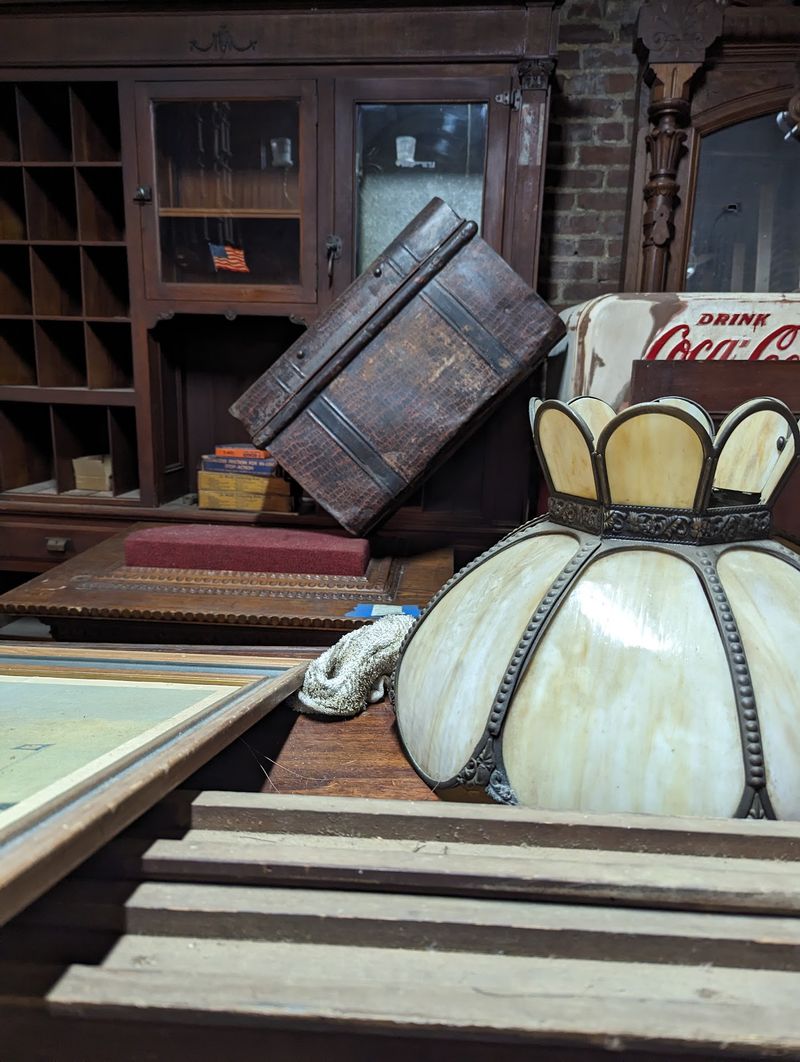
Victorian fireplace mantels are a specialty at Doc’s, from carved wood to simpler stone and metal designs.
A mantel isn’t merely somewhere to display a clock. Its proportions frame an entire fireplace, and changing it can alter the look of a living room.
Salvaged examples offer an opportunity to preserve decorative work that was once made specifically for a building.
Tin ceiling panels bring a different sort of craftsmanship into focus. Their raised patterns create texture across a broad surface, recalling interiors from earlier commercial and residential spaces.
They can be reused in suitable restoration projects or incorporated as decorative accents elsewhere, provided their condition and installation needs are considered.
Corbels, trim, and other carved details offer smaller possibilities. A single architectural fragment might become the centerpiece of a shelf or a thoughtful addition to an existing room.
Unlike a matching set of new fixtures, reclaimed materials come with individual variations. Age, finish, and previous use give each one its own character.
A visit can become a lesson in the details that older buildings carried almost everywhere, long before those details were sold individually.
Even The Bathtubs And Windows Have Stories
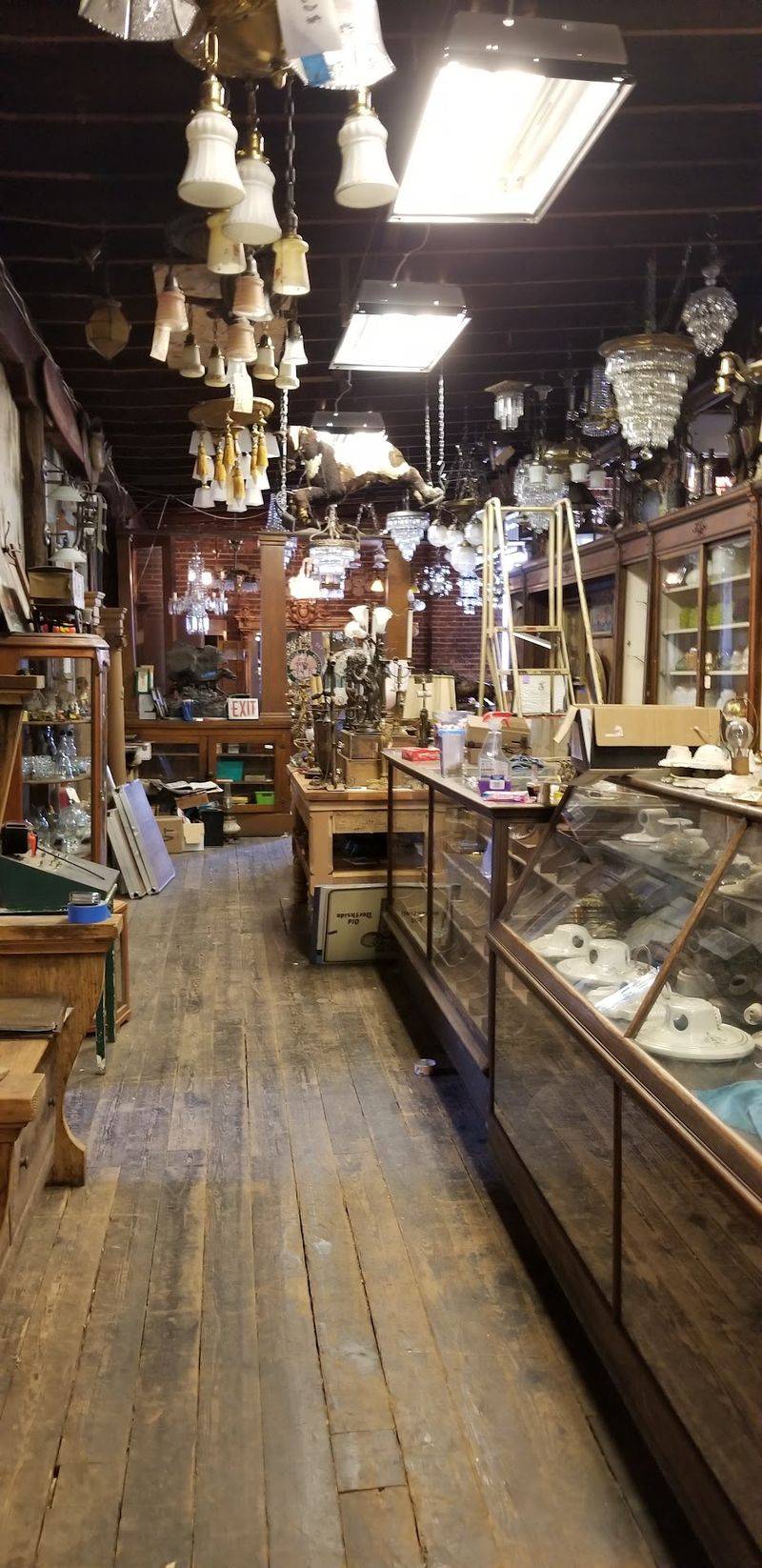
A cast-iron bathtub won’t slip easily into a car trunk. Doc’s stocks them alongside vintage sinks and other historic fixtures.
Their appeal lies partly in the construction. Claw-foot tubs and older basins can have forms that suit period bathrooms, while different fixtures show how practical household design evolved.
Before making plans, examine measurements, weight, condition, and how the plumbing could connect to an existing space.
Decorative glass offers a completely different experience. Stained-glass windows and panels bring patterned color into the warehouse, sometimes with leaded lines and shapes associated with older architectural styles.
In a new setting, daylight can reveal details that aren’t obvious when a piece is resting indoors.
The stock also includes windows, door components, and assorted hardware, so a restoration project might lead you through several departments of the building.
There’s no guarantee that every piece shown in past inventory is still available. Salvage is individual by nature, and the selection changes as material is recovered and sold.
That’s especially true for Tennessee shoppers searching for a very particular size or style.
This Shop Repairs More Than It Sells
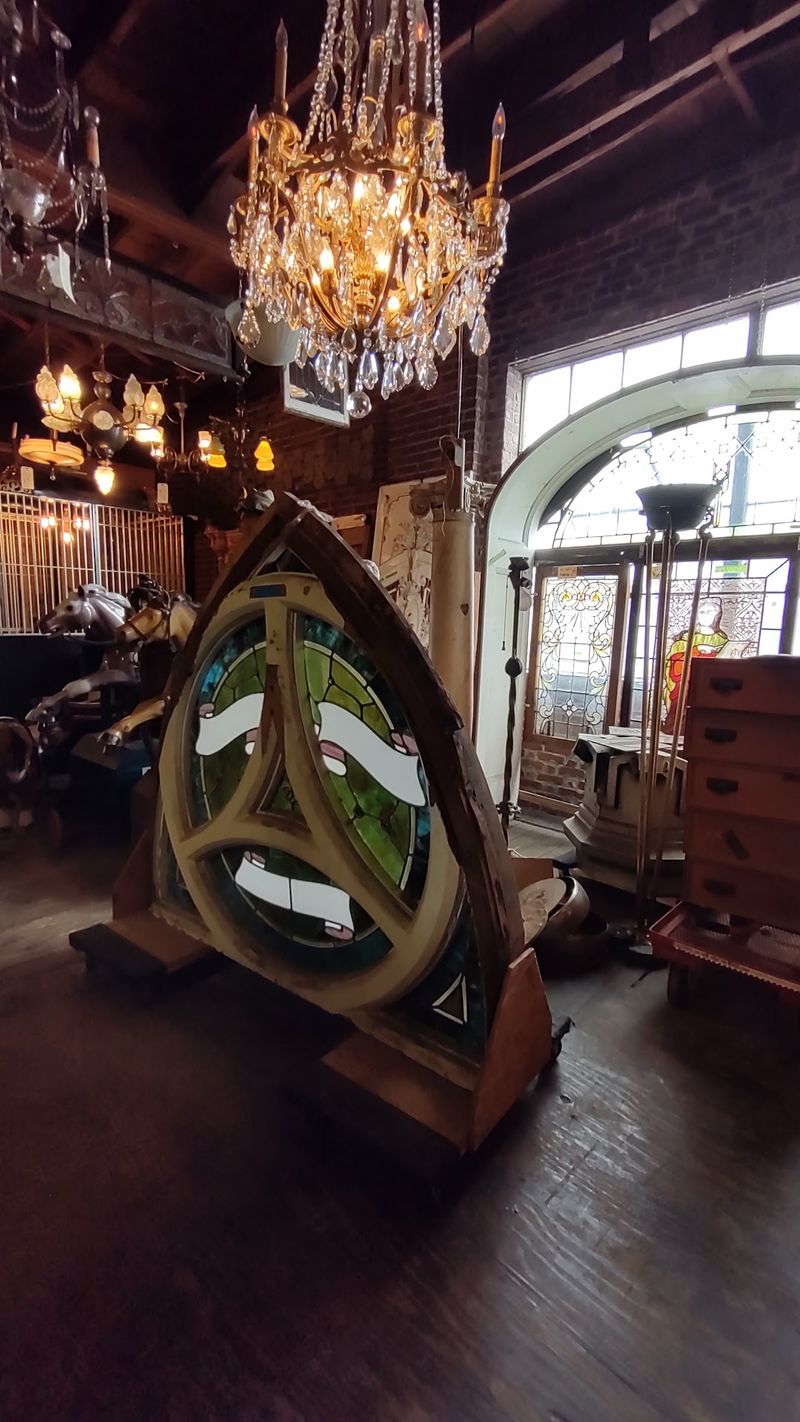
The most useful surprise may come after you’ve chosen an old piece.
Doc’s offers furniture stripping and refinishing, furniture repurposing, antique restoration, and restoration of architectural salvage.
Reclaimed objects often need work before going into a new home. A cabinet may need refinishing; an antique light may need adapting. The aim is to retain what made each item distinctive.
The business’s broader restoration background includes work on historic buildings and other properties.
Customers can discuss projects involving architectural materials instead of treating the warehouse as a collection of objects with no further support.
Not every project needs to become permanent household furniture, either. The business offers antique and prop rentals for film projects, productions, weddings, and events.
A substantial period piece can help set a scene without becoming a permanent installation.
Shipping is available for architectural salvage and antiques, with arrangements depending on the item. Large, fragile pieces naturally require different preparation from small hardware.
So the business isn’t simply about finding something old. It’s also about figuring out what happens next, and how to give it a useful place in the present.
Make The Springfield Visit A Proper Treasure Hunt
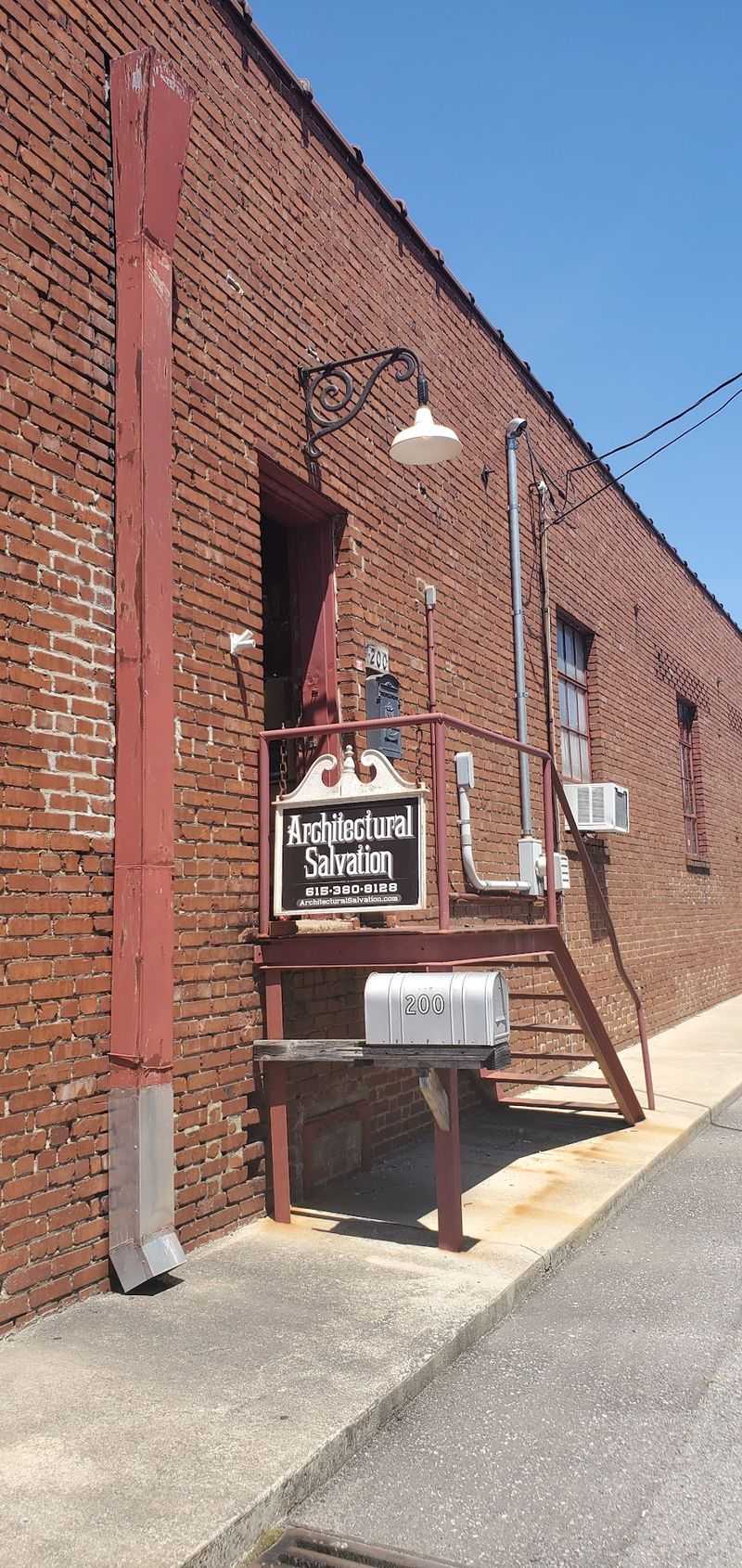
Doc’s Architectural Salvage sits in Springfield, a Robertson County town north of Nashville. For the trip, use 200 E 9th Ave, Springfield, and give yourself enough time to explore the two-story collection without rushing.
The shop generally opens Tuesday, Thursday, Friday, and Saturday from ten in the morning until four in the afternoon.
Wednesday starts an hour later, at eleven, and Monday and Sunday are regular closing days. Confirm hours before a longer drive, especially around holidays.
Bring clear measurements of the doorway, fireplace, or room you’re working on, and photograph any existing hardware that needs matching. For heavier purchases, ask about collection and shipping arrangements before making plans.
You can visit without restoring a house. Antique lighting, smaller hardware, decorative glass, and unusual furnishings offer plenty to look at even when your shopping list is short.
What makes this Tennessee warehouse memorable is that nothing began as a generic display item. Much of it was built for a specific room, staircase, or doorway.
Now it has the chance to become part of another building’s story.